Coral.bells Plant
Coral bells plants (Heuchera) are versatile perennials prized for their colorful foliage and delicate bell-shaped flowers. These shade-loving plants offer year-round interest with minimal maintenance, making them perfect for borders, containers, and woodland gardens.
If you have ever walked through a garden center in spring, you have probably seen them. Those mounds of ruffled leaves in shocking purple, caramel, lime green, or deep near-black. They catch your eye immediately. They are coral bells plants, also known by their botanical name Heuchera. And they might just be the most useful perennial you are not growing yet.
I remember the first time I planted coral bells. I had a shady spot under a maple tree where grass refused to grow. Hostas got eaten by slugs. Ferns looked nice but felt a bit one-note. Then I tried a variety called ‘Palace Purple.’ It survived the dry shade. It kept its color all winter. The next spring, it sent up delicate wands of tiny pink bells that hummingbirds fought over. I was hooked. Today, I want to share everything I have learned about these incredible plants so you can enjoy them too.
Key Takeaways
- Versatile foliage colors: Coral bells come in shades of purple, bronze, green, silver, and chartreuse, providing year-round visual interest.
- Shade tolerant champions: These plants thrive in partial to full shade, making them ideal for difficult garden spots under trees or on north-facing walls.
- Low maintenance beauty: Once established, coral bells require minimal care — just occasional watering and division every few years.
- Pollinator friendly: The delicate flower spikes attract hummingbirds, bees, and butterflies to your garden throughout the growing season.
- Excellent container plants: Their compact size and shallow roots make coral bells perfect for pots, window boxes, and mixed planters.
- Deer and rabbit resistant: The slightly fuzzy, bitter-tasting foliage naturally deters common garden pests without chemicals.
- Year-round appeal: Many varieties are evergreen or semi-evergreen, providing winter color when most perennials have died back.
Quick Answers to Common Questions
Can coral bells grow in full sun?
In cool climates with consistent moisture, yes. In hot climates, they need afternoon shade. Villosa hybrids like ‘Caramel’ and ‘Citronelle’ tolerate more sun than other types.
How often should I water coral bells?
Water new plants regularly for the first season. Established plants need deep watering weekly during dry spells. They prefer evenly moist, well-drained soil — never soggy.
When is the best time to divide coral bells?
Early spring or early fall are ideal. Divide every 3-4 years when the center becomes woody and bare. Replant divisions at the same depth and water well.
Are coral bells deer resistant?
Yes, generally. Their slightly fuzzy, bitter-tasting foliage deters deer and rabbits. However, very hungry animals may still browse them, especially tender new growth in spring.
Why are my coral bells leaves turning brown and crispy?
This is usually sun scorch or drought stress. Move to a shadier spot, ensure consistent moisture, and mulch to keep roots cool. Afternoon sun is the most common culprit.
📑 Table of Contents
- Getting to Know Coral Bells Plants
- Choosing the Right Variety for Your Garden
- Planting Coral Bells for Success
- Ongoing Care and Maintenance
- Designing with Coral Bells Plants
- Common Problems and Solutions
- Seasonal Care Calendar
- Propagating Coral Bells: Beyond Division
- Coral Bells in the Ecosystem
- Buying Guide: What to Look For
- Advanced Tips for Coral Bells Enthusiasts
- Conclusion
Getting to Know Coral Bells Plants
What Exactly Are Coral Bells?
Coral bells plants belong to the genus Heuchera. They are native to North America. You can find wild species growing everywhere from rocky cliffs in the Rockies to woodland floors in the Appalachians. This wide native range tells you something important. These plants are tough. They adapt. They survive.
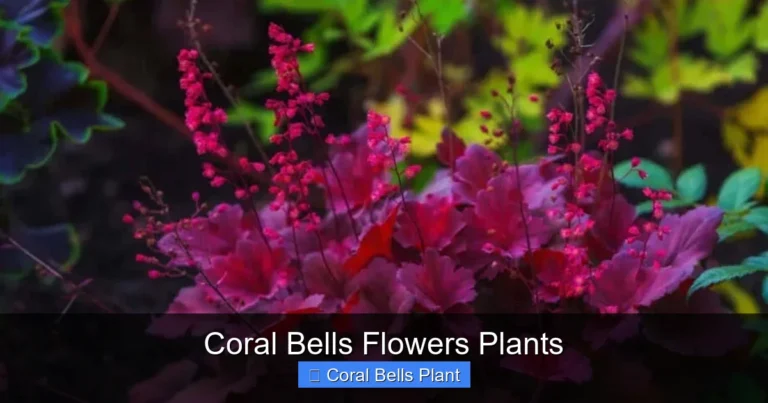
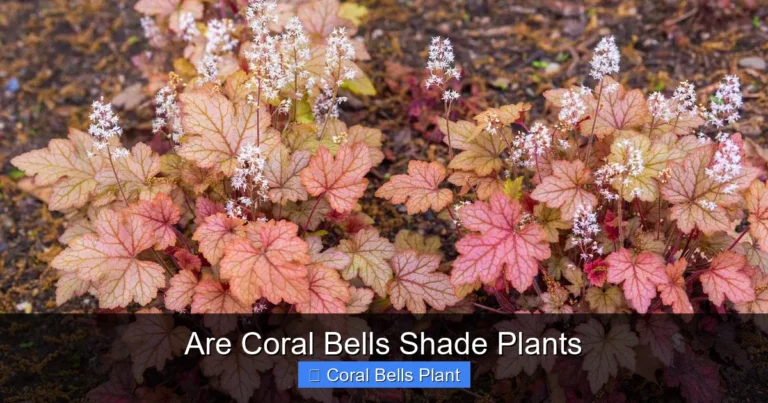
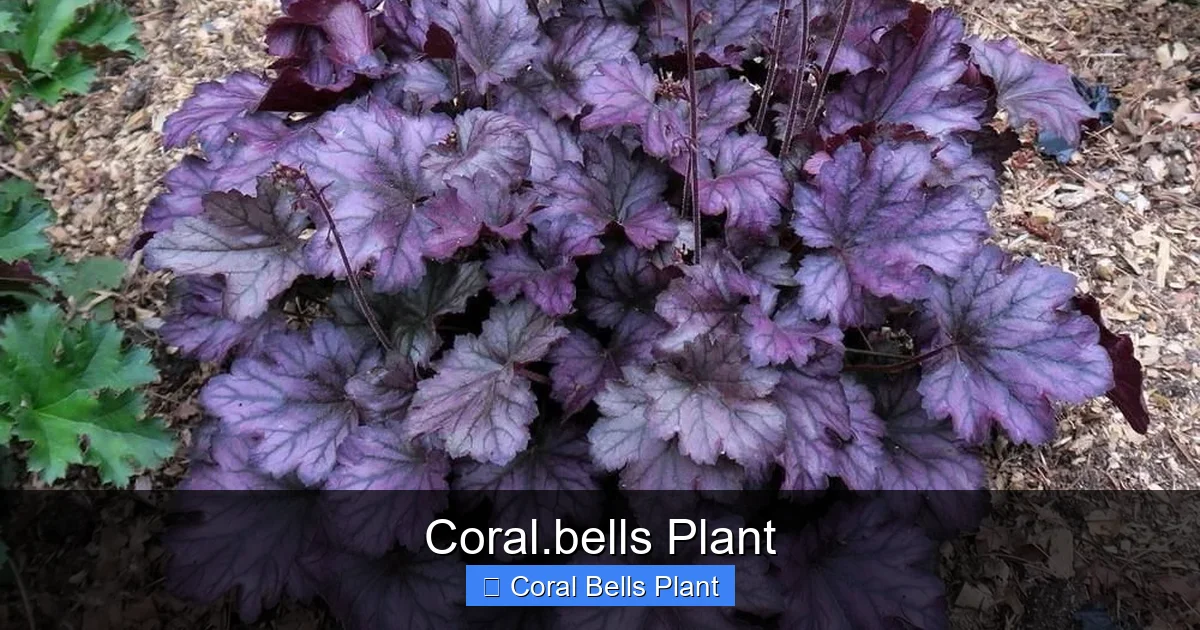
The common name “coral bells” comes from the flowers. Tiny, bell-shaped blooms in shades of coral, pink, red, or white dangle from wiry stems above the foliage. But let us be honest. Most gardeners grow coral bells for the leaves. The foliage forms a neat, rounded mound. The leaves are lobed, often ruffled or curled at the edges. And the colors? They are unreal. Deep plum. Bright chartreuse. Metallic silver. Warm caramel. Peachy orange. Near-black. Some varieties even change color with the seasons.
A Brief History of Heuchera Breeding
Wild coral bells were mostly green with small flowers. Pretty, but not showstoppers. Then breeders got involved. In the 1990s, a man named Dan Heims at Terra Nova Nurseries in Oregon changed everything. He crossed different Heuchera species. He selected for foliage color, ruffling, vigor, and heat tolerance. The explosion of varieties we see today? That is largely his doing.
Modern coral bells plants are complex hybrids. They often contain genetics from H. americana (for cold hardiness), H. sanguinea (for flowers), H. villosa (for heat and humidity tolerance), and H. micrantha (for large leaves). This mixing is why you can now find a coral bells plant for almost any garden condition.
Choosing the Right Variety for Your Garden
Understanding the Main Groups
With hundreds of named cultivars, choosing can feel overwhelming. It helps to think in groups. The “villosa” types have large, hairy leaves. They handle heat and humidity like champs. Good for the Deep South. The “americana” types are compact and cold-hardy. Perfect for northern gardens. The “sanguinea” types bloom heavily. Great if you want flowers for cutting. And the “micrantha” types? Big, bold leaves. Dramatic presence.
Most nursery tags will not list the species parentage. But they will tell you the key traits. Look for words like “heat tolerant,” “sun tolerant,” “vigorous,” or “compact.” Match those to your needs.
Top Varieties by Color Category
Let us break down some reliable favorites by foliage color. This makes designing easier.
Purple and Near-Black: ‘Palace Purple’ is the classic. Reliable, widely available, deep bronze-purple. ‘Obsidian’ is darker, shinier, almost black. ‘Black Pearl’ has intense ruffling. ‘Forever Purple’ keeps its color all season without fading to green.
Silver and Pewter: ‘Silver Scrolls’ has metallic silver leaves with dark veins. ‘Looking Glass’ is almost mirror-like. ‘Appletini’ starts chartreuse and ages to silver. These shine in shade.
Caramel, Peach, and Orange: ‘Caramel’ is the gold standard — warm amber leaves that take sun. ‘Peach Flambe’ turns bright peach in spring, deeper in summer. ‘Georgia Peach’ has huge leaves, great heat tolerance. ‘Fire Alarm’ is true red-orange.
Chartreuse and Lime: ‘Lime Rickey’ is electric. ‘Electric Lime’ is similar but larger. ‘Citronelle’ is a villosa type, very heat tolerant. These glow in dark corners.
Green with Pattern: ‘Green Spice’ has silver overlay and dark veins. ‘Mint Julep’ is frosty mint green. ‘Berry Smoothie’ starts rose-pink, matures to berry-purple.
Sun Tolerance: A Critical Factor
Here is where many gardeners go wrong. They see “full sun to part shade” on the tag and plant their coral bells in blazing afternoon sun. The result? Scorched, crispy leaves. The truth is nuanced.
In cool climates (zones 4-6), many varieties take full sun if they have consistent moisture. In hot climates (zones 7-9), afternoon shade is non-negotiable for most. The villosa hybrids handle more sun. The dark purple and black varieties often need more shade to prevent bleaching. The light chartreuse and yellow types scorch fastest.
My rule of thumb: morning sun, afternoon shade works almost everywhere. If you must plant in more sun, choose villosa types like ‘Caramel,’ ‘Citronelle,’ or ‘Mocha.’ Mulch heavily. Water faithfully.
Planting Coral Bells for Success
When to Plant
Spring and fall are both excellent. Spring planting gives roots time to establish before summer heat. Fall planting lets roots grow in cool soil without top-growth pressure. Avoid planting in the heat of summer unless you can baby them with daily watering. Avoid planting in late fall in cold zones — the crowns can heave out of the ground during freeze-thaw cycles.
Site Selection and Soil Preparation
Coral bells plants want well-drained soil. This is rule number one. They will rot in heavy clay that stays wet. If you have clay, amend it. Mix in compost, leaf mold, or fine pine bark. Create a raised bed or mound if drainage is truly terrible. The crown of the plant — where leaves meet roots — must sit slightly above soil level. Never bury it.
Ideal soil pH is slightly acidic to neutral, 6.0 to 7.0. They are not super fussy, but extremely alkaline soil can cause chlorosis (yellowing leaves). A soil test never hurts.
Spacing and Planting Technique
Space plants 12 to 18 inches apart depending on mature size. Check the tag. Dig a hole twice as wide as the pot, same depth. Gently loosen circling roots. Place the plant. Backfill with amended soil. Firm gently. Water thoroughly to settle soil and eliminate air pockets. Apply a thin layer of shredded bark or leaf mulch, keeping it away from the crown.
Container Planting Tips
Coral bells are stellar container plants. Choose a pot at least 12 inches wide with drainage holes. Use a high-quality potting mix, not garden soil. Add perlite or pumice for extra drainage. Plant the crown slightly high. Water when the top inch of mix feels dry. Fertilize lightly — a slow-release balanced fertilizer in spring is plenty. In cold zones, move pots to an unheated garage or bury them in the ground for winter.
Ongoing Care and Maintenance
Watering: The Goldilocks Balance
Coral bells like consistent moisture but hate wet feet. Think “evenly moist, well-drained.” New plants need regular watering for the first season. Established plants are surprisingly drought tolerant, especially villosa types. But they look best with weekly deep watering during dry spells.
Water at the base, not overhead. Wet foliage invites fungal diseases. Morning watering is best so leaves dry quickly. Mulch helps retain moisture and keeps roots cool.
Fertilizing: Less Is More
These are not heavy feeders. Too much nitrogen produces lush, soft growth that flops and attracts pests. A light application of balanced slow-release fertilizer (like 10-10-10 or 5-5-5) in early spring is sufficient. Or top-dress with an inch of compost. That is it. Skip the liquid fertilizer routine.
Deadheading and Pruning
After flowering, you can remove spent flower stems to tidy up. Cut them at the base. This sometimes encourages a light rebloom. In late winter or early spring, remove any tattered, brown, or damaged leaves. Cut them off at the base. This makes room for fresh growth and improves air flow.
Every few years, the center of the clump may get woody and die out. The plant becomes a ring with a bare middle. This is normal. It is time to divide.
Dividing: Rejuvenation and Propagation
Divide coral bells in spring or early fall. Dig up the whole clump. Shake off soil. You will see a woody crown with multiple growing points. Use a sharp knife or your hands to separate these into sections, each with roots and leaves. Discard the woody center. Replant divisions at the same depth, water well. They establish fast.
Division does two things. It rejuvenates the parent plant. And it gives you free plants. Win-win.
Designing with Coral Bells Plants
Shade Garden Combinations
This is where coral bells shine. Their mounded habit and colorful foliage play beautifully with other shade lovers. Pair purple varieties with golden Japanese forest grass (Hakonechloa ‘Aureola’). The grass arches; the coral bells mound. Texture contrast. Color contrast. Perfection.
Plant silver coral bells near blue hostas like ‘Halcyon’ or ‘Blue Angel.’ The silver picks up the blue. Plant chartreuse varieties near dark green ferns or black mondo grass (Ophiopogon planiscapus ‘Nigrescens’). The lime pops.
Use coral bells as edging along a woodland path. Their evergreen foliage defines the edge all winter. Plant them in drifts of 3, 5, or 7 for impact. Single plants get lost.
Container Recipes
Coral bells are the ultimate “filler” in the thriller-filler-spiller container formula. Their foliage looks good all season, unlike many flowers that fade.
Recipe 1 (Shade): Thriller — Japanese painted fern. Filler — ‘Silver Scrolls’ coral bells. Spiller — variegated creeping jenny (Lysimachia ‘Aurea’).
Recipe 2 (Part Sun): Thriller — purple fountain grass (annual in cold zones). Filler — ‘Caramel’ coral bells. Spiller — sweet potato vine ‘Marguerite’.
Recipe 3 (Cool Season): Thriller — red-twig dogwood branches (cut stems). Filler — ‘Obsidian’ coral bells. Spiller — trailing pansies. Switch to summer annuals when it warms up.
Rock Gardens and Slopes
Because they are native to rocky places, coral bells feel at home in rock gardens. Tuck them between stones. Their roots follow crevices. The foliage softens hard edges. On slopes, they help hold soil. Plant in staggered rows. Mulch with gravel or small stone — it looks natural and keeps crowns dry.
Underplanting Trees and Shrubs
Dry shade under trees is a classic problem. Coral bells solve it. Plant them under deciduous trees. They get spring sun before leaves emerge. Then they tolerate summer shade. Under shallow-rooted trees like maples, plant in pockets of amended soil between roots. Do not rototill — you will damage tree roots. Just dig individual holes.
Common Problems and Solutions
Heaving: The Winter Enemy
In zones 4-6, freeze-thaw cycles can push coral bells crowns right out of the ground. The roots dry out and the plant dies. You will see the plant sitting on top of the soil, roots exposed.
Prevention: Plant with the crown slightly high. Mulch heavily after the ground freezes (late November). Use pine boughs, straw, or shredded leaves. In spring, check for heaved plants. Gently press them back down. Water.
Crown Rot: The Wet Soil Killer
This is the number one cause of death. The crown turns mushy, black, foul-smelling. Leaves yellow and collapse. It happens in heavy clay, low spots, or overwatered containers.
Prevention: Drainage, drainage, drainage. Plant high. Do not mulch over the crown. Water at the base, not overhead. If you see it early, you can sometimes save the plant by digging it up, cutting away rot, dusting with sulfur, and replanting in a better spot. But prevention is easier.
Foliar Nematodes: The Invisible Pest
These microscopic worms live inside leaves. They cause angular brown patches between leaf veins. The patches look “blocky” because nematodes cannot cross major veins. Leaves eventually die.
Management: Remove and destroy affected leaves. Do not compost. Avoid overhead watering — nematodes swim in water films. Space plants for air flow. There is no chemical cure for home gardeners. Clean up all foliage in fall.
Sun Scorch and Bleaching
Leaves turn white, papery, crispy at edges. Or dark varieties turn muddy green. This is too much sun.
Fix: Move the plant in fall or early spring to a shadier spot. Or provide afternoon shade with a taller companion plant or a shade cloth panel. Water deeply during heat waves.
Deer and Rabbits: Usually Not a Problem
I listed this as a “pro” earlier. But hungry animals eat anything. If you have heavy pressure, spray new growth with repellent in spring. Once leaves mature and toughen, they are usually left alone.
Rust and Powdery Mildew
Fungal diseases appear in humid, stagnant air. Rust shows as orange pustules on leaf undersides. Powdery mildew looks like white dust.
Prevention: Space plants. Water at soil level. Morning sun helps dry leaves. Remove affected leaves. Serious cases may need fungicide, but cultural fixes usually work.
Seasonal Care Calendar
Spring (March-May)
- Remove winter mulch gradually as weather warms.
- Cut back any tattered winter foliage.
- Apply light fertilizer or compost top-dressing.
- Divide overcrowded clumps (early spring).
- Water new divisions regularly.
- Watch for heaving — press plants back down.
Summer (June-August)
- Deadhead spent flower stems if desired.
- Water deeply during dry spells (weekly).
- Mulch to conserve moisture.
- Scout for foliar nematodes, rust, mildew.
- Enjoy hummingbirds on flowers!
Fall (September-November)
- Divide if needed (early fall best).
- Plant new coral bells (6+ weeks before ground freezes).
- Stop fertilizing.
- Clean up fallen leaves from around crowns.
- Apply winter mulch after ground freezes (zones 4-6).
Winter (December-February)
- Leave foliage in place — it protects the crown.
- Check for heaving during thaws.
- Brush heavy snow off gently if needed.
- Plan next year’s additions!
Propagating Coral Bells: Beyond Division
Seed Starting
You can grow coral bells from seed. But — and this is big — named cultivars do not come true from seed. The seedlings will be variable. Some nice, some meh. Species types (H. sanguinea, H. americana) come truer. If you want a specific variety, buy the plant or divide.
If you want to experiment, sow seeds on the surface of moist seed-starting mix. Do not cover — they need light. Keep at 65-70°F. Germination takes 2-8 weeks. Tiny seedlings. Transplant carefully. They take a year or two to reach flowering size.
Leaf Cuttings
This works for some varieties. Take a healthy leaf with a short piece of petiole (leaf stem). Dip in rooting hormone. Stick in moist perlite/peat mix. Cover with a humidity dome. Bottom heat helps. Roots form in 4-6 weeks. Pot up. This is slower than division but lets you multiply a prized plant without digging it up.
Tissue Culture
This is how nurseries produce the millions of identical plants you see for sale. It requires a sterile lab. Not for home gardeners. But it is why you can buy ‘Obsidian’ anywhere and know it will be ‘Obsidian’.
Coral Bells in the Ecosystem
Pollinator Support
The flowers are small but mighty. They produce nectar and pollen. Hummingbirds love them — the tubular shape fits their beaks perfectly. Native bees visit. Butterflies sip. Flowering happens late spring to early summer, bridging the gap between spring bulbs and summer perennials.
If you want maximum pollinator value, choose varieties with showy flowers. ‘Green Spice,’ ‘Mint Julep,’ and the sanguinea hybrids bloom heavily. Some modern foliage-focused varieties have sparse flowers. Check catalog descriptions.
Native Plant Connections
Heuchera species are native across North America. By growing them, you support native insect relationships. The larvae of several moth species feed on Heuchera leaves. Birds eat the caterpillars. It is a food web in your garden.
If you garden for ecology, consider planting straight species like H. americana (alumroot) or H. richardsonii (prairie alumroot) alongside the fancy hybrids. They are tough, beautiful in a subtle way, and maximum wildlife value.
Companion Planting for Pest Management
Coral bells’ slightly fuzzy, bitter leaves deter deer and rabbits. Plant them as a “living fence” around more tasty perennials. Ring your hostas with coral bells. Edge your vegetable garden. It is not 100% foolproof, but it helps.
Buying Guide: What to Look For
At the Garden Center
Choose plants with firm, colorful foliage. Avoid yellowing, spotted, or wilted leaves. Check the crown — it should be at soil level, not buried. Gently lift the pot. Roots should be white or light tan, not circling tightly or brown and mushy.
Buy in spring for best selection. Fall plants may be root-bound but are often discounted. They establish well in cool weather.
Mail Order and Online
Specialty nurseries offer the widest variety. Plants arrive bare-root or in small plugs. Order early spring for best availability. Unpack immediately. Pot up or plant within a day. Keep shaded and moist until planted.
Price vs. Size
You will see quart pots, gallon pots, and “liner” plugs. Gallon plants give instant impact but cost more. Quarts are the sweet spot — good root system, reasonable price. Plugs are cheap but need a season to bulk up. For mass planting, plugs make sense. For a focal point, buy a gallon.
Advanced Tips for Coral Bells Enthusiasts
Creating a Heuchera Collection
Once you catch the bug, you may want a collection. Group varieties by color theme in a dedicated bed. A “purple bed” with ‘Obsidian,’ ‘Forever Purple,’ ‘Black Pearl,’ ‘Plum Pudding.’ A “caramel bed” with ‘Caramel,’ ‘Georgia Peach,’ ‘Peach Flambe,’ ‘Crème Brûlée.’ Label them. Take photos through the seasons. It becomes a living reference library.
Breeding Your Own
Amateur breeding is fun. Transfer pollen from one variety to another using a small brush. Tag the cross. Harvest seed when pods turn brown. Sow. Wait. You might get something amazing. Many named varieties started this way.
Using Coral Bells in Floral Design
The foliage lasts two weeks in a vase. Cut stems early morning. Plunge into deep water. Use in autumn arrangements with dahlias, grasses, seed pods. The ruffled leaves add texture. The colors — especially the darks and caramels — are sophisticated.
Overwintering in Extreme Cold (Zone 3-4)
In the coldest zones, choose the hardiest varieties. ‘Palace Purple,’ ‘Plum Pudding,’ and the americana types are best. Mulch heavily with straw or marsh hay after freeze-up. Snow cover is the best insulator. If unreliable, use evergreen boughs. Do not cut back foliage until spring.
Conclusion
Coral bells plants have earned their place in the garden hall of fame. They solve problems — dry shade, deer, winter boredom, container gaps. They deliver color without flowers, though the flowers are a sweet bonus. They ask for little: decent drainage, a bit of shade, a drink now and then. In return, they give you mounds of living jewelry all year long.
If you have never grown them, start with one. ‘Caramel’ if you have some sun. ‘Obsidian’ for drama in shade. ‘Lime Rickey’ to light a dark corner. Plant it. Watch it. Next spring, you will be back for more. I guarantee it.
Your garden has a spot waiting for coral bells. You just have not met the right variety yet. Go find it.
Frequently Asked Questions
Do coral bells come back every year?
Yes, coral bells are hardy perennials that return reliably in zones 4-9. Many varieties are evergreen or semi-evergreen, providing foliage color through winter. They may need protection from heaving in cold climates.
How long do coral bells plants live?
With proper care and division every 3-4 years, coral bells can live indefinitely. Individual crowns may decline after 5-7 years without division, but the plant perpetuates itself through the division process.
Can I grow coral bells indoors as houseplants?
Coral bells are not ideal long-term houseplants. They need a winter dormancy period and higher humidity than most homes provide. They can be overwintered indoors in pots in cold zones, but prefer outdoor conditions.
What is the difference between coral bells and foamflower?
Coral bells (Heuchera) and foamflower (Tiarella) are close relatives in the same family. Foamflower has more deeply lobed leaves, foamier flower spikes, and spreads by runners. Coral bells form tight clumps with more ruffled foliage. Hybrids between them are called Heucherella.
Should I cut back coral bells in the fall?
No, leave the foliage in place through winter. It protects the crown from freeze-thaw cycles. Remove only tattered leaves in early spring before new growth emerges. This is especially important in zones 4-6.
Why is my coral bells plant dying in the middle?
This is normal aging. The woody center dies out after 3-4 years, creating a “donut” shape. It signals time to divide. Dig up the plant, discard the dead center, and replant the healthy outer sections with roots attached.