Wild Ginger Planting Requirements Wisconsin
Wild ginger thrives in Wisconsin’s cool, moist woodlands when you match its shade and soil needs. Follow these wild ginger planting requirements Wisconsin guidelines to enjoy a lush, low‑maintenance ground cover.
If you have ever walked through a Wisconsin forest in early spring, you have likely seen the heart‑shaped leaves of wild ginger carpeting the forest floor. This native perennial is a favorite for shade gardens because it forms a dense, weed‑suppressing mat with minimal care. Understanding the wild ginger planting requirements Wisconsin gardeners rely on will help you recreate that woodland feel in your own yard.
In this guide we cover everything from climate considerations to step‑by‑step planting instructions. You will learn how to prepare the site, when to plant, how to water, and how to keep your wild ginger healthy for years. By the end you will feel confident tackling the wild ginger planting requirements Wisconsin gardeners ask about most often.
Key Takeaways
- Choose a shady site: Wild ginger prefers dappled to full shade.
- Use rich, well‑drained soil: Amend with compost for best results.
- Plant in early spring or fall: Cool temperatures reduce transplant shock.
- Space plants 12‑18 inches apart: Allows rhizomes to spread naturally.
- Mulch heavily: Keeps soil moist and suppresses weeds.
- Water consistently: Maintain even moisture, especially the first year.
- Divide every 3‑4 years: Rejuvenates clumps and expands coverage.
Quick Answers to Common Questions
When is the best time to plant wild ginger in Wisconsin?
Early spring or early fall, when temperatures are cool and the soil is workable.
How much shade does wild ginger need?
It prefers dappled to full shade; avoid hot afternoon sun.
What soil pH is ideal for wild ginger?
A slightly acidic pH between 5.5 and 6.5 works best.
How often should I water newly planted wild ginger?
Water deeply once a week, more often during dry spells, especially the first year.
Can I divide wild ginger clumps?
Yes, divide every 3‑4 years in spring or fall to rejuvenate and expand the planting.
📑 Table of Contents
Understanding Wild Ginger
What Is Wild Ginger?
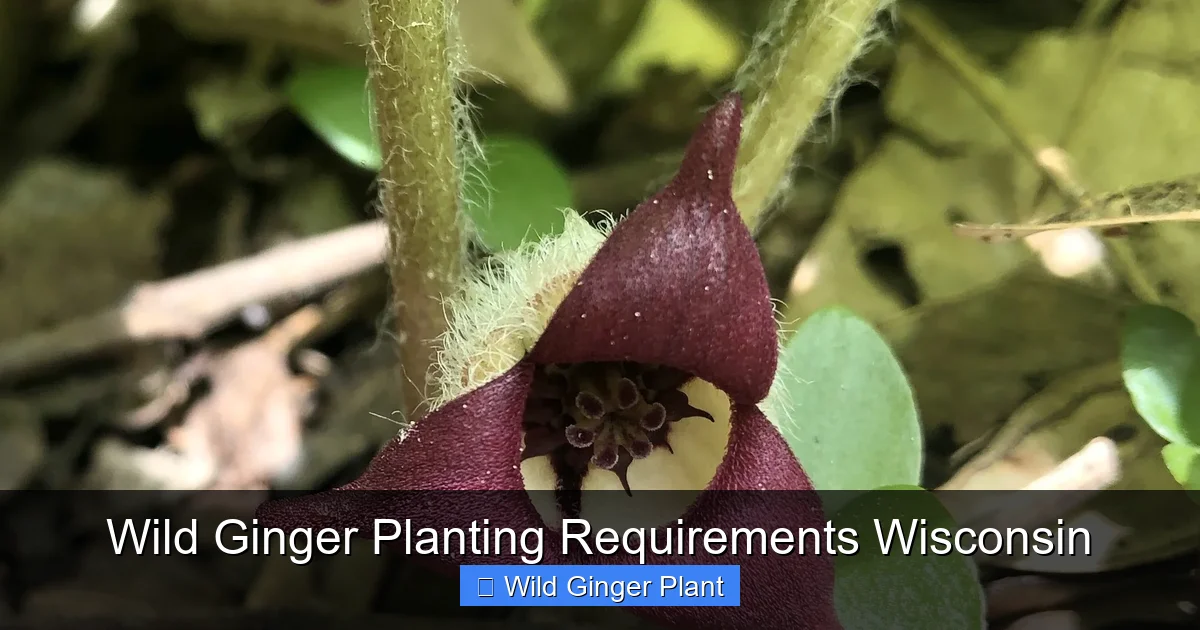
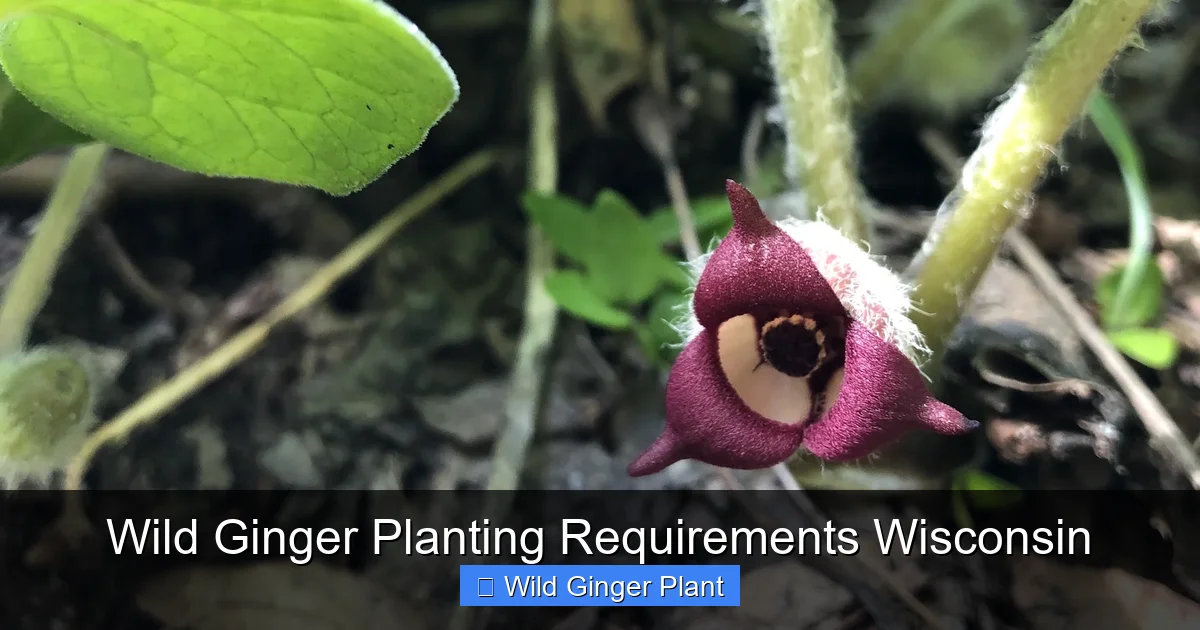
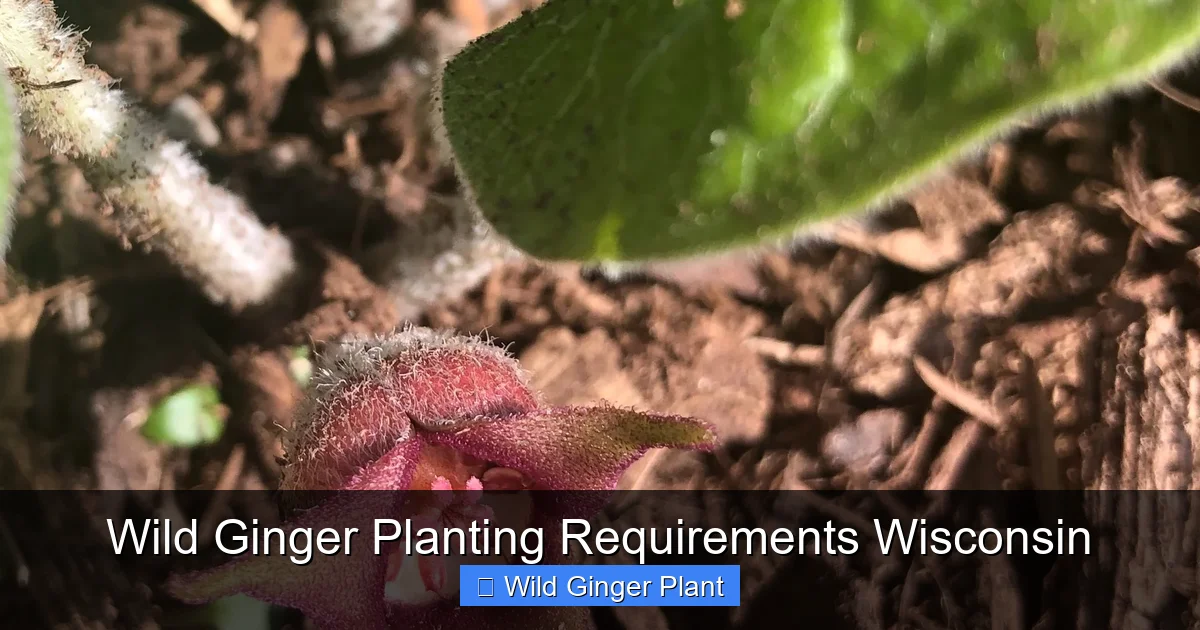
Wild ginger (Asarum canadense) is a low‑growing herbaceous perennial native to eastern North America. It produces kidney‑shaped leaves that emerge in early spring and hide small, bell‑shaped flowers at ground level. The plant spreads by underground rhizomes, creating a thick ground cover over time.
Native Range and Habitat
In Wisconsin, wild ginger naturally occurs in moist, deciduous woodlands. It thrives under a canopy of maple, oak, and basswood where light is filtered. The species prefers cool, humid microclimates with rich organic soil. Knowing this native habitat helps you meet the wild ginger planting requirements Wisconsin gardeners need to replicate.
Benefits for the Garden
Wild ginger offers several advantages. It suppresses weeds, reduces soil erosion on slopes, and provides early season interest with its glossy foliage. The plant is also deer resistant, making it a practical choice for rural Wisconsin properties.
Wisconsin Climate and Soil
Hardiness Zones
Wisconsin spans USDA zones 3b to 5b. Wild ginger is hardy to zone 3, so it survives the coldest winters in the state. Choose a site that matches your local zone for the best success with the wild ginger planting requirements Wisconsin gardeners follow.
Visual guide about Wild Ginger Planting Requirements Wisconsin
Image source: authenticwisconsin.com
Soil Preferences
The ideal soil is loamy, rich in organic matter, and slightly acidic (pH 5.5‑6.5). Heavy clay can be improved with compost and leaf mold. Sandy soils benefit from added peat moss to retain moisture. Testing your soil before planting ensures you meet the wild ginger planting requirements Wisconsin experts recommend.
Moisture Needs
Consistent moisture is critical. Wild ginger does not tolerate drought. In Wisconsin’s summer, rainfall may be insufficient, so supplemental watering is often required. Mulching helps maintain the even moisture level the wild ginger planting requirements Wisconsin guidelines stress.
Site Selection and Preparation
Light Requirements
Select a location with dappled shade to full shade. Morning sun with afternoon shade works well. Avoid hot, direct afternoon sun, which can scorch the leaves and increase water demand.
Visual guide about Wild Ginger Planting Requirements Wisconsin
Image source: authenticwisconsin.com
Soil Amendment
Before planting, work 2‑3 inches of compost or well‑rotted leaf mold into the top 6‑8 inches of soil. This improves structure, fertility, and moisture retention. If your soil is very alkaline, add elemental sulfur to lower pH.
Bed Preparation
Clear the planting area of weeds, grass, and debris. Loosen the soil with a garden fork to a depth of at least 8 inches. Rake the surface smooth. A prepared bed makes it easier to meet the wild ginger planting requirements Wisconsin gardeners expect for quick establishment.
Planting Steps
When to Plant
The best times are early spring (as soon as the ground can be worked) or early fall (4‑6 weeks before the first hard frost). Cool temperatures reduce transplant shock and give roots time to establish before extreme weather.
Spacing
Space individual plants 12‑18 inches apart. This spacing allows rhizomes to fill in without overcrowding. For a faster ground cover, plant at the tighter 12‑inch spacing.
Planting Depth
Dig a hole slightly larger than the root ball. Place the plant so the crown sits at soil level. Backfill with amended soil, firm gently, and water thoroughly. Proper depth is a key part of the wild ginger planting requirements Wisconsin gardeners must follow.
Mulching
Apply a 2‑3 inch layer of shredded leaves, pine needles, or bark mulch around each plant. Keep mulch a few inches away from the crown to prevent rot. Mulch conserves moisture, moderates soil temperature, and suppresses weeds.
Ongoing Care
Watering
Water deeply once a week during dry periods, more often in the first growing season. Aim for soil that feels moist 2 inches down. A soaker hose or drip irrigation works well and reduces leaf wetness.
Fertilizing
Wild ginger generally needs little fertilizer. A light application of balanced organic fertilizer in early spring can boost growth. Avoid high‑nitrogen products, which encourage leafy growth at the expense of rhizome spread.
Weed Control
Hand‑pull weeds early before they set seed. The dense foliage of mature wild ginger will naturally shade out most weeds. Mulch also reduces weed germination.
Division
Every 3‑4 years, lift clumps in early spring or fall. Separate rhizomes with a sharp knife, ensuring each division has at least one growing point. Replant divisions at the same spacing. Division revitalizes the planting and expands coverage.
Common Problems and Solutions
Pests
Slugs and snails may feed on young leaves. Use beer traps, diatomaceous earth, or copper tape around the bed. Encourage natural predators like ground beetles.
Diseases
Root rot can occur in poorly drained soil. Ensure good drainage and avoid overwatering. If rot appears, remove affected plants and improve soil structure.
Environmental Stress
Leaf scorch from too much sun or wind can be mitigated by adding a shade cloth or planting a taller companion shrub. Winter desiccation is rare but can be reduced with a thick mulch layer.
Conclusion
Growing wild ginger in Wisconsin is a rewarding way to add native beauty to shady spots. By following the wild ginger planting requirements Wisconsin gardeners trust — choosing the right site, preparing rich soil, planting at the proper time, and providing consistent moisture — you will enjoy a lush, low‑maintenance ground cover for decades. Remember to mulch, water, and divide periodically, and your wild ginger patch will thrive just like the forest floor it calls home.
Frequently Asked Questions
What are the key wild ginger planting requirements Wisconsin gardeners should follow?
Choose a shady site with rich, well‑drained, slightly acidic soil. Plant in early spring or fall, space 12‑18 inches apart, mulch heavily, and keep soil consistently moist.
Does wild ginger tolerate full sun in Wisconsin?
No, wild ginger prefers shade. Full sun can cause leaf scorch and increase water needs.
How do I improve heavy clay soil for wild ginger?
Amend clay with 2‑3 inches of compost or leaf mold and work it into the top 8 inches to improve drainage and organic content.
Is wild ginger deer resistant?
Yes, wild ginger is generally deer resistant, making it a good choice for rural Wisconsin gardens.
What pests commonly affect wild ginger?
Slugs and snails are the most common pests; they can be managed with traps, diatomaceous earth, or copper barriers.
Can wild ginger be grown in containers?
It can be grown in large, shallow containers with a high‑quality, moisture‑retentive potting mix, but it performs best in the ground where rhizomes can spread.