Wild Ginger Plant Yellow Flowers
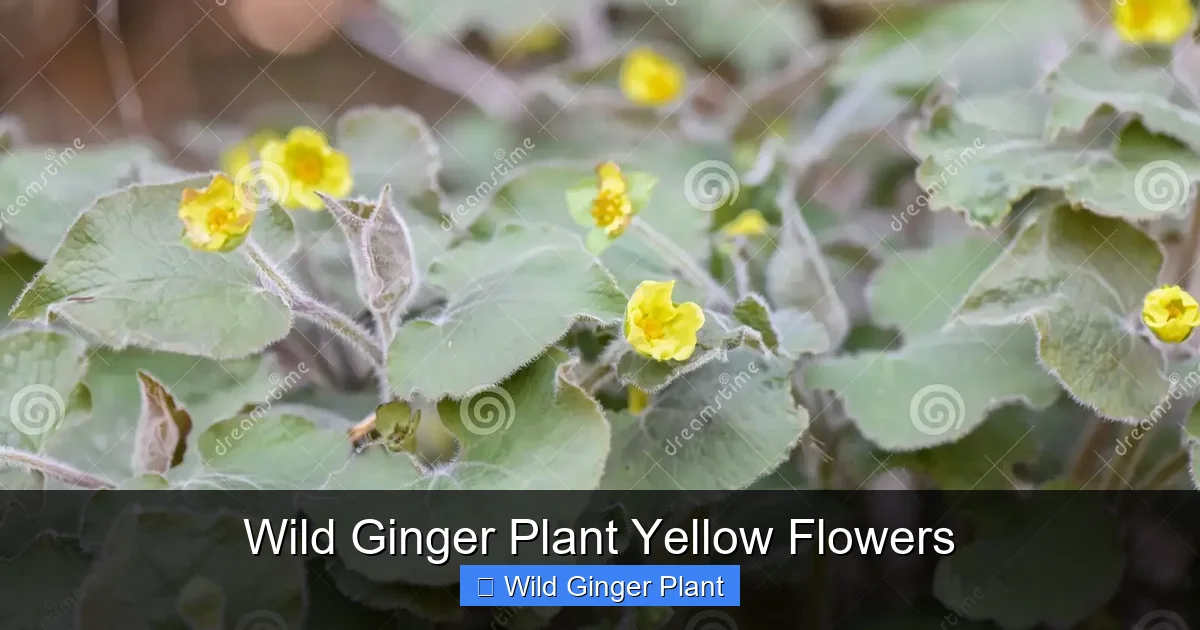
Wild ginger plant yellow flowers are a rare and beautiful sight in North American woodlands, blooming in early spring with unique bell-shaped blossoms. This comprehensive guide covers everything you need to know about identifying, growing, and appreciating these native perennial treasures.
Have you ever stumbled upon a patch of wild ginger plant yellow flowers while hiking through spring woodlands? If you have, you know what a special moment it is. These shy blooms hide beneath broad, heart-shaped leaves, revealing themselves only to those who take the time to look closely. Most hikers walk right past them without ever knowing they were there.
Today we are going to dive deep into the world of this fascinating native perennial. Whether you are a native plant enthusiast, a shade gardener looking for something special, or simply curious about the wildflowers carpeting your local forest floor, this guide has everything you need. Let us explore the identification, cultivation, ecology, and rich history of wild ginger plant yellow flowers together.
Key Takeaways
- Unique blooms: Wild ginger plant yellow flowers appear in early spring, often hidden beneath heart-shaped leaves at ground level.
- Native habitat: These perennials thrive in rich, moist woodland soils across eastern North America.
- Shade lovers: Perfect for shade gardens, wild ginger plant yellow flowers need dappled to full shade conditions.
- Slow spreaders: Plants form colonies slowly through rhizomes, making them excellent groundcover over time.
- Pollinator friendly: Early emerging flies and beetles pollinate the unusual ground-level flowers.
- Medicinal history: Indigenous peoples used the rhizomes for flavoring and traditional medicine.
- Deer resistant: The aromatic foliage naturally deters browsing deer and rabbits.
Quick Answers to Common Questions
When do wild ginger plant yellow flowers bloom?
Wild ginger plant yellow flowers bloom in early spring, typically April through May, before the tree canopy fully leafs out.
Are wild ginger plant yellow flowers related to culinary ginger?
No, they are not related to tropical culinary ginger. They earned the name because their rhizomes smell and taste similar to true ginger.
Can I grow wild ginger plant yellow flowers in full sun?
No, these plants require full to part shade. Full sun will scorch the leaves and stress the plants, especially in warmer climates.
How fast does wild ginger spread in the garden?
Wild ginger spreads slowly through rhizomes, forming colonies over several years. It typically takes 3-5 years to establish a substantial patch.
Is wild ginger plant yellow flowers deer resistant?
Yes, the aromatic foliage contains compounds that deter deer and rabbits, making it an excellent choice for gardens with high browsing pressure.
📑 Table of Contents
- Understanding Wild Ginger Plant Yellow Flowers
- Natural Habitat and Distribution
- Identification Guide for Field and Garden
- Growing Wild Ginger Plant Yellow Flowers in Your Garden
- Ecological Value and Wildlife Relationships
- Historical Uses and Cultural Significance
- Propagation Methods for Gardeners
- Designing With Wild Ginger in the Landscape
- Common Challenges and Solutions
- Conservation and Ethical Considerations
- Conclusion
Understanding Wild Ginger Plant Yellow Flowers
What Makes These Flowers Special
Wild ginger plant yellow flowers belong to the genus Asarum, a group of low-growing perennials in the birthwort family. Unlike the tropical ginger you find in grocery stores, these plants are not related to culinary ginger at all. They earned their common name because their rhizomes smell and taste remarkably similar to true ginger.
The flowers themselves are truly unique in the plant world. They emerge at ground level, often completely hidden by leaf litter and the plant’s own foliage. Each bloom consists of three pointed sepals fused into a bell or urn shape, typically ranging from pale yellow to deep golden brown. Some species show beautiful purple or reddish interiors. There are no true petals. The sepals do all the work attracting pollinators.
Species You Might Encounter
Several species produce wild ginger plant yellow flowers across North America. The most widespread is Asarum canadense, commonly called Canadian wild ginger. Its flowers are typically brownish-purple outside with yellowish interiors. Asarum caudatum, the western wild ginger, shows more prominent yellow coloration. Asarum virginicum, the Virginia wild ginger, often displays the clearest yellow blooms of the eastern species.
Each species has slightly different flower shapes and color patterns. Some have long, tapered sepal tips that look like little tails. Others have shorter, rounded lobes. The variation makes identification fun for botanists and challenging for beginners. Do not worry if you cannot tell them apart at first glance. Even experts sometimes need to examine the flowers closely.
Bloom Time and Seasonal Interest
Wild ginger plant yellow flowers appear in early spring, typically April through May depending on your location and elevation. They are among the first wildflowers to bloom in deciduous forests, taking advantage of sunlight before the tree canopy leafs out. The flowers last only a few weeks, but the handsome foliage remains attractive all season.
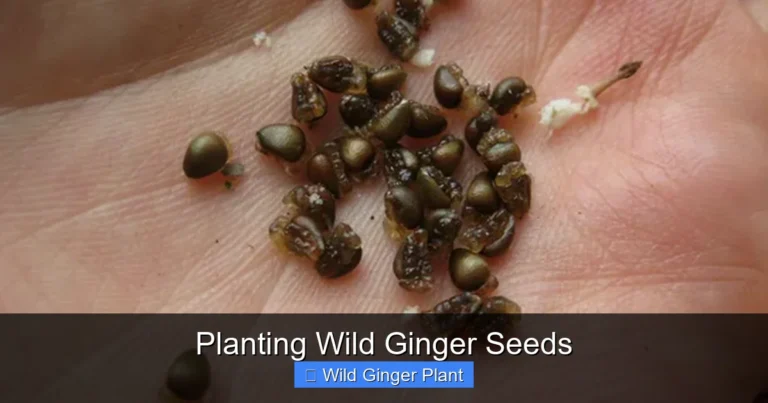
After flowering, the plants produce fleshy capsules containing seeds with elaiosomes. These oily appendages attract ants, which carry the seeds to their nests. The ants eat the elaiosomes and discard the seeds in their nutrient-rich midden piles, effectively planting the next generation. This fascinating seed dispersal strategy is called myrmecochory.
Natural Habitat and Distribution
Where They Grow Wild
Wild ginger plant yellow flowers are native to eastern and central North America. Their range extends from the Great Lakes region south to Georgia and west to the Great Plains. In the west, different species occupy similar niches from British Columbia to California. They are true forest dwellers, rarely found in open meadows or disturbed areas.
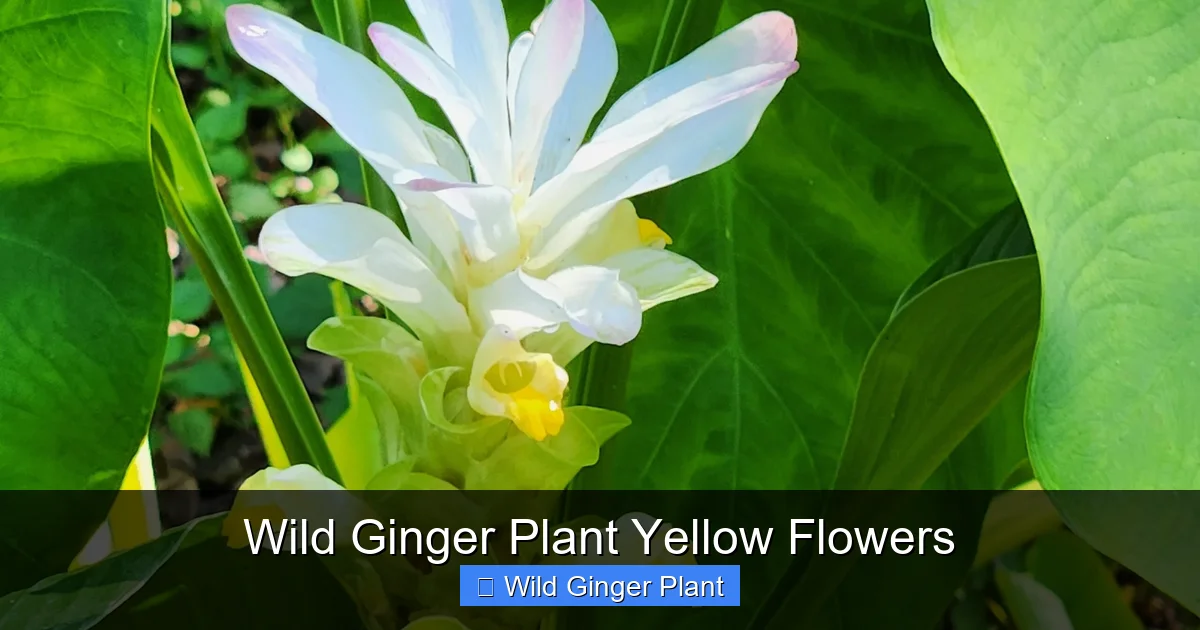
Visual guide about Wild Ginger Plant Yellow Flowers
Image source: hgic.clemson.edu
Look for them in rich, mesic deciduous forests. They love the deep, humus-rich soils that develop under maple, beech, oak, and basswood canopies. Ravines, north-facing slopes, and stream banks with consistent moisture are prime spots. The key factors are shade, moisture, and organic matter. If you find trilliums, bloodroot, or spring beauties, wild ginger is likely nearby.
Soil Preferences and Microclimate
These plants are picky about soil but not in the way garden plants usually are. They want what forest floors provide naturally. Think loose, crumbly soil built from decades of decomposed leaves. The pH should be slightly acidic to neutral, roughly 5.5 to 7.0. Excellent drainage is essential despite their love of moisture. They will not tolerate standing water or heavy clay.
The microclimate matters too. Wild ginger plant yellow flowers need the temperature moderation that deep shade provides. The soil stays cooler and more evenly moist under a closed canopy. This protects the shallow rhizomes from summer heat and winter freeze-thaw cycles. Recreating these conditions in cultivation is the secret to success.
Associated Plant Communities
In the wild, these perennials grow in diverse company. Common companions include maidenhair fern, Christmas fern, jack-in-the-pulpit, wild geranium, and various sedges. Spring ephemerals like trout lily and Dutchman’s breeches bloom alongside them. Later in summer, the ginger foliage provides a living mulch for these dormant neighbors.
This community approach is worth mimicking in gardens. Plant wild ginger plant yellow flowers with other shade-loving natives that share their cultural needs. The result is a resilient, low-maintenance planting that supports local ecology. Plus, the sequential bloom times create months of interest from a single bed.
Identification Guide for Field and Garden
Leaf Characteristics
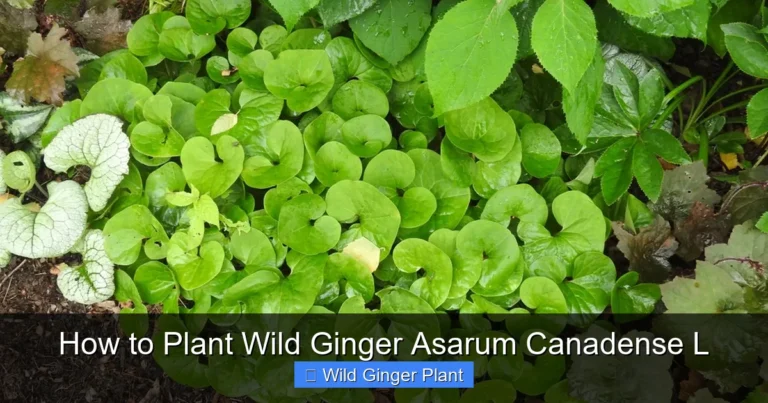
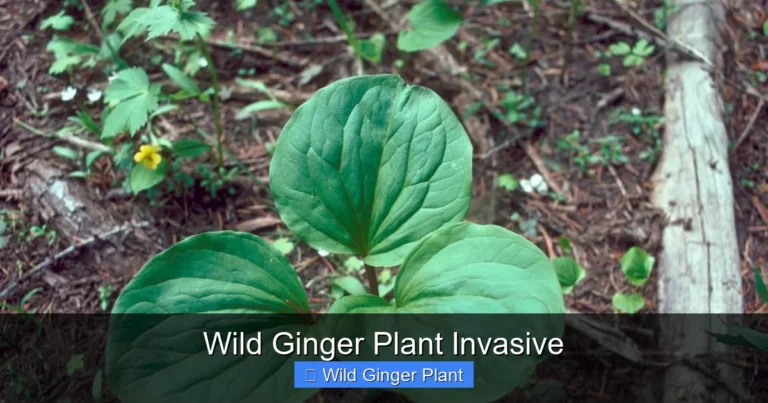
The leaves are your best year-round identification feature. Each plant produces a pair of leaves from a single point on the rhizome. They are heart-shaped to kidney-shaped, typically 3 to 6 inches wide. The texture is soft and slightly fuzzy, especially when young. Mature leaves feel almost velvety.
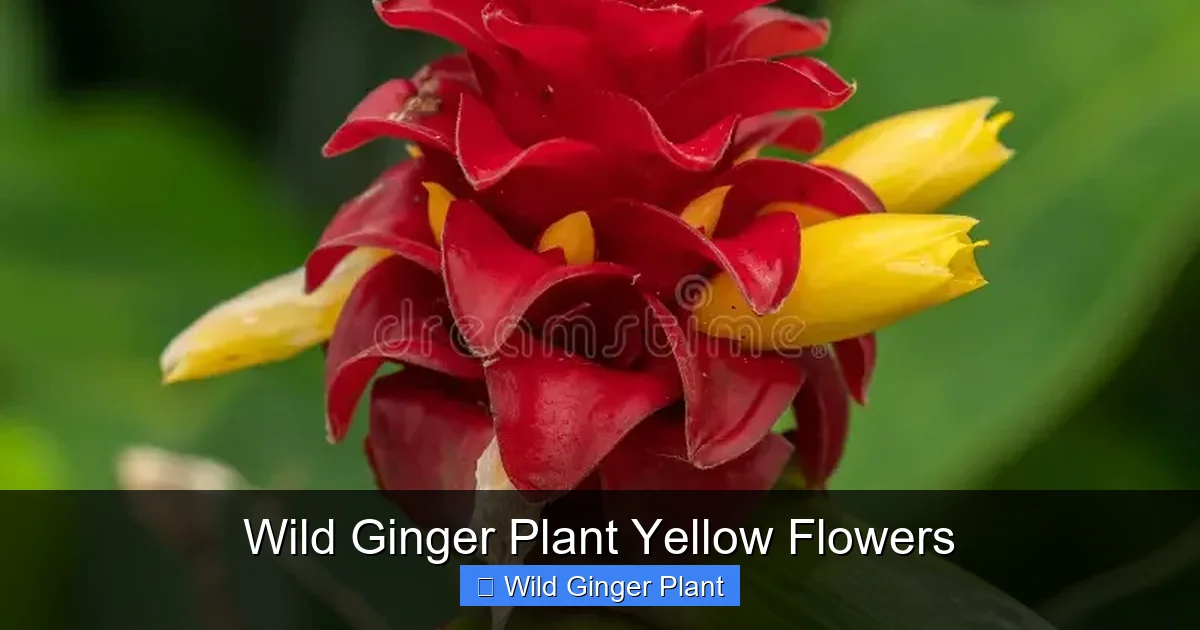
Visual guide about Wild Ginger Plant Yellow Flowers
Image source: thumbs.dreamstime.com
Leaf color is a rich, deep green with prominent lighter veins. Some populations show attractive mottling or silvery patterns. The leaf stems are covered in fine hairs. Crush a leaf gently and you will smell the distinctive ginger aroma. This scent is stronger in the rhizomes but present throughout the plant.
Flower Details for Positive ID
To confirm wild ginger plant yellow flowers, you must get down on your knees. Gently pull back the leaf litter and lift the foliage. There, resting on the soil surface, you will find the solitary flowers. Each bloom measures about three-quarters to one inch across. The three sepals are thick and fleshy, often with a waxy appearance.
Color varies significantly. Some flowers are pale creamy yellow. Others show rich gold or amber tones. Many have darker purple or brown flushes on the exterior. The interior often contrasts with the outside. Look for the characteristic urn shape with a constricted opening. This narrow entrance is key to their pollination strategy.
Rhizome and Root System
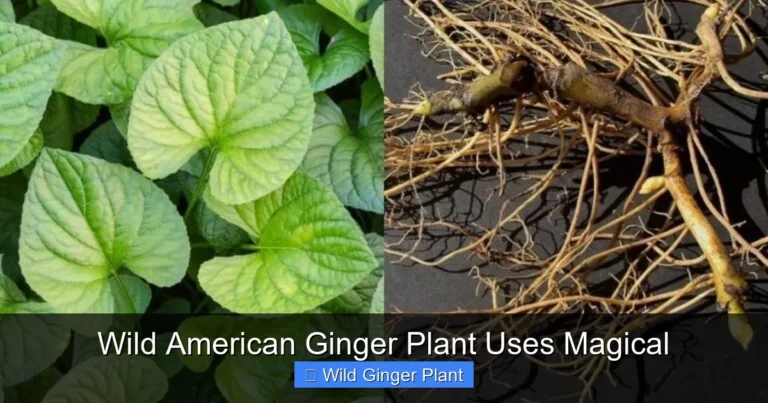
The rhizomes creep horizontally just below the soil surface. They are about the thickness of a pencil, segmented, and covered in fine roots. Fresh rhizomes are white to pale tan inside with a strong ginger scent. This is the part historically harvested for flavor and medicine. The shallow rooting habit makes the plants easy to divide but also vulnerable to disturbance.
Distinguishing From Look-Alikes
Beginners sometimes confuse wild ginger with violets or hepatica before flowering. Violets have different leaf shapes and obvious flowers on stems. Hepatica leaves are three-lobed and leathery. Once you know the paired, heart-shaped, fuzzy leaves, wild ginger becomes unmistakable. The ground-level flowers clinch the identification.
Growing Wild Ginger Plant Yellow Flowers in Your Garden
Site Selection Is Everything
Success with wild ginger plant yellow flowers starts with honest site assessment. You need full to part shade. Morning sun with afternoon shade works in cooler climates. In hot regions, full shade is mandatory. The site should stay naturally moist but never soggy. If you have a low spot that collects water, that is not the place. Think moist, well-drained, not wet.
Soil preparation pays dividends. These plants invest heavily in their root systems before showing top growth. Loosen the soil to at least eight inches. Incorporate generous amounts of leaf mold, composted pine bark, or well-rotted compost. Aim for a soil that feels like a wrung-out sponge. Hold a handful. It should clump briefly then crumble.
Planting Techniques for Best Establishment
Spring and fall are both good planting times. Fall planting lets roots establish before winter. Spring planting works if you keep the soil consistently moist through the first summer. Space plants 12 to 18 inches apart. They will fill in over several years. Plant at the same depth they grew in the pot. The rhizome should sit just below the surface.
Water thoroughly after planting. Apply a two-inch layer of shredded leaves or pine needles as mulch. This mimics the natural forest floor duff layer. Do not use wood chips or bark nuggets. They break down too slowly and can create nitrogen issues. Leaf mulch feeds the soil as it decomposes, just like in nature.
Ongoing Care and Maintenance
Once established, wild ginger plant yellow flowers ask for little. Water during dry spells, especially in the first two years. The large leaves transpire heavily. If they wilt in afternoon heat, water deeply. Fertilizer is unnecessary and potentially harmful. The slow-release nutrition from decomposing leaf mulch is perfect.
Leave the foliage in place all winter. It protects the rhizomes and provides habitat for beneficial insects. In early spring, you can gently remove any matted leaves before new growth emerges. But do not be too tidy. A little leaf litter is exactly what these plants want. Division is rarely needed but can be done in early spring or fall if clumps become overcrowded.
Container Growing Possibilities
You can grow wild ginger plant yellow flowers in containers with extra attention. Use a wide, shallow pot. The rhizomes spread horizontally. A deep pot wastes soil and stays too wet at the bottom. Use a high-quality potting mix amended with extra compost and fine pine bark. Ensure excellent drainage holes.
Container plants need more frequent watering. The limited soil volume dries faster. Check daily in summer. Fertilize sparingly with a dilute organic fertilizer once in spring. Overwinter pots in an unheated garage or bury them in the ground. The rhizomes need cold dormancy but protection from extreme freeze-thaw cycles.
Ecological Value and Wildlife Relationships
Unique Pollination Strategy
The strange flowers of wild ginger plant yellow flowers have a fascinating pollination story. They bloom at ground level in early spring when few flying insects are active. Their primary pollinators are small flies, gnats, and beetles that crawl rather than fly. The flower’s urn shape and narrow opening trap these crawling insects temporarily.
As insects struggle to escape, they brush against the stigmas and anthers, transferring pollen. The flowers produce no nectar. Instead, they may mimic fungal odors to attract fungus gnats. Some researchers believe the flowers are primarily self-pollinated, with insects playing a minor role. Either way, the strategy works. Seed set is typically high in healthy populations.
Ant Partnerships and Seed Dispersal
After pollination, the developing seeds grow fleshy appendages called elaiosomes. These are rich in lipids and proteins. Ants find them irresistible. They carry seeds back to their nests, feed the elaiosomes to their larvae, and discard the intact seeds in nutrient-rich waste chambers. This gives the seeds a perfect germination site.
This mutualism benefits both partners. The ants get high-quality food. The plants get dispersal, planting, and fertilization all in one. Studies show seeds dispersed by ants have significantly higher survival rates than those left on the soil surface. It is a beautiful example of coevolution in our native forests.
Wildlife Habitat and Food Web
Beyond pollinators and ants, wild ginger plant yellow flowers support broader forest ecology. The dense foliage provides cover for salamanders, toads, and small mammals. Ground-foraging birds like thrushes and ovenbirds hunt insects among the leaves. The rhizomes are occasionally eaten by chipmunks and mice, though the strong compounds limit heavy browsing.
Deer and rabbits generally avoid the foliage due to its aromatic compounds. This makes wild ginger an excellent choice for gardens with high deer pressure. However, in severe winters with deep snow, desperate deer may sample almost anything. The plants usually recover from light browsing since the rhizomes store ample energy.
Historical Uses and Cultural Significance
Indigenous Knowledge and Traditional Uses
Native peoples across the continent knew wild ginger plant yellow flowers well. Many tribes used the rhizomes as a flavoring agent, substituting for tropical ginger in stews, teas, and pemmican. The Menominee, Ojibwe, and Potawatomi all documented culinary uses. The rhizomes were harvested sustainably, taking only what was needed and leaving plenty to regrow.
Medicinal applications were diverse. Teas and poultices treated colds, fevers, stomach ailments, and headaches. The Cherokee used it for heart palpitations. The Iroquois considered it a general tonic. External applications addressed skin conditions and wounds. Modern research has identified antimicrobial and anti-inflammatory compounds that support some traditional uses.
Early European Adoption
European settlers quickly recognized the value of this familiar-tasting plant. Colonial herbals listed it as “wild ginger” or “Indian ginger.” It became a staple in early American medicine chests. Pharmacists included it in official formularies well into the 19th century. The rhizomes were commercially harvested and sold in eastern markets.
Culinary use continued in rural communities where imported spices were expensive or unavailable. Candied wild ginger was a treat. The rhizomes flavored beer and wine. Some communities developed distinctive regional recipes. This knowledge persisted longest in Appalachia and the Ozarks, where wild harvesting traditions remain strong.
Modern Perspective and Cautions
Today we know wild ginger plant yellow flowers contain aristolochic acid, a compound linked to kidney damage and cancer with long-term use. The concentration varies by species and individual plant. Occasional culinary use of small amounts is likely safe for most people. However, regular medicinal use or large quantities are not recommended.
This does not diminish the plant’s value the diminish the plant’s cultural importance or garden worthiness. Many beloved garden plants have toxic compounds. The key is knowledge and moderation. Enjoy the history. Grow the plant for its beauty and ecological value. Leave the medicinal experimentation to researchers with proper safety protocols.
Propagation Methods for Gardeners
Division: The Easiest Approach
Division is the most reliable way to increase your wild ginger plant yellow flowers. Do it in early spring as new growth emerges or in early fall. Dig up a mature clump carefully. You will see the rhizomes branching like a network. Use a sharp knife or your hands to separate sections. Each division needs at least one growing point and some roots.
Replant divisions immediately at the same depth. Water well and mulch. They may look a bit sad for a few weeks but will recover. Spring divisions often flower the same year. Fall divisions focus on root growth and bloom the following spring. Share extras with gardening friends. This is how native plant communities grow.
Growing From Seed: Patience Required
Seed propagation is rewarding but slow. Collect seeds in summer when capsules split open. They must be sown fresh. Do not let them dry out. Plant immediately in pots or a prepared seed bed. Cover lightly with fine soil or leaf mold. The seeds need a warm period followed by cold stratification to break dormancy.
Nature handles this perfectly if you sow outdoors in summer. The warm late summer and fall provide the first requirement. Winter provides the cold. Seedlings emerge the following spring. They look like tiny versions of the adults. It takes three to five years for seedlings to reach flowering size. But you get genetic diversity and the satisfaction of growing from seed.
Rhizome Cuttings for Larger Numbers
If you need many plants, rhizome cuttings work well. In early spring, cut rhizome sections two to three inches long. Each piece should have at least one node. Lay them horizontally in a flat of moist potting mix. Cover with half an inch of mix. Keep consistently moist in bright shade. Roots and shoots emerge in four to six weeks.
This method produces clones of the parent plant. It is useful for preserving particularly nice forms or flower colors. The resulting plants establish faster than seedlings but slower than divisions. It is a good middle ground when you want to expand a special colony.
Designing With Wild Ginger in the Landscape
Groundcover Excellence
Wild ginger plant yellow flowers excel as a living mulch in shade gardens. The dense foliage suppresses weeds effectively once established. Plant them in drifts of odd numbers for a natural look. Five, seven, or nine plants create a substantial patch. Space them on 12-inch centers for faster coverage or 18 inches for economy.
They work beautifully under mature trees where grass struggles. The shallow roots compete minimally with tree roots. The foliage stays attractive from spring through fall frost. In mild winters, some leaves persist, providing rare winter interest in the shade garden. Pair them with spring bulbs that bloom before the ginger leaves fully expand.
Woodland Garden Combinations
Create layered plantings that mimic natural forest structure. Use wild ginger plant yellow flowers as the ground layer. Add mid-height perennials like foamflower, woodland phlox, and Solomon’s seal. Include taller accents such as bugbane, goat’s beard, or ferns. The different heights create visual depth and habitat complexity.
Consider bloom succession. Early spring brings the ginger flowers alongside trilliums and bloodroot. Mid-spring adds foamflower and phlox. Summer features bugbane and goat’s beard. Fall brings colorful foliage on many companions. The ginger foliage ties it all together as a constant green carpet.
Edging and Pathway Plantings
Line shaded paths with wild ginger plant yellow flowers for a soft, inviting edge. The low growth habit keeps sightlines clear. The fragrant foliage releases scent when brushed. This works especially well on woodland trails or shaded side yards. The plants tolerate occasional foot traffic better than many shade perennials.
Use them to soften hardscape edges. The rounded leaves contrast beautifully with stone walls, stepping stones, or wooden borders. They spill gracefully over low retaining walls in shade. The effect is timeless and naturalistic, as if the garden has always been there.
Common Challenges and Solutions
Slow Establishment
The number one complaint about wild ginger plant yellow flowers is slow growth. Gardeners expect instant groundcover. These plants operate on forest time. They spend their first year or two building root systems. Top growth is minimal. This is normal. Do not fertilize to speed it up. That weakens the plant.
Solution: Plant more densely if you need quick coverage. Or interplant with faster-growing but compatible species like wild strawberry or sedges. Accept that a proper ginger colony takes three to five years to reach full glory. The wait is worth it. These plants can live for decades, slowly expanding into magnificent drifts.
Slug and Snail Damage
The tender new leaves in spring attract slugs and snails. You may see irregular holes in the foliage. Established plants tolerate this well. Young plants can be set back significantly. The damage is cosmetic and rarely kills the plant.
Solution: Encourage natural predators. Toads, snakes, and ground beetles eat slugs. Avoid broad-spectrum pesticides. Use beer traps or copper tape around valuable specimens. Diatomaceous earth helps but must be reapplied after rain. Hand-picking at night with a flashlight is surprisingly effective. The plants usually outgrow the damage by early summer.
Summer Dormancy in Dry Conditions
In drought years, wild ginger plant yellow flowers may go dormant in midsummer. The leaves yellow and wither. This is a survival strategy, not death. The rhizomes remain alive underground. They will resprout when moisture returns, often in fall or the following spring.
Solution: Water deeply during extended dry spells. Soak the soil to six inches. Mulch heavily to retain moisture. Site selection is the best prevention. If your site is prone to summer drought, consider a more drought-tolerant groundcover or commit to supplemental watering.
Winter Heaving in Freeze-Thaw Cycles
The shallow rhizomes can be pushed out of the soil by repeated freezing and thawing. This exposes them to drying and cold damage. You may see rhizomes lying on the soil surface in late winter.
Solution: Ensure good snow cover or apply extra mulch in late fall. Pine boughs or straw work well. They trap snow and moderate soil temperature. In spring, gently press exposed rhizomes back into the soil. Do not bury them deeply. Just ensure good soil contact.
Conservation and Ethical Considerations
Never Dig From the Wild
This cannot be emphasized enough. Never dig wild ginger plant yellow flowers from natural areas. It is illegal in many jurisdictions without permits. More importantly, wild populations are fragile. Removing plants destroys local genetics and disrupts ecological relationships. The plants rarely survive transplant shock from wild to garden conditions.
Instead, purchase from reputable native plant nurseries. Look for nursery-propagated stock, not wild-collected. Ask about their propagation methods. Good nurseries grow from seed or division of their own stock plants. They can tell you the source population. This supports conservation and gives you better-adapted plants.
Supporting Wild Populations
If you have wild ginger plant yellow flowers on your property, consider yourself a steward. Protect the site from disturbance. Control invasive species like garlic mustard and Japanese stiltgrass that threaten native herb layers. Avoid soil compaction from foot traffic or equipment. Let leaves accumulate naturally.
You can enhance populations by collecting and sowing seeds from your own plants. This increases genetic diversity and colony size. Share seeds with neighbors who have suitable habitat. Building a network of connected populations across the landscape helps ensure long-term survival.
Citizen Science Opportunities
Contribute to scientific knowledge by documenting your observations. Platforms like iNaturalist allow you to record flowering times, locations, and associated species. This data helps researchers track phenology changes, range shifts, and population trends. Your backyard observations become valuable scientific data.
Participate in local plant surveys or bioblitzes. Join a native plant society. These communities share knowledge, seeds, and advocacy for conservation. The more people who know and love wild ginger plant yellow flowers, the brighter their future.
Conclusion
Wild ginger plant yellow flowers represent everything wonderful about native woodland perennials. They are beautiful, ecologically valuable, historically significant, and surprisingly adaptable to cultivation. Their shy, ground-hugging blooms reward the observant gardener with a glimpse into the intricate relationships that sustain forest ecosystems.
Whether you are establishing a new shade garden, enhancing an existing woodland, or simply want to recognize these treasures on your next hike, I hope this guide deepens your appreciation. The world of wild ginger plant yellow flowers is rich with discovery. Every patch holds a story of ants and flies, of indigenous knowledge and colonial adaptation, of patience and persistence.
Consider adding these remarkable plants to your landscape. Start with a few nursery-grown specimens. Give them the shade, moisture, and humus-rich soil they crave. Then wait. Watch. Learn their rhythms. In a few years, you will have a thriving colony that connects your garden to the ancient forests of this continent. And each spring, when you lift those heart-shaped leaves to find the golden bells beneath, you will feel the quiet joy that only native plants can bring.
Frequently Asked Questions
What soil conditions do wild ginger plant yellow flowers prefer?
Wild ginger plant yellow flowers thrive in rich, moist, well-drained soil with high organic matter content. They prefer slightly acidic to neutral pH (5.5-7.0) and do poorly in heavy clay or waterlogged conditions.
How do I identify wild ginger plant yellow flowers in the wild?
Look for paired heart-shaped leaves with fuzzy texture growing low to the ground. Gently lift the leaves to find solitary bell-shaped flowers at soil level. The flowers have three pointed sepals in yellow to brownish colors with a constricted opening.
Can wild ginger plant yellow flowers be grown in containers?
Yes, they can be grown in wide, shallow containers with excellent drainage. Use a rich potting mix amended with compost and fine bark. They need more frequent watering than in-ground plants and protection from extreme winter temperatures.
Are wild ginger plant yellow flowers endangered?
Most species are not federally endangered, but some local populations are threatened by habitat loss, invasive species, and over-collection. Always purchase nursery-propagated plants rather than digging from wild populations.
What pollinates wild ginger plant yellow flowers?
Small flies, gnats, and beetles that crawl on the forest floor pollinate these ground-level flowers. The urn-shaped blooms temporarily trap these insects, ensuring pollen transfer as they escape.
How do I propagate wild ginger plant yellow flowers?
The easiest method is division in early spring or fall. Separate rhizome sections with growing points and roots. Seed propagation works but requires fresh seed and takes 3-5 years to reach flowering size. Rhizome cuttings are another option for clonal propagation.