Wild Ginger Plant Vs Grown Ginger
Wild ginger plant vs grown ginger are completely different plants despite sharing a common name. Wild ginger (Asarum canadense) is a native North American woodland perennial with heart-shaped leaves, while grown ginger (Zingiber officinale) is a tropical rhizome cultivated worldwide for culinary use. Understanding their distinct characteristics, safety profiles, and applications is essential for foragers, gardeners, and home cooks alike.
Have you ever stumbled across a patch of low-growing, heart-shaped leaves in a shady forest and wondered if you found a free source of ginger for your stir-fry? You are not alone. Many curious foragers and gardeners encounter wild ginger and immediately think of the knobby, spicy rhizome sitting in their produce drawer. But here is the thing: despite the shared name, these two plants are not related at all. They do not even look alike once you know what to look for.
Understanding the differences between wild ginger plant vs grown ginger is more than just a fun botanical fact. It is a matter of safety, culinary success, and ecological responsibility. Wild ginger has a complicated history of traditional use but comes with serious modern health warnings. Grown ginger, on the other hand, is a global kitchen staple with a robust safety profile and endless culinary versatility. Whether you are a hiker hoping to identify woodland plants, a gardener considering a shade garden addition, or a cook wanting to understand your ingredients better, this guide covers everything you need to know.
Key Takeaways
- Different plant families: Wild ginger belongs to the Aristolochiaceae family, while grown ginger is part of the Zingiberaceae family.
- Safety concerns: Wild ginger contains aristolochic acid which can cause kidney damage and cancer; grown ginger is widely recognized as safe for consumption.
- Flavor profiles differ: Wild ginger has a mild, earthy ginger-like aroma but lacks the spicy heat of true ginger.
- Growing conditions vary: Wild ginger thrives in shady, moist woodland soils; grown ginger needs warm, tropical conditions with filtered sunlight.
- Culinary applications: Only grown ginger should be used regularly in cooking; wild ginger is best limited to occasional traditional preparations by experienced foragers.
- Identification is critical: Wild ginger has distinctive heart-shaped leaves and jug-shaped flowers at ground level; grown ginger produces tall, reed-like stems with narrow leaves.
- Medicinal uses differ: Both have traditional medicinal applications, but grown ginger has extensive scientific backing for nausea, inflammation, and digestion.
Quick Answers to Common Questions
Can you eat wild ginger root?
No, you should not eat wild ginger root. It contains aristolochic acids which are known to cause kidney failure and cancer. There is no safe preparation method for internal consumption.
Is wild ginger related to grocery store ginger?
No, they are completely unrelated. Wild ginger (Asarum canadense) is in the birthwort family, while grocery store ginger (Zingiber officinale) is in the ginger family alongside turmeric and cardamom.
How do you identify wild ginger in the woods?
Look for low-growing patches of heart-shaped leaves in shady woods. In spring, look for a single jug-shaped purple-brown flower at ground level hidden under leaves. The rhizome smells like ginger when crushed.
Can I grow true ginger in a cold climate?
Yes, grow it in a large pot. Start indoors in late winter, move outside after frost, and bring back in before fall frost. You can harvest baby ginger in 4-6 months.
What is a safe wild alternative to ginger flavor?
Spicebush (Lindera benzoin) twigs, leaves, and berries offer a delicious spicy-citrus-ginger flavor and are safe for culinary use when properly identified.
📑 Table of Contents
- Botanical Classification and Origins
- Physical Identification: Telling Them Apart
- Chemical Composition and Safety Profiles
- Culinary Uses and Flavor Profiles
- Growing Requirements and Cultivation
- Medicinal Properties and Traditional Uses
- Ecological Role and Conservation
- Common Myths and Misconceptions
- Practical Tips for Foragers, Gardeners, and Cooks
- Conclusion
Botanical Classification and Origins
Wild Ginger: The Woodland Native
Wild ginger, scientifically known as Asarum canadense, is a perennial herb native to the deciduous forests of eastern North America. It belongs to the Aristolochiaceae family, commonly called the birthwort family. This family includes several genera, many of which contain aristolochic acids. These compounds are the primary reason for the safety concerns surrounding wild ginger, which we will discuss in detail later.
The plant thrives in rich, moist, well-drained soils under dense canopy cover. You will typically find it forming dense colonies on the forest floor, spreading slowly via rhizomes just beneath the leaf litter. Its range extends from Manitoba and Quebec south to North Carolina and west to Kansas. There are other Asarum species in western North America, Europe, and Asia, but Asarum canadense is the primary species referenced as “wild ginger” in eastern North America.
Grown Ginger: The Tropical Cultivar
Grown ginger, or Zingiber officinale, is a completely different beast. It belongs to the Zingiberaceae family, which also includes turmeric, cardamom, and galangal. This family is characterized by aromatic rhizomes and tropical origins. True ginger is native to Maritime Southeast Asia, likely first domesticated in the islands of what is now Indonesia or the Philippines.
It has been cultivated for thousands of years, spreading via ancient trade routes to India, China, the Middle East, and eventually Europe and the Americas. Today, it is grown commercially in tropical and subtropical regions worldwide. India, Nigeria, China, and Indonesia are among the top producers. Unlike its wild namesake, grown ginger is not found naturalized in North American woodlands. It requires a long, warm growing season, high humidity, and protection from frost.
Why the Shared Name?
So why do they share a name? It comes down to the rhizome. Early European settlers in North America encountered Asarum canadense. They noticed the creeping rootstocks smelled distinctly of ginger when crushed. In a new land lacking familiar spices, they used it as a substitute. The name stuck. Indigenous peoples of the region, including the Cherokee, Iroquois, and Ojibwe, had long used the plant for flavoring and medicine, but they had their own distinct names for it, unrelated to the Asian spice.
Physical Identification: Telling Them Apart
Wild Ginger Morphology
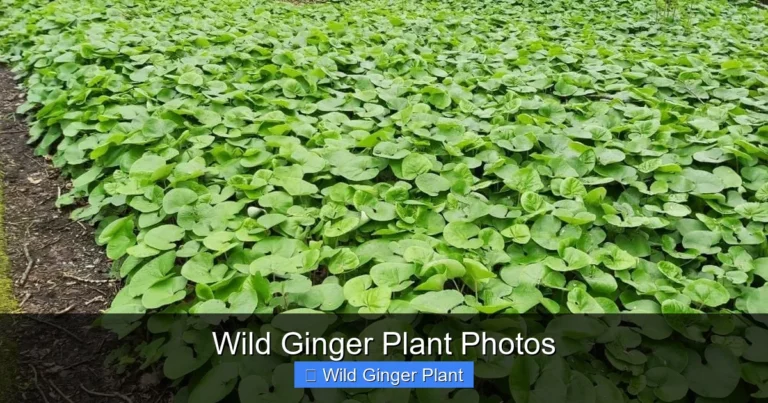
Identifying wild ginger in the woods is relatively straightforward once you know the key features. The plant is low-growing, typically reaching only 6 to 12 inches in height. It produces two large, basal leaves per stem. These leaves are distinctly heart-shaped (cordate) or kidney-shaped, with a deep notch at the base where the leaf stem attaches. They are soft, slightly hairy, and a deep, matte green.
The most unique feature is the flower. It appears in early spring, usually April to May, depending on latitude. The flower is solitary, bell-shaped or jug-shaped, and sits right at ground level, often hidden beneath the leaf litter. It has three pointed, triangular sepals that are brownish-purple to greenish-yellow on the outside and often mottled inside. There are no true petals. The flower is pollinated by small flies and beetles attracted to its faint, carrion-like scent. The rhizome is slender, branching, and lies very close to the surface. It is light brown on the outside and white inside, with a distinct ginger aroma when crushed.
Grown Ginger Morphology
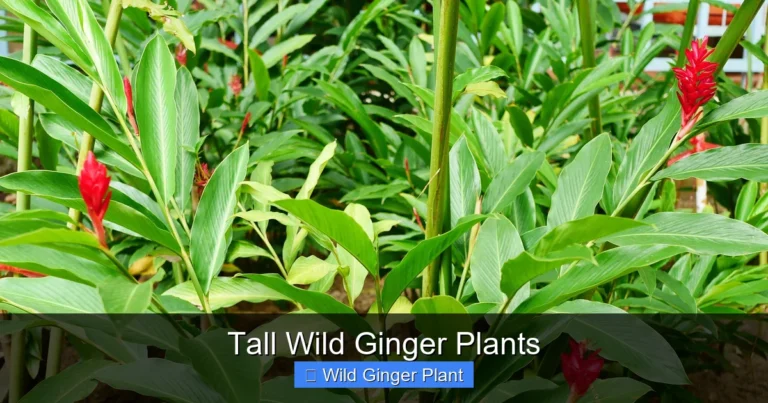
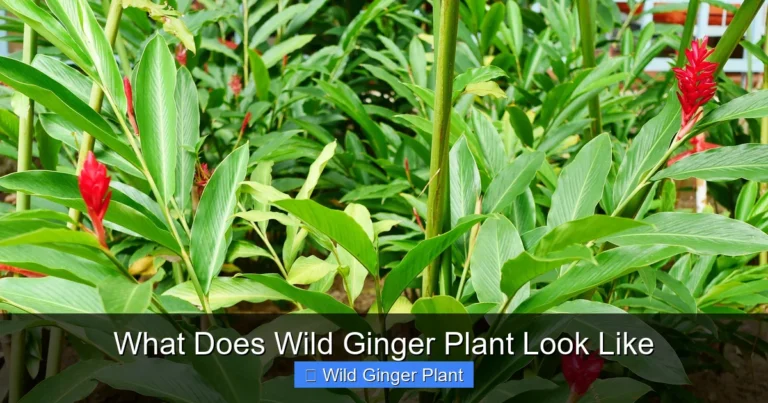
Grown ginger looks like a completely different plant—and it is. It grows much taller, reaching 3 to 4 feet in height under good conditions. It produces pseudo-stems (formed by rolled leaf bases) that are upright and reed-like. The leaves are long, narrow, lance-shaped, and arranged alternately along the stem. They are a glossy, bright green and can be up to a foot long.
Flowers are rare in cultivation because the plant is usually harvested before flowering. If allowed to bloom, it produces a dense, cone-like spike on a separate, leafless stalk arising directly from the rhizome. The flowers are yellow-green with purple tips. The rhizome is the prize. It is thick, knobby, and branched (often called “hands”). The skin is tan to light brown, often with a slightly fibrous texture. The flesh ranges from pale yellow to deep gold depending on the variety and maturity. It is intensely aromatic, spicy, and pungent.
Side-by-Side Comparison Table
While I cannot render a visual table here, keep this mental checklist handy:
- Height: Wild ginger is ankle-high; grown ginger is waist-high.
- Leaves: Wild ginger has two broad, heart-shaped basal leaves. Grown ginger has many narrow, alternate leaves on a tall stem.
- Flowers: Wild ginger has a single, ground-level, jug-shaped flower. Grown ginger has a cone-like spike on a separate stalk (rarely seen).
- Rhizome: Wild ginger has thin, shallow, branching threads. Grown ginger has thick, knobby, fleshy “hands.”
- Habitat: Wild ginger = deep shade, moist woods. Grown ginger = warm, humid, filtered sun, rich soil.
Chemical Composition and Safety Profiles
The Aristolochic Acid Concern in Wild Ginger
This is the single most important section in this article. Please read carefully. Wild ginger contains aristolochic acids (AAs), specifically aristolochic acid I and II. These are nitrophenanthrene carboxylic acid derivatives found in plants of the Aristolochiaceae family. The scientific consensus is clear: aristolochic acids are potent nephrotoxins (kidney toxins) and carcinogens.
Exposure to aristolochic acids is linked to a specific disease called Aristolochic Acid Nephropathy (AAN). This condition causes progressive interstitial fibrosis of the kidneys, leading to end-stage renal disease. It is also strongly associated with urothelial cancers (cancers of the urinary tract, including the bladder and ureters). The mechanism involves the metabolic activation of AAs to form DNA adducts, causing specific mutations in the TP53 tumor suppressor gene.
Historically, wild ginger was used in traditional medicine by Indigenous peoples and later by eclectic physicians in the 19th century. It was used for colds, fevers, digestive upset, and as a contraceptive. However, traditional preparation methods often involved boiling or steeping, which may not fully eliminate the risk. Modern toxicology has revealed that even low doses over time can cause irreversible damage. The latency period between exposure and onset of kidney failure or cancer can be years or decades.
Current recommendations from the FDA, Health Canada, and the European Medicines Agency: Avoid internal use of wild ginger. Do not use it as a culinary spice. Do not use it in herbal teas or supplements. External use (poultices) is also discouraged due to potential dermal absorption, though the risk is lower. If you have consumed wild ginger in the past, inform your healthcare provider so they can monitor kidney function.
Grown Ginger: A Safe, Well-Studied Spice
In stark contrast, Zingiber officinale has an exceptional safety record. It has been consumed daily by billions of people for millennia. Its primary bioactive compounds are gingerols, shogaols, and zingerone. These are responsible for the characteristic pungency and the vast majority of its health benefits.
Ginger is Generally Recognized As Safe (GRAS) by the FDA. Extensive clinical trials support its use for nausea and vomiting (pregnancy-related, chemotherapy-induced, post-operative), osteoarthritis pain, and dysmenorrhea. It has anti-inflammatory, antioxidant, and antimicrobial properties. Side effects are rare and mild, typically limited to heartburn or digestive upset at very high doses (above 4-5 grams daily). It does not contain aristolochic acids. It is not nephrotoxic or carcinogenic at dietary levels.
Essential Oil Differences
Both plants produce essential oils, but their profiles differ significantly. Wild ginger oil contains asarones (alpha and beta-asarone), bornyl acetate, and camphor. Beta-asarone is also a concern; it has shown carcinogenic potential in animal studies, though its relevance to human risk at low exposures is debated. Grown ginger oil is rich in zingiberene, beta-sesquiphellandrene, and curcumene, along with the pungent gingerols. The aroma of wild ginger oil is softer, more camphoraceous, and earthy. Grown ginger oil is sharp, spicy, lemony, and warm.
Culinary Uses and Flavor Profiles
Cooking with Grown Ginger: Endless Versatility
This is where grown ginger shines. It is one of the most versatile ingredients in the global kitchen. Fresh ginger is essential in Asian, Indian, Caribbean, and African cuisines. It forms the base of countless stir-fries, curries, marinades, and soups (think ginger-scallion oil, ginger-garlic paste, tom yum broth). It pairs beautifully with garlic, soy sauce, citrus, chili, coconut milk, and herbs like cilantro and basil.
Young ginger (harvested at 5-7 months) has thin skin, tender flesh, and a milder, floral flavor. It is perfect for pickling (gari for sushi), candying, or slicing thin into salads. Mature ginger (8-10 months) has thick skin, fibrous flesh, and intense heat. It stands up to long braises, grating into baked goods (gingerbread, ginger snaps), and brewing into strong teas or ginger beer. Dried and ground ginger has a concentrated, warm spice profile distinct from fresh; it is the backbone of pumpkin pie spice, gingerbread cookies, and many savory spice blends like ras el hanout.
Pro Tip: Peel mature ginger with the edge of a spoon. It follows the knobby contours perfectly and wastes less flesh than a peeler. For a fine paste without a microplane, slice ginger thinly across the fibers, stack slices, cut into matchsticks, then mince finely. Sprinkle with salt to help break it down.
Wild Ginger in the Kitchen: Proceed with Extreme Caution
Historically, the rhizomes of Asarum canadense were washed, dried, and ground into a powder to flavor foods. Early settlers candied the roots by boiling them in sugar syrup. Some traditional recipes exist for wild ginger syrup or beer. However, given the aristolochic acid content, I cannot recommend any culinary use of wild ginger. The risk of cumulative toxicity is real and not worth a flavoring agent that is, at best, a pale imitation of true ginger.
If you are a forager determined to experiment, you must understand that boiling does not destroy aristolochic acids. They are heat-stable. Drying concentrates them. There is no known safe preparation method that eliminates the risk entirely. The flavor is described as earthy, slightly sweet, and mildly gingery but lacking the zing and complexity of Zingiber officinale. It simply is not a good substitute.
Better Wild Alternatives for Ginger Flavor
If you are foraging and want a ginger-like flavor, consider these safer options (always verify identification with multiple sources):
- Spicebush (Lindera benzoin): The twigs, leaves, and berries have a wonderful spicy, citrusy, ginger-allspice aroma. Used traditionally for tea and seasoning.
- Sassafras root bark: Traditional root beer flavor. Note: contains safrole, restricted in commercial food, but traditional root beer making uses small amounts.
- Sweet cicely (Osmorhiza claytonii): Anise/licorice flavor, not ginger, but a lovely sweet herb.
- Wild bergamot (Monarda fistulosa): Oregano-thyme flavor with floral notes.
Growing Requirements and Cultivation
Cultivating Wild Ginger in a Shade Garden
Wild ginger is a fantastic native groundcover for shade gardens. It is low-maintenance, deer-resistant, and provides excellent erosion control on slopes. It supports native pollinators (small flies, beetles, ants) and serves as a host plant for the Pipevine Swallowtail butterfly in some regions.
Site Selection: Choose a spot with full to dappled shade. Morning sun is okay; hot afternoon sun will scorch the leaves. The soil should be rich in organic matter, consistently moist but well-drained. A slightly acidic to neutral pH (5.5-7.0) is ideal. It mimics the forest floor: think leaf mold, compost, and consistent moisture.
Planting: You can buy bare-root divisions or potted plants from native plant nurseries. Never dig plants from the wild. It destroys populations and is often illegal. Plant in spring or early fall. Space plants 12-18 inches apart. They will slowly spread to form a dense mat. Water well after planting and mulch heavily with shredded leaves.
Maintenance: Once established, wild ginger is very tough. Keep it mulched. Water during droughts. Remove invasive competitors like garlic mustard or English ivy. Divide clumps every 3-4 years in early spring if they become too crowded or to share with friends. It is generally pest and disease free. Slugs may nibble leaves in wet springs but rarely cause serious damage.
Growing True Ginger at Home
Growing Zingiber officinale is a fun project, even in temperate climates, but it requires patience and warmth. It is a long-season crop (8-10 months for mature rhizomes).
Starting Material: Buy organic ginger rhizomes from the grocery store or a seed supplier. Look for plump, firm pieces with visible “eyes” (growth buds). Avoid shriveled or moldy pieces. You can cut large rhizomes into 1-2 inch pieces, ensuring each has at least one eye. Let the cut ends callous over for a day or two.
Pre-sprouting (Optional but Recommended): In late winter (January-March), place rhizome pieces in a shallow tray of moist coconut coir or potting mix. Keep warm (70-80°F / 21-27°C) and humid. A heat mat helps. In a few weeks, green shoots will emerge.
Planting Out: After last frost, when soil is consistently above 55°F (13°C), plant in the ground or large pots (at least 12 inches deep and wide). Choose a spot with filtered sun or morning sun/afternoon shade. In hot climates, more shade is better. Soil must be rich, loose, loamy, and well-draining. Amend heavily with compost. Plant 2-3 inches deep, eyes up. Space 12 inches apart.
Care: Ginger is a heavy feeder. Fertilize monthly with a balanced organic fertilizer or liquid fish/kelp emulsion. Keep soil consistently moist but never waterlogged. Mulch heavily to retain moisture and suppress weeds. Hill soil around the base of stems as they grow to encourage longer rhizomes.
Harvest: For baby ginger (tender, no skin), harvest at 4-6 months. For mature ginger, wait until the leaves yellow and die back in fall (8-10 months), or before first frost. Dig carefully. Save the best pieces for replanting next year. Cure mature ginger in a warm, airy spot for a few days to toughen the skin for storage.
Container Growing for Cold Climates
This is the most reliable method for gardeners outside zones 9-11. Use a wide, shallow pot (ginger grows horizontally). Bring pots indoors before frost. Place in a sunny window or under grow lights. Keep warm and humid. You can harvest “baby ginger” through the winter. The plant will go semi-dormant in low light; reduce watering. Move back out in spring.
Medicinal Properties and Traditional Uses
Wild Ginger: Historical Ethnobotany
It is important to acknowledge the deep traditional knowledge surrounding wild ginger without endorsing its current internal use. Many Indigenous nations used Asarum canadense extensively. The Cherokee used a root decoction for colds, coughs, and fevers. The Iroquois used it for heart palpitations and as a wash for sore eyes. The Ojibwe used it for stomach pains and as a seasoning. The Menominee used it as a stimulant and for “female complaints.”
It was also used as a contraceptive and abortifacient in some traditions, which aligns with the known reproductive toxicity of aristolochic acids. Eclectic physicians in the late 19th century adopted it as a stimulant, diaphoretic (induces sweating), and expectorant. It was an official drug in the US Pharmacopeia from 1820 to 1882.
Modern research has investigated its antimicrobial and antifungal properties, largely attributed to its essential oil components. Some studies show activity against bacteria and fungi in vitro. However, the therapeutic window is nonexistent due to the toxicity of the aristolochic acids. The risk-benefit ratio is unacceptable for internal use. Topical applications for fungal infections have been suggested in folk medicine, but even this carries absorption risks.
Grown Ginger: Evidence-Based Medicine
Grown ginger is one of the most researched medicinal plants on the planet. The evidence is robust for several conditions:
- Nausea and Vomiting: Multiple meta-analyses confirm efficacy for pregnancy-related nausea (hyperemesis gravidarum), chemotherapy-induced nausea (as an adjunct), and post-operative nausea. Doses of 1-1.5 grams daily (divided) are typical.
- Osteoarthritis: Standardized ginger extracts (e.g., 250 mg 4x daily) show modest but significant pain reduction and functional improvement, comparable to NSAIDs in some studies but with fewer side effects.
- Dysmenorrhea: Ginger powder (750-2000 mg daily for the first 3-4 days of menstruation) significantly reduces pain severity.
- Digestion: Ginger accelerates gastric emptying and stimulates antral contractions. It helps with functional dyspepsia (indigestion).
- Anti-inflammatory: Gingerols inhibit COX-2 and LOX pathways, reduce prostaglandin and leukotriene synthesis, and modulate NF-kB signaling.
- Blood Sugar and Lipids: Emerging evidence suggests ginger may improve fasting blood glucose, HbA1c, and lipid profiles in type 2 diabetes.
Forms used in studies include fresh root, dried powder, standardized extracts, and essential oil. Fresh ginger tea (steep 1 tsp grated root in hot water 10 min) is a simple, effective home remedy for nausea or a warming digestive aid.
Ecological Role and Conservation
Wild Ginger in the Forest Ecosystem
Wild ginger plays a subtle but important role in its native ecosystem. Its dense mats stabilize soil on slopes and stream banks, preventing erosion. The flowers, hidden at ground level, are pollinated by small flies (fungus gnats, phorid flies) and beetles attracted to the flower’s color and faint odor mimicking decaying matter. This is a classic “sapromyiophily” pollination syndrome.
Seeds are dispersed by ants (myrmecochory). The seeds have a fleshy appendage called an elaiosome, rich in lipids and proteins. Ants carry seeds to their nests, eat the elaiosome, and discard the intact seed in their nutrient-rich midden heaps—perfect germination sites. This mutualism is common in spring ephemerals but wild ginger is evergreen, holding its leaves through winter.
It provides cover for small amphibians (salamanders, frogs) and invertebrates. Deer generally avoid it due to the aromatic compounds in the leaves. However, overbrowsing by excessive deer populations can still impact it. It is not typically considered a threatened species, but habitat loss (development, logging, invasive species) fragments populations. Ethical foraging means leaving it alone. Take photos, not plants.
Grown Ginger Agriculture and Sustainability
Commercial ginger farming has a significant footprint. It is often grown in monoculture rotations, requiring high inputs of fertilizer, irrigation, and pesticides (especially for nematodes and fungal diseases like rhizome rot). Soil depletion and erosion can be issues on sloping land. In some regions, ginger farming has driven deforestation.
Sustainable practices are emerging: organic certification, crop rotation with legumes, cover cropping, integrated pest management (IPM), and agroforestry systems (growing ginger under coconut or banana shade). As a consumer, buying organic ginger supports better practices. Growing your own, even a little, reduces food miles and packaging waste. Baby ginger from local farmers’ markets (often available in fall) is a seasonal treat with a tiny carbon footprint.
Common Myths and Misconceptions
Myth 1: “Wild Ginger is Just Wild-Grown Grocery Store Ginger”
This is the most dangerous misconception. They are different species, different families, different continents of origin. Grocery store ginger (Zingiber officinale) will not grow into wild ginger (Asarum canadense) and vice versa. They have different genetics, different chemistries, and different safety profiles.
Myth 2: “Native Americans Ate It, So It Must Be Safe”
Traditional use does not equal safety by modern standards. Indigenous peoples used many plants with toxicity, often with specific preparation methods, dosages, and spiritual contexts that are lost or not fully understood. Furthermore, aristolochic acid nephropathy has a long latency period. Chronic kidney disease and cancer may not have been linked to the plant in pre-modern times. We now have scientific tools to detect DNA damage that were not available historically. Respect traditional knowledge, but listen to modern toxicology.
Myth 3: “Boiling Removes the Toxins”
Aristolochic acids are heat-stable. Boiling, simmering, roasting, or frying does not destroy them. They are also water-soluble, meaning they leach into the tea or broth. Drying the plant concentrates them. There is no safe home preparation method to render wild ginger non-toxic for internal consumption.
Myth 4: “Wild Ginger is a Good Substitute in Recipes”
Flavor-wise, it is a poor substitute. It lacks the pungent gingerols and shogaols that give true ginger its bite and its digestive benefits. The flavor is muted, earthy, and camphoraceous. You would need to use a large quantity to approximate the flavor impact of a small amount of true ginger, which dramatically increases the toxin dose.
Myth 5: “If It Smells Like Ginger, It Is Ginger”
Many plants share aromatic compounds. Convergent evolution produces similar scents in unrelated species. Smell is a clue, not a confirmation. Always use multiple identification features: leaf shape, growth habit, flower structure, habitat, and rhizome morphology. When in doubt, do not eat it.
Practical Tips for Foragers, Gardeners, and Cooks
For the Forager
- Learn to identify wild ginger confidently using a reputable field guide (e.g., Peterson, Newcomb) or app (iNaturalist, Seek) verified by experts.
- Observe it through the seasons. Note the spring flowers, summer foliage, and winter persistence.
- Appreciate its ecological role. Leave it undisturbed.
- If you want a wild spice, learn Spicebush (Lindera benzoin) instead. It is delicious, safe, and abundant.
- Never transplant from the wild to your garden. Buy from native nurseries.
For the Gardener
- Plant wild ginger in your shade garden for beauty, groundcover, and ecology. Enjoy the flowers at ground level in spring.
- Grow true ginger in pots if you are in zone 8 or colder. It is a rewarding long-season crop.
- Use leaf mulch for both. It mimics nature and feeds the soil.
- Label your plants clearly, especially if you grow both in different areas. Avoid any confusion at harvest time.
- Share divisions of wild ginger with fellow native plant enthusiasts. Share seed ginger (rhizome pieces) with food gardening friends.
For the Cook
- Stock your kitchen with fresh, frozen, dried, and pickled ginger. Each form has its moment.
- Freeze whole unpeeled ginger. Grate what you need frozen; it grates beautifully and returns to the freezer.
- Make ginger-garlic paste in bulk. Freeze in ice cube trays for instant curry bases.
- Brew ginger tea daily in winter. Add lemon and honey.
- Experiment with ginger in unexpected places: salad dressings, smoothies, roasted vegetables, cocktails, granola.
- Never cook with wild ginger. The risk is not worth the flavor.
Conclusion
The story of wild ginger plant vs grown ginger is a tale of two rhizomes united only by a misleading common name and a shared aromatic whisper. One is a shy woodland native, beautiful and ecologically valuable, but chemically defended with compounds that can silently damage human kidneys and DNA. The other is a tropical traveler, domesticated over millennia, celebrated globally for its fiery flavor and remarkable healing powers, with a safety record that withstands intense scientific scrutiny.
Knowing the difference empowers you. It keeps you safe on the trail. It guides your planting choices in the garden. It ensures your cooking is both delicious and nourishing. Wild ginger deserves your admiration as a native groundcover, your respect as a plant with deep cultural history, and your restraint as a forager. Grown ginger deserves a permanent spot in your kitchen, your medicine cabinet, and perhaps your patio pot.
Next time you see those heart-shaped leaves hugging the forest floor, take a moment to appreciate the wild ginger for what it is: a perfect piece of the woodland puzzle. And when you reach for that knobby golden rhizome to grate into your stir-fry or steep in your tea, thank the centuries of farmers and traders who brought true ginger from the steamy tropics to your table. Both plants have their place. Wisdom lies in knowing which place that is.
Frequently Asked Questions
Is wild ginger poisonous to humans?
Yes, wild ginger contains aristolochic acids which are nephrotoxic and carcinogenic. Internal use can cause permanent kidney damage and urinary tract cancers. The FDA and other health agencies advise against any internal consumption.
Can I use wild ginger as a substitute for regular ginger in cooking?
No, wild ginger is not a safe culinary substitute. It lacks the pungent gingerols of true ginger and poses serious health risks due to aristolochic acid content. Use grocery store ginger or grow your own Zingiber officinale instead.
Does boiling wild ginger make it safe to eat?
No, boiling does not destroy aristolochic acids. These toxins are heat-stable and water-soluble, meaning they remain in the plant material and leach into cooking water. No home preparation method eliminates the risk.
How long does it take to grow ginger at home?
Baby ginger can be harvested in 4-6 months. Mature ginger with thick skin takes 8-10 months. In temperate climates, start indoors in late winter and move outdoors after the last frost for a fall harvest.
What does wild ginger look like compared to regular ginger?
Wild ginger is a low woodland plant with two heart-shaped leaves and a ground-level flower. Its rhizome is thin and thread-like. Regular ginger grows 3-4 feet tall with narrow leaves on reed-like stems and has thick, knobby, branched rhizomes.
Are there any safe medicinal uses for wild ginger?
Modern herbal medicine does not recommend internal use of wild ginger due to aristolochic acid toxicity. Historical external uses (poultices) also carry absorption risks. Consult a qualified clinical herbalist or physician before any medicinal use.