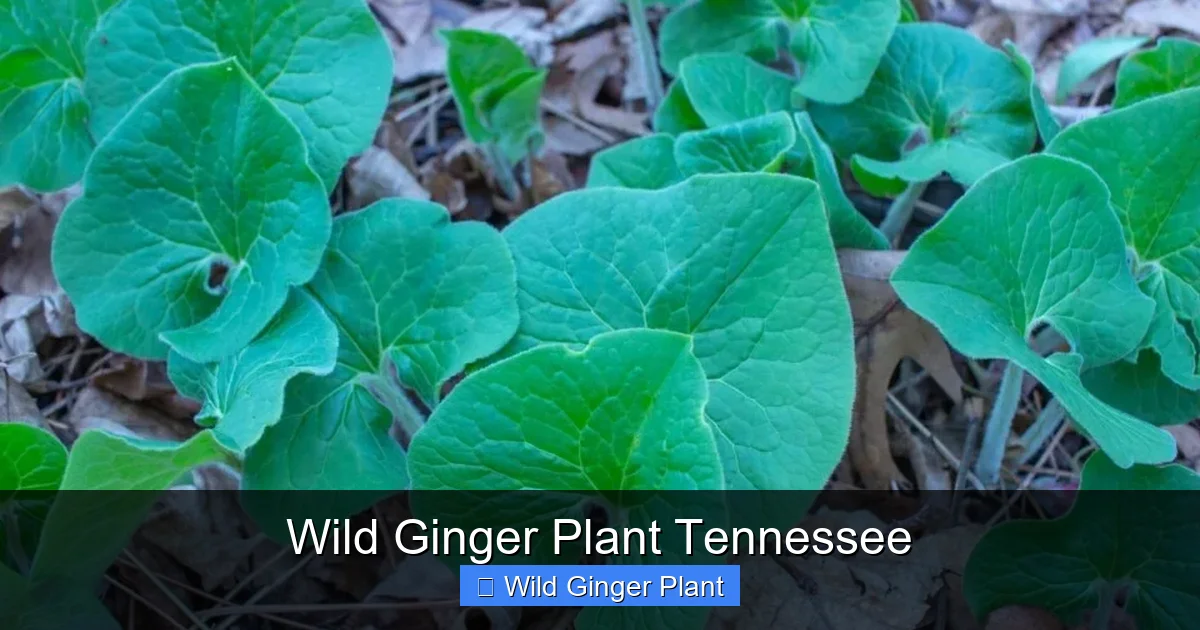
Wild Ginger Plant Tennessee
Wild ginger plant Tennessee species thrive in the state’s rich, moist woodlands, offering beautiful heart-shaped leaves and unique hidden flowers. This native perennial makes an excellent shade garden groundcover while supporting local ecosystems and providing historical medicinal value for herbalists and foragers alike.
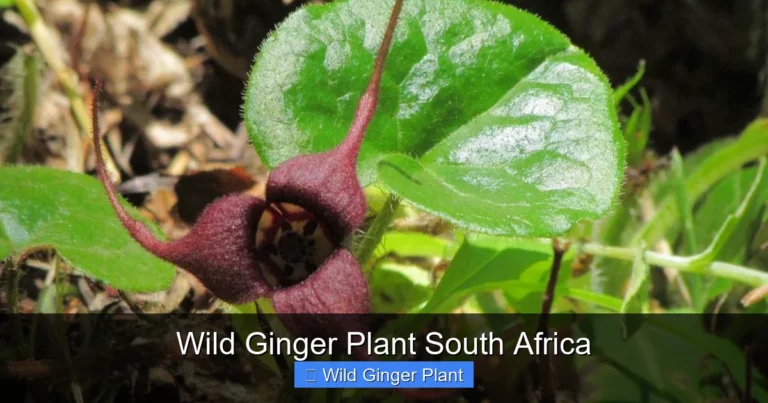
Walking through a Tennessee woodland in early spring, you might miss one of the state’s most fascinating native plants entirely. The wild ginger plant Tennessee residents often overlook grows low to the ground, its heart-shaped leaves forming a lush carpet beneath towering oaks and maples. But get down on your knees and peek beneath those leaves, and you’ll discover something remarkable: strange, jug-shaped flowers hugging the earth, their deep maroon petals curled like tiny sculptures.
I first encountered wild ginger on a hike through the Great Smoky Mountains years ago. My hiking partner, a longtime Tennessee naturalist, stopped suddenly and pointed at what looked like just another patch of green groundcover. “Look closer,” she said. When I parted the leaves and found those alien-looking blooms nestled in the soil, I understood why this plant has captivated botanists, herbalists, and gardeners for generations. The wild ginger plant Tennessee woodlands harbor isn’t just beautiful—it’s a living piece of Appalachian natural history.
Key Takeaways
- Two native species: Tennessee hosts both Asarum canadense (Canadian wild ginger) and Asarum virginicum (Virginia wild ginger) in its diverse woodland habitats.
- Shade-loving groundcover: These plants form dense colonies in moist, rich soils under deciduous trees, making them perfect for naturalized shade gardens.
- Unique flowering habit: Flowers bloom at ground level, hidden beneath foliage, and are pollinated by beetles and flies rather than bees.
- Not culinary ginger: Despite the name and aromatic rhizomes, wild ginger is not related to commercial ginger (Zingiber officinale) and contains compounds requiring careful preparation.
- Deer resistant: The aromatic compounds deter browsing, making wild ginger a reliable choice for Tennessee gardens with high deer pressure.
- Historical medicinal uses: Native American tribes and early settlers used root preparations for digestive issues, colds, and as a poultice for wounds.
- Conservation consideration: While not endangered, wild ginger populations face pressure from habitat loss and overharvesting; always source plants ethically from nurseries.
Quick Answers to Common Questions
Is wild ginger related to the ginger root I buy at the grocery store?
No, wild ginger (Asarum species) is not related to commercial ginger (Zingiber officinale). They belong to completely different plant families. Early settlers named it “wild ginger” because the rhizomes smell similar when crushed, but they differ chemically and culinarily.
Can I eat wild ginger from my Tennessee woods?
Wild ginger contains aristolochic acids, which are toxic to kidneys and potentially carcinogenic. Traditional use involved extensive processing to reduce toxicity, but modern herbalists generally avoid internal use. The leaves can be used sparingly for tea, but rhizome consumption is not recommended.
How do I identify wild ginger in Tennessee forests?
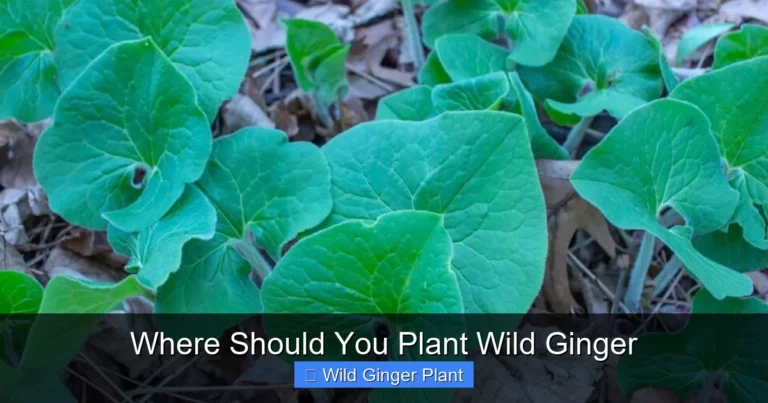
Look for heart-shaped or kidney-shaped leaves in pairs, growing low in rich, moist woods. In spring (March-May), gently lift leaves to find unusual maroon, jug-shaped flowers at ground level. Crushing a leaf or rhizome releases a distinct ginger-like aroma.
Will wild ginger grow in my shady Nashville yard?
Yes, wild ginger thrives in Middle Tennessee shade gardens with rich, moist soil. Amend clay soils with compost, plant in spring or fall, mulch with shredded leaves, and water during droughts. It’s deer-resistant and forms a beautiful groundcover over several years.
Where can I buy native wild ginger plants in Tennessee?
Purchase from reputable native plant nurseries like GroWild (Fairview), Overhill Gardens (Vonore), Sunlight Gardens (Andersonville), or through Tennessee Native Plant Society sales. Never dig plants from the wild—this harms slow-recovering populations and may be illegal on public land.
📑 Table of Contents
- Understanding Wild Ginger: Not What You Think
- Where to Find Wild Ginger in Tennessee
- Growing Wild Ginger in Your Tennessee Garden
- The Fascinating Biology of Wild Ginger
- Historical and Cultural Significance
- Wild Ginger in Modern Tennessee Landscapes
- Challenges and Considerations
- Conclusion: Embracing Tennessee’s Hidden Treasure
Understanding Wild Ginger: Not What You Think
The Name Confusion
Let’s clear up the biggest misconception right away. When people hear “wild ginger plant Tennessee,” they often assume it’s the same as the knobby beige root in their grocery store’s produce section. It’s not. Commercial ginger—Zingiber officinale—comes from a tropical plant native to Southeast Asia. Our native wild ginger belongs to the genus Asarum in the birthwort family (Aristolochiaceae). They’re not even distant cousins.
So why the shared name? Early European settlers in North America noticed the rhizomes (underground stems) of Asarum species smelled strongly of ginger when crushed. In a new land without access to imported spices, this native alternative became “wild ginger” by default. The name stuck, but the plants are fundamentally different in chemistry, growth habit, and culinary application.
Two Species Call Tennessee Home
Tennessee’s varied topography—from the Mississippi River floodplains to the high peaks of the Blue Ridge Mountains—creates perfect conditions for two distinct wild ginger species. Understanding which you’re looking at deepens your appreciation of the state’s botanical diversity.
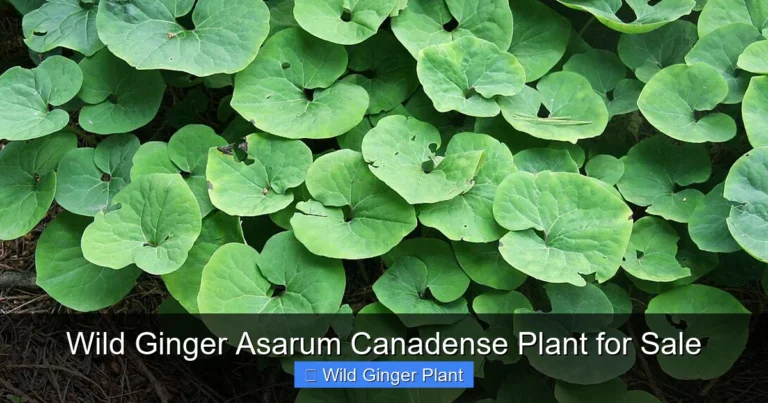
Asarum canadense (Canadian wild ginger) dominates in Middle and East Tennessee, particularly in the Cumberland Plateau and Appalachian regions. It features larger, more kidney-shaped leaves up to six inches wide and prefers the rich, calcareous soils of limestone-derived woodlands. This species forms extensive colonies through rhizomatous spread, creating the classic “ginger carpet” effect in mature forests.
Asarum virginicum (Virginia wild ginger) appears more frequently in East Tennessee’s higher elevations and the Ridge-and-Valley province. Its leaves tend toward a more elongated heart shape, often with striking silver mottling or veining that makes it particularly ornamental. This species tolerates slightly drier, more acidic conditions than its Canadian cousin.
Both species share the characteristic hidden flowers—purplish-brown, three-lobed blooms that sit directly on the soil surface, concealed by leaf litter and the plant’s own foliage. This unusual flowering strategy, called “geoflory,” represents a fascinating evolutionary adaptation we’ll explore later.
Where to Find Wild Ginger in Tennessee
Natural Habitats Across the State
The wild ginger plant Tennessee forests shelter thrives in specific conditions that tell us much about forest health. You’ll find it in mature, mesic (consistently moist but well-drained) deciduous forests with rich organic soils. Think north-facing slopes, cove forests, and stream terraces where centuries of leaf litter have created deep humus layers.
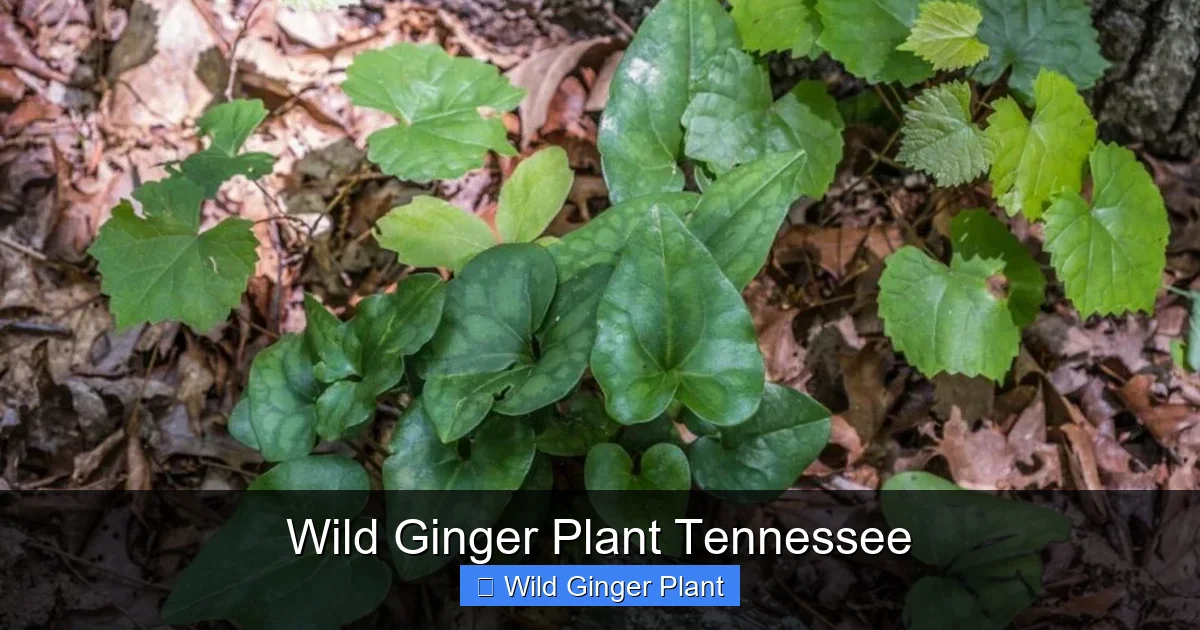
Visual guide about Wild Ginger Plant Tennessee
Image source: epicgardening.com
In West Tennessee, look for wild ginger in the loess bluff forests along the Mississippi River and its tributaries. The deep, silty soils there support surprising botanical diversity, including isolated populations of Asarum canadense at the western edge of its range.
Middle Tennessee’s Highland Rim and Central Basin regions offer excellent habitat, particularly in the cedar glade margins and limestone-derived soils of places like Radnor Lake State Park and the Warner Parks near Nashville. The calcium-rich substrates here produce especially vigorous colonies.
East Tennessee is the true stronghold. The Great Smoky Mountains National Park alone hosts thousands of acres of prime wild ginger habitat. Cove hardwood forests at elevations between 1,500 and 4,000 feet provide ideal conditions—consistent moisture, rich soils, and dense canopy cover. The Joyce Kilmer Memorial Forest, Roan Mountain State Park, and Cherokee National Forest all harbor extensive populations.
Seasonal Timing for Observation
Timing matters enormously when searching for wild ginger. The plants emerge early—often in March at lower elevations, April in the mountains—taking advantage of the brief window before the canopy leafs out completely. This “spring ephemeral” strategy means they do most of their photosynthesis in just a few weeks of full sun.
Flowering occurs simultaneously with leaf emergence, typically March through May depending on elevation and latitude. The flowers are easy to miss unless you’re deliberately looking. Gently lift the leaves at ground level, and you’ll find them nestled in the duff.
By summer, the plants shift to energy storage mode. The leaves persist through the growing season, forming that attractive groundcover, but growth slows dramatically. Fall brings yellowing foliage, and winter reveals only the persistent rhizomes beneath the soil, waiting for spring’s return.
Indicator Species and Forest Health
Experienced botanists and foresters use wild ginger as an indicator species. Its presence signals several positive forest conditions: intact soil structure, adequate moisture retention, minimal recent disturbance, and a well-developed canopy providing consistent shade. Conversely, its absence from seemingly suitable habitat often indicates past logging, grazing, or soil compaction that disrupted the delicate mycorrhizal relationships these plants depend on.
If you’re evaluating a woodlot for conservation value or restoration potential, noting wild ginger populations provides valuable baseline data. The plants don’t transplant easily and spread slowly, so established colonies represent decades or centuries of undisturbed ecological development.
Growing Wild Ginger in Your Tennessee Garden
Site Selection: Mimicking Nature
Success with wild ginger plant Tennessee gardeners cultivate comes down to one principle: replicate the woodland conditions where it evolved. This means shade—deep, consistent shade from deciduous trees or structures. A north-facing foundation planting, the shadow side of a fence, or beneath mature shade trees all work beautifully.
Soil preparation pays dividends. Wild ginger demands rich, humus-laden soil with excellent moisture retention but good drainage. If your garden soil is heavy clay (common across Tennessee), amend generously with composted leaves, pine bark fines, or well-rotted manure. Aim for a slightly acidic to neutral pH (5.5-7.0). A soil test through the University of Tennessee Extension service provides precise guidance.
Consider the microclimate. Wild ginger appreciates protection from drying winds and afternoon sun. Planting near a stone wall, large logs, or dense shrubbery creates the humid, stable environment these plants prefer. They’re perfect for those “difficult” deep shade spots where hostas struggle and grass simply won’t grow.
Planting Techniques for Success
Spring planting gives wild ginger the longest establishment period before summer stress. If you’re working with nursery-grown plants (always the ethical choice—never dig from the wild), space them 12-18 inches apart. They’ll slowly knit together over several years.
Plant at the same depth they grew in their containers. The rhizomes should sit just below the soil surface, barely covered. Water thoroughly after planting and apply a two-inch layer of shredded leaf mulch—not bark chips, which decompose too slowly and can alter soil chemistry.
Fall planting works too, especially in Middle and West Tennessee where soils stay warm well into November. Just ensure at least six weeks before hard freeze for root establishment. Mulch heavily for winter protection.
Companion Planting for a Woodland Garden
Wild ginger shines in community. Pair it with other Tennessee natives that share its cultural requirements: Christmas fern (Polystichum acrostichoides), foamflower (Tiarella cordifolia), wild geranium (Geranium maculatum), and Solomon’s seal (Polygonatum biflorum). Spring ephemerals like Virginia bluebells (Mertensia virginica) and trilliums (Trillium spp.) complete their lifecycle before wild ginger hits its summer stride, creating sequential interest.
For a truly authentic Cumberland Plateau feel, add spicebush (Lindera benzoin) or witch-hazel (Hamamelis virginiana) as understory shrubs. Their dappled shade and leaf litter contribution create the perfect wild ginger environment over time.
Maintenance: The Beauty of Low Input
Once established, wild ginger asks for remarkably little. No fertilizer needed—the decomposing leaf mulch provides all necessary nutrients. Water during extended summer droughts, especially the first two years. Remove invasive competitors like English ivy, wintercreeper, or Japanese stiltgrass promptly; they’ll smother wild ginger colonies.
Leave the foliage through winter. It protects the rhizomes and provides habitat for beneficial insects. In early spring, before new growth emerges, you can gently rake away matted leaves if they’re excessively thick, but it’s rarely necessary.
Division every 5-7 years rejuvenates crowded colonies and provides plants to expand your planting or share with fellow native plant enthusiasts. Early spring, just as growth resumes, is the ideal time. Dig carefully to preserve rhizome segments with both roots and growing points.
The Fascinating Biology of Wild Ginger
Geoflory: Flowers at Your Feet
The wild ginger plant Tennessee botanists study reveals one of nature’s most intriguing pollination strategies. Geoflory—flowering at ground level—is rare among flowering plants. Most elevate their blooms to attract flying pollinators. Wild ginger keeps its flowers literally in the dirt.
Why? The answer lies in its pollinators. Rather than bees or butterflies, wild ginger targets small ground-dwelling insects: beetles, flies, and ants. These creatures forage in the leaf litter where the flowers wait. The blooms emit a faint, fungally odor—reminiscent of decaying matter—that attracts these specific visitors.
The flower structure reinforces this specialization. The three fused sepals form a jug-like tube with a narrow opening. Small insects crawl inside, dusting themselves with pollen from the twelve stamens arranged in a ring. When they visit another flower, they deposit pollen on the six receptive stigmas. It’s a precise, intimate pollination system evolved over millions of years.
Interestingly, wild ginger can also self-pollinate if cross-pollination fails. The stamens eventually elongate and contact the stigmas automatically. This reproductive assurance strategy makes sense for a plant with unpredictable, specialized pollinators.
Seed Dispersal by Ants: Myrmecochory
After pollination, the flower develops into a fleshy capsule that splits open at ground level, revealing seeds with attached elaiosomes—nutrient-rich, lipid-rich appendages that ants find irresistible. This is myrmecochory, seed dispersal by ants, and it’s a brilliant strategy.
Ants carry the seeds to their nests, consume the elaiosomes, and discard the intact seeds in their midden heaps—essentially fertile, protected planting sites. The seeds germinate there, often establishing new colonies meters from the parent plant. This explains why wild ginger appears in seemingly isolated patches; ants have been gardening them for millennia.
The elaiosome chemistry is fascinating. It mimics the chemical signature of ant brood (larvae), triggering the ants’ innate carrying behavior. The plant essentially hacks the ants’ parental care instincts for its own dispersal. Evolutionary brilliance at ground level.
Rhizomatous Growth and Colony Formation
Individual wild ginger plants are long-lived perennials, potentially persisting for decades. The rhizomes—thick, branching underground stems—grow horizontally just beneath the soil surface, sending up new leaf pairs at intervals. Each year, the rhizome extends a few centimeters, slowly expanding the colony’s footprint.
This growth habit creates the characteristic dense mats. The leaves overlap extensively, shading out competitors and conserving soil moisture. The rhizomes also store carbohydrates, fueling early spring emergence before canopy closure. This storage capacity helps the plant survive occasional poor growing seasons.
Colony age can be estimated by diameter. A colony three feet across might be 15-20 years old; six feet suggests 30-40 years. The largest colonies in old-growth cove forests may exceed twenty feet in diameter, representing centuries of continuous growth. These ancient clones are genetic time capsules.
Chemical Defenses: Aristolochic Acid and Beyond
Wild ginger’s chemistry tells a complex story. The rhizomes contain volatile oils (primarily asarone and its isomers) responsible for the ginger-like aroma. But they also contain aristolochic acids—compounds produced by many Aristolochiaceae family members as herbivore deterrents.
Aristolochic acids are nephrotoxic (kidney-damaging) and carcinogenic in mammals. This explains why deer and other browsers avoid wild ginger so consistently. The plant invests heavily in chemical defense, making it one of the most reliably deer-resistant native groundcovers available to Tennessee gardeners.
However, this same chemistry complicates medicinal and culinary use. Traditional preparations involved extensive processing—drying, boiling, leaching—to reduce toxicity. Modern herbalists generally avoid internal use of wild ginger root due to aristolochic acid concerns, focusing instead on external applications or using the leaves (which contain lower concentrations) for tea.
The volatile oils themselves have antimicrobial and antifungal properties, likely protecting the rhizomes from soil pathogens in the moist environments wild ginger prefers. This chemical arsenal makes wild ginger a survivor in competitive forest floors.
Historical and Cultural Significance
Indigenous Knowledge and Uses
Long before European arrival, the Cherokee, Chickasaw, Creek, and other peoples of what is now Tennessee developed sophisticated understanding of the wild ginger plant Tennessee woodlands provided. The Cherokee called it “yânûsdi” or similar names across dialects, using it extensively in their pharmacopeia.
Primary applications included digestive complaints—nausea, indigestion, stomach cramps—and respiratory conditions like colds, coughs, and sore throats. Root decoctions served as expectorants. Externally, poultices treated wounds, burns, and skin infections, leveraging the antimicrobial volatile oils.
Wild ginger also played ceremonial roles. Some tribes used it in purification rituals or as a protective charm. The hidden flowers and earth-hugging habit connected it symbolically to the underworld and regenerative powers in several Southeastern cosmologies.
Importantly, indigenous use involved specific preparation methods developed over generations to mitigate toxicity. Roots were typically dried thoroughly, sometimes aged for months, then boiled in multiple water changes. Dosage was carefully calibrated. This traditional knowledge represents a sophisticated toxicological understanding that modern users often lack.
Early Settler Adoption
European settlers in Tennessee quickly adopted wild ginger from their indigenous neighbors. In the isolated hollows and coves of Appalachia, imported spices were luxuries. Wild ginger rhizomes, dried and ground, became a household staple for flavoring and medicine.
Appalachian folk medicine documented extensive uses: “colic root” for infant digestive distress, “heart tonic” for palpitations (likely due to mild cardiac effects of asarones), and “female tonic” for menstrual regulation. Midwives particularly valued it. The plant appeared in virtually every 19th-century Appalachian herbal manuscript.
Settlers also used wild ginger as a food preservative. The antimicrobial oils inhibited bacterial growth in stored meats and vegetables. Some families planted patches near their cabins specifically for this purpose, creating semi-cultivated populations that persist around old homesites today.
Commercial History and Overharvesting
By the late 1800s, wild ginger entered commercial botanical trade. “Colic root” and “Canada snakeroot” (confusingly applied to both Asarum and unrelated Aristolochia species) appeared in pharmaceutical catalogs. Tonnage harvested from Appalachian forests—including Tennessee—reached concerning levels.
This commercial pressure, combined with habitat loss from logging and agriculture, caused noticeable population declines by the early 1900s. Botanists like John Kunkel Small documented the disappearance of wild ginger from previously abundant sites. The trade eventually collapsed as synthetic alternatives replaced botanical drugs, but not before impacting populations across the region.
This history underscores why modern wildcrafting (wild harvesting) of wild ginger is discouraged. The plants recover slowly from rhizome harvest, and remaining populations face enough pressure without additional collection. Ethical sourcing means nursery-propagated plants only.
Wild Ginger in Modern Tennessee Landscapes
Ecological Landscaping Value
Today’s Tennessee gardeners increasingly recognize wild ginger’s role in ecological landscaping. As a native groundcover, it provides multiple ecosystem services: soil stabilization on slopes, moisture retention, weed suppression, and habitat for beneficial invertebrates. The dense foliage shelters overwintering beneficial insects, including predatory beetles that control garden pests.
Wild ginger’s deer resistance makes it invaluable in suburban and rural landscapes where browsing pressure eliminates many other shade plants. It allows gardeners to create lush, diverse shade gardens without constant fencing or repellent application.
For stormwater management, wild ginger excels in rain gardens and bioswales in shaded areas. Its fibrous root system and rhizomatous habit slow water infiltration, reduce erosion, and filter pollutants—all while thriving in the periodic inundation these features experience.
Restoration and Conservation Applications
Land managers restoring degraded Tennessee woodlands increasingly incorporate wild ginger into their planting palettes. It’s a “foundation species” for mesic forest understory restoration—once established, it facilitates other native species by modifying microclimate and soil conditions.
The Tennessee Division of Forestry and organizations like the Tennessee Native Plant Society recommend wild ginger for riparian buffer plantings, especially in headwater streams where shade and soil stabilization are priorities. Its tolerance for brief flooding makes it suitable for stream terrace positions.
On reclaimed mine lands in the Cumberland Mountains, experimental plantings show wild ginger can establish in amended soils, contributing to long-term forest community development. These projects demonstrate the plant’s resilience when basic requirements are met.
Cultivar Selection for Gardens
While straight species plants are ideal for ecological work, gardeners seeking ornamental qualities have several selections. ‘Eco Medallion’ (Asarum virginicum selection) offers pronounced silver leaf mottling. ‘Shell Shocked’ features exceptionally large, textured leaves. ‘Quick Silver’ spreads more vigorously than typical.
European Asarum europaeum (European wild ginger) is sometimes offered but lacks the ecological relationships of our natives. It’s evergreen, which appeals to some gardeners, but doesn’t support native insect specialists. Stick with Tennessee natives for maximum ecological benefit.
When purchasing, verify the source. Reputable native plant nurseries like GroWild (Fairview), Overhill Gardens (Vonore), and Sunlight Gardens (Andersonville) propagate ethically from seed or division. Avoid any vendor unable to confirm nursery propagation—wild-dug plants still enter the trade unfortunately.
Challenges and Considerations
Slow Establishment: Patience Required
The single biggest challenge gardeners face with wild ginger plant Tennessee cultivation is its pace. This is not a “instant groundcover” plant. From a small nursery plug, expect 3-5 years before significant spreading begins. Full colony density takes a decade or more.
This slowness reflects its evolutionary strategy. In stable forest environments, rapid expansion isn’t necessary—persistence is. The plant invests in root development, chemical defenses, and mycorrhizal relationships before aggressive clonal spread. Understanding this prevents frustration and premature intervention (like over-fertilizing, which harms the plant).
Plan accordingly. Plant wild ginger as a long-term investment in your shade garden’s future. Interplant with faster-establishing but shorter-lived species (like woodland phlox or celandine poppy) for immediate coverage while wild ginger gets established.
Climate Change Implications
Tennessee’s changing climate poses questions for wild ginger’s future. The plant requires consistent soil moisture and cool root zones. Increasing summer temperatures, more intense drought periods, and altered precipitation patterns could stress populations, especially at lower elevations and western range margins.
Models suggest suitable habitat may shift northward and upward in elevation over coming decades. Populations on the Highland Rim and in West Tennessee may become increasingly isolated. Conservation strategies include protecting north-facing slopes, maintaining canopy closure, and assisted migration to suitable future habitats.
Gardeners can help by providing supplemental water during droughts, maintaining thick mulch layers, and avoiding canopy thinning over established colonies. These microclimate modifications buffer plants from macroclimate changes.
Invasive Species Competition
Several invasive plants directly threaten wild ginger in both wild and cultivated settings. Japanese stiltgrass (Microstegium vimineum) forms dense mats that smother wild ginger seedlings and reduce light below survival thresholds. Garlic mustard (Alliaria petiolata) releases allelopathic chemicals that disrupt mycorrhizal fungi essential to wild ginger.
English ivy (Hedera helix) and wintercreeper (Euonymus fortunei) climb and shade out groundlayer vegetation entirely. Their evergreen habit gives them year-round photosynthetic advantage. Aggressive removal of these invasives is prerequisite for wild ginger success in many Tennessee landscapes.
Early detection and rapid response is key. Learn to identify these invaders at seedling stage. Hand-pull before they set seed. For established infestations, consult UT Extension for integrated management strategies that protect native understory plants.
Ethical Considerations for Gardeners
Every Tennessee gardener who loves wild ginger faces an ethical choice: where to obtain plants. The answer must always be nursery-propagated sources. Digging from the wild—even “just a few pieces” from a “large population”—causes harm. Wild ginger’s slow growth means harvested colonies may never recover. Soil disturbance facilitates invasive establishment. Removal disrupts mycorrhizal networks supporting the entire plant community.
If you encounter wild ginger on your own property, celebrate it. Protect it. Manage invasives around it. But don’t dig it for relocation—transplant success is low, and you’re destroying exactly what you value. Instead, purchase nursery stock to expand your planting.
Report wild populations to iNaturalist or the Tennessee Natural Heritage Program. Your observations contribute to conservation planning. But keep precise locations private to prevent poaching—yes, wild ginger poaching for the herbal trade still occurs.
Conclusion: Embracing Tennessee’s Hidden Treasure
The wild ginger plant Tennessee woodlands conceal beneath their leaf litter represents so much more than a pretty groundcover. It’s a living link to the state’s deep ecological history, a testament to evolutionary ingenuity, a plant that has fed and healed generations of people, and a species that asks only for shade, moisture, and time to thrive.
Whether you’re a hiker learning to recognize those heart-shaped leaves on spring trails, a gardener transforming a difficult shady corner into a native plant sanctuary, or a landowner restoring woodland health on your property, wild ginger offers rewards disproportionate to its modest stature. Its presence signals a functioning ecosystem. Its persistence demonstrates resilience. Its beauty—subtle, ground-level, easily missed—rewards the attentive observer.
Next time you’re in a Tennessee woodland in April, slow down. Look down. Part the leaves gently. There, hugging the earth, you’ll find those strange, perfect flowers—maroon jugs crafted by millions of years of conversation between plant and beetle, flower and ant, root and fungus. That’s the wild ginger plant Tennessee heritage made visible. It’s been waiting for you to notice.
And if you decide to bring that heritage home, plant with patience. Mulch with leaves. Wait. Watch. In a few years, you’ll have your own patch of ancient Appalachian forest floor, complete with hidden flowers and the faint, spicy scent of crushed rhizome connecting you to countless generations who knew this plant as medicine, spice, and neighbor. That’s not just gardening. That’s belonging.
Frequently Asked Questions
What are the two types of wild ginger native to Tennessee?
Tennessee hosts Asarum canadense (Canadian wild ginger) and Asarum virginicum (Virginia wild ginger). Canadian wild ginger has larger kidney-shaped leaves and prefers limestone-rich soils in Middle and East Tennessee. Virginia wild ginger often shows silver leaf mottling and occurs more in East Tennessee’s higher elevations and acidic soils.
When does wild ginger bloom in Tennessee?
Wild ginger flowers from March through May depending on elevation and location. Lower elevations in West Tennessee bloom earliest (March), while high-elevation populations in the Smokies may not flower until May. The flowers appear simultaneously with new leaf emergence and are hidden at ground level beneath the foliage.
Is wild ginger endangered in Tennessee?
Wild ginger is not currently listed as endangered or threatened in Tennessee. However, populations face pressure from habitat loss, invasive species, climate change, and occasional overharvesting for the herbal trade. It’s considered a species of conservation concern in some surrounding states and warrants monitoring.
How fast does wild ginger spread in a garden?
Wild ginger spreads slowly via rhizomes, typically expanding a few centimeters per year. A small nursery plant may take 3-5 years to form a noticeable colony and a decade or more to create dense groundcover. This slow growth reflects its adaptation to stable forest environments where persistence matters more than rapid colonization.
Can wild ginger grow in full sun?
No, wild ginger requires shade—preferably deep, consistent shade from deciduous trees. Full sun exposure causes leaf scorch, excessive water loss, and eventual plant death. It evolved as a forest understory species and cannot tolerate direct afternoon sun, especially in Tennessee’s hot summers.
What wildlife benefits from wild ginger in my garden?
Wild ginger supports ground-dwelling beetles, flies, and ants that pollinate its flowers and disperse its seeds. The dense foliage provides shelter for amphibians, small mammals, and overwintering beneficial insects. Its deer resistance makes it valuable for maintaining plant diversity in browsed landscapes, indirectly supporting the entire woodland food web.