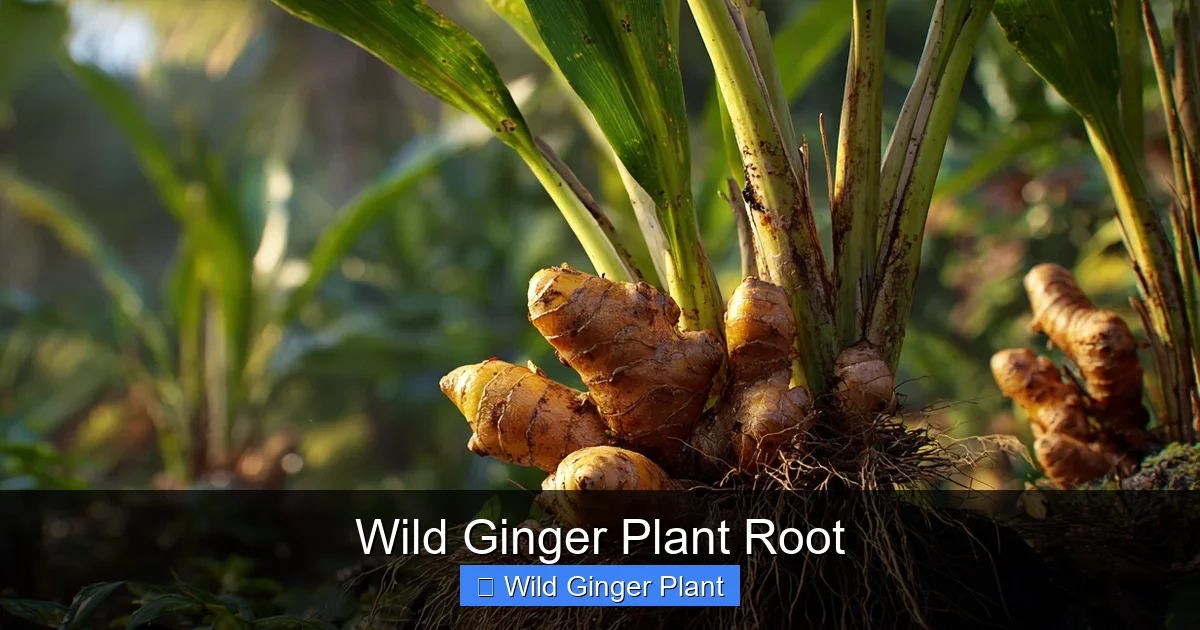
Wild Ginger Plant Root
The wild ginger plant root is a low‑growing forest herb prized for its aromatic rhizome. It has a long history in traditional medicine and cooking. Learn how to spot it, use it safely, and enjoy its unique flavor.
When you walk through a damp forest floor you may notice a low, heart‑shaped leaf hugging the ground. That leaf belongs to the wild ginger plant root. The plant is not a true ginger, but its rhizome smells sweet and spicy. People have valued this hidden treasure for centuries.
In this guide we explore everything you need to know about the wild ginger plant root. You will learn how to identify it, why it has been used in folk medicine, what science says about its chemistry, and how to harvest and prepare it safely. Whether you are a forager, a herbalist, or a curious cook, this article will give you practical knowledge you can use right away.
Key Takeaways
- Botanical identity: The wild ginger plant root belongs to the Asarum genus, not true ginger.
- Habitat: It thrives in moist, shaded woodlands across North America and Asia.
- Traditional uses: Indigenous peoples used the wild ginger plant root for colds, digestion, and flavoring.
- Active compounds: The root contains aristolochic acid, which can be toxic in large doses.
- Safe harvest: Take only a small portion, leave the plant to regrow, and confirm identification.
- Preparation: Clean, dry, or simmer the wild ginger plant root for teas, syrups, or spice blends.
- Legal note: Some regions restrict collection; check local regulations before foraging.
Quick Answers to Common Questions
What does wild ginger plant root taste like?
It tastes sweet, slightly peppery, and reminiscent of true ginger but milder.
Can I eat wild ginger plant root raw?
Raw consumption is not advised because of aristolochic acid; cooking reduces risk.
Where is the best place to find wild ginger plant root?
Look in moist, shaded deciduous forests with rich leaf litter.
How much wild ginger plant root is safe to use?
Use only a small pinch in cooking or a single cup of tea occasionally.
Is wild ginger plant root legal to harvest everywhere?
No; some regions restrict collection. Check local regulations before foraging.
📑 Table of Contents
What Is the Wild Ginger Plant Root?
The wild ginger plant root is the underground stem, or rhizome, of several Asarum species. The most common North American species is Asarum canadense. In Asia, Asarum sieboldii and Asarum heterotropoides are also called wild ginger. All share a similar low growth habit and a distinctive aroma.
Botanical Background
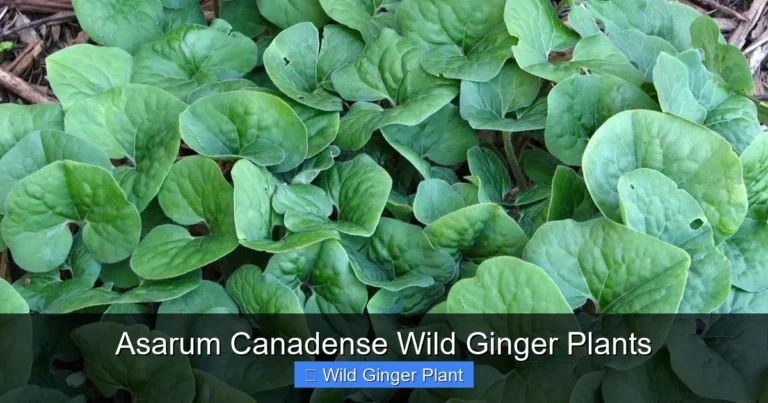
Asarum belongs to the birthwort family, Aristolochiaceae. The plants are perennial herbs that spread by creeping rhizomes. They produce a single, kidney‑shaped leaf per stem. The flower is hidden at ground level, often brownish‑purple, and pollinated by beetles. The wild ginger plant root is the part most people seek.
Habitat and Range
You will find the wild ginger plant root in rich, moist deciduous forests. It prefers deep shade, leaf litter, and slightly acidic soil. In the United States it ranges from the Great Lakes to the Appalachian Mountains. In Canada it appears in southern Ontario and Quebec. Asian species occupy similar forest floors in Japan, Korea, and China.
Traditional Uses and Folklore
Indigenous peoples across the wild ginger plant root range used the rhizome for many purposes. The root was chewed to relieve sore throats and coughs. A decoction helped settle upset stomachs. Some tribes applied a poultice to wounds for its antimicrobial feel.
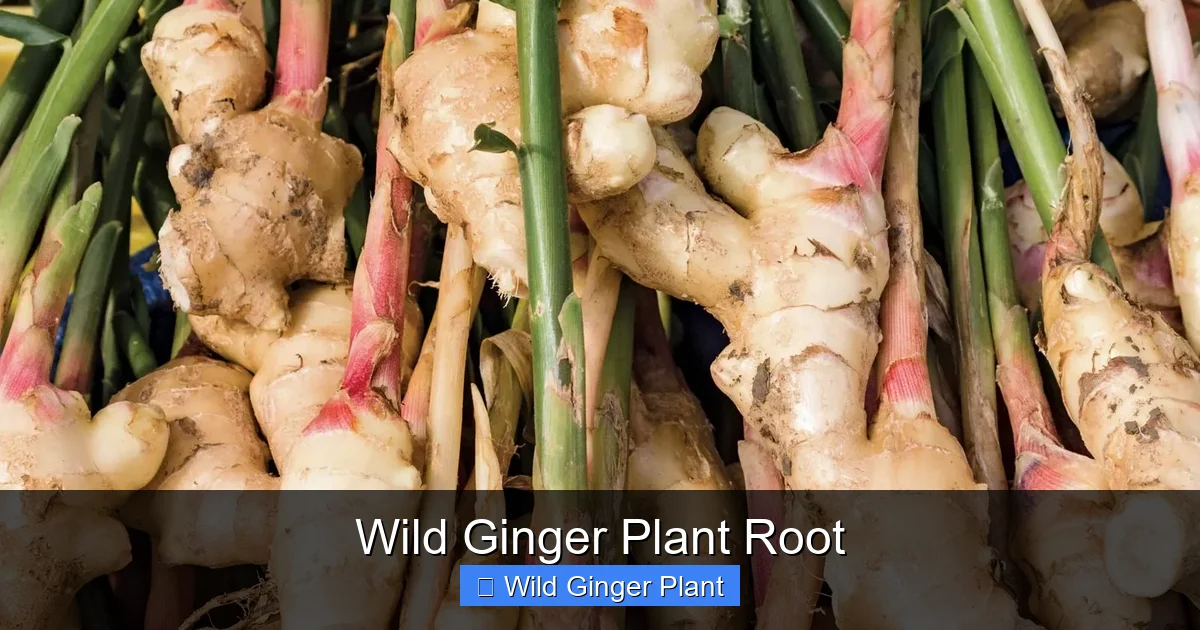
Visual guide about Wild Ginger Plant Root
Image source: cdn.mos.cms.futurecdn.net
Indigenous Medicine
The Cherokee used the wild ginger plant root as a tea for colds. The Iroquois mixed it with other herbs to make a tonic for fatigue. In traditional Chinese medicine, the Asian wild ginger plant root (known as Xi Xin) warms the lungs and dispels cold. These uses show a shared belief in its warming, stimulating nature.
Culinary Uses
Early European settlers learned to flavor soups and stews with the wild ginger plant root. The rhizome adds a sweet, peppery note similar to true ginger but milder. Candied wild ginger plant root was a treat in colonial kitchens. Today, creative chefs use it in syrups, ice creams, and craft cocktails.
Chemical Composition and Health Benefits
Modern analysis reveals that the wild ginger plant root contains several volatile oils, including asarone and methyleugenol. It also contains aristolochic acid, a compound linked to kidney toxicity and cancer when consumed in large amounts over time.
Visual guide about Wild Ginger Plant Root
Image source: cdn.britannica.com
Active Compounds
The essential oil gives the wild ginger plant root its characteristic scent. Asarone has shown antimicrobial and anti‑inflammatory activity in lab studies. Methyleugenol contributes to the spicy flavor. However, aristolochic acid is the main safety concern. Levels vary by species, age, and growing conditions.
Potential Benefits
Small, controlled doses of the wild ginger plant root may help digestion, reduce nausea, and ease mild respiratory congestion. Some herbalists recommend a short‑term tea for cold symptoms. Research is limited, and most evidence comes from animal studies or traditional use. Caution is essential because of the toxic constituent.
How to Identify and Harvest Safely
Correct identification is the first rule of foraging. The wild ginger plant root can be confused with other low‑lying plants such as Canadian ginger (which is the same species) or the toxic European birthwort. Look for the single heart‑shaped leaf, the hidden flower, and the aromatic rhizome.
Identification Tips
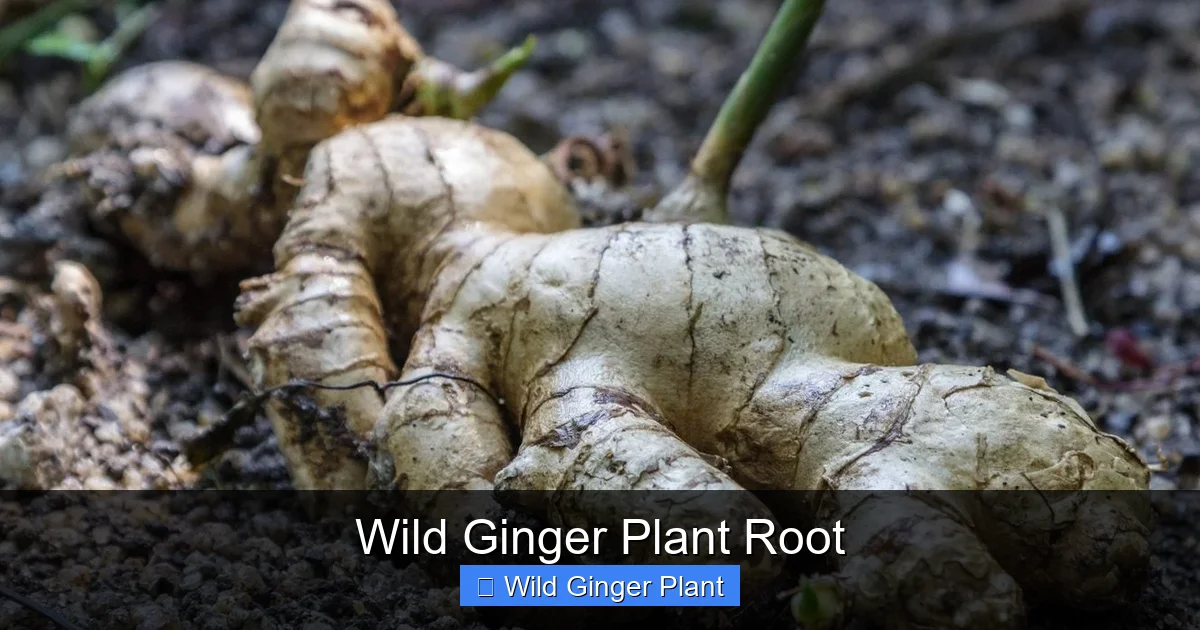
Leaf: one per stem, kidney‑shaped, smooth edges, deep green. Flower: solitary, bell‑shaped, brown‑purple, at ground level. Rhizome: thin, creeping, tan to light brown, strong ginger‑like scent when crushed. Smell test: break a small piece; true wild ginger plant root smells sweet and spicy.
Harvest Guidelines
Take only what you need. Cut a small section of rhizome, leaving at least two‑thirds of the plant intact. Harvest in early spring or late fall when the plant is dormant. Use a clean knife or scissors. Re‑cover the soil to protect the remaining roots. Never harvest from polluted sites or protected lands without permission.
Preparing Wild Ginger Plant Root at Home
Once you have a clean piece of wild ginger plant root, you can turn it into a variety of kitchen staples. The key is gentle heat to preserve flavor and reduce any harsh compounds.
Cleaning and Storage
Rinse the rhizome under cool water. Scrub lightly with a brush to remove soil. Pat dry. For short‑term use, store in a paper bag in the refrigerator for up to a week. For long‑term storage, slice thinly and dry in a dehydrator at 95 °F (35 °C) until brittle. Keep dried pieces in an airtight jar away from light.
Simple Recipes
Wild ginger tea: simmer one teaspoon of dried wild ginger plant root in a cup of water for ten minutes. Strain, add honey if desired. Wild ginger syrup: combine equal parts water and sugar, add a handful of fresh sliced rhizome, simmer twenty minutes, strain, bottle. Use the syrup in cocktails, drizzle over pancakes, or mix into salad dressings.
Culinary Pairings
The mild heat of the wild ginger plant root pairs well with citrus, honey, and dark chocolate. Try adding a pinch of powdered dried root to pumpkin soup or a carrot‑ginger stir‑fry. It also complements mushroom dishes, enhancing earthiness without overpowering.
Safety, Side Effects, and Legal Considerations
Because the wild ginger plant root contains aristolochic acid, long‑term or high‑dose use is not recommended. Pregnant or nursing women, children, and people with kidney disease should avoid it entirely.
Toxicity Concerns
Animal studies link aristolochic acid to renal failure and urothelial cancer. Human case reports associate herbal products containing Aristolochia species with similar outcomes. The wild ginger plant root has lower levels than some relatives, but the risk remains. Limit use to occasional culinary amounts, not daily medicinal doses.
Regulations
In the United States, the FDA does not approve wild ginger plant root as a food additive. Some states list Asarum species as “species of concern” and restrict harvest on public land. In Canada, provincial regulations vary; check with local natural resources departments. In the European Union, aristolochic acid is banned in herbal products. Always verify current laws before foraging or selling.
Conclusion
The wild ginger plant root is a fascinating forest herb with a rich cultural history and a distinctive flavor. It offers culinary delight and modest herbal benefits when used wisely. Respect the plant by harvesting sustainably, confirming identity, and limiting intake because of its toxic constituent. With careful practice you can enjoy this wild treasure safely and responsibly.
Frequently Asked Questions
What is the scientific name of wild ginger plant root?
The most common North American species is Asarum canadense. Asian species include Asarum sieboldii and Asarum heterotropoides.
Does wild ginger plant root have any proven medical benefits?
Limited studies show antimicrobial and anti‑inflammatory effects, but human clinical evidence is lacking. Traditional use suggests digestive and respiratory support.
How do I dry wild ginger plant root for storage?
Slice the cleaned rhizome thinly and dehydrate at 95 °F (35 °C) until brittle. Store in an airtight container away from light.
Can wild ginger plant root be used in pregnancy?
It is not recommended during pregnancy because aristolochic acid may harm the developing fetus and maternal kidneys.
What are the signs of wild ginger plant root toxicity?
Symptoms may include nausea, vomiting, abdominal pain, and, with chronic exposure, kidney damage or urinary tract changes.
How can I tell wild ginger plant root apart from look‑alikes?
Check for a single heart‑shaped leaf per stem, a hidden ground‑level flower, and a strong ginger‑like aroma when the rhizome is crushed.