Wild Ginger Plant Photos
This guide shows you how to find, identify, and photograph wild ginger. You will see clear wild ginger plant photos and learn practical tips for your own shots.
Welcome to the ultimate guide on wild ginger plant photos. This article will help you understand what wild ginger looks like. You will learn where to find it in nature. You will also get tips for taking your own wild ginger plant photos.
Wild ginger plant photos are popular among hikers and gardeners. The plant hides its flowers under the leaves. Good wild ginger plant photos show this secret bloom. Clear wild ginger plant photos make identification easy.
In the next sections wild ginger plant photos are used as visual references. Each section explains a key topic. You will finish with confidence to spot and photograph wild ginger.
Key Takeaways
- Identify quickly: Wild ginger plant photos reveal heart‑shaped leaves and hidden flowers.
- Know the habitat: Look for moist, shady woods when searching for wild ginger plant photos.
- Distinguish varieties: Different species show unique leaf textures in wild ginger plant photos.
- Shoot better pictures: Use diffuse light and low angles for striking wild ginger plant photos.
- Use the plant: Wild ginger has culinary and medicinal history shown in wild ginger plant photos.
- Share responsibly: Credit sources when you post wild ginger plant photos online.
- Protect populations: Avoid over‑harvesting after viewing wild ginger plant photos.
Quick Answers to Common Questions
What does wild ginger look like in photos?
Wild ginger plant photos show heart‑shaped glossy leaves and a hidden bell‑shaped flower at ground level.
Where is the best place to find wild ginger?
Moist, shady forest floors near streams are the prime habitats for wild ginger.
Can I eat wild ginger root?
The rhizome is edible and tastes like mild ginger but should be used in small amounts.
What camera settings work for wild ginger plant photos?
Use low ISO, aperture f/8 to f/11, and a tripod for sharp wild ginger plant photos.
Are there look‑alikes to watch for?
Violets and some other Asarum species resemble wild ginger; check leaf margins and flower position.
📑 Table of Contents
- Wild Ginger Plant Photos: What Is Wild Ginger?
- Wild Ginger Plant Photos: Where To Find Them
- Wild Ginger Plant Photos: How To Identify
- Wild Ginger Plant Photos: Common Varieties
- Wild Ginger Plant Photos: Tips For Your Own Shots
- Wild Ginger Plant Photos: Uses And Benefits
- Wild Ginger Plant Photos: Final Thoughts
Wild Ginger Plant Photos: What Is Wild Ginger?
Basic Description
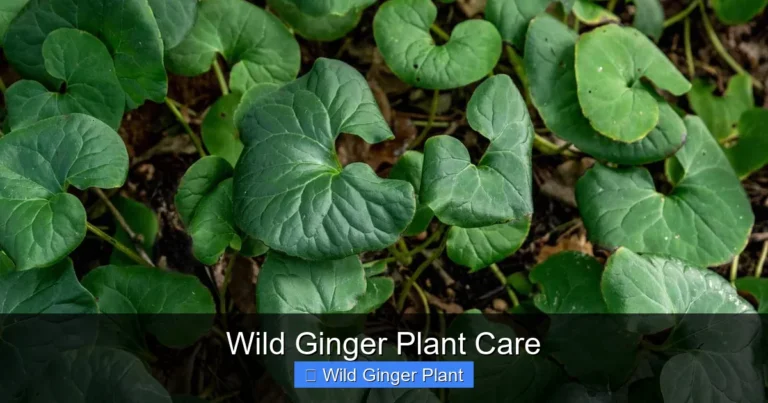
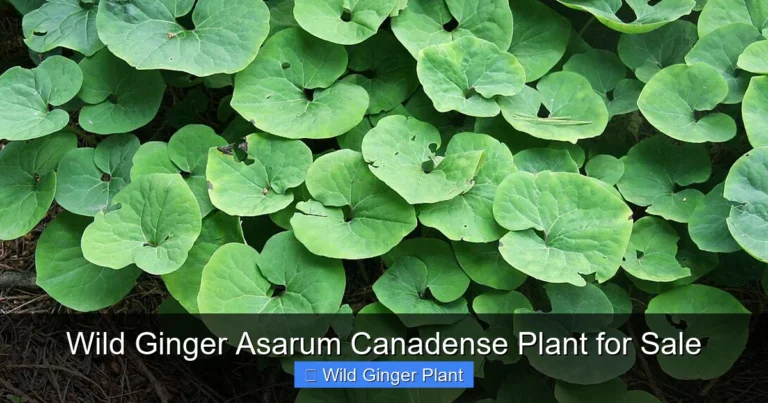
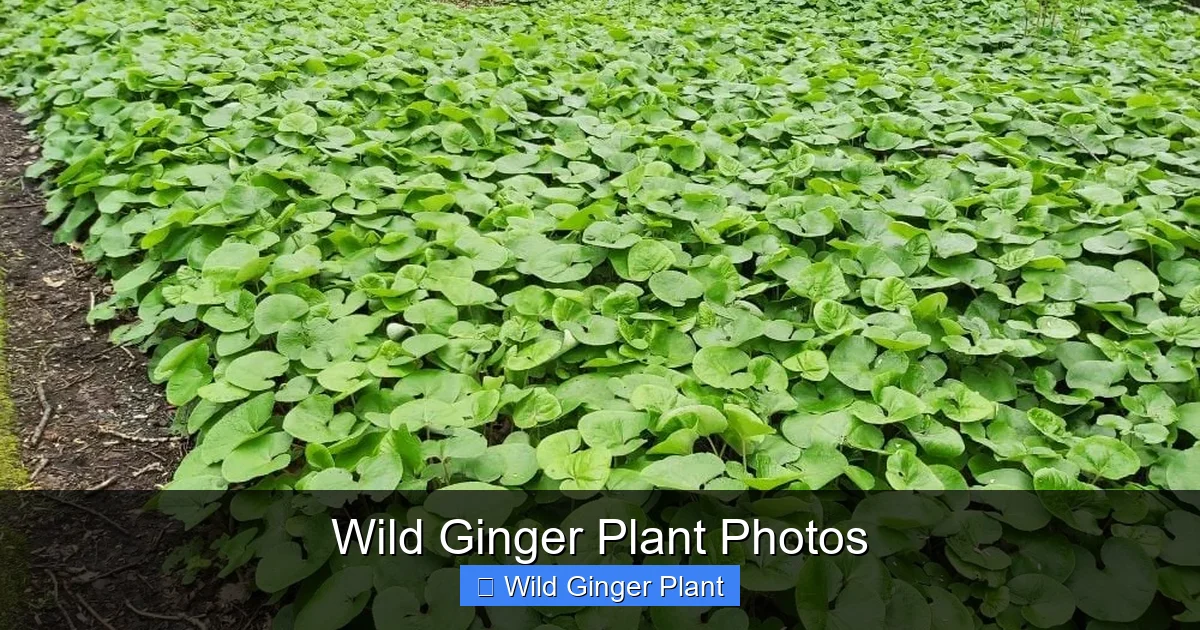
Wild ginger is a low growing herb. It spreads by rhizomes under the soil. The leaves are heart shaped and glossy. Wild ginger plant photos show a dense carpet of green.
The plant belongs to the genus Asarum. There are several species worldwide. Wild ginger plant photos often feature the North American species Asarum canadense. The stems are short and hidden.
Leaf Shape
Leaves are broad and kidney shaped. They have a smooth edge. Wild ginger plant photos highlight the deep lobes. The veins are faint but visible.
Leaf size ranges from five to ten centimeters. Young leaves are lighter green. Mature leaves turn dark green. Wild ginger plant photos capture this color change.
Flower Details
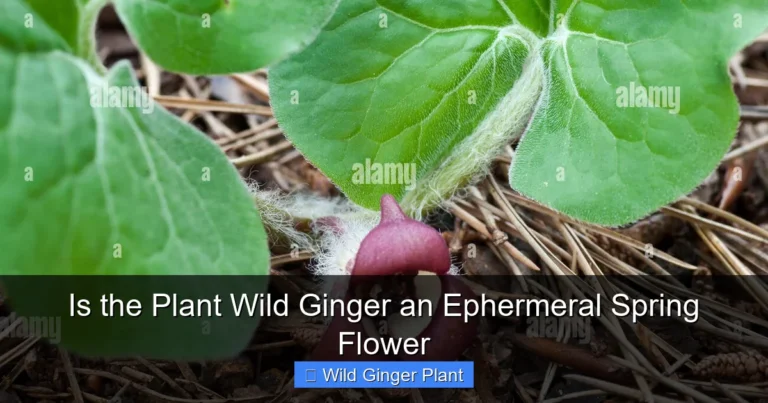
Flowers sit at ground level. They are bell shaped and purple brown. Wild ginger plant photos reveal the three sepals. The petals are reduced to tiny scales.
Bloom time is early spring. The flowers are often hidden by leaf litter. Wild ginger plant photos taken at the right moment show the bloom. Pollination is done by beetles.
Wild Ginger Plant Photos: Where To Find Them
Forest Floors
Wild ginger loves rich, moist forest floors. It grows under deciduous trees. Wild ginger plant photos from these sites show dappled light. The soil is usually loamy and acidic.
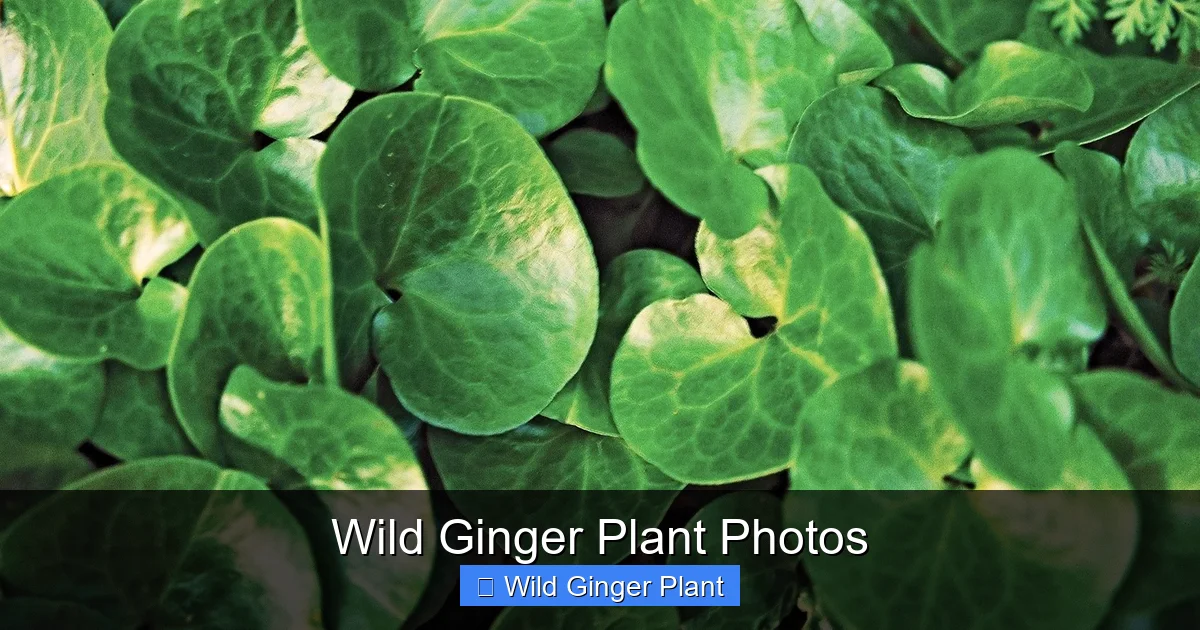
Visual guide about Wild Ginger Plant Photos
Image source: bhg.com
Look near streams and ravines. The plant prefers constant moisture. Wild ginger plant photos taken near water show lush growth. Avoid dry ridges.
Shaded Streams
Stream banks provide ideal humidity. Wild ginger plant photos from stream sides show thick mats. The roots anchor in wet soil. The plant tolerates occasional flooding.
Search on the north facing banks. These spots stay cool all day. Wild ginger plant photos taken here have vibrant color. The shade protects the delicate flowers.
Online Galleries
If you cannot hike, browse online galleries. Many sites host curated wild ginger plant photos. Use keywords like wild ginger plant photos for best results. Check image licenses before use.
Botanical gardens often share high resolution wild ginger plant photos. University herbarium databases are another source. Wild ginger plant photos from these collections are scientifically verified.
Wild Ginger Plant Photos: How To Identify
Key Features
Focus on leaf shape and texture. Wild ginger plant photos show heart shaped leaves with a glossy surface. The leaf underside is often paler. The rhizome is aromatic when crushed.
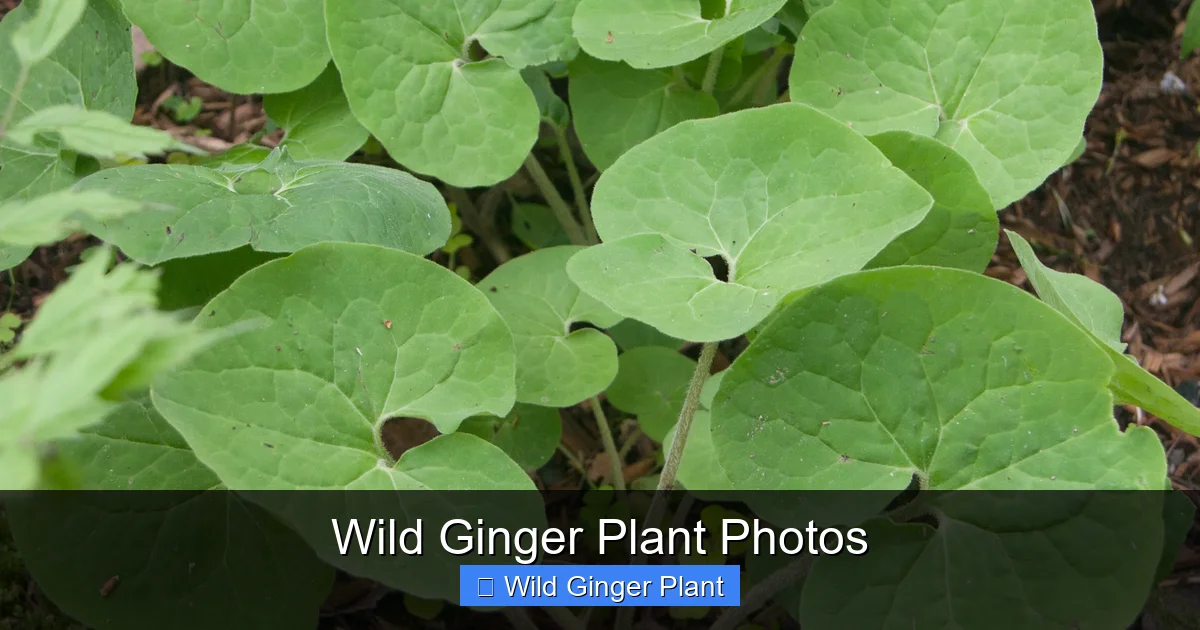
Visual guide about Wild Ginger Plant Photos
Image source: backyardforager.com
Check for the hidden flower. Wild ginger plant photos that include the bloom confirm identity. The flower has three sepals and no petals. This trait is unique.
Common Look‑Alikes
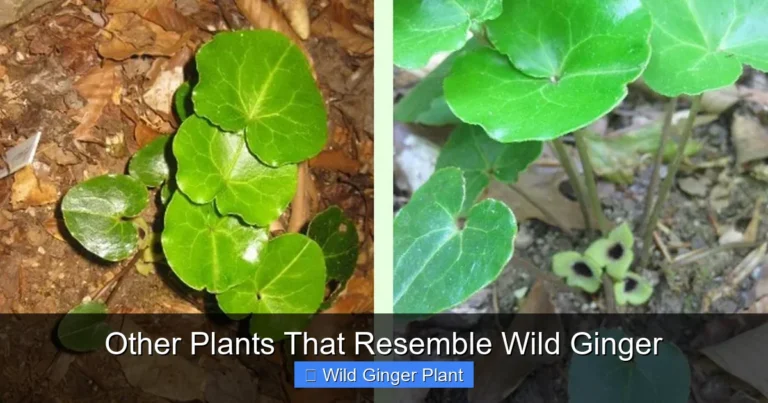
Some violet species have similar leaves. Wild ginger plant photos help you spot differences. Violets have toothed leaf margins. Wild ginger leaves are smooth.
Another look‑alike is the Canadian wild ginger. It is the same species but regional names vary. Wild ginger plant photos from different regions look alike. Use location data to be sure.
Seasonal Changes
In early spring the flowers appear. Wild ginger plant photos taken then show the bloom. By summer the flowers fade. Leaves remain green all season.
Autumn brings a slight yellowing. Wild ginger plant photos in fall show muted tones. Winter the plant dies back to the rhizome. New shoots emerge next spring.
Wild Ginger Plant Photos: Common Varieties
Asarum Canadense
This is the North American wild ginger. Wild ginger plant photos of this species show large heart shaped leaves. The flower is dark purple. It grows in eastern forests.
The rhizome smells like ginger. Wild ginger plant photos often include a close up of the root. It is used in traditional recipes.
Asarum Europaeum
European wild ginger has smaller leaves. Wild ginger plant photos reveal a more rounded leaf shape. The flower is greenish brown. It prefers limestone soils.
This species is more tolerant of dry shade. Wild ginger plant photos from Europe show it on rocky slopes. It is also called hazelwort.
Other Species
There are over sixty Asarum species worldwide. Wild ginger plant photos of Asian species show diverse leaf patterns. Some have silver markings. Others have deeply lobed leaves.
Consult a regional field guide for exact identification. Wild ginger plant photos paired with distribution maps are very helpful. Always verify with a botanist if unsure.
Wild Ginger Plant Photos: Tips For Your Own Shots
Lighting
Use soft, diffused light for wild ginger plant photos. Early morning or late afternoon works best. Avoid harsh midday sun. A cloudy day gives even illumination.
If you shoot in deep shade, use a reflector. A white card bounces light onto the leaves. Wild ginger plant photos with balanced light show texture.
Composition
Get low to the ground for wild ginger plant photos. A worm’s eye view shows the hidden flower. Include surrounding moss for context. Keep the background simple.
Frame a single leaf cluster for detail. Wild ginger plant photos with a shallow depth of field isolate the subject. Use the rule of thirds for balance.
Camera Settings
Set a low ISO to reduce noise. ISO 100 or 200 is ideal for wild ginger plant photos. Use an aperture of f/8 to f/11 for depth. A tripod steadies the shot.
Focus manually on the leaf edge. Wild ginger plant photos benefit from precise focus. Shoot in RAW for maximum editing flexibility. Bracket exposures if light varies.
Wild Ginger Plant Photos: Uses And Benefits
Culinary Uses
The rhizome tastes like mild ginger. Wild ginger plant photos often show the root being harvested. It can flavor teas and syrups. Use sparingly due to strong compounds.
Native peoples used it as a spice. Wild ginger plant photos from historic texts illustrate this. Modern chefs experiment with it in desserts.
Medicinal History
Traditional medicine used wild ginger for colds. Wild ginger plant photos in herbals show root preparations. It was thought to stimulate digestion. Modern research is limited.
Some compounds may be toxic in large doses. Wild ginger plant photos should not replace professional advice. Consult a healthcare provider before use.
Garden Value
Wild ginger makes a great ground cover. Wild ginger plant photos in garden design show dense mats. It suppresses weeds naturally. The foliage stays attractive all season.
Plant it in shade gardens with moist soil. Wild ginger plant photos of established beds show low maintenance. It also supports native pollinators.
Wild Ginger Plant Photos: Final Thoughts
You now have a solid foundation for working with wild ginger plant photos. You can identify the plant in the field. You know where to locate it. You have practical tips for capturing stunning wild ginger plant photos. Remember to respect wild populations. Share your wild ginger plant photos responsibly. Happy shooting and exploring.
Frequently Asked Questions
Is wild ginger related to culinary ginger?
No, wild ginger belongs to the genus Asarum while culinary ginger is Zingiber officinale; they are unrelated.
When does wild ginger bloom?
Wild ginger blooms in early spring, often before the canopy leaves fully expand.
Can I grow wild ginger in my garden?
Yes, wild ginger thrives in shaded, moist garden beds and makes an excellent ground cover.
Are wild ginger plant photos copyright free?
Many wild ginger plant photos are copyrighted; always check the license before using them commercially.
What pests affect wild ginger?
Slugs and snails may feed on the leaves; otherwise wild ginger has few serious pests.
How do I propagate wild ginger?
Divide the rhizomes in early spring or fall and replant them in suitable shady soil.