Wild Ginger Plant Ground Cover
Wild ginger plant ground cover is a shade‑loving perennial that forms a dense, low‑maintenance carpet. It spreads slowly by rhizomes, suppresses weeds, and provides habitat for pollinators. Ideal for woodland gardens, shady borders, and containers.
If you have a shady corner that stays bare no matter what you plant, you are not alone. Many gardeners struggle to find a reliable ground cover for low‑light areas. Enter the wild ginger plant ground cover. This native perennial quietly spreads its heart‑shaped leaves and creates a soft, green carpet that looks good all year. In this guide we explore everything you need to know to grow, care for, and design with wild ginger.
Wild ginger belongs to the genus Asarum and is native to North America and parts of Asia. The most common species in cultivation is Asarum canadense, often called Canadian wild ginger. It produces small, hidden flowers that sit close to the ground. The foliage is the real show, staying evergreen in mild climates and turning a rich bronze in colder zones. Because it spreads by underground rhizomes, it forms a continuous mat that outcompetes weeds without aggressive invasiveness.
Gardeners love wild ginger plant ground cover for its ability to thrive where turf grass fails. It tolerates deep shade, dry spells once established, and a wide range of soil types. The plant also adds a subtle fragrance when leaves are crushed, a pleasant surprise for anyone walking through a shaded path.
Key Takeaways
- Shade tolerance: Wild ginger thrives in deep to partial shade where many other ground covers fail.
- Low maintenance: Once established it needs minimal watering, fertilizing, or mowing.
- Weed suppression: Its dense foliage blocks light, reducing weed germination.
- Wildlife value: Flowers attract early‑season pollinators; foliage offers shelter for small insects.
- Slow spread: Rhizomes expand gradually, making it easy to contain or divide.
- Soil adaptability: Prefers moist, humus‑rich soil but tolerates a range of pH levels.
- Design versatility: Works well in woodland gardens, shade borders, under trees, and in containers.
Quick Answers to Common Questions
What light conditions does wild ginger prefer?
Wild ginger thrives in deep to partial shade and tolerates only a few hours of morning sun.
How fast does wild ginger spread?
It spreads slowly by rhizomes, typically expanding a few inches per year, making it easy to manage.
Is wild ginger deer resistant?
Yes, deer generally avoid wild ginger because of its aromatic foliage.
Can wild ginger be grown in containers?
Absolutely, it performs well in large, shallow pots with a rich, moisture‑retentive mix placed in shade.
When is the best time to divide wild ginger?
Early spring, just as new growth emerges, is the ideal time to divide and replant clumps.
📑 Table of Contents
What Is Wild Ginger?
Botanical Background
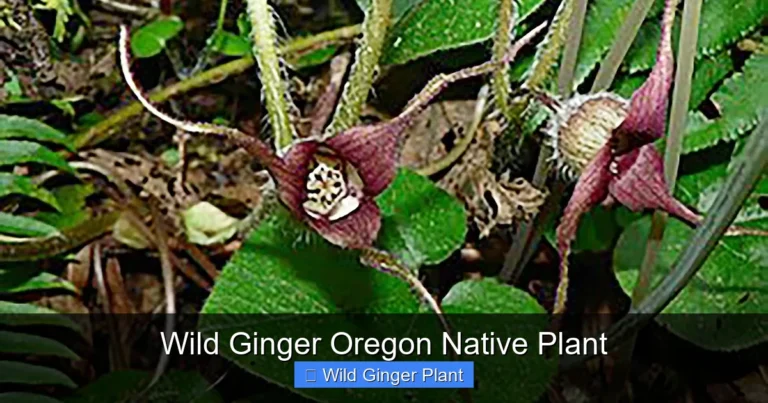
Wild ginger is a herbaceous perennial in the birthwort family, Aristolochiaceae. The plant grows from a shallow rhizome that creeps just below the soil surface. Each rhizome segment produces a pair of kidney‑shaped leaves that can reach six inches across. The flowers are bell‑shaped, brownish‑purple, and appear in early spring. They are pollinated mainly by beetles and flies that crawl into the low blooms.
The genus Asarum contains several species, but Asarum canadense is the most widely grown in temperate gardens. Its rhizomes are thin, brown, and aromatic, which helps deter many herbivores. The leaves are glossy, dark green, and have a slightly leathery texture that resists drying out.
Native Range and Habitat
Asarum canadense is native to the eastern United States and southeastern Canada. It thrives in rich, moist woods, often on north‑facing slopes. In its natural habitat it forms extensive colonies under a canopy of deciduous trees. The plant prefers soils high in organic matter, consistent moisture, and a slightly acidic to neutral pH. Understanding this native setting helps you replicate the conditions in your garden.
In the wild, wild ginger often grows alongside ferns, trilliums, and mosses. These companion plants share the same moisture and light requirements. Mimicking this community in a garden creates a more resilient and naturalistic planting.
Growth Habit
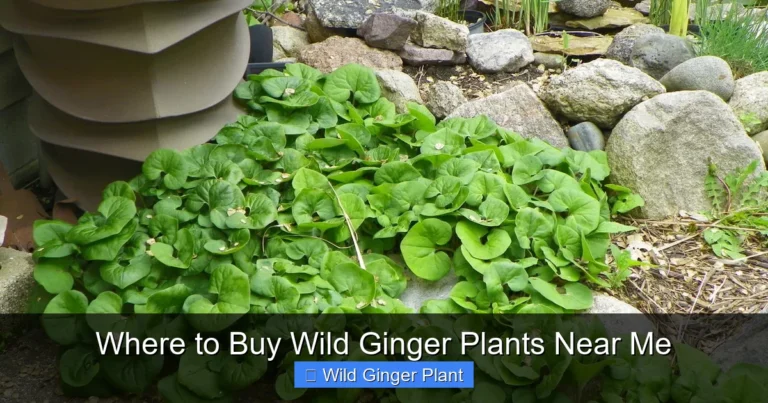
Wild ginger spreads slowly by extending its rhizomes a few inches each year. This gradual expansion makes it easy to manage and prevents it from becoming invasive. The plant forms a dense mat of foliage that can reach a height of six to eight inches. In winter, the leaves may die back in colder zones but the rhizomes survive underground and re‑emerge in spring.
Because the flowers are hidden beneath the leaves, many gardeners never notice them. However, the blooms provide an early nectar source for small pollinators. The plant’s overall habit is low, tidy, and well‑suited for ground‑cover use.
Why Choose Wild Ginger as Ground Cover?
Shade Tolerance
Most lawn grasses and many ornamental ground covers need at least four hours of direct sun. Wild ginger plant ground cover flourishes in deep shade, dappled light, and even the dark understory of mature trees. This makes it a perfect solution for the north side of a house, beneath a canopy, or in a woodland garden where sun rarely reaches the floor.
Even in dense shade, the leaves maintain their color and texture. The plant’s photosynthetic apparatus is adapted to low light, allowing it to produce enough energy for steady growth.
Low Maintenance
Once established, wild ginger asks for very little. It does not require mowing, regular fertilizing, or frequent watering. A light mulch in spring helps retain moisture and keeps the rhizomes cool. The plant’s evergreen nature means you enjoy green coverage through winter in many zones, reducing the need for seasonal replanting.
Because it spreads slowly, you rarely need to thin or divide it unless you want to expand the planting. This low‑maintenance profile saves time and labor for busy gardeners.
Weed Suppression
The dense leaf canopy blocks sunlight from reaching the soil surface. This natural shading dramatically reduces weed seed germination. In practice, a mature patch of wild ginger can keep a bed virtually weed‑free for years, saving you hours of hand‑pulling.
The rhizomes also occupy the upper soil layer, leaving little room for weed roots to establish. This dual action makes wild ginger plant ground cover an effective living mulch.
Wildlife Benefits
Early‑season pollinators such as small bees, flies, and beetles visit the hidden flowers. The foliage provides shelter for beneficial insects and small amphibians. By planting wild ginger you create a microhabitat that supports biodiversity in shady parts of the landscape.
Birds may forage among the leaves for insects, adding another layer of ecological value. The plant’s aromatic rhizomes also deter deer and rabbits, reducing browsing pressure on nearby ornamentals.
Soil Adaptability
Wild ginger prefers moist, humus‑rich soil but tolerates a range of conditions. It can handle slightly acidic to neutral pH, and even modestly alkaline soils if organic matter is added. Good drainage is essential; standing water leads to root rot.
Amending heavy clay with compost and coarse sand improves aeration and mimics the forest floor. In sandy soils, adding leaf mold increases water‑holding capacity, helping the rhizomes stay hydrated.
Planting Wild Ginger Plant Ground Cover
Site Preparation
Choose a site with well‑drained, humus‑rich soil. Remove existing weeds and loosen the top six inches of soil. Incorporate compost or leaf mold to improve moisture retention. If the soil is heavy clay, amend with coarse sand and organic matter to improve aeration.
Test the soil pH if possible; aim for a range of 5.5 to 7.0. Adjust with elemental sulfur or lime as needed. A prepared bed that mimics a woodland floor gives wild ginger the best start.
Spacing and Depth
Space plants twelve to eighteen inches apart for a quick fill. Dig a hole just deep enough to accommodate the rhizome, usually one to two inches deep. Lay the rhizome horizontally, cover with soil, and firm gently. Water thoroughly after planting to settle the soil around the roots.
Planting in early spring or early fall gives the rhizomes time to establish before extreme temperatures. Avoid planting during hot, dry midsummer periods.
Watering and Mulching
Keep the soil consistently moist for the first growing season. A two‑inch layer of shredded leaves or bark mulch conserves moisture and mimics the forest floor. Avoid piling mulch directly against the crowns to prevent rot. After establishment, water only during prolonged dry spells.
Mulch also suppresses weeds and gradually adds organic matter as it breaks down. Reapply mulch annually in spring to maintain a consistent layer.
Initial Care
During the first few weeks, monitor the planting daily for signs of wilting. If leaves droop, water deeply at the base. Remove any competing weeds that appear before they set seed. A light feeding with a balanced organic fertilizer in early summer can boost early growth.
Do not fertilize heavily; excess nitrogen encourages lush foliage that may be more susceptible to fungal diseases. A modest feeding is sufficient for healthy establishment.
Care and Maintenance Through the Seasons
Spring Care
In early spring remove any dead foliage from the previous year. Apply a thin layer of compost around the plants to replenish nutrients. Check for emerging weeds and pull them before they set seed. This is also the best time to divide large clumps if you want to expand the coverage.
Dividing is simple: lift a clump, separate rhizome sections with a sharp knife, and replant at the same depth. Water the divisions well and mulch to reduce transplant shock.
Summer Care
Monitor soil moisture during hot, dry periods. Wild ginger prefers even moisture but can tolerate short droughts once established. If leaves begin to wilt, water deeply at the base. Avoid overhead watering late in the day to reduce fungal risk.
Inspect the foliage for signs of slug damage or leaf spot. Early detection allows quick treatment before problems spread.
Fall Care
In autumn add a fresh mulch layer to protect rhizomes from freeze‑thaw cycles. In zones where the plant is semi‑evergreen, the foliage may persist through winter, providing visual interest. In colder zones the leaves die back; the rhizome survives underground and re‑emerges in spring.
Remove any fallen leaves that accumulate heavily, as they can smother the crowns and promote rot.
Winter Care
Winter requires little intervention. In regions with reliable snow cover, the snow acts as insulation. In areas with little snow, a thicker mulch layer (three to four inches) helps maintain stable soil temperatures.
Avoid walking on frozen beds, as compaction can damage the shallow rhizomes. When spring arrives, gently rake away excess mulch to allow new shoots to emerge.
Common Problems and Solutions
Pests
Slugs and snails are the most common pests, especially in damp, shady conditions. Hand‑pick them at night or use iron phosphate baits that are safe for pets. A copper tape barrier around the bed can also deter these mollusks.
Occasionally, aphids may colonize the undersides of leaves. A strong jet of water or insecticidal soap controls light infestations without harming beneficial insects.
Diseases
Root rot can occur in poorly drained soils. Ensure good drainage and avoid overwatering. Leaf spot fungi may appear in overly humid conditions; improve air circulation by thinning neighboring plants. Remove affected leaves promptly.
Powdery mildew is rare but can develop in stagnant air. Spacing plants adequately and pruning surrounding shrubs reduces humidity around the foliage.
Environmental Stress
Excessive sun can scorch the leaves, causing brown edges. If a site receives more than two hours of direct afternoon sun, consider relocating the plants or providing a temporary shade cloth. Conversely, overly dry soil leads to leaf curl; increase mulching and watering frequency.
Wind exposure in open sites can desiccate the foliage. Planting near a windbreak or using a low fence helps maintain humidity around the ground cover.
Nutrient Deficiencies
Yellowing leaves may indicate nitrogen deficiency. A light application of compost or a balanced organic fertilizer in early spring corrects the issue. Avoid high‑phosphorus fertilizers, which can encourage excessive root growth at the expense of foliage.
If the soil is very acidic, a modest lime application raises pH and improves nutrient availability. Test soil every few years to keep conditions optimal.
Design Ideas Using Wild Ginger Plant Ground Cover
Woodland Garden
Plant wild ginger in sweeping drifts beneath a canopy of oak, maple, or beech. Combine with ferns, hostas, and native spring ephemerals like trillium for a layered look. The heart‑shaped leaves contrast beautifully with the feathery fronds of ferns.
Adding a few native shrubs such as spicebush or witch‑hazel creates vertical structure while maintaining the shade environment wild ginger loves.
Shade Border
Use wild ginger as a living edging along a north‑facing walkway. Its low height keeps the border tidy while softening hard edges. Pair with taller shade perennials such as astilbe or bleeding heart for vertical interest.
A border of wild ginger plant ground cover also reduces soil erosion on sloped shaded paths, holding the soil in place with its rhizome network.
Container Planting
Wild ginger adapts well to large, shallow containers filled with a rich, moisture‑retentive mix. Place the pot on a shaded patio or under a pergola. The rhizomes will slowly fill the container, creating a miniature forest floor that can be moved as needed.
Choose a container at least twelve inches deep to accommodate rhizome growth. Use a potting mix amended with compost and coarse sand for drainage.
Mixed Shade Beds
Integrate wild ginger with other shade‑tolerant ground covers like foamflower, barrenwort, and sweet woodruff. The varied textures and bloom times extend seasonal interest throughout the year. This mix also supports a wider range of pollinators and beneficial insects.
When designing mixed beds, group plants with similar moisture needs together to simplify irrigation. Wild ginger’s moderate water requirement makes it a good companion for both moisture‑loving and moderately drought‑tolerant species.
Conclusion
Wild ginger plant ground cover offers a rare combination of beauty, resilience, and ecological value for shady gardens. Its ability to thrive where few other plants succeed makes it a go‑to choice for gardeners seeking low‑maintenance green carpet. By following the planting and care tips outlined above, you can establish a thriving colony that suppresses weeds, supports pollinators, and adds year‑round texture to your landscape. Give wild ginger a try in your next shady project and watch the bare ground transform into a lush, living tapestry.
Remember that patience pays off; the slow spread of wild ginger means each season brings a richer, more complete carpet. With minimal effort, you’ll enjoy a naturalistic ground cover that looks as though it has always belonged in the shade.
Frequently Asked Questions
Does wild ginger flower every year?
Yes, wild ginger produces small, hidden flowers each spring, though they are often overlooked because they sit close to the ground.
What soil pH is best for wild ginger?
A slightly acidic to neutral pH between 5.5 and 7.0 provides optimal growth for wild ginger.
How do I control slugs on wild ginger?
Hand‑pick slugs at night, apply iron phosphate bait, or place copper tape around the planting area to deter them.
Can wild ginger survive winter in zone 4?
In zone 4 the foliage dies back, but the rhizomes survive underground and re‑emerge in spring.
Is wild ginger invasive?
No, wild ginger spreads slowly and is not considered invasive; it stays confined to the area where it is planted.
What companion plants work well with wild ginger?
Ferns, hostas, trillium, astilbe, and bleeding heart are excellent shade‑loving companions for wild ginger.