Wild Ginger Plant Groundcover
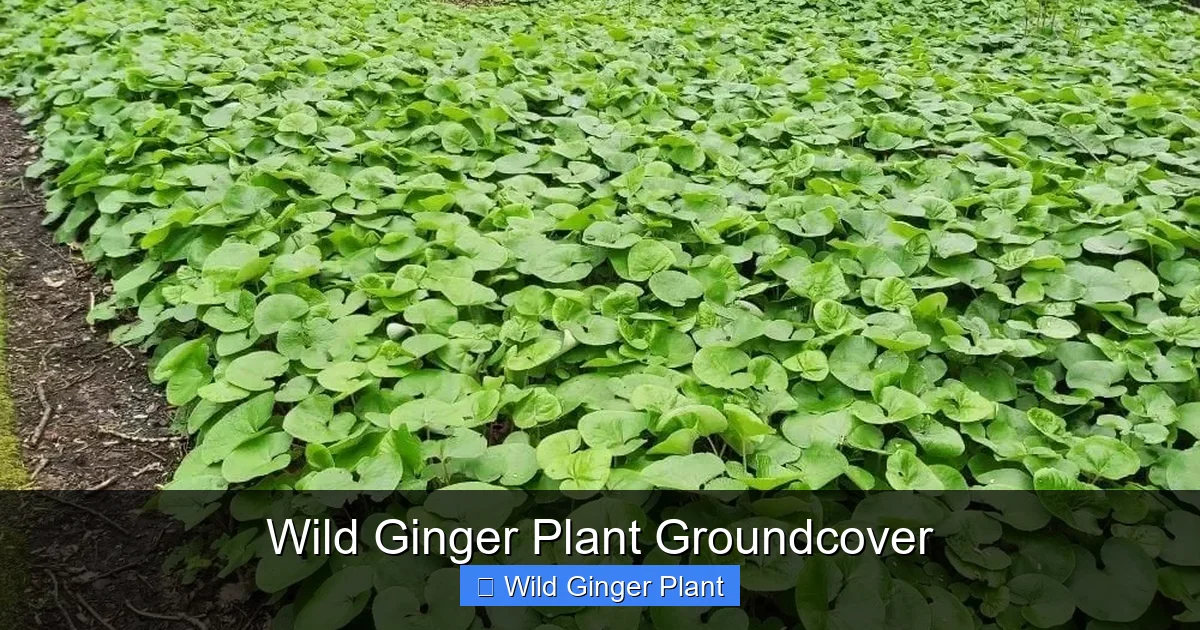
Wild ginger plant groundcover is a shade-loving perennial that creates dense, attractive carpets of heart-shaped leaves in woodland gardens. Native to North America and Asia, these low-maintenance plants thrive where grass fails, suppress weeds naturally, and provide year-round interest with unique spring flowers hidden beneath foliage.
If you have struggled to grow grass under mature trees or along the north side of your house, you are not alone. Shade creates one of the toughest gardening challenges. Most groundcovers either scorch in deep shade or turn sparse and weedy. That is where wild ginger plant groundcover enters the picture. This remarkable perennial has evolved specifically for the forest floor. It laughs at deep shade. It shrugs off root competition from trees. It asks for little and gives back a lush, weed-suppressing carpet of glossy green leaves.
I first discovered wild ginger plant groundcover while helping a friend transform a barren, mossy patch beneath a century-old oak. Nothing else would grow there. We planted a few dozen small divisions in early spring. By autumn, they had knitted together into a living quilt. The transformation felt like magic. But it is not magic. It is simply the right plant in the right place. In this guide, I will walk you through everything you need to know to achieve similar success in your own shady spaces.
Key Takeaways
- Shade specialist: Wild ginger thrives in deep to partial shade where most groundcovers struggle, making it perfect for woodland gardens and north-facing beds.
- Native options available: Choose Asarum canadense for North American gardens or Asarum europaeum for European varieties, both offering similar benefits with regional adaptation.
- Low maintenance once established: After the first growing season, wild ginger requires minimal care beyond occasional watering during drought and annual leaf cleanup.
- Deer and rabbit resistant: The aromatic foliage contains compounds that deter browsing animals, protecting your garden investment without chemicals.
- Slow but steady spread: Plants colonize via rhizomes at a manageable pace, forming dense mats that suppress weeds without becoming invasive.
- Unique hidden flowers: Spring brings unusual jug-shaped blooms at ground level, often concealed by foliage but fascinating to discover during garden walks.
- Soil improvement over time: As leaves decompose, they enrich soil with organic matter, creating better conditions for companion shade plants.
Quick Answers to Common Questions
Is wild ginger plant groundcover invasive?
No, wild ginger spreads slowly by rhizomes and is not considered invasive. It forms manageable colonies that are easy to control with occasional edging.
Can you eat wild ginger plant groundcover?
While historically used as a ginger substitute, the FDA warns against consumption due to aristolochic acid content which can cause kidney damage. Enjoy it ornamentally only.
How fast does wild ginger plant groundcover spread?
Expect a single plant to form a colony 18-24 inches wide in 3-5 years under good conditions. It spreads at a moderate, manageable pace.
Does wild ginger plant groundcover need full shade?
It prefers full to partial shade. Morning sun is tolerated in cool climates, but hot afternoon sun will scorch the foliage.
When should I divide my wild ginger plant groundcover?
Early spring, just as new growth emerges, is the best time for division. The plant has maximum stored energy and cool weather reduces transplant stress.
📑 Table of Contents
Understanding Wild Ginger Plant Groundcover
What Is Wild Ginger?
Despite the common name, wild ginger plant groundcover is not related to culinary ginger (Zingiber officinale). The name comes from the spicy, ginger-like fragrance released when roots or leaves are crushed. Indigenous peoples and early settlers used the rhizomes as a ginger substitute and for medicinal purposes. Today, we value these plants primarily for their ornamental qualities and ecological benefits in shaded landscapes.
The genus Asarum contains roughly 70 species worldwide. Most are native to temperate forests of North America, Europe, and Asia. They share a distinctive growth habit: low, spreading mats of kidney- or heart-shaped leaves arising from creeping rhizomes just below the soil surface. Flowers are unique, typically maroon to brown, jug-shaped, and positioned at ground level where they are pollinated by beetles and flies rather than bees.
Key Species for Garden Use
Two species dominate the nursery trade for good reason. Both perform beautifully as wild ginger plant groundcover in residential landscapes.
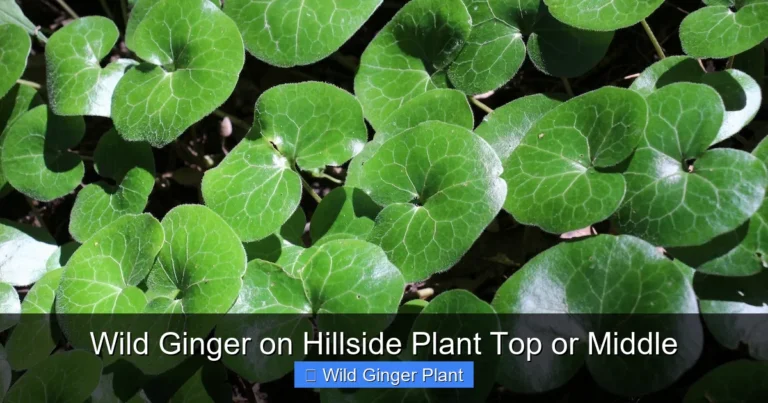
Asarum canadense (Canadian Wild Ginger) is native to eastern North American woodlands. It features large, soft, matte-green leaves up to six inches across. The foliage emerges early in spring, often before tree canopy leaf-out, creating a fresh green carpet when the rest of the garden is still waking up. It spreads moderately fast by rhizomes, forming colonies two to three feet wide over several years. Hardy in USDA zones 4 through 8.
Asarum europaeum (European Wild Ginger) offers glossier, smaller leaves with a more polished, formal appearance. The foliage is evergreen in milder climates (zones 5 through 8), providing winter interest when Canadian wild ginger dies back. It spreads more slowly, making it ideal for smaller spaces or between stepping stones. The leaves have a distinct leathery texture that holds up well through summer heat.
Several Asian species like Asarum splendens (Chinese wild ginger) and Asarum maximum (panda face ginger) offer striking silver-marked or variegated foliage. These are less cold-hardy (typically zones 6 through 9) but spectacular in the right climate. They tend to be clump-formers rather than aggressive spreaders.
Growth Habit and Seasonal Cycle
Understanding the natural rhythm of wild ginger plant groundcover helps you work with the plant rather than against it. In early spring, new leaves unfurl from the rhizome tips. This is the most active growth period. The plant puts energy into leaf production and rhizome extension while light levels are high before tree canopy closure.
Flowers appear in mid to late spring, often hidden beneath the leaf litter at the base of the plant. They are fascinating to find but not showy from a distance. After flowering, the plant shifts to maintenance mode through summer. In hot, dry spells, leaves may look a bit tired. This is normal. Fall brings a second flush of root growth as temperatures cool and moisture returns. In colder zones, Canadian wild ginger dies back to the ground after hard frost. European wild ginger retains its leaves through winter, though they may look weathered by spring.
Site Selection and Preparation
Light Requirements
Wild ginger plant groundcover excels in conditions that defeat most plants. Full shade (less than two hours of direct sun) is ideal. Dappled shade under deciduous trees works perfectly. Morning sun with afternoon shade is tolerated, especially in cooler climates. Avoid hot afternoon sun, which scorches the foliage and stresses the plant. If you have a spot where hostas burn or ferns crisp up, wild ginger will likely thrive there.
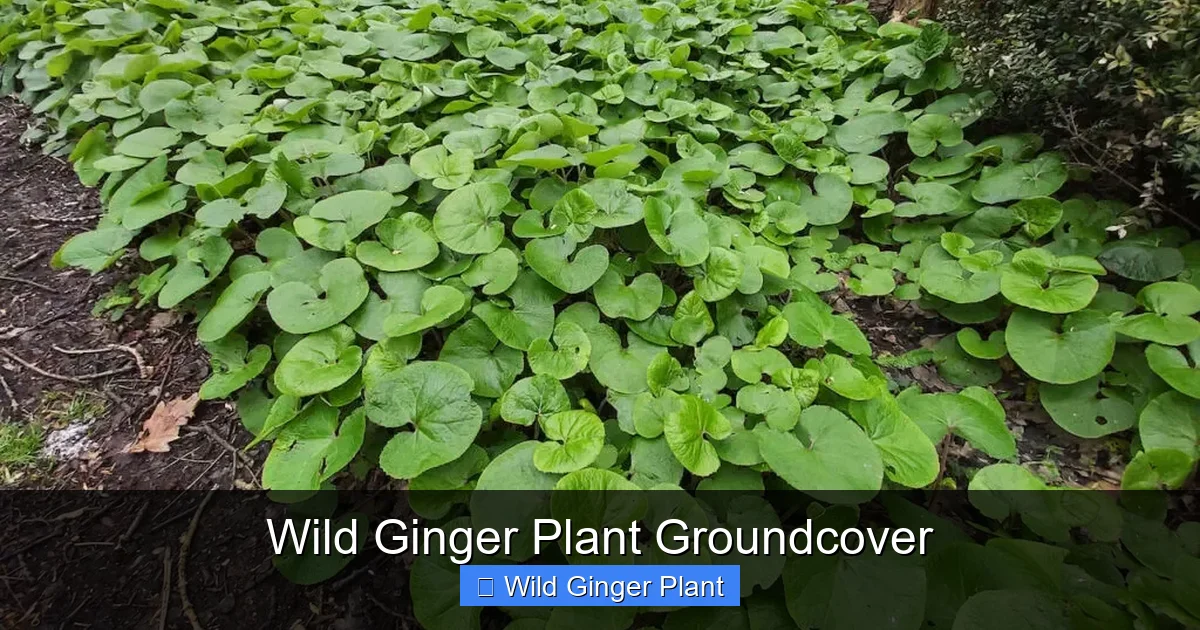
Visual guide about Wild Ginger Plant Groundcover
Image source: crateandbasket.com
The relationship with tree roots deserves special attention. Many gardeners assume nothing grows under mature trees because of shade alone. Root competition for water and nutrients is equally limiting. Wild ginger evolved on forest floors competing with tree roots. Its shallow rhizomes occupy the top few inches of soil, accessing moisture and nutrients before they reach deeper tree roots. This makes it one of the few groundcovers that establishes successfully under established trees.
Soil Preferences
Rich, moist, well-drained soil with abundant organic matter mimics the forest floor environment. A pH between 5.5 and 6.5 (slightly acidic) is optimal. Heavy clay soils challenge wild ginger plant groundcover because they restrict oxygen to the shallow rhizomes and stay waterlogged in winter. Sandy soils drain too quickly, causing drought stress. Both extremes improve dramatically with generous compost incorporation.
Before planting, assess your soil. Dig a test hole twelve inches deep. Feel the texture. Squeeze a handful of moist soil. If it forms a tight ribbon, you have clay. If it falls apart instantly, you have sand. If it holds shape briefly then crumbles, you have loam (ideal). In clay, amend with three to four inches of compost worked into the top eight inches. In sand, add similar amounts of compost plus some finer organic matter like leaf mold to improve water retention.
Moisture Needs
Consistent moisture drives vigorous spread. Wild ginger plant groundcover does not tolerate extended drought, especially during establishment. The shallow rhizomes dry out quickly. However, the plant also rejects standing water. The sweet spot is evenly moist soil that drains within a few hours after rain. Mulch plays a crucial role here. A two-inch layer of shredded leaves, pine needles, or bark mulch conserves moisture, moderates soil temperature, and slowly decomposes to feed the soil.
If your site is naturally dry (under dense conifers or roof overhangs), plan for supplemental irrigation. Soaker hoses or drip lines laid before planting deliver water efficiently without wetting foliage. Once established (after two full growing seasons), plants tolerate brief dry spells better, but they never become truly drought-tolerant.
Planting Wild Ginger Plant Groundcover
When to Plant
Spring and early fall are the prime planting windows. Spring planting (April through May in most regions) gives plants a full growing season to establish before winter. The soil is naturally moist, temperatures are mild, and the plant’s natural growth cycle aligns with transplanting. Fall planting (September through October) works well in zones 6 and warmer, where roots can grow for several weeks before the ground freezes. In colder zones, spring is safer.
Avoid summer planting unless you can provide daily watering and temporary shade cloth. The combination of transplant shock and heat stress kills many summer-planted wild ginger plant groundcover divisions. Winter planting is impossible in frozen ground.
Spacing and Layout
For fastest coverage, space plants eight to twelve inches apart in a staggered grid pattern. This creates a closed canopy within two to three growing seasons. For budget-conscious gardeners, eighteen-inch spacing works but requires an extra year or two for full coverage. Remember that wild ginger plant groundcover spreads laterally from the center. A single plant becomes a colony roughly two feet wide in three to five years under good conditions.
Consider the mature width when planting near paths, edging, or other plants. The rhizomes will eventually cross boundaries. A deep edging barrier (six to eight inches) contains spread if needed. Alternatively, embrace the natural drift and allow it to mingle with compatible neighbors like ferns, foamflower, or woodland phlox.
Planting Technique
Water plants thoroughly in their pots an hour before planting. This reduces root disturbance. Dig holes twice as wide as the root ball but only as deep. The rhizome should sit just below the soil surface, with the leaf crown at or slightly above grade. Planting too deep causes crown rot. Planting too shallow exposes rhizomes to drying.
Gently loosen any circling roots. Place the plant in the hole. Backfill with amended soil, firming gently to eliminate air pockets. Water deeply to settle soil around roots. Apply two inches of mulch, keeping it pulled back an inch from the crown. Label each variety if planting multiple types. Water every two to three days for the first month unless rain provides an inch per week.
Starting from Divisions vs. Nursery Pots
Nursery pots (typically quart or gallon size) offer the easiest start. You get a well-rooted plant with multiple growing points. Divisions from established patches are free if you have access, but they require more care. A good division has at least three to five leaf shoots with attached rhizome section and visible roots. Trim any damaged roots. Plant immediately and shade for a week if the weather is warm.
Seed propagation is possible but slow. Seeds require cold stratification (ninety days in moist refrigeration) and then another year to reach transplant size. Most gardeners find divisions or nursery plants far more practical for wild ginger plant groundcover establishment.
Care and Maintenance
Watering Strategy
The first growing season determines long-term success. Water deeply twice weekly during dry spells, applying enough to moisten the top six inches of soil. Check moisture by sticking your finger in the soil. If it feels dry at two inches deep, water. After establishment, reduce to weekly deep watering during drought. In regions with regular summer rainfall, established plants often need no supplemental water.
Mulch maintenance is part of watering strategy. Replenish mulch annually in spring to maintain a two-inch layer. Shredded leaves are ideal because they mimic forest duff and break down quickly. Avoid piling mulch against crowns. In fall, you can simply leave fallen tree leaves in place as natural mulch, unless they are so thick they smother the plants.
Fertilizing Needs
Wild ginger plant groundcover is a light feeder. In rich, organic soil, no fertilizer is needed. If growth seems slow or leaves are pale, apply a balanced organic fertilizer (such as 5-5-5) at half the recommended rate in early spring. Alternatively, top-dress with an inch of compost around plants in spring. The decomposing mulch provides a steady, gentle nutrient supply that matches the plant’s natural preferences.
Avoid high-nitrogen fertilizers. They promote lush, soft growth that is more susceptible to slug damage and fungal issues. They also encourage aggressive spreading that can overwhelm neighboring plants. The goal is steady, moderate growth, not a race for coverage.
Seasonal Cleanup
In late winter or early spring, before new growth emerges, remove any tattered or diseased leaves from evergreen varieties. For deciduous types (Canadian wild ginger), the old leaves have usually decomposed by spring. If not, gently rake them off. This cleanup reduces disease carryover and makes room for fresh growth.
Do not be too tidy in fall. Leave the dying foliage in place over winter. It protects the rhizomes from freeze-thaw cycles and provides habitat for beneficial insects. The leaves decompose into valuable humus by spring. If appearance bothers you, a light layer of fresh mulch over the old leaves solves the aesthetic issue while preserving the ecological benefits.
Managing Spread
Wild ginger plant groundcover spreads at a civil pace. It will not jump across paths or invade lawns. However, over decades, a colony can expand significantly. If containment is needed, install a root barrier at planting time. High-density polyethylene barriers (eighteen inches deep) work well. Alternatively, edge the bed annually with a sharp spade in early spring, severing rhizomes that cross the line. The severed pieces can be replanted elsewhere or shared with friends.
If a colony becomes too dense (center dies out, growth only at edges), division rejuvenates it. Dig the entire clump in early spring. Cut into sections with a sharp knife, ensuring each piece has roots and shoots. Replant the vigorous outer sections. Discard the woody center. Amend the soil with compost before replanting. This resets the clock for another decade of vigorous growth.
Design Ideas and Companion Planting
Woodland Garden Combinations
Wild ginger plant groundcover shines as the foundational layer in a shade garden. Its uniform texture creates a calm backdrop for plants with contrasting forms. Pair it with ferns for vertical accents. Lady fern, Christmas fern, and Japanese painted fern all share similar cultural needs. The fine texture of fern fronds against bold ginger leaves creates classic foliage contrast.
Spring ephemerals like Virginia bluebells, trilliums, and bloodroot bloom above the ginger carpet before going dormant. The ginger leaves expand to fill the gaps left by the ephemerals. This succession keeps the ground covered continuously. Summer-blooming shade perennials like astilbe, goat’s beard, and bugbane rise above the ginger layer, adding seasonal color without competing for root space.
Pathway Edging and Stepping Stones
European wild ginger excels between stepping stones in shady paths. Its evergreen foliage tolerates light foot traffic better than most shade plants. The low profile (four to six inches tall) keeps sightlines clear. Plant divisions directly into the gaps between stones, using a gritty soil mix for drainage. The rhizomes will gradually knit the stones together visually while allowing water permeation.
Along shaded pathways, a single row of wild ginger plant groundcover defines the edge softly. It spills slightly over the border, blurring the line between bed and path. This works especially well with informal stone or mulch paths. Avoid using it along formal brick or paver edges where crisp lines are desired. The soft habit fights against geometric precision.
Under Trees and Shrubs
This is the classic use case. Plant wild ginger plant groundcover in a ring around the trunk of a mature shade tree, extending to the drip line if possible. Start with a three-foot diameter circle for young trees, expanding as the tree grows. The ginger protects tree roots from mower damage, conserves moisture, and eliminates the impossible task of growing grass in deep shade.
Under shrubs like rhododendrons, azaleas, and hydrangeas, wild ginger acts as a living mulch. It suppresses weeds that would compete with the shrubs. Its shallow roots occupy a different soil zone than the deeper shrub roots. The combination creates a self-sustaining plant community that mimics natural woodland layers.
Container Culture
While typically a ground plant, wild ginger plant groundcover performs well in wide, shallow containers for shaded patios or balconies. Use a high-quality potting mix amended with compost and fine bark. Ensure excellent drainage. Water more frequently than in-ground plants. Containers freeze harder in winter. In zones 6 and colder, move pots to an unheated garage or bury them in the ground for winter protection. Repot every two to three years as the rhizomes fill the container.
Troubleshooting Common Issues
Pest Problems
Slugs and snails are the primary pests. They love the tender new leaves in spring. Damage appears as irregular holes with silvery slime trails. Hand-pick at night with a flashlight. Beer traps work well. Diatomaceous earth barriers around plants deter them. Iron phosphate baits are effective and safe for pets. Encourage natural predators like ground beetles and toads by providing habitat.
Deer and rabbits rarely browse wild ginger plant groundcover. The aromatic compounds that give it the ginger scent also make it unpalatable. In extreme hunger, they may sample it, but significant damage is rare. This resistance is a major advantage in suburban and rural gardens.
Disease Concerns
Fungal leaf spots occasionally appear in wet, humid conditions with poor air circulation. Symptoms are brown or black spots with yellow halos. Remove affected leaves promptly. Improve air flow by thinning nearby plants. Avoid overhead watering. Copper-based fungicides can be used preventively in severe cases, but cultural fixes usually suffice.
Crown rot kills plants in poorly drained soil. The crown turns mushy and black. Leaves yellow and collapse. There is no cure. Prevention through proper soil preparation and planting depth is the only solution. If you lose a plant to crown rot, do not replant wild ginger in that exact spot without improving drainage first.
Environmental Stress
Summer dormancy can alarm new gardeners. In hot, dry summers, leaves may yellow, brown at edges, or go completely dormant. The plant is not dead. It is conserving energy. Keep watering moderately. New growth often appears in fall when temperatures drop. Do not fertilize during dormancy.
Winter burn affects evergreen varieties in exposed sites. Leaves turn brown and crispy. They will not recover, but new leaves replace them in spring. Plant in sheltered locations or provide a windbreak of evergreen boughs for the first few winters. Once established, the plants are more resilient.
Slow Establishment
If your wild ginger plant groundcover seems stuck at the same size after a year, check the basics. Is it getting enough water? Is the soil too compacted? Is mulch too thick against crowns? Are tree roots stealing all the moisture? Sometimes a light application of liquid seaweed or fish emulsion in spring jump-starts growth. Patience is also key. The first year is mostly root development. Visible spread accelerates in years two and three.
Ecological Benefits and Native Plant Value
Supporting Wildlife
Wild ginger plant groundcover contributes to ecosystem health in subtle but important ways. The dense foliage provides cover for salamanders, toads, and ground-nesting birds. The flowers, though inconspicuous to us, are specialized for early-season pollinators like fungus gnats and small beetles. These insects, in turn, feed birds during critical nesting season.
The seeds have an elaiosome (a fleshy, oil-rich attachment) that attracts ants. Ants carry seeds to their nests, eat the elaiosome, and discard the seed in their nutrient-rich midden heaps. This disperses the plant naturally. It is a beautiful example of coevolution you can observe in your own garden.
Soil Building and Erosion Control
On slopes and banks in shade, wild ginger plant groundcover stabilizes soil with its network of rhizomes. The leaves intercept rainfall, reducing splash erosion. As leaves decompose annually, they add organic matter to the soil surface, improving structure and water-holding capacity over time. This creates a positive feedback loop: better soil supports healthier plants, which produce more leaf litter, further improving soil.
In restoration projects, wild ginger is often used to rebuild the herbaceous layer in degraded woodlands. It competes well against invasive species like garlic mustard and Japanese stiltgrass once established. The key is giving it a head start with site preparation and initial weed control.
Native Plant Gardening Principles
Choosing native wild ginger plant groundcover (Asarum canadense in eastern North America) aligns with ecological gardening principles. Native plants support local food webs more effectively than non-natives. They are adapted to regional climate extremes, requiring less water, fertilizer, and pest management. They maintain genetic diversity within wild populations when sourced responsibly.
If you garden outside the native range of Canadian wild ginger, European wild ginger is a well-behaved non-native that does not appear on invasive species lists. It fills the same ecological niche without displacing native flora. Avoid Asian species in regions where they might escape cultivation, though most are not aggressive spreaders.
Propagation Methods for Expanding Your Patch
Division Step by Step
Division is the fastest, most reliable propagation method. Early spring, just as new growth emerges, is the ideal time. The plant has stored energy in the rhizomes and the cool, moist weather reduces transplant shock.
Water the parent plant deeply the day before. Dig around the clump with a garden fork, starting six inches outside the visible leaves to avoid severing rhizomes. Lift the entire clump. Shake off excess soil to reveal the rhizome structure. You will see a network of horizontal stems with roots at the nodes and leaf shoots at the tips.
Using a sharp, clean knife or pruners, cut the rhizome network into sections. Each division needs at least three leaf shoots with attached rhizome (two to three inches long) and a good root mass. Trim any damaged or mushy roots. Replant divisions immediately at the same depth they were growing. Water well. Mulch. Expect some wilting for a few days. New growth confirms success.
Rhizome Cuttings
If you want to maximize plants from a small amount of material, rhizome cuttings work well. In early spring or fall, dig up a section of rhizome. Cut into two-inch pieces, each with at least one node (the slight swelling where leaves or roots emerge). Lay pieces horizontally in a tray of moist potting mix, barely covered. Keep in a shaded, humid location (a cold frame or plastic bag over the tray works). Roots and shoots emerge in four to eight weeks. Pot up and grow on for a season before planting out.
Seed Collection and Sowing
Seed propagation is for the patient gardener. Watch for seed pods in early summer. They are fleshy capsules that split open when ripe, revealing seeds with white elaiosomes. Collect promptly before ants disperse them. Clean seeds by removing the elaiosome (rub gently on a screen). Sow immediately in pots of moist seed-starting mix. Cover lightly. Place pots outdoors in a shaded spot for natural cold stratification. Germination occurs the following spring. Grow seedlings in pots for a year before transplanting.
Fresh seed is essential. Wild ginger seeds lose viability quickly when dry. If you cannot sow immediately, store in moist vermiculite in the refrigerator for up to three months. Do not let them dry out.
Conclusion
Wild ginger plant groundcover solves the shade garden puzzle with elegance and ecological intelligence. It asks for so little: shade, moisture, decent soil. In return, it gives you a living carpet that suppresses weeds, supports wildlife, builds soil, and looks beautiful twelve months a year (evergreen varieties) or eight months (deciduous types). The hidden flowers add a treasure-hunt element to spring garden walks. The ginger fragrance released when you brush past or weed releases a moment of sensory delight.
Start small if you are unsure. Plant a few divisions in your toughest shady spot. Watch them through a season. Notice how they handle drought, how they interact with tree roots, how the leaves change through the year. I think you will become a convert, as I did. There is a quiet satisfaction in growing a plant that is so perfectly suited to its niche. It reminds us that gardening is not about forcing nature into our designs, but about finding the plants that already belong in the conditions we have.
Your shady spaces are not problems. They are opportunities for wild ginger plant groundcover to shine. Give it a try this spring. In a few years, you will wonder how you ever gardened in shade without it.
Frequently Asked Questions
What is the difference between Canadian and European wild ginger?
Canadian wild ginger (Asarum canadense) is deciduous with larger, matte leaves and faster spread. European wild ginger (Asarum europaeum) is evergreen with smaller, glossy leaves and slower growth. Both make excellent groundcovers for shade.
Will wild ginger plant groundcover grow under pine trees?
Yes, it tolerates the acidic, dry conditions under conifers better than most shade plants. Provide extra water during establishment and mulch with pine needles to mimic natural conditions.
Why are my wild ginger leaves turning yellow in summer?
Summer yellowing usually indicates drought stress or natural dormancy during hot, dry periods. Water deeply and consistently. The plant often rebounds with fresh growth in cooler fall weather.
Can wild ginger plant groundcover tolerate foot traffic?
European wild ginger tolerates occasional light foot traffic between stepping stones. Canadian wild ginger is less tolerant. Neither withstands regular walking paths. Use designated stepping stones for frequent traffic.
How do I control slugs on wild ginger plant groundcover?
Use iron phosphate baits, diatomaceous earth barriers, beer traps, or hand-picking at night. Encourage natural predators like toads and ground beetles. Avoid metaldehyde baits if pets or wildlife visit your garden.
Is wild ginger plant groundcover deer resistant?
Yes, the aromatic foliage contains compounds that deer and rabbits find unpalatable. It is rarely browsed except in extreme starvation conditions, making it excellent for high-deer-pressure areas.