Wild Ginger Plant Description
Wild ginger is a low‑growing, shade‑loving perennial native to North America. Its heart‑shaped leaves and hidden brown flowers make it easy to identify. The plant spreads by rhizomes and thrives in moist, rich woods.
Key Takeaways
- Identification: Heart‑shaped leaves and concealed flowers are the main clues.
- Habitat: Prefers damp, shady woods with rich soil.
- Uses: Edible rhizomes, traditional medicine, and ground cover.
- Growth: Spreads slowly by underground stems.
- Care: Keep soil moist, mulch, and avoid full sun.
- Conservation: Harvest responsibly; do not over‑collect wild populations.
Quick Answers to Common Questions
What is the scientific name of wild ginger?
The scientific name is Asarum canadense.
Can you eat wild ginger rhizomes?
Yes, the rhizomes are edible and have a mild ginger flavor.
Does wild ginger need full sun?
No, it prefers deep shade or dappled light.
How does wild ginger spread?
It spreads by horizontal rhizomes just below the soil surface.
Is wild ginger endangered?
It is not globally endangered but local populations can be vulnerable.
📑 Table of Contents
Introduction
In this wild ginger plant description I start with the basics. The plant is a low herb. It loves shade. It grows in moist woods. You can find it across North America. The leaves are heart shaped. The flowers hide near the ground. The root spreads by rhizomes. This wild ginger plant description helps you recognize it in the wild.
In this wild ginger plant description people often confuse it with true ginger. It is not related to the spice ginger. The flavor is mild and earthy. Native peoples used it for medicine. Gardeners like it for ground cover. This wild ginger plant description covers identification habitat uses and care.
What Is Wild Ginger
Botanical Name And Family
In this wild ginger plant description the scientific name is Asarum canadense. It belongs to the birthwort family. The family name is Aristolochiaceae. This wild ginger plant description shows the taxonomic details. The genus Asarum includes many shade plants. The species name canadense points to Canada. This wild ginger plant description helps you learn the Latin name.
In this wild ginger plant description the plant has several synonyms. Older texts may list Asarum reflexum. Modern taxonomy accepts Asarum canadense. This wild ginger plant description notes the name changes. Knowing the correct name avoids confusion. This wild ginger plant description is useful for researchers. This wild ginger plant description aids proper labeling.
Common Names
In this wild ginger plant description you will hear many common names. Some call it Canadian wild ginger. Others call it snakeroot. The name varies by region. This wild ginger plant description lists the most used names. Local names reflect cultural uses. This wild ginger plant description helps you identify it in conversation.
In this wild ginger plant description the name wild ginger refers to the scent. The rhizome smells like ginger. The plant is not a true ginger. This wild ginger plant description clarifies the difference. Some call it heartleaf because of leaf shape. This wild ginger plant description records folk names. This wild ginger plant description is a handy reference.
Physical Description
Leaves
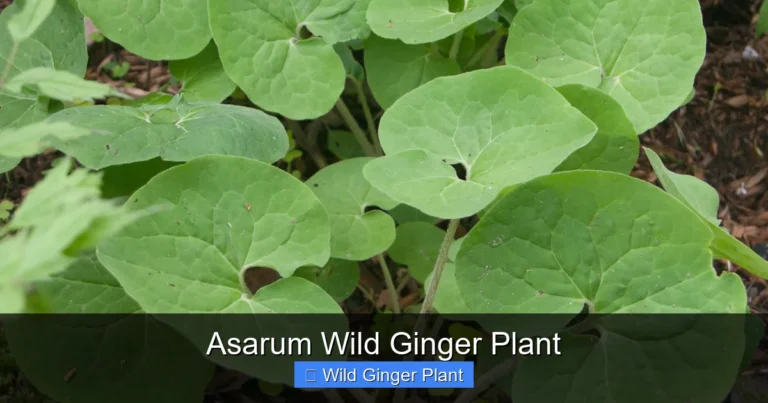
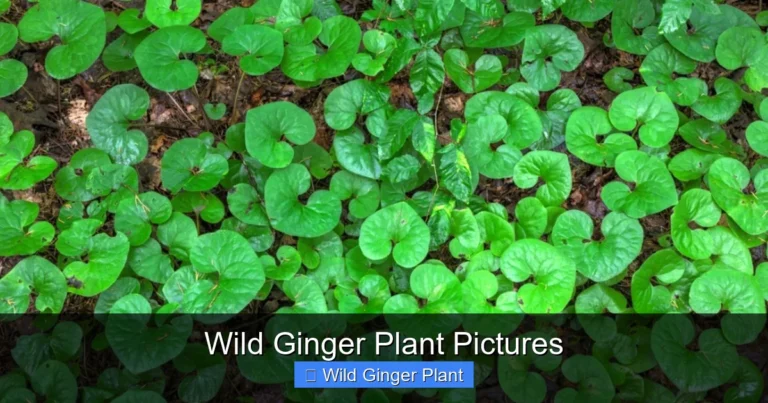
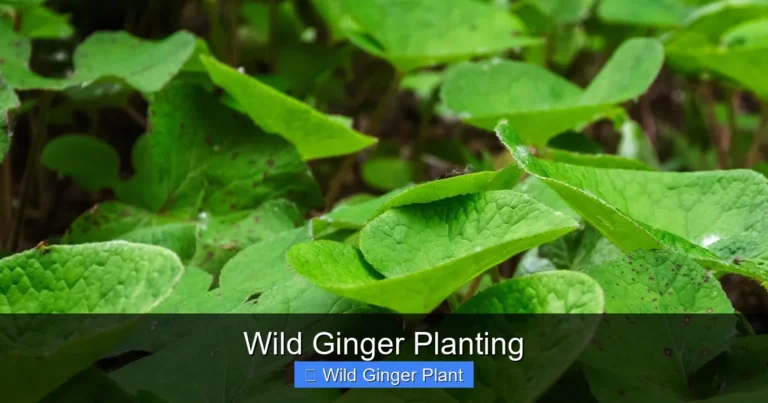
In this wild ginger plant description the leaves are broad and heart shaped. They grow in pairs from a single stem. The surface is smooth and dark green. The veins are faint. This wild ginger plant description notes the leaf size is about four to six inches wide. The leaf edges are entire. This wild ginger plant description shows the leaf texture.
In this wild ginger plant description new leaves emerge in early spring. They unfurl slowly from the rhizome. The leaf stalks are short. The leaves stay low to the ground. This wild ginger plant description mentions the leaf lifespan. Leaves persist through summer. This wild ginger plant description helps you spot the plant.
Flowers
In this wild ginger plant description the flowers are small and brownish purple. They sit at ground level. They are often hidden by leaf litter. The bloom period is early spring. This wild ginger plant description points out the flower shape is cup like. The flowers have three sepals. This wild ginger plant description notes the lack of petals.
In this wild ginger plant description pollination is done by beetles. The flowers emit a faint odor. The odor attracts small insects. This wild ginger plant description explains the hidden position. The fruit is a capsule with seeds. This wild ginger plant description describes seed dispersal. This wild ginger plant description adds ecological detail.
Root System
In this wild ginger plant description the root is a thick rhizome. It grows horizontally just below the soil. The rhizome stores nutrients. It also produces new shoots. This wild ginger plant description explains how the rhizome aids spread. The rhizome can be divided for propagation. This wild ginger plant description is useful for gardeners.
In this wild ginger plant description the rhizome is aromatic. It contains essential oils. The oils give the ginger scent. This wild ginger plant description warns that the rhizome is modest in size. Harvesting should be sustainable. This wild ginger plant description advises leaving part of the rhizome. This wild ginger plant description supports conservation.
Habitat And Range
Preferred Soil
In this wild ginger plant description the plant prefers rich loamy soil. It likes high organic matter. Good drainage is important but the soil stays moist. This wild ginger plant description suggests adding compost when planting. The pH should be slightly acidic. This wild ginger plant description recommends a soil test. This wild ginger plant description helps you prepare the bed.
In this wild ginger plant description heavy clay can cause rot. Sandy soil dries too fast. Amend with leaf mold for balance. This wild ginger plant description advises mulching with shredded leaves. Mulch retains moisture. This wild ginger plant description improves soil structure. This wild ginger plant description leads to healthier plants.
Light Requirements
In this wild ginger plant description the plant thrives in deep shade. It can tolerate dappled light. Full sun causes leaf scorch. This wild ginger plant description advises planting under trees or shrubs. A north facing site works well. This wild ginger plant description notes the light needs. This wild ginger plant description helps you choose a spot.
In this wild ginger plant description too much light reduces vigor. The leaves may turn yellow. The rhizome may shrink. This wild ginger plant description recommends a shade cloth if needed. Morning light is acceptable. This wild ginger plant description suggests monitoring leaf color. This wild ginger plant description guides light management.
Geographic Distribution
In this wild ginger plant description the native range covers eastern Canada down to the Gulf Coast. It extends west to the Great Lakes region. It is absent from the dry prairies. This wild ginger plant description maps the typical range. The plant prefers humid forests. This wild ginger plant description shows the climate limits. This wild ginger plant description is a range guide.
In this wild ginger plant description isolated populations exist in the Appalachians. They grow in cool ravines. The range may shift with climate change. This wild ginger plant description notes recent observations. Conservation maps track populations. This wild ginger plant description helps researchers. This wild ginger plant description supports protection efforts.
Uses And Benefits
Culinary Uses
In this wild ginger plant description the rhizome can be eaten raw or cooked. It adds a mild ginger flavor to soups. It can be candied for a sweet treat. This wild ginger plant description warns to use only small amounts. The flavor is less intense than true ginger. This wild ginger plant description suggests peeling before use. This wild ginger plant description inspires kitchen experiments.
In this wild ginger plant description young leaves are also edible. They can be added to salads. The leaves have a subtle peppery note. This wild ginger plant description recommends harvesting sparingly. Overharvest reduces plant vigor. This wild ginger plant description encourages sustainable foraging. This wild ginger plant description shares a simple recipe idea.
Medicinal Traditions
In this wild ginger plant description indigenous peoples used the root for colds. They made a tea to soothe stomach upset. The plant contains aromatic oils. This wild ginger plant description notes modern research is limited. The tea may have anti inflammatory effects. This wild ginger plant description cites traditional knowledge. This wild ginger plant description respects cultural heritage.
In this wild ginger plant description the rhizome was applied as a poultice. It treated minor wounds and skin irritations. The oils have antimicrobial properties. This wild ginger plant description advises caution with dosage. Pregnant women should avoid strong preparations. This wild ginger plant description highlights safety. This wild ginger plant description bridges tradition and science.
Ecological Role
In this wild ginger plant description the plant provides ground cover. It prevents soil erosion on slopes. It offers shelter for small insects. This wild ginger plant description highlights its value in forest ecosystems. The dense foliage retains moisture. This wild ginger plant description supports biodiversity. This wild ginger plant description shows the plant as a keystone.
In this wild ginger plant description the flowers feed early pollinators. Beetles and flies visit the hidden blooms. The seeds are dispersed by ants. This wild ginger plant description explains the mutualism. The rhizome network stabilizes the forest floor. This wild ginger plant description underscores ecological connections. This wild ginger plant description inspires conservation.
Growing Wild Ginger In Your Garden
Site Selection
In this wild ginger plant description choose a shady spot with moist soil. Avoid areas with heavy foot traffic. A north facing bed works well. This wild ginger plant description recommends testing soil moisture first. The site should have good organic matter. This wild ginger plant description suggests adding leaf compost. This wild ginger plant description sets the stage for success.
In this wild ginger plant description avoid planting near aggressive roots. Tree roots can compete for water. A raised bed can improve drainage. This wild ginger plant description advises a slight slope for runoff. The bed should be at least twelve inches deep. This wild ginger plant description ensures room for rhizomes. This wild ginger plant description guides site preparation.
Planting Steps
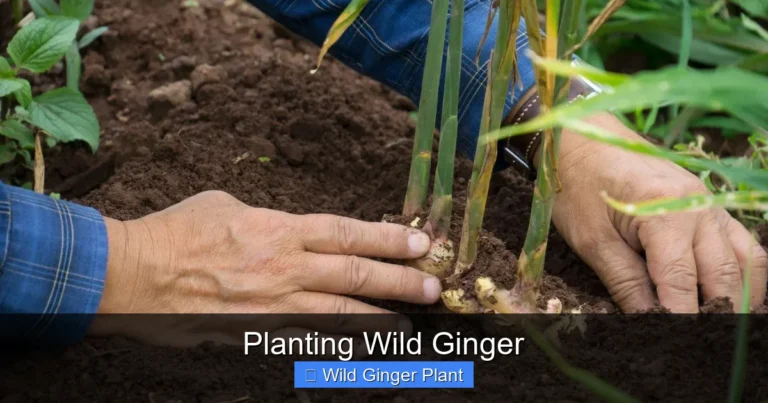
In this wild ginger plant description dig a shallow trench. Place rhizome pieces horizontally. Cover with one inch of soil. Water gently. This wild ginger plant description suggests spacing plants twelve inches apart. The rhizome eyes should face up. This wild ginger plant description ensures proper orientation. This wild ginger plant description leads to even growth.
In this wild ginger plant description mulch the planting area with shredded leaves. Mulch conserves moisture. It also suppresses weeds. This wild ginger plant description recommends a two inch mulch layer. Keep mulch away from the crown. This wild ginger plant description prevents rot. This wild ginger plant description completes the planting process.
Care Tips
In this wild ginger plant description keep the soil evenly moist. Mulch with leaf litter each fall. Remove weeds by hand. Fertilize lightly with compost in spring. This wild ginger plant description advises against chemical fertilizers. The plant prefers organic nutrition. This wild ginger plant description promotes long term health.
In this wild ginger plant description watch for dry spells in summer. Water deeply once a week if rain is scarce. In winter the plant goes dormant. No extra care needed. This wild ginger plant description notes the plant is low maintenance. Divide clumps every three years. This wild ginger plant description keeps the patch vigorous.
Common Problems And Solutions
Pests
In this wild ginger plant description slugs and snails may chew leaves. Use copper tape or diatomaceous earth. Hand pick at night. This wild ginger plant description recommends regular checks. Beer traps can reduce numbers. This wild ginger plant description suggests organic controls. This wild ginger plant description protects the foliage.
In this wild ginger plant description aphids sometimes appear on new growth. Spray with a strong water jet. Encourage lady beetles. This wild ginger plant description avoids harsh insecticides. Neem oil works if needed. This wild ginger plant description keeps the plant healthy. This wild ginger plant description offers integrated pest management.
Diseases
In this wild ginger plant description fungal leaf spot can appear in wet years. Improve air flow by thinning nearby plants. Apply a copper based fungicide if needed. This wild ginger plant description stresses prevention. Remove infected leaves promptly. This wild ginger plant description reduces spread. This wild ginger plant description maintains vigor.
In this wild ginger plant description root rot occurs in soggy soil. Ensure good drainage. Avoid overwatering. This wild ginger plant description recommends raised beds. Add coarse sand to heavy soil. This wild ginger plant description prevents fungal attack. This wild ginger plant description saves the rhizome.
Environmental Stress
In this wild ginger plant description drought causes wilting. Water deeply during dry spells. Excess sun leads to bleached leaves. Provide shade cloth if needed. This wild ginger plant description offers simple fixes. Mulch helps retain moisture. This wild ginger plant description reduces stress.
In this wild ginger plant description cold winters can damage exposed rhizomes. Apply a thick mulch layer in late fall. Snow cover provides insulation. This wild ginger plant description advises against early spring removal. The plant emerges when conditions improve. This wild ginger plant description ensures winter survival. This wild ginger plant description completes the care guide.
Conclusion
In this wild ginger plant description we covered identification habitat uses and garden care. The plant is a charming native ground cover. It rewards patience with lovely foliage. Use this wild ginger plant description as a reference when you explore woods or plan a shade garden. Enjoy the subtle beauty of this wild ginger plant description in your own landscape.
Frequently Asked Questions
What soil type is best for wild ginger?
Rich, loamy soil with high organic matter and consistent moisture works best.
When does wild ginger bloom?
It blooms in early spring, usually March to April, with small hidden flowers.
Can wild ginger be grown in containers?
Yes, use a deep pot with shade, moist soil, and good drainage.
How do you propagate wild ginger?
Divide rhizome sections in early spring or fall and replant them.
Are there any toxic look‑alikes?
Some Arisaema species resemble it but have different leaf arrangement; always confirm identification.
What wildlife benefits from wild ginger?
Small insects, amphibians, and ground‑feeding birds use the dense foliage for cover.