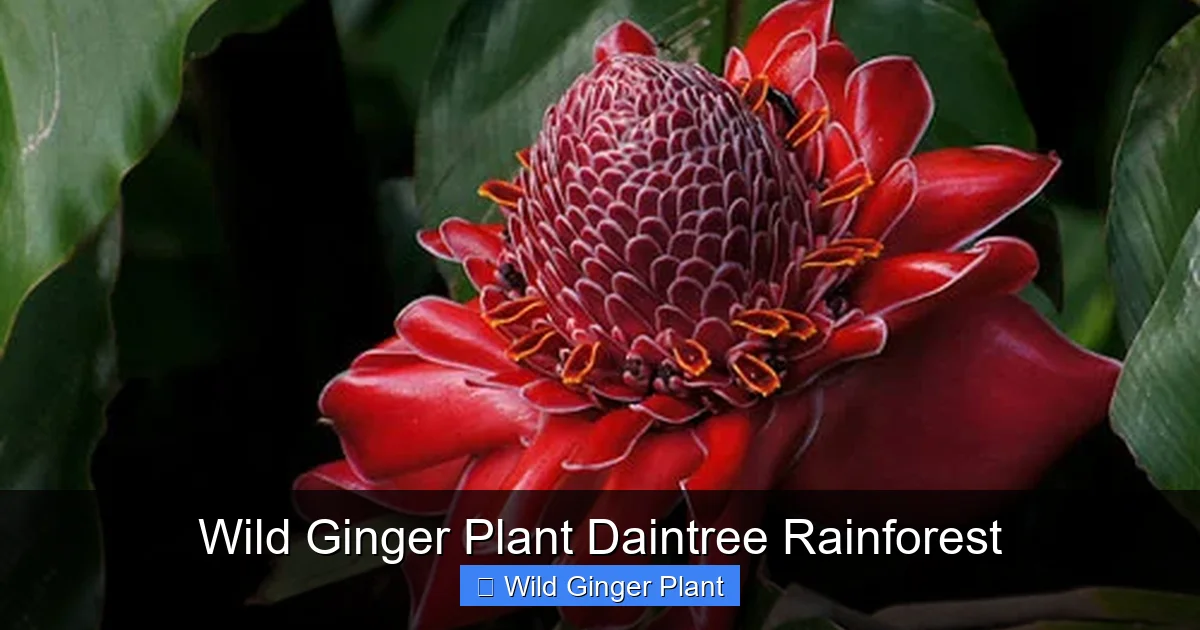
Wild Ginger Plant Daintree Rainforest
The wild ginger plant Daintree Rainforest species represents one of Australia’s most fascinating native botanical treasures. This ancient plant has thrived in the world’s oldest tropical rainforest for millions of years, offering both ecological significance and cultural importance to Indigenous communities.
Walking through the Daintree Rainforest feels like stepping back in time. Sunlight filters through the ancient canopy. The air is thick with humidity and the scent of damp earth. Somewhere nearby, a cassowary calls. And at your feet, you might spot something special – the wild ginger plant Daintree Rainforest has nurtured for countless generations.
I remember my first encounter with native ginger on a guided walk near Cape Tribulation. Our guide, a Kuku Yalanji elder, pointed to a clump of lush green plants with tall, arching stems. “This is wild ginger,” he said, pulling back a leaf to reveal electric blue berries. “My people have eaten these for thousands of years.” That moment sparked a fascination that continues today. The wild ginger plant Daintree Rainforest varieties are more than just pretty foliage – they’re living links to an ancient past.
Key Takeaways
- Ancient lineage: The wild ginger plant Daintree Rainforest varieties belong to plant families that have existed for over 100 million years
- Two main species: Alpinia caerulea (native ginger) and Hornstedtia scottiana (Scott’s ginger) are the primary wild ginger species found in the Daintree
- Edible and useful: Both the rhizomes and bright blue fruits of native ginger are edible and were traditional food sources for Kuku Yalanji people
- Ecological role: These plants provide food and shelter for native wildlife including cassowaries, native bees, and various bird species
- Easy to identify: Look for tall leafy stems, fragrant white flowers, and distinctive electric blue berries when spotting wild ginger plant Daintree Rainforest specimens
- Cultivation possible: Native ginger grows well in shaded gardens and makes an excellent ornamental plant for tropical and subtropical regions
- Conservation matters: While not currently threatened, habitat protection ensures these ancient plants continue thriving in their natural environment
Quick Answers to Common Questions
What are the two main wild ginger species in the Daintree Rainforest?
The two main species are Alpinia caerulea (native ginger) with electric blue berries, and Hornstedtia scottiana (Scott’s ginger) with red fruit at ground level.
Can you eat wild ginger from the Daintree Rainforest?
Yes, both species are edible. The young rhizome tips, shoots, flowers, and fruit of native ginger are traditional bush tucker. Scott’s ginger seeds taste like cardamom.
Where is the best place to see wild ginger in the Daintree?
Boardwalks like Jindalba, Marrdja, and Dubuji offer easy access to wild ginger populations in their natural habitat without damaging the fragile understory.
How do you identify native ginger in the wild?
Look for clumping plants 1-3 meters tall with glossy leaves in two ranks, ginger scent when crushed, fragrant white flowers on stem tips, and distinctive electric blue berries.
Can I grow Daintree wild ginger in my garden?
Yes, Alpinia caerulea grows well in shaded, moist positions from tropical areas down to Sydney. Source plants from native nurseries, never from the wild.
📑 Table of Contents
- Meet the Wild Ginger Species of the Daintree
- The Ancient History of Daintree’s Wild Ginger
- Traditional Uses and Bush Tucker Value
- Ecological Importance in the Rainforest Web
- Spotting Wild Ginger in the Daintree
- Growing Your Own Native Ginger
- Conservation Status and Future Challenges
- The Cultural Renaissance of Native Foods
- Conclusion
Meet the Wild Ginger Species of the Daintree
Alpinia caerulea – The Native Ginger
When people talk about the wild ginger plant Daintree Rainforest visitors most commonly encounter, they mean Alpinia caerulea. This stunning plant goes by several names – native ginger, Australian ginger, or wild ginger. It belongs to the Zingiberaceae family, making it a distant cousin of the culinary ginger found in supermarkets.
Native ginger grows as a clumping herbaceous perennial. It reaches heights of two to three meters under ideal conditions. The stems are actually leaf sheaths wrapped tightly around each other, creating a pseudostem. Long, glossy green leaves arch gracefully from the top. Each leaf can stretch forty centimeters long and ten centimeters wide.
Hornstedtia scottiana – Scott’s Ginger
The second wild ginger plant Daintree Rainforest species is Hornstedtia scottiana, known as Scott’s ginger or native cardamom. This plant is less common but equally fascinating. It grows larger than Alpinia caerulea, sometimes reaching four meters tall. The leaves are broader and the plant has a more robust appearance.
Scott’s ginger produces its flowers and fruit at ground level from the base of the plant. This unusual trait, called geocarpy, means you’ll find the distinctive red fruit clusters nestled among the leaf litter. The fruit has a spicy, cardamom-like flavor that gives the plant its common name.
How to Tell Them Apart
Distinguishing between these two wild ginger plant Daintree Rainforest species becomes easy once you know what to look for. Native ginger (Alpinia caerulea) produces its flower spikes at the ends of leafy stems. The flowers are white with yellow centers, fragrant, and appear in terminal clusters. The fruit develops into those famous electric blue berries.
Scott’s ginger (Hornstedtia scottiana) keeps its reproductive parts low. The flower spikes emerge from the base of the plant, often hidden in leaf litter. The fruit is red rather than blue, and the individual capsules are larger. Both species have aromatic rhizomes, but Scott’s ginger has a more pronounced cardamom scent.
The Ancient History of Daintree’s Wild Ginger
Gondwanan Heritage
The wild ginger plant Daintree Rainforest species trace their lineage back to Gondwana, the ancient supercontinent that once connected Australia, Antarctica, South America, Africa, and India. When Gondwana began breaking apart around 180 million years ago, the ancestors of today’s native ginger were already present.
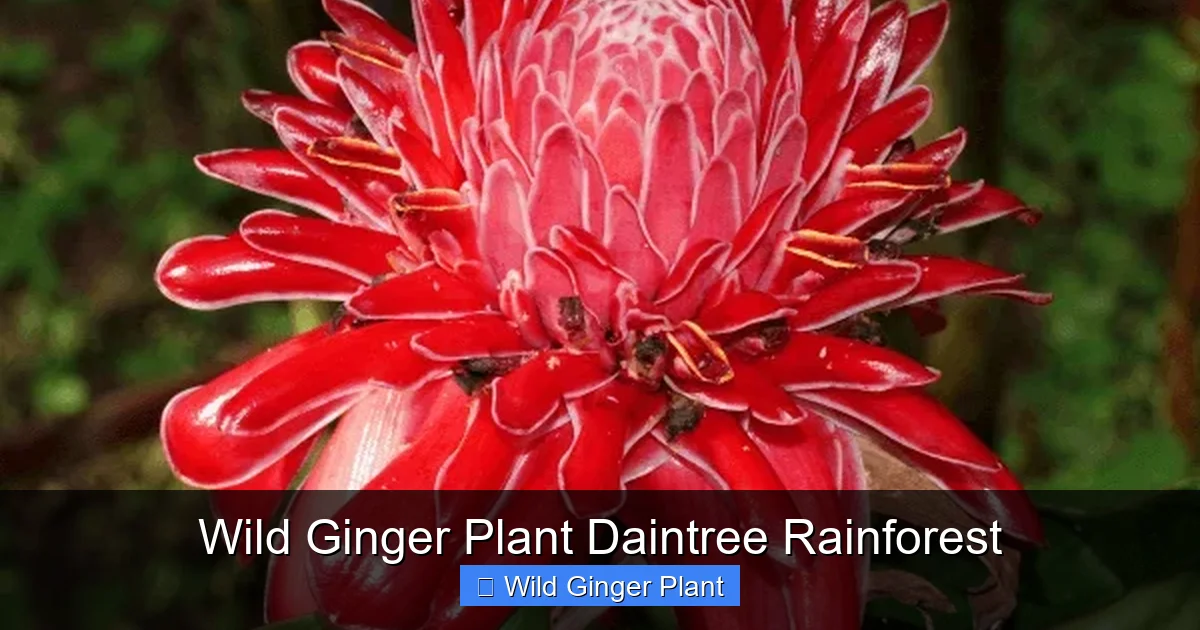
Visual guide about Wild Ginger Plant Daintree Rainforest
Image source: daintreerainforesttour.com.au
Australia drifted northward in splendid isolation. The climate changed. Rainforests expanded and contracted. Through it all, the wild ginger plant Daintree Rainforest varieties persisted in refugia – pockets of stable, wet climate where ancient lineages survived. The Daintree represents one of the most significant of these refugia on Earth.
Living Fossils in a Modern World
Botanists consider the Daintree Rainforest a living museum. The wild ginger plant Daintree Rainforest species growing today are remarkably similar to their Cretaceous ancestors. They’ve survived the extinction of dinosaurs, the rise of mammals, ice ages, and the arrival of humans. Their persistence speaks to incredible adaptability.
Genetic studies reveal that Australian Alpinia species diverged from their Asian relatives around thirty million years ago. This happened when Australia collided with the Asian tectonic plate, allowing plant exchange. Yet the wild ginger plant Daintree Rainforest varieties retained their unique characteristics, evolving in response to local conditions.
Indigenous Knowledge Spans Millennia
The Kuku Yalanji people have lived in the Daintree region for at least 50,000 years. Their knowledge of the wild ginger plant Daintree Rainforest species runs deep. Every part of the plant has a name and purpose in traditional language. The rhizomes, shoots, flowers, and fruit all feature in seasonal food gathering.
Elders pass this knowledge through stories, songs, and practical demonstration. Children learn which plants to harvest, when to harvest them, and how to prepare them. This continuous cultural connection makes the wild ginger plant Daintree Rainforest species not just biological entities, but cultural keystones.
Traditional Uses and Bush Tucker Value
Food from Root to Fruit
The wild ginger plant Daintree Rainforest varieties offer multiple edible parts. The young growing tips of the rhizomes taste mildly gingery with a pleasant crunch. They can be eaten raw or cooked. The Kuku Yalanji traditionally roasted rhizomes in earth ovens, which sweetens their flavor and softens the fibers.
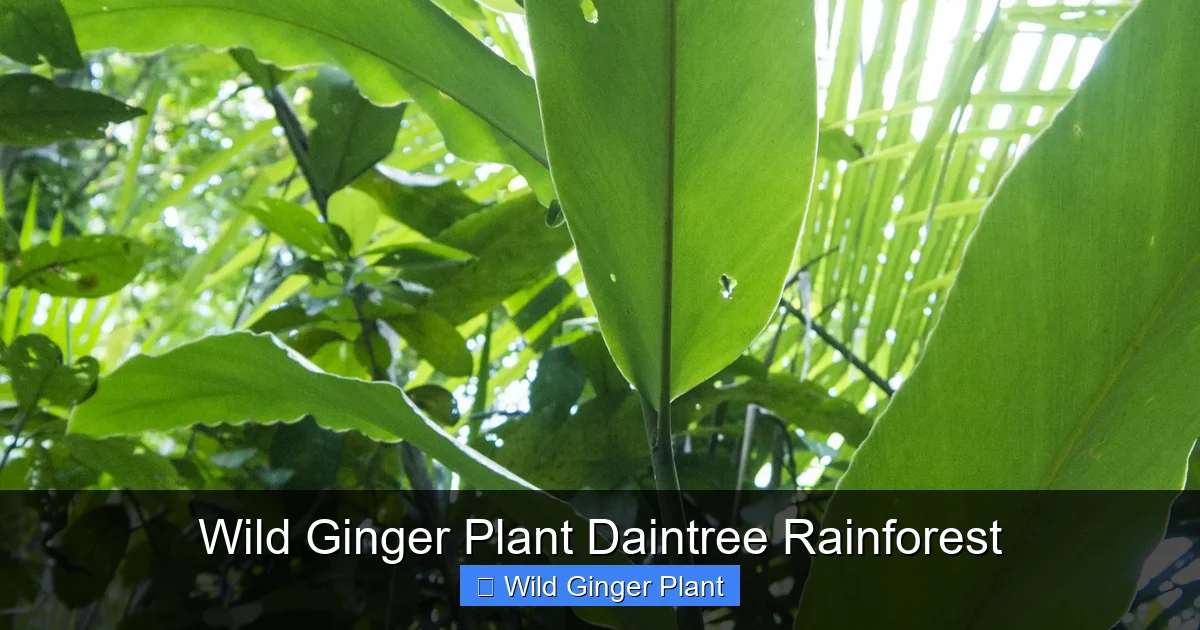
Visual guide about Wild Ginger Plant Daintree Rainforest
Image source: discoverthedaintree.com
The bright blue berries of Alpinia caerulea are a standout bush tucker. They’re not sweet like typical fruit. Instead, they have a refreshing, slightly acidic taste with a gingery aftertaste. The white pulp surrounding the seeds is the edible part. Children particularly enjoy popping these electric blue treats straight from the plant.
Scott’s ginger offers its own culinary rewards. The red fruit capsules contain seeds with a strong cardamom flavor. Traditional use includes chewing the seeds as a breath freshener and digestive aid. The young shoots of both species are edible when cooked, similar to bamboo shoots.
Medicinal Applications
Traditional medicine utilizes the wild ginger plant Daintree Rainforest species for various ailments. The rhizomes of native ginger were crushed and applied as a paste to treat skin infections, cuts, and insect bites. The antimicrobial properties recognized by Indigenous healers align with modern scientific findings.
Tea made from the leaves and rhizomes served as a remedy for colds, congestion, and stomach upsets. The aromatic compounds help clear sinuses and settle digestion. Some elders describe using warmed leaves as a poultice for headaches and muscle pain.
Practical and Ceremonial Uses
Beyond food and medicine, the wild ginger plant Daintree Rainforest varieties served practical purposes. The large, water-resistant leaves made excellent wrappers for cooking food in earth ovens. They also served as temporary containers for carrying water or honey.
The strong fibers from leaf sheaths were sometimes used for binding and weaving. The fragrant flowers found their way into ceremonial decorations. Even the blue berries provided a natural dye, producing shades of blue and purple for body painting and decorating tools.
Ecological Importance in the Rainforest Web
Feeding the Forest Giants
The wild ginger plant Daintree Rainforest species play crucial roles in forest ecology. The southern cassowary, that iconic flightless bird, relies heavily on native ginger fruit. The blue berries of Alpinia caerulea are a favorite cassowary food. These birds swallow the fruit whole, digest the pulp, and disperse the seeds across vast distances in their droppings.
This relationship is mutualistic. The wild ginger plant Daintree Rainforest varieties get seed dispersal. The cassowary gets nutrition. Without cassowaries, many rainforest plants would struggle to colonize new areas. The bright blue color of native ginger berries likely evolved specifically to attract bird dispersers.
Supporting Invertebrate Diversity
Native bees, particularly stingless bees (Tetragonula species), frequent the flowers of wild ginger plant Daintree Rainforest species. The white, fragrant blooms provide nectar and pollen. These tiny bees are important pollinators for many rainforest plants.
Butterfly larvae feed on the leaves. Several species of moth caterpillars specialize on Alpinia and related genera. The plants tolerate this herbivory well, regrowing quickly from their rhizomes. This insect-plant relationship supports the broader food web – birds eat the caterpillars, reptiles eat the insects, and so on.
Creating Microhabitats
The clumping growth habit of wild ginger plant Daintree Rainforest species creates valuable microhabitats. The dense leaf litter around the base provides shelter for frogs, skinks, and invertebrates. The leaf axils (where leaves meet stems) hold water, creating tiny pools used by mosquitoes, dragonfly larvae, and even small frogs.
During dry periods, these moist refuges become critical. The wild ginger plant Daintree Rainforest clumps maintain higher humidity and lower temperatures than surrounding areas. This buffering effect helps numerous small creatures survive challenging conditions.
Spotting Wild Ginger in the Daintree
Best Locations and Seasons
Finding wild ginger plant Daintree Rainforest specimens is relatively easy if you know where to look. These plants thrive in the understory of primary and secondary rainforest. They prefer damp, shaded areas along creeks, in gullies, and on lower slopes. Roadside regrowth often hosts thriving populations.
Popular boardwalks offer excellent viewing opportunities. The Jindalba Boardwalk near Cow Bay winds through prime habitat. The Marrdja Boardwalk at Cape Tribulation showcases both species. The Dubuji Boardwalk near Myall Creek is another reliable spot. These maintained paths let you observe without damaging fragile understory.
Flowering typically occurs from spring through summer (September to February). Fruit follows, ripening from late summer through autumn. The blue berries of native ginger are most visible from January to May. Scott’s ginger fruit appears around the same time but stays closer to the ground.
Identification Tips for Beginners
Identifying wild ginger plant Daintree Rainforest species gets easier with practice. Start with the overall form – clumping, leafy plants one to three meters tall. The leaves are arranged in two ranks (distichous), creating a flat fan-like appearance. This distinguishes them from many other rainforest understory plants.
Crush a leaf or stem gently. Both species release a distinctive ginger-like aroma. This scent comes from essential oils in the plant tissues. The rhizomes, if you can see them at the base, are pale and segmented with obvious growth rings.
Look for the flower spikes in season. Native ginger holds its flowers aloft on the ends of leafy stems. Scott’s ginger keeps its flowers at ground level. The fruit color is the ultimate giveaway – electric blue for native ginger, red for Scott’s ginger. No other Daintree understory plant produces blue berries quite like Alpinia caerulea.
Photography and Observation Ethics
Photographing wild ginger plant Daintree Rainforest specimens rewards patience. Morning light filtering through the canopy creates beautiful effects on the glossy leaves. A macro lens captures the intricate flower details. The blue berries pop against green foliage – slightly underexpose to preserve the color intensity.
Stay on designated paths and boardwalks. The rainforest understory is fragile. Trampling damages root systems and compacts soil. Never remove any plant material – flowers, fruit, leaves, or rhizomes. This is protected vegetation in a World Heritage Area. Take only photos, leave only footprints.
Consider joining a guided walk with a Kuku Yalanji guide. Their knowledge transforms a simple plant sighting into a cultural experience. You’ll learn traditional names, uses, and stories that no guidebook contains. Plus, guides know exactly where the best specimens grow.
Growing Your Own Native Ginger
Climate and Site Requirements
Good news for gardeners – the wild ginger plant Daintree Rainforest species adapt well to cultivation. Native ginger (Alpinia caerulea) grows successfully from tropical Queensland down to Sydney in protected spots. It handles light frost once established but prefers frost-free conditions. Scott’s ginger is more strictly tropical.
Choose a shaded to semi-shaded position. Morning sun with afternoon shade works well. Deep shade reduces flowering and fruiting. The soil should be rich, well-drained, and moisture-retentive. These plants naturally grow in deep leaf litter over weathered soils. Mimic this with plenty of organic matter.
Protection from wind prevents leaf shredding. The large, soft leaves tear easily in strong breezes. A sheltered corner, behind other plants, or beside a fence provides ideal conditions. In drier climates, irrigation is essential – these plants hate drying out.
Planting and Establishment
Source plants from reputable native nurseries. Never collect from the wild – it’s illegal and harms wild populations. Nursery stock comes as potted plants or bare-rooted divisions. Spring planting gives the longest establishment period before winter.
Prepare the planting hole twice the width of the pot. Mix compost or well-rotted manure into the backfill soil. Plant at the same depth as in the pot. Water in well with a seaweed solution to reduce transplant shock. Mulch heavily with leaf litter, wood chips, or sugarcane mulch.
Space plants one meter apart for a clump effect. They’ll fill in within two to three years. For a feature planting, allow two meters diameter per clump. Native ginger also works well in large pots (fifty liters minimum) using premium potting mix with added coir for moisture retention.
Ongoing Care and Maintenance
Water regularly during establishment – daily for the first month, then weekly during dry periods. Established plants tolerate brief dry spells but perform best with consistent moisture. A drip irrigation system works perfectly.
Fertilize in spring and summer with organic pellets or liquid seaweed. Avoid high-phosphorus fertilizers – Australian natives prefer low-phosphorus regimes. A yearly top-dressing of compost maintains soil health.
Remove old, tattered leaves at ground level in late winter. This tidies the clump and encourages fresh growth. Divide congested clumps every four to five years in spring. Each division needs several healthy shoots and a good rhizome section.
Pests are rarely serious. Grasshoppers may chew leaves. Scale insects sometimes appear on stems. Treat with horticultural oil if needed. The main issue is root rot in poorly drained soil. Ensure good drainage from the start.
Harvesting from Your Garden
Home growers can enjoy the same edible parts as traditional users. Harvest young rhizome tips sparingly – take only what you need from the clump edges. The plant will regenerate from the remaining rhizome. Young shoots can be harvested in spring when they’re tender.
Pick blue berries when fully ripe – they’ll be soft and intensely colored. The flavor is best fresh. Scott’s ginger seeds can be harvested from red fruit capsules and used as a cardamom substitute. Always leave plenty for wildlife if you’re in an area where cassowaries or native birds visit.
Conservation Status and Future Challenges
Current Population Health
Good news – neither wild ginger plant Daintree Rainforest species is currently listed as threatened. Alpinia caerulea is widespread across Queensland’s wet tropics and down the east coast to New South Wales. Hornstedtia scottiana has a more restricted range but remains locally common in suitable habitat.
Both species benefit from the Daintree’s World Heritage status. The Wet Tropics World Heritage Area protects vast tracts of habitat. National parks, conservation reserves, and indigenous protected areas provide additional security. Population monitoring occurs through various research programs.
Emerging Threats
Despite current stability, the wild ginger plant Daintree Rainforest species face growing pressures. Climate change models predict warmer, drier conditions for the Wet Tropics. Even small rainfall reductions could shrink suitable habitat. These plants need consistent moisture.
Invasive species pose another threat. Weeds like pond apple and hymenachne alter wetland habitats. Feral pigs root up the forest floor, destroying understory plants including wild ginger. They also eat the fruit and rhizomes, competing with native dispersers.
Habitat fragmentation outside protected areas isolates populations. Genetic diversity may decline over time. Road mortality affects cassowaries, reducing seed dispersal for native ginger. These cumulative impacts could threaten long-term viability.
Conservation Actions Making a Difference
Several initiatives support wild ginger plant Daintree Rainforest conservation. The Wet Tropics Management Authority coordinates research and monitoring. Rainforest Rescue and similar organizations purchase and restore degraded land, reconnecting fragments.
Indigenous ranger programs employ Kuku Yalanji people to manage country. Traditional fire management, weed control, and cultural burning benefit understory species. These programs combine ancient knowledge with modern conservation science.
Ex-situ conservation includes seed banking at the Australian PlantBank and living collections in botanic gardens. These insurance populations safeguard genetic material. Horticultural promotion of native ginger reduces wild collection pressure while increasing public appreciation.
The Cultural Renaissance of Native Foods
Bush Tucker Goes Mainstream
Interest in the wild ginger plant Daintree Rainforest species has exploded recently. Native food restaurants feature native ginger in innovative dishes. Chefs use the rhizomes in marinades, the leaves as wrappers, and the blue berries as striking garnishes. The unique flavor profile – gingery, citrusy, slightly peppery – inspires culinary creativity.
Commercial plantations now supply native ginger to the bush food industry. This reduces pressure on wild populations while creating economic opportunities for Indigenous communities. Some Kuku Yalanji enterprises cultivate and process native ginger products – teas, spice blends, preserves, and fresh produce.
Pharmaceutical and Cosmetic Potential
Scientific research validates traditional knowledge about the wild ginger plant Daintree Rainforest species. Studies identify antimicrobial, anti-inflammatory, and antioxidant compounds in the rhizomes and leaves. Essential oil analysis reveals complex mixtures with potential therapeutic applications.
Cosmetic companies explore native ginger extracts for skincare. The antioxidant properties suggest anti-aging benefits. The pleasant fragrance adds appeal. Benefit-sharing agreements with Indigenous knowledge holders ensure fair compensation for traditional intellectual property.
Education and Cultural Revival
Schools in the Daintree region incorporate wild ginger plant Daintree Rainforest knowledge into curricula. Students learn identification, traditional uses, and propagation. Junior ranger programs connect kids with country. These initiatives ensure knowledge transmission to new generations.
Cultural festivals celebrate native foods including wild ginger. The annual Daintree Food Festival showcases traditional and contemporary uses. Cooking demonstrations, guided walks, and elder talks share knowledge respectfully. Tourism operators increasingly employ Indigenous guides, creating authentic experiences.
Conclusion
The wild ginger plant Daintree Rainforest species represent so much more than understory vegetation. They’re living connections to Gondwana, cultural keystones for the world’s oldest continuous culture, ecological linchpins supporting cassowaries and countless smaller creatures, and increasingly valuable resources for food, medicine, and cultural renewal.
Next time you walk a Daintree boardwalk, pause at a clump of native ginger. Crush a leaf and smell the ancient fragrance. Spot the electric blue berries glowing in filtered light. Remember that Kuku Yalanji children have done the same for fifty thousand years. The wild ginger plant Daintree Rainforest varieties have witnessed it all – and with care, they’ll witness fifty thousand more.
Whether you’re a botanist, bushwalker, gardener, foodie, or simply someone who loves wild places, these remarkable plants offer endless fascination. They remind us that the Daintree isn’t just a museum piece – it’s a living, breathing, evolving ecosystem where ancient lineages still thrive. The wild ginger plant Daintree Rainforest species stand as testament to resilience, adaptation, and the enduring power of connection between people, plants, and place.
Frequently Asked Questions
Is wild ginger from the Daintree related to supermarket ginger?
Yes, both belong to the Zingiberaceae family, but they’re different genera. Supermarket ginger is Zingiber officinale from Southeast Asia, while Daintree native ginger is Alpinia caerulea, an Australian native with different flavor and growth habits.
When does wild ginger fruit in the Daintree Rainforest?
Native ginger (Alpinia caerulea) typically fruits from January through May, with the electric blue berries ripening in late summer to autumn. Scott’s ginger fruits around the same period but produces red capsules at ground level.
Are there any poisonous look-alikes to wild ginger in the Daintree?
No close toxic look-alikes exist for the two wild ginger species in the Daintree. Their distinctive growth form, ginger scent, and unique fruit colors (blue and red) make identification relatively straightforward for beginners.
How do cassowaries help wild ginger plants survive?
Cassowaries eat the blue berries of native ginger and disperse the seeds across large distances in their droppings. This seed dispersal is essential for the plant’s reproduction and genetic diversity across the rainforest landscape.
What traditional medicine uses did Kuku Yalanji people have for wild ginger?
Traditional uses included rhizome paste for skin infections and wounds, leaf tea for colds and digestive issues, and warmed leaf poultices for headaches and muscle pain. The antimicrobial properties align with modern scientific analysis.
Is it legal to collect wild ginger from the Daintree Rainforest?
No, collecting any plant material from the Daintree National Park and World Heritage Area is illegal without permits. This protects wild populations and respects Indigenous cultural rights. Always source plants from licensed native nurseries for cultivation.