Wild Ginger Asarum Canadense Plant for Sale
Wild ginger Asarum canadense plant for sale offers gardeners a beautiful native ground cover for shady areas. This low-maintenance perennial thrives in woodland settings and provides year-round interest with its distinctive foliage.
Finding the right plants for shady garden spots can feel like a challenge. Many flowering plants need full sun. But there is a native gem that loves the shade. The wild ginger Asarum canadense plant for sale at nurseries and online shops might be exactly what your woodland garden needs. This charming perennial has won the hearts of native plant enthusiasts across North America.
Let me walk you through everything you need to know about this wonderful plant. From its natural history to planting tips and where to find healthy specimens. By the end of this guide you will feel confident adding wild ginger to your landscape.
Key Takeaways
- Native perennial: Wild ginger Asarum canadense is a North American native plant that supports local ecosystems
- Shade lover: Thrives in full to partial shade making it perfect for woodland gardens
- Ground cover: Forms dense mats that suppress weeds naturally
- Low maintenance: Requires minimal care once established in proper conditions
- Wildlife value: Provides habitat for beneficial insects and small wildlife
- Deer resistant: Generally avoided by deer and rabbits
- Spring blooms: Produces unique jug-shaped flowers hidden beneath foliage
Quick Answers to Common Questions
Is wild ginger Asarum canadense related to culinary ginger?
No, wild ginger is not related to culinary ginger. It belongs to the birthwort family while culinary ginger is from the ginger family. The name comes from the similar scent of the rhizomes.
How fast does wild ginger spread?
Wild ginger spreads slowly, expanding a few inches per year through underground rhizomes. It forms dense colonies over time but is not aggressive or invasive.
Can wild ginger grow in full sun?
No, wild ginger requires shade to thrive. Full sun will scorch the leaves and stress the plant. It needs full to partial shade, ideally under deciduous trees.
When is the best time to plant wild ginger?
Spring and fall are the best planting times. Spring allows establishment before summer heat. Fall gives a head start for the following spring growing season.
Is wild ginger deer resistant?
Yes, wild ginger is highly deer resistant. The aromatic compounds in the foliage deter browsing by deer and rabbits, making it excellent for unfenced woodland gardens.
📑 Table of Contents
- Understanding Wild Ginger Asarum Canadense
- Benefits of Growing Wild Ginger
- Choosing and Buying Healthy Plants
- Planting and Establishment
- Ongoing Care and Maintenance
- Designing with Wild Ginger
- Common Questions About Wild Ginger
- Seasonal Highlights Through the Year
- Troubleshooting Common Issues
- Buying Guide Summary
- Conclusion
Understanding Wild Ginger Asarum Canadense
What Is Wild Ginger
Wild ginger Asarum canadense is not related to the culinary ginger you find in grocery stores. That ginger is Zingiber officinale from Southeast Asia. Our native wild ginger belongs to the birthwort family Aristolochiaceae. It grows naturally across eastern North America from Canada down to the southern Appalachians.
The plant earns its common name from the ginger-like scent of its rhizomes. Native peoples and early settlers used the roots as a ginger substitute. They also recognized its medicinal properties. Today we grow it primarily for its ornamental value in shade gardens.
Botanical Description
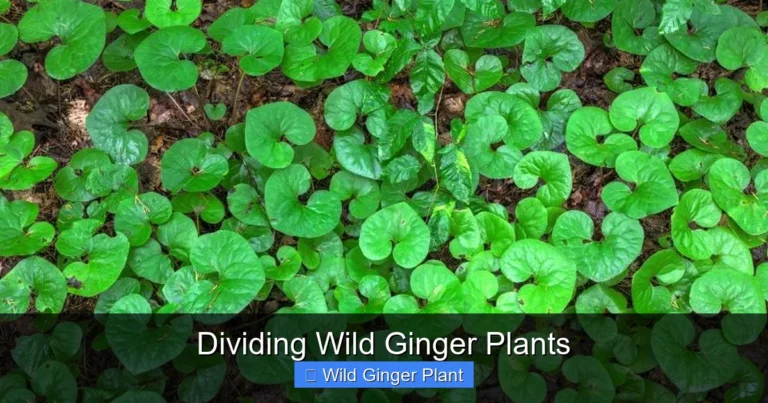
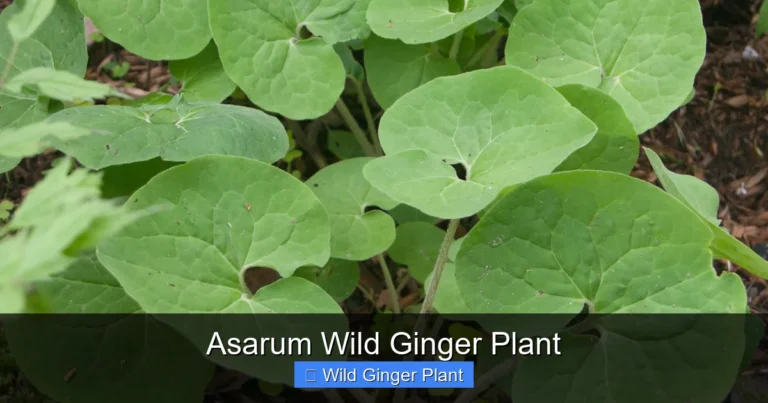
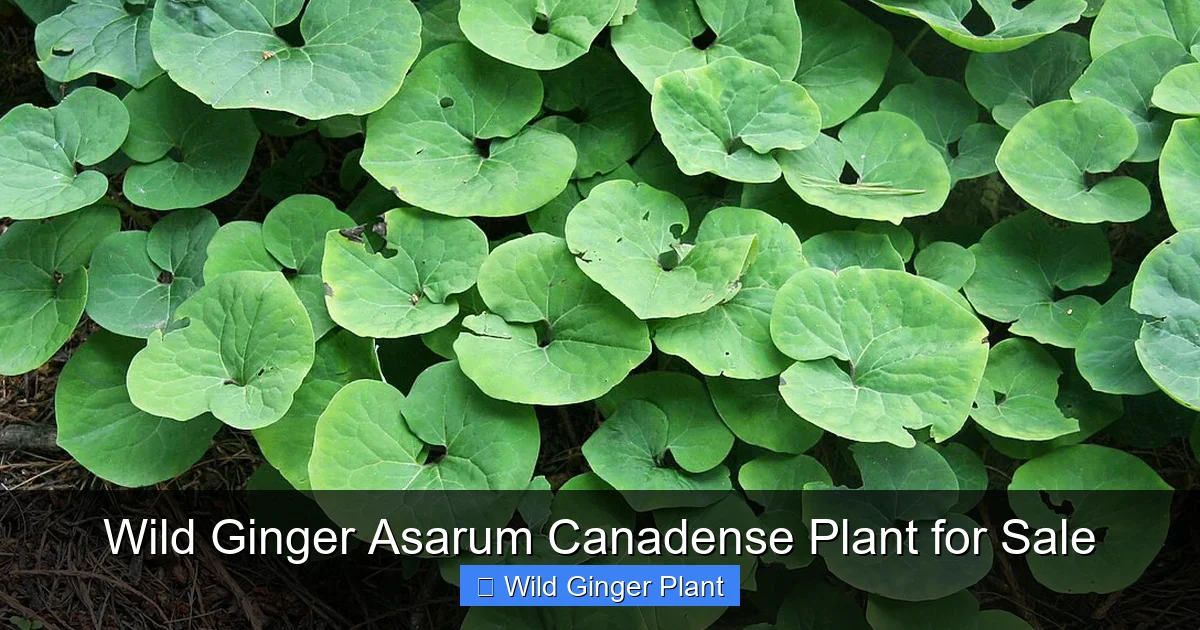
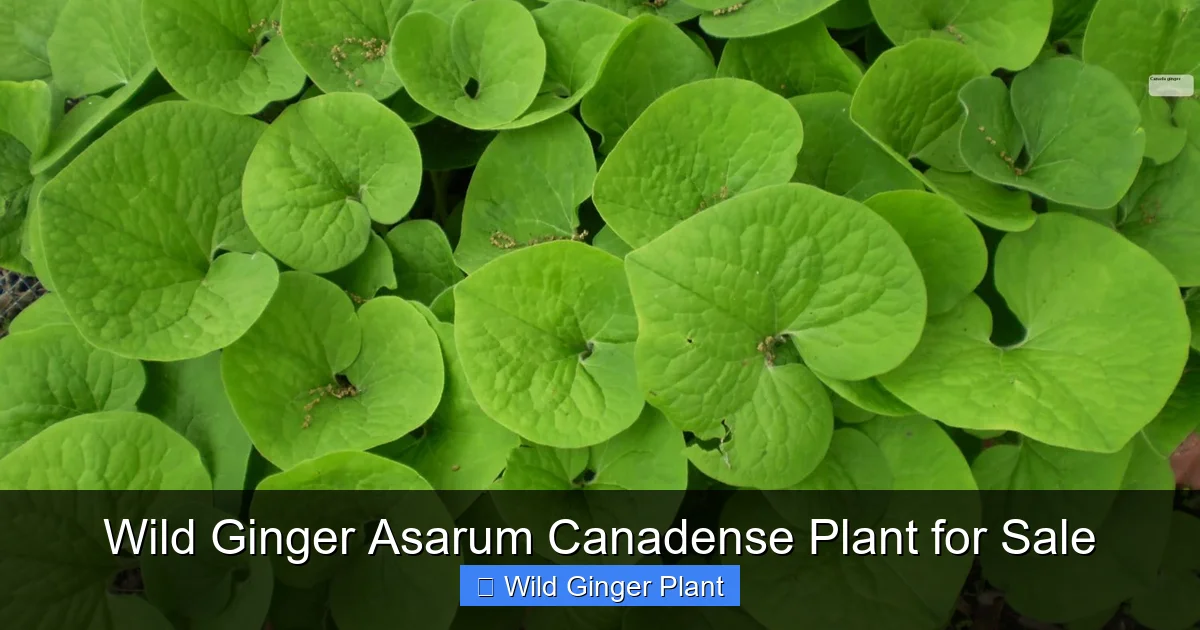
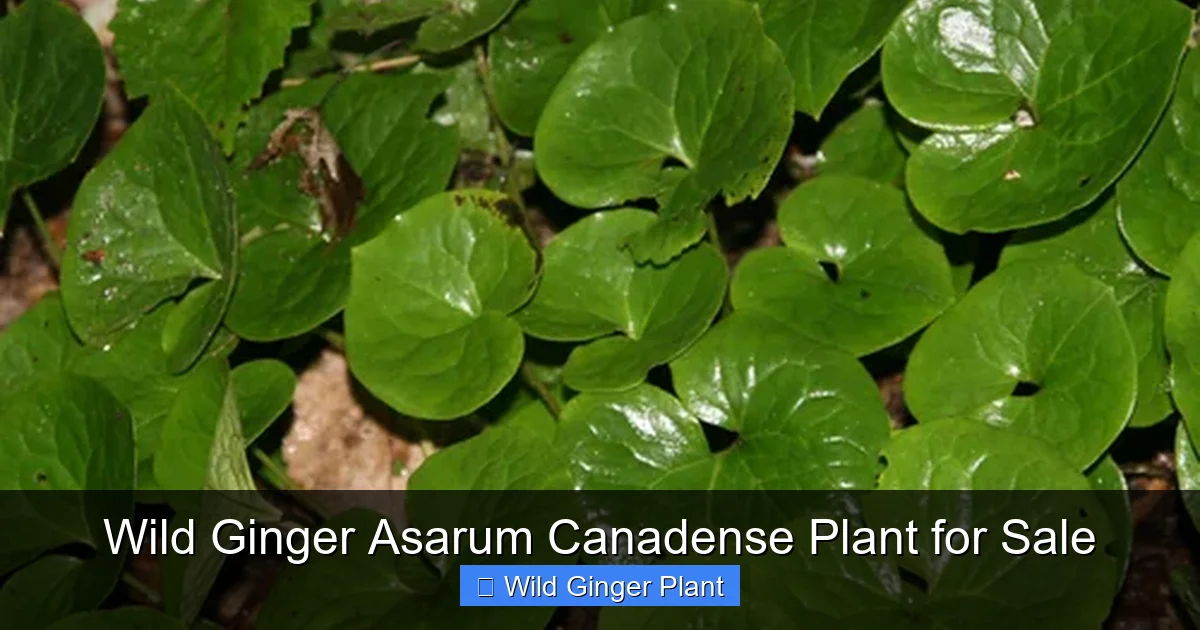
This low-growing perennial reaches six to twelve inches tall. It spreads slowly by underground rhizomes to form dense colonies. The leaves are the real showstopper. Each leaf is heart-shaped or kidney-shaped with a deep cleft at the base. They measure three to six inches across. The foliage stays attractive from spring through fall.
Flowers appear in early spring usually April to May. They are unusual looking. Each flower sits at ground level hidden beneath the leaves. The bloom has three pointed sepals fused into a jug or bell shape. Colors range from brownish-purple to reddish-brown. The flowers are pollinated by early flying insects like beetles and flies.
Natural Habitat
In the wild you will find wild ginger growing in rich deciduous forests. It prefers moist well-drained soils with plenty of organic matter. The plant thrives on slopes and in ravines where leaf litter accumulates. It often grows alongside other spring ephemerals like trillium bloodroot and Virginia bluebells.
Understanding its native range helps you recreate ideal conditions. The plant is hardy in USDA zones three through eight. It handles cold winters beautifully. Summer heat can be challenging in the southern parts of its range without adequate moisture and shade.
Benefits of Growing Wild Ginger
Excellent Ground Cover
One of the biggest advantages of wild ginger Asarum canadense plant for sale is its ground cover ability. The dense foliage creates a living mulch. It shades out weed seeds preventing germination. This reduces your weeding workload significantly. The rhizomatous spread is steady but not aggressive. It fills in gaps between larger shade plants beautifully.
Visual guide about Wild Ginger Asarum Canadense Plant for Sale
Image source: s.ecrater.com
Unlike some ground covers wild ginger plays well with others. It will not smother delicate spring ephemerals. The timing works perfectly. Wild ginger leaves emerge just as ephemerals start to fade. This creates a seamless transition in the woodland garden.
Wildlife Support
Native plants support native wildlife. Wild ginger is no exception. The flowers provide early season nectar for small pollinators. Ants disperse the seeds through a process called myrmecochory. Each seed has a fleshy appendage called an elaiosome. Ants carry seeds to their nests eat the elaiosome and discard the viable seed.
The dense foliage offers shelter for amphibians like salamanders and toads. Small mammals may use the cover for foraging. Birds sometimes nest in the thicker patches. By planting wild ginger you create a mini ecosystem in your shade garden.
Deer and Rabbit Resistance
Gardeners in deer country know the struggle. Many shade plants get browsed heavily. Wild ginger contains aromatic compounds that deter browsing. Deer and rabbits typically leave it alone. This makes it a reliable choice for unfenced woodland gardens. No plant is completely deer-proof but wild ginger ranks high on resistance lists.
Erosion Control
The fibrous root system and spreading rhizomes hold soil effectively. On shaded slopes wild ginger helps prevent erosion. The foliage breaks the impact of raindrops. Roots bind soil particles together. This makes it valuable for restoration projects on wooded hillsides.
Four Season Interest
While the flowers are brief the foliage carries the show. Spring brings fresh bright green leaves. Summer foliage deepens to rich emerald. Fall may bring yellow tones before leaves persist into winter. In milder climates the leaves remain evergreen. Even in colder zones the leaf litter protects the crowns and adds organic matter.
Choosing and Buying Healthy Plants
Where to Find Wild Ginger Asarum Canadense Plant for Sale
You have several options for purchasing wild ginger. Local native plant nurseries are ideal. You can inspect plants in person. Staff often have regional growing knowledge. Many states have native plant societies that hold spring sales. These events offer locally adapted genetics at reasonable prices.
Visual guide about Wild Ginger Asarum Canadense Plant for Sale
Image source: static.wixstatic.com
Online native plant nurseries ship bare root or potted plants. Look for sellers specializing in woodland natives. Read reviews carefully. Reputable sellers provide healthy well-rooted plants. They ship at appropriate planting times for your zone. Avoid big box stores where plants may be mislabeled or stressed.
What to Look For
Whether buying in person or receiving a shipment check for health signs. Leaves should be vibrant green without yellowing or spots. Avoid plants with holes from slug damage. The crown should feel firm not mushy. For bare root plants rhizomes should be plump and firm with visible buds.
Check the pot for root binding. Some root circling is normal but excessive matting indicates the plant has been in the pot too long. Gently slip the plant out to inspect if possible. Healthy roots are white or light tan. Dark mushy roots signal rot problems.
Size Options
Wild ginger Asarum canadense plant for sale comes in various sizes. Quart pots establish quickly and flower sooner. They cost more but give instant impact. Bare root divisions are economical for large areas. They take a year or two to reach full size. Plug trays with small plants work well for big projects. Consider your budget timeline and patience level.
Timing Your Purchase
Spring and fall are the best planting times. Spring planting lets roots establish before summer heat. Fall planting gives a head start for next spring. Many nurseries have the best selection in spring. Fall sales can offer discounts. Avoid summer planting unless you can provide consistent moisture and shade.
Genetic Considerations
If possible buy plants propagated from local seed sources. These will be best adapted to your climate and soils. Some nurseries list seed origin. Ask if it is not provided. Cultivars exist but the straight species offers the most wildlife value. Named selections may have slightly different leaf patterns or vigor.
Planting and Establishment
Site Selection
Success starts with the right location. Wild ginger needs shade. Full shade under mature trees is perfect. Dappled light works well. Morning sun with afternoon shade is acceptable in cooler zones. Avoid hot afternoon sun especially in zones seven and eight. The site should have good air circulation to prevent fungal issues.
Soil quality matters enormously. Wild ginger wants rich humusy soil. Think forest floor conditions. If your soil is heavy clay or sandy amend generously with compost leaf mold or aged manure. The goal is moisture-retentive but well-drained soil. Standing water leads to crown rot.
Soil Preparation
Prepare the planting area before plants arrive. Remove existing vegetation including grass and weeds. Loosen soil to eight to ten inches deep. Incorporate three to four inches of organic matter. Composted leaves are ideal. They mimic the natural forest duff layer. Avoid fresh manure or hot compost which can burn roots.
Test soil pH if unsure. Wild ginger prefers slightly acidic to neutral soil pH five point five to seven. Most woodland soils fall in this range. If your soil is very alkaline consider adding elemental sulfur or planting in raised beds with amended soil.
Planting Technique
Space plants twelve to eighteen inches apart for ground cover. Closer spacing fills in faster. Dig holes twice as wide as the root ball. Depth should match the current soil line on the plant. Do not plant deeper. The crown sits at or slightly above soil level.
For bare root plants spread rhizomes horizontally. Cover with one to two inches of soil. Water thoroughly after planting. Apply two to three inches of shredded leaf mulch. Keep mulch away from crowns. This mimics nature and conserves moisture.
Watering During Establishment
The first growing season is critical. Water deeply twice weekly unless rain provides an inch. Check soil moisture by sticking your finger in. It should feel damp several inches down. Reduce frequency as plants establish. By year two they tolerate dry spells better but appreciate water during drought.
Mulch helps enormously. Maintain a two to three inch layer of shredded leaves or pine straw. Replenish annually as it breaks down. This feeds the soil and maintains the cool moist conditions wild ginger loves.
First Year Expectations
Do not worry if growth seems slow initially. The plant focuses on root development first. You may see only a few new leaves the first spring. By year two the patch expands noticeably. Year three brings a respectable colony. Patience rewards you with a long-lived planting that improves each year.
Ongoing Care and Maintenance
Seasonal Care Calendar
Spring care is minimal. Remove any winter-damaged leaves as new growth emerges. Apply a thin layer of compost around plants if soil looks depleted. Watch for slugs on tender new leaves. Use organic controls if needed.
Summer care focuses on moisture. Water during dry spells. Check soil weekly. Mulch conserves water and keeps roots cool. No fertilizer needed in good soil. Excess nitrogen produces lush foliage but weaker plants.
Fall is the best time to divide if needed. Also add a fresh mulch layer after leaves drop. Let fallen tree leaves stay in the bed. They are free mulch and fertilizer. Winter requires no care in hardy zones. The plant is fully dormant.
Dividing Established Clumps
Wild ginger benefits from division every four to six years. Centers can become woody and less vigorous. Divide in early spring or fall. Dig the entire clump. Use a sharp knife or spade to separate into sections. Each division needs several rhizomes with growth buds. Replant immediately at same depth. Water well and mulch.
Division rejuvenates plants and gives you more for free. Share divisions with friends. Expand your planting. Or pot up extras for plant swaps. It is a win-win.
Pest and Disease Management
Wild ginger is remarkably trouble-free. Slugs and snails are the main pests. They love the tender leaves. Handpick at night. Use beer traps. Apply diatomaceous earth. Encourage predators like toads and ground beetles. Avoid metaldehyde baits which harm wildlife.
Fungal leaf spots occasionally appear in wet humid conditions. Good air circulation prevents most issues. Remove affected leaves. Do not compost diseased material. Crown rot happens in poorly drained soil. Prevention through proper site selection is the cure.
Companion Planting
Wild ginger shines in community. Pair it with other shade lovers. Ferns like Christmas fern and maidenhair fern add texture. Spring ephemerals bloom before ginger fills in. Try trillium bloodroot Virginia bluebells and trout lily. Hostas work but are non-native. Native alternatives include foamflower wild geranium and woodland phlox.
Consider vertical layers. Understory trees like dogwood redbud and serviceberry provide the shade canopy. Shrubs like spicebush and witch hazel fill the middle. Wild ginger carpets the ground. This layered approach mimics natural forest structure.
Designing with Wild Ginger
Woodland Garden Design
A woodland garden is the classic setting. Start with existing trees or plant new ones. Define paths with stepping stones or mulch. Plant wild ginger in drifts along paths. Let it spill over edges. Create curves not straight lines. Nature does not plant in rows.
Use varying densities. Dense patches under trees. Looser spacing at edges where light increases. Mix with other ground covers for tapestry effect. Pennsylvania sedge and wild ginger make a great duo. The sedge handles drier edges. Ginger takes the moister spots.
Shade Border Applications
Not everyone has woods. A shade border on the north side of a building works. Or under mature shade trees in a suburban yard. Plant wild ginger as the foreground edge. Taller perennials behind. The heart-shaped leaves create a tidy border line. They hide the bare legs of taller plants.
Edge a woodland path with wild ginger. The low height keeps sightlines open. Foot traffic stays on the path. The plants soften hard edges. They invite you to slow down and notice the hidden flowers.
Rain Garden and Slope Planting
Wild ginger works in the shady zones of rain gardens. It handles periodic wetness. The roots filter runoff. On shaded slopes it prevents erosion. Plant in horizontal bands across the slope. This slows water movement. Combine with deep-rooted natives like bottlebrush grass for maximum holding power.
Container Growing
Yes you can grow wild ginger in containers. Choose a wide shallow pot. Use high quality potting mix with compost added. Ensure drainage holes. Place in full shade. Water frequently containers dry faster. Overwinter in an unheated garage or bury pot in ground in cold zones. Repot every few years as rhizomes fill the container.
Restoration Projects
Land managers use wild ginger in forest restoration. It reestablishes the herbaceous layer after invasive removal. The dense growth suppresses reinvasion. Seed or plug planting works for large areas. Partner with local conservation groups for guidance. They may have grant funding for native plant purchases.
Common Questions About Wild Ginger
Is Wild Ginger Edible
Historically yes the rhizomes were used as a ginger substitute. However modern research has identified aristolochic acid in the plant. This compound can cause kidney damage and is carcinogenic. Do not consume wild ginger. Enjoy it for its beauty and ecological value only. Many native plants have toxic compounds. This is normal. It protects them from herbivores.
Does It Spread Aggressively
No wild ginger is not aggressive. It spreads slowly by rhizomes. A clump expands a few inches per year. It does not run underground like mint or bamboo. It stays where you put it. Division every few years keeps it vigorous. You control the spread easily.
Why Are My Leaves Yellowing
Yellow leaves usually indicate too much sun or poor drainage. Check if tree canopy has changed. A fallen limb may increase light. Move plants to shadier spot if needed. Improve drainage with organic matter. Yellowing can also mean nutrient deficiency in very sandy soil. A light compost application helps.
Can I Grow It From Seed
Yes but it requires patience. Seeds need cold stratification. Sow fresh seeds in summer outdoors. They germinate the following spring. Seedlings take three to four years to reach flowering size. Division is much faster. But growing from seed preserves genetic diversity. It is rewarding for patient gardeners.
What About European Wild Ginger
European wild ginger Asarum europaeum is also sold. It has glossier evergreen leaves. It is not native to North America. It can be more aggressive in some regions. Our native Asarum canadense supports more local wildlife. Choose the native species for ecological gardening.
How Long Does It Live
Individual plants live many decades. The colony persists indefinitely through rhizome growth. I have seen patches fifty years old in undisturbed woods. With basic care your planting becomes a legacy. Future gardeners will enjoy your foresight.
Seasonal Highlights Through the Year
Early Spring Awakening
March brings the first signs. Fuzzy leaf buds push through leaf litter. They unfold like tiny umbrellas. The flowers appear simultaneously. Get down on your knees to see them. The jug-shaped blooms are pollination marvels. Flies and beetles crawl inside. Warmth traps them briefly ensuring pollen transfer.
Late Spring Glory
By May the patch is fully leafed out. The foliage creates a solid green carpet. Spring ephemerals bloom through it. White trilliums pink spring beauties yellow trout lilies. The combination is breathtaking. This is peak woodland garden season. Take photos. Share with friends.
Summer Steadiness
June through August wild ginger just performs. The leaves stay clean and green. They suppress weeds. They cool the soil. They shelter toads. Water during drought. Otherwise leave it alone. This is low maintenance gardening at its finest.
Fall Transition
September October bring subtle changes. Leaves may yellow at edges. This is normal. Tree leaves fall onto the patch. Do not remove them. They are winter blanket and next year’s fertilizer. The cycle continues.
Winter Structure
In mild winters leaves persist green. In cold zones they flatten and brown. Either way the crowns are protected. Snow adds insulation. The promise of next spring waits underground. The rhizomes store energy. Ready to begin again.
Troubleshooting Common Issues
Plants Not Spreading
If your wild ginger sits static check conditions. Too much sun? Too dry? Poor soil? Competition from tree roots? Address the limiting factor. Sometimes a light feeding with compost tea jumpstarts growth. Patience is also key. Some years roots grow unseen.
Sparse Foliage
Thin patches indicate stress. Usually moisture or light related. Mulch heavily. Water consistently. If tree roots compete consider adding soil and compost to create a raised planting area. Do not bury tree roots more than two inches. This helps the ginger without harming the tree.
Winter Damage
In zone three and four extreme cold can damage exposed crowns. Ensure thick mulch before freeze-up. Pine boughs over the bed catch snow for extra insulation. Remove boughs in early spring. Most plants bounce back from crown damage.
Weed Invasion
Established wild ginger suppresses most weeds. But garlic mustard and Japanese stiltgrass can invade. Pull invasives early before they seed. Disturb soil minimally. The ginger will fill gaps. Vigilance protects your investment.
Buying Guide Summary
Quick Checklist for Buyers
Before you click buy or visit the nursery run through this list. Know your USDA zone. Confirm full to partial shade site. Test or assess soil drainage. Measure planting area for quantity. Decide on pot size versus bare root. Check seller reputation and reviews. Verify shipping timing matches your planting window. Ask about seed source if possible. Budget for mulch and soil amendments. Plan for first season watering.
Reputable Source Indicators
Good nurseries share information freely. They list botanical names correctly. They provide growing instructions. They offer guarantees. They ship at proper times. They answer questions promptly. They specialize in natives not just carry a few. Their plants look healthy in photos. Customers leave detailed positive reviews.
Red Flags to Avoid
Sellers using only common names. No zone information. Shipping in summer heat. Bare root plants with no roots visible. Prices far below market. No contact information. Generic stock photos. Complaints about dead arrivals. Misidentified species. Trust your instincts.
Conclusion
The wild ginger Asarum canadense plant for sale at quality nurseries represents an investment in your garden’s future. This native perennial gives back year after year. It asks for shade moisture and rich soil. In return it offers weed suppression wildlife support erosion control and quiet beauty.
Whether you are creating a woodland sanctuary restoring a forest edge or simply filling a shady corner wild ginger belongs in your plan. Its heart-shaped leaves tell a story of adaptation and resilience. Its hidden flowers reveal nature’s ingenuity. Its steady spread marks time in the best way.
Start with a few plants. Watch them establish. Divide and share. Before long you will have a legacy planting. A place where toads shelter. Where ants farm seeds. Where spring arrives on schedule. That is the gift of native gardening. Wild ginger delivers it with grace.
Your shade garden is waiting. The perfect ground cover is available. Choose wild ginger Asarum canadense. Plant it well. Care for it simply. Enjoy it deeply. The woods will thank you.
Frequently Asked Questions
What type of soil does wild ginger prefer?
Wild ginger thrives in rich, humusy, well-drained soil with a slightly acidic to neutral pH (5.5-7.0). Amend heavy clay or sandy soils generously with compost or leaf mold to mimic forest floor conditions.
How do I propagate wild ginger?
Divide established clumps in early spring or fall by digging up the rhizomes and separating them into sections with growth buds. Replant immediately. Seeds can also be sown fresh in summer for spring germination after cold stratification.
Does wild ginger have any pest problems?
Slugs and snails are the primary pests, feeding on tender new leaves in spring. Fungal leaf spots may occur in overly wet, humid conditions with poor air circulation. Crown rot develops in poorly drained soils.
Can I grow wild ginger in containers?
Yes, wild ginger grows well in wide, shallow containers with high-quality potting mix amended with compost. Place in full shade, water frequently, and overwinter in an unheated garage or by burying the pot in the ground in cold climates.
Why are the flowers of wild ginger hidden under the leaves?
The jug-shaped flowers sit at ground level to attract early spring pollinators like flies and beetles that crawl on the forest floor. The flower structure temporarily traps these insects to ensure effective pollen transfer.
How long does it take for wild ginger to form a solid ground cover?
From small divisions or bare root plants, expect 2-3 years for a decent colony and 4-5 years for a solid weed-suppressing mat. Quart-sized pots establish faster, showing good coverage in 1-2 years with proper care.