Where Should You Plant Wild Ginger
Wild ginger thrives in cool, moist, shaded spots with rich, well‑drained soil. Plant it under deciduous trees or along north‑facing walls where it gets dappled light, keep the area mulched, and water consistently for best results.
When you ask where should you plant wild ginger you start with shade. The answer to where should you plant wild ginger is a cool, moist spot. Wild ginger likes forest floors. It grows under trees. It needs protection from hot sun. Good drainage helps roots. Organic matter feeds the plant. Mulch keeps soil moist. Choose a site with dappled light. Avoid open fields. This guide will show you each step.
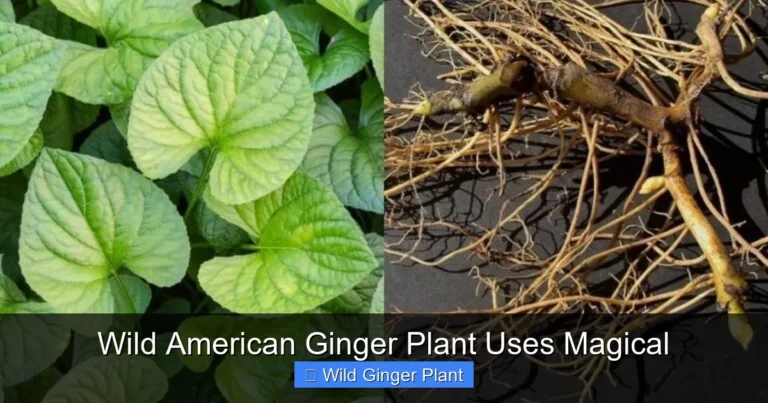
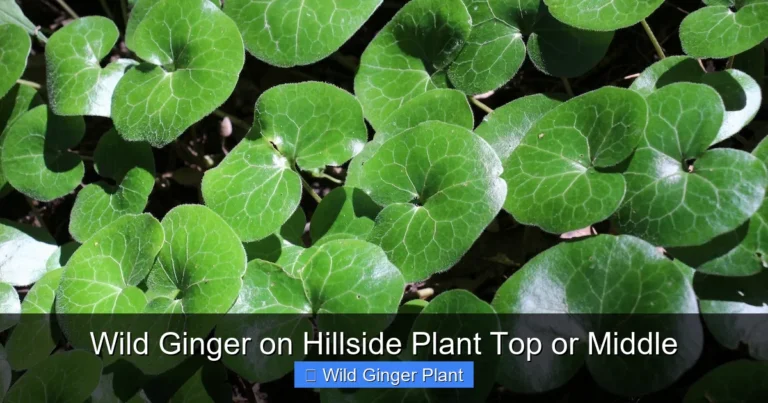
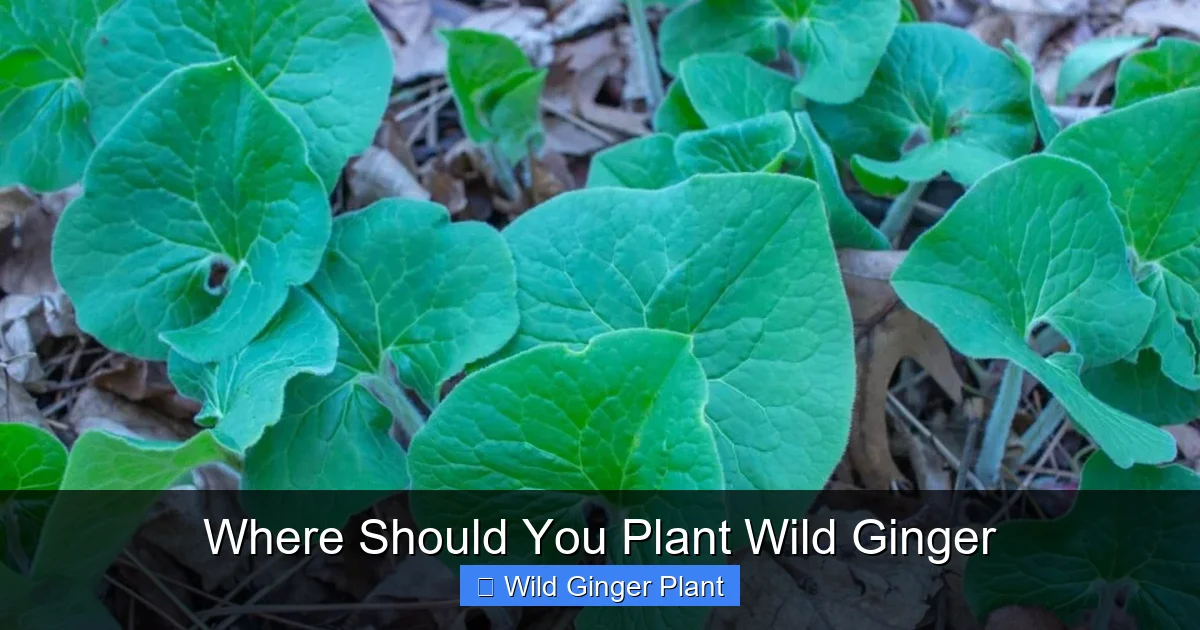
Wild ginger is native to woodlands. It spreads by rhizomes. The leaves are heart shaped. Flowers hide under leaves. The plant stays low. It forms a carpet. Gardeners love its texture. It adds green all season. Knowing where should you plant wild ginger helps it thrive. The right site gives strong growth. The wrong site causes stress. We will cover light, soil, water, and companions.
This article breaks down the main factors. Each section gives a clear tip. You will learn where should you plant wild ginger for success. Follow the steps and enjoy a lush ground cover. Let us begin with the natural habitat.
Key Takeaways
- Shade Preference: Wild ginger needs deep to dappled shade; avoid full sun.
- Soil Type: Rich, loamy, well‑drained soil with high organic matter works best.
- Consistent Moisture: Keep soil evenly moist but not soggy; mulch helps.
- Cool Temperatures: Prefers 50‑65°F; protect from extreme heat.
- Spacing: Plant 12‑18 inches apart to allow rhizome spread.
- Companion Plants: Pair with ferns, hostas, and woodland phlox for a natural look.
Quick Answers to Common Questions
What light does wild ginger prefer?
Wild ginger prefers deep to dappled shade and avoids full sun.
How often should I water wild ginger?
Keep the soil evenly moist; water when the top inch feels dry.
Can wild ginger grow in clay soil?
Yes, amend clay with compost and leaf mold for better drainage.
When is the best time to divide wild ginger?
Early spring before new growth starts is ideal for division.
What are good companion plants for wild ginger?
Ferns, hostas, and woodland phlox thrive alongside wild ginger.
📑 Table of Contents
Understanding Wild Ginger’s Natural Habitat
Forest floors give the best model for where should you plant wild ginger. The answer to where should you plant wild ginger is deep shade. Trees drop leaves that make rich humus. The soil stays cool and damp. Wild ginger loves that environment. It grows under maples, oaks, and beeches. The canopy filters light. The ground stays moist. Recreate this in your garden. Use leaf mulch. Keep the area shaded. This mimics the wild home.
Forest Floor Conditions
Leaf litter builds a soft blanket. The blanket holds water. It also adds nutrients. Wild ginger roots spread in this layer. The soil pH is slightly acidic. Test your soil if unsure. Add pine needles for acidity. Keep the layer thick. This helps where should you plant wild ginger thrive. The plant will spread quickly. You will see new shoots each spring.
Temperature Preferences
Cool temperatures suit wild ginger. The ideal range is fifty to sixty five degrees Fahrenheit. Hot summers can scorch leaves. Provide shade cloth if needed. In winter the plant goes dormant. Mulch protects rhizomes from freeze. This care matches where should you plant wild ginger in nature. The plant returns each year. Consistent coolness yields best foliage.
Choosing the Right Light Conditions
Light decides where should you plant wild ginger. Deep shade works best. Dappled light is also fine. Full sun burns the leaves. Morning sun may be okay if afternoon shade follows. Observe your yard through the day. Pick a spot with mostly shade. This matches where should you plant wild ginger in the wild. The plant will stay green and healthy.
Deep Shade vs Dappled Light
Deep shade means little direct sun. Dappled light means filtered sun through leaves. Both work for wild ginger. Deep shade gives slower growth. Dappled light gives slightly faster spread. Choose based on garden layout. If you have a north wall, use it. That spot gives steady shade. This follows where should you plant wild ginger guidelines.
Seasonal Light Changes
Deciduous trees lose leaves in winter. Light increases in early spring. Wild ginger emerges before canopy closes. It gets brief sun then shade returns. This cycle is natural. Do not worry about temporary brightness. The plant adapts. This pattern mirrors where should you plant wild ginger in forests. Your garden can copy it.
Soil Requirements and Preparation
Soil quality decides where should you plant wild ginger. Rich loam with organic matter is ideal. The soil must drain well but hold moisture. Heavy clay can be improved. Add compost and leaf mold. This raises fertility. It also improves texture. Test pH; aim for slightly acidic. This prepares the site for where should you plant wild ginger success.
Testing Soil pH
Buy a simple test kit. Follow the instructions. A reading of 5.5 to 6.5 is good. If soil is too alkaline add sulfur. If too acidic add lime. Adjust slowly. Retest after a week. Proper pH helps where should you plant wild ginger absorb nutrients. The plant will show vibrant color.
Amending Soil with Organic Matter
Spread a two inch layer of compost. Mix it into the top six inches. Add shredded leaves for extra humus. This mimics forest floor. The amended soil holds water. It also feeds beneficial microbes. This step is key for where should you plant wild ginger health. Reapply compost each fall. The bed stays rich year after year.
Moisture and Mulching Strategies
Water keeps wild ginger happy. The soil should stay evenly moist. Dry periods cause wilting. Overwatering leads to rot. Mulch solves both problems. A two inch mulch layer conserves moisture. It also suppresses weeds. This practice follows where should you plant wild ginger naturally. The plant thrives with steady moisture.
Watering Frequency
Check soil with your finger. If the top inch feels dry water deeply. In hot weeks water every two days. In cool weeks water once a week. Rain counts as watering. Adjust for weather. Consistent moisture matches where should you plant wild ginger needs. The rhizomes stay plump and spread.
Mulch Types and Application
Shredded bark works well. Leaf mulch is also good. Straw can be used in vegetable beds. Spread mulch evenly around plants. Keep mulch away from stems. Refresh mulch each spring. This maintains the moisture layer. It mirrors where should you plant wild ginger in the wild. The plant rewards you with dense coverage.
Companion Planting and Garden Design
Companions enhance where should you plant wild ginger. Ferns share shade love. Hostas add bold foliage. Woodland phlox gives spring color. These plants have similar needs. They create a layered look. The garden feels like a forest floor. This design follows where should you plant wild ginger principles. The combination reduces maintenance.
Best Companion Plants
Choose native ferns like maidenhair. Add hosta varieties with blue leaves. Plant phlox divaricata for pink blooms. All thrive in shade and moist soil. They do not compete aggressively. They support a healthy ecosystem. This mix mirrors where should you plant wild ginger naturally. The bed stays attractive all year.
Design Tips for a Woodland Garden
Arrange plants in drifts not rows. Use curved paths. Place taller ferns at the back. Put wild ginger in the front as ground cover. Add a log or stone for interest. Mulch paths with wood chips. This layout copies where should you plant wild ginger in nature. The garden feels calm and inviting.
Long‑Term Care and Troubleshooting
Ongoing care keeps wild ginger strong. Divide clumps every three years. This prevents overcrowding. Watch for slugs and snails. Hand pick or use beer traps. Fungal spots appear in wet years. Improve air flow by thinning. These steps follow where should you plant wild ginger best practices. The plant remains vigorous for decades.
Dividing Rhizomes
Dig up a clump in early spring. Separate healthy rhizomes. Replant each piece twelve inches apart. Water well after planting. Division refreshes the bed. It also gives you new plants. This method aligns with where should you plant wild ginger propagation. Share extras with friends.
Common Pests and Diseases
Slugs love the tender leaves. Use copper tape around beds. Beer traps attract and drown them. Leaf spot fungus shows brown spots. Remove affected leaves. Apply a mild copper fungicide if needed. Good sanitation prevents spread. These controls match where should you plant wild ginger care guides. Healthy plants resist most problems.
In summary, knowing where should you plant wild ginger makes all the difference. Choose deep shade, rich moist soil, and steady water. Add mulch and good companions. Divide clumps every few years. Watch for pests and act quickly. Follow these steps and your wild ginger will form a beautiful green carpet. Enjoy the woodland feel in your own yard.
Frequently Asked Questions
Where should you plant wild ginger for the best results?
Plant wild ginger in a cool, shaded spot with rich, well‑drained soil that stays evenly moist. A location under deciduous trees or on a north‑facing wall works well.
Does wild ginger need full sun?
No, wild ginger does not tolerate full sun; it thrives in deep to dappled shade.
How do I prepare the soil for wild ginger?
Test the soil pH, aim for slightly acidic, then mix in compost and leaf mold to improve fertility and moisture retention.
What mulch is best for wild ginger?
Shredded bark or leaf mulch applied two inches deep conserves moisture and suppresses weeds.
How often should I divide wild ginger clumps?
Divide clumps every three years in early spring to prevent overcrowding and promote vigorous growth.
What pests commonly affect wild ginger?
Slugs and snails are the main pests; hand picking, copper barriers, or beer traps control them effectively.