Indian Wild Ginger Plant
The Indian Wild Ginger Plant is a prized medicinal herb native to the Indian subcontinent, valued for centuries in Ayurveda and traditional healing. This comprehensive guide explores its botanical identity, therapeutic properties, culinary applications, and practical cultivation advice for home gardeners and herbal enthusiasts alike.
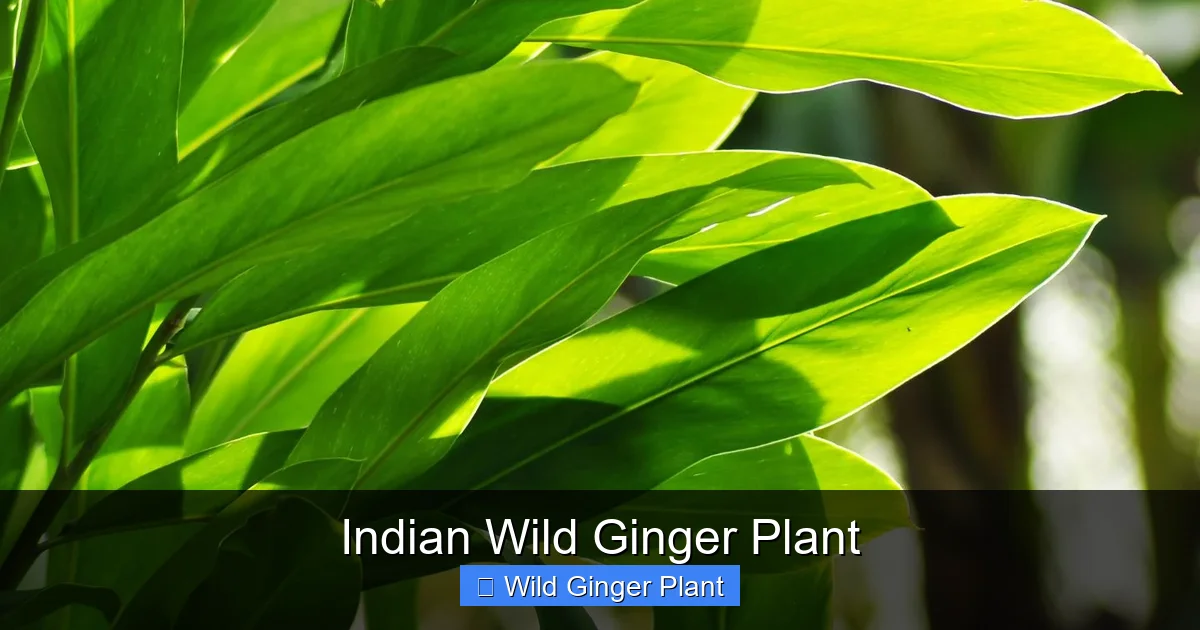
If you have ever wandered through the damp, shaded understory of a Western Ghats forest during monsoon season, you might have brushed past a cluster of broad, lance-shaped leaves rising from the forest floor. Crush a leaf between your fingers, and a warm, spicy fragrance rises — earthy, citrusy, unmistakably gingery. That scent belongs to one of India’s most treasured wild herbs: the Indian Wild Ginger Plant. Known by many names across the subcontinent — Kasturi Manjal, Ban Haldi, Kapoor Kachri, Wild Turmeric — this plant has woven itself into the fabric of traditional medicine, regional cuisines, and forest ecosystems for millennia.
Unlike its famous cousin, common ginger (Zingiber officinale), which has been domesticated so long its wild origins are obscure, Indian Wild Ginger retains its wild vigor. It grows where it chooses: along stream banks, in moist deciduous forests, on rocky slopes kissed by mist. This wildness is precisely what gives it its potency. The rhizomes concentrate defensive compounds — curcuminoids, sesquiterpenes, flavonoids — forged by evolutionary pressure. For the modern herbalist, gardener, or curious cook, understanding this plant means bridging ancient wisdom with contemporary science. Let us walk through its story together.
Key Takeaways
- Botanical Identity: Indian Wild Ginger typically refers to Curcuma aromatica (Wild Turmeric) or Hedychium spicatum (Spiked Ginger Lily), both members of the Zingiberaceae family native to India.
- Medicinal Powerhouse: Rich in curcuminoids, essential oils, and flavonoids, it offers anti-inflammatory, antimicrobial, antioxidant, and digestive benefits validated by both tradition and modern research.
- Ayurvedic Heritage: Classified as Tikta (bitter) and Katu (pungent) with Ushna Virya (heating potency), it balances Kapha and Vata doshas while supporting skin health, respiration, and joint comfort.
- Culinary Versatility: The rhizomes impart a warm, earthy flavor with citrus notes, enhancing pickles, chutneys, spice blends, and traditional dishes across regional Indian cuisines.
- Easy Cultivation: Thrives in partial shade, well-draining loamy soil, and humid conditions — ideal for home gardens in tropical and subtropical zones with minimal maintenance.
- Sustainable Harvesting: Wild populations face pressure from overharvesting; cultivated sources and ethical wildcrafting practices help preserve genetic diversity and ecological balance.
- Safety Considerations: Generally safe in culinary amounts; therapeutic doses require caution during pregnancy, with gallstones, or when taking blood-thinning medications — consult a qualified practitioner.
Quick Answers to Common Questions
What is the difference between Indian Wild Ginger and common ginger?
Indian Wild Ginger typically refers to Curcuma aromatica (Wild Turmeric) or Hedychium spicatum (Kapoor Kachri), which are distinct species from common ginger (Zingiber officinale). They differ in botanical classification, chemical composition, flavor profile, and traditional uses — wild gingers are generally more bitter, aromatic, and used medicinally rather than as a primary culinary spice.
Can I grow Indian Wild Ginger in a pot at home?
Yes, both Curcuma aromatica and Hedychium spicatum grow well in containers. Use a 30–40 cm deep pot with well-draining, humus-rich soil. Place in dappled shade, keep consistently moist during growing season, and allow dormancy in winter. Container growing is ideal for cooler climates where plants can be moved indoors.
Is Indian Wild Ginger safe during pregnancy?
Culinary amounts (as a spice in food) are traditionally considered safe. However, therapeutic doses of extracts, essential oils, or high-dose powders should be avoided during pregnancy due to potential uterine-stimulating effects (Curcuma species) and camphor neurotoxicity (Hedychium spicatum). Always consult a qualified healthcare provider.
How do I identify authentic Kasturi Manjal powder?
Authentic Kasturi Manjal (Curcuma aromatica) powder has a pale yellow-orange color (not bright yellow), a distinctive musky-camphoraceous aroma with citrus notes, and a bitter-pungent taste. It stains less than common turmeric. Buy whole rhizomes and powder yourself, or choose HPLC-tested, organically certified sources with traceability.
What are the main health benefits supported by science?
Research supports anti-inflammatory, antimicrobial, antioxidant, hepatoprotective, wound-healing, digestive, and neuroprotective effects. Curcuma aromatica shows particular promise for skin conditions (acne, dermatitis), while Hedychium spicatum excels in respiratory and cognitive support. Most evidence comes from in vitro and animal studies; human clinical trials are growing but still limited.
📑 Table of Contents
Botanical Identity and Taxonomy
What Exactly Is Indian Wild Ginger?
The term “Indian Wild Ginger Plant” does not point to a single species. In the bustling markets of Chennai, the fragrant rhizome sold as Kasturi Manjal is Curcuma aromatica. In the hill stations of Uttarakhand, the same name might refer to Hedychium spicatum, the Spiked Ginger Lily. Travel to the Northeast, and Ban Haldi could be Curcuma caesia (Black Turmeric) or Curcuma zedoaria (White Turmeric). All belong to the Zingiberaceae family — the ginger family — which comprises over 1,300 species across 50 genera, with India hosting remarkable diversity.
Curcuma aromatica: The Classic Wild Turmeric
Curcuma aromatica Salisb. is the species most commonly recognized as Wild Turmeric. A perennial herb reaching 60–90 cm in height, it produces a tuft of broad, elliptic leaves from a branched, aromatic rhizome. The rhizome itself is the prize: pale yellow to orange inside, with a camphoraceous, musky aroma distinct from the sharper bite of common turmeric (Curcuma longa). Flowers emerge on a separate spike before the leaves, pale yellow with pinkish bracts — a brief, beautiful display in early monsoon. Native to the Indian subcontinent, Sri Lanka, and parts of Southeast Asia, it favors moist, shaded habitats in tropical and subtropical forests.
Hedychium spicatum: The Himalayan Ginger Lily
In the cooler, mist-cloaked forests of the Himalaya — from Kashmir to Arunachal Pradesh, at elevations of 1,500–3,000 meters — Hedychium spicatum Buch.-Ham. ex Sm. reigns. Locally called Kapoor Kachri or Gulbakawali, this species grows taller, up to 1.5 meters, with narrower leaves and a spectacular terminal spike of fragrant white flowers tinged with orange at the base. The rhizome is smaller, more fibrous, but intensely aromatic — rich in ethyl cinnamate and hedychenone. It is this species that gives Kapoor Kachri attar its prized fragrance, a staple of traditional perfumery in Kannauj.
Other Regional Contenders
The label stretches further. Curcuma caesia (Black Turmeric), with its bluish-black rhizome interior, holds deep significance in Tantric rituals and folk medicine in Central and Eastern India. Curcuma zedoaria (Zedoary, White Turmeric), introduced centuries ago but now naturalized, appears in pickles and digestive tonics across the South. Alpinia galanga (Greater Galangal) and Kaempferia galanga (Lesser Galangal), though Southeast Asian in origin, have long been cultivated and escaped into wild margins in the Western Ghats and Andaman Islands. Each carries its own chemistry, its own stories.
Traditional Uses in Ayurveda and Folk Medicine
Ayurvedic Classification and Energetics
In the sophisticated language of Ayurveda, the Indian Wild Ginger Plant — particularly Curcuma aromatica and Hedychium spicatum — is classified with precision. Rasa (taste): Tikta (bitter) and Katu (pungent). Guna (quality): Laghu (light) and Ruksha (dry). Virya (potency): Ushna (heating). Vipaka (post-digestive effect): Katu (pungent). Dosha action: Pacifies Kapha and Vata; may aggravate Pitta in excess. This profile makes it a premier herb for clearing Ama (toxins), kindling Agni (digestive fire), and moving stagnation.
Classical Text References
The Charaka Samhita and Sushruta Samhita, pillars of Ayurvedic literature dating back over two millennia, reference Haridra (turmeric) extensively. While cultivated turmeric (Curcuma longa) is the primary referent, commentaries by Chakrapani and Dalhana note the superior Kasturi Manjal for specific indications — particularly skin disorders (Kushtha), wound healing (Vrana), and facial blemishes (Vyanga). The Bhavaprakasha Nighantu (16th century) explicitly describes Kasturi Haridra as “fragrant, bitter, pungent, heating, destroying Kapha-Vata, beneficial for skin, wounds, and poison.” Hedychium spicatum appears as Shati or Kapoor Kachri in later texts like the Raja Nighantu, praised for respiratory ailments, digestive weakness, and as a fragrant ingredient in Nasya (nasal) oils.
Folk and Tribal Wisdom
Beyond codified texts, the plant lives in oral traditions. In the forests of Chhattisgarh, Gond and Baiga healers apply a paste of fresh Ban Haldi rhizome on snakebite wounds — a practice now attracting pharmacological interest. In Kerala, Kasturi Manjal bath powder for newborns is a near-universal custom, believed to protect delicate skin from infections and impart a healthy glow. The Khasi healers of Meghalaya use Curcuma caesia rhizome juice for gastric ulcers and as a tonic for postpartum recovery. These uses are not folklore in the dismissive sense; they are data points from centuries of empirical observation, increasingly validated by phytochemical analysis.
Phytochemistry and Modern Scientific Validation
Key Bioactive Compounds
The therapeutic reputation of the Indian Wild Ginger Plant rests on a rich phytochemical arsenal. While composition varies by species, geography, and harvest time, several compound classes dominate:
- Curcuminoids: Curcumin, demethoxycurcumin, bisdemethoxycurcumin — potent anti-inflammatories, antioxidants, and modulators of NF-κB, COX-2, and LOX pathways. Curcuma aromatica typically contains 1–3% curcuminoids by dry weight, lower than C. longa (3–5%) but with a distinct profile.
- Sesquiterpenes: Ar-turmerone, curlone, zingiberene, germacrone — responsible for the characteristic aroma and contributing to antimicrobial, anticancer, and neuroprotective effects.
- Monoterpenes: Camphor, 1,8-cineole, borneol — especially high in Hedychium spicatum, giving it the “Kapoor” (camphor) note.
- Phenylpropanoids: Ethyl cinnamate (major in H. spicatum), cinnamaldehyde — fragrant, antimicrobial, vasodilatory.
- Flavonoids and Phenolics: Quercetin, kaempferol, catechins — antioxidant, anti-allergic, cardioprotective.
- Polysaccharides: Immune-modulating, prebiotic effects.
Evidence-Based Health Benefits
Modern research, much of it from Indian institutions like CSIR, ICMR, and AIIMS, has substantiated many traditional claims:
Anti-Inflammatory and Analgesic
Multiple in vitro and animal studies demonstrate that Curcuma aromatica extracts inhibit pro-inflammatory cytokines (TNF-α, IL-6, IL-1β) and enzymes (COX-2, 5-LOX) comparably to standard drugs like indomethacin, but with fewer gastric side effects. A 2021 study in Journal of Ethnopharmacology showed a topical gel of C. aromatica essential oil significantly reduced carrageenan-induced paw edema in rats. For joint pain, traditional liniments combining wild ginger with castor oil and camphor find mechanistic support.
Antimicrobial and Antifungal
The essential oil of Hedychium spicatum shows broad-spectrum activity against Staphylococcus aureus (including MRSA), Escherichia coli, Candida albicans, and dermatophytes like Trichophyton rubrum. Minimum inhibitory concentrations (MICs) often fall in the 0.5–2 mg/mL range. This validates its use in wound dusting powders and anti-dandruff hair oils. Curcuma caesia extracts have demonstrated antiviral potential against chikungunya and dengue viruses in cell culture — a promising avenue for vector-borne disease endemic zones.
Antioxidant and Hepatoprotective
Curcuminoids and sesquiterpenes scavenge free radicals, upregulate endogenous antioxidants (SOD, catalase, glutathione peroxidase), and protect against carbon tetrachloride- and paracetamol-induced liver damage in rodent models. A 2019 study in Phytotherapy Research found Curcuma aromatica rhizome powder at 200 mg/kg body weight significantly normalized liver enzymes and histology in alcohol-induced hepatotoxicity.
Skin Health and Wound Healing
This is the plant’s superstar domain. Clinical trials in India have evaluated Kasturi Manjal cream (2–5% extract) for acne vulgaris, atopic dermatitis, and post-surgical scars. A randomized controlled trial at a tertiary dermatology center in Bangalore (2020) showed a 3% C. aromatica cream reduced inflammatory acne lesions by 62% over 8 weeks, comparable to 1% clindamycin gel but with better tolerability. The mechanism involves anti-Propionibacterium acnes action, sebum regulation, and modulation of keratinocyte proliferation.
Digestive and Carminative
The bitter-pungent profile stimulates salivary, gastric, and biliary secretions. Animal studies confirm enhanced gastric emptying and reduced ulcer index with Hedychium spicatum rhizome extract. Traditional Kapoor Kachri churna (powder) for bloating and sluggish digestion aligns with prokinetic and antispasmodic effects demonstrated on isolated gut tissue.
Respiratory Support and Neuroprotective
Emerging research highlights Hedychium spicatum essential oil’s acetylcholinesterase inhibition and amyloid-beta aggregation prevention — relevant for Alzheimer’s disease. A 2022 study in Frontiers in Pharmacology reported improved memory retention in scopolamine-induced amnesia mice treated with the oil. The camphoraceous monoterpenes likely contribute to CNS penetration and neurotransmitter modulation.
Culinary Applications Across India
Regional Specialties
The Indian Wild Ginger Plant enters kitchens with quiet confidence. In Tamil Nadu and Kerala, Kasturi Manjal is indispensable in Manjal Thanni (turmeric water) offered to postpartum women, and in Nalangu — the ceremonial turmeric paste for brides. It flavors Vathal Kuzhambu (sun-dried vegetable curry) and certain pickle masalas where its musky note cuts through tamarind’s sourness. In Chettinad cuisine, a pinch of wild turmeric powder in Milagu Kozhambu (pepper curry) adds depth no cultivated turmeric can match.
Move north to the Himalayan foothills, and Kapoor Kachri transforms. In Kumaoni and Garhwali homes, the dried rhizome is ground into Bhang Ki Chutney — a fiery hemp seed condiment where its camphoraceous lift balances the nutty richness. Himachali Sepu Vadi (lentil dumplings in spinach gravy) often includes a whisper of Kapoor Kachri powder in the spice blend. In Sikkim and Darjeeling, it finds its way into Gundruk (fermented leafy greens) seasoning and traditional meat curing rubs.
Central India’s tribal kitchens use Ban Haldi (Curcuma caesia or C. aromatica) in Pej (rice gruel) for convalescents, and in Chutneys accompanying millet rotis. The black turmeric’s intense bitterness is tamed by roasting with garlic, green chilies, and a touch of jaggery.
Flavor Profile and Pairing Principles
Understanding the flavor fingerprint helps you cook with intention. Curcuma aromatica: warm, earthy, musky, with citrus top notes and a lingering bitter finish. Less staining than common turmeric. Hedychium spicatum: intensely camphoraceous, sweet-floral, cooling on the palate despite heating energetics. Curcuma caesia: sharply bitter, pungent, almost medicinal — demands respect and balancing.
Pairing ideas: Wild turmeric loves coconut, tamarind, black pepper, cumin, curry leaves, and dried red chilies. Kapoor Kachri dances with hemp seeds, mustard oil, fenugreek, asafoetida, and fermented soybean (akhuni). Black turmeric needs fat (ghee, sesame oil), sweetness (jaggery, dates), and acid (amchur, kokum) to shine. Start with ¼ teaspoon per dish for powders; a 2-cm piece of fresh rhizome grated serves 4–6 people.
Preservation and Preparation Tips
Fresh rhizomes keep 2–3 weeks refrigerated in a paper bag. For longer storage: slice thin, sun-dry until brittle (3–5 days in strong sun), then powder in small batches. The volatile oils degrade fast — store powder in amber glass, cool and dark, use within 6 months. For essential oil extraction (home scale), steam distillation of 1 kg fresh rhizome yields 10–15 mL oil — a weekend project for the dedicated. A simpler infusion: simmer 10 g crushed fresh rhizome in 200 mL coconut oil for 20 minutes, strain — your own Kasturi Manjal hair oil.
Cultivation and Sustainable Harvesting
Growing Your Own: A Gardener’s Guide
Cultivating the Indian Wild Ginger Plant at home is deeply rewarding — and ecologically responsible. By growing your own, you reduce pressure on wild populations while securing a fresh, potent supply. Here is a practical roadmap:
Climate and Zone Suitability
Curcuma aromatica thrives in USDA zones 9–11 (tropical/subtropical). It needs 1,500–3,000 mm annual rainfall, temperatures 20–35°C, and high humidity. In cooler zones (8b–9a), grow in containers and overwinter indoors. Hedychium spicatum prefers zones 7–10, tolerating light frost if mulched heavily. It needs a cool dormancy period (5–15°C for 2–3 months) to flower well — ideal for hill stations, temperate greenhouses, or containers moved to a cool garage.
Soil and Site Selection
Both species demand well-draining, humus-rich loam with pH 5.5–6.5. Heavy clay causes rhizome rot; sandy soil dries too fast. Amend with 30% compost, 10% coconut coir, 5% biochar. Choose dappled shade — under trees, east-facing beds, or 50% shade cloth. Direct scorching sun bleaches leaves and stresses rhizomes. Ensure good air circulation to prevent fungal issues.
Planting Material and Timing
Source disease-free rhizome divisions from reputable nurseries or fellow gardeners. Each division needs at least one viable bud (eye) and 50 g mass. Plant at the onset of monsoon (June–July in most of India; spring after last frost in temperate zones). Depth: 5–8 cm, buds facing up. Spacing: 30 × 30 cm for C. aromatica; 45 × 45 cm for H. spicatum. Water thoroughly after planting; mulch with 5 cm dry leaves or straw.
Care Through the Seasons
Monsoon/Growing Season: Keep soil consistently moist, not waterlogged. Feed monthly with vermicompost tea (1:10 dilution) or balanced organic fertilizer (NPK 5-5-5). Remove flower spikes of C. aromatica if rhizome yield is the goal — flowering diverts energy. For H. spicatum, allow flowering; the blooms are glorious and attract pollinators.
Post-Monsoon/Dormancy: As leaves yellow (November–January), reduce watering. Stop fertilizing. In frost-prone areas, cut back dead foliage, apply 15 cm mulch, and cover with horticultural fleece. In pots, move to a cool (10–15°C), dark place; water sparingly — just enough to prevent desiccation.
Spring Reawakening: New shoots emerge with rising temperatures. Resume watering, top-dress with compost, and watch the cycle begin anew.
Harvest and Yield
Curcuma aromatica: Harvest rhizomes after 8–10 months, when leaves senesce. Carefully dig with a fork, wash, separate mother rhizomes (replant) from fingers (use). Yield: 500–800 g fresh rhizome per plant. Hedychium spicatum: Best harvested after 18–24 months for optimal oil content. Yield: 200–400 g per plant. Always leave 20–30% of rhizomes in ground for regeneration.
Ethical Wildcrafting Guidelines
If you must harvest from wild populations — and I urge cultivation instead — follow these non-negotiable principles:
- Positive Identification: 100% certainty. Use botanical keys, not common names. Voucher specimens for herbarium deposit.
- Permission and Legality: Check forest department regulations. Many wild ginger species are listed under state forest acts or the Wildlife Protection Act. Collection in protected areas is prohibited.
- Population Assessment: Only harvest from abundant, healthy populations (>100 mature individuals). Never take from isolated patches.
- The 1-in-20 Rule: Harvest no more than 5% of individuals, and no more than 30% of rhizomes per individual. Replant root crowns with buds.
- Timing: Harvest post-seed set (dormancy), never during flowering or active growth.
- Minimal Impact: Use hand tools only. Fill holes. Leave no trace.
- Documentation: Record location (GPS), date, population size, harvest amount. Share with local biodiversity management committees.
Conservation Status and Threats
Several Indian wild ginger species face mounting pressures. Curcuma caesia is classified as “Vulnerable” in the IUCN Red List regional assessments due to habitat loss (wetland drainage, agricultural expansion) and overharvesting for the herbal trade. Hedychium spicatum populations in the Western Himalaya have declined 30–40% in three decades, driven by commercial rhizome collection for the perfume and Ayurvedic industries. Curcuma aromatica, while more widespread, shows local extirpation near urban centers. The 2023 amendment to India’s Biological Diversity Act strengthens access and benefit-sharing provisions — a step forward, but enforcement remains patchy. Ex situ conservation in botanical gardens (like TBGRI Thiruvananthapuram, NBRI Lucknow, IHBT Palampur) and community seed banks offers hope. As consumers, choosing certified cultivated sources — look for “Organic,” “FairWild,” or state forest department tags — drives market demand toward sustainability.
Safety, Precautions, and Quality Considerations
General Safety Profile
The Indian Wild Ginger Plant enjoys a long history of safe use in culinary amounts. As a spice — a pinch in curry, a dusting on vegetables — it poses negligible risk for the general population. The rhizomes are GRAS (Generally Recognized As Safe) equivalents in traditional food systems. However, therapeutic doses (standardized extracts, essential oils, high-dose powders) concentrate bioactive compounds and warrant caution.
Contraindications and Cautions
- Pregnancy and Lactation: Culinary use is fine. Therapeutic doses of Curcuma species may stimulate uterine contractions (animal data). Hedychium spicatum essential oil contains camphor — neurotoxic in high doses; avoid internal use during pregnancy. Topical use in dilute concentrations (≤1%) is likely safe but consult a qualified Ayurvedic practitioner or midwife.
- Gallstones and Bile Duct Obstruction: Curcuminoids stimulate bile secretion. Beneficial for sluggish gallbladder, but risky if stones are present — may trigger colic. Ultrasound confirmation advised before therapeutic use.
- Bleeding Disorders and Anticoagulants: Curcumin inhibits platelet aggregation. Concurrent use with warfarin, aspirin, clopidogrel, or herbal blood-thinners (ginkgo, garlic high-dose) may increase bleeding risk. Monitor INR if on warfarin.
- Surgery: Discontinue therapeutic doses 2 weeks pre-op due to bleeding and blood sugar effects.
- Iron Deficiency: Curcumin chelates iron. High doses long-term may worsen anemia. Take iron supplements at a different time of day.
- Drug Interactions: Curcumin inhibits CYP3A4, CYP2C9, CYP2D6 — enzymes metabolizing many drugs. Potential interactions with chemotherapy agents, statins, antidiabetics, immunosuppressants. Essential oils (especially H. spicatum) may enhance skin penetration of topical medications.
Adverse Effects
Rare at culinary doses. Therapeutic doses may cause: nausea, diarrhea, acid reflux (bitter principle), headache, dizziness (camphor sensitivity), contact dermatitis (patch test before topical use). Curcuma caesia is more likely to cause gastric irritation due to higher pungency. Essential oil ingestion >1 mL neat can cause seizures — never ingest undiluted.
Quality Markers and Adulteration
The herbal market is rife with adulteration. Curcuma aromatica powder is often cut with C. longa (cheaper, higher yield) and synthetic color. Hedychium spicatum oil is extended with synthetic ethyl cinnamate or camphor. Red flags: unnaturally bright yellow (added metanil yellow), lack of characteristic aroma, price too good to be true. Seek:
- HPLC-tested curcuminoid content (for Curcuma spp.)
- GC-MS profile for essential oils (ethyl cinnamate >40% for authentic H. spicatum oil)
- Organic certification (NPOP, USDA, EU)
- Traceability to farm/collection area
- Whole rhizome purchase — powder yourself
Integrating Indian Wild Ginger Into Your Life
Simple Daily Rituals
You do not need a pharmacy degree to benefit. Start small:
- Morning Tonic: ¼ tsp Kasturi Manjal powder + pinch black pepper + 1 tsp honey in warm water. Kindles digestion, clears morning fog.
- Face Mask (Weekly): 1 tsp wild turmeric powder + 1 tsp besan (chickpea flour) + enough rosewater for paste. Apply 15 min, rinse. Glow guaranteed.
- Post-Meal Digestive: Chew a 1-cm piece fresh Kapoor Kachri rhizome with a pinch of rock salt. Freshens breath, settles stomach.
- Hair Oil (Monthly Prep): Infuse 20 g dried C. aromatica + 10 g dried H. spicatum in 200 mL coconut oil (slow heat 30 min). Massage scalp weekly before wash.
- Spice Blend: Mix equal parts wild turmeric, cumin, coriander, fennel, black pepper. Sprinkle on roasted vegetables, dal, eggs.
When to Seek Professional Guidance
Self-care has limits. Consult a qualified Ayurvedic physician (BAMS or MD Ayurveda), naturopathic doctor, or clinical herbalist if:
- You have a diagnosed chronic condition (autoimmune, liver, kidney, cancer)
- You take prescription medications (especially narrow therapeutic index drugs)
- You are pregnant, nursing, or planning conception
- You want therapeutic doses for a specific condition (arthritis, skin disease, respiratory issue)
- You experience any adverse reaction
A practitioner will assess your Prakriti (constitution), Vikriti (imbalance), Agni status, and design a formulation — perhaps Haridra Khanda for allergies, Shati Churna for asthma, Kasturi Manjal Lepa for eczema — with precise dosing, anupana (vehicle), and duration. This personalized approach is the heart of traditional medicine — and its greatest safety net.
Building a Relationship With the Plant
Beyond extraction and consumption, there is a quieter way to know the Indian Wild Ginger Plant. Grow a pot on your balcony. Visit a botanical garden’s ginger house. Sit with a fresh rhizome — smell it, slice it, feel the juice stain your fingers yellow-orange. Sketch the leaf venation. Watch a bee navigate the flower tube. Learn its names in three Indian languages. Share a piece with a neighbor. This relational knowing — what Indigenous scholars call “kincentric ecology” — transforms the plant from commodity to teacher. It reminds us that health is not just biochemistry; it is belonging.
Conclusion
The Indian Wild Ginger Plant — whether Curcuma aromatica with its musky gold, Hedychium spicatum with its camphor-sweet perfume, or the darker mysteries of Curcuma caesia — stands at a crossroads. It is a bridge between forest and pharmacy, between grandmother’s kitchen and clinical trial, between cultural heritage and conservation imperative. Its story is not finished; it unfolds in every garden where it is tended, every kitchen where it is honored, every research lab where its secrets are probed, every wild patch where it persists against odds.
As you move forward — perhaps planting a rhizome this monsoon, perhaps seeking a quality powder for your spice box, perhaps simply pausing to crush a leaf on a forest walk — carry this understanding: the plant’s power lies not only in its curcuminoids or sesquiterpenes, but in the web of relationships it sustains. The pollinator, the mycorrhizal fungus, the tribal healer, the Ayurvedic physician, the phytochemist, the home cook, the child with clear skin — all are threads in its rhizome. To engage with Indian Wild Ginger respectfully is to strengthen that web. And in strengthening it, we heal not just bodies, but the fractured connections between people, plants, and the living earth.
May your path cross this remarkable plant in ways that nourish, teach, and inspire. The forest floor is waiting.
Frequently Asked Questions
What is the scientific name of Indian Wild Ginger Plant?
The term “Indian Wild Ginger Plant” commonly refers to several species in the Zingiberaceae family, most notably Curcuma aromatica (Wild Turmeric/Kasturi Manjal) and Hedychium spicatum (Spiked Ginger Lily/Kapoor Kachri). Other regional species include Curcuma caesia (Black Turmeric) and Curcuma zedoaria (White Turmeric).
Can Indian Wild Ginger be used for skin whitening?
Traditional use of Kasturi Manjal (Curcuma aromatica) includes improving skin tone and reducing blemishes, but “whitening” is a misnomer. It works by inhibiting tyrosinase (reducing excess melanin), calming inflammation, and promoting even skin regeneration. Results are gradual and require consistent topical use with sun protection.
How long does it take for Indian Wild Ginger to mature?
Curcuma aromatica rhizomes are typically ready for harvest 8–10 months after planting, when leaves naturally senesce. Hedychium spicatum benefits from 18–24 months for optimal rhizome size and essential oil content. Both are perennials that can be harvested annually once established.
Does Indian Wild Ginger interact with medications?
Yes, therapeutic doses can interact with medications. Curcuminoids inhibit cytochrome P450 enzymes (CYP3A4, CYP2C9, CYP2D6), potentially affecting drug metabolism. They also have anticoagulant and hypoglycemic effects. Consult your doctor if taking blood thinners, diabetes drugs, chemotherapy, or any prescription medication.
Where can I buy authentic Indian Wild Ginger rhizomes or powder?
Look for certified organic suppliers, state forest department outlets (for sustainably wildcrafted material), reputable Ayurvedic pharmacies, or direct-from-farmer platforms. Avoid unlabeled bulk powders in open markets. Whole dried rhizomes with visible buds are preferable — you can verify authenticity and powder fresh.
Can Indian Wild Ginger help with joint pain and arthritis?
Traditional liniments and modern studies both support its use for joint inflammation. Curcuma aromatica extracts inhibit COX-2 and inflammatory cytokines similarly to NSAIDs in animal models. Topical gels (2–5% extract) and oral supplements (500–1000 mg standardized extract daily) show promise, but human trials are limited. Combine with black pepper (piperine) for absorption.