How to Plant Wild Ginger Bare Root
Wild ginger bare root planting is simple when you follow the right steps. This native woodland perennial thrives in shady spots with rich, moist soil and rewards you with beautiful heart-shaped leaves and unique hidden flowers. Plant in early spring or fall for best results.
If you have ever walked through a rich, moist woodland in early spring, you might have noticed a low carpet of heart-shaped leaves hugging the forest floor. That plant is likely wild ginger, a native perennial that brings quiet beauty to shady gardens. Many gardeners want to add this lovely ground cover to their own landscapes, and buying bare root plants is an affordable way to do it. But knowing how to plant wild ginger bare root correctly makes all the difference between a thriving patch and a disappointing failure.
I have planted wild ginger in several gardens over the years, and I have learned a few tricks along the way. The process is not complicated, but it does require attention to a few key details. Wild ginger (Asarum canadense) is not the culinary ginger you find in the grocery store. It is a completely different plant native to eastern North America. Its common name comes from the ginger-like scent of its roots when crushed. The real show, though, is the foliage. Those velvety, heart-shaped leaves create a lush, weed-suppressing mat that looks gorgeous from spring through fall.
Key Takeaways
- Timing matters: Plant bare root wild ginger in early spring or fall when the plant is dormant for highest success rates
- Shade is essential: Choose a location with dappled to full shade, mimicking its natural woodland habitat
- Soil preparation pays off: Amend planting area with compost and leaf mold to create rich, moisture-retentive soil
- Plant at the right depth: Position the rhizome just below the soil surface with buds facing upward
- Water consistently: Keep soil evenly moist but not waterlogged during the first growing season
- Mulch generously: Apply 2-3 inches of shredded leaves or bark mulch to retain moisture and suppress weeds
- Patience rewards you: Wild ginger spreads slowly by rhizomes, forming a dense ground cover over several years
Quick Answers to Common Questions
When is the best time to plant bare root wild ginger?
Early spring and early fall are the best times. Spring planting gives a full growing season to establish, while fall planting takes advantage of warm soil and cool air for root growth.
How deep should I plant wild ginger rhizomes?
Plant the rhizome horizontally with the top about half an inch to one inch below the soil surface. The buds must face upward.
Can wild ginger tolerate sun?
No, wild ginger requires dappled to full shade. Afternoon sun will scorch the leaves. Morning sun is only acceptable in cool, northern climates.
How far apart should I space bare root wild ginger plants?
Space plants twelve to eighteen inches apart for a natural colony. For faster coverage, plant eight to ten inches apart.
Why isn’t my wild ginger spreading quickly?
Wild ginger is naturally a slow spreader, moving a few inches per year. Consistent moisture, rich soil, and patience are key. It spreads fastest in ideal woodland conditions.
📑 Table of Contents
Understanding Wild Ginger Before You Plant
What Is Wild Ginger?
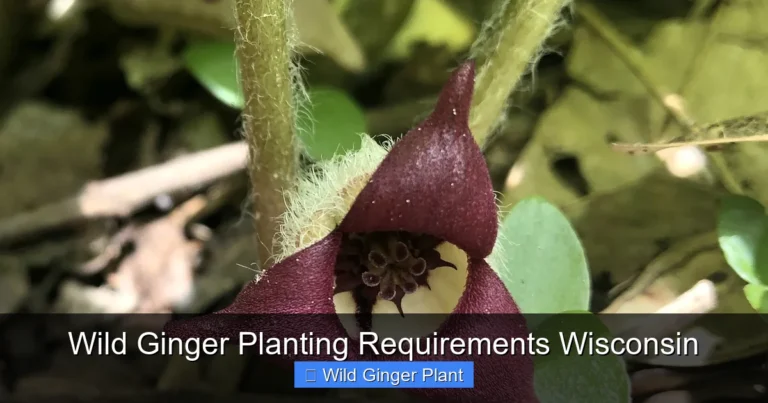
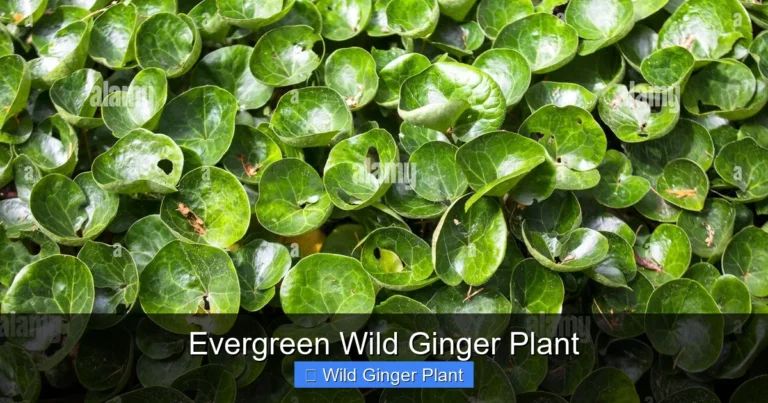
Wild ginger is a low-growing, colony-forming perennial native to the deciduous forests of eastern North America. It typically grows six to twelve inches tall and spreads slowly by underground rhizomes. The leaves are kidney-shaped to heart-shaped, deeply notched at the base, and covered in fine hairs that give them a soft, velvety texture. In spring, unusual jug-shaped flowers appear at ground level, often hidden beneath the leaf litter. These flowers are pollinated by beetles and flies attracted to their earthy scent.
It is important to note that wild ginger is not related to culinary ginger (Zingiber officinale). While the rhizomes of wild ginger have been used historically for medicinal purposes and as a flavoring, they contain aristolochic acid, which can be toxic in large quantities. Today, it is grown primarily as an ornamental ground cover for shade gardens.
Why Choose Bare Root Plants?
Bare root wild ginger plants are typically sold in late winter through early spring. They arrive as dormant rhizomes with roots attached, without any soil around them. This method of shipping has several advantages. Bare root plants are lighter and cheaper to ship than potted plants. They also establish quickly because their roots make direct contact with your garden soil immediately. There is no transition period where the plant has to adjust from a potting mix to your native soil.
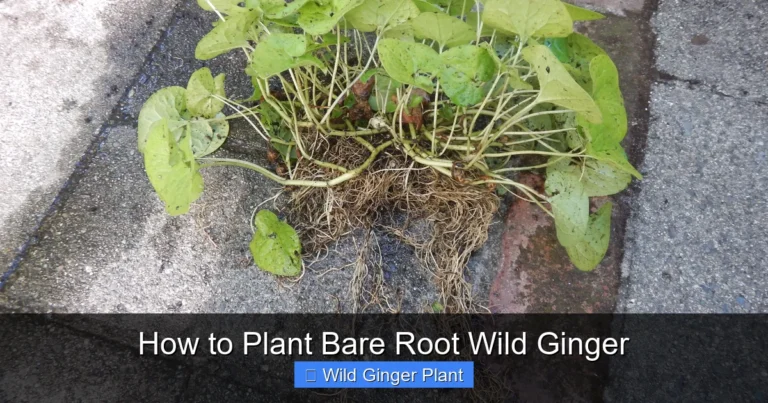
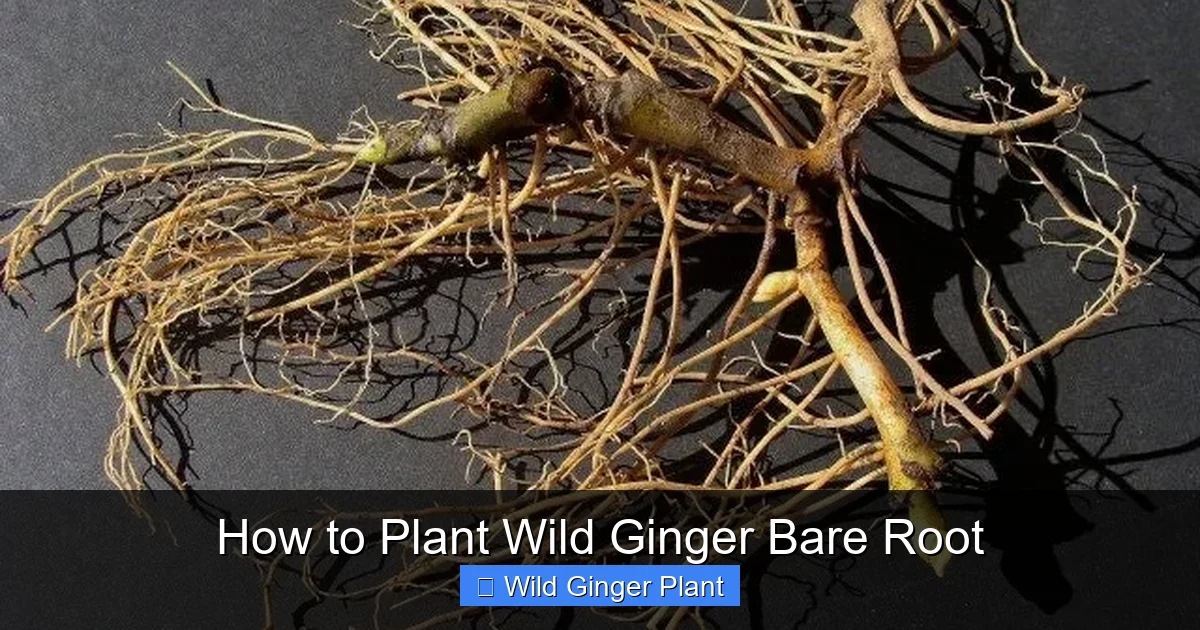
When you receive your bare root wild ginger, the plants may look unimpressive. You will see a knobby rhizome with several roots dangling below and perhaps a few small buds or “eyes” on top. Do not worry. This is exactly what a healthy dormant plant should look like. The energy for the first flush of growth is stored in that rhizome.
Ideal Growing Conditions
Before you start digging, take a moment to assess your planting site. Wild ginger evolved on the forest floor, so it thrives in conditions that mimic that environment. The most critical factor is shade. This plant needs dappled shade to full shade. It will not tolerate hot afternoon sun, which will scorch the leaves and stress the plant. Morning sun is acceptable in cooler climates, but in hot southern regions, even morning sun can be too intense.
Soil is the next big consideration. Wild ginger prefers rich, humusy, well-drained soil that stays consistently moist. Think of the soil in a mature forest: dark, crumbly, full of decomposed leaves, and damp but not soggy. The ideal pH range is slightly acidic to neutral, roughly 5.5 to 7.0. Heavy clay soils that stay waterlogged in winter can cause the rhizomes to rot. Very sandy soils that dry out quickly will also cause problems unless you amend them heavily and water diligently.
When to Plant Wild Ginger Bare Root
Spring Planting Advantages
Early spring is the most common time to plant bare root wild ginger. The plants are shipped while dormant, usually in March or April depending on your zone. Planting in early spring gives the rhizomes a full growing season to establish before winter. The cool, moist conditions of spring are perfect for root development. The plant can focus its energy on building a strong root system before the heat and dryness of summer arrive.
Visual guide about How to Plant Wild Ginger Bare Root
Image source: almanac.com
If you plant in spring, aim to get the roots in the ground as soon as the soil is workable. You do not need to wait until the last frost date. Wild ginger is very cold hardy (zones 3-8), and the dormant rhizomes can handle freezing temperatures. In fact, a light frost after planting will not hurt them at all. The sooner they are in the ground, the sooner they can start waking up naturally with the season.
Fall Planting Considerations
Fall is also an excellent time for how to plant wild ginger bare root, though bare root stock is less commonly available in autumn. Some specialty nurseries offer fall-dug plants. If you can find them, fall planting has distinct advantages. The soil is still warm from summer, which encourages rapid root growth. The air temperatures are cooling, reducing stress on any emerging foliage. And fall rains often provide consistent moisture without extra effort on your part.
If you plant in fall, do it at least six weeks before your ground typically freezes. This gives the roots enough time to anchor themselves before winter. Mulch heavily after planting to prevent frost heaving, which can push the shallow rhizomes out of the ground during freeze-thaw cycles.
What If You Can’t Plant Immediately?
Sometimes life gets in the way, and you cannot plant your bare root wild ginger the day it arrives. If you need to delay planting for a few days, keep the plants in their packaging in a cool, dark place. A refrigerator works well if you have space. Check the packing material (usually damp peat moss or shredded paper) and mist it if it feels dry. The roots should never dry out completely.
If the delay will be longer than a week, consider “heeling in” the plants. Dig a shallow trench in a shaded spot in your garden, lay the rhizomes in it at an angle, and cover the roots with soil. Water well. This temporary holding bed will keep the plants viable for several weeks until you are ready to plant them in their permanent location.
Preparing the Planting Site
Clearing and Amending the Soil
Good site preparation is the foundation of success when learning how to plant wild ginger bare root. Start by removing any existing vegetation from the planting area. This includes grass, weeds, and aggressive ground covers that might compete with your new plants. If the area is lawn, you can smother the grass with cardboard and mulch for a few months before planting, or remove the sod manually.
Once the area is clear, loosen the soil to a depth of at least eight to ten inches. A garden fork works well for this; it aerates the soil without pulverizing the structure like a rototiller might. Now comes the most important step: amending the soil. Wild ginger loves organic matter. Work in a generous amount of compost, well-rotted leaf mold, or aged manure. Aim for a mix that is roughly one-third amendment to two-thirds native soil. This improves drainage in clay soils, increases water retention in sandy soils, and adds the nutrients and beneficial microbes that woodland plants depend on.
Testing and Adjusting Soil pH
While wild ginger is adaptable, it performs best in slightly acidic soil. If you are unsure of your soil pH, a simple test kit from a garden center or a lab test through your local extension service will give you the answer. If your soil is very alkaline (above 7.5), you can lower the pH by incorporating elemental sulfur or peat moss into the planting area. If it is very acidic (below 5.0), a light application of garden lime will help. Remember, you are creating a long-term home for a perennial that spreads slowly. Taking the time to get the soil right now saves frustration later.
Creating a Woodland Soil Profile
If you really want to replicate the forest floor, consider building up the planting bed rather than just amending the existing soil. Spread a layer of coarse organic material like partially decomposed wood chips or leaf mold four to six inches deep over the planting area. Plant directly into this layer. As it breaks down, it will create the perfect humus-rich environment that wild ginger loves. This method also improves drainage in heavy soils by raising the root zone above the clay layer.
Step-by-Step Planting Instructions
Inspect and Hydrate the Roots
When you are ready to plant, unwrap your bare root wild ginger plants. Gently separate them if they are bundled together. Inspect each rhizome. It should feel firm, not mushy or shriveled. The roots should be pliable and light-colored, not brittle and dark. If the roots seem dry, soak them in a bucket of room-temperature water for thirty to sixty minutes before planting. This rehydrates the tissues and wakes the plant up from dormancy. Do not soak for more than a few hours, as prolonged immersion can deprive the roots of oxygen.
Dig the Planting Hole
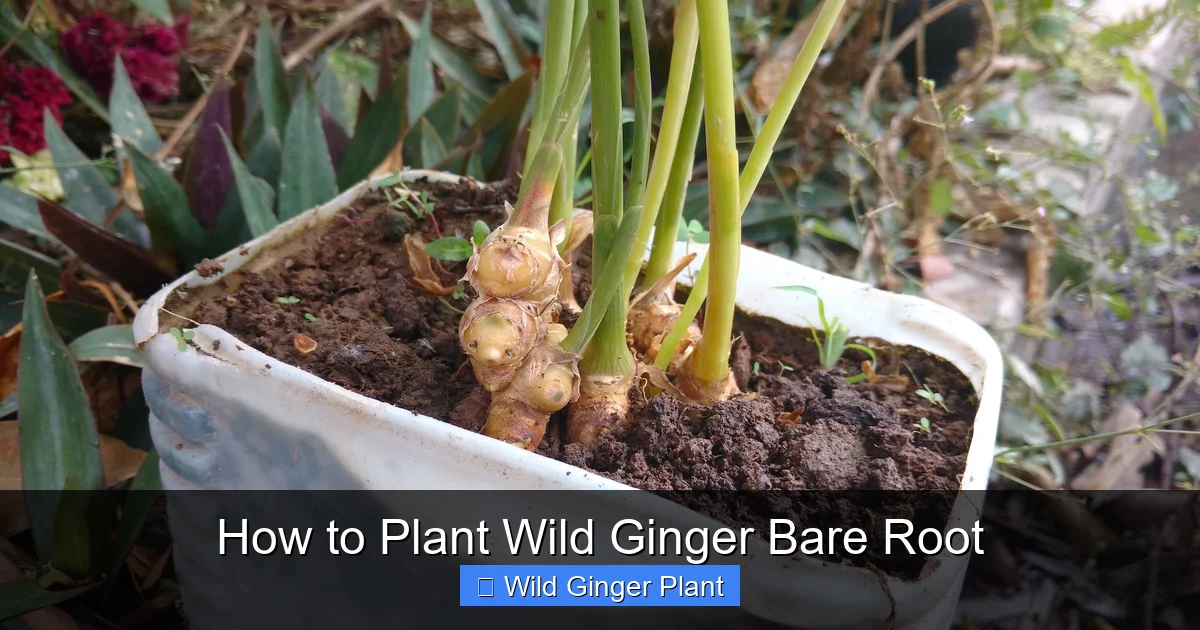
Dig a shallow hole for each plant. The hole should be wide enough to spread the roots out horizontally without bending or crowding them. A diameter of six to eight inches is usually sufficient. The depth is critical. Wild ginger rhizomes grow horizontally, just at or slightly below the soil surface. The hole should only be deep enough so that when the rhizome is placed in it, the top of the rhizome sits about half an inch to one inch below the final soil level. The buds or “eyes” on top of the rhizome should be facing up.
Position the Rhizome Correctly
This is the step where many gardeners go wrong. Lay the rhizome in the hole horizontally. Spread the roots out and downward into the bottom of the hole. If the rhizome has a distinct curve or bend, follow its natural shape. Do not force it straight. The growing buds must point upward. If you accidentally plant it upside down, the plant will likely still survive, but it will waste energy reorienting itself, delaying emergence.
If you are planting multiple plants to form a colony, space them twelve to eighteen inches apart. They will fill in the gaps over time. For a faster ground cover effect, you can plant them eight to ten inches apart, but you will need more plants initially. Arrange them in a staggered or diamond pattern rather than straight rows for a more natural look.
Backfill and Firm the Soil
Gently backfill the hole with your amended soil. Use your fingers to work soil in and around the roots, eliminating air pockets. Air pockets can dry out roots and prevent good soil-to-root contact. Once the hole is filled, firm the soil gently with your hands. Do not stomp on it. You want the soil to be in contact with the roots but not compacted. The top of the rhizome should be just barely covered. If you see it poking through, add a little more soil.
Water Thoroughly
Water each plant deeply immediately after planting. Use a gentle stream or a watering can with a rose attachment to avoid washing away the soil. You want the water to penetrate the entire root zone and settle the soil around the roots. This initial watering is crucial. It removes any remaining air pockets and ensures the roots have immediate access to moisture. If the soil settles significantly after watering, add a bit more soil to bring it back to level.
Apply Mulch
Mulching is non-negotiable for wild ginger. Apply a two to three-inch layer of organic mulch around the plants, keeping it pulled back slightly from the crown where the leaves will emerge. Shredded leaves are the ideal mulch because they mimic the natural forest floor and break down to feed the soil. Pine needles, shredded bark, or straw also work well. Avoid large wood chips, which can take too long to decompose and may rob nitrogen from the soil initially. Mulch conserves moisture, suppresses weeds, moderates soil temperature, and eventually becomes the humus that wild ginger thrives in.
First Season Care and Establishment
Watering Schedule
The first growing season is critical for bare root wild ginger. The plant is building the root system that will support it for years to come. Consistent moisture is the key. Check the soil every few days by sticking your finger in an inch or two. It should feel cool and damp, like a wrung-out sponge. Water deeply whenever the top inch of soil feels dry. Avoid frequent, shallow watering, which encourages roots to stay near the surface where they are vulnerable to drying out.
During hot, dry spells, you may need to water every two to three days. In cooler, cloudy weather, once a week might be enough. Pay attention to your specific conditions. A soaker hose or drip irrigation line covered by mulch is the most efficient way to water a wild ginger planting. It delivers water directly to the root zone without wetting the foliage, which can reduce the risk of fungal diseases.
Weed Management
Weeds are the enemy of slow-spreading wild ginger. Because the plants are small and grow close to the ground, aggressive weeds can quickly smother them. The mulch you applied at planting will suppress many weeds, but some will inevitably appear. Remove weeds by hand as soon as you see them. Pull gently to avoid disturbing the shallow rhizomes of the wild ginger. If a weed is large and well-rooted, clip it off at ground level rather than yanking it out. Regular, early weeding is much easier than battling a jungle later.
Fertilizing: Less Is More
Wild ginger is not a heavy feeder. If you amended the soil well at planting time, you probably do not need to fertilize at all during the first year. Too much nitrogen encourages lush, soft growth that is more susceptible to pests and diseases. It can also reduce the plant’s natural hardiness. If your soil is very poor or you see signs of nutrient deficiency (yellowing leaves, stunted growth), apply a light top-dressing of compost in early spring or a very dilute application of a balanced organic fertilizer. But remember, in a natural woodland, nutrients come from slowly decomposing leaf litter, not from a bottle.
Watching for Growth
Be patient. Bare root wild ginger often takes a few weeks to show signs of life after spring planting. The plant is busy underground first. You might not see leaves until four to six weeks after planting, depending on soil temperature. Fall-planted plants will not emerge until the following spring. When the leaves do appear, they will start as tight, fuzzy buds pushing through the mulch. They unfurl into the characteristic heart shapes. The first year’s leaves may be smaller than those on mature plants. This is normal.
Long-Term Maintenance and Propagation
Annual Care Routine
Once established, wild ginger is remarkably low-maintenance. The annual care routine is simple. In late winter or early spring, before new growth starts, remove any heavy leaf litter that might mat down and smother the emerging buds. A light layer of leaves is fine and beneficial. Replenish the mulch layer to maintain a two to three-inch depth. This is also a good time to top-dress with a thin layer of compost or leaf mold if the soil looks depleted.
During the growing season, water during extended droughts. Established plants have deeper roots and can tolerate short dry periods, but they will look their best with consistent moisture. In fall, let the leaves die back naturally. They will decompose and add to the soil organic matter. You do not need to cut them back. If the planting becomes very dense over many years, airflow might be reduced, potentially leading to slug issues or fungal spots. Thinning some of the older rhizomes can help, but this is rarely necessary.
Dividing Established Clumps
After three to five years, your wild ginger plants will form dense clumps. This is the perfect time to divide them to expand your planting or share with friends. The best time to divide is early spring, just as the buds are beginning to swell, or in early fall. Dig up the entire clump carefully with a garden fork. Gently tease apart the rhizomes. Each division should have a section of rhizome with roots attached and at least one or two visible buds. Replant the divisions immediately using the same technique described for how to plant wild ginger bare root. Water well and mulch.
Managing Pests and Diseases
Wild ginger is generally trouble-free. Slugs and snails are the most common pests, especially in the moist, shady conditions this plant loves. They chew holes in the leaves, which are unsightly but rarely fatal. Hand-picking at night, beer traps, or iron phosphate baits can control them. Avoid metaldehyde baits, which are toxic to pets and wildlife. Fungal leaf spots can occur in very humid, stagnant conditions. Good air circulation (achieved by proper spacing) and avoiding overhead watering prevent most issues. Deer and rabbits typically avoid wild ginger due to the aromatic compounds in the leaves.
Companion Planting Ideas
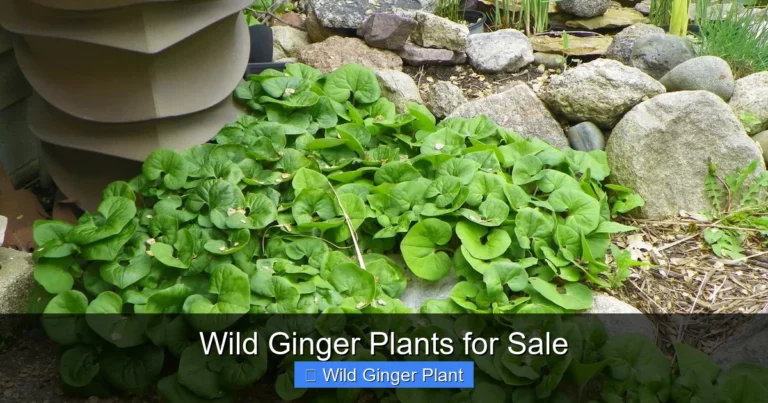
Wild ginger plays well with others in the shade garden. Its low, spreading habit makes it an excellent “green mulch” under taller shade perennials. Good companions include ferns (like maidenhair, Christmas fern, or lady fern), hostas, foamflower (Tiarella), woodland phlox (Phlox divaricata), bleeding heart (Dicentra), and native spring ephemerals like trillium, bloodroot, and Virginia bluebells. The wild ginger fills in around these plants, covering the soil after the ephemerals go dormant. It also pairs beautifully with shade-tolerant sedges (Carex species) for a textural contrast.
Troubleshooting Common Problems
Plants Fail to Emerge
If your bare root wild ginger does not appear by early summer (for spring planting) or the following spring (for fall planting), something went wrong. The most common causes are planting too deep, letting the roots dry out before or after planting, poor drainage causing rot, or rodent damage. Voles and chipmunks sometimes eat the rhizomes. Gently dig around the planting spot to investigate. If the rhizome is firm and you see small white roots, it may just be slow. Leave it be and keep the area watered. If it is mushy or gone, you will need to replant.
Leaves Scorch or Turn Yellow
Scorched, brown leaf edges or yellowing leaves usually indicate too much sun or not enough water. Wild ginger is a true shade plant. If the site gets more sun than you realized (perhaps a tree was removed), you may need to transplant to a shadier spot or provide artificial shade with a shade cloth. Yellowing can also indicate nutrient deficiency, particularly nitrogen or iron, often caused by soil pH that is too high. A soil test will guide corrections.
Plants Don’t Spread
Wild ginger is naturally a slow spreader. It expands by rhizomes at a rate of a few inches per year. If after several years your plants are staying as tight individual clumps, the conditions may not be ideal. Check soil moisture and organic matter content. These plants spread fastest in consistently moist, humus-rich soil. You can encourage spreading by occasionally loosening the soil around the edges of the clump and adding a layer of leaf mold. This creates an inviting path for the rhizomes to travel.
Flowers Are Missing
Don’t panic if you never see flowers. Wild ginger flowers are produced at ground level and are often hidden by leaf litter or the leaves themselves. They are also relatively inconspicuous, being brownish-purple and jug-shaped. Many gardeners grow wild ginger for years without ever noticing the blooms. The flowers are not the ornamental feature of this plant; the foliage is. As long as the leaves look healthy, the plant is doing fine.
Designing with Wild Ginger in the Landscape
Ground Cover for Difficult Shade
One of the best uses for wild ginger is as a ground cover in dry shade under mature trees. This is one of the toughest garden situations. Tree roots compete for water and nutrients, and the canopy blocks rain. Wild ginger, once established, is surprisingly tolerant of dry shade compared to many other plants. Its rhizomes can navigate around tree roots. To succeed in this environment, water regularly during the first two years, mulch heavily with leaves every fall, and consider installing a soaker hose for supplemental water during droughts.
Woodland Garden Paths
Plant wild ginger along the edges of a woodland path. The soft foliage invites touch and creates a lush, inviting border. Because it stays low (under twelve inches), it will not obstruct the path or create a feeling of enclosure. The leaves release their ginger scent when brushed against, adding a sensory dimension to a garden walk. Combine it with stepping stones or a mulch path for a magical effect.
Erosion Control on Shady Slopes
On gentle, shady slopes where grass won’t grow and erosion is a concern, wild ginger can help stabilize the soil. Its network of rhizomes and fibrous roots holds the topsoil in place. Plant in a staggered grid pattern, spacing plants twelve inches apart. Mulch heavily with shredded bark or leaves, which stays in place better than lighter mulches on slopes. Water regularly until established. Avoid very steep slopes where the plants might wash or slide out before rooting.
Container Growing
While wild ginger is typically grown in the ground, it can thrive in containers if you have limited space or want to feature it on a shaded patio. Choose a wide, shallow pot rather than a deep one, as the rhizomes spread horizontally. Use a high-quality potting mix amended with compost and coarse sand or perlite for drainage. Keep the container in full shade. Water frequently, as containers dry out faster than garden soil. Repot or divide every two to three years as the rhizomes fill the pot.
Conclusion
Learning how to plant wild ginger bare root opens the door to one of the most rewarding native ground covers for shade gardens. This unassuming plant brings a quiet elegance to the landscape, asking for little and giving much in return. The keys to success are simple: choose a shady spot, prepare the soil with plenty of organic matter, plant the rhizomes horizontally at the correct shallow depth, water consistently, and mulch generously. Do these things, and your wild ginger will settle in and begin its slow, steady march across the forest floor of your garden.
Remember that gardening with native plants like wild ginger is a practice in patience. You are not just planting a plant; you are restoring a piece of the natural ecosystem. Over the years, your patch of wild ginger will become a haven for beneficial insects, a living mulch that builds soil health, and a beautiful, textural carpet that changes with the seasons. The hidden flowers will feed early pollinators. The aromatic leaves will deter deer. And you will have the satisfaction of knowing you have cultivated a piece of North America’s botanical heritage right in your own backyard.
So when that box of bare root rhizomes arrives, don’t be intimidated by their humble appearance. Follow the steps outlined here, trust the process, and look forward to the day when you push aside the mulch in early spring to find those fuzzy, heart-shaped buds pushing up, ready to unfurl into another season of green beauty. Happy planting.
Frequently Asked Questions
Is wild ginger the same as culinary ginger?
No, wild ginger (Asarum canadense) is a completely different plant from culinary ginger (Zingiber officinale). They are not related. Wild ginger is a native North American woodland perennial grown for its ornamental foliage, while culinary ginger is a tropical plant grown for its edible rhizome.
Can I eat wild ginger roots?
While historically used by Indigenous peoples and early settlers as a flavoring and medicine, wild ginger contains aristolochic acid, which can be toxic and carcinogenic in significant amounts. Modern herbalists generally advise against internal use. It is best enjoyed as an ornamental ground cover.
Will wild ginger choke out other plants?
Wild ginger forms a dense mat but spreads slowly. It is not considered aggressive or invasive. It coexists well with other shade perennials like ferns, hostas, and spring ephemerals, acting as a living mulch rather than a smothering invader.
Do I need to cut back wild ginger in the fall?
No, you do not need to cut back wild ginger. The leaves die back naturally in winter and decompose, adding organic matter to the soil. Removing them deprives the plant of its natural mulch and nutrient cycle.
Can wild ginger grow in dry shade under large trees?
Yes, once established, wild ginger is one of the better plants for dry shade. However, it needs regular watering for the first two years to develop a root system that can compete with tree roots. Heavy mulching with leaves each fall also helps retain moisture.
How do I propagate wild ginger to get more plants?
The easiest method is division. In early spring or early fall, dig up an established clump, gently separate the rhizomes ensuring each piece has roots and a bud, and replant immediately. You can also grow from seed, but it is very slow and requires cold stratification.