European Wild Ginger Plants for Sale
European wild ginger plants for sale offer gardeners a beautiful, low-maintenance ground cover for shady areas. These hardy perennials feature glossy heart-shaped leaves and unique hidden flowers that add texture to woodland gardens.
If you have a shady spot in your garden that needs life, you might want to look at European wild ginger plants for sale. This charming little plant goes by the scientific name Asarum europaeum. It is a favorite among shade gardeners for good reason. The leaves are shiny and shaped like hearts. They stay green through most of the year. The flowers are unusual. They sit low on the ground, hidden under the leaves. They are a deep reddish-brown color. You have to peek under the foliage to see them.
Many gardeners search for European wild ginger plants for sale because they need a ground cover that works where grass won’t grow. This plant spreads slowly by underground stems called rhizomes. Over a few years, it forms a thick carpet. Weeds have a hard time pushing through. It is not aggressive like some other ground covers. It stays polite. It plays well with other shade plants like hostas, ferns, and hellebores. Let’s dig into everything you need to know before you buy.
Key Takeaways
- Shade-loving perennial: European wild ginger thrives in partial to full shade conditions
- Evergreen foliage: Glossy heart-shaped leaves provide year-round interest in mild climates
- Slow spreading habit: Forms dense mats over time without becoming invasive
- Deer resistant: Naturally unpalatable to deer and rabbits
- Unique flowers: Bell-shaped blooms hide beneath foliage in spring
- Easy maintenance: Requires minimal care once established in proper conditions
- Multiple buying options: Available as bare root, potted plants, or divisions
Quick Answers to Common Questions
How fast does European wild ginger spread?
European wild ginger spreads slowly, typically taking 3-5 years to form a dense mat. It expands by short rhizomes at a rate of a few inches per year.
Is European wild ginger deer resistant?
Yes, European wild ginger is highly deer resistant. The aromatic compounds in the leaves make it unpalatable to deer and rabbits.
Can European wild ginger grow in full sun?
No, European wild ginger cannot tolerate full sun. It requires partial to full shade. Hot afternoon sun will scorch the leaves.
When is the best time to plant European wild ginger?
Early fall (September-October) is ideal for planting. Spring planting (March-May) also works well. Avoid summer planting due to heat stress.
Does European wild ginger stay green in winter?
In zones 6-7, European wild ginger is evergreen. In zones 4-5, the foliage may become tattered but often persists until heavy snow cover.
📑 Table of Contents
Understanding European Wild Ginger
Botanical Background
European wild ginger belongs to the birthwort family, Aristolochiaceae. It is native to Europe. You can find it growing wild in deciduous forests from southern Finland down to Italy. It also grows in parts of western Russia. The plant prefers rich, humus-heavy soil. It likes the dappled light under tree canopies. The species name europaeum simply means “of Europe.”
This plant is not related to the culinary ginger you buy at the grocery store. That ginger is Zingiber officinale. They are in completely different plant families. European wild ginger gets its common name because the roots smell like ginger when crushed. Historically, people used the root as a spice substitute. Today, we grow it mostly for its ornamental value. The foliage is the real star of the show.
Growth Habit and Appearance
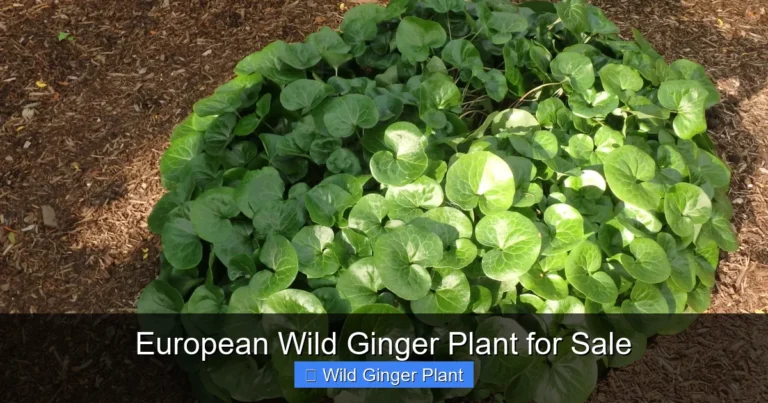
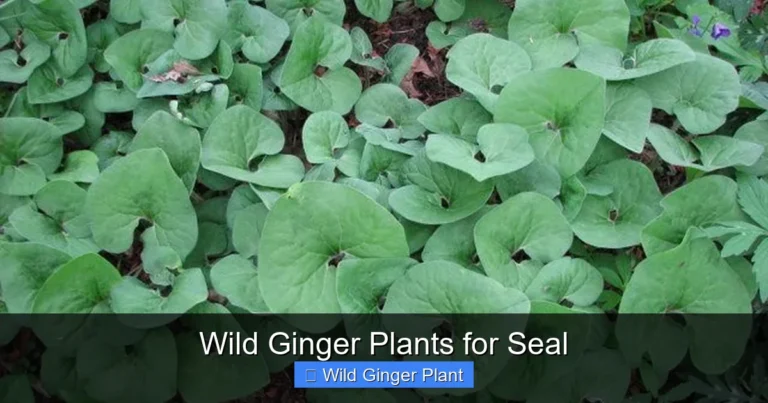
Each plant forms a low clump. It typically reaches four to six inches tall. The spread is slow but steady. A single plant can cover about twelve to eighteen inches wide after a few years. The leaves are the main attraction. They are kidney-shaped or heart-shaped. They have a leathery texture. The surface is glossy, almost waxy. The color is a deep, rich green. In mild winters, the leaves stay evergreen. In colder zones, they may look a bit tattered by spring. New growth emerges fresh in April.
The flowers appear in late spring. Usually, this is April to May depending on your zone. They are solitary. Each flower sits on a short stalk at ground level. The shape is like a little bell or jug. The color is a purplish-brown or maroon. They have three pointed lobes. Because they sit so low, they are often hidden by the leaves. Ants pollinate them. The seeds have a fleshy attachment called an elaiosome. Ants carry the seeds to their nests. They eat the attachment and discard the seed. This helps the plant spread in nature.
Hardiness and Climate Needs
European wild ginger is hardy in USDA zones 4 through 7. Some sources say it can handle zone 8 with enough shade and moisture. It does not like hot, humid summers. If you live in the deep south, this might not be the best choice. It prefers cool, temperate climates. It needs a period of winter dormancy. In zones 4 and 5, a layer of mulch helps protect the crowns. In zones 6 and 7, it usually sails through winter without extra help.
Why Choose European Wild Ginger for Your Garden
Perfect for Deep Shade
Finding plants for deep shade is a challenge. Hostas work. Ferns work. But European wild ginger plants for sale offer something different. They tolerate very low light. They can grow under dense evergreen trees. They can grow on the north side of a building. They handle root competition from large trees better than many perennials. The leathery leaves don’t scorch easily. If you have a dark corner where nothing else thrives, give this plant a try.
Year-Round Visual Interest
In spring, the new leaves unfurl. They are a bright, fresh green. The hidden flowers add a secret treasure hunt element. In summer, the foliage forms a solid, weed-suppressing mat. The glossy texture catches light. It brightens a shady bed. In fall, the leaves often take on a bronzy tint. In winter, in zones 6 and up, the foliage persists. It provides structure when everything else has died back. Even in zone 4, the leaves often hang on until heavy snow flattens them.
Wildlife Benefits
Deer do not like European wild ginger. Rabbits avoid it too. The leaves contain aromatic compounds that taste bad to mammals. This is a huge plus if you garden in deer country. The flowers provide early nectar for small flies and beetles. Ants disperse the seeds. The dense foliage gives shelter to beneficial insects. Ground beetles and spiders hunt in the cover. It is a small but valuable piece of the garden ecosystem.
Low Maintenance Once Established
After the first year, care is minimal. You don’t need to deadhead. The flowers are inconspicuous anyway. You don’t need to divide it often. Every five to ten years is fine if the center gets woody. You don’t need to fertilize heavily. A top dressing of compost in fall is plenty. Water during dry spells the first season. After that, it handles normal drought well. It really is a plant-it-and-enjoy-it perennial.
Buying European Wild Ginger: What to Look For
Bare Root vs. Potted Plants
When you browse European wild ginger plants for sale, you will see two main forms. Bare root plants are dug from fields in fall or early spring. They are shipped dormant with no soil on the roots. They are lighter and cheaper to ship. You get more plant for your money. The downside? You must plant them quickly. They dry out fast. Potted plants come in containers, usually quart or gallon size. They have active root systems. You can plant them any time the ground isn’t frozen. They establish faster. They cost more upfront.
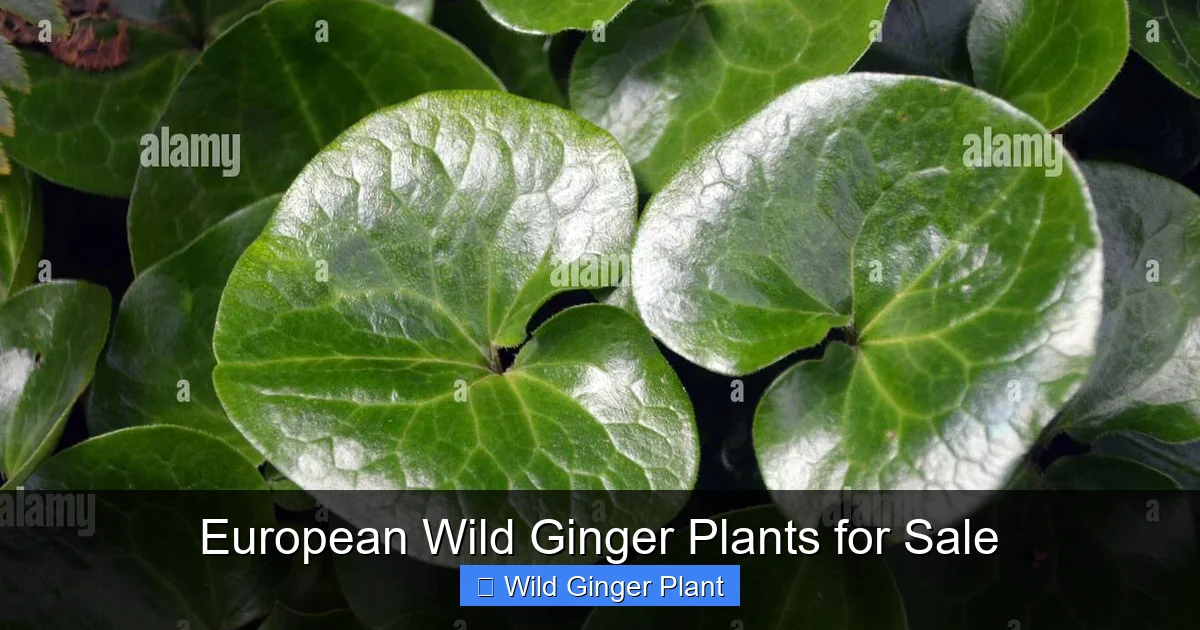
Visual guide about European Wild Ginger Plants for Sale
Image source: c8.alamy.com
Evaluating Plant Health
Whether bare root or potted, check for quality. For bare root, the rhizomes should be firm and plump. They should be white or light tan inside. Avoid any that are mushy, black, or smell rotten. There should be visible buds or “eyes” on the rhizome. These are the growing points. For potted plants, look at the foliage. It should be deep green and glossy. No yellowing. No spots. No holes from pests. Gently tip the pot. The roots should be white and fill the pot. They shouldn’t be circling tightly. That means root-bound.
Size and Age Considerations
You will see different sizes offered. “Division” or “start” usually means a small piece of rhizome with one or two buds. These are budget-friendly. They take two to three years to fill in. “Mature plant” or “specimen” means a larger clump. It might be two to three years old already. It gives instant impact. It costs more. For a large area, buying smaller divisions makes sense. For a featured spot, a mature plant is worth the extra cost.
Reputable Sources
Buy from nurseries that specialize in shade perennials or native plants. Avoid big box store garden centers in summer. The plants often sit in hot sun and dry out. Online mail-order nurseries often have better selection. Look for guarantees. A good nursery offers a replacement or refund if the plant fails within a year. Read reviews. Check if they ship at the right planting time for your zone. Spring and fall are best. Summer shipping stresses the plants.
Price Ranges
Prices vary. Bare root divisions: three to eight dollars each. Quart pots: eight to fifteen dollars. Gallon pots: fifteen to twenty-five dollars. Rare cultivars cost more. Buying in bulk often gets a discount. Some nurseries sell flats of 32 or 50 plugs for large projects. Factor in shipping. Bare root ships cheaper. Heavy pots cost more to ship. Local pickup saves money if you live near a specialty nursery.
Planting and Establishment
Choosing the Right Site
Site selection determines success. You need shade. Dappled shade is ideal. Morning sun with afternoon shade works. Full deep shade works. Avoid hot afternoon sun. The leaves will scorch. The soil must drain well. Clay is okay if it doesn’t stay soggy. Sandy soil is okay if you add organic matter. The pH should be slightly acidic to neutral. 5.5 to 7.0 is the sweet spot. Test your soil if you aren’t sure. Good air circulation helps prevent fungal issues. Don’t plant in a stagnant, damp hollow.
Soil Preparation
European wild ginger loves humus. In nature, it grows in centuries of leaf litter. Mimic this. Dig the planting area eight to ten inches deep. Remove weeds and roots. Mix in two to three inches of compost. Leaf mold is perfect if you have it. Aged manure works. Peat moss works but is less sustainable. Coconut coir is a good alternative. If your soil is heavy clay, add some coarse sand or fine grit along with the compost. This improves drainage. Don’t just dig a hole. Amend the whole bed. The rhizomes spread horizontally.
Planting Depth and Spacing
This is critical. Plant too deep, and the crown rots. Plant too shallow, and the rhizomes dry out. The top of the rhizome should sit just at soil level. Or barely covered with half an inch of soil. The buds should point up. Spread the roots out horizontally. Backfill gently. Firm the soil with your hands. Don’t stomp. Water well to settle soil around roots. Space plants twelve to eighteen inches apart. For faster cover, go twelve inches. For budget, eighteen inches. They will meet in the middle eventually.
Timing Your Planting
Spring and fall are the two windows. Spring planting: as soon as the ground can be worked. Usually March to May depending on zone. The plant has all season to root in before winter. Fall planting: September to October. At least six weeks before hard freeze. The soil is warm. Roots grow fast. Top growth slows. This is actually the best time. The plant establishes with less watering. Summer planting is risky. Heat and drought stress new plants. If you must plant in summer, provide shade cloth and daily water.
First Season Care
The first year is about roots. Water deeply once a week if no rain. Check soil moisture two inches down. Mulch with shredded leaves or bark. Two inches thick. Keep mulch off the crowns. Pull weeds by hand. Don’t use a hoe. The rhizomes are shallow. Don’t fertilize the first year. The compost you mixed in is enough. In late fall, after the ground freezes, add a loose layer of straw or evergreen boughs in zones 4 and 5. This prevents frost heaving. Remove it gradually in early spring.
Long-Term Care and Maintenance
Watering Needs
Established plants are fairly drought tolerant. But they look best with consistent moisture. In a normal year, rainfall is enough. In a dry spell, water every ten to fourteen days. Soak the root zone. Don’t just wet the surface. A soaker hose or drip irrigation works great. Overhead watering can promote leaf spot diseases. Water in the morning so foliage dries fast. In fall, keep watering until the ground freezes. Hydrated roots survive winter better.
Fertilizing Schedule
Less is more. These are not heavy feeders. In early spring, sprinkle a balanced organic fertilizer. Something like 5-5-5 or 4-4-4. Use half the recommended rate. Or just top dress with an inch of compost. That’s all they need. Too much nitrogen makes soft growth. Soft growth gets damaged by cold. It also attracts slugs. If your soil is rich, you might not need any fertilizer at all. Watch the leaves. Deep green and glossy means happy. Pale or yellowish means hungry.
Mulching Practices
Mulch is your friend. It keeps soil moist. It keeps soil cool. It suppresses weeds. It feeds the soil as it breaks down. Shredded leaves are the gold standard. They mimic the forest floor. Pine needles work. Bark chips work but break down slowly. Apply two to three inches in spring. Refresh in fall. Always keep mulch pulled back from the crowns. A mulch volcano around the base causes rot. Leave a one-inch gap around each plant.
Dividing and Propagating
Division is the easiest way to get more plants. Do it in early spring or early fall. Dig up a clump. Wash or shake off soil. You will see the rhizomes. They look like thick roots growing horizontally. Cut them into sections. Each piece needs at least one bud. Two or three buds is better. Replant immediately at the same depth. Water well. The divisions may look sad for a few weeks. They will recover. You can also grow from seed. But it’s slow. Seeds need cold stratification. They take two years to reach planting size. Division is faster and true to type.
Pest and Disease Management
Good news. Problems are rare. Slugs and snails sometimes nibble new spring growth. Use iron phosphate bait if needed. Beer traps work. Diatomaceous earth works. Leaf spot fungi can appear in wet, stagnant conditions. Improve air flow. Remove badly spotted leaves. Don’t compost them. Root rot happens in poorly drained soil. Prevention is the cure. Plant in well-drained soil. Don’t overwater. Crown rot happens if mulch buries the crown. Keep the crown exposed. Voles sometimes eat rhizomes in winter. Hardware cloth barriers help if this is a problem.
Designing with European Wild Ginger
Companion Planting Ideas
European wild ginger plants for sale pair beautifully with many shade lovers. Think about texture contrast. The glossy, round leaves look great next to feathery ferns. Japanese painted fern, lady fern, and Christmas fern are good partners. Hostas offer bold, broad leaves. Choose smaller varieties like ‘Mouse Ears’ or ‘Blue Mouse Ears’ so they don’t swamp the ginger. Heucheras add colorful foliage. Purple, caramel, or lime leaves pop against the dark green. Hellebores bloom early. Their leathery leaves persist. They share the same cultural needs.
Spring ephemerals are magical companions. Plant Virginia bluebells, trilliums, or bloodroot among the ginger. They bloom and fade before the ginger needs the space. The ginger covers the dying foliage of the ephemerals. It’s a perfect succession. For summer color, add astilbe. The feathery plumes rise above the ginger carpet. Lungwort (Pulmonaria) offers spotted leaves and blue-pink flowers. Solomon’s seal arches gracefully over the top. The combinations are endless.
Garden Styles and Uses
This plant fits many styles. In a woodland garden, it’s essential. It mimics the native forest floor. In a shade border, it’s a tidy edging plant. Line a path with it. The glossy leaves define the edge. In a rock garden, tuck it into crevices. It softens hard edges. In a Japanese garden, it represents the ground layer. It works in a fairy garden. The small scale fits miniature landscapes. It grows well in containers. Use a wide, shallow pot. Mix with a small fern and a heuchera. Keep it watered.
Erosion control is a practical use. On a shady slope, the rhizomes hold soil. Plant them in a grid pattern. They knit together over time. Under trees, they solve the “nothing grows here” problem. They tolerate root competition. They don’t mind the dry shade under maples or oaks once established. They are an alternative to mulch rings around trees. Much prettier than bare wood chips.
Seasonal Interest Planning
Plan for the whole year. Spring: Ginger emerges. Pair with early bulbs. Snowdrops, crocus, scilla. They bloom through the ginger. Summer: Ginger is a steady green carpet. Add astilbe, hosta, and heuchera for variety. Fall: Ginger may turn bronzy. Pair with Japanese anemone or toad lily (Tricyrtis). They bloom in fall shade. Winter: In mild zones, ginger stays green. Add evergreen ferns like Christmas fern. Add hellebores for winter flowers. The garden never looks dead.
Common Questions About European Wild Ginger
Is It Invasive?
No. This is a common worry. The word “wild” and “ginger” and “spreads” trigger alarm bells. But European wild ginger is a slow, clump-forming spreader. It expands by short rhizomes. It does not run across the garden. It does not seed aggressively. The ants move seeds short distances. It stays where you put it. It is not on any invasive species list in North America. It is well-behaved. If it ever gets too wide, you just dig up the edge. Easy.
Can You Eat It?
Technically, the root smells and tastes like ginger. Historically, Europeans used it as a spice. However, modern science says caution. The plant contains aristolochic acid. This compound can damage kidneys. It is carcinogenic in high doses. Culinary use is not recommended. Don’t eat it. Don’t make tea from it. Enjoy it with your eyes. Use store-bought ginger for cooking. It’s safer and tastes better anyway.
Why Is My Plant Not Spreading?
Patience. This is the number one complaint. “I planted it three years ago and it’s barely bigger.” That’s normal. The first year, it roots. The second year, it establishes. The third year, it starts to creep. By year five, you have a nice patch. If it’s been five years and nothing, check conditions. Too much sun? Too dry? Too wet? Poor soil? Compacted soil? Fix the issue. Top dress with compost. Water consistently. It will respond.
What About the Native Alternative?
North America has its own wild ginger. Asarum canadense. Canadian wild ginger. It is very similar. Larger leaves. Fuzzier texture. Deciduous (loses leaves in winter). Hardier (zone 2). Spreads a bit faster. Flowers are similar but fuzzier. If you garden in zones 2 or 3, or want a native plant, choose Asarum canadense. If you want evergreen foliage in zones 5-7, choose Asarum europaeum. Both are great. Some nurseries sell both. You can plant them together.
Can It Grow Indoors?
Not really. It needs winter dormancy. It needs cool temperatures. It needs high humidity. Indoor air is too dry and warm. It might survive a few months. But it will decline. If you want a ginger-like houseplant, look at Peperomia or Begonia. They have similar leaf shapes. They thrive indoors. Keep European wild ginger outside where it belongs.
Conclusion
European wild ginger plants for sale represent one of the best investments for a shade garden. This humble perennial delivers so much. Glossy evergreen foliage. Weed-suppressing density. Deer resistance. Unique hidden flowers. Low maintenance needs. Longevity. It asks for so little. Shade. Decent soil. Moisture while establishing. In return, it gives you a lush, green carpet that looks good twelve months a year.
Whether you buy bare root divisions to cover a slope or a specimen pot to anchor a shade container, you won’t regret adding this plant. Take your time choosing a source. Prepare the soil well. Plant at the right depth. Water the first year. Then step back and watch. In a few years, you’ll have a beautiful patch. You might even find yourself digging divisions to share with friends. That’s the mark of a great garden plant. It makes you want to spread the joy.
So next time you’re browsing European wild ginger plants for sale, don’t hesitate. Add a few to your cart. Your shady spots will thank you. Your back will thank you (less weeding). The deer will ignore you (in a good way). And every spring, you’ll get to play hide-and-seek with those secret little flowers. Happy planting.
Frequently Asked Questions
What is the difference between European wild ginger and Canadian wild ginger?
European wild ginger (Asarum europaeum) has smaller, glossier, evergreen leaves and is hardy in zones 4-7. Canadian wild ginger (Asarum canadense) has larger, fuzzy, deciduous leaves and is hardy to zone 2. Both have similar flowers and cultural needs.
How far apart should I space European wild ginger plants?
Space plants 12-18 inches apart. For faster coverage, use 12-inch spacing. For a more budget-friendly approach, 18-inch spacing works well as they will fill in over time.
Why are my European wild ginger leaves turning yellow?
Yellow leaves usually indicate too much sun, poor drainage, or nutrient deficiency. Check if the plant gets afternoon sun. Ensure soil drains well. Top dress with compost or apply a light balanced fertilizer in spring.
Can I divide European wild ginger in summer?
It’s best to divide in early spring or early fall. Summer division stresses the plant due to heat and water demand. If you must divide in summer, provide shade cloth and keep very well watered.
Do I need to cut back European wild ginger in fall?
No, do not cut back in fall. The evergreen foliage protects the crown over winter. In spring, remove any winter-damaged leaves as new growth emerges.
Where can I buy European wild ginger plants for sale locally?
Check specialty perennial nurseries, native plant societies, and botanical garden sales. Avoid big box stores in summer. Many quality mail-order nurseries ship bare root or potted plants at proper planting times for your zone.