Best Time to Plant Wild Ginger
The best time to plant wild ginger is early spring or early fall when soil temperatures are mild and moisture is consistent. This native woodland perennial establishes strong roots before extreme weather arrives, rewarding you with lush, heart-shaped foliage and unique hidden flowers for years to come.
If you have ever wandered through a rich, moist woodland in eastern North America, you have likely brushed past wild ginger without even noticing it. This unassuming native perennial hugs the forest floor, its heart-shaped leaves forming a living carpet that suppresses weeds and holds precious soil in place. But here is the secret that experienced shade gardeners know: wild ginger is one of the most reliable, low-maintenance groundcovers you can grow. The key to success? Simply knowing the best time to plant wild ginger and giving it a proper start.
I have helped dozens of gardeners transform bare, difficult shade patches into thriving woodland gardens. The questions are always the same. When do I plant? How deep? How much water? The answers are straightforward, but timing makes all the difference. Plant at the wrong time, and you will watch struggling plants wither in summer heat or freeze before roots take hold. Plant at the right time, and you will be rewarded with a self-sustaining patch that expands gracefully year after year.
Key Takeaways
- Spring planting works best: Plant in early spring after the last frost when soil reaches 50°F for optimal root establishment.
- Fall is your second window: Early fall planting gives roots 6-8 weeks to establish before winter dormancy sets in.
- Soil temperature matters more than air temperature: Aim for consistent 50-65°F soil temps for the strongest start.
- Choose the right spot first: Wild ginger needs full to partial shade and rich, moist, well-draining soil to thrive.
- Space plants 12-18 inches apart: This allows room for rhizomes to spread and form a dense, weed-suppressing mat.
- Water consistently the first year: Keep soil evenly moist but never soggy until plants are fully established.
- Mulch with leaf litter: Mimic forest floor conditions with shredded leaves to retain moisture and build soil health.
Quick Answers to Common Questions
What is the absolute best month to plant wild ginger?
April is ideal in most regions. Soil has warmed to 50°F+, spring rains provide moisture, and plants have the full growing season to establish before winter.
Can I plant wild ginger in summer?
Only if necessary. Summer heat stresses new plantings. If you must plant in summer, provide daily water, temporary shade, and expect slower establishment.
How deep should I plant wild ginger rhizomes?
Plant rhizomes horizontally with the top just at or slightly below the soil surface. Cover with only ½ to 1 inch of soil. Planting too deep causes crown rot.
Will wild ginger spread aggressively?
No. Wild ginger spreads slowly by shallow rhizomes, forming a polite clump 12-18 inches wide in 3-5 years. It is not invasive and is easily controlled by division.
Does wild ginger need fertilizer?
No. If you amend soil with compost at planting, no fertilizer is needed. Excess nitrogen creates weak growth. A light compost top-dressing in spring of year two is sufficient.
📑 Table of Contents
- Understanding Wild Ginger: A Quick Primer
- The Best Time to Plant Wild Ginger: Seasonal Breakdown
- Preparing Your Site for Success
- Step-by-Step Planting Guide
- Caring for Newly Planted Wild Ginger
- Common Mistakes to Avoid
- Propagating and Expanding Your Patch
- Designing with Wild Ginger
- Troubleshooting Common Problems
- Regional Considerations
- Wild Ginger Through the Seasons
- Conclusion
Understanding Wild Ginger: A Quick Primer
Before we dive into planting calendars, let us get to know this plant. When we say wild ginger, we usually mean Asarum canadense, also called Canadian wild ginger or broad-leaved wild ginger. It is not related to the culinary ginger you buy at the grocery store. That is Zingiber officinale, a tropical plant. Our native wild ginger belongs to the birthwort family, Aristolochiaceae.
What Makes Wild Ginger Special
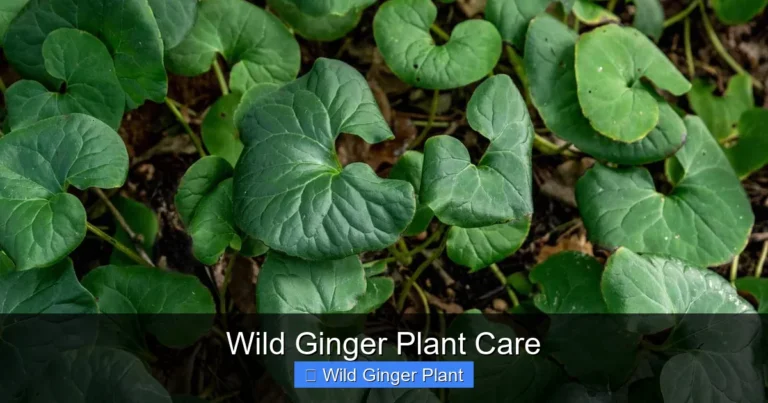
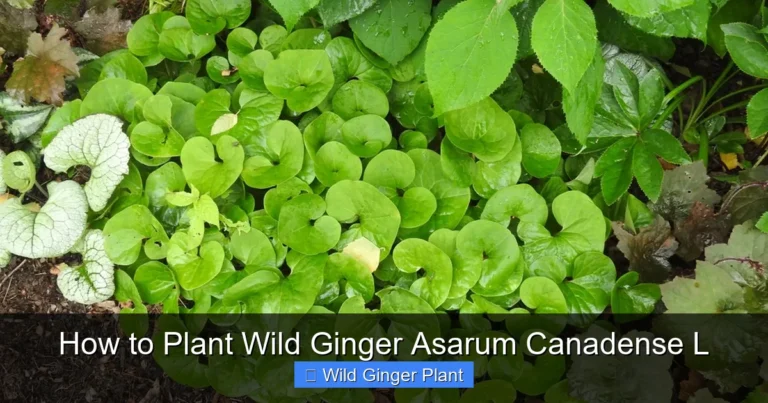
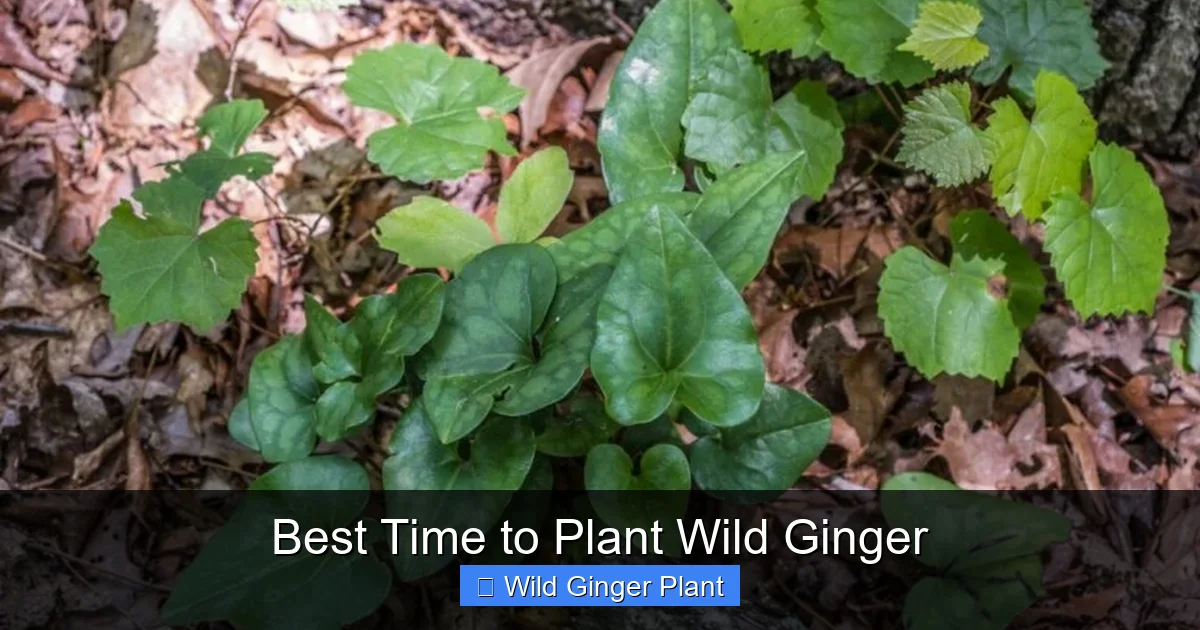
Wild ginger is a stemless perennial. Each leaf rises directly from a shallow, creeping rhizome that runs just below the soil surface. The leaves are kidney-shaped to heart-shaped, soft to the touch, and can reach six inches across. In spring, curious jug-shaped flowers appear at ground level, hidden beneath the foliage. They are pollinated by beetles and flies attracted to their earthy scent.
The rhizomes smell strongly of ginger when crushed, hence the common name. Indigenous peoples and early settlers used the roots as a spice substitute and for medicinal purposes. Today, we value the plant primarily for its ornamental qualities. It forms a dense, weed-proof mat six to twelve inches tall. It stays green all season in moist conditions. Deer and rabbits leave it alone. It is hardy in USDA zones 4 through 8.
Two Main Species for Gardeners
Most gardeners encounter two species. Asarum canadense is the eastern North American native. It has larger, softer leaves and spreads moderately fast. Asarum europaeum, European wild ginger, has smaller, glossier, evergreen leaves and a slower, tighter habit. Both want the same conditions. The planting timing is identical. Choose the native species if you want to support local ecology. Choose the European species if you want a more formal, polished look.
The Best Time to Plant Wild Ginger: Seasonal Breakdown
Timing is everything with woodland perennials. Wild ginger has a specific growth cycle. Understanding it tells you exactly when to plant.
Why Spring Is the Gold Standard
Early spring is the absolute best time to plant wild ginger. I aim for that sweet spot after the last hard frost but before the heat of summer arrives. In most regions, this means March through May. The soil has warmed to at least 50 degrees Fahrenheit. Spring rains provide consistent moisture. The plant has the entire growing season ahead to establish a robust root system before winter.
When you plant in spring, the rhizomes wake up with the season. They send out new feeder roots immediately. The expanding foliage photosynthesizes all summer, sending energy down to the rhizomes. By fall, you have a well-anchored plant ready to survive winter and explode with growth next year.
Fall Planting: The Strong Second Choice
If you miss the spring window, early fall is your backup. Plant six to eight weeks before your average first hard frost. This usually means September through early October in northern zones, October through November in southern zones. The soil is still warm from summer, encouraging root growth. Cooler air temperatures reduce transplant shock. Autumn rains often handle watering for you.
The risk with fall planting is a sudden early freeze before roots establish. If you plant in fall, mulch heavily with shredded leaves after the ground freezes. This prevents frost heaving, which can push shallow rhizomes right out of the soil. Do not fertilize fall plantings. You want roots, not tender new growth that will freeze.
Why Summer and Winter Are Poor Choices
Summer planting is possible but stressful. High heat and intense sun, even in shade, dry the soil fast. You must water constantly. The plant puts energy into survival, not root growth. If you must plant in summer, choose a cloudy week, provide temporary shade cloth, and water daily.
Winter planting is a non-starter in frozen ground. In mild climates where the ground does not freeze, you can plant in winter. But the plant is dormant. Roots will not grow until soil warms. You gain nothing over early spring planting and risk rot in cold, wet soil.
Reading Your Local Signals
Forget the calendar. Watch nature. The best time to plant wild ginger coincides with these natural indicators:
- Deciduous trees are leafing out but canopy is not yet dense
- Spring ephemerals like trillium and bloodroot are in bloom
- Soil temperature at 4 inches deep reads 50 to 65 degrees Fahrenheit
- You can work the soil without it clumping or sticking to tools
- Nighttime lows are consistently above freezing
If these signs align, plant with confidence. If you are unsure, a soil thermometer costs ten dollars and removes all guesswork.
Preparing Your Site for Success
Wild ginger is not fussy, but it has non-negotiable requirements. Get the site right, and the plant does the rest. Get it wrong, and no amount of perfect timing will save it.
Light Requirements: Deep Shade to Dappled Sun
Wild ginger evolved on the forest floor. It wants full shade to part shade. Morning sun is tolerable. Afternoon sun, especially in hot climates, will scorch the leaves. The ideal spot gets bright, filtered light under deciduous trees or on the north side of a building. Under evergreens works if the canopy is high enough to let rain through. Dense, dry shade under shallow-rooted trees like maples is challenging. You will need to water more.
Soil: Rich, Moist, and Well-Drained
This is where many gardeners struggle. Wild ginger wants woodland soil: high in organic matter, moisture-retentive but never soggy, slightly acidic (pH 5.5 to 6.5). Heavy clay holds too much water. Pure sand dries too fast. Both can be fixed with generous compost.
Before planting, loosen the top eight to ten inches of soil. Work in two to three inches of compost, leaf mold, or well-rotted manure. This mimics the duff layer of a forest floor. It improves drainage in clay and water retention in sand. It feeds the soil life that feeds your plants. Do not skip this step. It is the single biggest factor in long-term success.
Dealing with Tree Roots
Planting under mature trees means competing with tree roots. Do not till deeply under trees. You will damage the tree. Instead, add a three to four inch layer of compost on top of the existing soil. Plant into this raised layer. The wild ginger rhizomes will stay in the rich upper zone. The tree roots stay below. Everyone wins.
Weed Removal Is Critical
Clear all weeds, grass, and invasive plants before planting. Wild ginger spreads slowly at first. Aggressive weeds will smother it. Remove the entire root system of perennial weeds. Sheet mulch with cardboard and wood chips for a season if the area is heavily infested. A clean start saves years of frustration.
Step-by-Step Planting Guide
You have the right time. You have the right spot. Now let us plant correctly.
What You Need
- Wild ginger plants or rhizome divisions
- Garden fork or spade
- Hand trowel
- Compost or leaf mold
- Shredded leaf mulch
- Watering can or hose with gentle nozzle
- Gloves
Spacing and Layout
Space plants twelve to eighteen inches apart. For faster coverage, use twelve-inch spacing. For budget patience, eighteen inches works fine. The rhizomes will eventually knit together. Stagger plants in a diamond pattern rather than straight rows. This looks more natural and closes gaps faster.
Planting Depth: The Most Common Mistake
This is critical. Wild ginger rhizomes grow horizontally, just below the surface. Plant them too deep, and they rot. Plant them too shallow, and they dry out. The top of the rhizome should sit just at or slightly below the soil surface. The roots drape downward. The growing points (where leaves emerge) point upward. Cover with one-half to one inch of soil. No more.
If you are planting potted plants, match the soil level in the pot to your garden soil. Do not bury the crown. If you are planting bare rhizomes, lay them horizontally in a shallow trench. Cover lightly. Water well to settle soil around roots.
Watering In
Water thoroughly immediately after planting. You want the soil moist to a depth of six inches. This eliminates air pockets and ensures root-to-soil contact. If the soil settles and exposes rhizomes, add a bit more soil and water again.
Mulching: The Forest Floor Secret
Apply a two-inch layer of shredded leaves, leaf mold, or pine straw. Do not use heavy bark mulch. It breaks down too slowly and can harbor slugs. Shredded leaves mimic the natural duff layer. They retain moisture, suppress weeds, and feed the soil as they decompose. Keep mulch pulled back slightly from the crown to prevent rot.
Label Your Plants
Wild ginger disappears in winter. In early spring, it emerges late. You will forget where you planted it. Use durable labels. Write the variety and planting date. Future you will be grateful.
Caring for Newly Planted Wild Ginger
The first year is the establishment year. Your job is to remove stress so the plant can focus on roots.
Watering Schedule
Keep the soil consistently moist but not waterlogged for the entire first growing season. Check soil moisture by sticking your finger two inches deep. If it feels dry, water. In spring and fall, rainfall may be enough. In summer, you will likely need to water once or twice a week depending on heat and rain. Water at the base, not overhead. Wet leaves invite fungal issues.
First Year: No Fertilizer Needed
If you amended the soil with compost at planting, skip fertilizer the first year. Too much nitrogen produces soft, weak growth that pests love. In year two, a light top-dressing of compost in early spring is all that is needed. Wild ginger is adapted to low-nutrient forest soils. It does not want a rich diet.
Weed Patrol
Weed gently and often. The shallow rhizomes are easily damaged by aggressive hoeing. Hand-pull weeds when soil is moist. The dense mat will eventually shade out most weeds. Until then, vigilance pays off.
Slug and Snail Management
Wild ginger leaves are slug candy. In wet springs, slugs can shred new growth. Beer traps, diatomaceous earth, copper tape, or hand-picking at night all help. Encourage toads and ground beetles by leaving some leaf litter and avoiding pesticides. A healthy ecosystem balances itself.
Winter Protection for Fall Plantings
If you planted in fall, apply a thicker mulch layer (three to four inches) after the ground freezes. This prevents freeze-thaw cycles from heaving the shallow rhizomes. Remove excess mulch in early spring as growth resumes.
Common Mistakes to Avoid
I have seen these mistakes derail wild ginger patches more times than I can count. Learn from them.
Planting in Full Sun
This is the number one killer. Even “part sun” labels at nurseries can be misleading for this plant. Afternoon sun burns the leaves. The plant survives but looks terrible. Full shade or morning-only sun. Period.
Planting Too Deep
I mentioned this before, but it bears repeating. The rhizome wants to breathe. Bury it an inch deep, and you invite crown rot. You will see yellowing leaves and mushy rhizomes. Plant shallow. Mulch on top.
Letting It Dry Out
Wild ginger is not drought-tolerant, especially in year one. Crispy leaf edges mean stress. Chronic dryness stunts the rhizome expansion that creates the groundcover effect. Water before you see wilting.
Using Heavy Mulch
Thick bark nuggets or wood chips hold too much moisture against the crown and break down slowly. They also create a barrier that prevents the rhizomes from rooting into the soil below. Shredded leaves only.
Expecting Instant Coverage
Wild ginger is a slow starter. Year one: individual plants. Year two: plants touch. Year three: solid mat. Year five: you are digging divisions to share with friends. Patience is part of the process.
Confusing It with Invasive Gingers
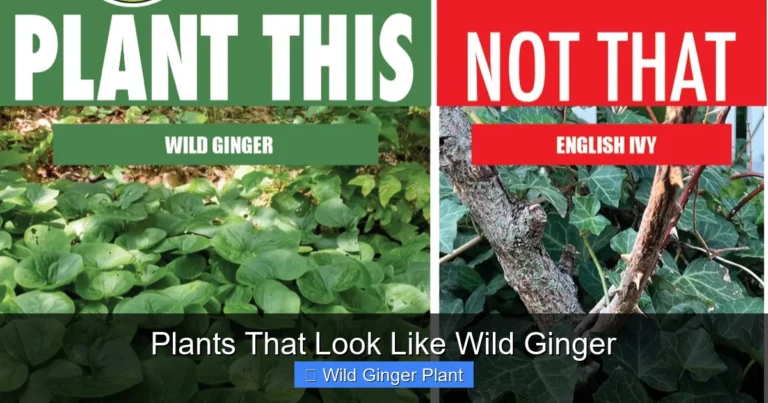
Some plants sold as “wild ginger” are actually Hedychium (butterfly ginger) or Alpinia (shell ginger). These are tropical, tall, and can be aggressive in warm climates. True wild ginger (Asarum) is low, slow, and well-behaved. Check the botanical name.
Propagating and Expanding Your Patch
Once established, wild ginger is easy to multiply. This is how you turn a few plants into a woodland carpet.
Division: The Fastest Method
Divide in early spring just as growth emerges, or in early fall. Dig up a clump. Gently pull apart the rhizomes. Each piece needs a growing point and some roots. Replant immediately at the same shallow depth. Water well. Divisions establish faster than new plants because they have mature rhizome energy reserves.
Seed: The Patient Method
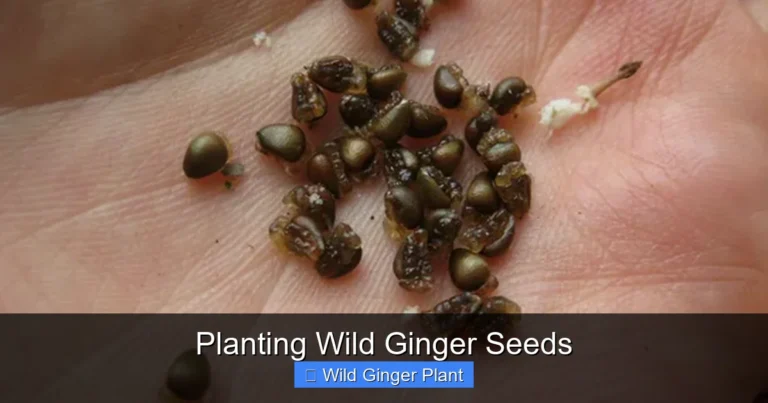
Wild ginger seeds are dispersed by ants (myrmecochory). The seeds have a fatty appendage called an elaiosome that ants love. They carry seeds to their nests, eat the elaiosome, and discard the seed in their nutrient-rich midden. Clever plant.
You can collect seeds in summer when the capsules split. Sow immediately in a prepared seed bed or pots. They need cold stratification (winter) to germinate. Seedlings take three to four years to reach planting size. This is for the dedicated native plant enthusiast.
Encouraging Natural Spread
Wild ginger spreads by rhizomes creeping outward. You can speed this by lightly scratching the soil surface ahead of the growing tips in spring and adding a thin layer of compost. The rhizomes will follow the path of least resistance into the loose, rich soil.
Designing with Wild Ginger
Wild ginger is a design workhorse. Here is how to use it effectively.
Groundcover Layer
Use it as the living mulch under shade trees and shrubs. It eliminates the need for annual mulching once established. It keeps soil cool and moist for tree roots. It prevents erosion on slopes.
Companion Planting
Pair wild ginger with other native woodlanders that share its conditions:
- Ferns: Christmas fern, maidenhair fern, lady fern
- Spring ephemerals: Virginia bluebells, trillium, bloodroot, Dutchman’s breeches
- Perennials: foamflower, wild geranium, Solomon’s seal, jack-in-the-pulpit
- Sedges: Pennsylvania sedge, plantain-leaved sedge
The ginger fills in as ephemerals go dormant. The ferns add vertical texture. The sedges add grassy contrast. It is a self-sustaining community.
Edging and Pathways
Plant wild ginger along shaded paths. The soft leaves invite touch. The hidden flowers reward close observation. It stays low enough to not encroach on the path. It softens hard edges beautifully.
Container Culture
Yes, you can grow wild ginger in pots. Use a wide, shallow container. Rich potting mix with extra compost. Keep consistently moist. Overwinter in an unheated garage or bury the pot in the ground. This lets you enjoy it on a shaded patio or balcony.
Troubleshooting Common Problems
Even with perfect timing and care, issues arise. Here is how to diagnose and fix them.
Yellowing Leaves
Usually indicates overwatering, poor drainage, or planting too deep. Check soil moisture. If soggy, improve drainage or reduce watering. If planted deep, gently lift and replant shallower in spring.
Brown, Crispy Leaf Edges
Classic drought stress or too much sun. Increase watering. If in afternoon sun, consider transplanting to a shadier spot in early spring or fall.
Holes in Leaves
Slugs, snails, or flea beetles. Slugs leave slime trails and irregular holes. Flea beetles leave tiny shot holes. Treat accordingly. Healthy plants outgrow minor damage.
Plants Not Spreading
Could be too dry, too sunny, poor soil, or too much competition from tree roots. Address the limiting factor. Sometimes a light feed of compost in spring jumpstarts growth.
Crown Rot
Mushy, blackened base. Caused by wet soil and deep planting. Dig up, trim rot, dust with cinnamon (natural fungicide), replant shallower in better-drained spot. Often fatal if advanced.
Regional Considerations
The best time to plant wild ginger shifts with your climate zone.
Zones 3-4 (Cold Winters, Short Seasons)
Spring planting only. Fall is too risky. Wait until soil is 50 degrees, usually late April to May. Mulch heavily for first winter. Choose Asarum canadense for maximum hardiness.
Zones 5-6 (Classic Range)
Both spring and fall work well. Spring: April to early June. Fall: September to early October. This is the sweet spot for wild ginger.
Zones 7-8 (Mild Winters, Hot Summers)
Fall planting is often better than spring. Plant October to November. Roots grow all winter. Plants are established before brutal summer heat. Spring planting works if done early (March). Provide consistent summer moisture.
West Coast (Mediterranean Climates)
Plant in fall with the onset of rains (October-November). Summer drought is the enemy. Wild ginger needs supplemental water all summer. Consider the native Asarum caudatum (long-tailed wild ginger) which is more drought-tolerant.
Wild Ginger Through the Seasons
Understanding the annual cycle helps you anticipate needs.
Early Spring
Rhizomes wake up. New leaves unfurl like folded umbrellas. Flowers appear at ground level. This is division time. Apply light compost top-dressing.
Late Spring
Foliage reaches full size. Canopy closes. Weed suppression kicks in. Monitor moisture as trees leaf out and drink heavily.
Summer
Steady state. Foliage stays green if moist. May go dormant early if dry. Water during drought. Watch for slugs.
Fall
Leaves may yellow in cold zones. In mild zones, they stay green. Fall planting window opens. Mulch after freeze.
Winter
Dormant in cold zones. Evergreen in mild zones. Snow cover is the best mulch. Do not walk on frozen patches.
Conclusion
The best time to plant wild ginger is not a single date on a calendar. It is a window of opportunity defined by soil temperature, moisture, and the plant’s natural growth cycle. Early spring, when the soil hits 50 degrees and the trees are just leafing out, is the gold standard. Early fall, with six to eight weeks before hard frost, is a close second.
But timing is only the first step. The real magic happens when you pair the right timing with the right preparation: rich, loose soil; deep shade; shallow planting; consistent moisture; and a leaf mulch blanket. Do these things, and wild ginger will reward you with decades of trouble-free beauty. It will knit the ground together, shelter beneficial insects, outcompete weeds, and ask for almost nothing in return.
I have watched a dozen small divisions turn into a sweeping carpet under my own oak trees. It took three years. Now I barely notice it until spring, when I push aside the leaves to find those strange, secret flowers. That is the gift of wild ginger. It teaches patience. It rewards observation. And it all starts with planting at the right time.
So grab your soil thermometer. Watch the trees. When the signs align, get those rhizomes in the ground. Your future shade garden is waiting.
Frequently Asked Questions
What is the difference between wild ginger and culinary ginger?
Wild ginger (Asarum canadense) is a native North American woodland perennial with heart-shaped leaves. Culinary ginger (Zingiber officinale) is a tropical plant grown for its edible rhizome. They are unrelated botanically.
Can wild ginger grow in dry shade?
Wild ginger prefers consistently moist soil. It will survive dry shade once established but grows slowly and may go dormant early. For dry shade, consider Pennsylvania sedge or barrenwort instead.
Is wild ginger deer resistant?
Yes. Deer and rabbits typically avoid wild ginger due to its aromatic compounds. It is an excellent choice for gardens with high deer pressure.
How do I know if my wild ginger is planted too deep?
Signs of deep planting include yellowing leaves, lack of new growth, and mushy rhizomes at the base. The crown should be at soil level with only a light covering of soil and mulch.
Can I grow wild ginger from seed?
Yes, but it requires patience. Seeds need cold stratification and take 3-4 years to reach transplant size. Division of established clumps in spring or fall is much faster.
What should I plant with wild ginger?
Great companions include native ferns, foamflower, wild geranium, Solomon’s seal, trillium, and woodland sedges. All share the same love for rich, moist, shady conditions.