Wild Ginger Host Plant
The wild ginger host plant is a low‑growing native perennial that feeds butterfly larvae and enriches forest floors. Gardeners love it for its shade tolerance, attractive heart‑shaped leaves, and minimal maintenance.
Key Takeaways
- Native perennial: The wild ginger host plant is a shade‑loving native that forms a dense ground cover.
- Butterfly host: It provides essential food for pipevine and spicebush swallowtail caterpillars.
- Soil builder: Its leaf mat reduces erosion and adds organic matter.
- Easy to grow: It thrives in moist, well‑drained soil with little fertilizer.
- Conservation value: Protecting wild populations supports biodiversity and pollinator networks.
- Ethical harvest: Take only a small portion of rhizomes and replant the rest.
Quick Answers to Common Questions
What is the wild ginger host plant?
The wild ginger host plant is a low‑growing native perennial in the genus Asarum that serves as a larval food source for several swallowtail butterflies.
Where does the wild ginger host plant grow naturally?
It grows in moist, shady deciduous forests across eastern North America, often on north‑facing slopes and near streams.
How do I identify the wild ginger host plant in the wild?
Look for paired heart‑shaped leaves with a waxy surface, a faint ginger scent when crushed, and hidden brownish flowers at ground level.
Can I grow the wild ginger host plant in a container?
Yes, use a large pot with a well‑draining, organic‑rich mix and keep it in full shade with consistent moisture.
Is the wild ginger host plant protected by law?
In some states it is listed as a species of concern; collecting wild plants may require a permit, so use nursery‑grown stock.
📑 Table of Contents
What Is a Wild Ginger Host Plant?
Botanical Background
The wild ginger host plant belongs to the genus Asarum. It is a member of the birthwort family. The plant grows low to the ground, usually under twelve inches tall. Its leaves are heart shaped and have a glossy surface. The flowers are small, brownish, and hide beneath the leaf litter. Because the flowers stay hidden, many people never see them.
Scientists call it a host plant because several butterfly species lay eggs on its leaves. The caterpillars then feed on the foliage. This relationship makes the wild ginger host plant essential for those butterflies.
Why It Matters for Pollinators
Butterflies such as the pipevine swallowtail and the spicebush swallowtail rely on the wild ginger host plant. The larvae eat the leaves and gain chemical protection from predators. Adult butterflies visit the hidden flowers for nectar. Without this plant, those butterfly populations would decline.
Bees and flies also visit the flowers. They help with pollination even though the blooms are inconspicuous. The wild ginger host plant therefore supports a small but vital pollinator network.
Historical and Cultural Uses
Indigenous peoples used the wild ginger host plant for flavoring and medicine. The rhizome has a mild ginger taste. Early settlers brewed a tea from the roots to soothe stomach upset. These uses show the plant’s long relationship with humans.
Modern herbalists still value the wild ginger host plant for its aromatic compounds. Research continues on its potential anti‑inflammatory properties. Always consult a professional before using any wild plant medicinally.
Varieties and Regional Differences
Several species of Asarum occur across eastern North America. Each variety adapts to local climate and soil. Some have larger leaves, others have darker flowers. Knowing your regional type helps with identification and garden success.
When buying nursery stock, ask for the species native to your area. Local provenance increases survival and supports regional genetics.
Medicinal Research Updates
Recent studies isolate aristolochic acid derivatives from the wild ginger host plant that show antimicrobial activity in laboratory assays. Researchers caution that dosage and preparation must be carefully controlled to avoid toxicity.
Ongoing clinical trials explore the potential of wild ginger host plant extracts for treating minor skin infections. Results are preliminary and not yet approved for commercial use.
Identifying the Wild Ginger Host Plant in the Field
Leaf Shape and Texture
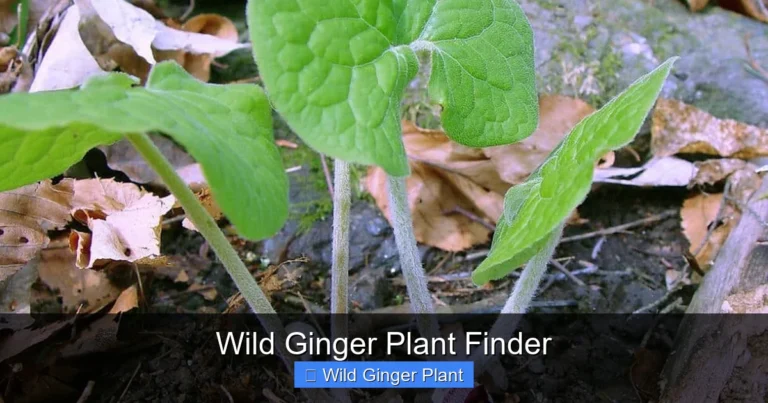
Look for a pair of broad, kidney shaped leaves that emerge from a single point. The leaf margin is smooth. The upper surface feels waxy. The underside is lighter green and slightly hairy. When you crush a leaf, it releases a faint ginger scent. That aroma is a quick field test.
Flower Structure
The flower sits at ground level, often buried under dead leaves. It has three sepals that form a tube. The color ranges from deep maroon to brown. There are no petals. The flower is pollinated by tiny flies that crawl inside. Because the bloom is hidden, you may need to gently lift leaf litter to see it.
Growth Habit
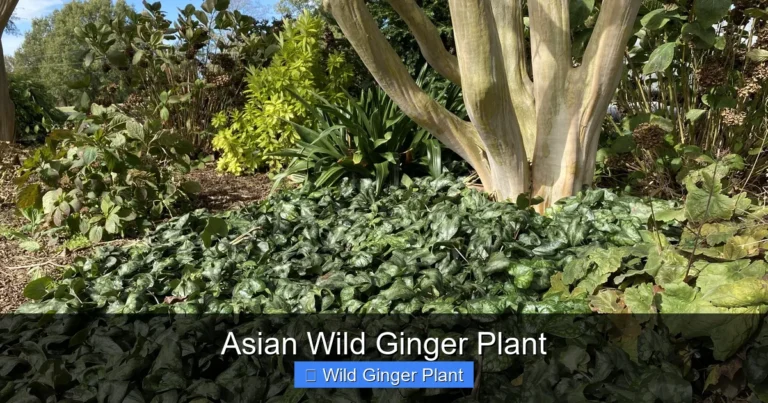
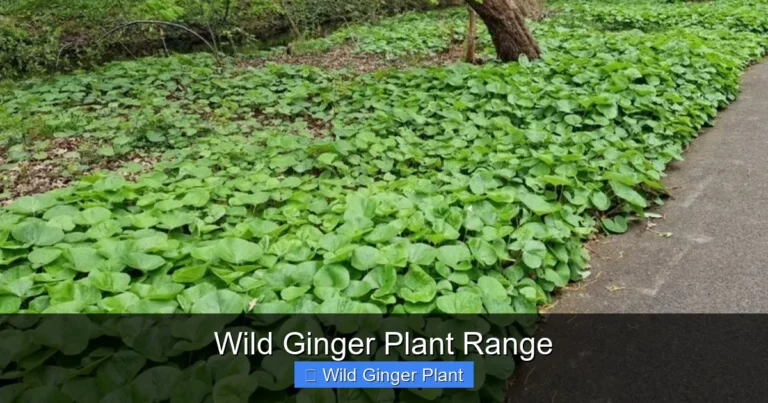
The wild ginger host plant spreads by rhizomes. Over time it forms a dense mat. It prefers moist, well drained soil rich in organic matter. You will often find it on north facing slopes, along stream banks, and in rich deciduous forests. It tolerates deep shade but can handle a few hours of morning sun.
Seasonal Appearance
In early spring the wild ginger host plant sends up fresh leaves before the canopy closes. By midsummer the foliage is fully expanded and the hidden flowers appear. In autumn the leaves turn a soft yellow before dying back. Winter reveals the persistent rhizome network just below the soil surface.
Observing these stages helps you confirm the species throughout the year.
Similar Species and How to Differentiate
Wild ginger can be confused with Canadian ginger and European ginger. Canadian ginger has a more pronounced leaf sinus. European ginger often shows a stronger fragrance. Check the flower position and rhizome scent to tell them apart.
A hand lens reveals tiny hairs on the leaf underside of the wild ginger host plant that are absent in the look‑alikes.
Photographic Identification Tips
Take close‑up photos of the leaf pair and the hidden flower for later comparison. Use a macro setting to capture the fine hairs on the leaf underside. Include a ruler or coin for scale in each shot.
Upload images to a citizen‑science platform where experts can verify the wild ginger host plant identification. Community feedback improves your field skills over time.
Ecological Role of the Wild Ginger Host Plant
Support for Butterfly Larvae
Female butterflies seek out the wild ginger host plant to lay eggs. The caterpillars hatch and begin feeding immediately. The leaves contain aristolochic acids that make the larvae toxic to birds. This chemical defense is a classic example of co evolution. The plant benefits because the butterflies pollinate its hidden flowers.
Soil Health and Microhabitat
The dense leaf mat of the wild ginger host plant reduces erosion. It keeps the soil cool and moist. Decomposing leaves add organic matter and nutrients. Small invertebrates such as springtails and mites thrive in this microhabitat. Those creatures further break down leaf litter, enriching the forest floor.
Companion Plant Interactions
In a natural community the wild ginger host plant grows alongside trillium, bloodroot, and jack in the pulpit. These species share similar moisture and shade requirements. Together they create a layered understory that supports diverse wildlife. Gardeners can mimic this assemblage for a resilient shade garden.
Role in Forest Food Web
The wild ginger host plant provides food for herbivorous insects beyond butterflies. Beetles and moth larvae also feed on its leaves. These insects become prey for birds and small mammals. The plant thus links primary production to higher trophic levels.
Its rhizomes store carbohydrates that support early spring growth for the whole community.
Mycorrhizal Associations
Roots of the wild ginger host plant form partnerships with mycorrhizal fungi. The fungi extend the root absorptive area. In return the plant supplies sugars from photosynthesis. This symbiosis improves nutrient uptake, especially phosphorus.
Healthy mycorrhizal networks increase the resilience of the forest understory.
Climate Resilience Contributions
The wild ginger host plant maintains soil moisture during dry spells, buffering microclimate fluctuations for neighboring seedlings. Its evergreen leaf litter insulates the forest floor against temperature extremes.
Modeling studies suggest that stands of the wild ginger host plant can reduce local soil temperature by up to two degrees Celsius during heat waves.
Growing the Wild Ginger Host Plant in Your Garden
Site Selection
Choose a spot that receives dappled shade or full shade. Avoid hot afternoon sun. The soil should be rich, loamy, and retain moisture without becoming waterlogged. A north facing bed under mature trees works well.
Soil Preparation
Amend the planting area with compost or well rotted leaf mold. Aim for a pH between 5.5 and 6.5. Loosen the top eight inches of soil. Remove any invasive weeds that could outcompete the young plants.
Planting and Maintenance Tips
Plant divisions or nursery grown plugs in early spring or fall. Space them about twelve inches apart. Water thoroughly after planting. Mulch with shredded leaves to mimic natural leaf litter. Keep the soil evenly moist during the first growing season. Once established, the wild ginger host plant needs little supplemental water.
Fertilize sparingly. A light top dressing of compost in early spring is enough. Remove any dead foliage in late winter to improve air flow. Watch for slugs; they love the tender leaves. Hand pick slugs at night or use copper tape around the bed.
Seasonal Care Calendar
In early spring, check for new shoots and apply a thin mulch layer. In summer, monitor soil moisture during dry spells. In fall, divide congested clumps to maintain vigor. In winter, leave leaf litter in place to protect rhizomes.
Propagation by Division
Division is the fastest way to increase the wild ginger host plant. Dig a mature clump in early spring. Separate the rhizomes with a clean knife. Replant each piece at the same depth. Water well and mulch.
Divided plants usually flower within the first year.
Propagation by Seed
Seeds require a period of cold stratification. Collect ripe capsules in late summer. Store them in moist sand in the refrigerator for sixty days. Sow in a shaded seed tray in early spring. Keep the medium damp until germination.
Seed‑grown plants take two to three years to reach flowering size.
Container Growing
The wild ginger host plant adapts to large containers with good drainage. Use a mix of peat, compost, and coarse sand. Place the pot in a shaded patio or under a tree. Water regularly and feed with a dilute organic fertilizer once a month.
Containers allow gardeners with limited space to enjoy this native ground cover.
Design Ideas for Shade Gardens
Plant the wild ginger host plant in drifts beneath ferns and hostas. Its glossy leaves contrast nicely with feathery fronds. Combine it with spring ephemerals like bloodroot for sequential bloom. The low habit keeps sight lines open for pathways.
Use it as a living mulch around taller shade perennials to suppress weeds.
Companion Planting Strategies
Pair the wild ginger host plant with native ferns, foamflower, and woodland phlox for a layered texture. These companions share similar moisture needs and bloom at different times, extending seasonal interest.
Interplant with early‑spring bulbs such as trout lily to fill gaps before the wild ginger host plant foliage fully expands.
Common Pests, Diseases, and Management
Fungal Issues
Leaf spot and root rot can appear in overly wet conditions. Ensure good drainage and avoid overhead watering. If you see brown spots, remove affected leaves and improve air circulation. A copper based fungicide can be applied as a last resort.
Insect Herbivores
Aside from the desired butterfly larvae, aphids and spider mites may colonize the foliage. A strong spray of water often dislodges them. Insecticidal soap works for heavier infestations. Remember that the wild ginger host plant is a host for beneficial caterpillars, so treat only when necessary.
Integrated Management Strategies
Practice crop rotation by moving the planting spot every few years. Encourage natural predators such as lady beetles and lacewings. Keep the garden clean of debris that harbors pests. These steps reduce the need for chemicals and keep the wild ginger host plant healthy.
Viral Diseases
Occasional mosaic viruses cause mottled leaves on the wild ginger host plant. There is no cure; remove and destroy infected plants. Disinfect tools between cuts to prevent spread.
Plant resistant varieties when available and maintain vigorous growth to reduce susceptibility.
Nematode Problems
Root‑knot nematodes can stunt the wild ginger host plant in sandy soils. Rotate with non‑host crops like marigold. Solarize the bed in summer by covering with clear plastic for four weeks.
Beneficial nematodes applied as a drench can also suppress pest populations.
Monitoring and Early Detection
Inspect the wild ginger host plant weekly during the growing season. Look for discolored spots, wilting, or unusual insect activity. Early action prevents minor issues from becoming major outbreaks.
Keep a garden journal to track patterns year after year.
Organic Spray Recipes
Mix one tablespoon neem oil with one quart water and a few drops liquid soap for a broad‑spectrum spray. Apply in early morning or late evening to avoid leaf burn on the wild ginger host plant.
For fungal prevention, combine one teaspoon baking soda, one teaspoon horticultural oil, and one quart water. Spray weekly during humid periods.
Conservation and Ethical Use
Legal Protections
In several states the wild ginger host plant is listed as a species of concern. Collecting wild specimens may require a permit. Always check local regulations before digging plants from public land. Nursery propagated stock is the responsible choice for gardeners.
Sustainable Harvest Practices
If you harvest rhizomes for culinary or medicinal use, take only a small portion. Leave at least two thirds of the clump intact. Replant the harvested sections immediately. This ensures the colony continues to thrive and supports the butterflies that depend on it.
Community Science Opportunities
Join a local native plant society or a butterfly monitoring program. Record sightings of the wild ginger host plant and its associated butterflies. Your data helps researchers track population trends and guide conservation actions.
Restoration Projects
Volunteer with habitat restoration groups that re‑introduce the wild ginger host plant to degraded woods. Planting in groups mimics natural colonization. Monitor survival rates and adjust methods as needed.
Restored patches quickly become butterfly corridors.
Seed Banking
Collect seeds from healthy wild ginger host plant populations for long‑term storage. Store seeds in a cool, dry facility with controlled humidity. Seed banks provide insurance against local extinctions.
Partner with regional botanical gardens to deposit duplicate collections.
Education and Outreach
Teach children to recognize the wild ginger host plant on nature walks. Use its hidden flowers as a lesson in pollination ecology. School gardens that include this species foster stewardship.
Public talks and workshops raise awareness of native understory plants.
Policy Advocacy and Funding
Advocate for state‑level protection bills that list the wild ginger host plant as a threatened species. Secure grant funding for long‑term monitoring plots in public forests.
Collaborate with land trusts to create conservation easements that prioritize wild ginger host plant habitats.
The wild ginger host plant is a small plant with a big impact. It feeds butterfly larvae, enriches soil, and adds quiet beauty to shady gardens. By learning to identify, grow, and protect it, you become part of a larger effort to preserve native biodiversity. Start a patch today and watch the hidden world of pollinators come alive.
Frequently Asked Questions
What butterflies use the wild ginger host plant as a host?
The pipevine swallowtail and spicebush swallowtail lay eggs on the wild ginger host plant, and their caterpillars feed exclusively on its leaves.
How often should I water the wild ginger host plant?
Keep the soil evenly moist during the first season; after establishment, water only during prolonged dry periods.
Does the wild ginger host plant need fertilizer?
It requires little fertilizer; a light compost top‑dressing in early spring is sufficient.
What pests commonly affect the wild ginger host plant?
Aphids, spider mites, slugs, and occasional fungal leaf spots are the most common problems.
Can I eat the rhizomes of the wild ginger host plant?
The rhizomes have a mild ginger flavor and are edible in small amounts, but harvest sustainably and verify local regulations.
How can I help conserve the wild ginger host plant?
Plant nursery‑grown specimens, avoid wild collection, join citizen‑science monitoring, and support habitat restoration projects.