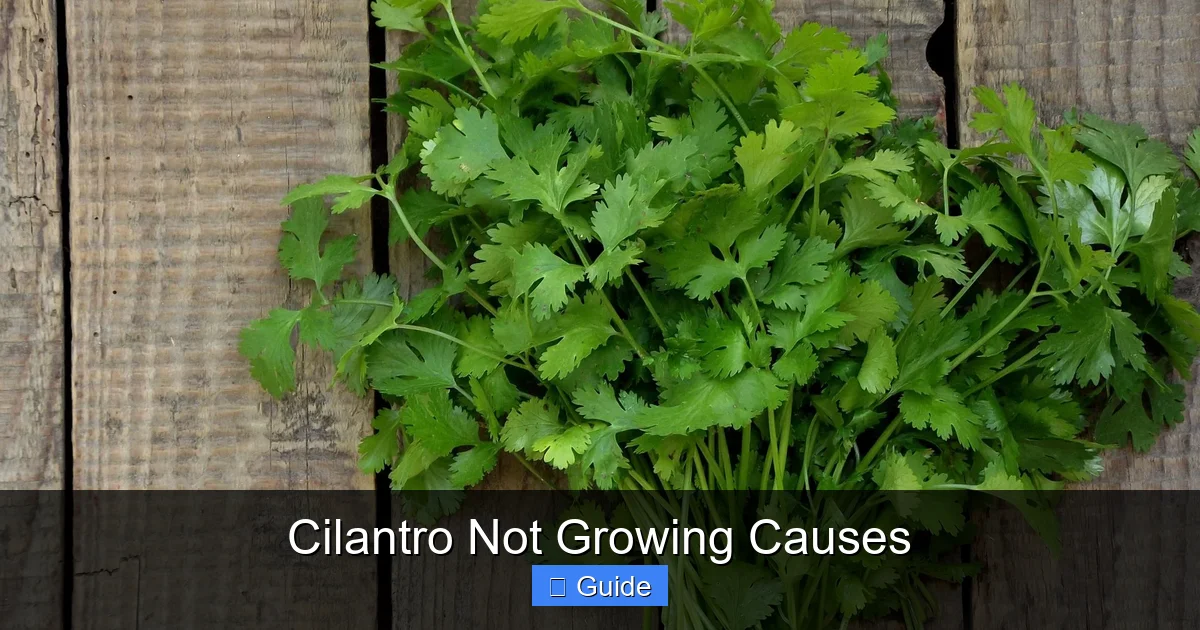
Cilantro Not Growing Causes
Cilantro not growing causes often include heat stress, poor soil drainage, and incorrect watering. This guide covers the top reasons your cilantro struggles and provides actionable fixes to help you harvest fresh, flavorful leaves all season long.
You planted cilantro with high hopes. You imagined fresh salsa, vibrant guacamole, and fragrant curries straight from your garden. But instead of lush green bunches, you’re staring at spindly stems, yellowing leaves, or worse, plants that shot up flowers before you could harvest a single leaf. Sound familiar? You’re not alone. Cilantro has a reputation for being finicky, but the truth is, it just has very specific needs. Once you understand what this herb wants, growing it becomes much easier.
In this guide, we’ll walk through every major reason cilantro fails to thrive. We’ll cover temperature troubles, watering mistakes, soil problems, spacing issues, and more. For each problem, you’ll get practical solutions you can apply right away. Whether you’re growing in raised beds, containers, or a sunny windowsill, these tips will help you turn things around. Let’s dig in and get your cilantro growing strong.
Key Takeaways
- Heat triggers bolting: Cilantro bolts quickly in temperatures above 75°F, sending up flower stalks and turning leaves bitter.
- Water consistency matters: Both underwatering and overwatering cause yellowing, wilting, and root rot in cilantro plants.
- Soil drainage is critical: Heavy clay or compacted soil suffocates roots and leads to stunted growth and disease.
- Crowding reduces yields: Plants spaced too closely compete for nutrients, light, and airflow, weakening overall growth.
- Transplant shock is common: Cilantro has a delicate taproot that resents disturbance, making direct sowing the best method.
- Nutrient balance affects flavor: Too much nitrogen creates lush but bland leaves, while deficiencies cause discoloration.
- Succession planting ensures harvests: Sowing seeds every 2-3 weeks provides continuous crops before plants bolt.
Quick Answers to Common Questions
Why does my cilantro bolt so fast?
Cilantro bolts quickly when temperatures exceed 75°F because it’s a cool-season herb that senses heat as a signal to reproduce before dying. Plant in spring or fall, provide afternoon shade, and choose bolt-resistant varieties like ‘Calypso’ or ‘Santo’ to delay flowering.
How often should I water cilantro?
Water cilantro when the top inch of soil feels dry. This usually means 1 inch of water per week, but containers may need daily watering in hot weather. Keep soil consistently moist but never soggy to prevent both wilting and root rot.
Can I transplant cilantro seedlings?
Cilantro has a delicate taproot that resents disturbance, so direct sowing is strongly recommended. If you must transplant, use biodegradable pots, handle only by leaves, and transplant on a cloudy day to minimize shock.
Why are my cilantro leaves turning yellow?
Yellowing leaves usually indicate overwatering, poor drainage, or nitrogen deficiency. Check soil moisture first—if soggy, improve drainage and water less. If dry, feed with a balanced organic fertilizer. Yellowing new growth suggests iron deficiency from high soil pH.
How do I harvest cilantro without killing the plant?
Use the cut-and-come-again method: snip outer leaves 1-2 inches above soil, leaving the center crown intact. Never remove more than 1/3 of foliage at once. Harvest in morning for best flavor. Pinch off any flower stalks immediately to prolong leaf production.
📑 Table of Contents
- Temperature Stress and Bolting
- Watering Problems: Too Much or Too Little
- Soil Quality and Drainage Issues
- Spacing and Crowding Mistakes
- Transplant Shock and Root Disturbance
- Nutrient Deficiencies and Excesses
- Pests and Diseases That Stunt Growth
- Light Requirements and Leggy Growth
- Harvesting Mistakes That Reduce Yield
- Seasonal Strategies for Year-Round Cilantro
- Container Growing Special Considerations
- Companion Planting for Healthier Cilantro
- Troubleshooting Quick Reference
- Advanced Tips for Maximum Yields
- Conclusion
Temperature Stress and Bolting
If there’s one thing that frustrates cilantro growers more than anything else, it’s bolting. One day your plants look perfect. The next, they’re shooting up tall flower stalks, the leaves turn feathery and bitter, and your harvest window slams shut. This is the number one cilantro not growing causes complaint, and temperature is almost always the culprit.
Why Heat Triggers Bolting
Cilantro is a cool-season herb. It evolved in Mediterranean climates where winters are mild and summers are dry. When temperatures climb above 75°F (24°C), the plant senses that its growing season is ending. Its survival instinct kicks in: reproduce now before the heat kills me. So it bolts, sending up flowers to make seeds (which we know as coriander).
Once bolting starts, you can’t reverse it. You can pinch off the flower stalk, but the plant’s energy has already shifted. The leaves will become increasingly bitter and sparse. The good news? You can delay bolting significantly with a few smart strategies.
Plant at the Right Time
Timing is everything. In most climates, cilantro grows best in spring and fall. Sow seeds 2-3 weeks before your last frost date in spring. For a fall crop, plant 6-8 weeks before your first frost. In zones 8-10, you can grow cilantro straight through winter. Summer planting in hot climates is a recipe for instant bolting.
Provide Afternoon Shade
If you must grow cilantro in warmer weather, give it protection from intense afternoon sun. Morning sun with dappled afternoon shade keeps soil temperatures lower. Use shade cloth (30-40% density), plant on the east side of taller crops like tomatoes, or grow in containers you can move. Every degree cooler extends your harvest window.
Choose Bolt-Resistant Varieties
Not all cilantro is created equal. Look for slow-bolt or heat-tolerant varieties like ‘Calypso,’ ‘Leisure,’ ‘Long Standing,’ or ‘Santo.’ These cultivars have been bred to withstand higher temperatures before flowering. They’re not immune to bolting, but they’ll give you several extra weeks of harvest compared to standard types.
Use Mulch to Cool Roots
A 2-inch layer of straw, shredded leaves, or grass clippings around your plants acts like insulation. It keeps soil temperatures more stable, retains moisture, and suppresses weeds. Cool roots mean a happier plant that’s less likely to panic and bolt prematurely.
Watering Problems: Too Much or Too Little
Water issues rank high among cilantro not growing causes. This herb has a Goldilocks personality: it wants soil that’s consistently moist but never soggy. Get it wrong either way, and your plants will let you know fast.
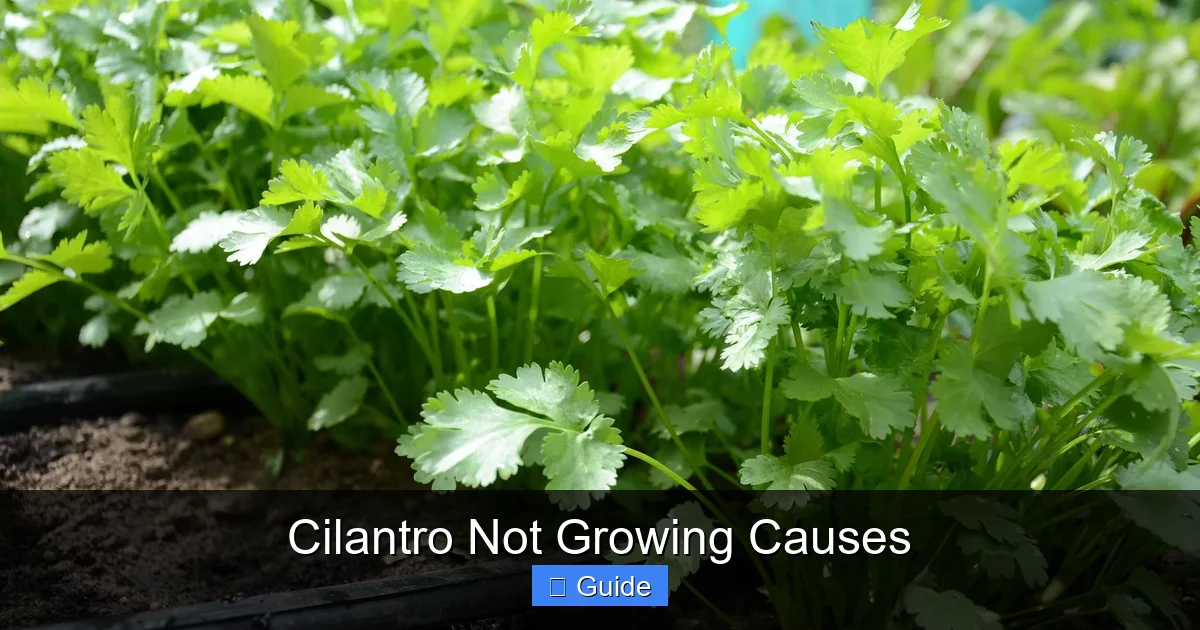
Visual guide about Cilantro Not Growing Causes
Image source: images.squarespace-cdn.com
Signs of Underwatering
Cilantro has shallow roots. When the top inch of soil dries out, the plant wilts dramatically. Leaves go limp, stems droop, and growth stalls. If this happens repeatedly, the plant becomes stressed and bolts early. Chronic underwatering also makes leaves tough and overly pungent.
Signs of Overwatering
Yellowing lower leaves are the classic sign of too much water. The stems may feel soft or mushy at the base. You might see algae or moss on the soil surface. In severe cases, root rot sets in. The plant wilts even though the soil is wet because the roots have drowned and can’t take up water anymore.
How to Water Correctly
Check soil moisture daily by sticking your finger in up to the first knuckle. If it feels dry at that depth, water deeply. If it’s moist, wait. Water at the base of plants, not overhead, to keep foliage dry and prevent fungal diseases. Aim for about 1 inch of water per week from rain and irrigation combined, but adjust for your climate and soil type.
Container Considerations
Pots dry out much faster than garden beds. In hot weather, container cilantro may need daily watering. Use a high-quality potting mix with good water retention (look for coconut coir or peat moss in the ingredients). Add a saucer under the pot to catch excess, but empty it after 30 minutes so roots don’t sit in standing water.
Drip Irrigation and Soaker Hoses
If you struggle with consistent watering, invest in drip irrigation or soaker hoses. These deliver water directly to the root zone with minimal evaporation. Add a timer, and your cilantro gets steady moisture even when you’re busy or away. It’s one of the best investments for any herb garden.
Soil Quality and Drainage Issues
Cilantro isn’t overly demanding about soil fertility, but it’s picky about structure. Heavy, compacted, or poorly draining soil is a top reason for cilantro not growing causes. The plant’s taproot needs to penetrate deeply and access oxygen. When it can’t, growth stalls and problems multiply.
The Taproot Factor
Unlike basil or mint with fibrous root systems, cilantro develops a single long taproot. This root can reach 12-18 inches deep in ideal conditions. It anchors the plant and accesses deep moisture and nutrients. In compacted clay or shallow containers, the taproot hits a wall. The plant responds with stunted top growth and early bolting.
Improving Garden Soil
If your garden soil is heavy clay, amend it before planting. Work in 2-3 inches of compost, aged manure, or leaf mold to a depth of at least 12 inches. This improves drainage, adds organic matter, and creates the loose texture cilantro roots love. Avoid fresh manure, which can burn tender roots and introduce weed seeds.
Raised Beds and Containers
Raised beds are ideal for cilantro because you control the soil mix from day one. Fill them with a blend of 1/3 compost, 1/3 topsoil, and 1/3 coarse sand or perlite. For containers, use a premium potting mix, not garden soil. Garden soil compacts in pots and often carries pathogens. Make sure containers are at least 10-12 inches deep to accommodate the taproot.
pH Preferences
Cilantro prefers slightly acidic to neutral soil, pH 6.2-6.8. Outside this range, nutrient uptake suffers. If your soil is very acidic (below 6.0), add lime. If it’s alkaline (above 7.5), incorporate elemental sulfur or peat moss. A simple soil test from your extension office or a home kit tells you exactly where you stand.
Avoiding Compaction
Never walk on planting beds. Use stepping stones or boards to distribute your weight. Don’t work soil when it’s wet; this destroys structure and creates hard clods that roots can’t penetrate. Mulch heavily to protect soil surface from rain impact and sun baking, both of which cause crusting.
Spacing and Crowding Mistakes
It’s tempting to scatter seeds thickly, thinking more plants equal more harvest. But crowding is a sneaky cilantro not growing causes factor. Cilantro needs personal space for air circulation, light penetration, and root expansion. Packed plants compete fiercely and all suffer.
Ideal Spacing Guidelines
For leaf harvest, thin or transplant seedlings to 6-8 inches apart in rows 12 inches apart. If you’re growing for coriander seeds, give plants 10-12 inches of space. In containers, one plant per 6-inch pot, or three plants in a 12-inch pot. Square foot gardeners can plant 4 per square foot for leaves, 1 per square foot for seeds.
Thinning: Be Ruthless
Cilantro seeds are actually dried fruits that contain 2-3 seeds each. So even if you space seeds perfectly, you’ll get clusters. Thin when seedlings are 2-3 inches tall. Snip extras at soil level with scissors rather than pulling, which disturbs neighboring roots. Eat the thinnings! They’re delicious microgreens.
Airflow Prevents Disease
Crowded plants create humid microclimates perfect for fungal diseases like powdery mildew and leaf spot. Good spacing lets air move freely, drying leaves quickly after rain or watering. This alone can prevent many common cilantro ailments.
Light Penetration Matters
Dense stands shade lower leaves, which then yellow and drop. The plant puts energy into stretching upward (leggy growth) rather than producing bushy, harvestable foliage. Proper spacing ensures every leaf gets light, maximizing photosynthesis and yield.
Transplant Shock and Root Disturbance
Here’s a hard truth: cilantro hates being transplanted. That delicate taproot we talked about? It’s extremely sensitive. Disturbing it during transplanting often sets the plant back weeks or triggers immediate bolting. This is a major but often overlooked cilantro not growing causes factor.
Direct Sowing Is Best
Whenever possible, sow cilantro seeds directly where they’ll grow. The taproot develops undisturbed, and the plant establishes quickly. Direct-sown cilantro almost always outperforms transplants in vigor, bolt resistance, and total yield.
If You Must Transplant
Sometimes you buy seedlings or start seeds indoors for an early jump. If transplanting is unavoidable, follow these rules: Use biodegradable pots (peat, cow pots, newspaper) that you plant whole. Transplant on a cloudy day or late afternoon. Water seedlings well 1 hour before. Handle only by leaves, never stems. Plant at the same depth they were growing. Water immediately with diluted seaweed solution to reduce shock.
Starting Seeds Indoors
If you start seeds indoors, use deep cells (3-4 inches) or soil blocks. Don’t let seedlings get rootbound. Harden them off for 7-10 days before transplanting: gradually increase outdoor exposure. But honestly? Skip the indoor start. Cilantro germinates fast in cool soil (50-65°F) and catches up quickly.
Succession Planting Beats Transplanting
Instead of fussing with transplants for continuous harvest, use succession planting. Direct sow a new row or container every 2-3 weeks. As one batch bolts, the next is ready to harvest. This gives you steady cilantro all season without ever disturbing a root.
Nutrient Deficiencies and Excesses
Cilantro isn’t a heavy feeder, but it needs balanced nutrition. Both deficiencies and excesses cause visible problems. Understanding what your plants are telling you helps you fix issues fast.
Nitrogen: The Double-Edged Sword
Nitrogen drives leafy growth. Too little: pale green or yellow older leaves, stunted plants. Too much: lush, dark green foliage that’s bland in flavor and prone to aphids. Excess nitrogen also delays flowering, which sounds good but often means the plant bolts explosively when it finally does.
Fix: Apply compost at planting. Side-dress with a light feeding of balanced organic fertilizer (like 4-4-4) only if growth is slow. Avoid high-nitrogen fertilizers like blood meal or lawn fertilizer.
Phosphorus for Root Development
Phosphorus supports that critical taproot. Deficiency shows as purplish tint on older leaves, especially in cool soil. Plants are stunted with poor vigor. Bone meal or rock phosphate at planting time provides slow-release phosphorus. Don’t overdo it; excess phosphorus ties up other nutrients.
Potassium for Stress Resistance
Potassium regulates water movement and builds strong cell walls. Deficiency causes yellowing leaf margins, scorched tips, and weak stems. Plants wilt easily and succumb to disease. Greensand, kelp meal, or wood ash (sparingly) supply potassium naturally.
Micronutrient Issues
Iron deficiency (interveinal yellowing on new leaves) happens in alkaline soil. Magnesium deficiency (yellowing between veins on older leaves) occurs in sandy, acidic soil. A complete organic fertilizer or annual compost application usually prevents these. If symptoms appear, a foliar spray of liquid seaweed or fish emulsion provides quick relief.
Container Feeding Schedule
Potted cilantro needs more frequent feeding since nutrients leach out with watering. Apply a half-strength liquid organic fertilizer every 3-4 weeks. Or mix slow-release organic granules into the potting soil at planting. Stop fertilizing 3 weeks before you expect bolting to avoid pushing tender growth.
Pests and Diseases That Stunt Growth
Sometimes cilantro not growing causes are living invaders. While cilantro’s strong scent repels many pests, it’s not immune. Quick identification and action save your crop.
Aphids
Tiny green, black, or gray insects cluster on new growth and leaf undersides. They suck sap, causing curled, distorted leaves and sticky honeydew. Blast them off with a strong water jet. Apply insecticidal soap or neem oil for heavy infestations. Ladybugs and lacewings are natural predators; attract them with alyssum, dill, or yarrow nearby.
Leaf Miners
These fly larvae tunnel between leaf layers, creating winding white trails. Damage is mostly cosmetic but reduces photosynthetic area. Remove and destroy affected leaves. Cover plants with floating row cover to prevent flies from laying eggs. Parasitic wasps control them naturally.
Spider Mites
Microscopic mites thrive in hot, dry conditions. They cause stippled, bronzed leaves and fine webbing. Increase humidity with regular misting. Spray with insecticidal soap or horticultural oil. Predatory mites are available for biological control.
Fungal Diseases
Powdery mildew appears as white powdery patches on leaves. Downy mildew shows yellow angular spots on top, gray fuzz underneath. Both thrive in humid, crowded conditions. Prevention: space plants well, water at soil level, ensure good airflow. Treatment: remove affected leaves, spray with copper fungicide or potassium bicarbonate (baking soda based) products.
Damping Off
Seedlings collapse at soil level, stems pinched and dark. This fungal disease strikes in cool, wet, poorly ventilated conditions. Use sterile seed-starting mix. Don’t overwater. Provide air circulation with a small fan. Thin promptly. Once damping off starts, you can’t save affected seedlings.
Root Knot Nematodes
Microscopic worms cause swollen, knotted roots. Plants are stunted, yellow, and wilt in heat. Rotate crops (don’t plant cilantro or related crops in same spot yearly). Solarize soil in summer. Add beneficial nematodes. Marigolds as a cover crop suppress nematode populations.
Light Requirements and Leggy Growth
Light is fuel for plants. Cilantro needs 4-6 hours of direct sun minimum, preferably 6-8 hours. Insufficient light is a common cilantro not growing causes issue, especially for indoor growers or shaded gardens.
Signs of Inadequate Light
Leggy, stretched stems with wide gaps between leaves. Pale green color. Leaves are larger but thinner than normal. Plants lean dramatically toward the light source. Growth is slow, and flavor is weak. The plant is literally starving for energy.
Outdoor Solutions
Choose the sunniest spot available. Morning sun is gentler; afternoon sun is more intense. In hot climates, 4 hours morning sun plus bright indirect light all day works well. Prune overhanging branches. Use reflective mulch (aluminum foil or white plastic) to bounce light up into the canopy.
Indoor Growing Success
A sunny south-facing window might suffice in summer, but winter light is usually too weak. Use full-spectrum LED grow lights. Position 6-12 inches above plants. Run 12-14 hours daily. Rotate pots daily for even growth. A simple timer automates this.
Too Much Light?
In intense desert sun or high altitudes, cilantro can get sunburned. Leaves develop white or brown papery patches. If this happens, provide 30-40% shade cloth during peak hours (11 AM – 3 PM). Container plants can be moved to a shadier spot.
Harvesting Mistakes That Reduce Yield
Believe it or not, how you harvest affects how well cilantro grows. Poor technique damages the growing point, invites disease, or signals the plant to bolt. Smart harvesting keeps plants productive longer.
Cut-and-Come-Again Method
This is the gold standard for leaf herbs. Using clean scissors, cut outer leaves 1-2 inches above soil level. Leave the center growing point (the crown) intact. The plant regenerates from the crown, producing new leaves. You can harvest this way 3-4 times from one planting before bolting.
Don’t Strip the Plant Bare
Never remove more than 1/3 of the foliage at once. The plant needs leaves to photosynthesize and fuel regrowth. Stripping it bare shocks the plant and often triggers bolting as a survival response.
Harvest in the Morning
Essential oils (flavor compounds) are highest in early morning after dew dries but before heat builds. Leaves are also crispest then. Harvesting midday in heat wilts leaves instantly and stresses the plant.
Pinch Flower Stalks Immediately
Check plants daily once they mature. The moment you see a thick central stem forming (different from leaf stems), pinch it off at the base. This can buy you 1-2 more weeks of leaf production. But know it’s a delaying tactic, not a cure.
Clean Tools Prevent Disease
Wipe scissors with rubbing alcohol between plants, especially if you see any disease signs. This simple habit prevents spreading pathogens through your whole patch.
Seasonal Strategies for Year-Round Cilantro
Understanding cilantro’s seasonal nature transforms your success. Instead of fighting its biology, work with it. Here’s how to navigate each season.
Spring: The Prime Window
Spring is cilantro’s favorite time. Cool soil, lengthening days, moderate temperatures. Direct sow as soon as soil reaches 50°F. Succession plant every 2 weeks until late spring. Harvest heavily. This is your biggest, easiest crop.
Summer: The Challenge
In most climates, summer means bolting. Strategies: grow in shade, use bolt-resistant varieties, harvest aggressively, succession plant in coolest microclimates (north side of structures, under trees). Accept smaller yields. Or take a break and focus on heat-loving herbs like basil.
Fall: The Second Prime Window
Fall is often better than spring. Soil is warm for fast germination, but air temps are cooling. Days shorten, which discourages bolting. Plant 6-8 weeks before frost. You’ll harvest well into winter in mild climates. Fall cilantro is often the sweetest, most flavorful.
Winter: Cold Climate Tactics
In zones 7 and colder, cilantro dies in hard freezes. Options: grow in cold frames or unheated greenhouses. Use row covers for 5-10°F protection. Pot up plants and bring indoors under lights. Or simply wait for spring; cilantro seeds survive winter in soil and self-sow readily.
Indoor Year-Round
With grow lights, you can harvest cilantro monthly regardless of season. Use 6-inch deep pots. Succession sow monthly. Keep temps 65-70°F. Fertilize lightly. Expect smaller plants than outdoor crops, but steady fresh leaves for cooking.
Container Growing Special Considerations
Many gardeners grow cilantro in pots, and containers have unique challenges. Address these, and potted cilantro thrives.
Pot Size Matters
Remember that taproot? It needs depth. Minimum 10 inches deep, 12 inches is better. Width depends on how many plants: 6 inches per plant. A 12-inch deep, 18-inch wide pot holds 3 plants comfortably. Shallow herb planters (4-6 inches) are a recipe for failure.
Drainage Is Non-Negotiable
Pots must have drainage holes. No exceptions. Add a layer of gravel or broken pottery at the bottom? Skip it. Research shows this creates a perched water table, worsening drainage. Just use good potting mix and ensure holes aren’t blocked.
Material Choices
Terracotta breathes, cooling roots but drying faster. Plastic retains moisture longer. Glazed ceramic is a middle ground. In hot climates, light-colored or thick-walled pots keep roots cooler. Dark plastic pots in full sun can cook roots.
Mobility Advantage
The best thing about containers? You can move them. Follow the sun in spring. Escape the heat in summer. Bring inside before frost. This flexibility alone makes containers worth considering even if you have garden space.
Companion Planting for Healthier Cilantro
Strategic neighbors boost cilantro growth and deter pests. This ancient practice works because plants share resources, confuse pests, and create beneficial microclimates.
Best Companions
Tomatoes and peppers: Cilantro repels spider mites and aphids that plague nightshades. Tall tomato plants provide afternoon shade for cilantro. Spinach and lettuce: Similar cool-season needs, same planting timeline. Shallow roots don’t compete with cilantro’s taproot. Beans and peas: Fix nitrogen in soil, benefiting cilantro. Vertical growth provides dappled shade. Anise and dill: Related herbs with similar needs. Attract beneficial insects. Marigolds and nasturtiums: Repel nematodes and aphids. Edible flowers bonus.
Plants to Avoid
Fennel: Allelopathic (releases chemicals that inhibit other plants). Keep far from cilantro. Carrots and parsley: Same family (Apiaceae), share pests and diseases. Rotate, don’t interplant. Mint: Aggressive spreader that overwhelms cilantro. Keep mint contained in its own pot.
Trap Cropping
Plant a sacrificial row of cilantro or related herbs away from your main crop to lure pests like aphids and leaf miners. Destroy infested trap plants before pests migrate. This protects your harvest cilantro without sprays.
Troubleshooting Quick Reference
When something goes wrong, use this symptom-to-cause guide for fast diagnosis.
Yellowing Lower Leaves
- Overwatering or poor drainage (most common)
- Nitrogen deficiency
- Natural aging (oldest leaves die off)
- Root knot nematodes
Yellowing New Growth
- Iron deficiency (high pH soil)
- Root damage from transplanting or pests
- Severe overwatering
Wilting Despite Moist Soil
- Root rot (overwatering)
- Root damage (nematodes, grubs, transplant shock)
- Extreme heat (plant transpires faster than roots absorb)
Leggy, Pale Growth
- Insufficient light
- Excess nitrogen
- Crowding
Sudden Flower Stalk (Bolting)
- Heat stress (temps above 75°F)
- Day length increase (spring)
- Water stress (drought or flood)
- Root disturbance
- Plant maturity (natural life cycle)
White Powder on Leaves
- Powdery mildew (humidity, poor airflow)
Winding Trails in Leaves
- Leaf miners
Stippled, Bronzed Leaves with Webbing
- Spider mites (hot, dry conditions)
Advanced Tips for Maximum Yields
Ready to level up? These pro techniques squeeze extra harvests from every planting.
Soak Seeds Before Planting
Cilantro seeds have a hard coat. Soak in room temperature water for 12-24 hours before sowing. This softens the coat and jumpstarts germination. You’ll see sprouts 2-3 days faster. Don’t soak longer than 24 hours or seeds may rot.
Use Shade Cloth Strategically
Install hoops over your cilantro bed. Drape 30% shade cloth when temps hit 75°F. Remove when temps drop. This simple structure can extend your spring harvest by 3-4 weeks and make summer growing possible in moderate climates.
Interplant with Fast Crops
Sow radishes or baby greens between cilantro rows. They’ll harvest before cilantro needs the space. This maximizes bed yield and marks rows while slow-germinating cilantro emerges.
Save Your Own Seeds
Let a few plants bolt and set seed. When seed heads turn brown, cut and dry in paper bags. Store in cool, dark place. Home-saved seeds adapt to your microclimate over generations. Plus, you’ll have plenty for massive succession plantings.
Grow Microgreens for Instant Gratification
While waiting for mature plants, grow cilantro microgreens. Dense sow in shallow trays. Harvest at 2-3 inches tall (10-14 days). Intense flavor, zero bolting risk, year-round indoors. Great for winter cravings.
Conclusion
Growing cilantro successfully isn’t about luck. It’s about understanding a plant that knows exactly what it wants: cool temperatures, consistent moisture, loose deep soil, personal space, and an undisturbed taproot. When you provide these conditions, cilantro rewards you abundantly. When you don’t, it bolts, yellows, wilts, or simply sulks.
We’ve covered the main cilantro not growing causes you’ll encounter: heat-induced bolting, watering mistakes, poor soil drainage, overcrowding, transplant shock, nutrient imbalances, pests and diseases, insufficient light, and harvesting errors. For each, you now have practical solutions. The key is observation. Walk your garden daily. Notice changes early. Adjust quickly.
Remember that cilantro is an annual with a mission: make seeds and die. Your job is to delay that mission as long as possible while harvesting leaves along the way. Succession planting is your ultimate weapon. By sowing new seeds every few weeks, you ensure a continuous supply no matter what any individual planting does.
Don’t get discouraged by a bolted patch or a yellowing container. Every gardener loses cilantro sometimes. Each failure teaches you something about your specific conditions. Apply what you’ve learned here, experiment with timing and varieties, and soon you’ll have more fresh cilantro than you know what to do with. Your salsa will thank you.
Frequently Asked Questions
What is the best time of year to plant cilantro?
Spring and fall are the best seasons for cilantro. Plant 2-3 weeks before the last frost in spring, or 6-8 weeks before the first frost in fall. In zones 8-10, cilantro can grow through winter. Summer planting in hot climates leads to rapid bolting.
Does cilantro need full sun?
Cilantro needs 4-6 hours of direct sun minimum, but prefers 6-8 hours. In hot climates, morning sun with afternoon shade is ideal to prevent heat stress and bolting. Indoor plants need 12-14 hours under full-spectrum grow lights.
How deep should a container be for cilantro?
Containers should be at least 10-12 inches deep to accommodate cilantro’s long taproot. Shallow pots cause stunted growth and early bolting. Width should allow 6 inches per plant for proper spacing and airflow.
Can I grow cilantro indoors year-round?
Yes, with full-spectrum LED grow lights running 12-14 hours daily, temperatures of 65-70°F, and deep pots (10+ inches), you can harvest cilantro monthly. Use succession planting every 3-4 weeks for continuous supply.
Why is my cilantro flowering and not growing after transplanting?
Cilantro has a sensitive taproot that easily suffers transplant shock. Disturbed roots cause stunted growth, wilting, and premature bolting. Direct sow seeds instead. If transplanting is necessary, use biodegradable pots and minimize root disturbance.
What fertilizer is best for cilantro?
Cilantro needs minimal fertilizer. Mix compost into soil at planting. If growth is slow, apply a light side-dressing of balanced organic fertilizer (4-4-4). Avoid high-nitrogen fertilizers, which create bland leaves and attract aphids. Container plants benefit from half-strength liquid fertilizer every 3-4 weeks.