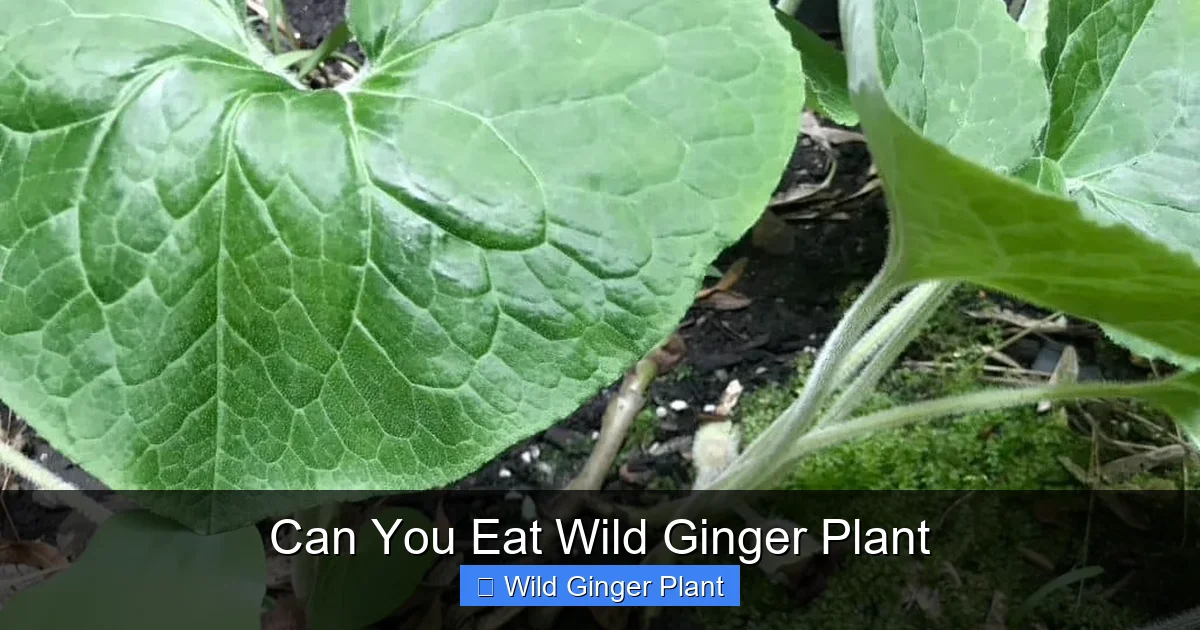
Can You Eat Wild Ginger Plant
Yes, you can eat wild ginger plant, but proper identification is critical. The roots and young leaves are edible when prepared correctly, though they differ significantly from commercial ginger. Never confuse wild ginger with toxic lookalikes like wild columbine or certain buttercups.
Have you ever spotted those heart-shaped leaves carpeting a shady forest floor and wondered if they’re edible? You’re not alone. Many foragers and nature enthusiasts ask the same question when they encounter wild ginger plant patches during spring hikes. The short answer is yes, you can eat wild ginger plant, but there’s a whole lot more to the story than a simple yes or no.
I’ve spent years learning about wild edibles, and wild ginger remains one of those plants that demands respect. It’s not the same as the ginger root you buy at the grocery store. Not even close. The wild ginger plant belongs to an entirely different botanical family, grows in completely different conditions, and carries its own set of rules for safe consumption. Let’s walk through everything you need to know before you even think about adding this woodland plant to your dinner plate.
Key Takeaways
- Wild ginger is edible but not true ginger: It belongs to the Asarum genus, not Zingiber, and has a milder, earthier flavor profile.
- Only certain parts are safe to eat: The rhizomes (roots) and very young spring leaves are the primary edible portions when properly prepared.
- Proper identification is absolutely essential: Several toxic plants resemble wild ginger, making positive ID a matter of safety.
- Preparation matters for safety: Wild ginger contains aristolochic acid compounds that require thorough cooking to reduce potential toxicity.
- Sustainable harvesting protects populations: Take only what you need, leave plenty for regeneration, and never harvest from contaminated areas.
- Medicinal uses exist but require caution: Traditional uses include digestive aid and cold remedies, but modern research shows potential kidney risks with prolonged use.
- Culinary applications are versatile: Use candied roots in baked goods, steep for tea, or add young leaves to salads for a subtle ginger-like note.
Quick Answers to Common Questions
Can you eat wild ginger plant raw?
No, never eat wild ginger plant raw. The rhizomes and young leaves must be thoroughly cooked (simmered 20+ minutes) to reduce aristolochic acid compounds and make them safe for consumption.
How do you identify wild ginger plant correctly?
Look for two heart-shaped hairy leaves per plant, ground-level three-sepaled flowers in spring, aromatic rhizomes that smell like ginger, and colonial growth in rich moist shade. Always verify with multiple field guides.
Is wild ginger plant the same as regular ginger?
No, wild ginger (Asarum species) and commercial ginger (Zingiber officinale) are botanically unrelated. They belong to different plant families and have different flavors, though both share aromatic compounds.
What are the risks of eating wild ginger plant?
The primary risk is aristolochic acid, which can cause kidney damage and cancer with prolonged or high-dose consumption. Pregnant women, people with kidney conditions, and children should avoid it entirely.
Can you grow wild ginger plant at home?
Yes, wild ginger makes an excellent native shade groundcover. Plant divisions in rich, moist, well-drained soil under deciduous trees. It spreads slowly and requires minimal maintenance once established.
📑 Table of Contents
- What Exactly Is Wild Ginger Plant
- Can You Eat Wild Ginger Plant — The Safety Reality
- How to Positively Identify Wild Ginger Plant
- Sustainable Harvesting Practices
- Preparing and Cooking Wild Ginger Plant
- Traditional and Modern Medicinal Uses
- Growing Your Own Wild Ginger Patch
- Frequently Asked Questions About Wild Ginger Plant
- Conclusion
What Exactly Is Wild Ginger Plant
First things first. When we talk about wild ginger plant, we’re usually referring to plants in the Asarum genus. The most common species in North America is Asarum canadense, often called Canadian wild ginger or broad-leaved wild ginger. On the West Coast, you’ll find Asarum caudatum, known as long-tailed wild ginger. Both share similar characteristics but have distinct regional differences.
Botanical Classification and Family
Here’s where many people get confused. The wild ginger plant is not related to commercial ginger (Zingiber officinale) at all. Commercial ginger belongs to the Zingiberaceae family. Wild ginger belongs to the Aristolochiaceae family, also known as the birthwort family. This distinction matters enormously for both safety and culinary expectations.
The name “wild ginger” comes from the scent. Crush a leaf or scratch a rhizome, and you’ll smell a distinct ginger-like aroma. That aromatic similarity led early settlers and indigenous peoples to use it as a ginger substitute. But the chemical compounds creating that scent are different from those in true ginger.
Physical Characteristics for Identification
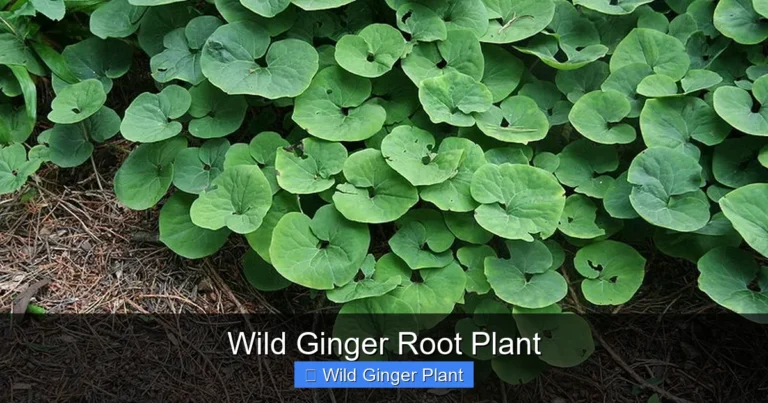
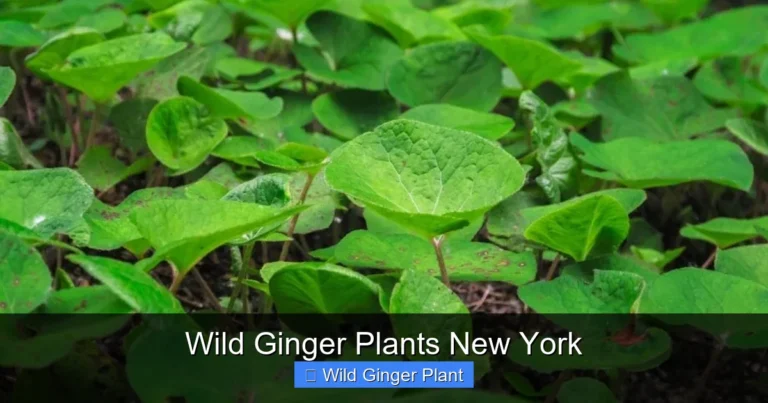
Learning to identify wild ginger plant correctly could save your life. Seriously. The plant grows low to the ground, typically four to eight inches tall. Each plant produces two heart-shaped or kidney-shaped leaves that emerge from a single point on the rhizome. The leaves feel slightly fuzzy or hairy to the touch, especially when young.
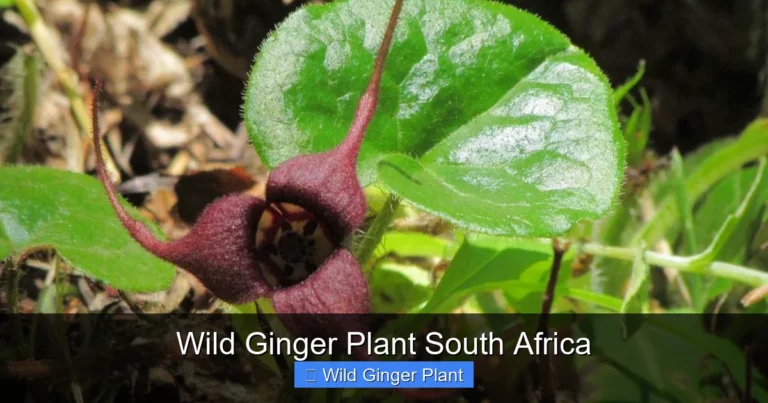
The flowers are where it gets interesting. They bloom at ground level, often hidden beneath the leaf litter. Each flower has three pointed sepals that can be brownish-purple, greenish, or reddish. They look almost like little jugs or bells sitting on the soil. This ground-level flowering is an adaptation for beetle and fly pollination.
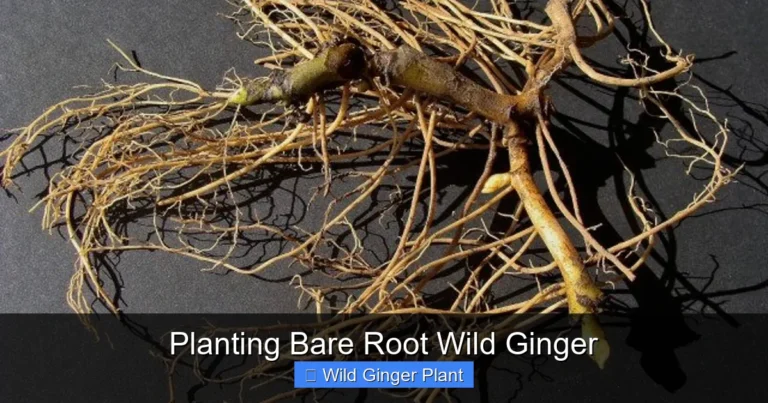
The rhizomes creep horizontally just below the soil surface. They’re slender, about the thickness of a pencil, and segmented. When fresh, they’re light colored with a strong aromatic scent. The root system is shallow, making the plants easy to dislodge — which is exactly why you need to harvest carefully.
Geographic Range and Habitat Preferences
Wild ginger plant thrives in deciduous and mixed forests across eastern North America, from Canada down to the southeastern United States. The western species occupies similar niches in Pacific Northwest forests. Both prefer rich, moist, well-drained soils with plenty of organic matter.
You’ll typically find them on north-facing slopes, in ravines, along stream banks, and in other consistently moist shaded areas. They form dense colonies over time, creating those beautiful green carpets that catch your eye in spring. The plants are indicators of healthy, undisturbed woodland ecosystems.
Can You Eat Wild Ginger Plant — The Safety Reality
This is the question that brought you here, and I want to give you a thorough, honest answer. Yes, you can eat wild ginger plant. Indigenous peoples across North America have used it for centuries. Early European settlers adopted it as a spice substitute. Modern foragers still enjoy it today. But — and this is a big but — there are serious caveats you need to understand.
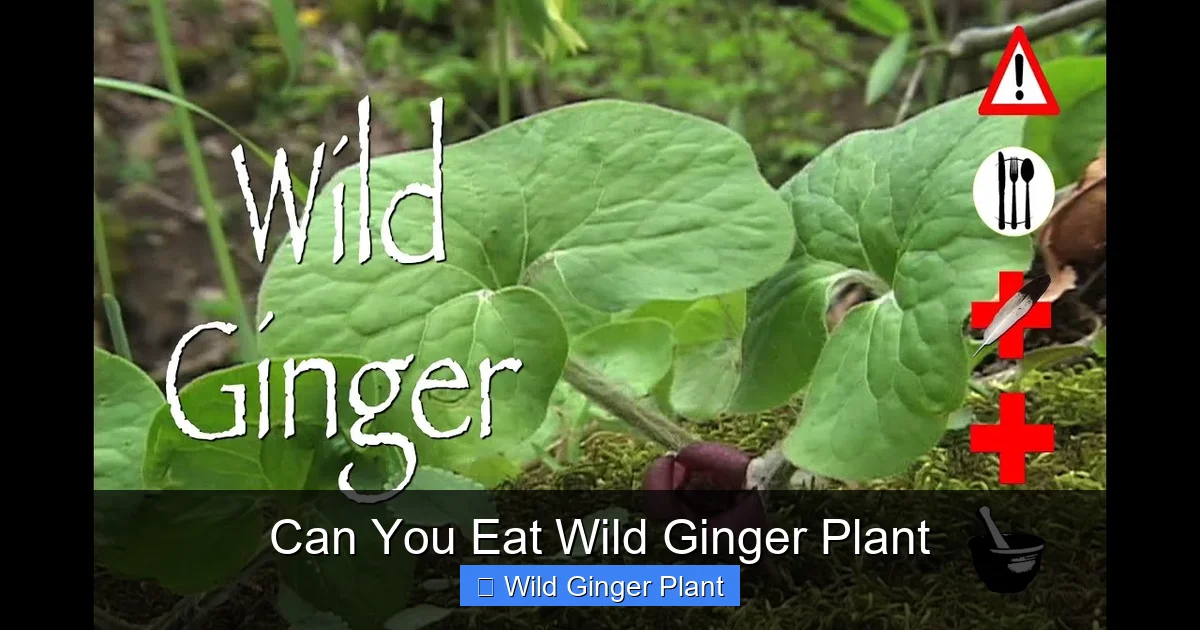
Visual guide about Can You Eat Wild Ginger Plant
Image source: i.ytimg.com
Understanding Aristolochic Acid Concerns
The most important safety issue involves compounds called aristolochic acids. These naturally occurring chemicals are found in plants of the Aristolochiaceae family, which includes wild ginger. Research has linked aristolochic acid to kidney damage and certain cancers when consumed in significant amounts over time.
Now, before you panic, understand this. The concentration in wild ginger plant rhizomes is relatively low compared to some tropical Aristolochia species used in traditional Chinese medicine that caused documented health crises. However, “relatively low” doesn’t mean zero. The scientific community hasn’t established a completely safe threshold for regular consumption.
Most modern herbalists and foraging experts recommend treating wild ginger as an occasional flavoring rather than a staple food. Think of it like nutmeg — delicious in small amounts, problematic in large quantities. Occasional use in cooking or as a tea is generally considered acceptable by experienced practitioners, but daily or medicinal-dose consumption carries risks.
Parts That Are Edible vs. Parts to Avoid
The rhizomes (underground stems) are the primary edible part. They’re harvested in fall or early spring when the plant is dormant. The very young, unfurling leaves in early spring are also edible but must be cooked. Mature leaves become tough and contain higher concentrations of problematic compounds.
Never eat the flowers or seeds. The flowers, while fascinating, concentrate certain compounds you don’t want. The seeds have not been well-studied for safety. Stick to rhizomes and very young spring leaves only.
Who Should Avoid Wild Ginger Entirely
Pregnant and nursing women should not consume wild ginger plant. The aristolochic acid compounds and other constituents may pose risks to fetal development and infant health. People with existing kidney conditions should also avoid it entirely. Anyone taking medications processed by the kidneys should consult a healthcare provider before experimenting.
Children, due to their smaller body mass and developing organ systems, should not consume wild ginger. The risk-benefit calculation simply doesn’t work out for a flavoring agent. There are plenty of safe culinary herbs for kids to enjoy.
How to Positively Identify Wild Ginger Plant
Identification is where your safety lives or dies. I cannot stress this enough. Several plants share habitat with wild ginger and bear superficial resemblances. Some are toxic. You need multiple confirming features before you ever consider harvesting.
Key Identifying Features Checklist
Run through this mental checklist every single time:
- Two leaves per plant: Each stem produces exactly two leaves emerging from the same point.
- Heart or kidney shape: Leaves are broadly heart-shaped with a deep notch at the base where the stem attaches.
- Hairy texture: Young leaves feel softly fuzzy; mature leaves may be less so but still have fine hairs.
- Ground-level flowers: In spring, look for the distinctive three-sepaled flowers hiding at soil level.
- Aromatic rhizomes: Scratch a rhizome gently — it should smell distinctly ginger-like, earthy and warm.
- Colonial growth: Plants grow in spreading patches, not as isolated individuals.
- Shade-loving habitat: Found in rich, moist, deciduous forest understory.
If any of these features are missing, stop. Do not harvest. Take photos, consult field guides, and return when you’re certain.
Dangerous Lookalikes You Must Know
This section could save your life. Please read carefully.
Wild Columbine (Aquilegia canadensis)
Young wild columbine leaves can resemble wild ginger to the untrained eye. Both have lobed leaves and grow in similar woodland habitats. However, columbine leaves are more deeply divided, almost fern-like, with three distinct lobes per leaf. Wild ginger leaves are simple, not compound. Columbine also grows taller and produces distinctive red-and-yellow spurred flowers on elevated stems, not ground-level blooms.
Mayapple (Podophyllum peltatum)
Mayapple produces large, deeply lobed umbrella-like leaves. When very young and just emerging, the folded leaves might briefly confuse a novice. But mayapple quickly develops its characteristic single large leaf (or two on flowering plants) on a tall stem. The entire plant is toxic except for fully ripe fruits. The rhizomes are powerfully purgative and dangerous.
Bloodroot (Sanguinaria canadensis)
Bloodroot leaves are similarly lobed and emerge early in spring. However, bloodroot leaves are more deeply scalloped, almost like oak leaves. The giveaway? Break a bloodroot stem or rhizome, and bright orange-red sap bleeds out. Wild ginger has no colored sap. Bloodroot is toxic and should not be eaten.
Violets (Viola species)
Some violet species have heart-shaped leaves and grow in similar habitats. But violet leaves are typically more pointed at the tip, have scalloped edges, and lack the hairy texture of wild ginger. Violet flowers are the classic five-petaled violet shape on stems above the leaves, not ground-level three-sepaled flowers. Most violets are edible, but you want to know which plant you’re actually harvesting.
Using Multiple Identification Resources
Never rely on a single source. Cross-reference at least three reputable field guides specific to your region. Use apps like iNaturalist or Seek as supplementary tools, not primary authorities. Join local foraging groups or take guided walks with experienced foragers. There’s no substitute for hands-on learning with someone who knows the plants intimately.
Sustainable Harvesting Practices
If you’ve positively identified wild ginger plant and decided to harvest, you have an ethical obligation to do it sustainably. These plants grow slowly. A colony takes decades to establish. Thoughtless harvesting can destroy a patch that took generations to form.
When to Harvest for Best Results
The optimal harvest window for rhizomes is late fall after the leaves die back, or very early spring before new growth emerges. During these dormant periods, the plant’s energy is stored in the rhizomes, making them more flavorful and easier to locate without damaging foliage.
For young leaves, the window is narrow — just as they unfurl in early spring, typically a two-week period. Once leaves mature, they’re too tough and potentially higher in problematic compounds.
The One-Third Rule and Beyond
Never harvest more than one-third of a colony’s rhizomes. Better yet, limit yourself to one-tenth. Use a small digging tool — a hori-hori knife or narrow trowel — and work carefully. Expose a small section of rhizome, cut what you need, and immediately replant the remaining segments with rootlets intact.
Leave the “mother” rhizome sections — the older, thicker segments with multiple growth buds. These are the colony’s reproductive engine. Harvest only the younger, pencil-thick extending rhizomes.
Site Selection Considerations
Never harvest near roads, trails with heavy dog traffic, old industrial sites, or areas with potential pesticide/herbicide application. Wild ginger’s shallow rhizomes readily absorb soil contaminants. Choose pristine, deep-woods locations far from human impact zones.
Check land ownership and regulations. Many public lands prohibit plant collection. Private land requires explicit permission. Some states list wild ginger as a species of concern. Know the rules before you dig.
Preparing and Cooking Wild Ginger Plant
Proper preparation isn’t just about flavor — it’s about safety. The aristolochic acid compounds are water-soluble and heat-labile, meaning thorough cooking in water reduces their presence significantly. This is non-negotiable.
Cleaning and Initial Processing
Freshly dug rhizomes come with soil, rootlets, and sometimes small creatures. Rinse thoroughly under running water. Use a soft brush to clean crevices. Trim away any damaged or discolored sections. You’ll notice the rhizomes are segmented with nodes — each node can produce a new plant, so consider replanting some.
Peeling is optional. The skin is thin and edible, but peeling removes any residual soil and potentially concentrates compounds in the outer layer. If peeling, use a vegetable peeler or paring knife carefully — the rhizomes are slender.
Essential Cooking Methods
Never eat wild ginger raw. Always cook thoroughly. The traditional and safest method is prolonged simmering. For tea, simmer sliced rhizomes for at least 20 minutes. For culinary use, incorporate into dishes that cook for 30 minutes or more — soups, stews, braises.
Candying is a popular preparation that involves multiple boiling and syrup-soaking cycles. This extended heat exposure further reduces problematic compounds while creating a delicious treat. We’ll cover a candying recipe shortly.
Flavor Profile and Culinary Pairings
Wild ginger tastes earthier, woodier, and less spicy than commercial ginger. It has warm, aromatic notes with a slight bitterness and a perfume-like quality. Think of it as ginger’s quiet forest cousin — subtle, complex, and deeply tied to its woodland origins.
It pairs beautifully with maple syrup, honey, apples, pears, squash, sweet potatoes, mushrooms, and game meats. In baked goods, it adds an intriguing background note that people can’t quite place. In savory dishes, it bridges sweet and savory elements.
Recipe: Wild Ginger Simple Syrup
This versatile syrup captures the essence safely. Combine one cup water, one cup sugar, and half cup sliced wild ginger rhizomes in a saucepan. Bring to a boil, then reduce to a gentle simmer. Cook for 30 minutes. Strain through cheesecloth. Bottle and refrigerate. Use within two weeks. Drizzle over pancakes, stir into cocktails, or sweeten tea.
Recipe: Candied Wild Ginger
Slice rhizomes into 1/8-inch coins. Place in a pot, cover with water, bring to boil, drain. Repeat this blanching process three times — this is crucial for safety. Then combine equal parts water and sugar (one cup each per cup of ginger), add blanched ginger, and simmer gently for 45 minutes. Drain, reserving syrup. Toss ginger pieces in coarse sugar. Dry on a rack overnight. Store in airtight container.
Recipe: Wild Ginger Tea
For a warming woodland tea, simmer one tablespoon sliced fresh rhizome (or one teaspoon dried) in two cups water for 25 minutes. Strain. Add honey and lemon if desired. Limit to one cup daily, and don’t drink daily for more than two weeks at a time. Take breaks.
Traditional and Modern Medicinal Uses
Wild ginger plant has a long history of medicinal use among indigenous peoples and later among eclectic physicians and herbalists. Understanding this history provides context, but it doesn’t replace modern safety knowledge.
Historical Indigenous Applications
Numerous tribes across eastern North America used wild ginger rhizomes for digestive complaints, colds, fevers, and as a general tonic. The Cherokee used it for coughs and colds. The Iroquois used it for stomach aches and as a food seasoning. The Menominee used it for menstrual cramps. Preparations were typically decoctions (long-simmered teas) or powdered dried rhizomes.
Importantly, traditional use was often occasional and ceremonial, not daily high-dose consumption. Traditional knowledge systems included safety parameters that modern users often overlook.
Early American Medical Uses
Eclectic physicians of the 19th century included wild ginger in their materia medica. They used it as a stimulant, carminative (relieves gas), and diaphoretic (induces sweating). It appeared in formulas for dyspepsia, flatulence, and suppressed menstruation. The US Dispensatory listed it until the early 20th century.
Modern Herbalist Perspectives
Contemporary herbalists are divided. Some avoid wild ginger entirely due to aristolochic acid concerns. Others use it sparingly in formulas for specific short-term indications, typically digestive stagnation or cold congestion. Most emphasize that safer alternatives exist for almost every indication — ginger, cinnamon, cardamom, and other warming carminatives without the safety questions.
What Current Research Tells Us
Laboratory studies confirm aristolochic acid presence in Asarum species, though concentrations vary by species, population, and growing conditions. Animal studies show nephrotoxicity at high doses. Human epidemiological data comes primarily from cases involving Chinese herbal products containing Aristolochia species, not Asarum specifically.
The precautionary principle applies. Until definitive safety data exists, conservative use guidelines are warranted. This doesn’t mean wild ginger is “poison” — it means we respect what we don’t fully understand.
Growing Your Own Wild Ginger Patch
If you love wild ginger plant and have suitable habitat, consider cultivating it. This eliminates wild harvesting pressure, gives you a clean known source, and lets you observe the plant’s full life cycle. Plus, it’s a gorgeous native groundcover for shade gardens.
Site Requirements for Cultivation
Replicate its wild preferences: dappled to deep shade, rich humusy soil, consistent moisture, good drainage. A north-facing slope under deciduous trees is ideal. Soil pH slightly acidic to neutral (5.5-7.0). Amend planting areas generously with leaf mold or composted hardwood leaves.
Propagation Methods
Division is easiest. In early spring or fall, dig a small section of rhizome with at least two growth buds and some rootlets. Plant horizontally just below the soil surface, water well, and mulch with leaf litter. Space divisions 6-12 inches apart — they’ll fill in over years.
Seed propagation is possible but slow. Seeds require cold stratification and can take two years to germinate. Seedlings take 3-4 years to reach transplant size. Most gardeners opt for divisions or nursery plants.
Maintenance and Long-Term Care
Once established, wild ginger plant needs little care. Maintain leaf mulch annually. Water during droughts. Remove invasive competitors like garlic mustard or Japanese stiltgrass. Divide crowded patches every 5-7 years to maintain vigor — and share divisions with friends.
Ethical Sourcing if Purchasing
Buy only from nurseries that propagate their own plants or source from verified sustainable operations. Avoid “wildcrafted” plants unless the seller provides detailed harvesting ethics documentation. Reputable native plant nurseries will happily discuss their propagation methods.
Frequently Asked Questions About Wild Ginger Plant
Let me address the questions I hear most often from foragers and gardeners.
Is wild ginger plant the same as store-bought ginger?
Absolutely not. They’re botanically unrelated. Store ginger (Zingiber officinale) is a tropical plant in the Zingiberaceae family. Wild ginger (Asarum species) is a temperate woodland plant in the Aristolochiaceae family. They share only a similar aromatic compound profile, not genetics or true flavor equivalence.
Can I use wild ginger plant in any recipe calling for ginger?
Not directly. Wild ginger is much milder and earthier. You’d need significantly more volume to achieve similar intensity, which raises safety concerns. Better to use wild ginger in recipes developed for its unique profile — think subtle background notes rather than starring roles.
How do I dry wild ginger for later use?
Clean rhizomes thoroughly, slice thinly (1/8 inch), and dry at 95-115°F in a dehydrator or well-ventilated warm area until brittle. Store in airtight jars away from light. Dried wild ginger keeps 12-18 months. Rehydrate by simmering — never use dried wild ginger raw in uncooked preparations.
What does wild ginger plant taste like?
Imagine ginger’s warmth without the sharp bite, blended with forest floor earthiness, a hint of black pepper, and a floral perfume note. It’s subtle, complex, and deeply aromatic. The flavor varies by species, soil, harvest time, and preparation method.
Can I eat wild ginger plant leaves raw in salad?
No. Only the very youngest unfurling leaves are edible, and they must be cooked thoroughly. Mature leaves are tough, fibrous, and concentrate more problematic compounds. Stick to rhizomes for culinary use.
Is wild ginger plant endangered?
Not federally, but some states list it as a species of special concern due to habitat loss and overharvesting. It’s slow-growing and slow to colonize new areas. Always check your state’s natural heritage program status before harvesting. Better yet, grow your own.
Conclusion
So, can you eat wild ginger plant? Yes, with knowledge, caution, and respect. This woodland native offers a unique culinary experience and connects us to centuries of human-plant relationships. But it demands more from us than the average grocery store herb. Positive identification, sustainable harvesting, thorough cooking, and moderate consumption aren’t optional — they’re the price of admission.
If you’re new to foraging, I’d suggest starting with easier, safer plants. Learn wild ginger’s rhythms by observing it through seasons before you ever harvest. Grow a patch in your shade garden. Make the syrup. Share it with friends. Let the plant teach you its pace.
The forest doesn’t owe us its bounty. We earn the right to participate through attention, restraint, and reciprocity. Wild ginger plant, with its hidden flowers and creeping rhizomes and ancient chemical defenses, reminds us that some relationships require patience. That might be the most valuable thing it offers.
Frequently Asked Questions
Can you eat wild ginger plant flowers?
No, wild ginger flowers should not be eaten. They concentrate certain compounds and have not been established as safe for consumption. Stick to properly cooked rhizomes and very young spring leaves only.
How much wild ginger plant is safe to eat?
Most experts recommend occasional culinary use only — think flavoring a batch of syrup or a pot of soup a few times per season. Daily consumption or medicinal doses are not advised due to aristolochic acid content.
When is the best time to harvest wild ginger plant?
Harvest rhizomes in late fall after leaf die-back or early spring before new growth emerges. Young leaves can only be harvested during their brief unfurling period in early spring, typically a two-week window.
Does wild ginger plant have any poisonous lookalikes?
Yes, several plants resemble wild ginger including young wild columbine, mayapple, bloodroot, and some violet species. Positive identification using multiple features is essential before any harvesting.
Can you substitute wild ginger for regular ginger in recipes?
Not directly. Wild ginger is much milder and earthier than commercial ginger. Using enough to match the flavor intensity would raise safety concerns. Use wild ginger in recipes developed for its unique subtle profile.
Is wild ginger plant legal to harvest?
Regulations vary by location. Many public lands prohibit plant collection. Some states list wild ginger as a species of concern. Always check local regulations and obtain permission before harvesting on any land.