Wild Ginger Native Plant
The wild ginger native plant is a low‑growing, shade‑loving perennial that adds lush foliage and subtle flowers to woodland gardens. It thrives in moist, well‑drained soil and supports pollinators while requiring minimal maintenance.
When you walk through a mature forest in early spring, you may notice a carpet of heart‑shaped leaves hugging the ground. That carpet is often the wild ginger native plant, a modest yet powerful member of the woodland community. Gardeners who crave a natural look with minimal fuss find this perennial a perfect match for shady borders, rain gardens, and naturalized areas.
In this guide we explore everything you need to know about the wild ginger native plant. From its botanical background to practical planting tips, you will learn how to make this understated beauty thrive in your own landscape.
Key Takeaways
- Shade tolerance: The wild ginger native plant flourishes in deep to partial shade, making it ideal for understory planting.
- Low maintenance: Once established, it needs little watering or fertilizing.
- Wildlife value: Its flowers attract early‑season pollinators like bees and flies.
- Soil preference: It prefers rich, moist, well‑drained soils with plenty of organic matter.
- Spread habit: The plant spreads slowly by rhizomes, forming a dense groundcover over time.
- Medicinal history: Indigenous peoples used the rhizome for traditional remedies, though modern use should be guided by experts.
- Companion planting: Pair it with ferns, hostas, and trilliums for a cohesive woodland aesthetic.
Quick Answers to Common Questions
What type of light does the wild ginger native plant prefer?
It thrives in full to partial shade and should be protected from intense afternoon sun.
How often should I water newly planted wild ginger native plant?
Keep the soil consistently moist during the first growing season; after establishment, it tolerates brief dry periods.
Can the wild ginger native plant be grown in containers?
Yes, use a wide, shallow pot with rich, moisture‑retentive mix and place it in a shaded location.
Is the wild ginger native plant invasive?
No, it spreads slowly by rhizomes and is not considered invasive in its native range.
When is the best time to divide the wild ginger native plant?
Early spring, before new growth emerges, is the ideal time for division.
📑 Table of Contents
Botanical Overview
Scientific name and family
The wild ginger native plant belongs to the genus Asarum and the family Aristolochiaceae. The most common species in North America is Asarum canadense, often called Canadian wild ginger. Its close relatives share similar habits but differ slightly in leaf shape and flower color.
Growth habit and appearance
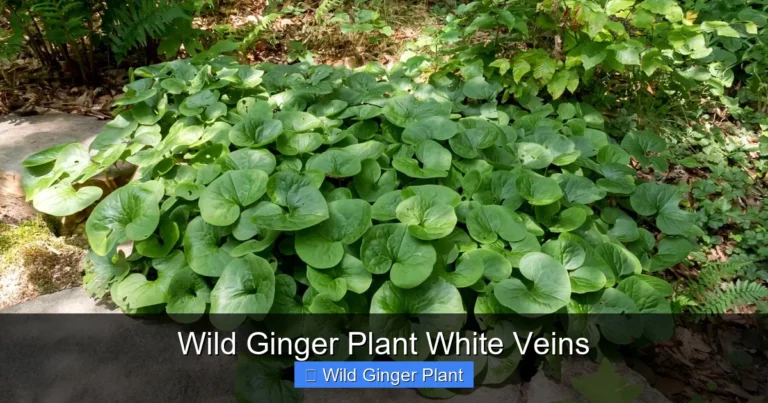
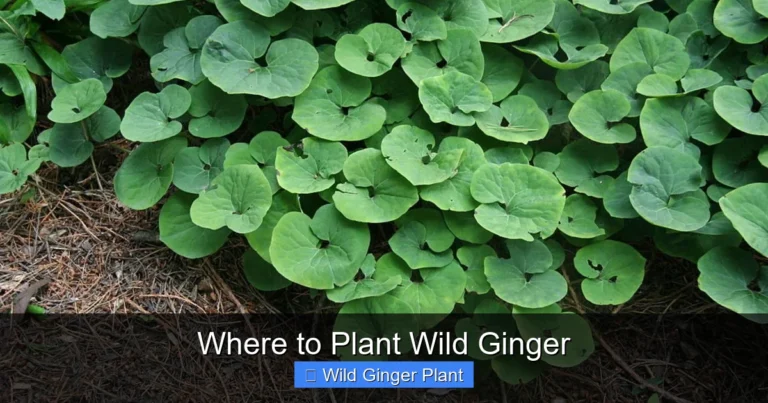
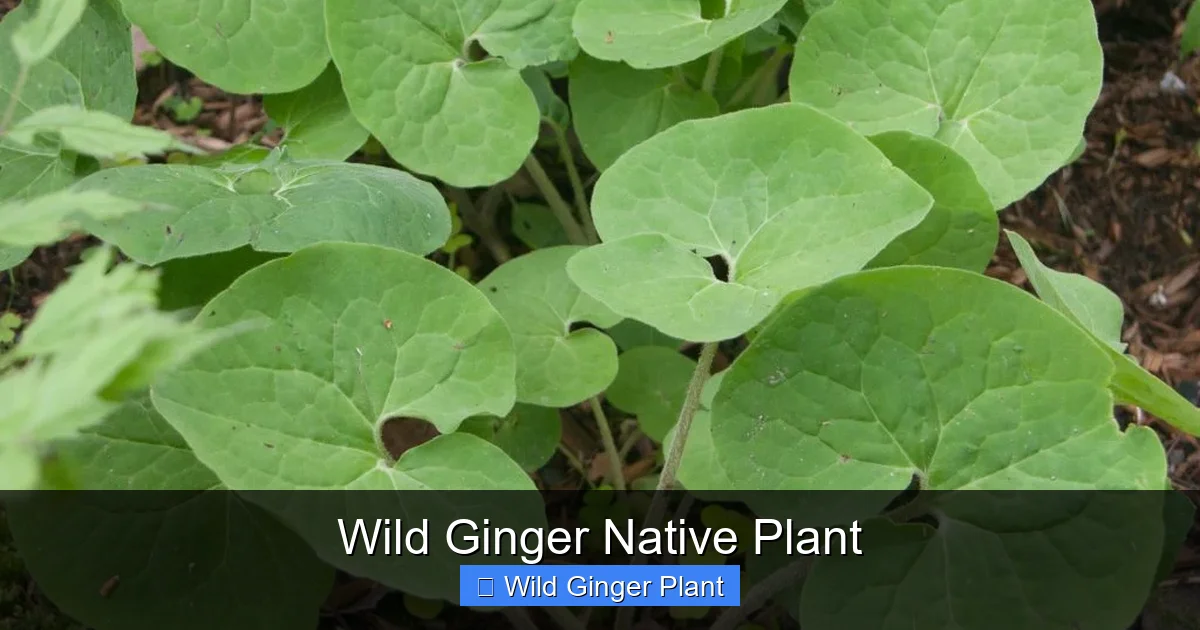
This plant forms a low, spreading mound that reaches 6 to 12 inches in height. The leaves are kidney‑shaped, glossy, and deep green, creating a dense mat that suppresses weeds. In early spring, small, bell‑shaped flowers emerge at ground level, usually hidden beneath the foliage. The flowers are a muted purple‑brown and emit a faint, sweet scent that attracts tiny pollinators.
Native range
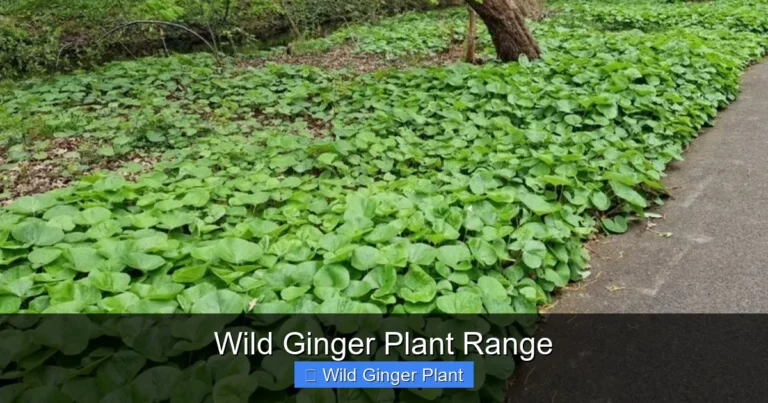
The wild ginger native plant is native to eastern North America, from the Great Lakes region down to the Appalachian Mountains. It thrives in deciduous forests where the canopy provides dappled light and the forest floor stays moist. Because it is adapted to these conditions, it performs best when gardeners mimic its natural habitat.
Site Selection and Soil Preparation
Choosing the right spot
Pick a location that receives full to partial shade. A north‑facing bed, the base of a mature tree, or a shaded corner of a patio works well. Avoid sites with intense afternoon sun, which can scorch the leaves and dry the soil too quickly.
Soil requirements
The wild ginger native plant loves rich, humus‑laden soil that retains moisture but drains excess water. Before planting, amend the area with compost or well‑rotted leaf mold. A soil test can confirm a pH between 5.5 and 6.5, which is ideal for this species.
Improving drainage
If your site tends to stay soggy, incorporate coarse sand or fine gravel into the planting hole. Good drainage prevents root rot, a common issue when the rhizomes sit in standing water for extended periods.
Planting Techniques
When to plant
Early spring or early fall are the best times to install the wild ginger native plant. Cool temperatures reduce transplant shock and give the rhizomes time to establish before the heat of summer or the freeze of winter.
Spacing and depth
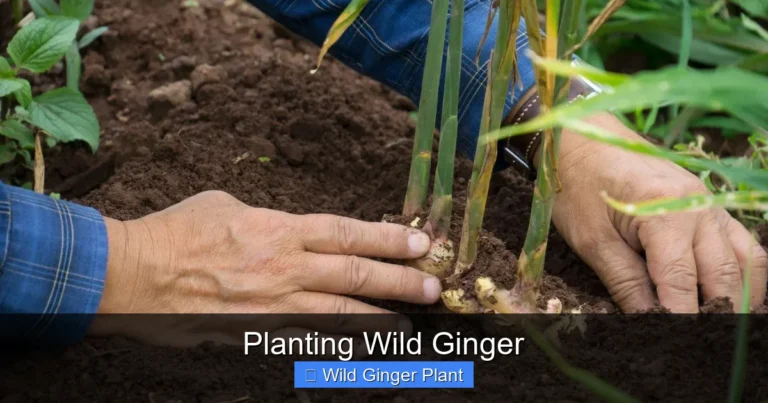
Space plants 12 to 18 inches apart to allow for their slow spread. Dig a hole twice as wide as the rhizome and just deep enough so the crown sits at soil level. Backfill with the amended soil, firm gently, and water thoroughly.
Mulching for success
Apply a 2‑inch layer of shredded leaves or bark mulch around the new plants. Mulch conserves moisture, moderates soil temperature, and adds organic matter as it breaks down. Keep mulch a few inches away from the crown to avoid rot.
Care and Maintenance
Watering needs
During the first growing season, keep the soil consistently moist but not waterlogged. Once established, the wild ginger native plant tolerates short dry spells, though it performs best with regular moisture. A soaker hose or drip irrigation works well in shaded beds.
Fertilizing
This perennial rarely needs supplemental fertilizer. A light top‑dressing of compost in early spring provides enough nutrients. Over‑fertilizing can encourage lush foliage at the expense of flower production.
Dividing and propagating
Every three to five years, you can divide clumps to rejuvenate the planting or share with friends. Dig up the rhizome mass in early spring, separate healthy sections with a sharp knife, and replant immediately. Division also helps control the spread if the plant becomes too dense.
Pest and disease management
The wild ginger native plant is largely pest‑free. Slugs and snails may nibble the leaves in very wet conditions; hand‑picking or organic slug bait solves the problem. Fungal leaf spots are rare but can appear in overly humid, poorly ventilated sites. Improve air circulation by thinning nearby vegetation if needed.
Ecological Benefits
Pollinator support
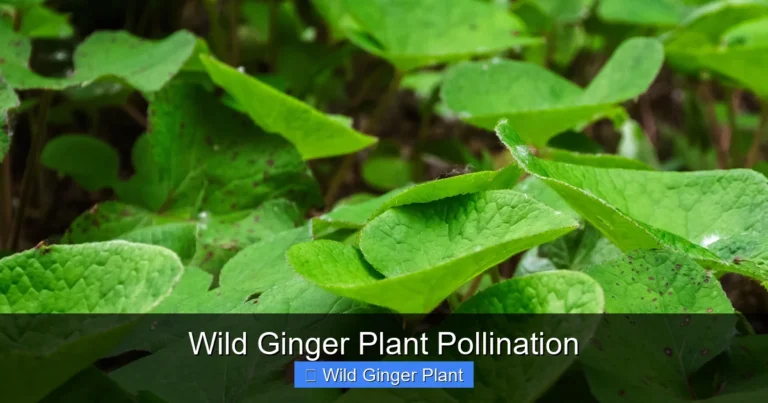
Early‑season pollinators such as small bees, flies, and beetles visit the hidden flowers. By planting the wild ginger native plant, you provide a critical nectar source when few other blooms are available.
Soil stabilization
The dense rhizome network binds the soil, reducing erosion on slopes and stream banks. This makes the plant a valuable component of rain gardens and riparian buffers.
Habitat for beneficial insects
The leaf litter created by the plant shelters predatory insects like ground beetles and spiders, which help keep garden pests in check naturally.
Design Ideas and Companion Plants
Woodland garden vignette
Combine the wild ginger native plant with ferns such as Matteuccia struthiopteris (ostrich fern) and Dryopteris marginalis (marginal wood fern). Add hostas for bold foliage contrast and trilliums for spring color. The result is a layered, textural tapestry that mimics a natural forest floor.
Shade border edging
Use the plant as a living edging along a shaded walkway. Its low height keeps sightlines open while the glossy leaves create a soft, green border that requires no mowing.
Rain garden integration
In a rain garden, place the wild ginger native plant in the lower, wetter zone. Pair it with Iris versicolor (blue flag iris) and Carex stricta (tussock sedge) for a functional and attractive stormwater feature.
Container gardening
Though typically a groundcover, the wild ginger native plant can thrive in a wide, shallow container filled with a high‑organic‑matter potting mix. Keep the pot in a shaded patio and water regularly. This allows apartment dwellers to enjoy a slice of woodland ecology.
Historical and Cultural Uses
Traditional medicine
Indigenous peoples harvested the rhizome of the wild ginger native plant for treating colds, digestive upset, and as a poultice for wounds. The rhizome contains aristolochic acid, which can be toxic in large doses, so modern herbalists advise caution and professional guidance.
Culinary notes
The rhizome has a ginger‑like aroma, giving rise to the common name. Some foragers use tiny amounts as a flavoring, but the flavor is far milder than true ginger (Zingiber officinale). Always verify identification and safety before consumption.
Folklore
In several Native American traditions, the plant symbolizes protection and hidden strength because its flowers are concealed beneath the leaves. It appears in stories that teach the value of looking beyond the surface.
Common Challenges and Solutions
Slow establishment
Patience is key. The wild ginger native plant may take two to three years to form a noticeable mat. Keep the area weed‑free and maintain consistent moisture during this period.
Leaf scorch in unexpected sun
If a nearby tree is removed and the site receives more light, the leaves may brown at the edges. Provide temporary shade cloth or relocate the plants to a shadier spot.
Overcrowding
After many years, clumps can become so dense that airflow suffers, leading to fungal issues. Divide the clumps every few years to maintain vigor.
Conclusion
The wild ginger native plant offers a rare combination of beauty, ecological value, and low maintenance. Its glossy leaves create a living carpet that softens hardscapes, supports early pollinators, and stabilizes soil. By choosing a shady, moist site and giving it a little patience, you can enjoy a piece of native woodland in your own garden for decades. Whether you are designing a full woodland garden, a rain garden, or simply adding a groundcover under a mature tree, this perennial deserves a spot on your planting list. Embrace the subtle charm of the wild ginger native plant and watch your shaded spaces come alive with quiet, resilient life.
Frequently Asked Questions
Does the wild ginger native plant produce edible ginger?
The rhizome has a mild ginger scent but is not a culinary substitute for true ginger; it contains compounds that can be toxic in large amounts.
What soil pH is best for the wild ginger native plant?
A slightly acidic to neutral pH between 5.5 and 6.5 provides optimal growing conditions.
How do I protect the wild ginger native plant from slugs?
Hand‑pick slugs at night or apply organic slug bait; maintaining good air circulation also reduces slug pressure.
Can the wild ginger native plant tolerate dry shade?
It prefers consistent moisture; prolonged dry shade will cause leaf scorch and reduced vigor.
What companion plants work well with the wild ginger native plant?
Ferns, hostas, trilliums, and shade‑tolerant sedges create a harmonious woodland planting scheme.
How long does it take for the wild ginger native plant to form a dense groundcover?
Typically two to three years after planting, depending on soil fertility and moisture levels.