Wild Ginger Plant Roots
Wild ginger plant roots are aromatic rhizomes from native North American woodland perennials, historically used by Indigenous peoples for medicine and flavoring. Though not related to culinary ginger, they offer a similar spicy aroma and have fascinating ecological relationships with ants and beetles.
If you’ve ever wandered through a moist, shady woodland in eastern or western North America, you might have stepped right past one of the continent’s most fascinating native plants without noticing it. Wild ginger plant roots hide beneath heart-shaped leaves, telling a story that spans Indigenous wisdom, ecological intrigue, and modern scientific caution. This unassuming perennial doesn’t shout for attention. Its flowers hug the ground, pollinated by beetles and flies rather than showy butterflies. Its seeds hitch rides on ants. And its rhizomes? They carry a spicy fragrance that has fooled many a forager into thinking they’ve found a free substitute for the ginger in their spice rack.
But here’s the thing. Wild ginger plant roots are not ginger. Not even close. They belong to an entirely different plant family, contain compounds that demand respect, and play ecological roles that make them far more interesting than a simple spice substitute. Whether you’re a woodland gardener looking for the perfect shade ground cover, a forager curious about traditional uses, or someone who simply loves learning about native plants, there’s a lot to unpack here. Let’s dig in.
Key Takeaways
- Not true ginger: Wild ginger belongs to the Aristolochiaceae family, completely unrelated to culinary ginger (Zingiber officinale).
- Two main species: Asarum canadense (eastern North America) and Asarum caudatum (western North America) are the most common varieties.
- Ant dispersal: Seeds have fatty appendages called elaiosomes that attract ants, which carry seeds to their nests and effectively plant them.
- Traditional medicine: Indigenous peoples used root teas for colds, digestive issues, and as a general tonic for centuries.
- Safety concerns: Contains aristolochic acid, which can cause kidney damage and cancer with prolonged or high-dose use.
- Shade garden star: Makes an excellent ground cover for woodland gardens with heart-shaped leaves and unusual jug-shaped flowers.
- Sustainable harvest: Only harvest from abundant populations, taking less than 10% of rhizomes to ensure colony survival.
Quick Answers to Common Questions
Is wild ginger related to the ginger in my spice rack?
No. Wild ginger (Asarum species) belongs to the Aristolochiaceae family, while culinary ginger (Zingiber officinale) is in the Zingiberaceae family. They’re completely unrelated plants that happen to share a similar aroma.
Can I safely eat wild ginger roots?
Occasional culinary use of small amounts from cultivated plants is likely low-risk for healthy adults, but wild ginger contains aristolochic acid, a known kidney toxin and carcinogen. Regular or medicinal use is not recommended. Pregnant people, children, and those with kidney issues should avoid it entirely.
How do I identify wild ginger in the woods?
Look for paired heart-shaped leaves with fine hairs, growing in colonies in moist deciduous shade. Flowers hide at ground level with three purplish sepals. Rhizomes grow just below the surface and smell gingery when crushed. Always confirm with multiple features before harvesting.
Can I grow wild ginger in my garden?
Yes! Wild ginger makes an excellent native ground cover for shady areas. Plant rhizomes horizontally just below the surface in rich, moist, well-drained soil with deciduous shade. Mulch with leaves annually. It’s low-maintenance once established.
Why do ants carry wild ginger seeds?
Wild ginger seeds have fatty appendages called elaiosomes that attract ants. Ants carry seeds to their nests, eat the elaiosomes, and discard the intact seeds in nutrient-rich waste piles where they germinate. This mutualism benefits both species.
📑 Table of Contents
- What Are Wild Ginger Plant Roots?
- Identifying Wild Ginger in the Wild
- Traditional Uses and History
- Modern Applications and Research
- Growing Your Own Wild Ginger
- Safety and Important Considerations
- Conservation and Ethical Harvesting
- Harvesting, Processing, and Storage
- Cooking with Wild Ginger
- Wild Ginger in the Ecosystem
- Conclusion
What Are Wild Ginger Plant Roots?
Let’s start with the basics. When people talk about wild ginger plant roots, they’re technically referring to rhizomes. These are horizontal underground stems that send out roots and shoots from their nodes. True roots only absorb water and nutrients. Rhizomes do that too, but they also store energy and allow the plant to spread vegetatively. This distinction matters because it explains how wild ginger forms those lovely colonial patches you see on the forest floor.
The Two Main Species You’ll Encounter
North America hosts several Asarum species, but two dominate the conversation. Asarum canadense, commonly called Canadian wild ginger or eastern wild ginger, ranges from Manitoba to Nova Scotia, south to Georgia and Louisiana. It’s the species most eastern foragers and gardeners encounter. Asarum caudatum, known as western wild ginger or long-tailed wild ginger, inhabits the Pacific Northwest from British Columbia to California, east to Montana and Idaho.
Both share the characteristic heart-shaped (cordate) leaves and ground-hugging flowers, but they differ in flower structure. Eastern wild ginger flowers have three triangular sepals that flare outward. Western wild ginger flowers sport long, tapered sepal tips that give the species its “long-tailed” nickname. These “tails” can extend an inch or more beyond the flower cup.
Not Related to Culinary Ginger At All
This is the single most important fact to remember. Culinary ginger (Zingiber officinale) belongs to the Zingiberaceae family, tropical monocots related to turmeric, cardamom, and bananas. Wild ginger plant roots come from the Aristolochiaceae family, temperate dicots related to pipevines and birthworts. They evolved on separate continents, separated by oceans and millions of years.
So why the shared name? Early European settlers encountered the native plant, noticed the rhizomes smelled spicy and gingery when crushed, and applied a familiar name. Indigenous peoples had their own names for it, names that reflected its actual properties and uses rather than a superficial resemblance to an Asian spice. The name stuck, and the confusion persists today.
The Distinctive Aroma and Flavor Profile
Crush a piece of wild ginger rhizome and you’ll understand the naming confusion immediately. The scent is unmistakably gingery, warm and spicy with earthy undertones. Some describe hints of camphor or eucalyptus beneath the primary ginger note. The flavor follows the aroma. It’s pungent, warming, and distinctly ginger-like, though generally more subtle and complex than commercial ginger.
This similarity comes from convergent evolution. Both plants produce similar volatile compounds, particularly zingiberene and other sesquiterpenes, despite their distant relationship. These compounds serve different ecological functions in each plant. In wild ginger, they likely deter herbivores and soil pathogens. In culinary ginger, they serve similar protective roles in a tropical context.
Identifying Wild Ginger in the Wild
Before you even think about harvesting wild ginger plant roots, you need confident identification skills. Mistakes can range from disappointing (digging up the wrong plant) to dangerous (confusing it with toxic look-alikes). Take time to learn the plant through its full seasonal cycle.
Visual guide about Wild Ginger Plant Roots
Image source: epicgardening.com
Leaf Characteristics Through the Seasons
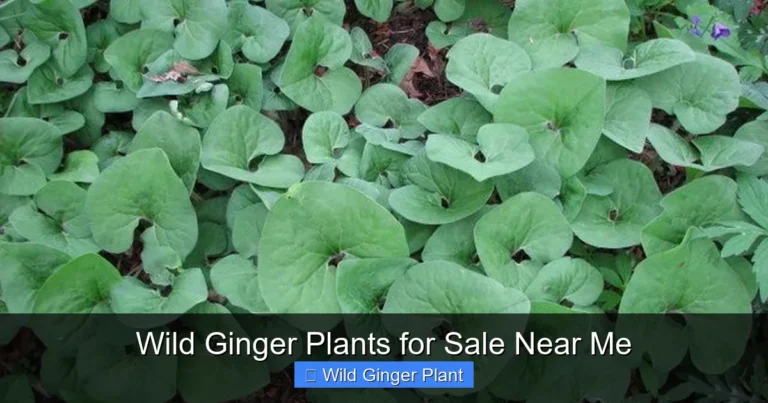
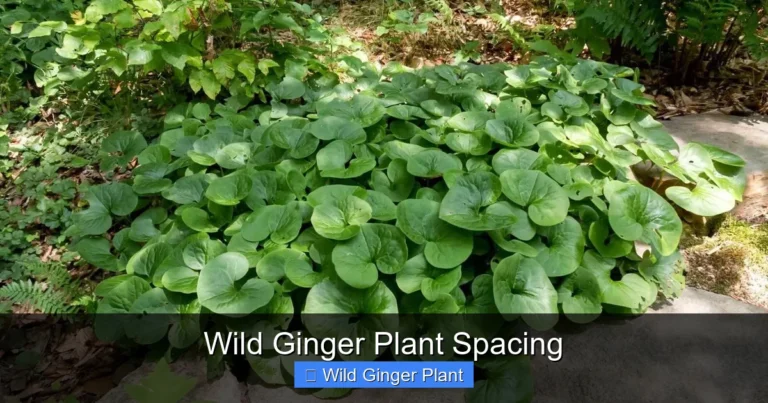
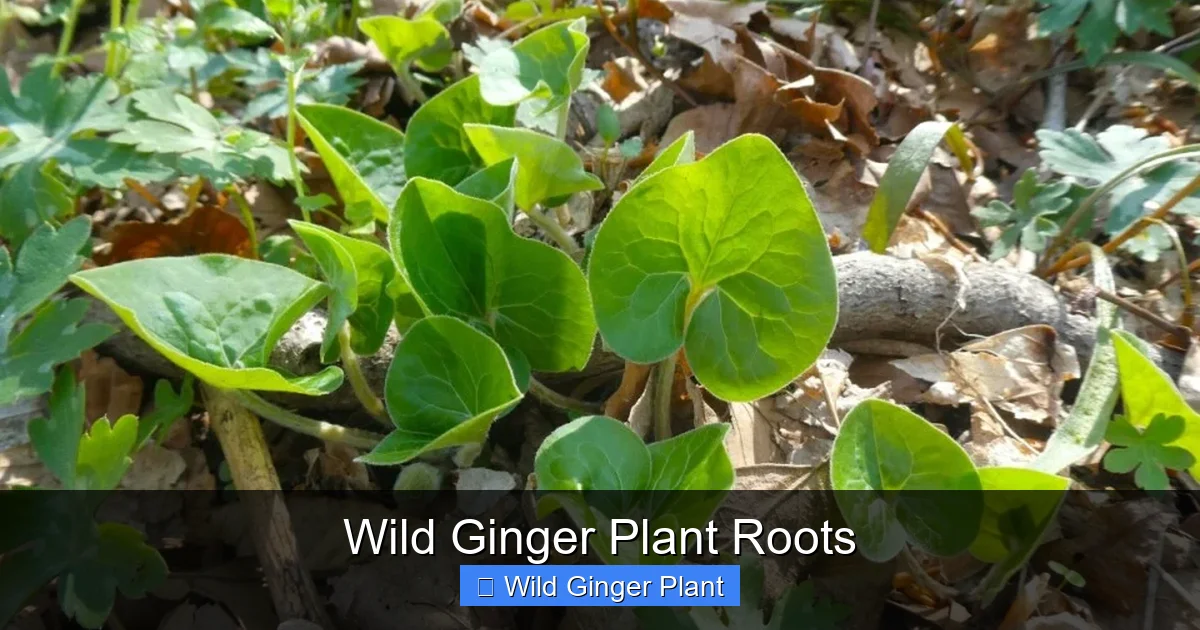
Wild ginger leaves emerge in early spring as tightly furled pairs, often with a purplish tinge. They unfurl into broad, heart-shaped blades 3 to 6 inches wide, sometimes larger in ideal conditions. The leaf surface feels soft, almost velvety, covered in fine hairs. This pubescence distinguishes it from many look-alikes. Leaves grow in pairs from each node along the rhizome, creating a dense, overlapping ground cover.
In summer, the foliage stays lush and green in moist shade. Come fall, leaves may develop yellow or bronze tones before dying back. In milder climates, especially for western wild ginger, leaves can persist through winter. The eastern species is typically deciduous. Leaf veins follow a palmate pattern, radiating from the base like fingers from a palm.
The Hidden Flowers
Here’s where many people miss the show. Wild ginger flowers bloom at ground level, often completely hidden beneath the leaf litter. You have to get down on your knees and gently move leaves aside to find them. Each flower sits solitary on a short stalk emerging from the leaf pair base.
The flower structure is unique. There are no petals. Instead, three fused sepals form a cup-shaped or bell-shaped calyx, typically purplish-brown to reddish-brown, sometimes greenish. The interior often shows intricate patterning. Eastern wild ginger flowers measure about an inch across. Western wild ginger flowers are similar but with those distinctive long sepal tips.
Why hide the flowers? This is a beetle and fly pollination strategy. The dark color mimics carrion or fungi. The ground-level position attracts ground-dwelling insects. The flower interior traps visitors temporarily, ensuring pollen transfer. It’s a fascinating system that rewards patient observation.
Rhizome Appearance and Growth Pattern
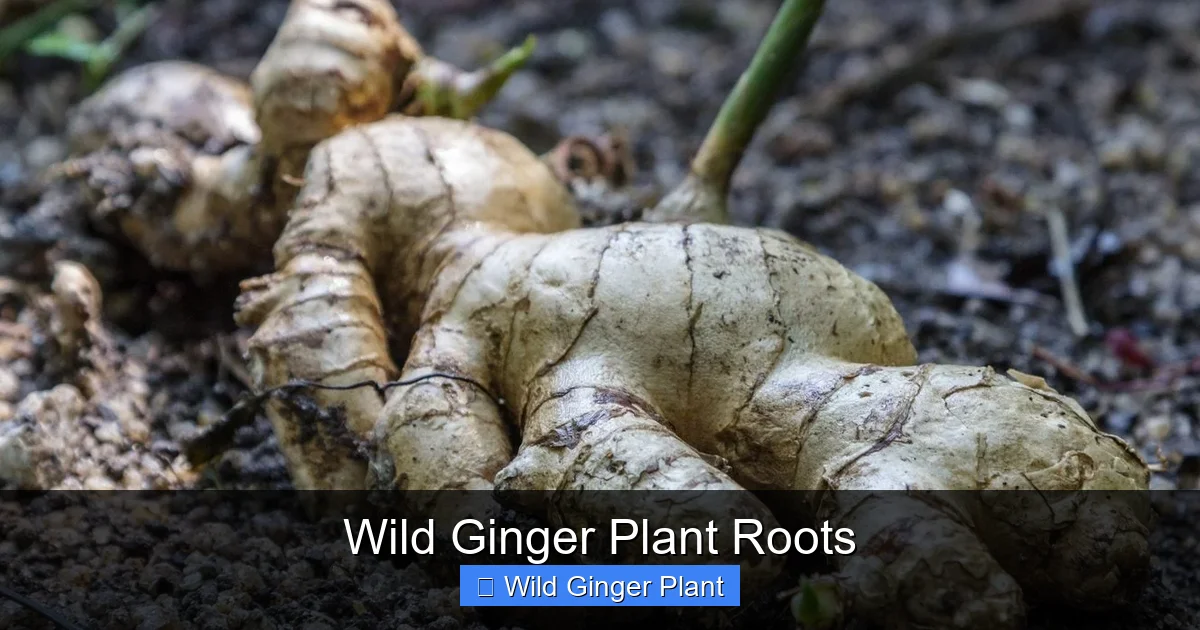
The rhizomes themselves grow just below the soil surface, often partially exposed where leaf litter is thin. They’re slender, typically 1/4 to 1/2 inch in diameter, with a brownish outer skin and creamy white interior. Nodes appear every inch or two, marked by leaf scars where previous years’ leaves attached. Fine roots emerge from the nodes, anchoring the plant and absorbing nutrients.
Rhizomes branch and spread horizontally, forming colonies that can span several feet. A single plant can live for decades, slowly expanding its territory. The growing tips are the most tender and aromatic portions. Older sections become woody and less flavorful.
Common Look-Alikes and How to Distinguish Them
Several plants share wild ginger’s habitat and can confuse beginners. Hexastylis species (little brown jugs or heartleaf) look remarkably similar but have evergreen, leathery leaves with distinct white veining. Their flowers are more jug-shaped. Asarum europaeum, European wild ginger, escapes cultivation and naturalizes in some areas. It has glossier, more leathery leaves.
More dangerously, young Podophyllum peltatum (mayapple) leaves can resemble wild ginger before they fully expand. Mayapple is toxic. Sanguinaria canadensis (bloodroot) shares habitat but has deeply lobed leaves and orange-red sap. Caulophyllum thalictroides (blue cohosh) has compound leaves, not simple heart-shaped ones.
The key identifiers for wild ginger: paired heart-shaped leaves with fine hairs, ground-level purplish flowers with three sepals, ginger-scented rhizomes just below the surface, and colonial growth in moist deciduous woods. When in doubt, don’t harvest.
Traditional Uses and History
The story of wild ginger plant roots intertwines deeply with Indigenous knowledge across North America. Long before European arrival, numerous nations recognized this plant’s value and developed sophisticated uses for it. Understanding this history isn’t just academic. It provides context for modern applications and reminds us that “discovery” narratives often erase existing knowledge.
Indigenous Medicinal Applications
Uses varied by nation and region, reflecting local species and ecological knowledge. The Cherokee used root tea for colds, coughs, and digestive complaints. They also applied poultices to wounds and sore muscles. The Iroquois prepared decoctions for fevers, convulsions, and as a general tonic. The Menominee used it for stomach cramps and as a seasoning. The Ojibwe incorporated it into compound remedies for various ailments.
Western tribes had their own relationships with Asarum caudatum. The Coast Salish used root infusions for colds and tuberculosis. The Quileute chewed fresh rhizomes for sore throats. The Makah prepared steam baths with the leaves and roots for rheumatism. These uses weren’t random. They reflected careful observation, intergenerational knowledge transfer, and understanding of dosage and preparation methods.
Importantly, traditional use typically involved specific preparations. Roots were often dried, sometimes aged, and prepared as weak teas or in combination with other plants. Fresh root use was less common. Dosage was controlled. These nuances get lost in modern “natural remedy” marketing.
Culinary and Flavoring Uses
Beyond medicine, wild ginger plant roots served as a flavoring agent. The rhizomes were used to season meats, particularly game, and added to stews and broths. Some nations candied the rhizomes by boiling them in maple syrup or honey. The leaves sometimes wrapped foods for cooking, imparting subtle flavor.
Early European settlers adopted these culinary uses. Colonial cookbooks reference “wild ginger” as a substitute for the imported spice. During the Revolutionary War and War of 1812, when British blockades cut off spice imports, wild ginger saw increased use. It never fully replaced true ginger in popularity, but it filled a genuine need.
Ceremonial and Spiritual Significance
Some nations incorporated wild ginger into ceremonial contexts. The Cherokee included it in certain purification rituals. The Iroquois used it in medicine bundle preparations. These uses reflect a worldview where plants are relatives with their own agency and spirit, not merely resources. Modern foragers and herbalists would do well to remember this perspective.
Early Botanical Documentation
European botanists documented wild ginger early. John Bartram, America’s first native-born botanist, sent specimens to London in the 1730s. Carl Linnaeus formally named Asarum canadense in 1753. The genus name Asarum derives from ancient Greek, possibly referencing the plant’s use in emetic preparations. The species name canadense simply means “of Canada.”
Western wild ginger (Asarum caudatum) was described later, by John Lindley in 1831, based on collections from the Pacific Northwest. The species name caudatum means “tailed,” referencing those long sepal tips.
Modern Applications and Research
Today, interest in wild ginger plant roots spans horticulture, herbalism, and pharmacological research. Each domain approaches the plant differently, and the conversations don’t always align. Understanding the current landscape helps you make informed decisions.
Woodland Gardening and Landscaping
This is where wild ginger truly shines without controversy. Both species make exceptional shade garden plants. They form dense, weed-suppressing ground covers in conditions where little else thrives. The foliage stays attractive all season. The flowers, while subtle, reward close observation. They’re deer-resistant, low-maintenance, and ecologically valuable.
Eastern wild ginger prefers deciduous shade with rich, moist, well-drained soil. It tolerates heavy clay if drainage is adequate. Western wild ginger handles coniferous shade better and tolerates slightly drier conditions once established. Both benefit from a leaf mulch layer mimicking their natural forest floor environment.
Plant rhizomes horizontally, just below the surface, in spring or fall. Space them 12 to 18 inches apart for eventual colony formation. Water well initially. Once established, they’re remarkably drought-tolerant for shade plants. They pair beautifully with ferns, trilliums, bloodroot, and other woodland natives.
Contemporary Herbalism
Modern herbalists use wild ginger plant roots primarily as a warming digestive stimulant, diaphoretic (promotes sweating), and expectorant. It appears in formulas for colds, flu, bronchitis, and sluggish digestion. Some practitioners use it topically in salves for muscle pain and inflammation.
However, responsible herbalists emphasize critical caveats. The aristolochic acid content (discussed in detail later) means internal use should be brief, low-dose, and avoided entirely by pregnant people, those with kidney issues, and children. Many herbalists have moved away from internal use entirely, favoring safer alternatives with similar actions.
Pharmacological Research
Scientific interest focuses on several compound classes. Aristolochic acids are the most studied, unfortunately for their toxicity. But the plant also contains essential oils (zingiberene, camphor, borneol), flavonoids, and aristolactams. Research explores antimicrobial, anti-inflammatory, and anticancer properties of various extracts.
Some studies suggest the whole root extract may have different toxicity profiles than isolated aristolochic acid. The matrix of compounds might modulate effects. But this research is preliminary, mostly in vitro or animal models. Human clinical data is lacking. The scientific consensus remains cautious.
Essential Oil and Aromatherapy
Steam distillation of wild ginger plant roots yields a small amount of essential oil with a rich, spicy, woody aroma. It’s used in niche perfumery and aromatherapy. The oil contains many of the same compounds as the fresh rhizome but concentrated. Safety guidelines mirror those for the whole plant. Dilution is essential. Internal use is not recommended.
Growing Your Own Wild Ginger
Given the conservation concerns around wild harvesting (which we’ll discuss next), growing your own wild ginger plant roots is the most sustainable approach. It’s also deeply rewarding. You’ll have a renewable supply, support native plant populations, and create habitat in your own yard.
Site Selection and Preparation
Choose a shady spot. Deciduous shade is ideal for eastern wild ginger. Dappled light through trees, or the north side of a building, works well. Western wild ginger tolerates deeper coniferous shade. Avoid full sun. The leaves will scorch, and the plant will decline.
Soil should be rich in organic matter. If your soil is poor, amend generously with compost, leaf mold, or well-rotted manure. Aim for a slightly acidic to neutral pH (5.5 to 7.0). Good drainage is essential. Wild ginger hates standing water, but it also hates bone-dry soil. The sweet spot is consistently moist but not soggy.
Prepare the planting area by removing weeds and loosening the top 6 to 8 inches of soil. Incorporate your amendments. Rake smooth. If planting under existing trees, be careful not to damage tree roots. Just work around them.
Planting Techniques
You can start with rhizome divisions, potted plants, or seeds. Rhizome divisions establish fastest. Cut rhizome sections 2 to 3 inches long, each with at least one growth bud (a small nub at a node). Plant horizontally, 1 inch deep, with the bud facing up. Space 12 to 18 inches apart. Water thoroughly.
Potted nursery plants can go in spring through fall. Plant at the same depth they grew in the pot. Loosen any circling roots. Water well and mulch.
Seeds require patience. They need cold stratification (a period of cold, moist conditions) to germinate. Sow fresh seeds in summer where they’ll grow, or stratify artificially in the refrigerator for 60 to 90 days before spring sowing. Germination can take months. Seedlings grow slowly for several years. But seed-grown plants offer genetic diversity.
Care and Maintenance
Once established, wild ginger is low-maintenance. Keep soil consistently moist the first year. After that, water during extended dry spells. Apply a 2-inch layer of leaf mulch annually in fall. This mimics natural leaf litter, feeds the soil, and protects rhizomes.
No fertilizer needed if you mulch with leaves. If growth seems weak, a light application of balanced organic fertilizer in early spring won’t hurt. Remove any invasive plants that encroach. Garlic mustard, Japanese stiltgrass, and English ivy can outcompete wild ginger.
Divide colonies every 5 to 10 years if they become overcrowded or you want to expand your planting. Early spring or fall division works best. Replant divisions immediately.
Companion Planting
Wild ginger plays well with many shade natives. Ferns (maidenhair, Christmas fern, lady fern) provide vertical contrast. Spring ephemerals (trillium, bloodroot, Virginia bluebells) bloom before wild ginger fully leafs out. Woodland phlox, foamflower, and wild geranium extend seasonal interest. Native sedges add texture.
Avoid aggressive spreaders like ostrich fern or Canadian anemone unless you have space for them to roam. They’ll swallow your wild ginger.
Safety and Important Considerations
This section matters. A lot. The conversation around wild ginger plant roots cannot be separated from the aristolochic acid issue. This isn’t fear-mongering. It’s chemistry, and chemistry doesn’t care about your intentions.
Understanding Aristolochic Acid
Aristolochic acids are a family of nitrophenanthrene carboxylic acids found throughout the Aristolochiaceae family. They’re potent nephrotoxins (kidney toxins) and carcinogens. The mechanism involves metabolic activation in the body, forming DNA adducts that cause mutations, particularly in the TP53 tumor suppressor gene.
The link between aristolochic acid and kidney disease (aristolochic acid nephropathy) and upper urinary tract cancer is well-established. Cases emerged from contaminated herbal supplements in the 1990s, and from traditional Chinese medicine preparations containing Aristolochia species. The International Agency for Research on Cancer classifies aristolochic acid as a Group 1 carcinogen (carcinogenic to humans).
Wild ginger plant roots contain aristolochic acid, though typically at lower concentrations than Aristolochia species. Concentrations vary by species, population, plant part, season, and growing conditions. Roots generally contain more than leaves. There’s no visual way to assess content.
Risk Assessment for Different Uses
Risk depends on dose, duration, preparation, and individual susceptibility. Occasional culinary use of small amounts (a few grams of fresh rhizome in a dish) likely poses minimal risk for healthy adults. But “minimal” isn’t “zero,” and we lack definitive safety thresholds.
Regular medicinal use (daily teas, tinctures, capsules) carries significant risk. The cumulative dose matters. Kidney damage can be silent until advanced. Cancer risk accumulates over years. Pregnant people, children, and those with existing kidney issues face higher risks.
Topical use (salves, poultices) presents lower systemic exposure but isn’t risk-free. Skin absorption occurs. Open wounds increase absorption. Long-term daily topical use hasn’t been studied.
External exposure (handling plants, gardening) poses negligible risk. The compounds aren’t significantly absorbed through intact skin in casual contact. Wash hands after handling, as with any plant.
Regulatory Status
Several countries regulate or ban botanicals containing aristolochic acid. The FDA has issued import alerts and warnings. Canada, the EU, UK, Australia, and others restrict sale of Aristolochia species and sometimes Asarum species. Dietary supplement manufacturers in the US are expected to ensure their products don’t contain aristolochic acid above trace levels.
This doesn’t make growing or possessing wild ginger illegal. It means commercial herbal products face scrutiny. Personal use falls in a gray area. Informed consent is the ethical standard.
Safer Alternatives
If you want ginger flavor, use culinary ginger (Zingiber officinale). It’s safe, widely available, and well-studied. If you want warming digestive herbs, consider ginger, cinnamon, cardamom, fennel, or peppermint. For diaphoretics, try yarrow, elderflower, or boneset. For expectorants, consider mullein, elecampane, or horehound. These have long safety records.
Many herbalists now teach wild ginger as a “look, don’t touch” plant for internal use. They emphasize its ecological and horticultural value instead. This shift reflects evolving understanding of risk.
Conservation and Ethical Harvesting
Even if you decide to harvest wild ginger plant roots (with full awareness of the safety considerations), ethical and conservation guidelines apply. Wild populations face multiple pressures.
Population Status and Threats
Neither Asarum canadense nor Asarum caudatum is globally threatened. Both have wide ranges and many populations. But local declines occur. Habitat loss from development, logging, and agriculture fragments populations. Invasive species (garlic mustard, earthworms, Japanese stiltgrass) degrade habitat quality. Overharvesting for the herbal trade impacts accessible populations. Climate change shifts suitable habitat.
Some states list wild ginger as a species of special concern or regulate its harvest. Check your state’s natural heritage program or department of natural resources for local status and regulations.
Sustainable Harvest Practices
If you harvest, follow these guidelines:
- Only harvest from large, healthy colonies on land where you have explicit permission.
- Never harvest from parks, preserves, or public lands without permits.
- Take less than 10% of the rhizomes in a colony.
- Harvest in fall after seed set, or early spring before growth resumes.
- Use a digging fork, not a shovel, to minimize damage.
- Replant rhizome sections with buds to regenerate the colony.
- Leave the leaf litter and soil structure as intact as possible.
- Monitor the site in subsequent years.
Better yet, grow your own. A 4×8 foot bed can supply a household’s modest needs indefinitely.
Supporting Wild Populations
You can help wild ginger without harvesting it. Report populations to your state natural heritage program. Remove invasive species from wild ginger habitat. Support land conservation organizations. Advocate for native plant landscaping ordinances. Share seeds or divisions from your garden with other gardeners (not from wild populations).
Harvesting, Processing, and Storage
For those who choose to work with wild ginger plant roots from their own cultivated plants, proper handling ensures quality and safety.
When and How to Harvest
Fall harvest (after first frost, before ground freezes) is traditional. The plant has stored energy in the rhizomes. Spring harvest (before leaf emergence) works too. Avoid summer harvest when the plant is actively growing and needs its reserves.
Loosen soil around the colony perimeter with a fork. Gently lift rhizome sections. Select thicker, younger segments with visible buds. Leave the oldest, woodiest portions and plenty of growing tips. Shake off excess soil. Trim away fine roots.
Cleaning and Processing
Rinse rhizomes thoroughly in cool water. A soft brush helps remove stubborn soil. Don’t peel the thin brown skin. It contains aromatic compounds and protects the interior. Pat dry with clean towels.
For fresh use, slice or mince as needed. For drying, slice 1/4 inch thick. Dry at 95 to 115°F (35 to 46°C) in a dehydrator or well-ventilated warm space. They’re dry when they snap cleanly. This takes 12 to 24 hours typically.
Storage Methods
Fresh rhizomes keep 2 to 3 weeks refrigerated in a paper bag. Don’t use plastic. It traps moisture and promotes mold. Frozen rhizomes (sliced, on trays, then bagged) last a year. Dried rhizomes in airtight glass jars, stored cool and dark, last 2 to 3 years. Label everything with harvest date.
Essential oil, if you distill it, goes in dark glass bottles with minimal headspace. Refrigeration extends shelf life. Use within 2 years.
Cooking with Wild Ginger
Let’s talk flavor. If you have access to cultivated wild ginger plant roots and choose to use them culinarily (with the safety context in mind), here’s how to make the most of their unique profile.
Flavor Pairings
Wild ginger’s spicy, earthy warmth pairs beautifully with:
- Maple syrup and honey (traditional candying)
- Game meats (venison, rabbit, duck)
- Root vegetables (carrots, parsnips, sweet potatoes)
- Winter squash and pumpkin
- Apples and pears
- Nuts (walnuts, pecans, hazelnuts)
- Whole grains (wild rice, barley, oats)
- Fermented foods (miso, tamari, fermented vegetables)
It clashes with delicate herbs (chervil, parsley, cilantro) and light seafood. Think hearty, rustic, autumnal dishes.
Simple Preparations
Wild Ginger Tea: Simmer 2 to 3 thin slices of fresh rhizome (about 2 grams) in 8 ounces water for 10 minutes. Strain. Add honey if desired. Limit to occasional use.
Candied Wild Ginger: Peel and slice rhizomes. Simmer in equal parts water and maple syrup until translucent and syrup thickens. Toss in maple sugar. Dry on rack. Store in airtight container.
Wild Ginger Butter: Blend 1 tablespoon finely minced fresh rhizome into 4 ounces softened butter with pinch of salt. Chill. Use on roasted vegetables, grilled meats, or cornbread.
Infused Vinegar: Pack clean jar with sliced fresh rhizome. Cover with apple cider vinegar. Steep 2 weeks, shaking daily. Strain. Use in vinaigrettes, marinades, shrubs.
Traditional Recipe Inspiration
Historical accounts describe wild ginger in stews with dried corn, beans, and game meat. Some nations added it to pemmican. Colonial recipes used it in gingerbread-type cakes when imported ginger was unavailable. Modern foragers incorporate it into wild rice pilafs, squash soups, and fruit compotes.
Remember: these are culinary ideas for occasional use from cultivated plants. They’re not medicinal recommendations.
Wild Ginger in the Ecosystem
Beyond human uses, wild ginger plant roots anchor a web of ecological relationships. Understanding these deepens appreciation for the plant in its own right.
Ant-Seed Mutualism
This is one of the coolest plant-animal interactions in eastern forests. Wild ginger seeds bear elaiosomes, fleshy appendages rich in lipids and proteins. Ants (especially Aphaenogaster species) carry seeds to their nests, feed the elaiosomes to larvae, and discard the intact seeds in nutrient-rich waste piles. The seeds germinate there, protected from predators and planted in fertile soil.
This myrmecochory (ant dispersal) moves seeds short distances (typically under 2 meters). But it’s highly effective. Colonies expand slowly but surely. Ants get food. Plants get planting service. It’s a textbook mutualism.
Beetle and Fly Pollination
Those ground-hugging flowers attract small beetles (especially rove beetles, Staphylinidae) and flies (fungus gnats, phorid flies). The dark color and musty scent mimic fungi or carrion. Insects enter, get temporarily trapped by inward-pointing hairs in the flower tube, pick up or deposit pollen, and escape when the flower wilts.
This isn’t accidental. The flower structure, timing, scent chemistry, and insect behavior coevolved. Self-pollination can occur but cross-pollination produces more viable seeds.
Herbivore Interactions
Deer generally avoid wild ginger. The aromatic compounds that smell good to us deter browsing. However, some insects specialize on it. The pipevine swallowtail butterfly (Battus philenor) larvae feed on Aristolochiaceae, including wild ginger. They sequester aristolochic acids for their own defense. Some sawfly larvae also feed on leaves.
Slugs and snails may damage leaves in wet years. But overall, wild ginger suffers little herbivory.
Soil and Microbial Relationships
Wild ginger forms associations with mycorrhizal fungi, likely arbuscular mycorrhizae. These fungi extend the root system’s reach, accessing phosphorus and other nutrients in exchange for plant sugars. The dense rhizome mats also stabilize soil on slopes, reduce erosion, and create microhabitats for soil organisms.
Conclusion
Wild ginger plant roots offer a masterclass in complexity. They’re not ginger. They’re not a simple spice substitute. They’re not a risk-free herbal remedy. They are a native perennial with deep ecological relationships, a rich history of Indigenous use, genuine safety concerns that demand respect, and remarkable horticultural value.
If you take one thing from this article, let it be this: the best relationship with wild ginger is as a garden plant. Grow it in your shade garden. Watch ants plant its seeds. Kneel down to find its hidden flowers. Appreciate its velvet leaves through the seasons. If you choose to harvest a few rhizomes from your own established patch for occasional culinary experimentation, do so with full knowledge of the chemistry and the history.
And if you’re foraging? Put the shovel down. Take photos instead. Learn the plant in place. Support its conservation. The woods have enough pressures without us digging up their understory for a spice we can buy at any grocery store.
Wild ginger has survived ice ages, continental shifts, and centuries of human use. With informed stewardship, it’ll survive us too. That’s a relationship worth cultivating.
Frequently Asked Questions
What is the scientific name for wild ginger?
The two most common North American species are Asarum canadense (eastern wild ginger) and Asarum caudatum (western wild ginger). Both belong to the Aristolochiaceae family.
Does wild ginger have the same health benefits as regular ginger?
No. While both have warming, digestive properties, they contain completely different compound profiles. Culinary ginger is well-studied and safe for regular use. Wild ginger contains aristolochic acid, which poses kidney and cancer risks with regular use.
When is the best time to harvest wild ginger roots?
Fall after the first frost (when energy is stored in rhizomes) or early spring before leaf emergence. Only harvest from your own cultivated plants or with explicit permission, taking less than 10% of a colony.
How do I propagate wild ginger from seed?
Sow fresh seeds immediately in summer where they’ll grow, or cold-stratify in moist medium in the refrigerator for 60-90 days before spring planting. Germination is slow and seedlings take several years to mature.
Is wild ginger endangered?
Neither Asarum canadense nor Asarum caudatum is globally endangered, but local populations face threats from habitat loss, invasive species, and overharvesting. Some states regulate harvest. Check local regulations.
Can I use wild ginger essential oil safely?
Wild ginger essential oil concentrates the plant’s compounds, including aristolochic acid. Use only highly diluted (1% or less) for topical application. Avoid internal use. Not for use during pregnancy or on children. Patch test first.