Western Wild Ginger Plant
The western wild ginger plant is a low‑growing, shade‑loving perennial native to the Pacific Northwest. Its heart‑shaped leaves and hidden flowers make it a unique groundcover for woodland gardens.
If you wander through a damp, mossy forest in the Pacific Northwest you might stumble upon a quiet green carpet that smells faintly of spice. That carpet is the western wild ginger plant. It hides its single, bell‑shaped flower right at soil level, so most hikers never see it bloom. Yet this modest perennial has a long story of food, medicine, and garden charm.
In this guide we’ll walk through everything you need to know about the western wild ginger plant. You’ll learn how to spot it, where it grows, how people have used it, and how you can grow it in your own shade garden. Whether you’re a forager, a native‑plant enthusiast, or just curious, there’s something here for you.
Key Takeaways
- Native range: The western wild ginger plant thrives in moist, shaded forests from northern California to British Columbia.
- Identification: Look for kidney‑shaped leaves, a single hidden flower at ground level, and a spicy ginger aroma when crushed.
- Edible uses: The rhizome can be used as a mild ginger substitute in teas and syrups.
- Medicinal history: Indigenous peoples used the western wild ginger plant for colds, stomach aches, and as a poultice.
- Garden value: It forms a dense, weed‑suppressing carpet ideal for native plant gardens.
- Propagation: Divide rhizomes in early spring or sow fresh seeds in a cold frame.
- Conservation: Harvest responsibly; never take more than 10 % of a colony to protect wild populations.
Quick Answers to Common Questions
What does the western wild ginger plant smell like?
It has a warm, ginger‑like aroma when leaves or rhizomes are crushed.
Can I eat the western wild ginger plant raw?
Raw rhizome is very pungent; it’s best cooked or steeped as tea.
Is the western wild ginger plant endangered?
It is not federally listed, but local populations can be vulnerable to habitat loss.
How fast does the western wild ginger plant spread?
It spreads slowly by creeping rhizomes, forming a dense mat over several years.
When is the best time to divide the western wild ginger plant?
Early spring, just as new shoots emerge, is ideal for division.
📑 Table of Contents
What Is the Western Wild Ginger Plant?
Scientific name and family
The western wild ginger plant belongs to the birthwort family, Aristolochiaceae. Its scientific name is Asarum caudatum. The genus Asarum includes several ginger‑like herbs across the Northern Hemisphere.
Physical description
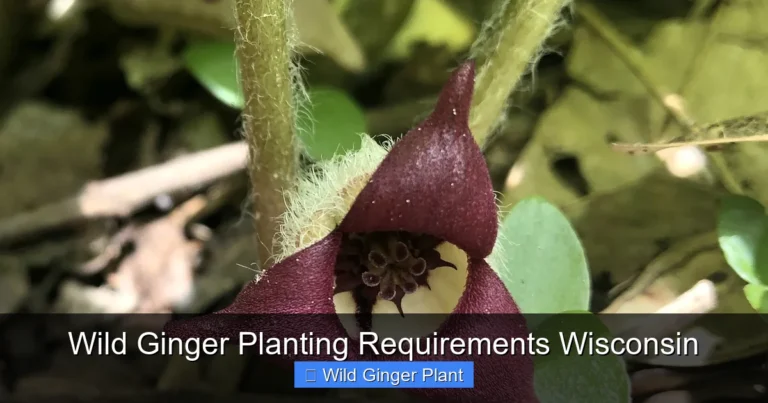
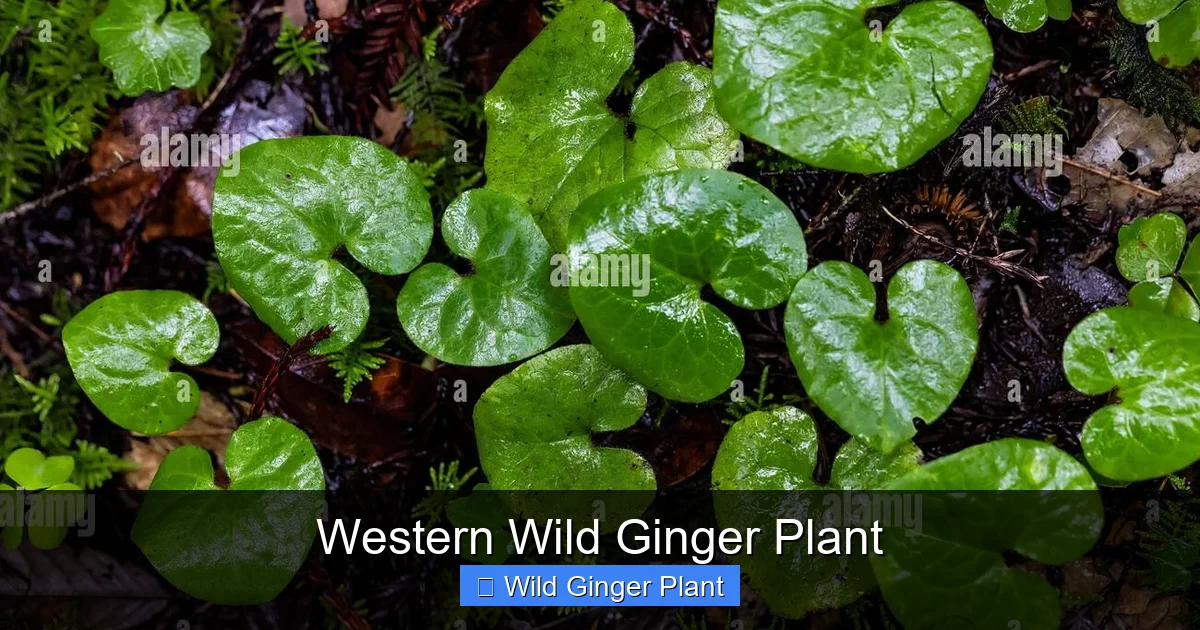
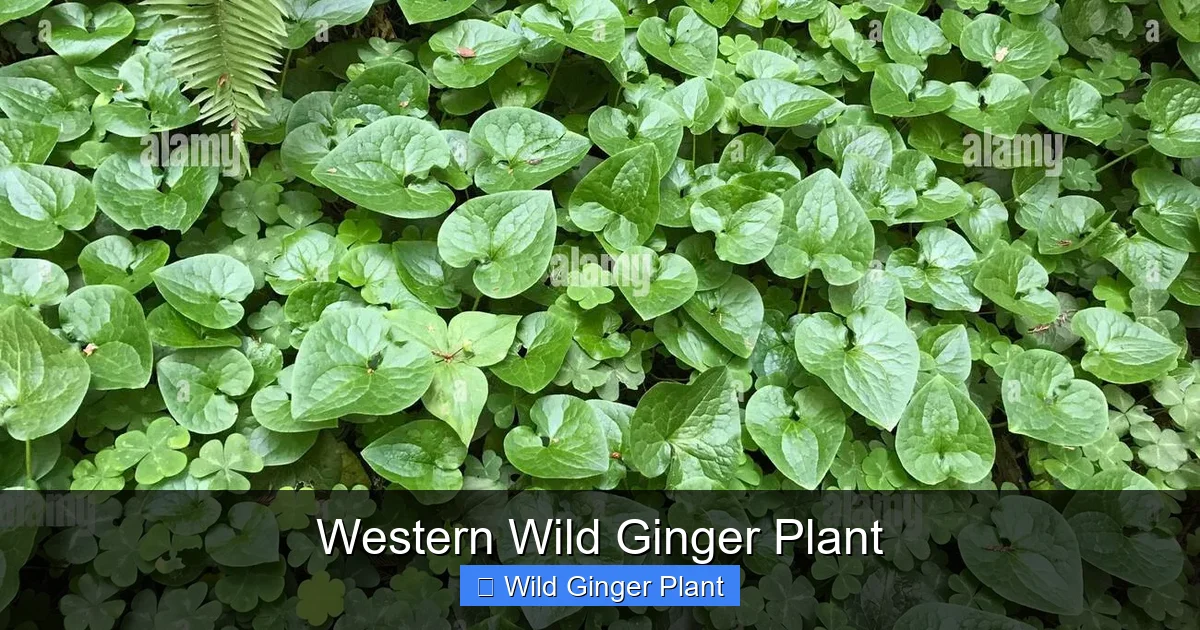
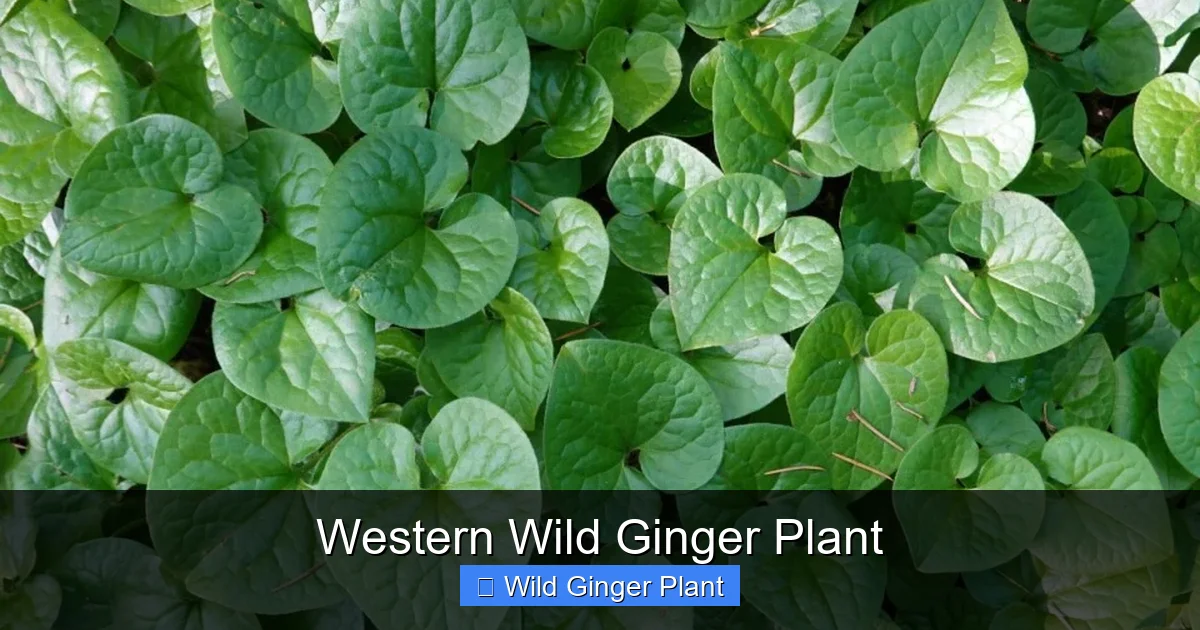
The western wild ginger plant grows 10 to 30 centimeters tall. Each plant sends up a pair of heart‑shaped, glossy green leaves that can reach 10 centimeters wide. The leaves sit on short petioles that emerge directly from a creeping rhizome. In late spring a single, purplish‑brown flower appears at ground level, often hidden beneath leaf litter. The flower has three pointed sepals that curve backward, giving it a subtle, almost alien look.
Distinctive scent
Crush a leaf or rhizome and you’ll catch a warm, ginger‑like aroma. That scent comes from volatile oils similar to those in true ginger (Zingiber officinale), though the chemistry is not identical. The fragrance is a reliable field clue when the flower is hidden.
Where Does the Western Wild Ginger Plant Grow?
Native range
The western wild ginger plant is native to the coastal and inland forests of western North America. You’ll find it from central California north through Oregon, Washington, and into British Columbia. It also appears in the western slopes of the Sierra Nevada and the Cascade Range.
Visual guide about Western Wild Ginger Plant
Image source: c8.alamy.com
Preferred habitat
This plant loves deep shade, constant moisture, and rich, humus‑laden soil. It thrives under coniferous canopies—especially Douglas fir, western red cedar, and hemlock. You’ll often see it on north‑facing slopes, along stream banks, and in the damp understory of old‑growth forests.
Soil and moisture needs
The western wild ginger plant prefers acidic to neutral pH (5.5–7.0). It needs soil that stays evenly moist but not waterlogged. A thick layer of leaf mulch mimics its natural forest floor and keeps the rhizomes cool.
Historical and Cultural Uses
Indigenous food and medicine
Coast Salish, Nuu‑chah‑nulth, and other Pacific Northwest peoples harvested the rhizomes of the western wild ginger plant. They boiled them to make a mild tea for colds, stomach upset, and to induce sweating during fevers. The rhizomes were also mashed into a poultice for wounds and sore muscles.
Visual guide about Western Wild Ginger Plant
Image source: epicgardening.com
Early settler adoption
European settlers quickly learned the plant’s value. They used the rhizome as a ginger substitute in baking and pickling when true ginger was scarce or expensive. The flavor is milder, with a slightly earthy note that works well in syrups and herbal liqueurs.
Modern herbalism
Today some herbalists include the western wild ginger plant in formulas for digestive support and mild anti‑inflammatory action. However, the plant contains aristolochic acids, compounds that can be toxic to kidneys if consumed in large amounts over long periods. Responsible use means small, occasional doses and avoidance during pregnancy.
Edible and Culinary Applications
Harvesting the rhizome
If you plan to harvest, do it in early spring before the leaves fully expand. Gently dig around a clump, lift a portion of the rhizome, and replant the rest. Never remove more than 10 % of a colony. This sustainable approach protects the wild population.
Preparing a ginger tea
Slice a 2‑centimeter piece of fresh rhizome, steep in hot water for 10 minutes, and sweeten with honey. The resulting tea is soothing, mildly spicy, and caffeine‑free. You can also add a slice to a pot of simmering apple cider for a seasonal twist.
Candied rhizome
Peel thin slices, simmer in equal parts water and sugar until translucent, then dry on a rack. The candied pieces make a unique garnish for desserts or a sweet snack on the trail.
Flavor pairings
The western wild ginger plant pairs well with citrus, mint, and dark chocolate. Try adding a pinch of finely grated rhizome to a chocolate ganache or a citrus vinaigrette for a subtle forest note.
Growing the Western Wild Ginger Plant in Your Garden
Site selection
Choose a shady spot that receives dappled light at most. Under a mature deciduous tree or on the north side of a building works well. Avoid full sun; the leaves will scorch and the rhizomes will dry out.
Soil preparation
Amend the planting area with plenty of composted leaf mold or well‑rotted pine needles. Aim for a loose, crumbly texture that holds moisture. A pH test can confirm you’re in the 5.5–7.0 range.
Planting methods
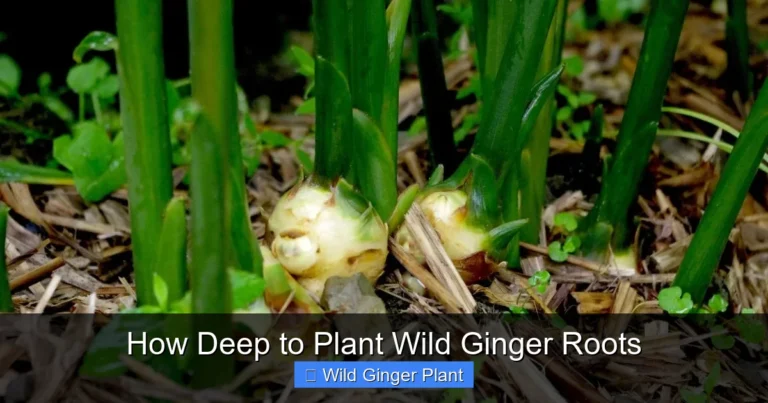
You can start the western wild ginger plant from divisions, rhizome cuttings, or fresh seed. Divisions are the quickest: split a healthy clump in early spring, ensuring each piece has at least one growing bud. Plant the pieces 2–3 centimeters deep, spaced 30 centimeters apart. Water thoroughly and mulch with shredded leaves.
Watering and mulching
Keep the soil consistently moist during the first growing season. A 5‑centimeter layer of leaf mulch reduces evaporation and suppresses weeds. After establishment, the plant tolerates brief dry spells but performs best with regular moisture.
Fertilization
The western wild ginger plant is a light feeder. An annual top‑dressing of compost in early spring is sufficient. Avoid high‑nitrogen fertilizers; they encourage lush foliage at the expense of rhizome development.
Pest and disease management
Slugs and snails love the tender leaves. Hand‑pick them at night or use copper tape around the bed. Fungal leaf spots are rare but can appear in overly wet, stagnant air. Improve air circulation by thinning nearby shrubs.
Propagation by seed
Collect seeds in late summer when the capsules split. Sow them immediately in a cold frame or refrigerate for 60 days to break dormancy. Germination can be slow—sometimes taking a full year—so patience is key.
Ecological Role and Conservation
Groundcover benefits
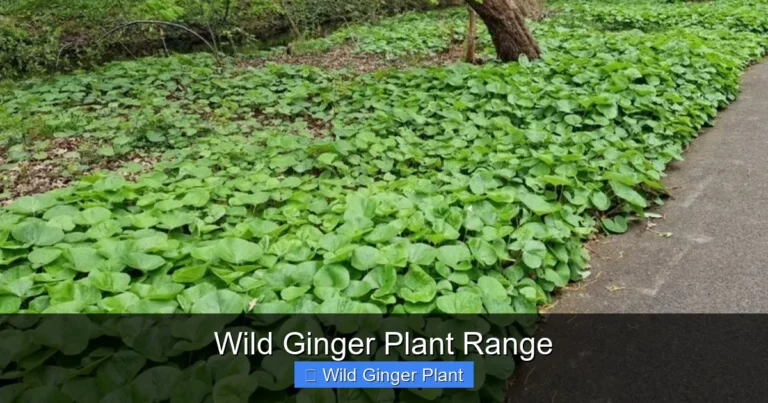
The western wild ginger plant forms a dense mat that reduces soil erosion on steep, shaded slopes. Its leaf litter enriches the forest floor, supporting a host of invertebrates and fungi.
Wildlife interactions
Small mammals such as voles and shrews nibble the rhizomes. Birds occasionally use the leaf litter for nesting material. The hidden flowers are pollinated by tiny beetles and flies that crawl close to the ground.
Threats
Habitat loss from logging, urban expansion, and invasive species like English ivy threatens wild populations. Over‑harvesting for the herbal market can also deplete local colonies.
How to help
If you own forested land, retain a buffer of native understory. Plant the western wild ginger plant in restoration projects. Support nurseries that propagate ethically sourced stock rather than wild‑collected material.
Common Problems and Troubleshooting
Yellowing leaves
Yellow leaves usually signal too much sun or nutrient deficiency. Move the plant to deeper shade and apply a light compost mulch.
Rhizome rot
Standing water leads to mushy, blackened rhizomes. Improve drainage by adding coarse sand or planting on a slight mound.
Sparse growth
If the carpet stays thin after several years, the site may be too dry or the soil too compact. Increase organic matter and ensure consistent moisture.
Invasive competitors
English ivy, periwinkle, and Himalayan blackberry can outcompete the western wild ginger plant. Remove invasives manually and monitor regularly.
Conclusion
The western wild ginger plant is a quiet treasure of the Pacific Northwest forests. Its subtle flower, spicy scent, and versatile rhizome make it valuable for foragers, herbalists, and native‑plant gardeners alike. By understanding its habitat needs, respecting sustainable harvest limits, and providing the right shady, moist conditions, you can enjoy this plant in the wild or in your own backyard. Whether you sip a warm tea on a rainy afternoon or watch its glossy leaves unfurl in spring, the western wild ginger plant connects you to a rich ecological and cultural heritage. Happy planting and responsible foraging!
Frequently Asked Questions
What is the scientific name of the western wild ginger plant?
The scientific name is Asarum caudatum, a member of the Aristolochiaceae family.
Where can I buy western wild ginger plant seeds or divisions?
Look for native‑plant nurseries in the Pacific Northwest or reputable online sellers that specify ethically propagated stock.
Does the western wild ginger plant attract pollinators?
Its hidden flowers are pollinated mainly by small ground‑dwelling beetles and flies rather than bees or butterflies.
Can the western wild ginger plant grow in containers?
Yes, use a deep pot with rich, moisture‑retentive soil and keep it in full shade; water regularly.
Are there any toxic compounds in the western wild ginger plant?
It contains aristolochic acids, which can be kidney‑toxic in large, prolonged doses; use sparingly and avoid during pregnancy.
How do I tell the western wild ginger plant apart from similar species?
Key traits: heart‑shaped glossy leaves, a single ground‑level flower with three recurved sepals, and a distinct ginger scent when crushed.