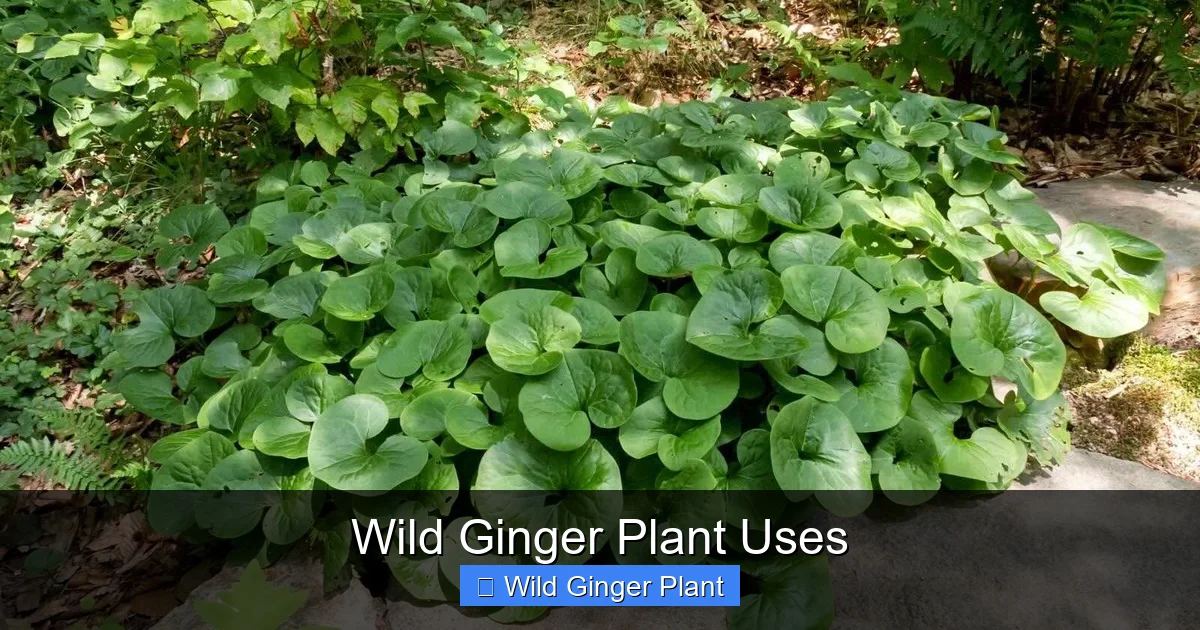
Wild Ginger Plant Uses
Wild ginger (Asarum canadense) is a North American native perennial with heart-shaped leaves and hidden bell-shaped flowers. While historically used by Indigenous peoples for medicine and flavoring, modern research reveals serious safety concerns due to aristolochic acid content. This guide covers traditional uses, identification tips, toxicity risks, and safer alternatives for your herbal practice.
If you have ever wandered through a moist, shady woodland in eastern North America, you may have spotted a low-growing plant with soft, heart-shaped leaves hugging the forest floor. That plant is likely wild ginger. It forms dense mats in rich soil. Its flowers hide beneath the leaf litter. They are small, jug-shaped, and deep maroon. Many hikers pass right by without noticing them.
Despite its common name, wild ginger is not related to the spicy root you buy at the grocery store. That culinary ginger comes from a tropical plant called Zingiber officinale. Wild ginger belongs to a completely different family, the Aristolochiaceae or birthwort family. The name comes from the scent of its crushed roots. They smell warm, spicy, and sweet, very much like commercial ginger. This similarity led to centuries of use as a substitute. But there is a catch. A big one. Modern science has identified compounds in this plant that make internal use dangerous. We will explore the history, the uses, the risks, and the safe alternatives in detail.
Key Takeaways
- Not true ginger: Wild ginger belongs to the birthwort family (Aristolochiaceae) and is unrelated to culinary ginger (Zingiber officinale).
- Traditional medicine: Indigenous peoples used root tea for colds, fevers, digestive issues, and as a contraceptive.
- Culinary history: Early settlers candied the roots and used them as a ginger substitute in cooking.
- Serious toxicity: Contains aristolochic acid, a potent carcinogen and nephrotoxin linked to kidney failure and cancer.
- Identification matters: Look for paired heart-shaped leaves, fuzzy stems, and ground-level maroon flowers in rich woodland soil.
- Safer alternatives exist: Culinary ginger, galangal, and turmeric provide similar flavors without health risks.
- Topical caution only: External poultices were used historically, but even skin absorption poses potential risks.
Quick Answers to Common Questions
Is wild ginger related to the ginger root I buy at the store?
No, wild ginger (Asarum canadense) belongs to the birthwort family (Aristolochiaceae), while culinary ginger (Zingiber officinale) is in the Zingiberaceae family. They are completely unrelated botanically.
Can I safely drink wild ginger tea?
No, internal use is strongly discouraged. Wild ginger contains aristolochic acids, which are proven carcinogens and cause irreversible kidney damage. There is no established safe dose for consumption.
How do I identify wild ginger in the woods?
Look for paired, heart-shaped leaves with smooth edges on fuzzy stems in rich, moist shade. In early spring, gently lift leaves to find a single maroon, jug-shaped flower resting on the ground.
What are safe alternatives for wild ginger in cooking?
Use true ginger (fresh, dried, or powdered), galangal, or turmeric for similar warm, spicy flavors. For wild foraged options, try spicebush berries or sweet cicely root, which are safe and delicious.
Can I grow wild ginger in my shade garden?
Yes, it makes an excellent native groundcover for zones 4-8 in moist, rich soil. Buy nursery-propagated plants rather than digging wild ones. It supports pollinators and hosts pipevine swallowtail caterpillars.
📑 Table of Contents
- What Is Wild Ginger? Botany and Identification
- Traditional and Historical Uses of Wild Ginger
- The Chemistry Behind the Flavor and the Danger
- Modern Safety Assessment: Why Internal Use Is Discouraged
- Safe Alternatives for Flavor and Medicine
- Ecological Value and Cultivation
- Wild Ginger in Contemporary Herbalism and Research
- Practical Tips for Hikers, Gardeners, and Nature Lovers
- Conclusion
What Is Wild Ginger? Botany and Identification
Before we talk about uses, you need to know the plant. Proper identification is the first rule of foraging. Mistakes can be harmful. Wild ginger is a perennial herb. It grows in colonies. It spreads by shallow rhizomes. These rhizomes lie just under the soil surface.
Leaf Characteristics
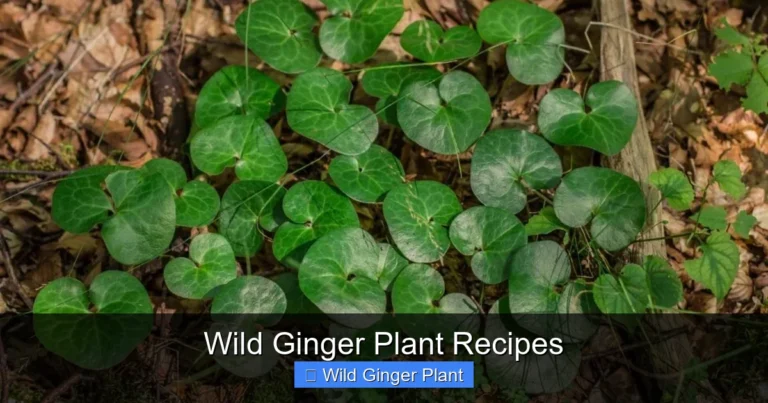
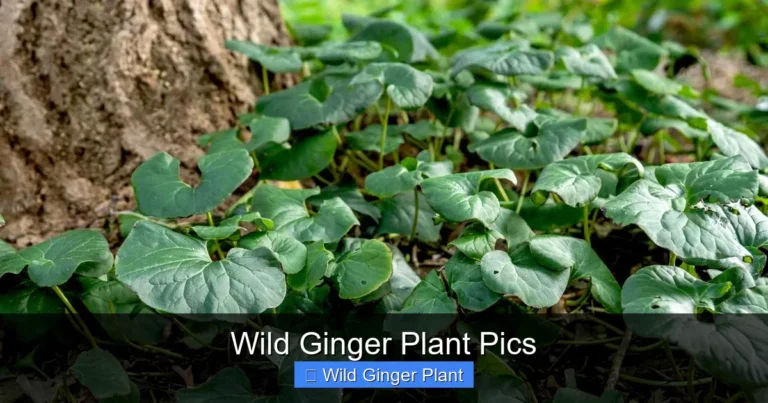
The leaves are the most visible feature. They grow in pairs. Each pair arises from a node on the rhizome. The shape is distinctly heart-shaped or kidney-shaped. The botanical term is reniform. They are broad, often wider than they are long. The texture is soft and slightly hairy. The color is a deep, matte green. In spring, new leaves emerge folded. They look like little umbrellas pushing up through the leaf litter. The leaf margins are smooth. The veins are prominent and palmate.
Flowers: Hidden Gems
The flowers are unusual. They bloom in early spring, usually April to May. You have to move the leaves aside to see them. They sit right on the ground. This is an adaptation for pollination by ground-dwelling insects like beetles and flies. The flower has no petals. It has three fused sepals. They form a bell or jug shape. The color is brownish-purple to maroon. The interior is often lighter. The flower emits a faint, fetid odor. This mimics decaying matter. It attracts the specific flies that pollinate it. After pollination, the flower develops into a capsule. The capsule splits open when ripe. It releases seeds with an oily appendage called an elaiosome. Ants carry the seeds away. They eat the elaiosome. They discard the seed. This disperses the plant.
Rhizomes and Roots
The rhizome is the part historically used. It is slender and branching. It grows horizontally. It is light brown on the outside. The inside is white and fibrous. When fresh, it snaps with a clean break. The scent is strongest here. It is distinctly gingery. The roots are fine and fibrous. They anchor the shallow rhizome.
Habitat and Range
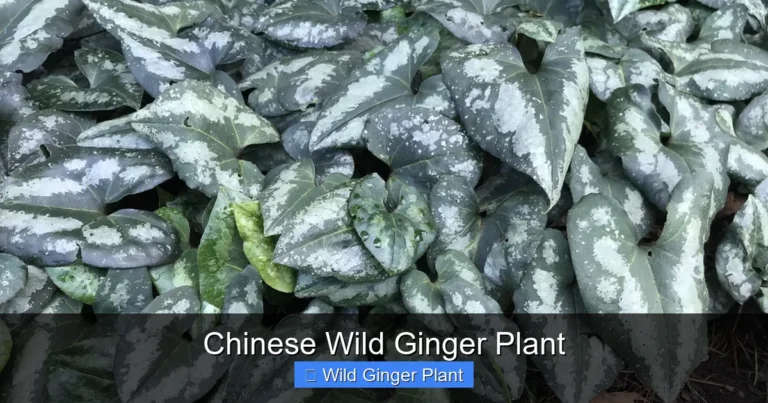
Wild ginger loves rich, moist, deciduous woods. It prefers calcareous soils. That means soils high in calcium, often over limestone bedrock. You will find it on slopes, in ravines, and along stream banks. It needs shade. It does not tolerate full sun or dry conditions. Its native range spans eastern North America. It goes from Manitoba east to the Maritime provinces. It extends south to North Carolina, Tennessee, and Kansas. There are other Asarum species in the west and in Asia. They share similar traits. But Asarum canadense is the primary species referenced in eastern herbal traditions.
Look-Alikes and Confusion
Beginners sometimes confuse wild ginger with other plants. Violet leaves (Viola spp.) are also heart-shaped. But violet leaves have scalloped edges. Wild ginger margins are smooth. Violets have showy flowers above ground. Wild ginger flowers are on the ground. Another potential confusion is with young bloodroot (Sanguinaria canadensis). Bloodroot leaves are deeply lobed, not simple hearts. Bloodroot sap is bright orange-red. Wild ginger sap is clear. Always verify multiple features. Use a reliable field guide. When in doubt, leave it out.
Traditional and Historical Uses of Wild Ginger
The history of wild ginger use is deep. It spans centuries. It crosses cultural boundaries. Indigenous peoples across the plant’s range knew it well. European settlers adopted it quickly. They were desperate for familiar flavors and medicines in a new land.
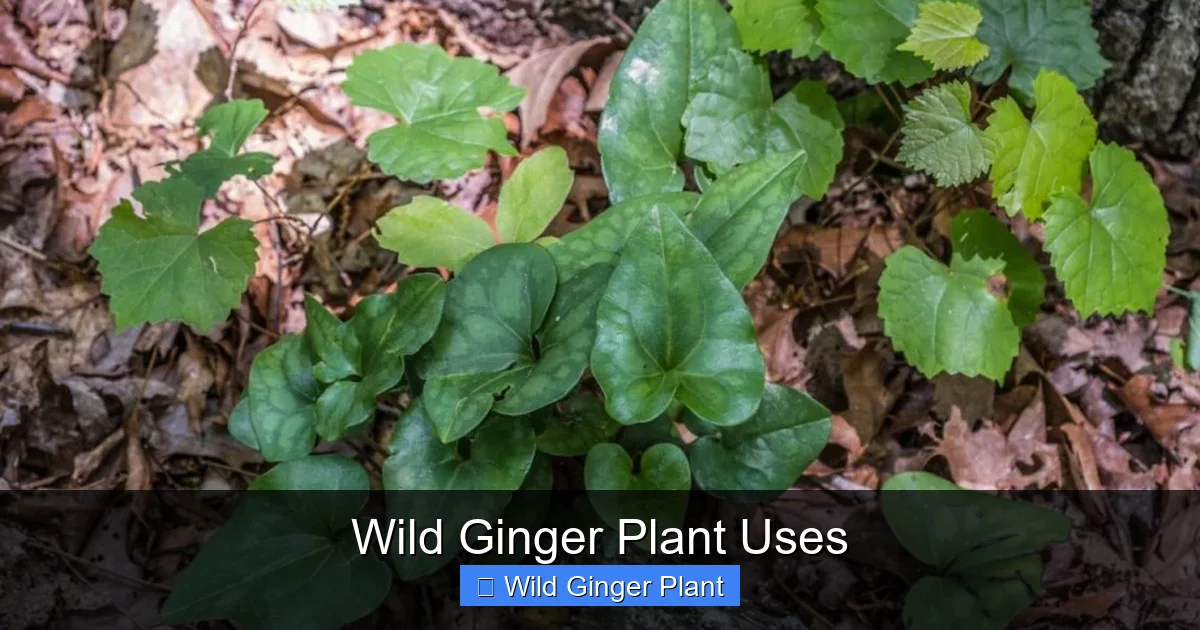
Visual guide about Wild Ginger Plant Uses
Image source: epicgardening.com
Indigenous Medicinal Knowledge
Many tribes used wild ginger. The Cherokee, Iroquois, Ojibwe, Menominee, and others all have records of use. It was a versatile remedy. A tea made from the root was a common preparation. It was used for colds and fevers. It promoted sweating. This is called a diaphoretic action. It was used for coughs and sore throats. It acted as an expectorant. It helped clear mucus. Digestive complaints were another target. It relieved gas, bloating, and stomach cramps. It stimulated appetite. Some tribes used it for “female troubles.” This included menstrual cramps and irregular cycles. There are historical accounts of its use as a contraceptive. The root was sometimes chewed raw for toothaches. Poultices of mashed fresh root were applied to wounds, boils, and skin irritations. The leaves were sometimes used as a tobacco substitute or added to smoking mixtures.
Early Settler and Folk Medicine
European colonists learned from Native guides. They incorporated wild ginger into their own folk pharmacopeia. It appeared in 18th and 19th-century American medical texts. The Eclectic physicians, a branch of 19th-century American doctors who used botanical remedies, valued it highly. They listed it as a stimulant, carminative, and diaphoretic. They prescribed it for “atonic dyspepsia.” That means weak digestion with lack of tone. They used it for flatulent colic. They used it in typhoid fever to stimulate the system. It was an ingredient in patent medicines. It was often combined with other herbs. The root was officially listed in the United States Pharmacopeia from 1820 to 1882. It was dropped later as stronger, standardized drugs took over.
Culinary Uses in History
The culinary use is fascinating. Settlers missed their ginger. They found the wild root smelled the part. They used it fresh, dried, and candied. Candied wild ginger was a treat. The rhizomes were boiled in sugar syrup. They were rolled in sugar and dried. This preserved them. They were eaten as candy. They were added to baked goods. The dried root was ground into a powder. This powder seasoned stews, sausages, and pies. It flavored beer and tea. It was a true pantry staple in frontier homes. The leaves were sometimes used to wrap food for baking. They imparted a subtle flavor.
Other Traditional Uses
There are niche uses too. The root was used as a perfume fixative. The scent lingers. Some tribes used the root as a fish poison. They crushed it and threw it in still pools. It stunned fish for easy capture. The leaves served as a makeshift trail snack. Hunters chewed them for moisture and flavor. The plant was also used in ceremonial contexts. It was considered a protective herb.
The Chemistry Behind the Flavor and the Danger
Why does it smell like ginger? Why is it dangerous? The answer lies in chemistry. Plants make complex molecules. These molecules drive both the sensory experience and the biological activity.
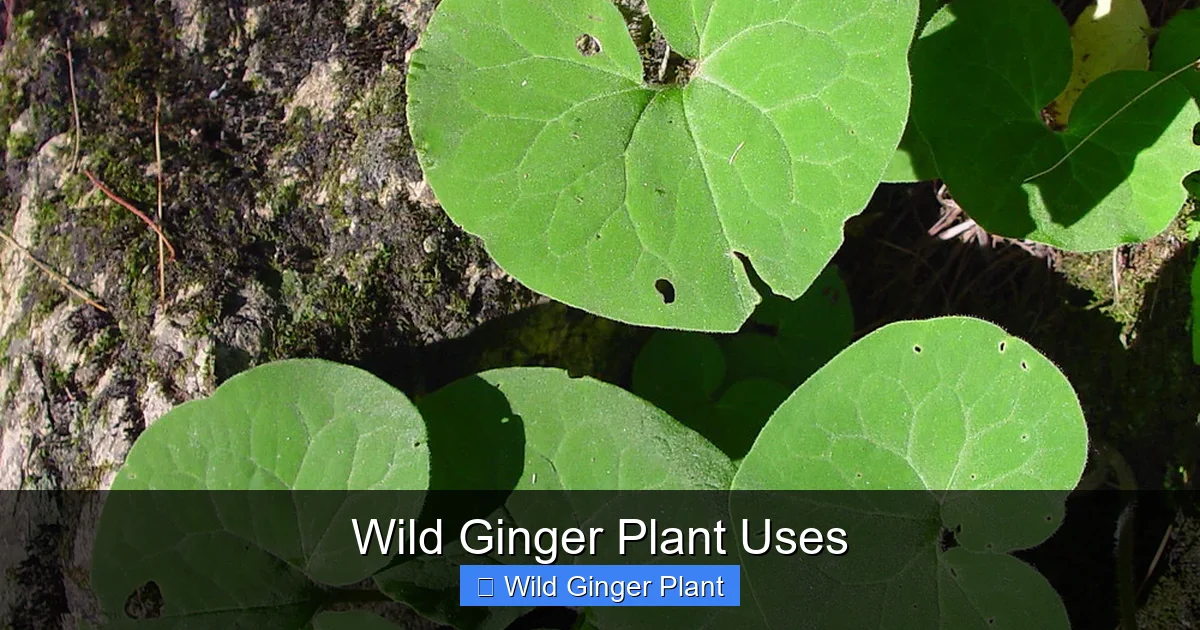
Visual guide about Wild Ginger Plant Uses
Image source: healthbenefitstimes.com
Volatile Oils: The Scent
The ginger-like aroma comes from volatile oils. The primary component is asarone. There are two forms: alpha-asarone and beta-asarone. Beta-asarone is the dominant one in Asarum canadense. It has a warm, spicy, sweet odor. It is also found in calamus (Acorus calamus). Other terpenes contribute. These include bornyl acetate, camphor, and pinene. These compounds are released when the rhizome is crushed or heated. They are responsible for the carminative effect. They relax smooth muscle in the gut. They reduce gas. This is the “ginger” action people sought.
Aristolochic Acids: The Toxin
This is the critical issue. Wild ginger contains aristolochic acids. These are nitrophenanthrene carboxylic acids. They are named after the family, Aristolochiaceae. They are found in all genera of this family. Asarum is one of them. Aristolochic acid I (AA-I) and Aristolochic acid II (AA-II) are the main ones. They are potent toxins. They are mutagenic. They damage DNA. They are carcinogenic. They cause cancer. Specifically, they are linked to urothelial cancer. This affects the urinary tract. Kidneys, ureters, bladder. They are also nephrotoxic. They destroy kidney tissue. They cause a specific disease called aristolochic acid nephropathy (AAN). This leads to end-stage renal failure. The damage is cumulative. It is irreversible. There is no safe dose established for long-term internal use.
Scientific Evidence of Harm
The evidence is robust. It comes from multiple sources. In the 1990s, a weight-loss clinic in Belgium used a Chinese herb, Aristolochia fangchi, by mistake. Over 100 women developed kidney failure. Many got cancer. This was the “Belgian nephropathy” scandal. It alerted the world. Animal studies confirm the mechanism. The acids form DNA adducts. They bind to DNA. They cause specific mutations. The p53 tumor suppressor gene is a target. Epidemiological studies in Taiwan and the Balkans show high rates of urinary tract cancer in populations exposed to aristolochic acids through herbal medicine or contaminated flour. The International Agency for Research on Cancer (IARC) classifies aristolochic acids as Group 1 carcinogens. That means carcinogenic to humans. The FDA has issued warnings. Many countries ban botanicals containing these acids. Asarum canadense contains lower levels than some tropical Aristolochia species. But it contains them nonetheless. The risk is real.
Other Compounds
The plant also contains flavonoids. It has tannins. It has resins. It has starch. These contribute to the astringent and demulcent properties. But they do not cancel out the toxin. The volatile oil fraction (asarones) also has toxicity concerns at high doses. Beta-asarone is considered a potential carcinogen in high doses in animal studies. Though the risk from dietary exposure is debated, it adds to the profile.
Modern Safety Assessment: Why Internal Use Is Discouraged
Given the chemistry, the modern consensus is clear. Do not eat wild ginger. Do not drink the tea. Do not take the tincture. Do not use the powder. The risks outweigh any potential benefit. This is not fear-mongering. It is evidence-based caution.
Kidney Damage Is Silent and Permanent
Aristolochic acid nephropathy is insidious. It progresses silently. By the time symptoms appear, extensive fibrosis has occurred. The kidneys are scarred. They cannot filter blood. Dialysis or transplant becomes necessary. The latency period can be years. You might feel fine while damage accumulates. This makes it especially treacherous for casual herbal users.
Cancer Risk Is Real
The DNA mutations caused by aristolochic acids are specific. They are a “fingerprint.” Scientists can see them in tumors. The link to upper urinary tract cancer is undeniable. This cancer is rare in the general population. It is common in exposed populations. The risk increases with cumulative dose. Even small amounts over time add up.
Regulatory Status
The FDA does not regulate herbs as strictly as drugs. But they have issued import alerts. They detain products containing Aristolochia and Asarum species. Canada Health regulates natural health products. They prohibit aristolochic acids in licensed products. The European Union bans them. Australia bans them. Reputable herbal suppliers do not sell wild ginger for internal use. If you see it for sale as a supplement, that is a red flag. The supplier is either ignorant or unethical.
Topical Use: A Gray Area
Historical use included poultices. Can you use it on the skin? Skin absorbs chemicals. Aristolochic acids can penetrate skin. Studies on dermal absorption are limited. But the molecular weight allows it. The carcinogenic mechanism requires metabolic activation. This happens in the liver mostly. But skin has metabolic enzymes too. Local toxicity is possible. Systemic absorption is possible. Most modern herbalists avoid it entirely. There are safer vulnerary herbs. Plantain, comfrey (external only), calendula, yarrow. Why risk it?
Special Populations
Pregnant and breastfeeding women must avoid it completely. The historical use as a contraceptive and emmenagogue (stimulates menstrual flow) suggests uterine activity. This could cause miscarriage. The genotoxicity is a direct threat to a developing fetus. Children should not use it. People with kidney disease are at extreme risk. People on nephrotoxic drugs (like NSAIDs, certain antibiotics) have compounded risk.
Safe Alternatives for Flavor and Medicine
You want the ginger flavor. You want the digestive benefits. You want the warming medicine. You do not need wild ginger. You have excellent, safe, cultivated options.
True Ginger (Zingiber officinale)
This is the gold standard. It is safe. It is well-studied. It has a long track record. It contains gingerols and shogaols. These are anti-inflammatory. They are antiemetic. They stop nausea. They are prokinetic. They help stomach emptying. They are analgesic. They reduce pain. They are safe in pregnancy for morning sickness (up to 1g/day). They are safe for chemotherapy nausea. They are safe for osteoarthritis. You can buy it fresh, dried, powdered, crystallized, as oil, as tea. It is cheap. It is everywhere. Use this.
Galangal (Alpinia galanga and Alpinia officinarum)
Galangal is a cousin of ginger. It is used in Thai and Indonesian cuisine. It has a sharper, piney, citrusy heat. It shares many medicinal properties. It is antimicrobial. It is anti-inflammatory. It aids digestion. It is safe. Look for it in Asian markets. You can grow it in warm climates or pots.
Turmeric (Curcuma longa)
Another ginger family member. The rhizome is bright orange. The active compound is curcumin. It is a potent anti-inflammatory. It is an antioxidant. It supports liver health. It helps digestion. It is poorly absorbed alone. Take it with black pepper (piperine) and fat. Golden milk is a delicious way to get it. It stains everything yellow. But it is safe and powerful.
Other Warming Digestive Herbs
Cinnamon bark. Cardamom pods. Cloves. Black pepper. Fennel seed. Anise seed. Caraway. These are carminatives. They relieve gas. They warm the digestion. They are culinary spices. They are safe in food amounts. They make great teas. They have thousands of years of safe use.
Foraging Alternatives: Safe Wild Flavors
If you want a wild spice, look elsewhere. Spicebush (Lindera benzoin) berries and twigs have a lovely allspice-citrus flavor. They are safe. Sassafras root bark (Sassafras albidum) was traditional root beer flavor. Note: safrole in sassafras is also a carcinogen concern. Use young leaves (filé powder) instead. They are safe. Sweet cicely (Osmorhiza claytonii) roots taste like anise. They are safe. Ramp bulbs (Allium tricoccum) are wild leeks. Delicious. Harvest sustainably. Take one leaf per plant. Leave the bulb.
Ecological Value and Cultivation
Even if you don’t eat it, wild ginger is a valuable plant. It deserves a place in the ecosystem. And in your shade garden.
Wildlife Benefits
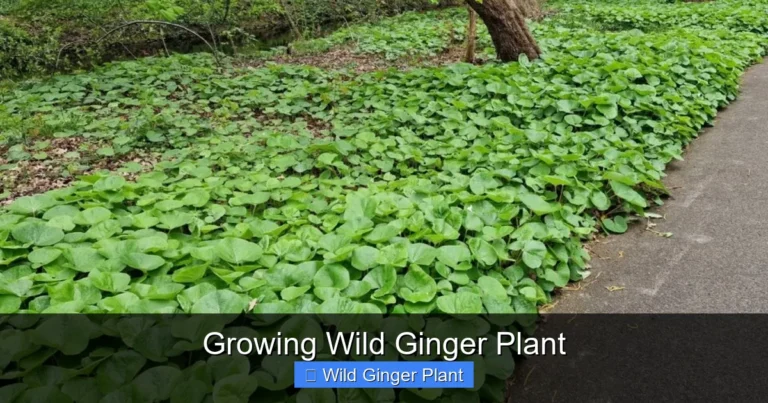
It is a groundcover. It prevents erosion on slopes. The dense mats suppress weeds. The flowers feed early spring flies and beetles. These are important pollinators. Ants disperse the seeds. The plant hosts the larvae of the pipevine swallowtail butterfly (Battus philenor). This butterfly is toxic to predators. It sequesters aristolochic acids from the host plant. The caterpillars eat the leaves. They store the toxins. Birds learn to avoid them. This is a classic coevolution story. Deer generally avoid eating it. The toxins deter them. This makes it a good garden plant in high-deer areas.
Growing Wild Ginger in Your Garden
It is a beautiful native groundcover. It thrives where grass fails. Deep shade. Moist, rich soil. It is low maintenance. Once established, it spreads slowly. It forms a lush carpet. The leaves are attractive all season. They turn yellow in fall. It is hardy in zones 4-8. You can buy nursery-propagated plants. Do not dig from the wild. Wild populations are slow to recover. Over-harvesting for the herbal trade has impacted some areas. Habitat loss is another threat. Buying from ethical native plant nurseries supports conservation. Plant it in a woodland garden. Under trees. Along a shaded path. Mulch with leaves. Water during drought. It will reward you with texture and ecological function.
Propagation
Division is easiest. In early spring or fall, dig a clump. Separate the rhizomes. Each piece needs a node and roots. Replant immediately. Keep moist. Seed is possible but slow. The seeds need cold stratification. They need the ant dispersal mechanism. Germination rates are low. It takes years to form a mat. Division gives instant plants.
Ethical Foraging Considerations
If you must interact with wild populations, follow strict ethics. Only harvest on private land with permission. Never harvest in parks or preserves. Take less than 5% of a patch. Better yet, take zero for internal use. If you want a specimen for identification study, take one leaf. Photograph the flower. Leave the rhizome. The plant is too slow-growing. The risk is too high. The alternatives are too good. Respect the plant. Respect the ecosystem. Respect your health.
Wild Ginger in Contemporary Herbalism and Research
Where does wild ginger stand today? It occupies a strange space. It is revered in historical texts. It is banned in modern commerce. It is studied in labs. It is grown in gardens.
Professional Herbalist Position
The American Herbalists Guild (AHG) and other professional bodies generally advise against internal use. Their safety guidelines flag aristolochic acid-containing plants. Some traditional herbalists may still use it in minute doses for acute conditions. They argue the dose makes the poison. They cite centuries of safe traditional use. But the counter-argument is strong. Traditional use did not track long-term kidney function or cancer rates. Life expectancy was shorter. Chronic toxicity was invisible. Modern toxicology trumps historical anecdote. Most insurance for herbalists excludes liability for aristolochic acid herbs. This effectively prevents clinical use.
Current Research Directions
Scientists study Asarum species. Not for medicine development. But for understanding the toxin mechanism. The DNA adduct signature is a tool. It helps identify environmental exposures. It helps solve cancer clusters. Some research looks at the volatile oils. Asarones have insecticidal properties. They repel mosquitoes. They kill larvae. This could lead to natural pest control products. The antifugal properties are studied. The antiplatelet activity is noted. But the therapeutic window is too narrow. The risk is too high. No drug development is pursuing this path.
Citizen Science and Monitoring
Botanists track populations. iNaturalist and other platforms have thousands of observations. This helps map range shifts. Climate change may push it north. It may lose southern edge habitat. Phenology data tracks flowering times. This informs ecological models. You can contribute. Photograph plants. Upload with location. Do not harvest. Just observe.
Cultural Preservation
Indigenous knowledge keepers hold the history. The stories of use are cultural heritage. They are not medical prescriptions for today. They inform ethnobotany. They teach us about human-plant relationships. They remind us that “natural” does not mean “safe.” The dose, the preparation, the context, the constitution of the user—all mattered. Modern decontextualized use loses all that safety framework. Honoring the knowledge means respecting the plant’s power. And respecting the warning that comes with it.
Practical Tips for Hikers, Gardeners, and Nature Lovers
You will encounter this plant. Here is how to interact safely and enjoyably.
Identification Practice
Next time you are in rich woods in April or May, look down. Scan the floor. Look for the heart leaves. Gently lift a leaf. Find the flower. It is a thrill to see it. Take a photo. Note the habitat. Smell a leaf (crush it slightly). It smells green, slightly spicy. Do not pull the root. Just observe. This builds your botany skills. It connects you to the season.
Teaching Kids
Kids love “secret flowers.” Show them the hidden bloom. Explain the fly pollination. Explain the ant planting. Explain the butterfly caterpillars. It is a whole ecosystem in one plant. Teach them: “We look, we smell, we learn. We do not eat.” This is a vital foraging rule. Many poisonous plants taste good. Berries, roots, leaves. Curiosity is great. Ingestion without certainty is not.
Photography Tips
The flowers are low. Get down. Use a macro lens or phone macro mode. A small tripod helps. Diffused light is best. Bright sun creates harsh shadows on the maroon petals. A cloudy day is perfect. Include a leaf for scale. Capture the fuzz on the stem. The texture is beautiful.
Garden Design
Pair it with other spring ephemerals. Trillium. Bloodroot. Virginia bluebells. Mayapple. Ferns. It fills in after the ephemerals go dormant. It provides summer structure. It works in rain gardens. It works on shady slopes. It is a native alternative to invasive periwinkle (Vinca minor) or English ivy. Plant it. Enjoy it. Let it be.
What If You Already Ingested Some?
Don’t panic. A single exposure (a taste, a cup of tea years ago) carries very low absolute risk. The damage is dose-dependent and cumulative. Stop using it. Tell your doctor. They can monitor kidney function (creatinine, GFR) and urine analysis periodically. This is standard preventive care. There is no antidote. There is no “detox.” The body clears the acids. The DNA damage, if any, is done. Monitoring catches problems early. Early treatment of kidney disease slows progression. Early cancer detection saves lives. Be honest with your healthcare provider. They need to know about herbal exposures.
Conclusion
Wild ginger is a plant of contradictions. It is beautiful and toxic. It is historic and banned. It smells like a treat but acts like a poison. Its story teaches us humility. Nature does not make plants for us. Plants make chemicals for themselves. Defense. Communication. Survival. We are incidental. The ginger scent? Likely an antimicrobial defense. The aristolochic acids? A potent anti-herbivore weapon. The pipevine swallowtail hacked the code. It turns poison into protection. We have not hacked it. We got burned.
Our ancestors did their best. They found a flavor they knew. They found a medicine that worked in the moment. They lacked the tools to see the silent damage. We have those tools. We have the data. We have the choice. We can honor the plant by leaving its rhizomes in the soil. We can honor the knowledge by heeding the warning. We can honor our bodies by choosing safe alternatives. True ginger, turmeric, galangal, cinnamon—they are gifts of cultivation and trade. They are safe. They are effective. They are delicious.
Let wild ginger carpet the forest floor. Let it feed the flies. Let it host the butterflies. Let it hold the soil. Let it teach the hikers. That is its highest use. And that is enough.
Frequently Asked Questions
What happens if I accidentally eat a small amount of wild ginger?
A single small exposure carries very low risk, as toxicity is dose-dependent and cumulative. Stop consumption immediately and inform your doctor so they can monitor kidney function with routine blood and urine tests over time.
Why did Native Americans use wild ginger if it’s toxic?
Traditional use focused on acute conditions with short-term preparations, and chronic diseases like kidney failure or cancer were difficult to link to specific herbs in pre-modern contexts. Life expectancy was also shorter, masking long-latency toxicity.
Are all Asarum species toxic?
Yes, all species in the genus Asarum (and the broader Aristolochiaceae family) contain aristolochic acids. Asian species like Asarum heterotropoides used in Traditional Chinese Medicine are also associated with nephropathy and cancer risks.
Can I use wild ginger as a topical poultice for wounds?
Most modern herbalists avoid even topical use because aristolochic acids can absorb through skin. Safer vulnerary herbs include plantain, calendula, yarrow, and comfrey (external use only).
Is candied wild ginger safe since it’s cooked in sugar?
No, cooking and sugar do not destroy or neutralize aristolochic acids. These compounds are heat-stable. Historical candied preparations carried the same risks as other internal uses.
How can I tell wild ginger apart from violets?
Wild ginger has smooth leaf margins, fuzzy stems, and ground-level maroon flowers. Violets have scalloped leaf edges, smooth stems, and showy purple/white/blue flowers held above the foliage on distinct stalks.