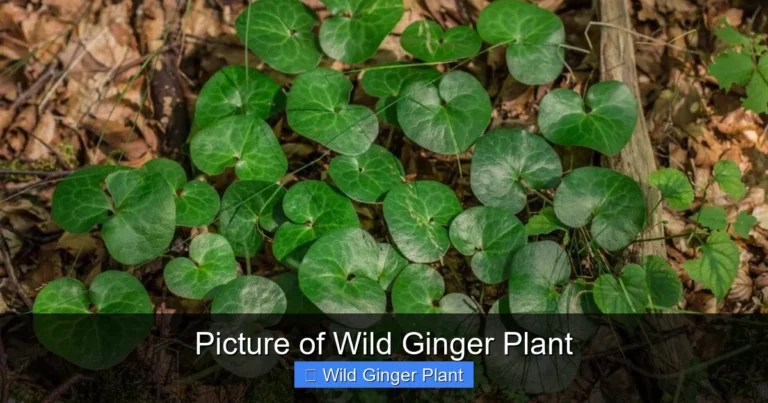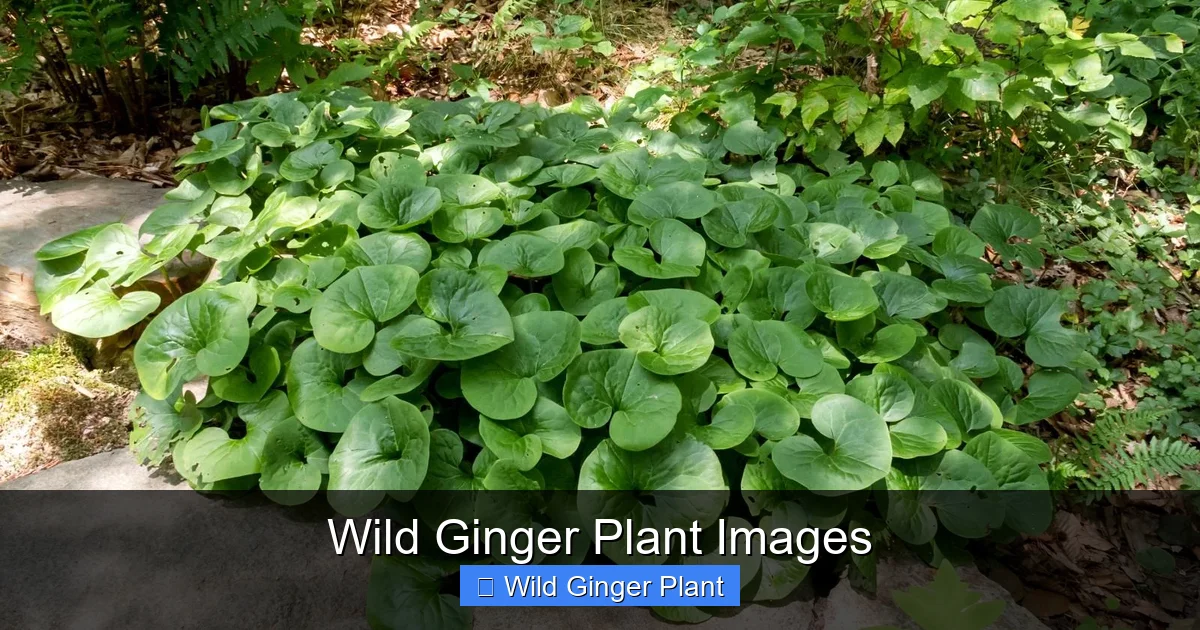
Wild Ginger Plant Images
Wild ginger plant images reveal a beautiful, shade-loving groundcover with heart-shaped leaves and unique jug-shaped flowers. This guide helps you identify Asarum species, distinguish them from toxic lookalikes, and grow them successfully in your woodland garden.
Have you ever wandered through a spring woodland and spotted those lovely heart-shaped leaves hugging the forest floor? Chances are you’ve met wild ginger. I remember the first time I really noticed it — hiking in early May, the canopy just leafing out, and there it was: a carpet of deep green, velvety leaves with strange little flowers hiding underneath. Since then, I’ve spent countless hours photographing and studying these plants. Today I want to share everything I’ve learned about identifying, growing, and appreciating this wonderful native groundcover.
Whether you’re a gardener looking for the perfect shade plant, a forager wanting to know what’s safe, or simply someone who loves wildflower photography, understanding wild ginger plant images will transform how you see the forest floor. Let’s dive into the world of Asarum together.
Key Takeaways
- Identification matters: Wild ginger has heart-shaped leaves and hidden flowers at ground level, making wild ginger plant images essential for proper ID
- Two main species: North American Asarum canadense and European Asarum europaeum are the most common varieties you’ll encounter
- Not culinary ginger: Despite the name, wild ginger is unrelated to true ginger (Zingiber officinale) and has different uses
- Shade garden superstar: These plants thrive in deep shade where few other ornamentals succeed
- Foraging caution needed: Some species contain aristolochic acid; proper identification through clear wild ginger plant images is critical before any use
- Easy propagation: Divide rhizomes in spring or fall, or grow from fresh seed for expanding your patch
- Wildlife value: Provides early spring nectar for pollinators and ground cover for small woodland creatures
Quick Answers to Common Questions
Is wild ginger related to culinary ginger?
No, wild ginger (Asarum species) is not related to true ginger (Zingiber officinale). They belong to completely different plant families. Wild ginger gets its name from the ginger-like scent of its rhizomes.
Can I eat wild ginger?
While historically used as a ginger substitute, modern research shows wild ginger contains aristolochic acid, which is toxic to kidneys and potentially carcinogenic. Most experts advise against consumption.
How do I identify wild ginger in the woods?
Look for heart-shaped or kidney-shaped leaves in pairs, growing low in shady woods. The distinctive jug-shaped flowers hide at ground level beneath the leaves. Crush a leaf stem — it smells like ginger.
Will wild ginger grow in deep shade?
Yes, wild ginger thrives in deep shade where few other plants survive. It prefers dappled to full shade under deciduous trees, with rich, moist, well-drained soil.
How fast does wild ginger spread?
Wild ginger spreads slowly by rhizomes. Expect minimal spread the first year, noticeable colonization by year three, and a dense mat in 5 to 7 years under good conditions.
📑 Table of Contents
- What Is Wild Ginger? Understanding the Basics
- Identifying Wild Ginger: What to Look For
- Common Species and Their Distinctive Features
- Wild Ginger Plant Images: Photography Tips for Identification
- Growing Wild Ginger in Your Garden
- Ethnobotany and Traditional Uses
- Propagation: Expanding Your Patch
- Conservation and Ethical Considerations
- Wild Ginger in Garden Design
- Seasonal Interest Throughout the Year
- Troubleshooting Common Problems
- Wild Ginger Plant Images for Different Purposes
- Conclusion: Why Wild Ginger Deserves Your Attention
What Is Wild Ginger? Understanding the Basics
Not Your Kitchen Ginger
First things first — wild ginger isn’t related to the ginger root in your spice cabinet. True ginger (Zingiber officinale) is a tropical plant from Southeast Asia. Wild ginger belongs to the genus Asarum in the birthwort family (Aristolochiaceae). The name comes from the ginger-like scent of the rhizomes when crushed. Native peoples and early settlers used it as a ginger substitute, hence the common name.
When you browse wild ginger plant images online, you’ll notice they all share certain features. But there’s surprising diversity within the genus. Let me walk you through what makes these plants special.
The Asarum Genus Overview
There are roughly 60 to 70 Asarum species worldwide, mostly in temperate regions of the Northern Hemisphere. North America has about 10 native species. East Asia is the real diversity hotspot with dozens of species, many with stunningly patterned leaves that collectors go crazy for.
The two you’ll most commonly encounter in eastern North America are Asarum canadense (Canadian wild ginger) and Asarum caudatum (long-tailed wild ginger) on the West Coast. Europe has Asarum europaeum. Each has its own charm, and good wild ginger plant images will show the subtle differences.
Identifying Wild Ginger: What to Look For
Leaf Characteristics
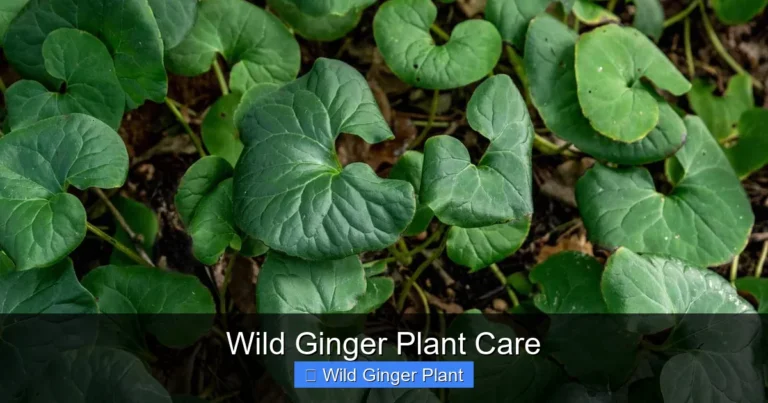
The leaves are your best identification tool. They’re heart-shaped (cordate) or kidney-shaped (reniform), typically 3 to 6 inches wide. The texture is soft, almost velvety, with fine hairs you can feel. Color ranges from medium to deep green, sometimes with lighter veining. In many wild ginger plant images, you’ll see the leaves growing in pairs from the rhizome, creating that lovely ground-covering effect.
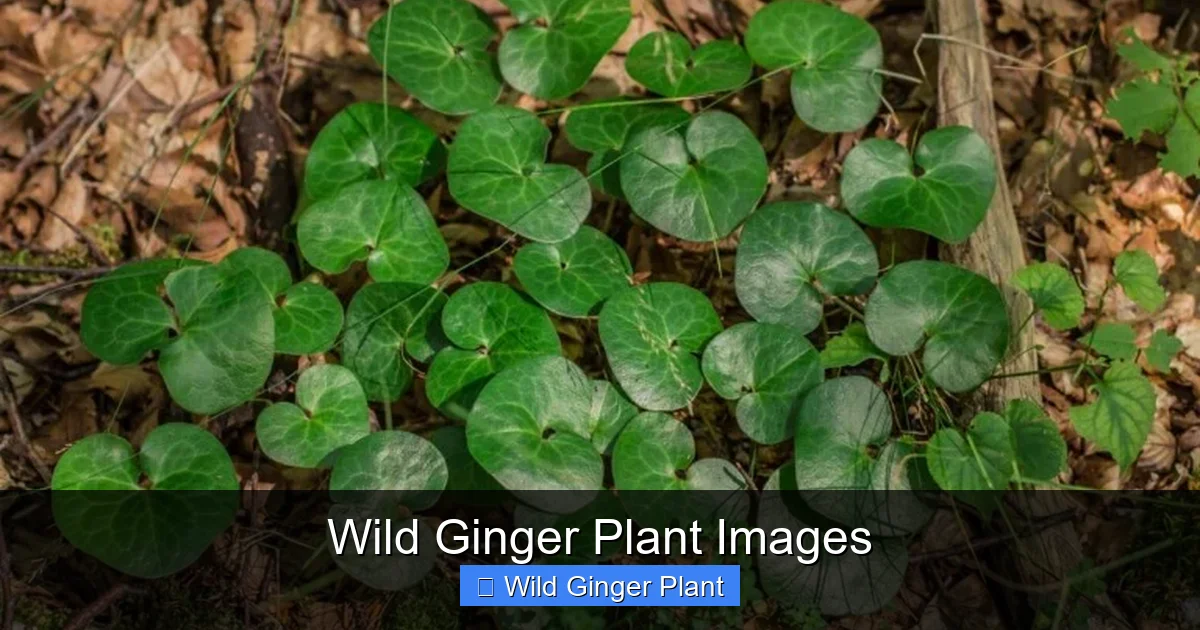
Visual guide about Wild Ginger Plant Images
Image source: epicgardening.com
Asarum canadense leaves are generally larger and more distinctly heart-shaped. Asarum europaeum leaves are smaller, shinier, and more kidney-shaped. The western Asarum caudatum has leaves that can reach 8 inches across with a more elongated tip.
Those Curious Flowers
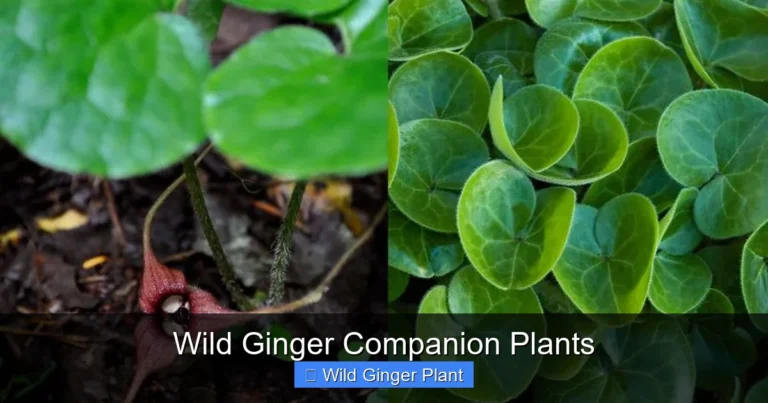
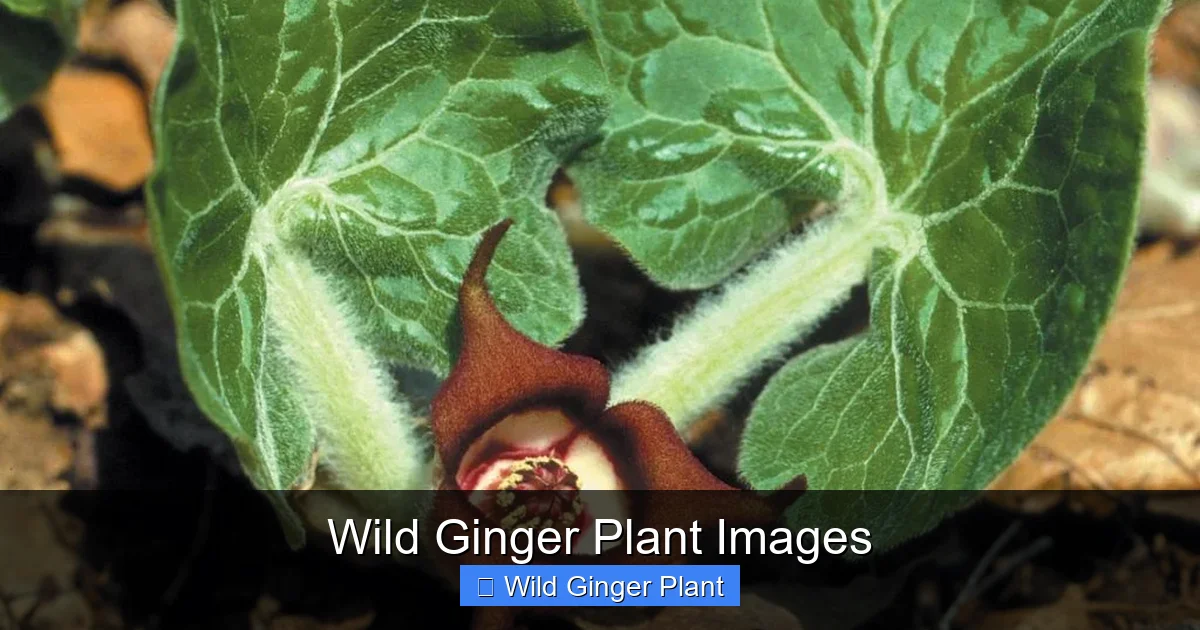
Here’s where wild ginger gets weird and wonderful. The flowers bloom at ground level, often hidden beneath the leaf litter. They’re jug-shaped or bell-shaped, usually purplish-brown to maroon, sometimes with a yellowish throat. No petals — just three fused sepals forming that distinctive cup.
Why hide the flowers? They’re pollinated by early spring flies and beetles that crawl around on the forest floor. The color mimics decaying matter, attracting these insects. When you search for wild ginger plant images, look for photos that show the flowers — many photographers miss them because they’re so well concealed.
Rhizome and Growth Habit
Wild ginger spreads by shallow, creeping rhizomes just below the soil surface. These rhizomes are thin, about pencil-thickness, and smell distinctly of ginger when scratched. The plants form colonies over time, creating dense mats that suppress weeds beautifully. In good wild ginger plant images showing the base of the plant, you can sometimes see the rhizome peeking through.
Common Species and Their Distinctive Features
Asarum canadense — Canadian Wild Ginger
This is the species most eastern North American gardeners and hikers encounter. Native from Manitoba to Nova Scotia, south to Georgia and Louisiana. The leaves are large, up to 6 inches wide, softly hairy, and deeply heart-shaped with a cleft base. Flowers are about an inch wide, brownish-purple, with three spreading triangular tips.
Visual guide about Wild Ginger Plant Images
Image source: metroparks.net
It’s hardy in zones 3 to 8 and makes a fantastic garden plant. The rhizomes were used medicinally by many Native American tribes. When viewing wild ginger plant images of this species, note the pair of leaves per stem and the flower tucked right at the junction.
Asarum caudatum — Long-Tailed Wild Ginger
West Coast gardeners know this beauty. Native from British Columbia to California, inland to Montana. The leaves are similar but often larger, up to 8 inches. The real showstopper is the flower — those three sepal tips elongate into dramatic “tails” up to 2 inches long, giving the species its name.
It’s evergreen in mild climates, semi-evergreen elsewhere. Hardy zones 5 to 9. The tails on the flowers make for spectacular wild ginger plant images — they look almost alien, like something from a deep-sea dive.
Asarum europaeum — European Wild Ginger
Introduced from Europe, now naturalized in parts of the Northeast. Smaller leaves, 2 to 3 inches, very glossy, almost leathery, and more kidney-shaped than heart-shaped. Flowers are smaller too, about half an inch, dark purple-brown. It’s more compact and slower-spreading than the North American species.
Hardy zones 4 to 8. Many cultivated varieties exist, including some with silver-marked leaves. European wild ginger plant images often show it in formal shade gardens where its neat habit shines.
Asian Asarum Species — The Collector’s Plants
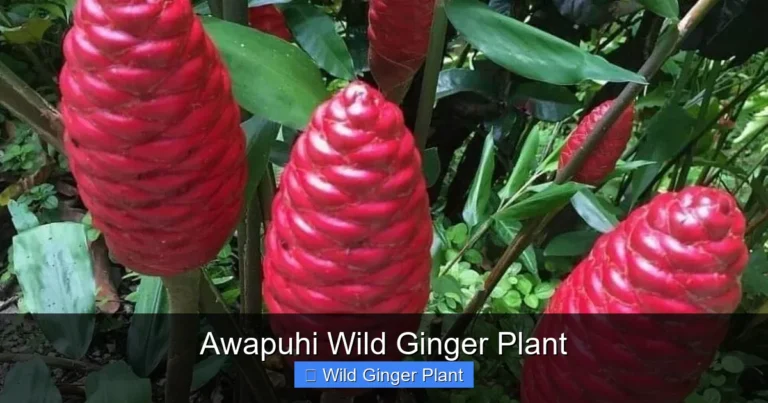
Japan, China, and Korea harbor incredible Asarum diversity. Species like Asarum splendens (Chinese wild ginger) have stunning silver-marked leaves. Asarum maximum has huge flowers up to 3 inches across. Asarum sieboldii varieties show amazing leaf patterns.
These are prized by specialty collectors and appear in high-end wild ginger plant images on plant forums. Many are hardy to zone 5 or 6 but need excellent drainage and consistent moisture. They’re expensive but unforgettable.
Wild Ginger Plant Images: Photography Tips for Identification
What Makes a Good ID Photo
If you’re taking your own wild ginger plant images for identification or iNaturalist, here’s what to capture. Shoot the whole plant habit first — show how it grows in a colony. Then get close-ups of: a single leaf showing shape and texture, the leaf underside (often paler, sometimes hairy), the flower from side and top views, the leaf petiole (stem) showing hairiness, and the rhizome if visible without damaging the plant.
Include a scale — a coin, ruler, or your hand. Note the date, location, and habitat. Spring is prime time — flowers appear April through June depending on latitude and elevation. Fall photos show seed capsules, which are also diagnostic.
Lighting and Composition
Wild ginger lives in shade. Bright overcast is ideal — no harsh shadows. If it’s sunny, use a diffuser or your body to shade the plant. Get low. The flowers are at ground level, so you’ll be on your knees or belly. A macro lens or phone macro mode helps. For habitat shots, include surrounding plants — ferns, trilliums, bloodroot — to show the community.
Many wild ginger plant images online are blurry or miss key features. Take your time. The plant isn’t going anywhere.
Distinguishing From Lookalikes
This is critical. Several plants resemble wild ginger at first glance. Hexastylis (little brown jugs, heartleaf) is the closest relative — same family, similar flowers, but leaves are evergreen, leathery, often mottled, and flowers are more urn-shaped. It’s southern Appalachians mostly.
Viola species (violets) have heart-shaped leaves but different venation (palmate vs. pinnate) and showy flowers on stalks. Galium (bedstraw) has whorled leaves, not pairs. Young Podophyllum (mayapple) has umbrella-like leaves, not heart-shaped. Good wild ginger plant images compared side-by-side with these species will train your eye.
Growing Wild Ginger in Your Garden
Site Selection
Wild ginger wants what it gets in nature: dappled to deep shade, rich humusy soil, consistent moisture, good drainage. Think woodland conditions. Under deciduous trees is perfect — spring sun before leaf-out, summer shade after. North side of buildings works. Avoid hot afternoon sun, dry sandy soil, and heavy clay that stays soggy.
If your site isn’t naturally rich, amend heavily with compost, leaf mold, or well-rotted manure. Aim for that dark, crumbly forest floor texture. A soil test doesn’t hurt — slightly acidic to neutral (pH 5.5 to 7) is ideal.
Planting and Establishment
Spring or fall planting works. Space plants 12 to 18 inches apart — they’ll fill in. Plant at the same depth they were growing; the rhizome should be just below the surface. Water well and mulch with shredded leaves or pine needles. Keep moist the first season.
Don’t expect instant groundcover. Year one establishes roots. Year two shows spread. Year three — you’ve got a colony. Patience rewards you. Many wild ginger plant images from gardens show mature patches that took 3 to 5 years to achieve.
Care and Maintenance
Once established, wild ginger is low-maintenance. No fertilizer needed if soil is rich. Leaf mulch annually mimics nature. Water during drought — it hates drying out. No deadheading; flowers are inconspicuous anyway. Divide every 4 to 5 years if the center dies out or to share plants.
Deer and rabbits usually ignore it. Slugs may nibble new spring growth. The main issue is competition — aggressive spreaders like English ivy or vinca will smother it. Keep the area clear.
Companion Plants
Wild ginger plays well with other shade lovers. Ferns (maidenhair, Christmas, lady fern), spring ephemerals (trillium, bloodroot, Virginia bluebells), foamflower (Tiarella), wild geranium, Solomon’s seal, and hostas (non-native but compatible). The key is staggered bloom times and complementary textures.
In many garden wild ginger plant images, you’ll see it as the “green carpet” unifying a woodland planting. Its bold leaf texture contrasts beautifully with fern fronds and delicate ephemerals.
Ethnobotany and Traditional Uses
Medicinal History
Native American tribes across the range used Asarum canadense extensively. The rhizome was chewed or made into tea for colds, coughs, sore throats, digestive issues, and as a general tonic. The Cherokee used it for heart conditions. The Iroquois used it for “female troubles.” Many tribes used it as a flavoring for other medicines.
European settlers adopted these uses. It appeared in the US Pharmacopeia in the 19th century as a stimulant and carminative. But here’s the critical warning: modern research has identified aristolochic acid in Asarum species. This compound is nephrotoxic and carcinogenic. The FDA warns against internal use.
Culinary Uses — With Major Caveats
The rhizomes smell and taste like ginger, milder and earthier. Early settlers candied them, made syrup, used them in baking. Some foragers still do. But given the aristolochic acid concern, most experts now advise against consumption. The concentration varies by species, population, and plant part.
If you see wild ginger plant images on foraging sites with recipes, approach with extreme caution. The risk isn’t worth it when true ginger is cheap and safe. External use (poultices, washes) may be safer but still carries absorption risk.
Ecological Role
Wild ginger fills an important niche. Early spring flowers feed flies, beetles, and early bees when little else blooms. The dense foliage provides cover for salamanders, toads, and invertebrates. Ants disperse the seeds (myrmecochory) — each seed has an elaiosome, a fatty appendage ants love. They carry seeds to their nests, eat the elaiosome, and discard the seed in nutrient-rich waste piles.
It’s also a host plant for the pipevine swallowtail butterfly in some regions. When you plant wild ginger, you’re supporting a whole mini-ecosystem.
Propagation: Expanding Your Patch
Division — Easiest Method
Early spring (as growth starts) or early fall (after summer heat, before frost). Dig up a clump. Tease apart rhizome sections, each with at least one growing point (bud) and some roots. Replant immediately at same depth. Water well. Mulch. That’s it. Divisions establish fast and flower within a year or two.
This is how most gardeners share plants. If you see wild ginger plant images labeled “from a friend’s garden,” it was likely divided.
From Seed — Patience Required
Collect seeds in summer when capsules split. They’re small, brown, with a white elaiosome. Sow immediately in pots or a prepared bed — they need cold stratification. Or store moist in the fridge for 60 to 90 days, then sow. Germination is erratic, often taking 2 years. Seedlings grow slowly, taking 3 to 4 years to flower.
But seed-grown plants have genetic diversity, plants are more adaptable. And it’s deeply satisfying. Many specialty nurseries sell seed of rare Asian species.
Tissue Culture and Commercial Production
For the Asian collector species, tissue culture is common. This produces identical clones rapidly. If you buy a named cultivar like ‘Silver Streak’ or ‘Ling Ling’, it’s likely tissue-cultured. These plants are uniform but expensive. Wild ginger plant images from nurseries often show these perfect, uniform specimens.
Conservation and Ethical Considerations
Never Dig From the Wild
This bears repeating: never dig wild plants from public land or private land without permission. Many populations are small and slow to recover. In some states, Asarum species are listed as threatened or of special concern. Removing plants damages the colony and the ecosystem.
Instead, buy from reputable native plant nurseries. They propagate ethically. Or ask a gardening friend for a division. The wild ginger plant images you admire in nature should stay in nature.
Threats to Wild Populations
Habitat loss from development and logging is the biggest threat. Invasive species (garlic mustard, Japanese stiltgrass, earthworms) degrade woodland soils. Over-collection for herbal markets impacts some populations. Climate change shifts suitable habitat.
Support land conservation organizations. Remove invasives on your property. Plant natives. Every garden patch is a potential refuge.
Citizen Science Opportunities
Your wild ginger plant images can contribute to science. Upload observations to iNaturalist or your state’s natural heritage program. Note phenology (flowering time, leaf-out) — this tracks climate change impacts. Report rare species locations to heritage programs (they keep exact locations confidential).
Join a native plant society. They often organize surveys and rescues. Your photos become data points in understanding distribution and health.
Wild Ginger in Garden Design
Groundcover Extraordinaire
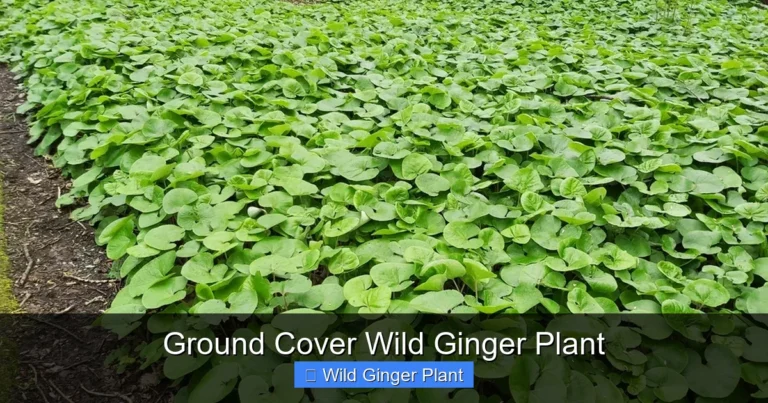
Few plants cover shady ground as elegantly. The leaves overlap, suppressing weeds. The texture is rich, the color deep. It stays attractive from spring through fall (evergreen in mild winters). In designed woodlands, it’s the “floor” layer — essential for that complete look.
Space new plants 12 inches apart for faster fill, 18 inches for economy. A 10 by 10 foot area needs 25 to 100 plants depending on spacing. Do the math before ordering.
Edge and Pathway Planting
Wild ginger excels along shaded paths and bed edges. The low height (6 to 12 inches) keeps sightlines clear. The foliage softens hard edges. It tolerates occasional foot traffic poorly, so keep it back from high-traffic paths.
In many garden wild ginger plant images, you’ll see it lining a stepping-stone path through ferns and hostas. Classic, timeless.
Container Culture
Yes, you can grow it in pots. Use a wide, shallow container — rhizomes spread horizontally. Rich potting mix with compost. Consistent moisture is critical; pots dry faster. Overwinter in an unheated garage or bury the pot in the ground in cold climates.
This works well for the showy Asian species that need perfect drainage. Many collector wild ginger plant images show prized specimens in decorative containers.
Seasonal Interest Throughout the Year
Spring Awakening
Early spring brings fresh leaves unfurling, often with a bronzy tint before greening. Flowers appear at ground level — you have to look for them. This is prime photography time. The contrast of new green against dark soil and last year’s leaves is stunning.
Summer Steadiness
Through summer, wild ginger just sits there looking good. Deep green, weed-suppressing, moisture-conserving. It’s the reliable backbone. In drought, leaves may wilt but recover with water. No drama, just quiet performance.
Fall and Winter
In colder zones, leaves die back after hard frost. In milder zones (7 and up), Asarum canadense may stay semi-evergreen. Asarum europaeum is more reliably evergreen. The Asian species vary. Winter interest comes from the persistent leaves (if evergreen) or the promise of spring return.
Some gardeners mark locations with small stakes so they don’t accidentally disturb dormant plants during spring cleanup.
Troubleshooting Common Problems
Poor Spread
If your wild ginger isn’t spreading, check: too much sun? Too dry? Poor soil? Competition from tree roots? Too much competition from other plants? Most often it’s moisture or soil fertility. Top-dress with compost. Water deeply weekly during dry spells. Be patient — sometimes it’s just establishing roots underground.
Leaf Damage
Holes in leaves? Slugs, snails, or earwigs. Use beer traps, diatomaceous earth, or hand-pick at night. Ragged edges? Could be deer (rare) or rabbits. Yellowing? Too much sun, nutrient deficiency, or waterlogged soil. Brown crispy edges? Drought or sun scorch.
No Flowers
Flowers are easy to miss — they’re at ground level, often under leaves. Get on your hands and knees in April/May. Young plants (under 3 years) may not flower. Deep shade can reduce flowering. But honestly, the foliage is the main show.
Wild Ginger Plant Images for Different Purposes
Scientific Documentation
Herbarium specimens and scientific wild ginger plant images follow strict standards. Scale bar, color chart, multiple angles, GPS coordinates, collector name, date, habitat description. These become permanent records. If you’re contributing to a flora project, follow their protocols.
Garden Photography
For garden blogs, nursery catalogs, or Instagram, aesthetic matters. Morning or evening light. Dew on leaves. Complementary plants in frame. Clean background. Show the plant in context — the woodland garden, the pathway edge, the container. Tell a story.
Identification Keys
Field guide wild ginger plant images prioritize diagnostic features: leaf shape and venation, flower structure, hairiness, rhizome. Often line drawings accompany photos. The goal is distinguishing similar species. These images are functional, not necessarily pretty.
Conclusion: Why Wild Ginger Deserves Your Attention
After all these words and all those wild ginger plant images you’ve mentally collected, here’s the bottom line: this plant is a gift. It asks little — shade, moisture, humus — and gives abundantly. Beauty. Groundcover. Wildlife support. Connection to indigenous knowledge. A living link to the original forest floor.
Whether you’re identifying a mystery plant on a hike, planning a shade garden, or scrolling through wild ginger plant images on a rainy day, I hope you’ve gained appreciation for this humble but extraordinary genus. Next spring, get down on your knees in a woodland. Find those heart-shaped leaves. Lift them gently. Peek at the strange little jug flowers. Smell the rhizome. You’ll be meeting an old friend.
And if you plant it in your garden, know that you’re not just adding a plant. You’re restoring a piece of the ecosystem. One heart-shaped leaf at a time.
Frequently Asked Questions
What are the main differences between Asarum canadense and Asarum europaeum?
Asarum canadense has larger, softer, hairy heart-shaped leaves up to 6 inches wide and larger flowers. Asarum europaeum has smaller, glossy, leathery kidney-shaped leaves 2 to 3 inches wide and smaller flowers. The European species is also more compact and slower-spreading.
When is the best time to divide wild ginger plants?
Divide wild ginger in early spring just as new growth emerges, or in early fall after summer heat passes but before frost. Each division needs a growing bud and some roots. Replant immediately at the same depth and water well.
Does wild ginger flower every year?
Mature wild ginger plants flower annually in spring (April to June depending on location). However, the flowers are easily missed because they grow at ground level, often hidden beneath the leaf litter and foliage.
Are there any pests or diseases that affect wild ginger?
Wild ginger is largely pest-free. Slugs and snails may damage new spring growth. Deer and rabbits typically avoid it. Root rot can occur in poorly drained soils. No significant diseases affect healthy plants in good conditions.
Can wild ginger be grown in containers?
Yes, wild ginger grows well in wide, shallow containers with rich potting mix amended with compost. Consistent moisture is critical since containers dry faster than ground soil. Overwinter pots in an unheated garage or bury them in the ground in cold climates.
Where can I buy ethically sourced wild ginger plants?
Purchase from reputable native plant nurseries that propagate their own stock, not wild-collected plants. Many state native plant societies hold sales. Online native plant nurseries often ship bare-root divisions in spring. Never dig plants from the wild.