Fall Plant Maintenance Guide
A thorough fall plant maintenance guide helps you clean debris, prune wisely, mulch effectively, and water deeply before winter. Follow these steps now to ensure healthy, thriving plants when spring arrives.
Key Takeaways
- Clean first: Remove fallen leaves and dead material to reduce pests and disease.
- Prune selectively: Cut only dead or damaged wood; avoid heavy shaping in autumn.
- Mulch generously: A 2‑3 inch layer insulates roots and conserves moisture.
- Water deeply: Give plants a thorough soak before the ground freezes.
- Fertilize lightly: Use a low‑nitrogen formula to support root growth without stimulating tender shoots.
- Record observations: Note what worked and what didn’t for a smoother spring start.
- Maintain tools: Clean and sharpen equipment now to save time later.
Quick Answers to Common Questions
When should I start fall plant maintenance?
Begin after the first frost but before the ground freezes solid, usually late October to early November in most temperate zones.
Can I compost diseased leaves?
No. Diseased material can survive compost heat and re‑infect plants. Dispose of it in municipal yard waste.
How thick should mulch be?
Apply 2 to 3 inches of organic mulch; thicker layers can smother stems and encourage rot.
Is fertilizing necessary in fall?
Only a light, low‑nitrogen feed is recommended to support root growth without prompting tender shoots.
What tools are essential for fall cleanup?
Sharp bypass pruners, loppers, a rake or leaf blower, mulch, compost, and a soil test kit cover the basics.
📑 Table of Contents
Why Fall Plant Maintenance Matters
Autumn is the perfect window to give your garden a health check before winter settles in. A solid fall plant maintenance guide protects roots from freezing, stops diseases from overwintering, and sets the stage for a burst of growth when temperatures rise. Think of it as a tune‑up for your landscape.
Protecting Roots Before Frost
Roots continue to absorb water and nutrients until the soil freezes solid. By insulating them with mulch and ensuring they are well‑hydrated, you reduce the risk of winter kill. A good fall plant maintenance guide emphasizes deep watering a week before the first hard freeze.
Preventing Disease Carryover
Fallen leaves and spent flowers can harbor fungal spores and insect eggs. Removing this debris now means fewer problems in spring. The fall plant maintenance guide recommends raking leaves, cutting back diseased stems, and disposing of infected material away from compost piles.
Essential Tools for the Season
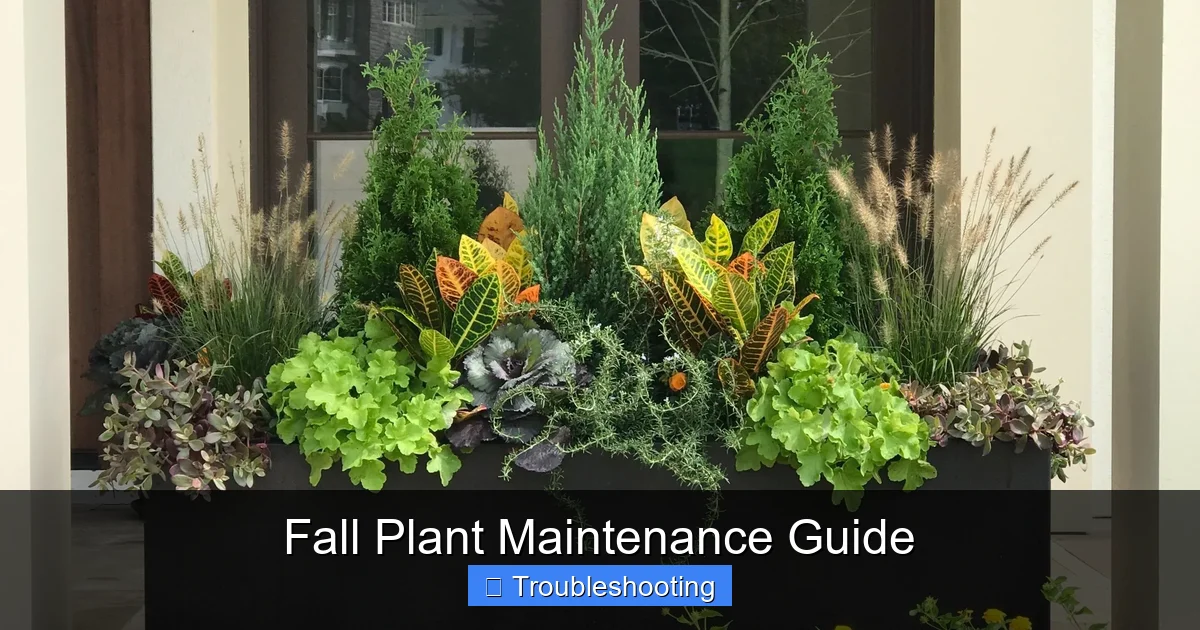
Having the right tools makes every task faster and safer. A concise fall plant maintenance guide lists the basics so you can gather everything before you start.
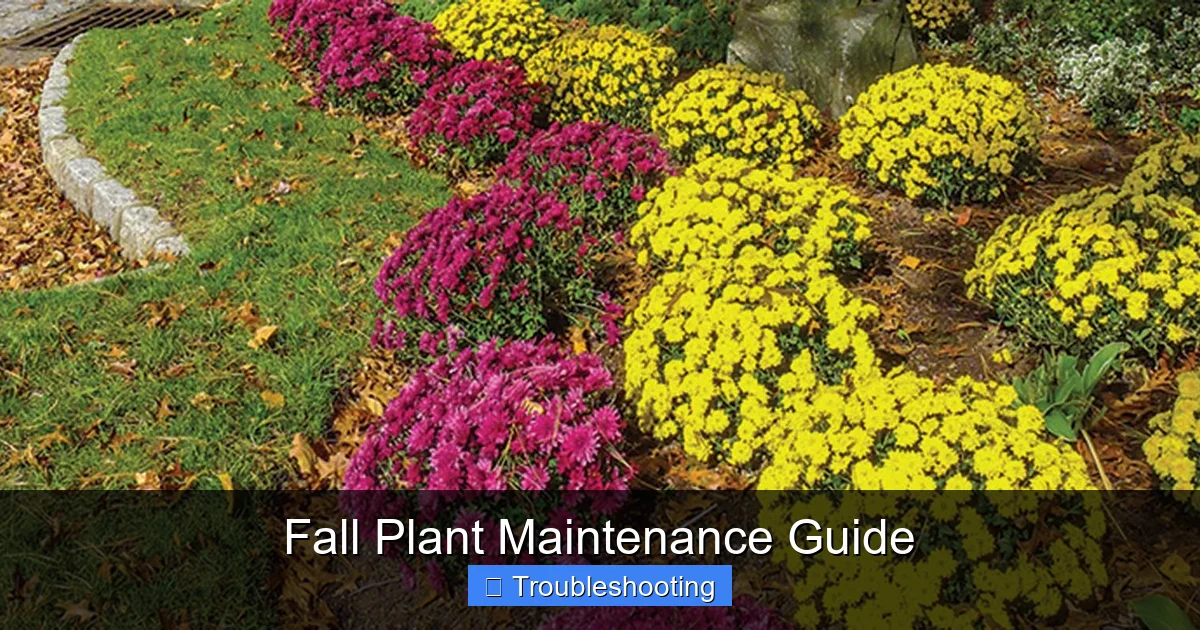
Visual guide about Fall Plant Maintenance Guide
Image source: images.squarespace-cdn.com
Pruning Shears and Loppers
Sharp bypass shears handle small branches up to ¾ inch. Loppers extend your reach for thicker limbs. Clean blades with rubbing alcohol between cuts to avoid spreading pathogens.
Mulch and Compost
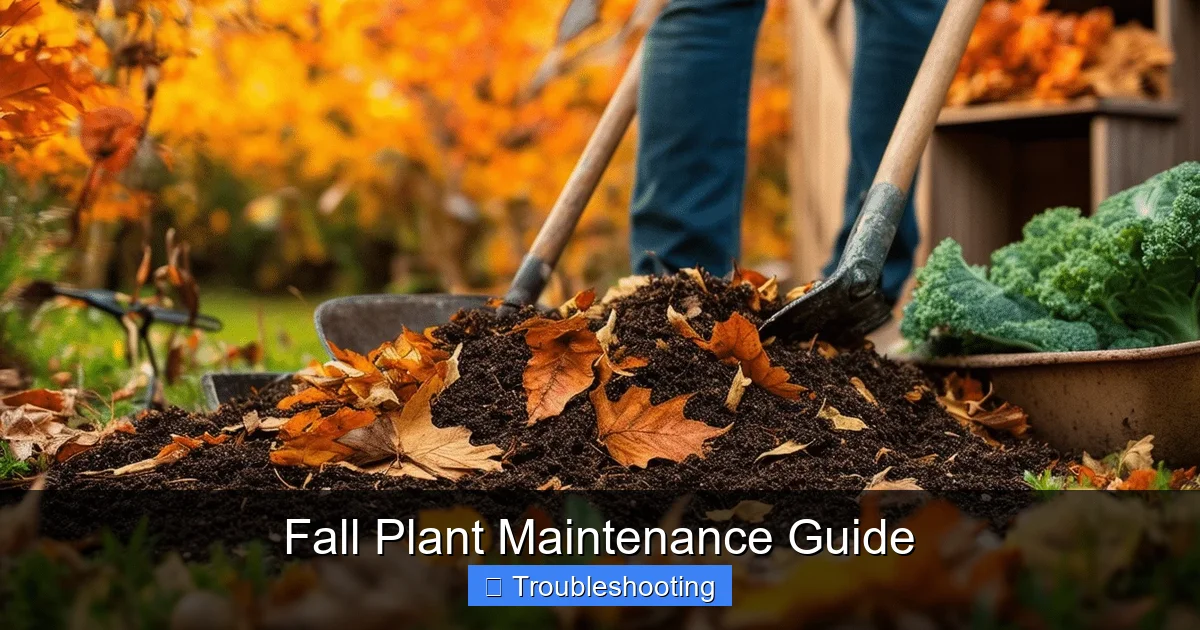
Organic mulch such as shredded bark, straw, or leaf mold works best. Keep a bag of compost handy for a light top‑dressing around perennials. Both materials improve soil structure as they break down.
Soil Test Kit
A simple pH and nutrient test tells you whether you need lime, sulfur, or a specific fertilizer. Testing now prevents guesswork later and aligns with the fall plant maintenance guide’s focus on smart feeding.
Step‑by‑Step Fall Plant Maintenance Guide
Follow these five core steps in order. Each one builds on the previous, creating a resilient garden ready for winter.
Visual guide about Fall Plant Maintenance Guide
Image source: ourplatforms.com
1. Clean Up Debris
Start by walking the beds with a rake or leaf blower. Collect fallen leaves, dead annuals, and any broken branches. Bag diseased material for municipal yard waste; healthy leaves can go to the compost bin. This step alone reduces overwintering pests by up to 70 percent.
2. Prune Dead Wood
Inspect each shrub and tree. Remove branches that are brittle, discolored, or show signs of canker. Make cuts just outside the branch collar. Avoid heavy shaping; the fall plant maintenance guide advises saving major structural pruning for late winter when plants are fully dormant.
3. Apply Mulch
Spread a 2‑ to 3‑inch layer of mulch around the base of perennials, shrubs, and young trees. Keep mulch a few inches away from stems to prevent rot. Mulch moderates soil temperature, retains moisture, and suppresses winter weeds.
4. Water Deeply
Give each planting zone a slow, deep soak. Aim for 1‑1.5 inches of water, which penetrates 12‑18 inches into the soil. Water early in the day so foliage dries before nightfall. This step is critical in the fall plant maintenance guide because hydrated roots survive freezing better.
5. Fertilize Wisely
Apply a low‑nitrogen, high‑phosphorus fertilizer (e.g., 5‑10‑10) at half the recommended rate. Phosphorus encourages root development without pushing tender top growth that could be damaged by frost. Skip fertilizing evergreens unless a soil test shows a deficiency.
Special Care for Perennials, Shrubs, and Trees
Different plant groups have unique needs. The fall plant maintenance guide breaks them down so you can tailor your approach.
Perennials
Cut back herbaceous perennials to 2‑3 inches above ground after the first hard frost. Leave ornamental grasses standing for winter interest and wildlife shelter. Divide crowded clumps now; the cooler weather reduces transplant shock.
Shrubs
Thin out interior branches to improve air flow. Remove any suckers emerging from the base. For spring‑blooming shrubs like lilac, prune immediately after flowering next year, not now.
Trees
Inspect the trunk for cracks, borers, or sunscald. Wrap young trunks with tree wrap if winter sun is intense. Stake newly planted trees only if they lean; remove stakes after one year to encourage strong trunk development.
Common Mistakes to Avoid
Even experienced gardeners slip up. The fall plant maintenance guide highlights three frequent errors.
Over‑Pruning
Cutting too much stimulates new growth that cannot harden off before frost. Stick to dead, diseased, or crossing branches only.
Skipping Mulch
Bare soil freezes deeper and thaws faster, stressing roots. A thin mulch layer is better than none at all.
Ignoring Soil Moisture
Assuming rain is enough can leave roots dry. Check soil with a probe; if the top 6 inches are dry, water.
Preparing for Spring Success
The work you do now pays dividends later. The fall plant maintenance guide includes a few forward‑looking habits.
Record Keeping
Jot down which varieties thrived, where pests appeared, and what amendments you applied. A simple notebook or garden app makes next year’s planning easier.
Early Seed Starting
Order seeds now and start cool‑season crops indoors 6‑8 weeks before the last frost date. Strong seedlings transplant better after a well‑prepared bed.
Tool Maintenance
Clean sap and soil from blades, oil moving parts, and store tools in a dry place. Sharp, rust‑free tools make spring chores faster and safer.
Conclusion
A thoughtful fall plant maintenance guide turns the quiet autumn months into a powerful investment for your garden. By cleaning, pruning, mulching, watering, and feeding with intention, you protect roots, suppress disease, and lay the groundwork for a spectacular spring display. Grab your shears, spread that mulch, and enjoy the satisfaction of a garden ready to weather winter and bloom brighter than ever.
Frequently Asked Questions
What is the best time to prune trees in autumn?
Prune only dead or hazardous branches after leaf drop. Major structural pruning should wait until late winter when the tree is fully dormant.
How do I protect newly planted perennials over winter?
Mulch heavily around the crown, water deeply before freeze, and consider a temporary windbreak if the site is exposed.
Can I use grass clippings as mulch?
Yes, if they are dry and free of herbicide residues. Apply a thin layer to avoid matting and allow air flow.
Should I water evergreens in fall?
Absolutely. Evergreens lose moisture through needles all winter; a deep soak before freeze helps prevent desiccation.
What fertilizer ratio is ideal for fall?
A 5‑10‑10 or similar low‑nitrogen, high‑phosphorus blend encourages root development without stimulating top growth.
How can I tell if my soil needs lime?
Use a soil test kit. If pH is below 6.0 for most garden plants, apply lime according to the test recommendations.