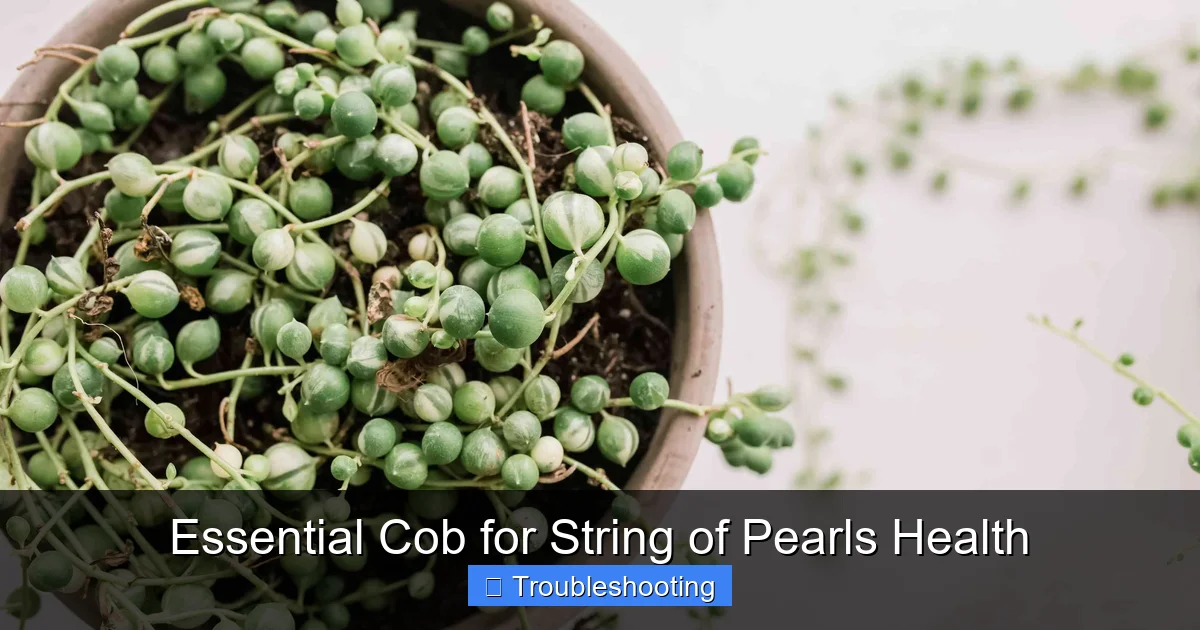
Essential Cob for String of Pearls Health
The essential COB for string of pearls health gives your plant the right light spectrum, helps prevent leggy growth, and makes watering easier. Follow a simple schedule and use a well‑draining soil mix for best results.
Welcome to the guide on the essential COB for string of pearls health. This article shares simple steps to keep your plant happy. You will learn about light, water, soil, and common fixes.
The essential COB for string of pearls health is a type of LED that gives strong, even light. It helps the beads stay plump and green. Many growers see faster growth with this light.
We will walk through each topic in plain language. You can apply the tips today. Let’s get started.
Key Takeaways
- Light spectrum matters: A balanced spectrum mimics sunlight.
- Daily light hours: Aim for 12 to 14 hours of light each day for steady growth.
- Proper watering: Water only when the top inch of soil feels dry to avoid rot.
- Well‑draining soil: Use a gritty mix with perlite or sand for quick drainage.
- Temperature range: Keep the plant between 65°F and 80°F for optimal health.
- Regular checks: Inspect leaves weekly for pests or signs of stress.
Quick Answers to Common Questions
How many hours of light does string of pearls need?
String of pearls thrives with 12 to 14 hours of light each day.
What type of soil is best for string of pearls?
A gritty mix of cactus soil, perlite, and coarse sand works best.
How often should I water string of pearls?
Water only when the top inch of soil feels dry, usually every 7 to 10 days.
What causes leggy growth in string of pearls?
Insufficient light causes the stems to stretch toward the light source.
Can I use a regular LED bulb instead of a COB panel?
A regular LED may not provide the even spectrum and intensity that a COB panel delivers.
📑 Table of Contents
Understanding COB light for string of pearls
What is COB light?
COB stands for chip on board. It packs many tiny LEDs into one module. The result is a bright, uniform beam. This beam covers the whole plant without hot spots. A full spectrum mimics the sun. Plants love this light because it drives photosynthesis evenly.
Why COB matters for string of pearls
String of pearls stores water in its beads. It needs steady light to keep those beads firm. Weak light makes the stems stretch and the beads shrink. The right intensity prevents leggy growth and keeps the plant compact. The essential COB for string of pearls health gives that intensity.
Key benefits of COB lighting
First, the light runs cool so you avoid leaf burn. Second, the spectrum includes blue and red wavelengths that boost leaf color. Third, the fixture lasts many years with low energy use. These benefits make COB a smart choice for any indoor gardener.
Simple science behind COB
Plants convert light into sugar through chlorophyll. Blue light encourages strong stems. Red light supports flowering and bead formation. A balanced blend matches the natural needs of the succulent. This blend is easy to achieve with a quality COB panel.
Choosing the right fixture
Wattage and spectrum
Pick a fixture between 30 and 50 watts for a small shelf. Higher wattage works for larger collections. Look for a spectrum label that says full spectrum or 4000K to 5000K. This range works best for string of pearls.
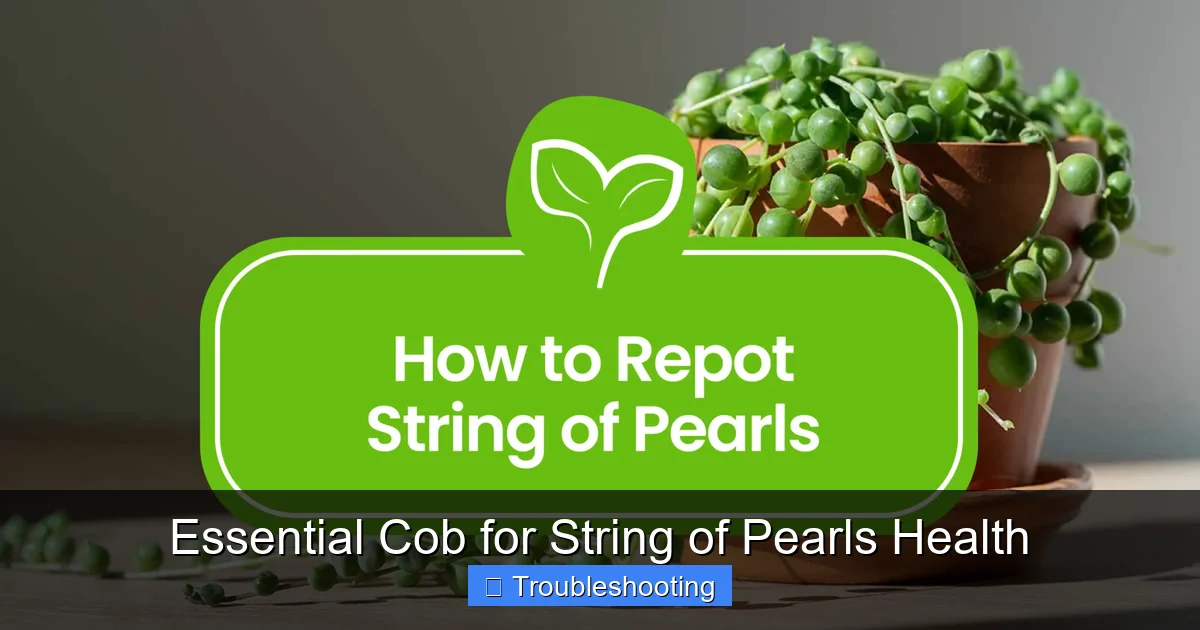
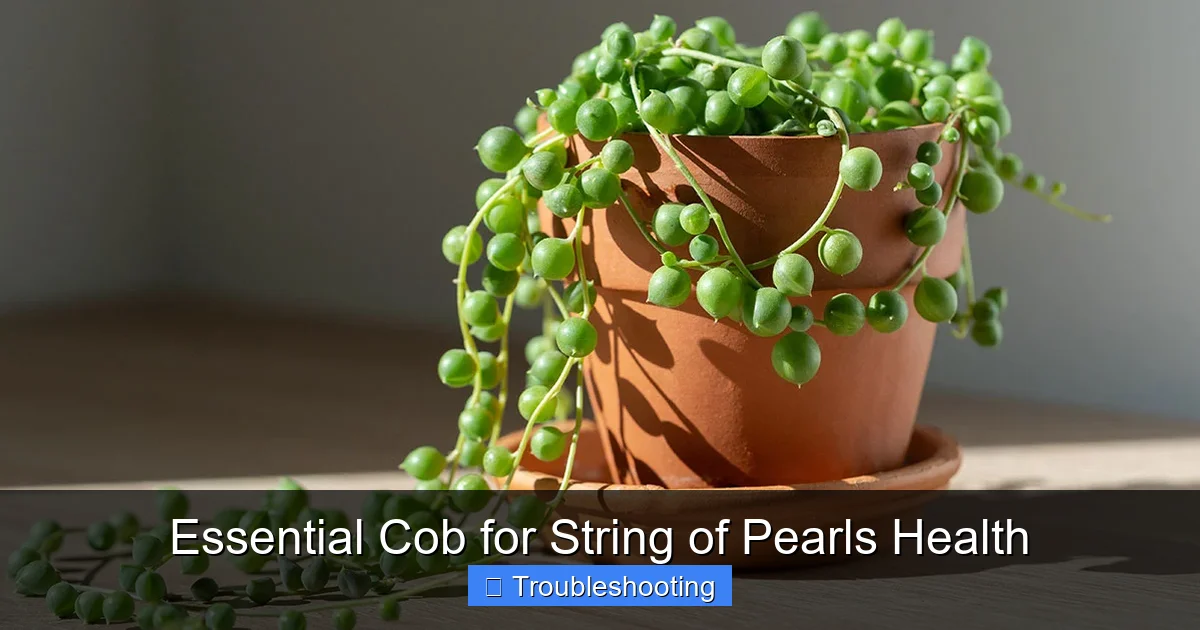
Visual guide about Essential Cob for String of Pearls Health
Image source: plantilio.com
Size and coverage
Measure the width of your plant tray. Choose a light that spreads at least that wide. A 12‑inch fixture covers a standard 10‑inch pot. Hang the light 12 to 18 inches above the beads for even coverage.
Heat management
Even cool LEDs produce some heat. Pick a model with an aluminum heat sink. Good airflow keeps the fixture cool. A cool fixture stays efficient over time.
Budget friendly options
You do not need the most expensive brand. Many reputable brands offer 30‑watt COB panels under $40. Read reviews for reliability. An affordable panel can still give great results.
Setting up a light schedule
Daily light hours
Give the plant 12 to 14 hours of light each day. Turn the light on in the morning and off at night. Consistency helps the beads stay plump. The essential COB for string of pearls health works best with a regular rhythm.
Visual guide about Essential Cob for String of Pearls Health
Image source: thegardenmagazine.com
Seasonal adjustments
In winter, daylight is shorter. You can extend the artificial light to 14 hours. In summer, you may reduce to 12 hours if natural light adds extra. A timer makes this change easy.
Using a timer
A simple plug‑in timer costs less than $10. Set it once and forget it. The timer guarantees the plant gets the same light every day. This removes guesswork.
Monitoring plant response
Watch the beads for color and firmness. Bright green and round beads mean the light is right. Pale or shriveled beads signal a change. Adjust the schedule or distance as needed.
Water and soil tips
Soil mix
Use a gritty mix of cactus soil, perlite, and coarse sand. A 1:1:1 ratio works well. The mix drains fast and prevents water from sitting around the roots. This airy medium supports healthy growth.
Water frequency
Water only when the top inch of soil feels dry. Consistent checking prevents overwatering. In bright light, this may be every 7 to 10 days. In lower light, stretch to 14 days. The plant uses water efficiently under good light.
Signs of overwatering
Soft, mushy beads and yellow stems are warning signs. A foul smell from the pot also indicates rot. Cut back watering immediately and improve drainage. Early action saves the plant.
Fertilizer basics
Feed once a month during the growing season with a diluted succulent fertilizer. Use half the recommended strength. Too much fertilizer burns the roots. Light feeding keeps growth steady.
- Cactus soil – provides base nutrients
- Perlite – improves aeration
- Coarse sand – speeds drainage
Common problems and fixes
Leggy growth
Leggy stems mean the plant reaches for more light. Move the fixture closer or increase daily hours. A small adjustment often solves the issue.
Leaf drop
Sudden leaf drop can happen from temperature shock or dry air. Keep the plant away from drafts and heating vents. Mist lightly if humidity is very low. A stable environment helps.
Pest issues
Mealybugs and spider mites are common. Wipe leaves with a cotton swab dipped in alcohol. Repeat weekly until pests disappear. A healthy plant is less attractive to bugs.
Root rot
Root rot shows as black, mushy roots and a sour smell. Remove the plant, trim bad roots, and repot in fresh dry mix. Let the soil dry completely before watering again. Fast drying reduces future rot risk.
Final thoughts
Recap
We covered light choice, schedule, soil, water, and troubleshooting. Each step builds on the last. A good COB panel is the backbone that ties everything together.
Long term care
Check the light output every six months. Clean the lens with a soft cloth. Replace the fixture if output drops below 70 percent. Minimal maintenance keeps the system running for years.
Encouragement
You now have a clear plan. Start with one change today. Small steps lead to big results. Watch the beads respond. Patience rewards you with beautiful trailing strands.
Next steps
Buy a quality COB panel, set a timer, and mix your soil. Share your progress with fellow growers. The essential COB for string of pearls health makes the journey fun and rewarding.
Frequently Asked Questions
What is the essential COB for string of pearls health?
The essential COB for string of pearls health is a chip‑on‑board LED panel that supplies a full spectrum, cool light ideal for succulent growth.
How far should the COB light be from the plant?
Place the COB light 12 to 18 inches above the beads for even coverage without heat stress.
Do I need a timer for the light schedule?
A timer ensures consistent daily light hours and removes the risk of forgetting to turn the light on or off.
Can I fertilize string of pearls year round?
Fertilize only during the active growing season, typically spring and summer, using a diluted succulent formula.
What are the signs of overwatering?
Soft, mushy beads, yellow stems, and a sour smell from the soil indicate overwatering.
How do I prevent pests on string of pearls?
Keep the plant healthy with proper light and watering, and inspect weekly; treat any pests early with alcohol wipes.