Essential Automatic for Fiddle Leaf Fig Health
Automating water, light, and humidity gives your fiddle leaf fig the consistent care it craves. This guide shows the essential automatic for fiddle leaf fig health, from smart pots to sensor‑driven lights, so you can enjoy lush growth with less guesswork.
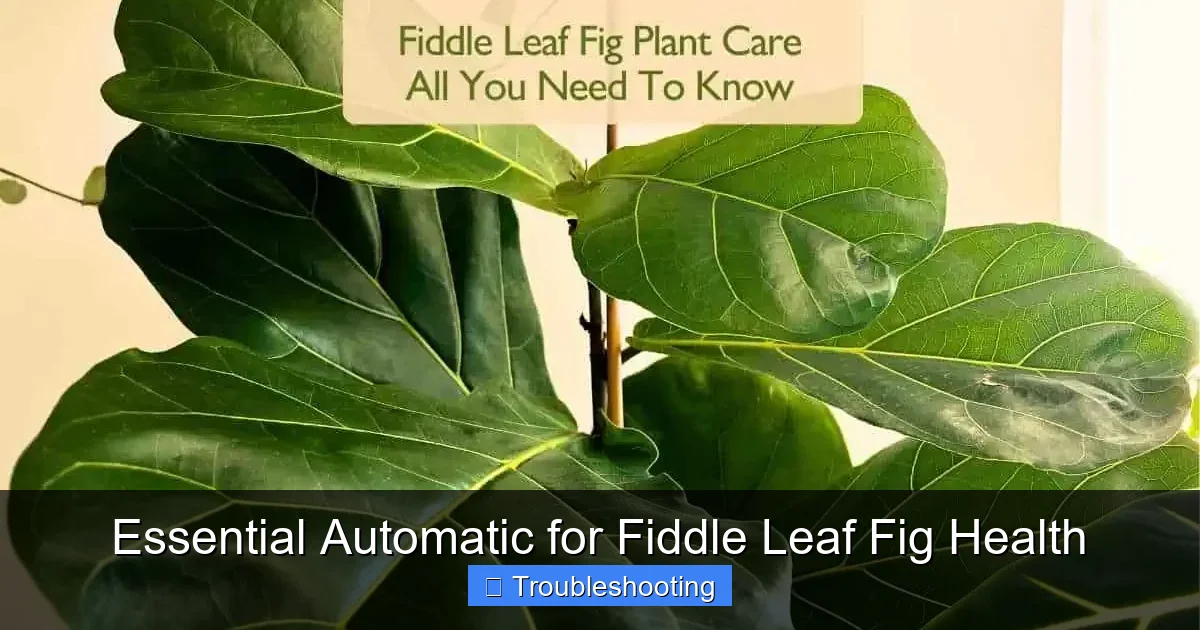
Fiddle leaf figs are famous for their bold leaves and picky nature. They demand bright indirect light, steady moisture, and a humid atmosphere. When any factor shifts, the plant reacts quickly with brown edges or dropped leaves. Many growers find manual care exhausting and inconsistent. An essential automatic for fiddle leaf fig health can provide the stable environment the plant craves. Automation does not replace attention; it simply handles the daily routine.
Smart devices monitor soil, light, and air around the clock. They react instantly when a reading falls outside the target range. You still check the plant weekly, but the heavy lifting happens behind the scenes. The result is a healthier fig with fewer surprises. This guide walks through each critical need and shows how the right automatic tools meet those needs. By the end you will have a clear plan for an essential automatic for fiddle leaf fig health that fits any home.
We start with the basics of light, water, and humidity. Then we explore why consistency matters more than occasional perfect care. Next we review smart watering pots, moisture sensors, and app‑controlled irrigation. After that we cover light meters, programmable LEDs, and voice‑activated timers. Finally we discuss humidifiers, misting systems, and temperature regulators. The last section ties everything into a simple schedule you can set and forget.
Before diving into devices, take a moment to observe your fig’s current behavior. Note how quickly the soil dries, when leaves droop, and whether edges brown. This baseline helps you choose the right sensors and set realistic targets. A quick photo each week creates a visual record of progress. Understanding the plant’s language makes automation more effective. You become a partner, not just a caretaker.
Key Takeaways
- Consistent moisture: Automated watering keeps soil evenly moist without over‑watering.
- Optimized light: Smart grow lights adjust intensity and spectrum to match the plant’s needs.
- Stable humidity: Hygrostat‑controlled humidifiers prevent leaf browning.
- Data‑driven adjustments: Sensors feed real‑time data to an app for easy tweaks.
- Time savings: Once set up, the system runs on its own, freeing you for other tasks.
- Healthier growth: Automation reduces stress signals like yellowing or drooping leaves.
Quick Answers to Common Questions
What is the most important automated device for a fiddle leaf fig?
A soil moisture sensor linked to a self‑watering pot provides the biggest impact because consistent watering prevents root rot and drought stress.
Can I use a regular timer for my grow light?
Yes, a simple mechanical timer works, but a smart timer lets you adjust the schedule remotely and sync with sunrise data.
How often should I refill a self‑watering reservoir?
Check the water level weekly; refill when it drops below the minimum line, usually every 7 to 10 days depending on pot size.
Do I need a humidifier if I mist daily?
Misting helps but a humidifier with a hygrometer maintains a stable ambient humidity, which is more effective for leaf health.
Can automation completely replace manual checks?
Automation handles daily tasks, but a weekly visual inspection catches pests, nutrient deficiencies, or sensor errors.
📑 Table of Contents
- Understanding Your Fiddle Leaf Fig’s Needs
- Why Automation Matters for Fiddle Leaf Figs
- The Essential Automatic for Fiddle Leaf Fig Health: Smart Watering Solutions
- Light Automation: Sensors and Smart Grow Lights
- Humidity and Climate Control Automation
- Putting It All Together: Building Your Automated Care Routine
Understanding Your Fiddle Leaf Fig’s Needs
Light Requirements
Fiddle leaf figs thrive in bright indirect sunlight. Direct rays scorch the large leaves within hours. A south‑facing window with a sheer curtain often provides the right intensity. If natural light is limited, a smart grow light can fill the gap. The plant prefers about twelve to fourteen hours of light each day. Consistent photoperiod keeps growth compact and leaves glossy.
Use a light meter to verify foot‑candles at leaf level. Aim for two thousand to three thousand lux for optimal photosynthesis. A programmable timer on the grow light ensures the twelve‑hour cycle runs even when you are away. Some smart lights adjust spectrum automatically from cool white in morning to warm white in evening. This mimics natural sunrise and sunset, reducing stress. Regular checks keep the light environment stable.
Watering Rhythm
The soil should stay lightly moist but never soggy. Over‑watering causes root rot, a common killer of fiddle leaf figs. Under‑watering makes leaves curl, turn brown, and drop. A good rule is to water when the top inch of soil feels dry. Consistency is key, and that is where automation shines. A moisture sensor can trigger watering exactly when needed.
Self‑watering pots hold a reservoir that feeds the soil through a wick. The wick draws water up as the soil dries, providing a steady supply. Choose a pot with a visible water‑level indicator so you know when to refill. Some models connect to a smartphone app for remote monitoring. This reduces the risk of both drought and flood. The plant enjoys even moisture without daily hand watering.
Humidity and Temperature
These tropical natives love humidity around fifty to sixty percent. Dry indoor air, especially in winter, leads to crispy leaf edges. Temperatures between sixty‑five and seventy‑five degrees Fahrenheit keep the plant comfortable. Sudden drafts from doors or heat vents stress the fig. A hygrometer placed near the canopy gives real‑time readings. Maintaining stable humidity and temperature prevents many common problems.
A humidifier with a built‑in hygrometer can maintain the target level automatically. Set it to fifty‑five percent and the device turns on when humidity drops. It shuts off once the target is reached, saving water and electricity. Pair the humidifier with a smart thermostat to keep temperature steady. This combined climate control creates a micro‑environment the fig loves. You only need to refill the water tank weekly.
Why Automation Matters for Fiddle Leaf Figs
Consistency Beats Guesswork
Human schedules vary from day to day. You might water on Monday, forget Tuesday, then over‑compensate Wednesday. An essential automatic for fiddle leaf fig health removes that variability. Sensors read the exact moisture level and trigger watering only when needed. Light timers keep the photoperiod steady regardless of your routine. The plant experiences a stable environment every single day.
Consistent care reduces the chance of shock. When conditions swing wildly, the fig drops leaves or develops brown tips. Automation smooths those swings by reacting in real time. You no longer need to remember every watering or light change. The system handles the routine, freeing you for other tasks. Peace of mind comes from knowing the plant is always in its comfort zone.
Preventing Common Stress Signals
Yellow leaves, brown edges, and sudden leaf drop are usually signs of inconsistent care. Automated light timers keep the day length constant. Humidifiers with hygrostats maintain target humidity without manual checks. Soil moisture sensors prevent both drought and waterlogging. When each factor stays in range, stress signals rarely appear. The plant stays green, firm, and upright.
If a sensor fails, the app sends an alert to your phone. You can then intervene before damage spreads. Regular firmware updates keep devices accurate. A backup manual watering can is wise for power outages. This layered approach ensures the fig never goes without care. The result is a resilient plant that tolerates minor hiccups.
Saving Time and Effort
Busy plant parents appreciate a system that runs itself. Once you program the schedule, the devices handle daily tasks. You only need to refill reservoirs, clean sensors, and review the app occasionally. The time you save can go to enjoying the plant’s beauty. Automation also reduces the mental load of remembering each care step. You gain freedom without sacrificing plant health.
Many smart devices integrate with a single dashboard. You can view soil moisture, light intensity, and humidity on one screen. Alerts notify you only when something needs attention. This centralized view simplifies decision making. You can adjust settings remotely while traveling. The overall workflow becomes a quick weekly glance instead of daily chores.
The Essential Automatic for Fiddle Leaf Fig Health: Smart Watering Solutions
Self‑Watering Pots
Self‑watering pots have a reservoir at the bottom. A wick draws water up into the soil as it dries. This provides a steady supply without waterlogging the roots. Choose a pot with a visible water‑level indicator so you know when to refill. Some models include a float valve that stops flow when the reservoir is full. The design mimics natural groundwater, keeping the root zone evenly moist.
These pots work well for single specimens or small groups. They require minimal setup—just fill the reservoir and place the plant. The wick material can be cotton, nylon, or a porous ceramic. Replace the wick annually to maintain flow. Because the soil stays uniformly moist, the fig develops strong, healthy roots. You gain willowy leaves with fewer brown tips.
Soil Moisture Sensors
Probe sensors insert into the root zone and send real‑time data to your phone. Many models integrate with smart home hubs like Home Assistant or SmartThings. You can set a moisture threshold, and the system will open a valve or trigger a pump only when the soil crosses that line. This precision prevents both drought and flood. The sensor battery lasts months on a single charge.
Place the probe halfway down the pot for accurate readings. Calibrate it once by watering fully and noting the baseline. The app displays a graph of moisture over days, revealing trends. You can adjust the threshold as the plant grows or seasons change. Some sensors also measure temperature and EC, giving a fuller picture. This data helps you fine‑tune the essential automatic for fiddle leaf fig health.
App‑Controlled Irrigation
For larger collections, a drip irrigation kit with a smart controller works well. The controller connects to Wi‑Fi, reads sensor data, and runs customized schedules. You can create separate zones for each fig, adjusting flow rates for pot size. The app logs history, helping you spot trends over weeks. This scalable solution keeps every plant on its ideal watering curve.
Install the drip lines along the shelf or floor, securing them with clips. Use pressure‑compensating emitters for even distribution. The controller can pause irrigation if a leak sensor detects water on the floor. You receive an instant notification and can shut off the system remotely. This safety feature protects your home and plants alike. Maintenance is limited to occasional filter cleaning.
Light Automation: Sensors and Smart Grow Lights
Light Meters and Timers
A simple light meter tells you the exact foot‑candles at leaf level. Pair it with a programmable timer on your grow light. Set the timer for twelve hours on, twelve hours off. The meter ensures the intensity stays in the two thousand to three thousand lux range that fiddle leaf figs prefer. Consistent light drives steady photosynthesis and compact growth. You can log daily readings to verify stability.
Smart timers can sync with sunrise and sunset data from the internet. This keeps the photoperiod natural throughout the year. Some timers allow a gradual ramp‑up and ramp‑down, mimicking dawn and dusk. The gradual change reduces leaf shock when lights turn on or off. You can also program a weekend schedule if you prefer a different rhythm. The result is a light environment that feels like the outdoors.
Adjustable Spectrum LEDs
Modern LED panels let you shift the color temperature with a phone app. Cool white around five thousand kelvin mimics midday sun for vigorous growth. Warm white around three thousand kelvin encourages leaf maturity and deeper green. Some panels auto‑adjust based on the time of day, giving the plant a natural light curve. This flexibility matches the fig’s changing needs across seasons. You can also set a custom spectrum for propagation.
Dimmable LEDs let you lower intensity during hot summer afternoons. This prevents leaf scorch while still providing enough photons. You can program a midday dip of twenty percent for two hours. The app shows real‑time PPFD values so you stay in the optimal range. Over time, the plant develops thicker leaves and stronger stems. Adjustable spectrum is a cornerstone of the essential automatic for fiddle leaf fig health.
Integrating with Home Assistants
Connect your lights to Alexa, Google Home, or Apple HomeKit for voice control. Say “turn on fig light” and the system obeys instantly. Routines can sync lights with sunrise, sunset, or your personal schedule. This hands‑free operation is perfect when your hands are full of soil. You can also group multiple lights for a whole‑room scene. Integration makes the automation feel seamless.
Home assistant dashboards show real‑time light intensity, on/off status, and energy use. You can set alerts if a light fails to turn on at the scheduled time. Firmware updates are pushed automatically, keeping features current. Voice logs let you review commands for troubleshooting. This level of visibility turns a simple timer into a smart lighting manager. The plant benefits from precise, reliable illumination every day.
Humidity and Climate Control Automation
Humidifiers with Hygrostats
A humidifier equipped with a built‑in hygrometer maintains a set humidity level automatically. Set it to fifty‑five percent and the device turns on when humidity drops. It shuts off once the target is reached, saving water and electricity. The unit can be placed on a shelf near the canopy for direct effect. Some models include a UV‑C filter to keep the mist clean. This hands‑free approach keeps leaf edges supple and prevents brown tips.
Refill the water tank weekly or when the low‑water indicator lights. Clean the tank and nozzle monthly to avoid mineral buildup. The hygrometer calibration can be checked with a separate digital meter. If the humidifier overshoots, lower the target by a few percent. Consistent humidity reduces stress during heating season. The plant rewards you with glossy, firm leaves.
Automated Misting Systems
Misting nozzles mounted near the canopy can run on a timer or humidity sensor. Short bursts every few hours raise local humidity without soaking the floor. Look for a system with adjustable droplet size to avoid water spots on leaves. The mist evaporates quickly, creating a brief humidity spike. This mimics tropical morning dew that fiddle leaf figs love. You can program the mist to run only during daylight hours.
Connect the misting controller to your smart home hub for centralized control. You can pause misting if a rain sensor detects high ambient humidity. The system logs each cycle, helping you fine‑tune frequency. A small reservoir lasts several days, so refills are infrequent. Regular nozzle cleaning prevents clogging and ensures even coverage. This automated misting adds a layer of humidity stability to the essential automatic for fiddle leaf fig health.
Temperature Regulators
Smart thermostats or portable heaters with temperature probes keep the room within the sixty‑five to seventy‑five Fahrenheit window. If a draft drops temperature, the heater kicks in automatically. If a sunny window spikes heat, a fan can activate to cool the area. Stable temperature reduces leaf shock and metabolic stress. You can set a day/night differential of a few degrees for natural rhythm. The plant experiences a consistent climate year‑round.
Integrate the thermostat with your smart home dashboard for a single view. Alerts notify you if temperature exceeds the set range for more than ten minutes. You can adjust the setpoint remotely while away. Some models learn your schedule and pre‑heat before you arrive. This predictive control keeps the environment stable without manual tweaks. The fig thrives in a climate that feels like its native rainforest.
Putting It All Together: Building Your Automated Care Routine
Creating a Schedule
Start by mapping each device to a specific task in a spreadsheet. Watering sensor triggers pump at six AM. Light timer turns on at seven AM, off at seven PM. Humidifier runs when humidity falls below fifty percent. Misting system fires a burst every three hours during daylight. Temperature regulator holds sixty‑five to seventy‑five degrees. Consistency across devices is the backbone of an essential automatic for fiddle leaf fig health.
Enter the schedule into each device’s app or central hub. Test each trigger manually for the first week. Adjust timing if the soil stays too wet or too dry. Verify light intensity with a meter after the first cycle. Confirm humidity reads steady on the hygrometer. Once everything runs smoothly, you can switch to hands‑off mode. The routine now operates like clockwork.
Monitoring Data
Most smart devices log data automatically. Review soil moisture graphs weekly to spot trends. Check light intensity logs to confirm the twelve‑hour cycle. Watch humidity trends, especially during seasonal changes. Data alerts can notify you if a sensor fails or a reservoir runs dry. Export the data to a spreadsheet for deeper analysis. This insight helps you make informed adjustments.
Set up a monthly review calendar reminder. During the review, compare current readings to the target ranges. Note any drift and tweak thresholds accordingly. If the plant shows new growth, increase watering volume slightly. If leaves yellow, reduce light intensity or check for nutrient issues. Continuous monitoring turns automation into a living system that evolves with the plant.
Adjusting Over Time
Plants grow, seasons shift, and homes change. Increase watering volume as the root ball expands. Raise light intensity in winter when daylight shortens. Boost humidifier output when heating runs. Small tweaks keep the automation aligned with the plant’s evolving needs. Schedule a quarterly deep‑clean of all sensors and nozzles. This prevents drift and extends device lifespan.
When you move the fig to a new spot, re‑calibrate light and humidity sensors. Update the schedule to reflect the new window orientation. If you add more plants, create additional zones in the irrigation controller. The essential automatic for fiddle leaf fig health scales with your collection. Over time, the system becomes a reliable partner, not a set‑and‑forget gadget. Your fig will reward you with steady growth and fewer brown tips.
Automation turns a notoriously fussy fiddle leaf fig into a low‑maintenance showpiece. By matching each environmental factor with a reliable automatic tool, you give the plant the steady care it craves. The essential automatic for fiddle leaf fig health is not a single gadget but a coordinated system of water, light, and climate controls. Set it up once, monitor occasionally, and enjoy vibrant, glossy leaves year‑round. Your fig will thank you with steady growth and fewer brown tips. Embrace the technology, and let the plant thrive while you focus on the joy of green living.
Remember that technology serves the plant, not the other way around. Keep a simple notebook for observations that sensors cannot capture, like new leaf shape or pest signs. Celebrate each new unfurling leaf as proof the system works. Share your setup with fellow plant lovers to inspire them. The journey from fussy to flourishing is rewarding. Enjoy the calm confidence that comes from a well‑tuned essential automatic for fiddle leaf fig health.
Frequently Asked Questions
What does “essential automatic for fiddle leaf fig health” mean?
It refers to a coordinated set of automated tools—watering, lighting, humidity—that together provide the consistent environment a fiddle leaf fig needs to thrive.
Which smart watering system is best for beginners?
A self‑watering pot with a visible reservoir and a basic moisture probe is easy to set up and requires minimal tech knowledge.
How many hours of light does a fiddle leaf fig need each day?
Aim for 12 to 14 hours of bright, indirect light; a programmable grow light can deliver this reliably.
What humidity level prevents brown leaf edges?
Maintain 50 to 60 percent relative humidity; a hygrometer‑controlled humidifier keeps it steady.
Can I integrate all devices into one app?
Many smart home platforms (Home Assistant, SmartThings, Apple HomeKit) let you create a single dashboard for watering, lighting, and climate devices.
What should I do if my automated system fails?
Check power and Wi‑Fi connections first, then verify sensor readings manually; keep a backup manual watering can on hand for emergencies.