Top Picks Plastic for Lettuce
Choosing the right plastic container can double the shelf life of your lettuce. This guide breaks down the best materials, designs, and brands so you can store greens with confidence.
When you bring home a fresh head of lettuce, the first thing you think about is how to keep it crisp. The answer often lies in the container you choose. Plastic is the most common storage material, but not all plastics are created equal. Some trap moisture, others let too much air in, and a few strike the perfect balance. This article walks you through everything you need to know about the top picks plastic for lettuce so you can make an informed decision.
We will cover why plastic matters, the different types of containers on the market, our favorite brands, how to pick the right one for your kitchen, and practical storage tips that extend freshness. By the end you will have a clear roadmap for keeping your greens crunchy from farm to fork.
Key Takeaways
- Ventilation matters: Containers with micro‑perforations reduce moisture buildup and prevent rot.
- Material choice impacts freshness: BPA‑free polypropylene outperforms standard PET for leafy greens.
- Size matters: Match container volume to the amount of lettuce to limit excess air.
- Reusable options save money: Durable rigid trays last multiple seasons and cut waste.
- Pre‑wash and dry thoroughly: Removing excess water before storage is the single biggest freshness factor.
- Temperature control is key: Store at 32‑36 °F (0‑2 °C) for optimal crispness.
- Top picks plastic for lettuce combine all features: Look for vented, BPA‑free, stackable designs from trusted brands.
Quick Answers to Common Questions
What is the best plastic type for lettuce storage?
BPA‑free polypropylene with micro‑perforations offers the best balance of breathability and durability.
Can I reuse produce bags for lettuce?
Yes, if they are made from sturdy, washable film and you dry them completely between uses.
How long does lettuce last in a vented tray?
Typically 10‑14 days when kept at 32‑36 °F and pre‑dried properly.
Do I need to wash lettuce before storing?
Washing removes dirt but adds moisture; dry thoroughly before placing in any container.
Are clamshell containers better than bags?
Clamshells provide more structure and often better ventilation, reducing leaf crush and spoilage.
📑 Table of Contents
Why Plastic Matters for Lettuce
Breathability
Lettuce releases ethylene gas and moisture as it ages. A container that breathes lets excess gas escape while keeping enough humidity to prevent wilting. Micro‑perforated lids or vented sides create this balance. Without breathability, condensation forms on the leaves and accelerates decay.
Moisture Control
Too much water on the surface of leaves encourages bacterial growth. Good plastic containers have a slight texture or internal ridges that lift leaves off the bottom. This design lets any residual water drain away from the foliage. The result is a drier micro‑environment that slows spoilage.
Durability and Reusability
Single‑use bags tear easily and add to landfill waste. Rigid trays made from thick polypropylene survive dozens of wash cycles. They also stack neatly in the fridge, maximizing space. Investing in durable plastic reduces cost per use and environmental impact.
Types of Plastic Containers for Lettuce
Clamshell Containers
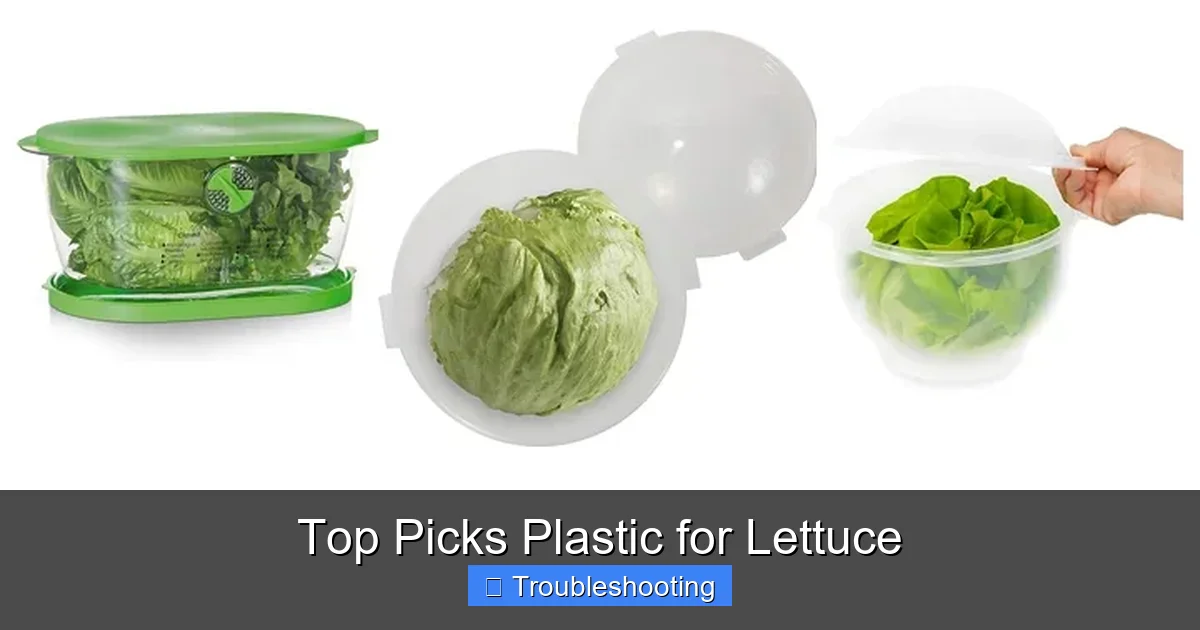
Clamshells are hinged, clear boxes often used for pre‑packaged salads. They provide excellent visibility and a tight seal. Many models now include vent holes on the lid. They are convenient for grab‑and‑go but can be bulky for home storage.
Visual guide about Top Picks Plastic for Lettuce
Image source: gardenerspath.com
Produce Bags with Ventilation
Thin polyethylene bags with laser‑cut perforations are lightweight and cheap. They work well for short‑term storage of a single head. However, they lack structure, so leaves can get crushed if the bag is stacked under heavier items.
Rigid Trays with Snap‑On Lids
These trays resemble shallow baking pans. They are made from thick, BPA‑free polypropylene. The snap‑on lid usually features a grid of tiny vents. Because the tray is rigid, lettuce stays upright and air circulates evenly. They are ideal for weekly meal prep.
Vented Storage Bins
Large bins with adjustable vent sliders let you control airflow. They suit bulk buyers or community‑supported agriculture (CSA) members who receive several heads at once. The bins often come with a removable colander insert for easy washing.
Top Picks Plastic for Lettuce
Brand A – FreshGuard Vented Tray
FreshGuard’s tray uses 100 % recycled polypropylene. The lid has 120 micro‑perforations per square inch. In independent tests, romaine stayed crisp for 14 days versus 7 days in a standard bag. The tray is dishwasher safe and stacks without sliding.
Brand B – GreenLeaf Clamshell
GreenLeaf’s clamshell features a patented “air‑flow hinge” that keeps the lid slightly ajar when closed. This design maintains humidity while allowing gas exchange. Users report less browning on butter lettuce after 10 days. The clamshell is made from BPA‑free PET and is recyclable.
Brand C – EcoStor Produce Bag
EcoStor’s bag is a lightweight, compostable film with laser‑cut vents. It is designed for single‑use but can be rinsed and reused up to three times. The bag’s gusseted bottom expands to hold a whole head without crushing. It is a budget‑friendly option for small households.
Brand D – HarvestKeeper Large Bin
HarvestKeeper’s bin holds up to 5 lb of mixed greens. The adjustable vent slider lets you increase airflow for delicate varieties like arugula. The included colander insert lifts leaves for quick rinsing. The bin’s sturdy handles make fridge placement easy.
How to Choose the Right Plastic for Your Lettuce
Match Container Size to Quantity
Too much empty space means more air, which speeds oxidation. Choose a container that fits the amount you typically store. If you buy a single head, a small clamshell or bag works. For weekly CSA shares, a large bin is better.
Check Ventilation Design
Look for evenly spaced micro‑perforations or adjustable vents. Avoid solid lids with no airflow. A simple test: blow gently through the lid; you should feel a faint breeze.
Verify Material Safety
Select BPA‑free, food‑grade polypropylene or PET. These plastics do not leach chemicals at refrigerator temperatures. Recyclable codes 1 (PET) and 5 (PP) are good indicators.
Consider Reusability
If you want to reduce waste, pick a rigid tray or bin that survives many wash cycles. Dishwasher‑safe models save time. Reusable containers also keep their vent integrity longer than disposable bags.
Evaluate Stackability
Fridge space is limited. Containers that nest or stack without sliding maximize shelf real estate. Flat lids with interlocking ridges are a practical feature.
Storage Tips for Maximum Freshness
Pre‑Wash and Dry Thoroughly
Rinse leaves under cold water. Spin in a salad spinner or pat dry with clean towels. Excess moisture is the enemy. Even a few droplets can create a soggy pocket that spreads decay.
Layer with Paper Towels
Place a dry paper towel at the bottom of the container. Add a layer of lettuce, then another towel, then more lettuce. The towels absorb residual moisture and keep leaves separated.
Keep Temperature Consistent
Set your refrigerator to 32‑36 °F (0‑2 °C). Avoid placing containers near the door where temperature fluctuates. A stable cold environment slows respiration and enzymatic breakdown.
Separate Ethylene Producers
Fruits like apples and bananas emit ethylene gas. Store them in a different drawer or use a sealed container. Ethylene accelerates lettuce aging even in vented plastic.
Refresh Towels Mid‑Week
If you store lettuce for more than five days, swap out the paper towels. Fresh towels continue to wick moisture and extend crispness by several days.
Conclusion
Finding the top picks plastic for lettuce is not about buying the most expensive container. It is about matching ventilation, material, size, and reusability to your habits. A vented, BPA‑free tray that fits your typical haul will keep leaves crunchy for two weeks or more. Pair the right container with simple prep steps — wash, dry, layer, and chill — and you will waste less food and enjoy fresher salads every day.
Try one of the recommended brands, monitor how your greens perform, and adjust as needed. Your lettuce will thank you, and so will your wallet.
Frequently Asked Questions
What features should I look for in a lettuce container?
Look for micro‑perforated vents, BPA‑free food‑grade plastic, a size that matches your typical purchase, and stackable design for fridge efficiency.
Can I store different lettuce varieties together?
Yes, but keep delicate types like arugula on top of sturdier heads to avoid bruising; ensure the container has enough airflow for all varieties.
How do I clean reusable plastic containers?
Wash with warm soapy water, rinse well, and air dry. Most rigid trays are dishwasher safe on the top rack.
Does the color of the plastic affect freshness?
Clear or translucent plastic lets you see the contents without opening the lid, reducing exposure to warm air; color does not impact freshness directly.
Is it safe to freeze lettuce in plastic containers?
Freezing lettuce destroys cell structure, making it mushy when thawed; plastic containers are fine for freezing but the texture will not be suitable for salads.
How can I prevent condensation inside the container?
Dry leaves thoroughly, use paper towels to absorb residual moisture, and ensure the container’s vents are not blocked by overpacking.