Best Grow Tent Exhaust Fan
Choosing the right exhaust fan keeps your grow tent healthy and productive. This guide covers sizing, key features, installation steps, and maintenance so you can pick the best grow tent exhaust fan for any setup.
Key Takeaways
- Match CFM to tent volume: Calculate cubic feet and add 20 percent for filters and ducting.
- Prioritize quiet operation: Look for fans rated below 50 dB for a peaceful grow space.
- Choose variable speed controls: Adjust airflow for different growth stages without buying multiple fans.
- Use proper ducting and clamps: Leaks reduce efficiency and can cause odor issues.
- Clean filters regularly: A clogged carbon filter cuts airflow by up to 30 percent.
- Consider inline vs. clip‑on models: Inline fans handle larger tents; clip‑on fans suit small setups.
- Check warranty and support: Reliable brands offer at least a 2‑year warranty and responsive service.
Quick Answers to Common Questions
What CFM do I need for a 4x4x6 grow tent?
Calculate the volume (96 cf) and multiply by 1.2 for a safety margin, giving roughly 115 CFM. Choose a fan rated at 120 CFM or higher.
Can I use a clip‑on fan instead of an inline fan?
Clip‑on fans work for small tents under 3 × 3 ft. Larger tents need inline fans with ducting to move enough air.
How often should I replace the carbon filter?
Replace the carbon filter every 12 to 18 months, or sooner if you notice odors escaping.
Why is my exhaust fan louder than the spec sheet says?
Loose duct connections, dirty blades, or a failing motor can increase noise. Inspect and clean the fan, then tighten all joints.
Do I need a speed controller if the fan has a built‑in dial?
A built‑in dial is usually enough. External controllers add finer granularity but are optional for most hobby setups.
📑 Table of Contents
Introduction
When you start a grow tent, airflow is the hidden hero. Without fresh air, plants suffocate, heat builds up, and odors linger. The best grow tent exhaust fan solves all three problems at once. It pulls stale air out, brings cool air in, and pushes smells through a carbon filter. This article walks you through everything you need to know to pick, install, and maintain the right fan for your tent.
We will cover sizing math, must‑have features, common installation mistakes, and a short list of top models. By the end you will feel confident choosing the best grow tent exhaust fan for any size or budget.
Why Exhaust Fans Matter for Grow Tents
Temperature Control
Plants thrive in a narrow temperature window. A good exhaust fan removes hot air generated by lights. This keeps the canopy temperature stable and prevents heat stress.
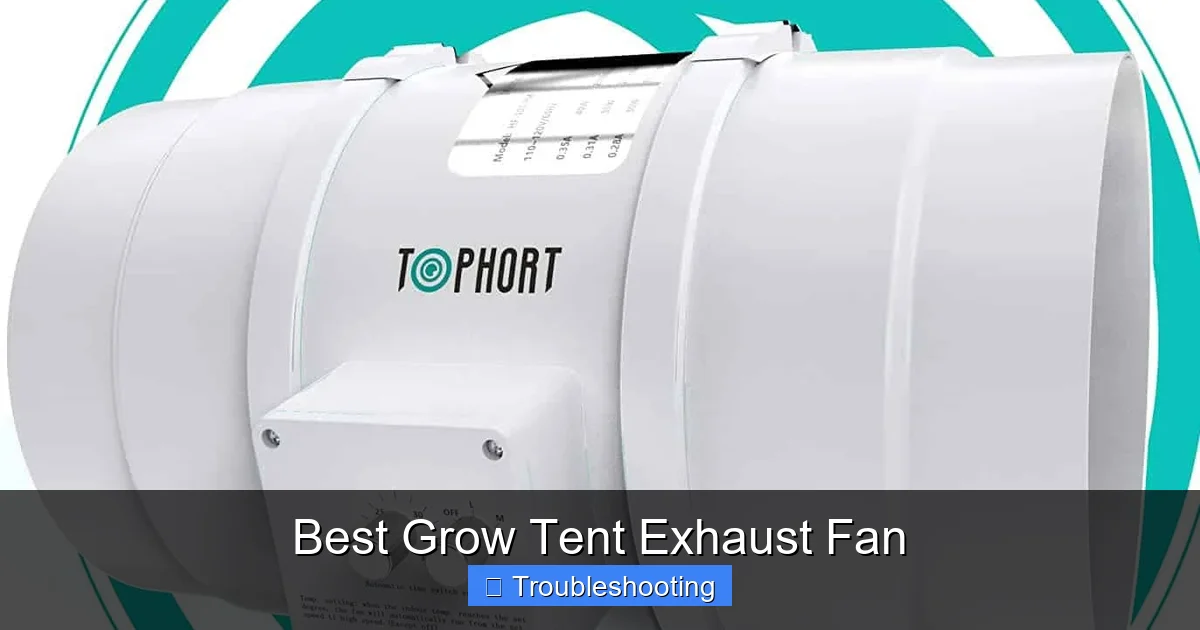
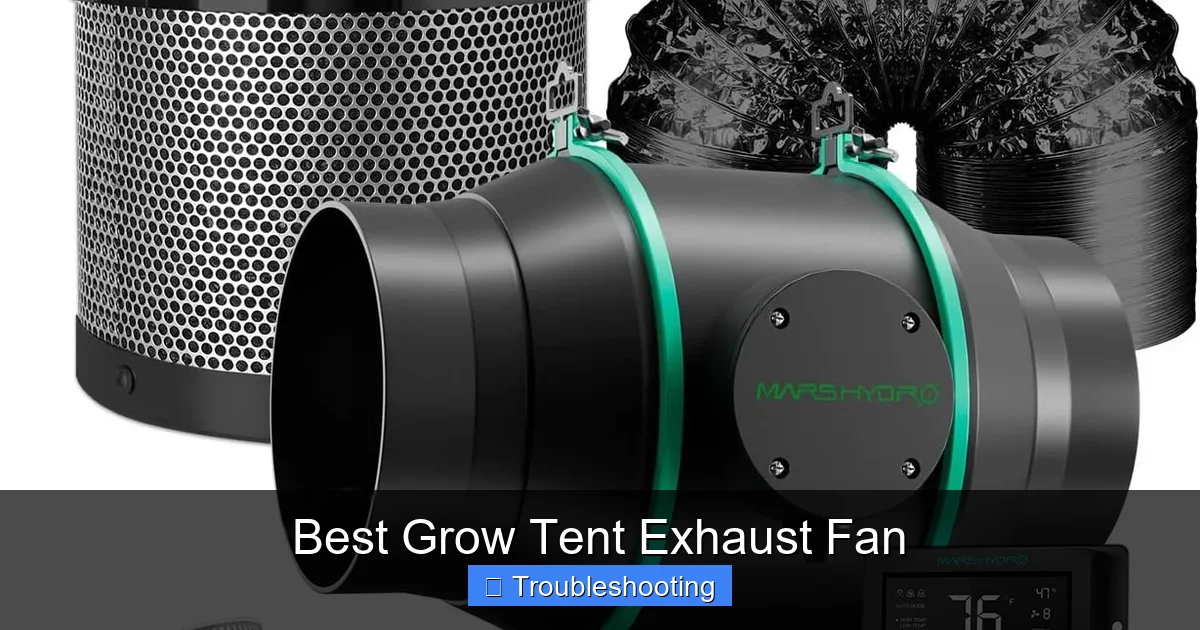
Visual guide about Best Grow Tent Exhaust Fan
Image source: gardensynthesis.com
Humidity Management
Transpiration adds moisture. Exhaust fans exchange humid air with drier outside air. Balanced humidity reduces mold risk and improves nutrient uptake.
Odor Removal
Many strains produce strong smells. Pairing an exhaust fan with a carbon filter scrubs odor before it leaves the tent. This keeps neighbors happy and stays compliant with local rules.
CO₂ Replenishment
Plants consume CO₂ during photosynthesis. Fresh air brings new CO₂, boosting growth rates. An exhaust fan creates the negative pressure needed for this exchange.
How to Choose the Right Size and CFM
Calculate Tent Volume
Measure length, width, and height in feet. Multiply the three numbers to get cubic feet. Example: a 4 ft × 4 ft × 6 ft tent equals 96 cf.
Apply the 1‑Minute Air Exchange Rule
Most growers aim for a full air swap every minute. Multiply the volume by 1 to get the base CFM. For the 96 cf tent, you need at least 96 CFM.
Add Safety Margin
Carbon filters, duct bends, and long runs reduce airflow. Add 20 percent to the base CFM. In the example, 96 × 1.2 ≈ 115 CFM. Round up to the next standard fan rating.
Match Fan Rating to Adjusted CFM
Pick a fan rated at or above the adjusted number. A 120 CFM inline fan would work well for the 4 × 4 × 6 tent. Oversizing a little gives headroom for future upgrades.
Top Features to Look For in the Best Grow Tent Exhaust Fan
Variable Speed Control
Fans with built‑in speed knobs or PWM control let you dial airflow down for seedlings and up for flowering. This saves energy and reduces noise.
Low Noise Rating
Check the decibel (dB) spec. Fans under 50 dB are barely noticeable. Quiet operation matters if the tent sits in a living space.
Durable Motor Type
EC (electronically commutated) motors run cooler, last longer, and use less electricity than AC motors. They also support smoother speed changes.
Integrated Carbon Filter Compatibility
Some fans ship with a matching filter flange. This ensures a tight seal and eliminates the need for extra adapters.
Easy Mounting Options
Look for included brackets, hanging straps, or clip‑on hardware. Quick installation reduces downtime.
Warranty and Customer Support
A 2‑year or longer warranty signals confidence. Responsive support helps troubleshoot any issues fast.
Installation Tips and Common Mistakes
Plan the Air Path
Draw a simple diagram. Air should enter low on one side, travel across the canopy, and exit high on the opposite side. This creates a smooth laminar flow.
Use Rigid Ducting When Possible
Flexible duct adds turbulence. Rigid metal or PVC keeps airflow steady. If you must use flex, keep runs short and straight.
Seal All Joints
Apply foil tape or duct mastic to every connection. Even a small leak drops effective CFM and lets odor escape.
Mount the Fan Outside the Tent
Placing the fan on the exterior side of the exhaust port reduces heat inside the tent and makes maintenance easier.
Balance Intake and Exhaust
Passive intake vents should be at least twice the area of the exhaust duct. This prevents negative pressure from collapsing the tent walls.
Test Before You Grow
Run the fan at full speed for 15 minutes. Use an anemometer or a simple tissue test at the intake to verify airflow direction and strength.
Maintenance and Troubleshooting
Clean the Pre‑Filter Monthly
Dust builds up on the pre‑filter first. Vacuum or wash it to keep the main carbon filter from clogging early.
Replace Carbon Filter Every 12‑18 Months
Activated carbon loses adsorption capacity over time. A fresh filter restores odor control and airflow.
Inspect Fan Blades for Debris
Turn off power, remove the housing, and wipe blades with a damp cloth. Balanced blades run quieter and last longer.
Check Electrical Connections
Loose wires cause intermittent operation. Tighten terminals and look for signs of corrosion.
Monitor CFM Drop
Use a handheld anemometer at the exhaust port. A 15 percent drop signals a blockage or filter saturation.
Common Error Codes
Many EC fans display error codes on a small LED. Refer to the manual; most codes point to overheating or sensor failure.
Our Top Picks for the Best Grow Tent Exhaust Fan
1. AC Infinity Cloudline T6
This 6‑inch inline fan delivers 351 CFM at max speed. It features an EC motor, 10‑speed controller, and a noise level of 32 dB. The included mounting bracket fits most tent frames. Ideal for 4 × 4 × 7 tents.
2. Vivosun 6 Inch Inline Duct Fan
Budget friendly with 440 CFM rating. It uses an AC motor, so it runs a bit louder at 45 dB. Comes with a variable speed dial and a 1‑year warranty. Good for growers who need high airflow on a tight budget.
3. Gorilla Grow Tent 6 Inch Clip‑On Fan
Designed for small tents up to 3 × 3 × 6. It clips directly to the tent pole, no ducting required. 120 CFM, 38 dB, and a 2‑year warranty. Perfect for beginners or supplemental airflow.
4. TerraBloom 8 Inch EC Inline Fan
High capacity at 720 CFM. EC motor, 0‑100 % speed control, and ultra‑quiet 28 dB operation. Best for large commercial tents or multi‑light setups. Includes a carbon filter flange.
5. Hurricane Inline Fan 6 Inch
Mid‑range price with 400 CFM. Mixed‑flow impeller gives strong static pressure for long duct runs. 40 dB noise, 2‑year warranty, and a built‑in speed controller.
Comparison Table Summary
All five models meet the core criteria: adequate CFM, variable speed, low noise, and solid warranty. Choose based on tent size, budget, and whether you prefer inline or clip‑on mounting.
Conclusion
Selecting the best grow tent exhaust fan is a balance of math, features, and practical installation. Start by measuring your tent, calculate the required CFM, and add a safety margin. Prioritize an EC motor, variable speed, and low noise for a pleasant growing environment. Install with rigid ducting, seal every joint, and balance intake vents. Keep filters clean and replace carbon on schedule. With the right fan, your plants will enjoy fresh air, stable temps, and odor‑free growth. Happy growing!
Frequently Asked Questions
How do I calculate the exact CFM for my grow tent?
Measure length, width, and height in feet. Multiply to get cubic feet. Multiply that number by 1.2 to account for filter and duct losses. The result is the minimum CFM you need.
What is the difference between an inline fan and a clip‑on fan?
An inline fan mounts in ductwork and pulls air through a carbon filter. A clip‑on fan attaches directly to the tent frame and moves air without ducting. Inline fans handle larger volumes.
Can I run the exhaust fan continuously?
Yes, most EC fans are designed for 24/7 operation. Continuous run keeps temperature and humidity stable, especially during flowering.
How do I reduce fan noise in a living space?
Choose a fan rated under 40 dB, use insulated ducting, add a silencer box, and mount the fan on vibration‑dampening pads.
What size carbon filter matches a 6‑inch fan?
Use a 6‑inch flange carbon filter with a CFM rating equal to or higher than the fan. This ensures the filter does not become a bottleneck.
Is it better to push or pull air through the carbon filter?
Pulling air through the filter (fan on the exhaust side) keeps the filter clean longer and reduces positive pressure leaks. Most growers prefer this orientation.