Best Indoor Plants for Beginners in Offices
Transform your office with beginner-friendly indoor plants that thrive on neglect. This guide covers the top low-maintenance varieties, simple care routines, and troubleshooting tips to keep your workspace green and healthy all year long.
Key Takeaways
- Snake plants and ZZ plants are nearly indestructible: They tolerate low light, irregular watering, and office air conditioning with ease.
- Pothos and philodendrons grow fast and forgive mistakes: Perfect for shelves or hanging baskets, they bounce back from underwatering quickly.
- Match plants to your office light conditions: North-facing windows need shade-tolerant species; south-facing spots can handle brighter-light plants.
- Water less, not more: Overwatering is the number one killer of office plants. Check soil moisture before every watering.
- Group plants to boost humidity: Clustering creates a microclimate that helps tropical varieties thrive in dry office air.
- Rotate plants weekly for even growth: This prevents leaning toward light sources and keeps foliage full on all sides.
- Watch for pests early: Spider mites and mealybugs spread fast in offices. Inspect leaves monthly and treat immediately.
Quick Answers to Common Questions
What is the absolute easiest office plant for total beginners?
The snake plant (Sansevieria) is the most forgiving office plant. It survives low light, irregular watering, dry air, and temperature swings. Water it every three to four weeks and it will thrive for years with almost no attention.
How often should I water office plants?
There is no fixed schedule. Check soil weekly with your finger. Water only when the top inch (for tropicals) or top two inches (for succulents) feels dry. Most office plants need water every one to three weeks depending on light and season.
Can plants survive with only fluorescent office lights?
Yes. Snake plants, ZZ plants, pothos, philodendrons, cast iron plants, and Chinese evergreens all grow under fluorescent lights alone. For best results, keep lights on twelve to fourteen hours daily and position plants within three feet of fixtures.
Why are my plant’s leaf tips turning brown?
Brown tips usually mean low humidity, fluoride in tap water, inconsistent watering, or fertilizer buildup. Trim brown tips at an angle, switch to filtered water, increase humidity with a pebble tray, and flush soil monthly with extra water.
How do I keep plants alive during a two-week vacation?
Water thoroughly before leaving. Group plants in a bathtub or sink with a few inches of water for humidity. Move them away from vents and direct sun. Or use self-watering spikes. For longer trips, ask a coworker to check once mid-vacation.
📑 Table of Contents
- Why Office Plants Matter More Than You Think
- Understanding Your Office Environment
- Top Ten Indoor Plants for Beginners in Offices
- Setting Up Your Office Plant for Success
- Mastering the Watering Routine
- Light Solutions for Every Office
- Troubleshooting Common Office Plant Problems
- Creating a Plant Care Routine That Sticks
- Budget-Friendly Plant Parenting
- Building Your Office Plant Community
- Advanced Tips for Growing Confidence
- Conclusion: Your Green Office Journey Starts Today
Why Office Plants Matter More Than You Think
You walk into the office on a Monday morning. The air feels stale. Fluorescent lights hum overhead. Your desk looks the same as it did Friday. Now imagine a splash of green in the corner. A snake plant standing tall. A pothos trailing from a shelf. Suddenly the space feels alive. That is the power of indoor plants for beginners in offices.
Research shows plants boost productivity by up to fifteen percent. They clean the air. They reduce stress. They even lower background noise. But here is the catch. Most office workers kill their first plant within a month. Not because they lack a green thumb. Because they choose the wrong plant for the wrong spot. This guide fixes that. We will walk through the best indoor plants for beginners in offices. We will cover light needs. Watering schedules. Common mistakes. And how to troubleshoot problems before they kill your new green coworker.
Understanding Your Office Environment
Light Levels Decoded
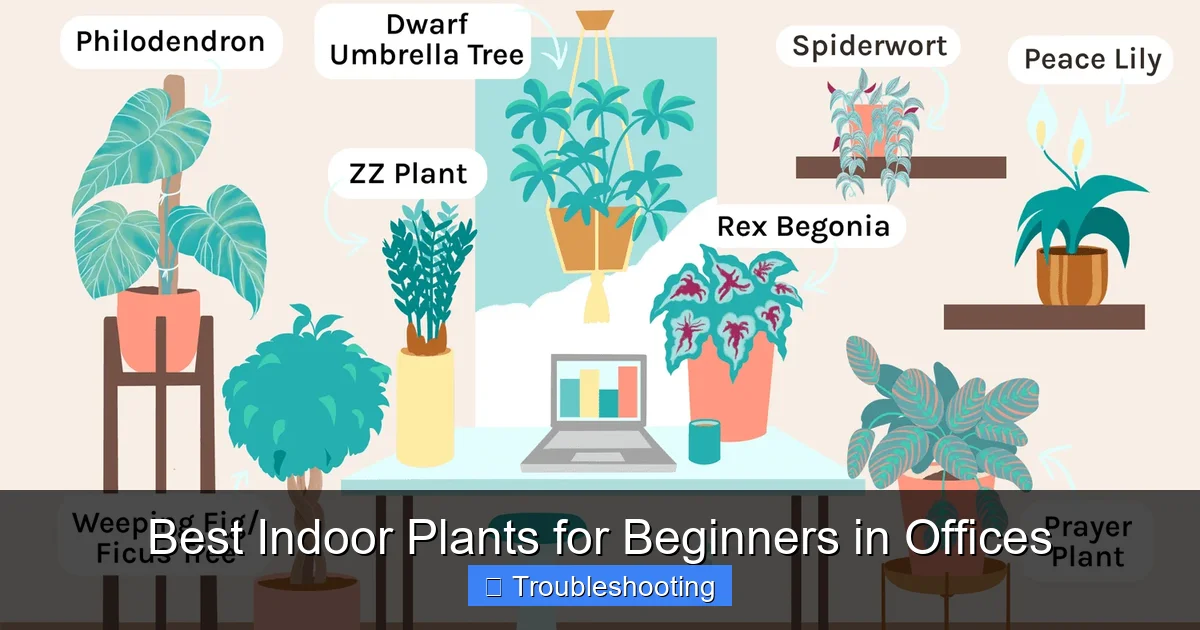
Light is the single biggest factor in plant survival. Offices vary wildly. A corner desk near a north window gets low light. A cubicle under skylights gets bright indirect light. A windowless interior room gets only fluorescent light. You need to know what you have before you buy.
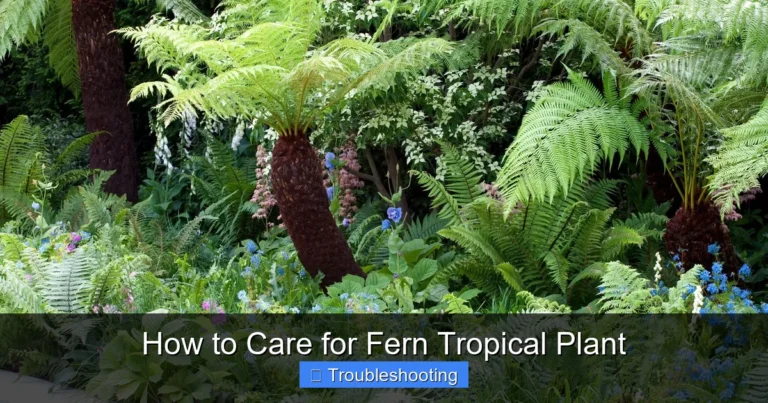
Visual guide about Best Indoor Plants for Beginners in Offices
Image source: thespruce.com
Low light means no direct sun. The plant sits more than six feet from a window. Or it relies entirely on overhead lights. Medium light means bright indirect light. The plant sits near an east or north window. Or a few feet back from a south or west window. Bright light means some direct sun. Usually an east window with morning sun. Or a south window with a sheer curtain.
Temperature and Humidity Realities
Offices run cool. HVAC systems strip moisture from the air. Most tropical plants prefer sixty-five to seventy-five degrees Fahrenheit. They want forty to sixty percent humidity. Your office likely sits at twenty to thirty percent humidity in winter. That mismatch causes brown leaf tips. Crispy edges. Slow growth. The fix is simple. Group plants together. Use a pebble tray. Or pick plants that tolerate dry air. Snake plants. ZZ plants. Cast iron plants. They laugh at low humidity.
Airflow and Drafts
Vents blow hot or cold air directly onto desks. That draft dessicates leaves fast. Never place a plant directly under a vent. Not even a tough one. Move it two feet away. Or deflect the airflow with a small board. Your plant will thank you with steady growth.
Top Ten Indoor Plants for Beginners in Offices
1. Snake Plant (Sansevieria)
If you buy one plant, make it a snake plant. It survives low light. It survives weeks without water. It survives neglect that would kill anything else. The upright sword-like leaves add architecture to any desk. Varieties like Laurentii have yellow edges. Zeylanica is solid green. Moonshine offers silvery foliage. All need the same care. Water every three to four weeks. Let soil dry completely. That is it.
2. ZZ Plant (Zamioculcas zamiifolia)
The ZZ plant is the only serious rival to the snake plant for toughness. Thick waxy leaves store water. Rhizomes underground act like batteries. It grows in fluorescent light only. It goes dormant if ignored for months. Then bounces back when watered. Glossy dark green leaves reflect light. It makes a dull corner look polished. Water monthly. Less in winter. Never let it sit in water.
3. Pothos (Epipremnum aureum)
Pothos is the classic trailing plant. Heart-shaped leaves come in golden, marble queen, neon, and jade varieties. It grows fast. It roots in water. You can propagate it endlessly. Hang it from a shelf. Let it climb a moss pole. Or keep it bushy with regular trimming. Water when top inch of soil feels dry. It droops dramatically when thirsty. Then perks up in hours after a drink. Perfect visual cue for beginners.
4. Heartleaf Philodendron (Philodendron hederaceum)
Often confused with pothos. Philodendron has thinner leaves. Matte texture. Deeper heart shape. It trails just as eagerly. It handles lower light than pothos. The brasil variety adds lime green stripes. Micans offers velvety bronze foliage. Care is identical to pothos. Water when top soil dries. Trim to keep full. Propagate in water anytime.
5. Spider Plant (Chlorophytum comosum)
Spider plants produce babies on long stems. Those babies root easily. You get free plants. The variegated variety has white stripes. Solid green grows faster. Both tolerate low light. Both handle irregular watering. Brown tips mean fluoride in tap water or low humidity. Use filtered water. Mist occasionally. Or accept the tips as character. They do not hurt the plant.
6. Peace Lily (Spathiphyllum)
Peace lilies flower in low light. White blooms last weeks. Dark green leaves stay glossy. They droop completely flat when dry. Water and they stand up in two hours. It is the most dramatic plant you will own. They like more water than snake plants. Check twice a week. Keep soil lightly moist. Not soggy. They also filter benzene and formaldehyde from air. Bonus points for health.
7. Cast Iron Plant (Aspidistra elatior)
The name says it all. This plant survived Victorian gas lamps and coal dust. It handles deep shade. Cold drafts. Irregular watering. Dust buildup. Broad dark green leaves rise from rhizomes. Variegated forms exist but grow slower. Water when soil dries halfway down. Wipe leaves monthly. That is the entire care routine.
8. Chinese Evergreen (Aglaonema)
Chinese evergreens bring color to low light. Silver bay has silver-green leaves. Red siam shows pink edges. Maria stays compact. All tolerate fluorescent light. They grow slowly. That means less repotting. Less pruning. Water when top two inches dry. They hate cold. Keep away from winter windows. Above sixty degrees always.
9. Dracaena Varieties
Dracaena marginata has thin red-edged leaves on cane-like stems. Janet Craig is solid green and bushy. Lemon lime sports neon stripes. Warneckii has white stripes. All handle low to medium light. All hate fluoride. Use distilled or rain water. Let soil dry between waterings. They grow tall over years. Perfect for floor corners.
10. Jade Plant (Crassula ovata)
Jade plants are succulents. They store water in thick leaves. They need bright light. A south or west window works. Without it they stretch and weaken. Water every three weeks. Less in winter. They live decades. Become bonsai-like with age. A jade on your desk becomes a legacy plant. Pass it to a coworker when you leave.
Setting Up Your Office Plant for Success
Choosing the Right Pot
Drainage holes are non-negotiable. No holes means root rot. Period. Decorative pots without holes work as cachepots. Keep the plant in its nursery pot. Slip that into the pretty pot. Remove for watering. Let drain fully. Return to cachepot. Simple. Pot size matters too. Only go one size up when repotting. A huge pot holds too much water. Roots rot before they fill it.
Soil Mix Basics
Standard potting soil works for most office plants. Add perlite for drainage. One part perlite to three parts soil. Succulents like jade need more. One to one ratio. Orchid bark helps aroids like philodendron. But honest? Straight potting soil with perlite added works for ninety percent of beginners. Do not overthink it.
Placement Strategy
Put plants where you see them. Out of sight means out of mind. Out of mind means dead plant. Your desk corner. The filing cabinet top. The windowsill. Near your monitor. Anywhere you look daily. That visual reminder prompts watering checks. It also gives you the mood boost plants provide.
Watering Tools
Keep a small watering can at your desk. One liter size. Long spout reaches hanging plants. A moisture meter helps if you worry. But your finger works free. Stick it in soil to second knuckle. Dry? Water. Moist? Wait. A spray bottle for misting. A soft cloth for dusting. That is your whole kit.
Mastering the Watering Routine
The Finger Test
Forget schedules. Plants drink at different rates. A snake plant in low light drinks monthly. A peace lily in bright light drinks twice weekly. The finger test adapts automatically. Check every plant every Monday. Water only those that need it. Write it on your calendar. Make it a habit like checking email.
How to Water Properly
Take plant to sink. Or use a saucer. Water until it drains out bottom. That flushes salts. Ensures even moisture. Let drain ten minutes. Empty saucer. Never let roots sit in standing water. That causes rot faster than underwatering. If plant is too heavy to move, water slowly. Stop when water hits saucer. Wait. Empty saucer with turkey baster if needed.
Water Quality Matters
Tap water contains chlorine. Fluoride. Minerals. Spider plants hate fluoride. Dracaenas hate fluoride. Calatheas hate everything. Let water sit overnight. Chlorine evaporates. Fluoride does not. Filtered water is better. Rainwater is best. Distilled works for sensitive plants. Room temperature water only. Cold shocks roots.
Seasonal Adjustments
Plants drink less in winter. Shorter days. Cooler temps. Slower growth. Cut watering frequency by half. But check soil same schedule. Heating systems dry air fast. You may mist more. Fertilize only March through September. Half strength. Monthly. Stop completely in winter. Plants rest then.
Light Solutions for Every Office
Low Light Champions
North window. Interior wall. Cubicle farm. These spots get fifty to two hundred foot-candles. Snake plant. ZZ plant. Cast iron plant. Chinese evergreen. Pothos. Philodendron. Spider plant. Peace lily. All thrive here. They grow slower. That is fine. Less pruning. Less repotting. They stay manageable for years.
Medium Light Favorites
East window. West window with sheer. Three feet from south window. Two hundred to five hundred foot-candles. Add dracaenas. Jade plant. Fiddle leaf fig (if you accept challenge). Rubber plant. Monstera. These grow faster. Show more color. Need more water. More fertilizer. Rotate weekly for even shape.
Bright Light Specialists
South window unobstructed. Five hundred plus foot-candles. Succulents. Cacti. Bird of paradise. Citrus. Herbs. These need direct sun hours. Office windows often have UV film. That cuts light thirty percent. Test with a light meter app. Or watch for stretching. Leggy growth means more light needed.
Artificial Light Options
No window? No problem. LED grow lights work. Clip-on models attach to shelves. Twenty watts covers two square feet. Run twelve to fourteen hours daily. Timer automates it. Full spectrum white light looks normal. Not purple. Your coworkers will not notice. Plants will explode with growth.
Troubleshooting Common Office Plant Problems
Yellow Leaves
One yellow leaf at bottom is normal. Plant sheds old growth. Multiple yellow leaves mean trouble. Overwatering is cause number one. Check roots. Mushy brown roots equal rot. Cut rot. Repot in fresh dry soil. Water less. Underwatering also yellows leaves. But they crisp first. Feel soil. Dry throughout? Water deeply. Nutrient deficiency yellows between veins. Fertilize lightly.
Brown Tips and Edges
Low humidity. Fluoride. Fertilizer burn. Inconsistent watering. Spider plants and dracaenas show this most. Trim brown with scissors. Cut at angle to match leaf shape. Fix the cause. Humidity tray. Filtered water. Dilute fertilizer. Consistent checks. New growth will be clean.
Drooping Leaves
Peace lily flops when dry. Water. It recovers. Pothos droops when dry. Water. It recovers. But drooping with wet soil means root rot. Roots cannot deliver water. Plant wilts despite wet feet. Check roots immediately. Repot if needed. Do not water drooping plant without checking soil first.
Leggy Stretched Growth
Plant reaches for light. Stems elongate. Leaves space out. Color pales. Move to brighter spot. Or add grow light. Prune leggy stems. Root cuttings. Plant will bush out. Rotate weekly going forward. Prevents one-sided stretching.
Pests: The Office Invasion
Spider mites love dry air. Tiny webs. Speckled leaves. Mealybugs look like cotton. Hide in leaf axils. Scale looks like brown bumps. Sticky residue. Fungus gnats fly from wet soil. Inspect monthly. Wipe leaves with damp cloth. Spray neem oil monthly as prevention. Isolate new plants two weeks. Catch infestations early.
Fungal Issues
Powdery mildew looks like flour dust. High humidity. Poor airflow. Space plants. Increase air movement. Remove affected leaves. Spray milk solution (one part milk nine parts water). Root rot shows as black mushy roots. Smell foul. Cut rot. Repot. Water less. Prevention beats cure every time.
Creating a Plant Care Routine That Sticks
Weekly Five-Minute Check
Every Monday morning. Coffee in one hand. Watering can in other. Walk your plants. Finger test each. Water needed ones. Rotate quarter turn. Pull dead leaves. Check for bugs. Wipe dusty leaves. Done. Five minutes. Put it on calendar. Recurring. Never miss.
Monthly Deep Care
First Friday each month. Fertilize (in season). Shower plants in sink. Dust large leaves with microfiber. Check root growth through drainage holes. Top dress with fresh soil if needed. Adjust stakes. Trim wayward stems. Thirty minutes. Keeps plants thriving not just surviving.
Quarterly Assessment
Every three months. Evaluate each plant. Repotting needed? Light change needed? Plant outgrown spot? Propagate overgrown ones. Share cuttings. Swap with coworkers. Build plant community. Refresh your space. Keep the joy alive.
Budget-Friendly Plant Parenting
Start Small
Four-inch pots cost five to ten dollars. Six-inch pots cost fifteen to twenty-five. Small plants adapt faster. Grow faster. Cost less to replace if (when) you make mistakes. Buy three small plants instead of one large. More green. Less risk. More propagation material.
Propagate Everything
Pothos. Philodendron. Spider plant babies. Snake plant divisions. ZZ plant leaf cuttings. Chinese evergreen divisions. Free plants. Trade with coworkers. Gift for birthdays. Build your collection for zero dollars. Water propagation in jars looks cool on desk too.
Thrift and Discount Finds
Garden centers discount ugly plants. Yellow leaves? Clearance rack. Often just needs water or light. Big box stores mark down seasonal plants. Post-holiday poinsettias become year-round plants. Grocery stores sell cheap plants. Check roots before buying. Avoid root-bound or rotting.
DIY Supplies
Pebble trays from dollar store saucers. Decorative rocks. Moss poles from hardware store bamboo stakes and sphagnum. Cachepots from thrift stores. Watering cans from discount aisles. Moisture meters under ten dollars. Grow lights twenty dollars online. You do not need fancy gear.
Building Your Office Plant Community
Plant Swaps
Organize a quarterly plant swap. Bring cuttings. Extra pots. Share knowledge. The snake plant expert teaches the fiddle leaf fig novice. The propagation queen shares rooting hormone. Community makes the hobby stick. Accountability keeps plants alive.
Shared Care Schedules
Vacation coverage. Assign plant buddies. Leave written instructions. Group plants by water needs. Set up self-watering spikes for two-week trips. Or move plants to one bright spot for buddy to check once. Communication prevents vacation casualties.
Office Plant Challenges
Longest pothos trail. Most spider plant babies. Best propagation success. First flower on peace lily. Silly prizes. Bragging rights. Fun builds engagement. Engaged people remember to water. Dead plants become rare.
Advanced Tips for Growing Confidence
Reading Plant Signals
Leaves curl inward? Thirsty or too much light. Leaves curl downward? Overwatered. New leaves small? Low light or root bound. New leaves pale? Nutrient deficiency. Variegation fading? Low light. Brown spots with yellow halos? Fungal. Sticky leaves? Pests. Learn the language. Plants talk constantly.
Seasonal Light Shifts
Winter sun angle changes. Summer shade from trees. A spot that worked in July fails in January. Move plants seasonally. Track with phone photos. Compare growth. Adjust before problems start. Proactive beats reactive.
Experiment Fearlessly
Try a harder plant once you master five easy ones. Calathea. Fern. Orchid. Fiddle leaf fig. Learn their quirks. Kill a few. It happens. Each death teaches more than success. The best plant parents have compost piles full of lessons.
Conclusion: Your Green Office Journey Starts Today
You now know the best indoor plants for beginners in offices. You understand light. Water. Soil. Pests. Routines. Community. Budget tricks. Advanced tips. The only thing left is action. Pick one plant from the top ten. Buy it this week. Place it where you will see it. Check it Monday. Water if needed. Repeat.
In six months you will have a thriving collection. Cleaner air. Better focus. Lower stress. Coworkers asking for cuttings. That sterile corner will be alive. Your desk will feel like yours. Not a generic workspace. A living space. Start with a snake plant. Or a pothos. Or a ZZ plant. Just start. The green thumb grows from the doing. Not the knowing. Go get your first plant. Your office is waiting.
Frequently Asked Questions
What are the best low-light plants for windowless offices?
Snake plants, ZZ plants, cast iron plants, and Chinese evergreens thrive in windowless offices with only fluorescent lighting. Pothos and philodendrons also adapt well. These species photosynthesize efficiently at low light levels and tolerate the dry air common in interior spaces.
How do I know if my office plant needs repotting?
Check for roots growing through drainage holes, water running straight through without absorbing, soil drying out in one to two days, or the plant becoming top-heavy and tipping over. Spring is the best time to repot. Choose a pot only one to two inches larger in diameter.
Can I use tap water for all my office plants?
Most office plants tolerate tap water if left out overnight to dissipate chlorine. However, spider plants, dracaenas, calatheas, and peace lilies are sensitive to fluoride and minerals. For these, use filtered, distilled, or rainwater to prevent brown leaf tips and spotting.
What causes fungus gnats and how do I get rid of them?
Fungus gnats breed in consistently moist soil. Let the top two inches of soil dry completely between waterings. Add a half-inch layer of sand or diatomaceous earth on the soil surface. Yellow sticky traps catch adults. A soil drench with mosquito bits (Bti) kills larvae safely.
How much light does a peace lily need to flower?
Peace lilies flower best in medium to bright indirect light. In low light they grow foliage but rarely bloom. Place near an east or north window, or under a grow light for twelve to fourteen hours daily. Consistent moisture and monthly fertilizing during growing season also encourage flowers.
Are office plants safe for coworkers with allergies?
Most recommended office plants are low-allergen. However, flowering plants like peace lilies produce pollen. Male palms release pollen. Soil mold can trigger sensitivities. Use well-draining soil, avoid overwatering, wipe leaves weekly, and choose non-flowering foliage plants if allergies are a concern.