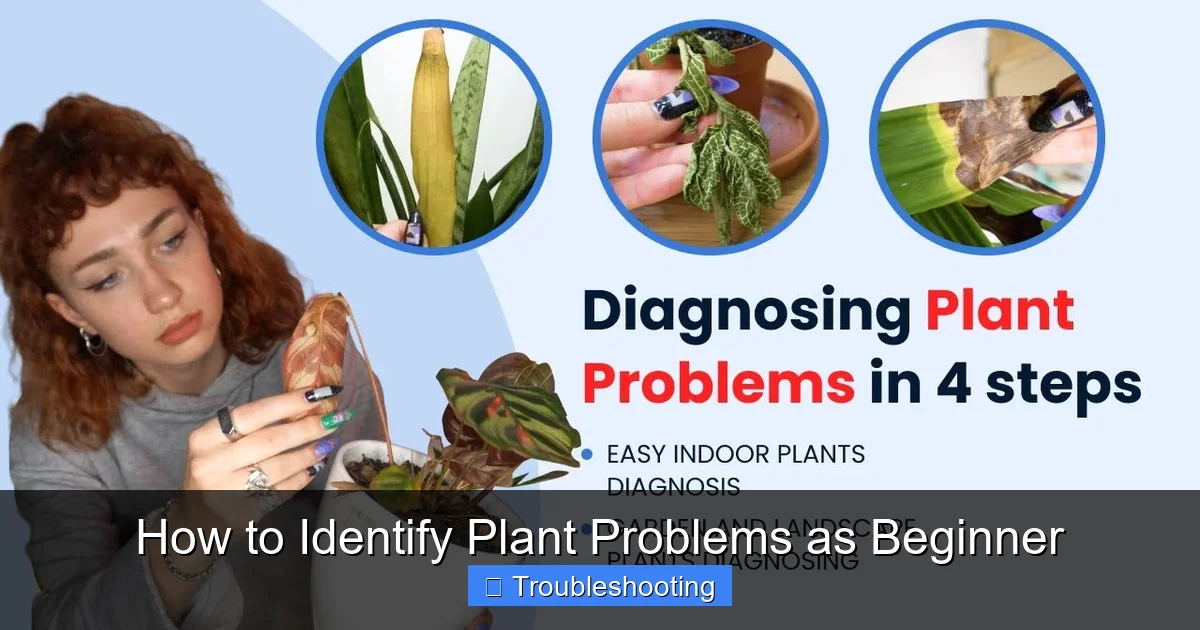
How to Identify Plant Problems as Beginner
Identifying plant problems as a beginner starts with daily observation of leaves, soil, and growth patterns. Quick checks for discoloration, wilting, pests, and watering habits reveal most issues before they become serious.
Starting a plant collection feels exciting, but the first yellow leaf can feel like a mystery. The good news is that most plant problems show clear visual clues long before the plant dies. By learning a few basic observation habits you can become confident at how to identify plant problems as beginner and keep your green friends thriving.
Think of your plants like pets that cannot bark. They communicate through color, texture, and growth speed. When you know what to look for, each leaf, stem, and root becomes a readable message. This guide walks you through the most common signals, explains why they happen, and gives you practical steps to fix them.
Key Takeaways
- Look at leaves first: Color changes, spots, and texture tell you a lot about health.
- Feel the soil: Moisture level and smell reveal over‑ or under‑watering.
- Spot pests early: Tiny insects, webs, or sticky residue are early warning signs.
- Match light to plant needs: Too little or too much light causes predictable symptoms.
- Track watering routine: Consistency prevents root rot and drought stress.
- Keep a simple log: Notes on changes help you spot patterns over time.
- Act fast but gently: Small adjustments often fix problems before they spread.
Quick Answers to Common Questions
What is the first thing to check when a plant looks unhealthy?
Check the leaves for color changes, spots, or texture differences; they give the quickest clues.
How can I tell if I am over‑watering?
Soggy soil, a sour smell, and yellowing lower leaves are classic over‑watering signs.
Which pests are most common on indoor plants?
Aphids, spider mites, mealybugs, and scale insects appear most often on houseplants.
How much light does a typical tropical houseplant need?
Most tropical plants thrive with bright indirect light for 12‑14 hours a day.
Should I fertilize a sick plant right away?
No, fix the underlying issue first; fertilizing a stressed plant can worsen the problem.
📑 Table of Contents
Observe the Leaves First
Leaves are the plant’s most visible health report. Spend a minute each day scanning them from top to bottom.
Color Changes
Yellowing often means nitrogen deficiency or over‑watering. Brown tips usually point to low humidity or salt buildup from fertilizer. Red or purple edges can indicate phosphorus shortage or cold stress. When you see a color shift, note which leaves are affected—older lower leaves versus new growth—to narrow the cause.
Texture and Shape
Crispy, curled edges suggest underwatering or too much direct sun. Soft, mushy spots signal fungal infection or bacterial rot. Holes with clean edges are typical of chewing insects, while irregular, ragged holes often come from slugs or snails. A quick touch test tells you if the leaf is firm (healthy) or limp (stressed).
Pattern Recognition
Uniform yellowing across the whole plant often means a systemic issue like root rot. Patchy discoloration on a few leaves points to localized pests or a nutrient spot. Keep a small notebook or phone note with the date and description; patterns emerge faster than memory.
Check the Soil and Roots
The root zone hides many problems. A simple finger test or a gentle pot lift reveals a lot.
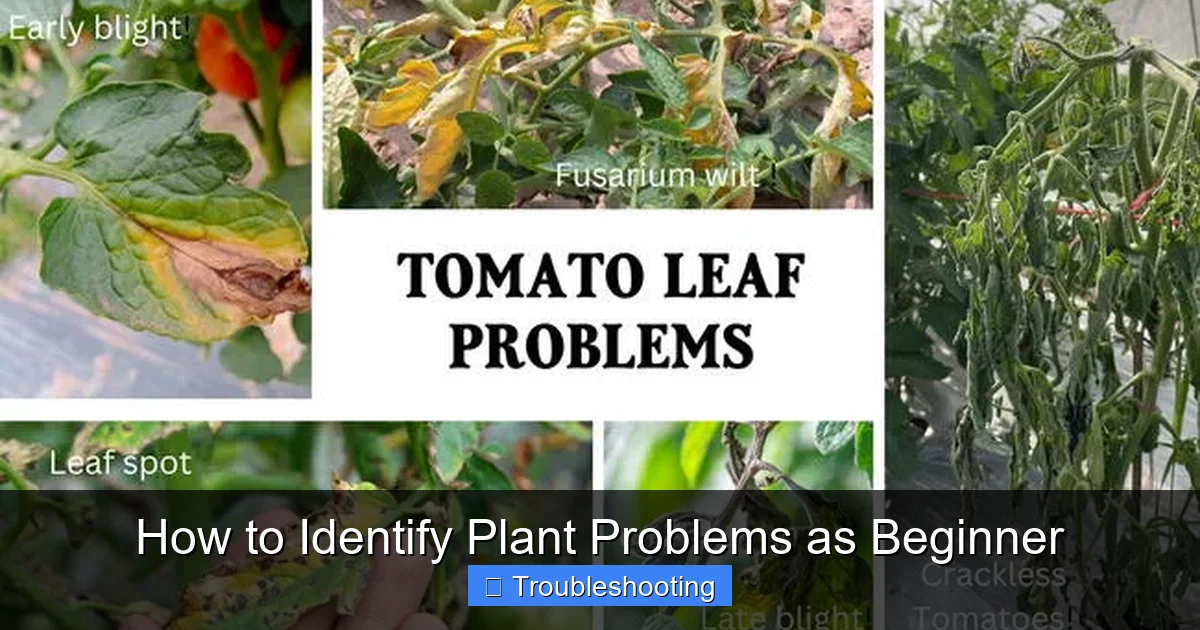
Visual guide about How to Identify Plant Problems as Beginner
Image source: almanac.com
Moisture Level
Insert your index finger about two inches deep. If the soil feels dry, the plant likely needs water. If it feels soggy or smells sour, you may be over‑watering. Consistent moisture—neither bone dry nor swampy—is the sweet spot for most houseplants.
Root Appearance
When repotting, examine roots. Healthy roots are white or light tan and firm. Dark, mushy, or black roots indicate rot. A foul odor confirms anaerobic conditions. Trim away damaged roots with clean scissors and repot in fresh, well‑draining mix.
Soil Surface Clues
White crust on top signals salt buildup from fertilizer. A greenish film may be algae from excess moisture and light. Lightly scrape the crust away and flush the pot with clear water to reset the medium.
Watch for Pests and Diseases
Tiny invaders can explode quickly if unnoticed. Early detection saves the plant and prevents spread.
Common Insect Signs
Aphids cluster on new growth, leaving a sticky honeydew. Spider mites create fine webbing on leaf undersides and cause a speckled, dusty look. Mealybugs appear as cottony white masses in leaf axils. Scale insects look like small brown bumps that do not move. Use a magnifying glass or phone macro mode to confirm.
Fungal and Bacterial Symptoms
Powdery mildew shows as a white powdery coating on leaves. Leaf spot diseases create circular brown or black lesions with yellow halos. Root rot, as mentioned, smells sour and shows blackened roots. Isolate any infected plant immediately to protect others.
Quick Treatment Steps
For insects, wipe leaves with a damp cloth, then spray neem oil or insecticidal soap following label directions. For fungal issues, improve air circulation, reduce leaf wetness, and apply a copper‑based fungicide if needed. Always test a small leaf area first.
Assess Watering Habits
Watering mistakes are the number one cause of plant decline. Understanding each species’ preference makes a huge difference.
Frequency vs. Volume
Some plants like a thorough soak then dry out completely (succulents, cacti). Others prefer consistently moist soil (ferns, calatheas). Check the care tag or a reliable source, then set a reminder that matches the plant’s rhythm.
Water Quality
Tap water high in chlorine or fluoride can cause leaf tip burn on sensitive species. Let water sit overnight or use filtered water for those plants. Rainwater is ideal when available.
Drainage Essentials
Ensure every pot has drainage holes. A saucer that holds water creates a perched water table, leading to root rot. Empty saucers within 30 minutes after watering.
Evaluate Light and Temperature
Light drives photosynthesis; temperature affects metabolic speed. Mismatches produce predictable symptoms.
Light Intensity
Low light causes leggy growth, small leaves, and pale color. Too much direct sun scorches leaves, creating bleached patches or crisp edges. Use a light meter app or simply observe: a south‑facing window gives bright direct light; an east window offers gentle morning sun; north windows provide low indirect light.
Duration and Consistency
Most houseplants need 12‑14 hours of light daily. Sudden changes—moving a plant from a dim corner to a bright sill—shock the plant. Rotate pots weekly for even exposure.
Temperature Range
Tropical plants prefer 65‑80°F (18‑27°C). Cold drafts near doors or air‑conditioning vents cause leaf drop. Heat sources like radiators dry the air, leading to brown tips. Keep a thermometer nearby to monitor extremes.
Create a Simple Care Routine
A consistent routine turns guesswork into habit. It also builds a personal database of what works for each plant.
Weekly Checklist
- Inspect leaves for color, texture, pests.
- Feel soil moisture at root depth.
- Rotate the pot for even light.
- Wipe dust off leaves with a damp cloth.
Monthly Tasks
- Fertilize according to species schedule (usually half‑strength).
- Check drainage holes for blockage.
- Prune dead or yellowing foliage.
Seasonal Adjustments
In winter, reduce watering and fertilizing, increase humidity with a pebble tray, and move plants away from cold windows. In summer, watch for faster drying soil and higher pest pressure.
Record Keeping
Use a notebook, spreadsheet, or plant‑care app. Log date, watering amount, fertilizer, light changes, and any symptoms. Over months you’ll see patterns—like a particular plant always yellows after a heavy feeding—allowing you to fine‑tune care.
Conclusion
Learning how to identify plant problems as beginner is mostly about building a habit of close observation and simple record‑keeping. Leaves, soil, pests, water, light, and temperature each speak a language you can read with a little practice. Start with one plant, apply the checklist above, and notice how quickly you spot the first sign of trouble. Small, timely actions keep your collection green, vibrant, and a source of daily joy. Happy growing!
Frequently Asked Questions
How often should I inspect my plants for problems?
A quick daily glance and a thorough weekly check catch most issues early.
Can I use tap water for all my plants?
Most plants tolerate tap water, but sensitive species prefer filtered or rain water to avoid tip burn.
What does a white crust on the soil surface mean?
It indicates salt buildup from fertilizer; flush the pot with clear water to remove it.
Why are my plant’s leaves turning yellow only at the bottom?
Bottom‑leaf yellowing often signals natural aging or nitrogen deficiency; adjust feeding if needed.
Is it okay to repot a plant that has root rot?
Yes, trim away all black mushy roots, treat with a fungicide, and repot in fresh, well‑draining soil.
How can I increase humidity for tropical plants without a humidifier?
Place a pebble tray with water under the pot, group plants together, or mist leaves regularly.