How to Care for Fern Tropical Plant
Master the art of fern tropical plant care with our complete guide covering light, water, humidity, soil, and troubleshooting. Follow these proven techniques to keep your ferns thriving year-round with vibrant, lush fronds.
Ferns have been around for millions of years. They watched dinosaurs come and go. They survived ice ages. And now they sit on your bookshelf looking elegant and a little bit prehistoric. A fern tropical plant brings instant jungle vibes to any room. But they also have a reputation. People call them finicky. Dramatic. Hard to keep alive. Here is the truth. They are not hard. They are just specific. Once you understand what they want, they reward you with lush, feathery fronds that make any space feel alive.
This guide covers everything you need to know. Light requirements. Watering schedules. Humidity tricks. Soil mixes. Fertilizing. Repotting. Propagation. And the most common problems with real solutions. Whether you are nursing a crispy Boston fern or trying to keep a maidenhair from throwing a tantrum, you will find answers here. Let us dig in.
Key Takeaways
- Bright indirect light is best: Most fern tropical plant varieties thrive in filtered light and burn in direct sun.
- Consistent moisture matters: Keep soil evenly moist but never soggy to prevent root rot and crispy fronds.
- High humidity is essential: Aim for 50-80% humidity using pebble trays, humidifiers, or regular misting.
- Well-draining rich soil works best: Use a mix with peat moss, perlite, and compost for optimal drainage and nutrients.
- Feed lightly during growing season: Apply diluted liquid fertilizer monthly from spring through early fall.
- Watch for common pests: Check regularly for spider mites, scale, and mealybugs hiding under fronds.
- Prune dead growth promptly: Remove brown or yellow fronds at the base to encourage fresh new growth.
Quick Answers to Common Questions
How often should I water my fern tropical plant?
Check the soil every 2-3 days. Water when the top inch feels dry to your fingertip. Keep soil evenly moist like a wrung-out sponge, never soggy or bone dry.
Why are the tips of my fern turning brown?
Brown tips usually mean low humidity, inconsistent watering, or fertilizer salt buildup. Increase humidity to 50-60%, water consistently, and flush the soil monthly.
Can ferns survive in low light?
Ferns tolerate lower light but grow best in bright indirect light. Deep shade causes leggy, pale growth. North or east windows work well. Avoid direct sun.
Should I mist my fern every day?
Misting helps briefly but doesn’t replace proper humidity. Use a humidifier, pebble tray, or group plants for sustained 50-80% humidity. Mist if you enjoy it, but don’t rely on it alone.
When should I repot my fern?
Repot in spring when roots circle the pot, water runs straight through, or the plant dries out daily. Choose a pot only 1-2 inches larger with good drainage.
📑 Table of Contents
- Understanding Your Fern Tropical Plant
- Light Requirements for Healthy Growth
- Watering Your Fern Tropical Plant Correctly
- Humidity: The Secret to Lush Fronds
- Soil, Potting, and Repotting
- Fertilizing for Steady Growth
- Propagation: Growing Your Fern Family
- Troubleshooting Common Problems
- Seasonal Care Calendar
- Special Care for Popular Varieties
- Creating a Fern-Friendly Home Environment
- Common Myths About Fern Care
- Conclusion
Understanding Your Fern Tropical Plant
What Makes a Fern a Fern
Ferns do not flower. They do not make seeds. They reproduce through spores. Those tiny dots on the underside of fronds? Those are spore cases called sori. Each one holds dozens of spores. When ripe, they dust the air like microscopic pollen. This ancient reproductive strategy has worked for over 360 million years. Your fern tropical plant is a living fossil. Pretty cool, right?
Most houseplant ferns come from tropical and subtropical regions. Think rainforest floors. Cloud forests. Steamly ravines. They evolved under tree canopies. That tells you everything about their care. They want dappled light. Constant moisture. High humidity. Rich organic soil. And protection from wind. Recreate those conditions and your fern will thrive.
Popular Fern Tropical Plant Varieties for Indoors
Not all ferns are created equal. Some are tough as nails. Others demand a humidifier, a pebble tray, and a daily pep talk. Here are the most common ones you will meet:
- Boston Fern (Nephrolepis exaltata): The classic hanging basket fern. Arching fronds. Fairly forgiving. Great for beginners.
- Maidenhair Fern (Adiantum): Delicate black stems. Tiny fan-shaped leaflets. Stunning but drama-prone. Needs constant humidity.
- Bird’s Nest Fern (Asplenium nidus): Broad, wavy fronds rising from a central rosette. Looks like a nest. Tougher than it looks.
- Staghorn Fern (Platycerium): Epiphytic. Grows on trees in nature. Mounted on wood or in loose baskets. Two frond types: shield and antler.
- Kangaroo Paw Fern (Microsorum diversifolium): Leathery, oddly shaped fronds. Creeping rhizomes. Very adaptable.
- Rabbit’s Foot Fern (Davallia fejeensis): Fuzzy rhizomes that crawl over the pot edge. Cute and resilient.
- Button Fern (Pellaea rotundifolia): Small round leaflets on dark stems. Compact. Drought-tolerant for a fern.
- Blue Star Fern (Phlebodium aureum): Blue-green fronds with wavy edges. Epiphytic. Handles lower humidity better than most.
Know your variety. Care varies. A button fern survives neglect that would kill a maidenhair in forty-eight hours. Check the tag. Do a quick search. Match the plant to your lifestyle.
Light Requirements for Healthy Growth
Bright Indirect Light Explained
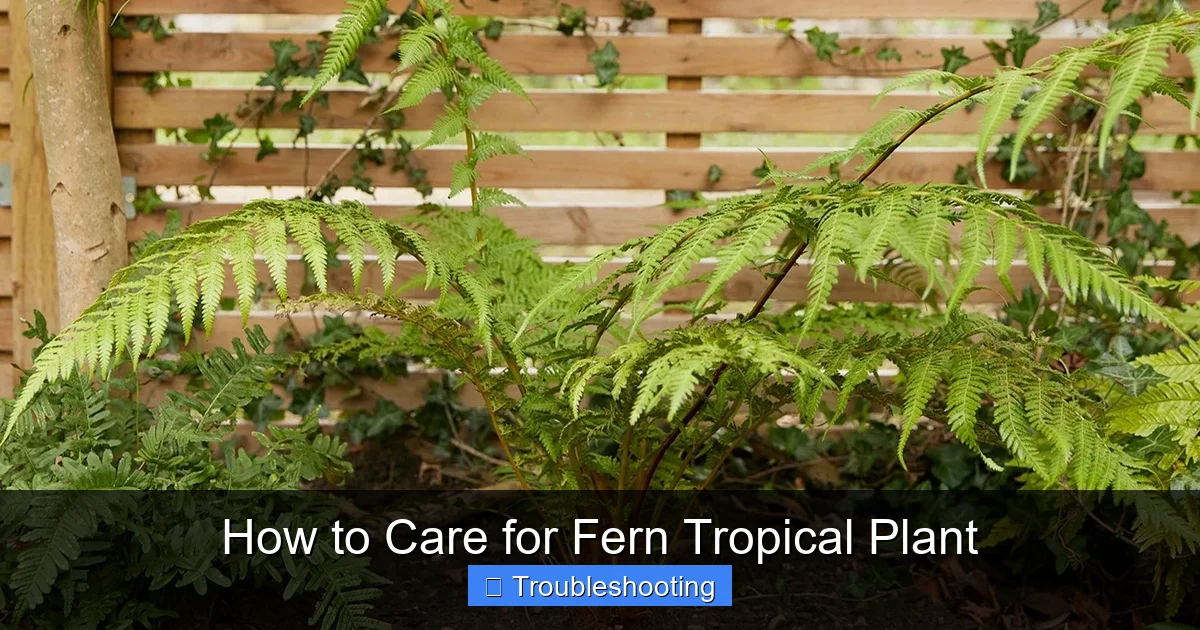
You see “bright indirect light” on every care tag. What does it actually mean? Imagine standing under a big tree at noon. Sunlight filters through leaves. It is bright. You can read a book. But no direct sun beams hit your skin. That is bright indirect light. For a fern tropical plant, this is the sweet spot.
Visual guide about How to Care for Fern Tropical Plant
Image source: cdn.patchplants.com
East-facing windows are ideal. Morning sun is gentle. North-facing works too, though growth slows in winter. South and west windows need a sheer curtain. Or pull the plant back three to four feet. Direct afternoon sun scorches fronds fast. You will see bleached patches. Brown crispy edges. The plant cannot recover from that damage. Those fronds are done.
Signs Your Fern Needs More or Less Light
Your fern talks to you. Learn its language:
- Too little light: Leggy growth. Long gaps between leaflets. Pale green color. Fronds stretching toward the window. Slow or no new growth.
- Too much light: Bleached or yellowish fronds. Brown crispy tips and edges. Fronds curling inward. Soil drying out daily.
- Just right: Rich green color. Compact growth. New fiddleheads unfurling regularly. Fronds held horizontally, not reaching.
Seasonal Light Adjustments
Light changes with seasons. In summer, a north window might be perfect. In winter, that same spot gets gloomy. Move your fern tropical plant closer to windows in winter. Pull back in summer. Rotate the pot a quarter turn each week. This keeps growth even. Prevents the plant from leaning. If you only have low light, consider a grow light. LED full-spectrum bars work great. Run them twelve to fourteen hours daily. Keep them twelve to eighteen inches above the fronds.
Watering Your Fern Tropical Plant Correctly
The Golden Rule: Evenly Moist, Never Soggy
This is where most people go wrong. They either let the soil bone dry or they drown the roots. A fern tropical plant wants the soil to feel like a wrung-out sponge. Damp. Cool. Not wet. Not dry. Stick your finger in the soil up to the second knuckle. If it feels dry at your fingertip, water. If it feels damp, wait. Check every two to three days. More often in summer. Less in winter.
Water thoroughly until it drains out the bottom. Empty the saucer. Never let the pot sit in water. That is the fast track to root rot. Use room temperature water. Cold water shocks tropical roots. If your tap water is heavily chlorinated, let it sit overnight. Or use filtered water. Rainwater is gold standard. Collect it if you can.
Watering Methods That Work
Top Watering
Pour water slowly over the soil surface. Avoid the crown (center) of the plant. Water pooling in the crown causes rot. Go around the edges. Keep pouring until water flows from drainage holes. This flushes salts. It ensures the whole root ball gets wet.
Bottom Watering
Place the pot in a basin of water. Let it soak up moisture from the bottom. Ten to twenty minutes. Remove and let drain. This keeps the crown dry. Great for birds nest ferns and staghorns. Do not leave it soaking for hours. That defeats the purpose.
Self-Watering Pots and Spikes
These can work well for ferns. They maintain consistent moisture. But check the reservoir weekly. Clean it monthly. Algae and bacteria love standing water. And monitor soil moisture anyway. Technology fails. Your finger never lies.
Common Watering Mistakes
- Watering on a schedule: “Every Tuesday” ignores weather, growth, pot size, and humidity. Check the soil instead.
- Misting instead of watering: Misting raises humidity. It does not water roots. Do both.
- Using softened water: Sodium kills ferns. Use unsoftened, filtered, or rain water.
- Letting peat-based soil dry completely: Peat becomes hydrophobic. It repels water. You will think you watered but it runs straight through. If this happens, bottom soak for thirty minutes.
Humidity: The Secret to Lush Fronds
Why Humidity Matters So Much
Ferns lose water through tiny pores on their fronds called stomata. In high humidity, this loss slows down. In dry air, the plant transpires rapidly. Roots cannot keep up. Fronds crisp. Tips brown. Growth stops. Most homes sit at thirty to forty percent humidity. A fern tropical plant wants fifty to eighty percent. That gap is why your fern struggles.
Effective Ways to Raise Humidity
Pebble Tray Method
Fill a tray with pebbles. Add water to just below the pebble tops. Set the pot on top. Not in the water. As water evaporates, it creates a humid microclimate around the plant. Refill as needed. Clean monthly to prevent mold.
Humidifier
This is the gold standard. A cool-mist humidifier near your plants raises room humidity reliably. Aim for fifty to sixty percent. Run it during the day. Clean weekly per manufacturer instructions. Your skin will thank you too.
Grouping Plants
Plants release moisture through transpiration. Group several together. They create a shared humid bubble. Add a pebble tray in the center. Instant rainforest corner.
Bathroom or Kitchen Placement
These rooms naturally run more humid. Showers. Cooking. Dishes. A fern tropical plant often thrives on a bathroom windowsill. Just ensure it gets enough light.
Terrariums and Cloches
Small ferns love closed environments. A glass jar. A Wardian case. A large cloche. Humidity stays near one hundred percent. Maidenhair ferns especially love this. Vent occasionally to prevent fungal issues.
What Does NOT Work Well
- Misting alone: It helps for about fifteen minutes. Then evaporates. Do it if you enjoy the ritual. But do not rely on it.
- Humidity trays without pebbles: Pot sitting in water equals root rot.
- Placing near heating vents: Hot dry air blasts fronds. Move plants away from vents and radiators.
Soil, Potting, and Repotting
The Ideal Soil Mix
A fern tropical plant needs soil that holds moisture but drains fast. Roots need air. Soggy soil suffocates them. Here is a reliable DIY mix:
- 2 parts high-quality potting soil
- 1 part peat moss or coconut coir
- 1 part perlite or pumice
- 1/2 part orchid bark or charcoal
- Handful of worm castings or compost
Peat holds water. Perlite creates air pockets. Bark adds structure and slow-release nutrients. Worm castings feed gently. Adjust ratios for your conditions. More perlite if you overwater. More peat if you underwater. Epiphytic ferns like staghorns and bird’s nests need even chunkier mix. Think orchid mix with extra moss.
Choosing the Right Pot
Plastic pots retain moisture longer. Terracotta breathes and dries faster. For ferns, plastic or glazed ceramic usually works better. Less frequent watering. But if you are a chronic overwaterer, terracotta saves you. Ensure drainage holes. No exceptions. Cachepots (decorative outer pots) are fine. Just remove the inner pot to water and drain.
Size matters. Ferns like being slightly root-bound. A pot one to two inches larger than the root ball is perfect. Too big means excess soil stays wet. Root rot city. Shallow wide pots work better than deep narrow ones. Fern roots spread horizontally.
When and How to Repot
Repot in spring. Signs it is time:
- Roots circling the bottom or poking drainage holes
- Water runs straight through without absorbing
- Plant dries out daily despite consistent care
- Growth has stalled despite good conditions
- It has been two to three years
Process: Water the day before. Eases removal. Gently slide the plant out. Loosen the root ball. Tease out circling roots. Trim any black mushy ones. Place in new pot with fresh mix. Keep the crown at the same level. Do not bury it. Water thoroughly. Keep in lower light for a week. Skip fertilizer for a month.
Fertilizing for Steady Growth
Less Is More
Ferns are light feeders. In nature, they get nutrients from decaying leaf litter. Slow and steady. Heavy fertilizer burns delicate roots. Causes brown tips. Salt buildup. Use a balanced liquid fertilizer diluted to half or quarter strength. 10-10-10 or 20-20-20 works. Or a specific fern formula. Organic options like fish emulsion or seaweed extract are excellent. They feed soil microbes too.
Seasonal Feeding Schedule
- Spring (active growth): Feed every two to four weeks at half strength.
- Summer (peak growth): Feed every three to four weeks at half strength.
- Fall (slowing down): Feed once at quarter strength in early fall. Then stop.
- Winter (dormant/resting): No fertilizer. Let the plant rest.
Always water before fertilizing. Never apply to dry soil. It concentrates salts at root tips. Burn city. Flush the soil monthly. Water heavily until it runs clear from the bottom. This prevents salt accumulation.
Signs of Over and Under Fertilizing
- Over-fertilized: Brown crispy tips on multiple fronds. White crust on soil surface. Stunted new growth. Root tips look burned.
- Under-fertilized: Pale green or yellowish fronds. Small new growth. No new fiddleheads in growing season. General lack of vigor.
Propagation: Growing Your Fern Family
Division: The Easiest Method
Most ferns form clumps. You can split them. Best done during spring repotting. Remove the plant. Gently pull apart the root ball. Look for natural divisions. Each section needs roots and at least two to three fronds. Pot up immediately in fresh mix. Water well. Keep humid and in lower light for two weeks. High success rate. Instant new plants.
Rhizome Cuttings
Creeping ferns like rabbit’s foot, kangaroo paw, and blue star spread via rhizomes. Those fuzzy or scaly stems crawling over the soil. Cut a section with a few fronds and roots attached. Lay it on moist potting mix. Pin it down with a bent wire or small stone. Keep humid. New growth emerges in weeks.
Spore Propagation: The Patient Way
This is how ferns do it in the wild. Collect ripe spores. They look like brown dust on frond undersides. Tap a frond over white paper. Sprinkle spores on sterile moist peat mix. Cover with clear plastic. Keep warm (70-75°F) and bright but not direct sun. Wait. A green film appears in weeks to months. That is the gametophyte stage. Tiny heart-shaped plants. They make sperm and eggs. Water allows fertilization. Then tiny ferns emerge. Transplant when they have a few true fronds. Takes six months to a year. But you get dozens of plants. And bragging rights.
Staghorn Fern Pups
Staghorns produce “pups” — small plantlets at the base. Wait until a pup has its own shield frond and roots. Cut it away with a sterile knife. Include some root tissue. Mount on a new board or pot in loose mix. Keep very humid. Mist daily. They establish slowly but surely.
Troubleshooting Common Problems
Brown Tips and Edges
The number one complaint. Usually low humidity. Or inconsistent watering. Or fertilizer salt buildup. Or dry air from heating. Fix the cause. Trim brown parts with clean scissors. Cut at an angle following the leaf shape. Do not cut into green tissue. The plant will not “heal” the cut. But new growth will be clean.
Yellowing Fronds
Bottom fronds yellowing and dying? Normal aging. The plant sacrifices old leaves for new ones. Trim them off. But if many fronds yellow at once, or new growth is yellow, check: Overwatering? Poor drainage? Root rot? Nutrient deficiency? Cold draft? Too much sun? Investigate systematically.
Drooping or Limp Fronds
Usually underwatering. Soil bone dry. Roots cannot take up water. Water thoroughly. Bottom soak if soil is hydrophobic. Fronds should perk up in hours. If they do not, check roots. Mushy black roots mean rot. Trim rot. Repot in fresh mix. Reduce watering. Cross fingers.
Crispy, Curled Fronds
Severe dehydration or sunburn. Or spider mites. Check for fine webbing. Tiny moving dots. Treat mites with insecticidal soap or neem oil. Repeat weekly for three weeks. Increase humidity. Mites hate humidity.
Pale, Bleached Fronds
Too much light. Move to shadier spot. Trim damaged fronds. They will not recover color. New growth will be normal green.
Slow or No New Growth
Could be: Low light. Low humidity. Root bound. Nutrient deficiency. Winter dormancy. Or the plant is just settling in after a move. Give it time. Ferns sulk after repotting or relocation. Two to four weeks of pouting is normal.
Fungus Gnats
Tiny black flies. Larvae eat roots and fungus in wet soil. Let top inch dry between waterings. Yellow sticky traps catch adults. Mosquito bits (Bti) in water kills larvae. Beneficial nematodes work too. Do not overwater. That is the root cause.
Scale and Mealybugs
Scale looks like brown bumps on stems and frond undersides. Mealybugs look like white cotton. Both suck sap. Wipe off with alcohol on a cotton swab. Spray with neem oil or insecticidal soap. Repeat weekly. Check neighboring plants. Quarantine new plants for two weeks.
Seasonal Care Calendar
Spring: Wake Up and Grow
Increase watering as growth resumes. Start fertilizing at half strength. Repot if needed. Divide and propagate. Check for pests. Move to brighter spot if winter was dim. Watch for new fiddleheads. They unfurl slowly. Do not help them. They know what they are doing.
Summer: Peak Performance
Water frequently. Check daily in heat. Maintain high humidity. Fertilize monthly. Mist in morning so fronds dry by night. Prevents fungal spots. Rotate for even growth. Enjoy the lush display. This is your fern tropical plant at its best.
Fall: Wind Down
Reduce fertilizing. Stop by mid-fall. Water less as growth slows. Bring outdoor ferns inside before nights drop below 50°F. Inspect thoroughly for hitchhikers. Treat preventively with neem oil. Place in brightest winter spot.
Winter: Rest and Maintain
Water sparingly. Check soil weekly. No fertilizer. Maximize light. Run humidifier. Keep away from cold drafts and hot vents. Expect some frond loss. Do not panic. Minimal new growth is normal. Your job: keep it alive until spring.
Special Care for Popular Varieties
Maidenhair Fern: The Drama Queen
This one needs a humidifier. Period. Pebble tray is not enough. Keep soil constantly moist. Never let it dry. Even for a day. Bright indirect light only. No direct sun. No drafts. If it crashes (fronds all brown), cut everything to soil level. Keep watering. Keep humid. It often resprouts from the crown. Patience.
Staghorn Fern: The Epiphyte
Mount on wood or hang in a wire basket with sphagnum moss. Water by soaking the whole mount for fifteen minutes. Let drip dry. Fertilize by tucking a banana peel behind the shield frond. Or use diluted liquid fertilizer in soak water. Shield fronds turn brown and papery. That is normal. Do not remove them. They protect roots and catch debris.
Bird’s Nest Fern: The Center Crown
Water the soil, not the crown. Water in the crown rots the growing point. Bright indirect light. Tolerates lower light but grows slower. Fronds emerge from center like a fountain. Wipe dust off broad fronds with damp cloth. Supports photosynthesis.
Boston Fern: The Classic
Loves a hanging basket. Good air circulation prevents fungal issues. Sheds leaflets constantly. Normal. Vacuum or sweep. Keep humid. Fertilize regularly in growing season. Repot annually. They grow fast and fill pots quickly.
Creating a Fern-Friendly Home Environment
Microclimates in Your Home
Every home has microclimates. The bathroom after a shower. The kitchen near the sink. A sunny windowsill with a pebble tray. A shelf over a fish tank. Map yours. Place ferns where humidity naturally runs higher. Group them. They help each other. A fern tropical plant collection creates its own weather.
Air Circulation Matters
Stagnant air breeds fungus. Powdery mildew. Botrytis. A small fan on low, running a few hours daily, keeps air moving. Do not blow directly on plants. Just gentle circulation. This is especially important in winter when windows stay closed.
Cleaning Fronds
Dust blocks light. Clogs stomata. Attracts pests. Wipe broad fronds with a damp soft cloth. Support the frond from underneath. For delicate ferns, a lukewarm shower works. Tilt the pot. Rinse gently. Let drain fully before returning to spot. Do this monthly. Or when dusty.
Common Myths About Fern Care
Myth: Ferns Need Deep Shade
Truth: They need bright indirect light. Deep shade makes them leggy and weak. Think forest floor, not cave.
Myth: Mist Daily and They Will Thrive
Truth: Misting gives fifteen minutes of humidity. It helps but does not replace a humidifier or pebble tray.
Myth: Ferns Love Wet Feet
Truth: They hate soggy soil. Roots rot. They want moist, aerated soil. Big difference.
Myth: Brown Tips Mean Underwatering
Truth: Usually low humidity or salt buildup. Check both before watering more.
Myth: You Cannot Grow Ferns in Dry Climates
Truth: You can. You just need a humidifier. Or a terrarium. Or a dedicated plant cabinet. People grow prize ferns in Arizona. It takes equipment. Not magic.
Conclusion
A fern tropical plant asks for consistency. Not perfection. Not constant attention. Just steady moisture. Decent humidity. Gentle light. And a little respect for its ancient lineage. When you provide those things, it gives you back something rare. Living sculpture. Air purification. A daily connection to the primeval world. The unfurling of a fiddlehead is a small miracle. The way fronds catch morning light. The satisfaction of a plant that looked crispy in February going lush in June.
Start with one. A Boston fern. A bird’s nest. Something forgiving. Learn its rhythms. Then add another. And another. Before you know it, you have a fernery. A little slice of the Carboniferous in your living room. And you, the keeper of green things, get to watch it all unfold. One frond at a time.
Frequently Asked Questions
What is the best soil mix for a fern tropical plant?
Use a well-draining mix that retains moisture: 2 parts potting soil, 1 part peat moss or coconut coir, 1 part perlite, and ½ part orchid bark. Add worm castings for gentle nutrition. Epiphytic ferns need chunkier mixes with more bark and sphagnum moss.
How do I propagate a fern by division?
During spring repotting, gently separate the root ball into sections, each with roots and 2-3 fronds. Pot each division in fresh mix, water well, and keep humid in lower light for two weeks until established.
Why is my maidenhair fern dying even though I water it?
Maidenhair ferns need very high humidity (60-80%), not just moist soil. Use a humidifier, not just misting. Keep soil constantly damp, never dry. Bright indirect light only. If it crashes, cut all fronds to soil level and maintain humidity — it often resprouts.
Can I put my fern outside in summer?
Yes, most ferns love summer outdoors in full shade. Acclimate gradually over 7-10 days. Bring inside before nights drop below 50°F. Check thoroughly for pests before bringing back indoors.
What fertilizer should I use for ferns?
Use a balanced liquid fertilizer (10-10-10 or 20-20-20) diluted to half or quarter strength. Apply monthly during spring and summer only. Organic options like fish emulsion or seaweed extract work well. Stop fertilizing in fall and winter.
How do I get rid of fungus gnats on my fern?
Let the top inch of soil dry between waterings. Use yellow sticky traps for adults. Apply mosquito bits (Bti) to the soil to kill larvae. Beneficial nematodes also work. Avoid overwatering — it’s the root cause of gnats.