Best Plant Display for Patio
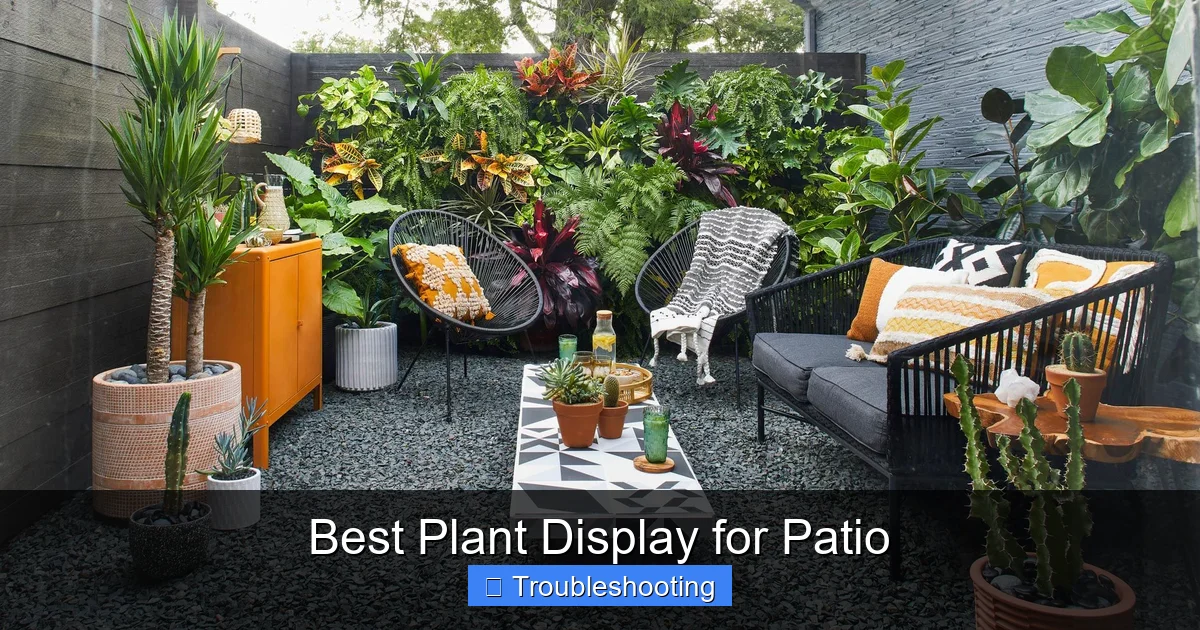
Creating the best plant display for patio areas transforms your outdoor space into a lush retreat. This guide covers everything from assessing light conditions and choosing containers to selecting thriving plants and designing eye-catching layouts that last all season.
Creating the best plant display for patio spaces feels like painting with living colors. You step outside and see green leaves catching morning light. Flowers sway in a gentle breeze. The air smells of herbs and blooming jasmine. This transformation does not happen by accident. It starts with a plan. It grows with knowledge. It thrives with care.
Many patio gardeners feel overwhelmed at first. Garden centers overflow with options. Terracotta pots. Glazed ceramics. Lightweight resin. Tall grasses. Trailing vines. Compact shrubs. The choices seem endless. But here is the truth. A stunning patio garden follows simple principles. You match plants to your light. You choose containers that drain well. You arrange everything for visual flow. You water and feed on schedule. That is it. This guide walks you through every step. By the end, you will design a patio display that turns heads and brings joy every single day.
Key Takeaways
- Assess light first: Map sun exposure throughout the day before buying any plants or containers.
- Match containers to plants: Choose pot sizes and materials that suit root systems and your climate.
- Group by water needs: Cluster plants with similar moisture requirements for easier maintenance.
- Use vertical space: Add trellises, hanging baskets, and tiered stands to maximize display area.
- Plan for seasons: Mix evergreens, perennials, and annuals for year-round visual interest.
- Ensure drainage: Every container needs holes and quality potting mix to prevent root rot.
- Create focal points: Use statement plants or decorative pots to draw the eye and anchor your design.
Quick Answers to Common Questions
What is the most important factor for a successful patio plant display?
Matching plants to your specific light conditions is the single most important factor. No amount of care can make a sun loving plant thrive in deep shade or a shade plant survive scorching afternoon sun.
How often should I water patio containers in summer?
Check daily by feeling soil two inches deep. Water thoroughly when dry at that depth. Hot windy days may require watering twice daily. Morning watering is best to prevent fungal diseases.
Can I use garden soil in patio pots?
Never use garden soil in containers. It compacts, drains poorly, and may contain pests or diseases. Always use high quality potting mix designed for container growing.
What are the best low maintenance plants for a patio display?
Succulents, ornamental grasses, lavender, rosemary, and sedum require minimal watering and care. Self watering containers reduce maintenance further for thirstier plants.
How do I protect patio plants over winter?
Group pots together against a protected wall. Insulate with bubble wrap or burlap. Elevate off concrete. Move tender plants indoors. Hardy perennials can stay out with root protection.
📑 Table of Contents
- Understanding Your Patio Space and Light Conditions
- Choosing the Right Containers for Your Plant Display
- Selecting Plants That Thrive on Patios
- Creative Layout Ideas for Maximum Impact
- Maintenance Tips for Long-Lasting Beauty
- Troubleshooting Common Patio Plant Problems
- Budget Friendly Display Strategies
- Conclusion
Understanding Your Patio Space and Light Conditions
Before you buy a single pot, you must know your patio. Light drives everything. Plants cannot fake photosynthesis. They either get what they need or they struggle. Spend a day observing. Take notes. Photos help too.
Map Your Sun Exposure
Stand on your patio at nine in the morning. Note where sun hits. Check again at noon. Then at three PM. Finally at six PM. Sketch a rough map. Mark full sun areas. These get six plus hours of direct light. Mark part sun zones. These receive three to six hours. Mark full shade spots. These see less than three hours of direct sun. Dappled light counts as part shade. This map becomes your planting blueprint.
Consider Reflected Heat and Wind
Walls and pavement create microclimates. A south facing brick wall radiates heat. It can scorch tender leaves. Concrete patios bake roots in black pots. Wind tunnels between buildings dry soil fast. Note these factors on your map. They dictate which plants survive and which thrive. A windy corner needs tough succulents or ornamental grasses. A hot wall suits Mediterranean herbs like rosemary and lavender.
Measure Your Actual Space
Grab a tape measure. Record length and width. Note door swings. Mark grill placement. Identify traffic paths. You need room to walk. You need access to water. Sketch a scale drawing. One square equals one foot. Cut out paper shapes for potential containers. Move them around. This prevents buying pots that block the grill or crowd the door.
Check Weight Limits
Balconies and rooftops have structural limits. Wet soil weighs heavy. A large ceramic pot with moist mix can exceed one hundred pounds. Check building codes. Consult your landlord or HOA. Lightweight options exist. Fiberglass. Resin. Fabric grow bags. These save weight without sacrificing style. Always place heaviest pots near load bearing walls or beams.
Choosing the Right Containers for Your Plant Display
Containers frame your plants. They provide root space. They hold moisture. They express style. The best plant display for patio areas uses pots that work hard and look good. Material matters. Size matters. Drainage matters most.
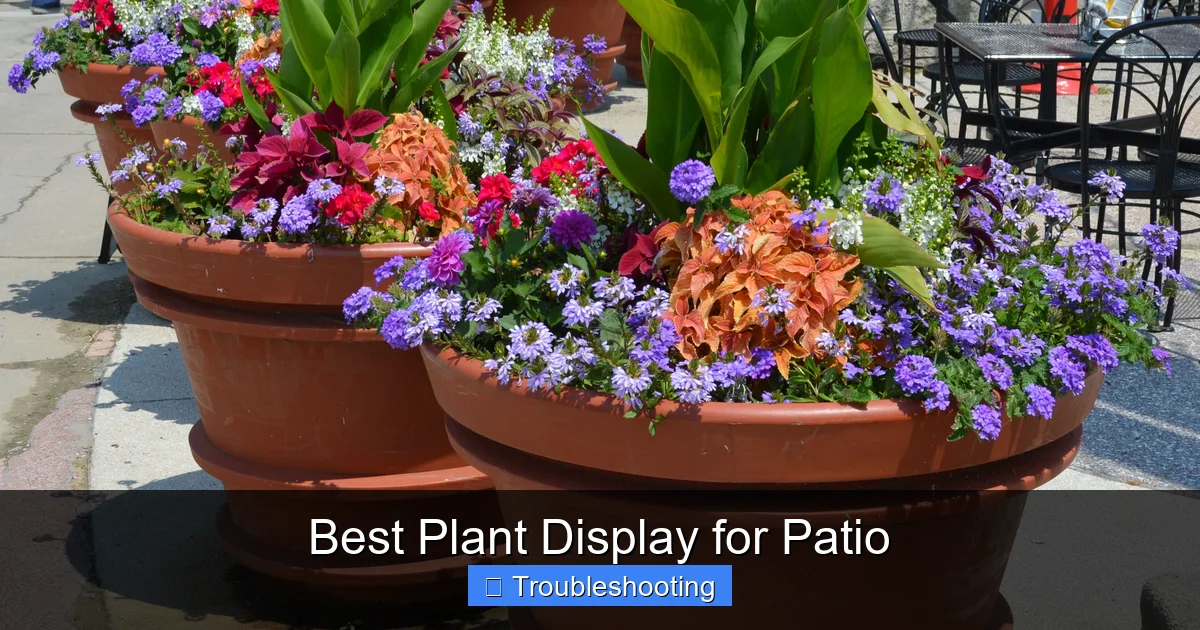
Visual guide about Best Plant Display for Patio
Image source: i.pinimg.com
Container Materials Compared
Terracotta breathes. Roots get air. Soil dries evenly. But pots crack in freeze thaw cycles. They weigh a lot. Glazed ceramic holds moisture longer. Colors pop. But drainage holes can clog. They also crack in cold. Plastic and resin weigh little. They come in every color. They resist cracking. But cheap versions fade and brittle in sun. Fiberglass mimics stone or metal. It lasts decades. It costs more. Metal conducts heat. Roots cook in summer. Line metal pots with bubble wrap or coconut coir. Fabric pots air prune roots. They fold flat for storage. They need more frequent watering.
Size Up for Success
Small pots dry fast. They restrict roots. They tip in wind. Go bigger than you think. Minimum twelve inches wide for annuals. Eighteen inches for perennials. Twenty four inches for shrubs and small trees. Depth matters too. Shallow rooted herbs need eight inches. Tomatoes want eighteen. Trees need twenty four plus. Tall narrow pots suit bamboo and grasses. Wide shallow bowls work for succulents and alpines.
Drainage Non Negotiables
Every pot needs holes. No exceptions. One hole per six inches of diameter. Cover holes with mesh or coffee filters. This keeps soil in. It lets water out. Never use gravel at the bottom. That creates a perched water table. Roots rot above the gravel. Use quality potting mix instead. Elevate pots on feet or casters. This prevents staining. It improves airflow. It stops pests from entering bottom holes.
Saucers and Self Watering Options
Saucers protect surfaces. Empty them after watering. Standing water breeds mosquitoes. It wicks back into soil. Self watering reservoirs help busy gardeners. They hold gallons of water. A wick draws moisture up. Roots take what they need. These work great for thirsty plants like tomatoes and hydrangeas. They reduce watering frequency by half.
Style Cohesion
Pick a theme. Modern minimalist uses geometric fiberglass in charcoal and white. Mediterranean style loves terracotta and glazed blue. Cottage gardens mix vintage metal buckets and weathered wood. Tropical vibes need large glossy pots in bold colors. Stick to three materials max. Repeat colors. Repeat shapes. This creates rhythm. Your eye moves smoothly across the display.
Selecting Plants That Thrive on Patios
Plants make the show. The best plant display for patio gardens matches species to conditions. No fighting nature. Choose winners for your light map. Group by water needs. Mix textures and heights. Plan for seasons.
Full Sun Champions
Six plus hours of direct light. These plants love heat. Lantana blooms nonstop. Colors shift as flowers age. Verbena trails and spreads. It handles drought. Salvia attracts hummingbirds. Spikes of blue, red, or purple. Portulaca opens neon blooms at noon. It closes at dusk. Succulents like echeveria and sedum store water. They need almost no care. Ornamental grasses add movement. Pennisetum fountain grass arches gracefully. Miscanthus varieties offer height and winter interest.
Part Sun Performers
Three to six hours of sun. Morning sun with afternoon shade is ideal. Hydrangeas shine here. Macrophylla types bloom pink or blue based on soil pH. Fuchsia dangles elegant bells. They love cool roots. Begonias offer waxy leaves and constant flowers. Dragon wing types handle more sun. Coleus brings electric foliage. Chartreuse. Burgundy. Hot pink. No flowers needed. Heuchera coral bells form neat mounds. Veined leaves in amber, purple, silver. Hostas work in large pots. Blue varieties hold color best in shade.
Full Shade Specialists
Less than three hours direct light. Focus on foliage. Ferns unfurl delicate fronds. Japanese painted fern shows silver and burgundy. Autumn fern emerges copper. Caladiums paint leaves in white, pink, red, green. They grow from tubers. Store tubers winter in cold zones. Impatiens bloom in deep shade. New Guinea types resist downy mildew. Torenia wishbone flower trails with snapdragon like blooms. Begonia boliviensis cascades fiery orange or red.
Edible Patio Plants
Food belongs in the display. Determinate tomatoes stay compact. Patio Choice Yellow fits ten inch pots. Peppers love heat. Sweet and hot varieties thrive. Bush beans climb small trellises. Herbs earn their keep. Basil. Thyme. Oregano. Mint in its own pot always. Strawberries spill from tiered planters. Alpine types fruit all summer. Blueberries need acidic mix. Choose dwarf varieties like Jelly Bean.
Seasonal Rotation Strategy
Spring starts with pansies, violas, ranunculus. Summer transitions to heat lovers. Fall brings mums, ornamental kale, pansies again. Winter shows evergreens, red twig dogwood, berried holly. Keep structural plants year round. Boxwood. Dwarf conifers. Yucca. Swap seasonal color in front. Use drop in liners for easy changes. This keeps the display fresh every month.
Creative Layout Ideas for Maximum Impact
Arrangement turns plants into art. The best plant display for patio spaces uses design principles. Balance. Rhythm. Focal points. Layers. Negative space. These create professional results.
Thriller Filler Spiller Formula
Classic container design uses three roles. Thriller stands tall. Center or back. Fountain grass. Canna lily. Dracaena spike. Filler mounds mid height. Petunias. Geraniums. Calibrachoa. Spiller cascades over edges. Sweet potato vine. Creeping jenny. Bacopa. One pot can hold all three. Or distribute roles across grouped pots. This guarantees full lush look.
Grouping by Odd Numbers
Three pots look better than two. Five beats four. Seven works for large spaces. Vary heights. Tall. Medium. Short. Vary widths. Narrow. Wide. Bowl shaped. Keep material consistent. Color palette unified. Space pots close. Leaves should almost touch. This reads as one composition. Not scattered individuals.
Vertical Layering
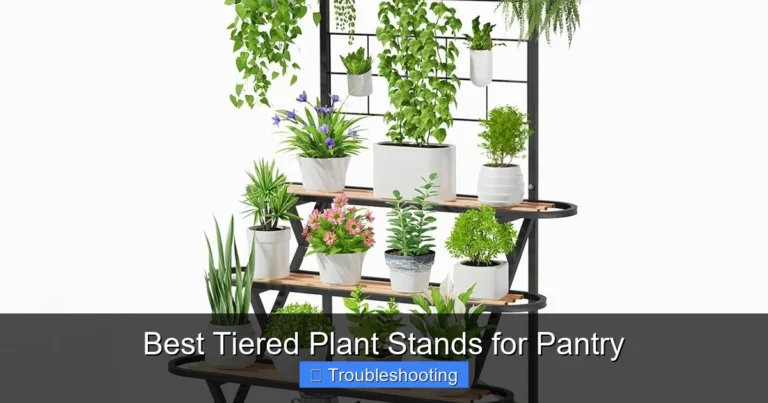
Use walls and railings. Mount trellises for climbers. Mandevilla. Clematis. Jasmine. Hang baskets at eye level. Ferns. Ivy. Trailing petunias. Install tiered plant stands. Three to five shelves. Stagger pots front to back. This multiplies growing space. It draws the eye upward. Small patios feel larger.
Creating Focal Points
Every display needs a star. A specimen plant in a statement pot. Japanese maple in glazed cobalt. Agave in architectural concrete. Topiary spiral in classic urn. Place it where sight lines converge. Corner of seating area. End of dining table. Center of railing. Frame it with simpler pots. Let it breathe.
Pathway and Edge Definition
Line steps with matching pots. Low bowls of succulents. Tall cylinders of bamboo. Define seating areas. Large pots at conversation corners. Create privacy screens. Columnar evergreens in rectangular troughs. Arborvitae. Sky pencil holly. Italian cypress. These guide movement. They create rooms without walls.
Color Theory in Practice
Monochromatic uses one hue. All white. Moon garden glows at night. White petunias. White calibrachoa. White bacopa. Silver foliage. Dusty miller. Lamb’s ear. Analogous blends neighbors. Blue. Purple. Pink. Salvia. Verbena. Petunia. Complementary pops opposites. Purple and yellow. Orange and blue. Red and green. Use sparingly. Eighty percent harmony. Twenty percent contrast.
Maintenance Tips for Long-Lasting Beauty
A gorgeous display stays gorgeous with routine care. The best plant display for patio gardens gets consistent attention. Water smart. Feed right. Groom often. Prevent problems. Enjoy the process.
Watering Wisdom
Check soil daily. Finger test. Two inches down. Dry? Water. Wet? Wait. Water deeply until it drains out bottom. This encourages deep roots. Morning watering prevents fungal disease. Leaves dry before night. Hot windy days may need twice daily. Use watering wands. They reach hanging baskets. They gentle soak soil. Drip irrigation saves time. Timer runs it. You vacation worry free.
Fertilizing Schedule
Potting mix nutrients deplete fast. Feed weekly at half strength. Or biweekly full strength. Balanced fertilizer 10-10-10 works for most. Bloom boosters 15-30-15 for flowering plants. Slow release granules at planting. Scratch into top inch. They last three to four months. Supplement with liquid. Organic options include fish emulsion and seaweed extract. They build soil life. Stop fertilizing six weeks before first frost.
Deadheading and Pruning
Remove spent flowers. Pinch back to leaf node. This signals plant to bloom again. Not set seed. Leggy stems get cut back by third. New growth emerges bushier. Herbs need frequent harvesting. Basil flowers? Pinch them. Leaves turn bitter after bloom. Mint runners? Trim hard. It regenerates fresh. Ornamental grasses? Cut to six inches late winter. New blades rise clean.
Pest Monitoring
Inspect weekly. Undersides of leaves. Stem joints. Soil surface. Aphids cluster on new growth. Blast with hose. Spider mites stipple leaves. Webbing appears. Increase humidity. Whiteflies cloud when disturbed. Yellow sticky traps catch adults. Slugs chew holes at night. Beer traps work. Copper tape deters. Beneficial insects help. Ladybugs eat aphids. Lacewings devour mites. Release them at dusk.
Seasonal Transitions
Spring harden off greenhouse plants. Week of increasing outdoor time. Summer watch for heat stress. Move pots to afternoon shade if needed. Fall reduce watering. Stop fertilizing. Clean up debris. Winter protect roots. Group pots together. Insulate with bubble wrap or burlap. Move tender plants indoors. Garage with grow lights. Hardy perennials stay out. Elevate pots off freezing concrete.
Troubleshooting Common Patio Plant Problems
Even experts face issues. The best plant display for patio areas encounters challenges. Know the signs. Act fast. Most problems fix easily if caught early.
Yellowing Leaves Diagnosis
Yellow leaves mean stress. Bottom leaves only? Normal aging. Pluck them. Whole plant pale? Nitrogen deficiency. Feed with balanced fertilizer. Yellow with green veins? Iron chlorosis. High pH locks iron. Use chelated iron drench. Acidify soil with sulfur. Yellow and mushy? Overwatering. Check drainage. Repot in fresh mix. Yellow crispy edges? Underwatering or fertilizer burn. Flush soil with clear water.
Wilting Despite Wet Soil
Roots need oxygen. Soggy soil suffocates them. Plant wilts because roots rot. Cannot uptake water. Check drainage holes. Clear blockages. Tip pot. Smell soil. Sour smell means anaerobic. Repot immediately. Trim black mushy roots. Use fresh mix. Add perlite. Water only when top two inches dry. Consider fabric pot for better aeration.
Leggy Stretched Growth
Plants reach for light. Stems elongate. Leaves space wide. Weak and floppy. Move to brighter spot. Rotate pots weekly for even light. Pinch growing tips. This forces branching. Use grow lights if shade unavoidable. Choose shade tolerant varieties next time. Coleus. Begonia. Ferns. They stay compact in low light.
Salt Buildup on Pot Rims
White crust means mineral accumulation. Tap water and fertilizer leave salts. They burn roots. Flush monthly. Run water through pot ten minutes. Let drain fully. Repot annually in fresh mix. Scrub pots with vinegar solution. Rinse well. Use rainwater or filtered water if possible. It reduces buildup significantly.
Fungal Disease Management
Powdery mildew looks like flour dust. Downy mildew shows yellow tops gray bottoms. Botrytis creates fuzzy gray mold. All love humidity. Space pots for airflow. Water soil not leaves. Morning only. Remove infected leaves. Bag and trash. Do not compost. Spray neem oil weekly. Copper fungicide for severe cases. Rotate products to prevent resistance.
Root Bound Rescue
Roots circle pot. Exit drainage holes. Crack container. Water runs straight through. Plant stunts. Time to repot. Go up two inches diameter. Loosen root ball. Slice vertical cuts four sides. Tease bottom roots. Fresh mix. Water well. Shade one week. Fertilize after new growth appears. Do this every two to three years for perennials.
Budget Friendly Display Strategies
Beautiful does not mean expensive. The best plant display for patio gardens grows from creativity. Smart shopping. DIY projects. Plant propagation. These stretch dollars.
Container Upcycling
Food grade buckets. Drill holes. Paint exterior. Olive oil tins. Punch drainage. Vintage charm. Wooden crates. Line with landscape fabric. Rustic look. Old wheelbarrow. Drill bottom. Mobile garden. Colanders. Built in drainage. Quirky hanging baskets. Broken pottery. Mosaic new pots. Art from shards. Ensure all hold soil and drain.
Seed Starting Savings
Packet of seeds costs three dollars. Yields dozens of plants. Start indoors six to eight weeks before frost. Use cell packs. Seed starting mix. Heat mat speeds germination. Grow lights prevent legginess. Harden off gradually. Transplant to patio pots. Annuals like zinnias, marigolds, cosmos grow fast. Perennials take longer but live years.
Division and Cuttings
Perennials multiply. Hostas. Daylilies. Ornamental grasses. Divide spring or fall. One plant becomes three. Free. Cuttings root easily. Coleus. Geranium. Fuchsia. Salvia. Snip four inch stems. Remove lower leaves. Dip in rooting hormone. Stick in moist perlite. Cover with bag. Roots in weeks. Share with neighbors. Trade varieties.
End of Season Sales
Nurseries clear stock July and August. Perennials fifty percent off. Shrubs seventy percent. They look tired but roots live. Plant immediately. Water well. They establish before winter. Spring brings vigorous growth. Buy pots then too. Ceramic and concrete discounted. Store winter. Use spring.
Multiplier Plants
Some plants give exponential returns. Strawberries send runners. Pot them. New plants free. Spider plants make babies. Clip and root. Succulents produce offsets. Twist off. Plant separately. Mint spreads aggressively. Contain it. Harvest endlessly. Garlic cloves become heads. Plant fall. Harvest summer. One head yields ten.
Conclusion
You now hold the blueprint for the best plant display for patio spaces. You understand light mapping. You know container fundamentals. You can select plants that thrive in your conditions. You grasp design principles that create wow factor. You have maintenance routines that sustain beauty. You can troubleshoot problems before they kill. You even know budget tricks that stretch every dollar.
Start small if overwhelmed. One perfect pot teaches more than ten struggling ones. Place it where you sit daily. Watch it. Learn its rhythms. Celebrate first bloom. Notice pollinators visiting. Feel pride in your creation. Then add another. Group them. Layer them. Build your outdoor sanctuary pot by pot. Season by season.
Remember. Gardens grow gardeners. Each success builds confidence. Each failure teaches nuance. The patio becomes your laboratory. Your canvas. Your refuge. Morning coffee tastes better beside thriving plants. Evening wine relaxes deeper surrounded by fragrance. Friends linger longer in beautiful spaces. This is the real harvest. Not just flowers and foliage. But moments. Memories. Peace.
Your best plant display for patio living starts today. Grab that tape measure. Sketch that light map. Visit the nursery with purpose. Choose one thriller. One filler. One spiller. Plant them with care. Water them in. Step back. Smile. You did this. And it will only get better from here.
Frequently Asked Questions
What size containers do I need for a patio vegetable garden?
Tomatoes and peppers need minimum 18 inch wide, 18 inch deep pots. Herbs thrive in 10 to 12 inch containers. Lettuce and greens grow well in 6 to 8 inch deep bowls. Root vegetables like carrots require 12 inch depth. Always ensure drainage holes.
How do I create privacy with patio plants?
Use tall narrow containers with columnar evergreens like Sky Pencil holly or Italian cypress. Bamboo in contained troughs grows fast. Climbing vines on trellises fill in quickly. Layer heights for full screening.
Can I mix perennials and annuals in the same pot?
Yes, but choose companions with similar water and light needs. Use perennials as permanent structure and swap annuals seasonally for fresh color. Ensure the pot is large enough for perennial root systems long term.
What causes white crust on my terracotta pots?
Mineral salts from tap water and fertilizer accumulate on porous terracotta. It is harmless to plants but unsightly. Scrub with vinegar solution and rinse. Flush pots monthly with clear water to reduce buildup.
How do I keep hanging baskets from drying out too fast?
Line baskets with coconut coir or sphagnum moss to retain moisture. Add water retaining crystals to potting mix. Choose drought tolerant plants like portulaca or succulents. Water until it streams from bottom daily in heat.
What are the best plants for a windy balcony patio?
Low growing succulents, ornamental grasses, rosemary, lavender, and sedum tolerate wind well. Avoid large leaved tropicals that shred. Secure pots with earthquake gel or wire. Choose heavy containers that won’t topple.