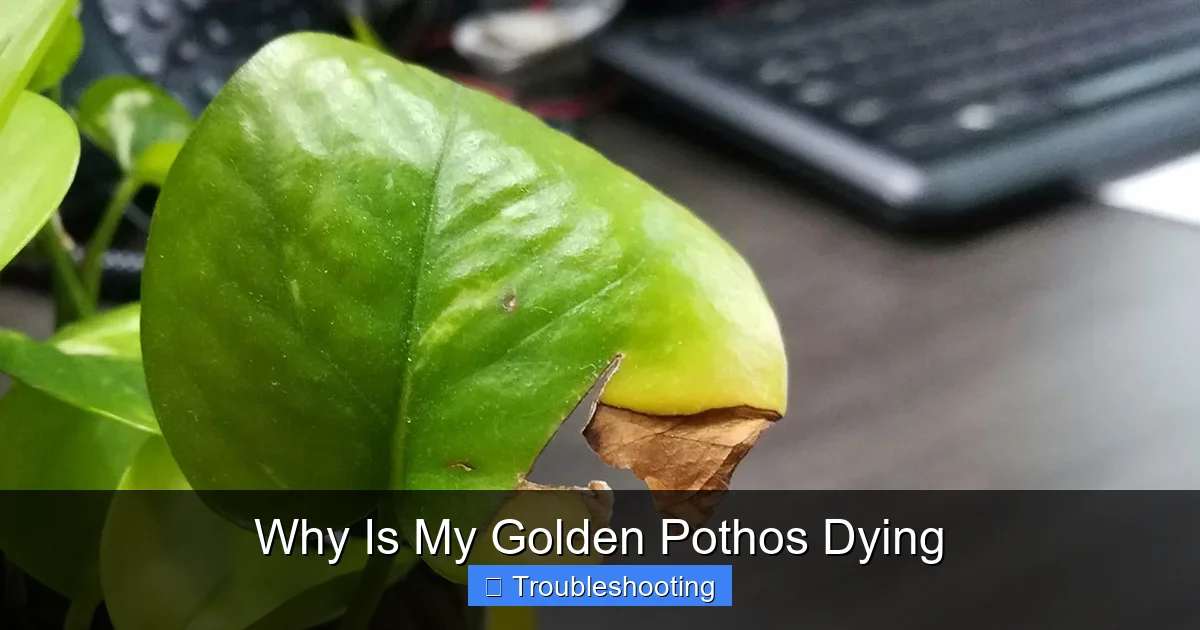
Why Is My Golden Pothos Dying
Your golden pothos is likely dying due to overwatering, poor drainage, or incorrect light conditions. Most issues are fixable with simple adjustments to watering habits, soil quality, and placement. This guide covers every common problem and solution to bring your plant back to life.
Key Takeaways
- Overwatering is the number one killer: Golden pothos prefers to dry out between waterings; soggy soil leads to root rot fast.
- Light matters more than you think: Too much direct sun scorches leaves while too little causes leggy growth and fading variegation.
- Check the roots before repotting: Healthy roots are white and firm; brown mushy roots mean rot and need immediate action.
- Yellow leaves have different meanings: Bottom yellowing is normal aging; widespread yellowing signals water or nutrient issues.
- Pests love stressed plants: Spider mites and mealybugs attack weak pothos; inspect leaves weekly for early detection.
- Propagation saves genetics: If the mother plant fails, healthy cuttings root easily in water or soil for a fresh start.
- Consistency beats perfection: A steady care routine prevents most problems better than reactive fixes.
Quick Answers to Common Questions
Why are my golden pothos leaves turning yellow?
Yellow leaves usually mean overwatering, but can also indicate underwatering, nutrient deficiency, low light, or natural aging. Check soil moisture first. If wet, let it dry. If dry, water. Bottom leaves yellowing one at a time is normal.
How often should I water my golden pothos?
Water when the top 2 inches of soil feel dry. This typically means every 7-10 days in summer and every 2-3 weeks in winter. Never water on a schedule. Always check the soil first with your finger.
Can a golden pothos recover from root rot?
Yes, if some healthy white roots remain. Remove all mushy brown roots, treat with hydrogen peroxide or cinnamon, and repot in fresh well-draining soil. Reduce watering and provide bright indirect light.
Why is my golden pothos losing variegation?
Loss of yellow variegation means the plant needs more light. It’s producing more green chlorophyll to compensate for low light. Move to a brighter spot with indirect light to restore variegation on new growth.
Should I mist my golden pothos?
Misting isn’t necessary and can promote fungal issues. Instead, use a humidifier, pebble tray, or group plants together to raise ambient humidity. Wipe leaves monthly with a damp cloth to remove dust.
📑 Table of Contents
- Why Is My Golden Pothos Dying? Let’s Figure It Out Together
- The Usual Suspects: Water Problems
- Light: The Goldilocks Zone
- Soil and Drainage: The Foundation
- Reading the Leaves: What They’re Telling You
- Root Rot: The Underground Crisis
- Pests: Tiny Thieves
- Temperature and Humidity: Comfort Zone
- Nutrient Issues: Feeding Right
- Propagation: The Ultimate Backup Plan
- Seasonal Care Adjustments
- Common Mistakes Even Experienced Owners Make
- Troubleshooting Flowchart: Quick Diagnosis
- Reviving a Dying Golden Pothos: Step by Step
- When to Let Go
- Golden Pothos Varieties and Their Quirks
- Tools Worth Having
- Your Golden Pothos Can Come Back
Why Is My Golden Pothos Dying? Let’s Figure It Out Together
You walk past your golden pothos and something looks wrong. The leaves are yellow. Or brown. Or maybe they’re curling up like sad little tacos. Your heart sinks. This plant was supposed to be unkillable. Everyone says pothos thrives on neglect. So why is yours giving up?
Take a breath. You’re not a bad plant parent. Golden pothos problems happen to everyone, even people with green thumbs. The good news? Most issues are completely reversible once you know what you’re looking at. This guide walks through every common reason your golden pothos might be dying and exactly how to fix it.
The Usual Suspects: Water Problems
Overwatering: The Silent Killer
If there’s one thing that kills more golden pothos than anything else, it’s too much love in liquid form. These plants store water in their thick leaves and stems. They’re built to survive dry spells in their native tropical forests. When you water before the soil dries out, the roots sit in moisture they can’t use.
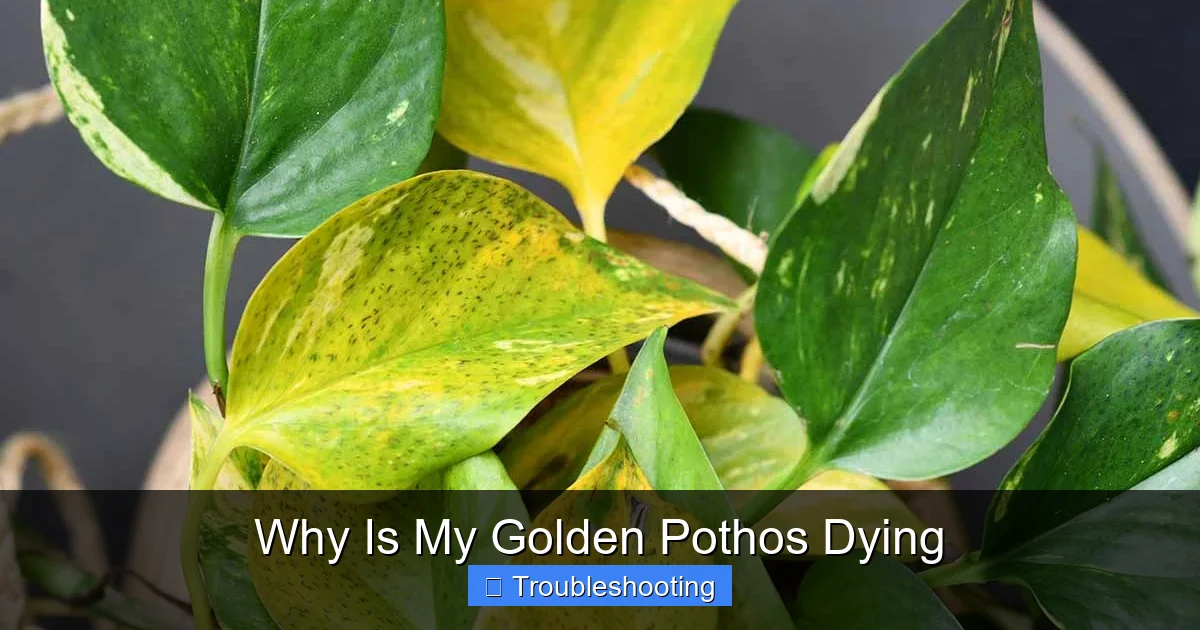
Visual guide about Why Is My Golden Pothos Dying
Image source: gardenerspath.com
Roots need oxygen. Wet soil pushes air out. Without oxygen, roots suffocate and rot. Rotten roots can’t absorb water. The plant wilts. You think it’s thirsty. You water more. The cycle accelerates.
Signs of overwatering: Yellow leaves starting at the bottom. Mushy stems near the soil. A sour smell from the pot. Fungus gnats flying around. Soil that stays wet for days.
Underwatering: The Other Extreme
Yes, pothos tolerates drought. But “tolerates” doesn’t mean “thrives.” Chronic underwatering stresses the plant. Leaves curl inward to conserve moisture. Edges turn crispy brown. Growth stops. The plant survives but looks sad.
Signs of underwatering: Leaves feel thin and papery. Dramatic curling. Brown crispy edges. Soil pulls away from pot sides. The pot feels surprisingly light.
Finding the Sweet Spot
Stick your finger two inches into the soil. If it’s dry at your fingertip, water thoroughly. If it’s moist, wait. That’s it. No schedule. No calendar. Just the finger test.
Water until it drains from the bottom holes. Empty the saucer. Never let the pot sit in standing water. In winter, the plant uses less water. Check less often.
Light: The Goldilocks Zone
Too Much Direct Sun
Golden pothos grows on forest floors under tree canopies. It gets bright, filtered light. Direct afternoon sun burns the leaves. You’ll see pale bleached patches. Brown crispy spots. The beautiful yellow variegation fades to white.
Move the plant a few feet back from south or west windows. Sheer curtains work wonders. Morning sun is fine. Harsh afternoon rays are not.
Too Little Light
On the flip side, a dark corner kills slowly. The plant stretches toward any light source. Stems get long and spindly. Leaves shrink. Variegation disappears because the plant needs more green chlorophyll to photosynthesize. Growth slows to a crawl.
Ideal spot: Bright indirect light. Near an east window. A few feet from south or west. Under a grow light for 12-14 hours daily. You should be able to read comfortably without artificial light.
Seasonal Light Changes
Winter sun sits lower. A perfect summer spot might become too dark. Or a safe winter spot gets blasted in summer. Rotate your plant quarterly. Watch how light moves through your space across seasons.
Soil and Drainage: The Foundation
Heavy Soil Suffocates Roots
Garden soil. Pure peat moss. Dense potting mix with no perlite. These hold water like a sponge. Golden pothos needs air pockets around roots. Commercial “tropical” or “aroid” mixes work well. Or make your own: two parts potting soil, one part perlite, one part orchid bark.
If water pools on top or drains instantly without wetting the center, your mix is wrong.
Pot Problems
No drainage holes? That’s a death sentence. Decorative cache pots are fine if you remove the nursery pot to water. But planting directly in a hole-less ceramic pot traps water at the bottom. Roots rot there first.
Pot size matters too. A huge pot holds too much soil that stays wet. Roots can’t reach the edges. Choose a pot only 1-2 inches wider than the root ball.
When to Repot
Roots circling the bottom. Roots growing out of drainage holes. Soil drying out in one day. Plant toppling over. These mean it’s time. Spring is best. Go up one pot size. Fresh mix. Water lightly after.
Reading the Leaves: What They’re Telling You
Yellow Leaves: The Most Confusing Symptom
Yellow leaves panic everyone. But yellow means different things depending on pattern and location.
Bottom leaves only, one at a time: Normal aging. The plant sacrifices old leaves to feed new growth. Snip them off. No problem.
Many leaves yellowing at once, starting from bottom: Usually overwatering. Check soil moisture. Check roots.
Yellow with green veins (interveinal chlorosis): Nutrient deficiency. Usually iron or magnesium. Feed with balanced fertilizer.
Yellow patches or edges: Could be sunburn, cold damage, or fertilizer burn.
Sudden widespread yellowing: Shock. Recent repotting, move, temperature swing, or root damage.
Brown Tips and Edges
Crispy brown edges usually mean low humidity or inconsistent watering. Brown tips specifically often point to fluoride in tap water, fertilizer salt buildup, or dry air.
Trim brown parts with clean scissors. Cut at an angle following leaf shape. Don’t cut into green tissue. Increase humidity. Flush soil monthly with distilled water.
Curling Leaves
Inward curling = thirsty or root-bound. Outward curling = overwatered or pest damage. Check soil first. Then check roots. Then check for bugs.
Drooping or Wilting
Dramatic droop usually means water issue. Water if dry. Wait if wet. If wet soil but droopy leaves, roots are likely rotted. The plant can’t drink despite available water.
Small Pale New Growth
Tiny leaves with weak color mean insufficient light or nutrients. Move to brighter spot. Feed if it’s been months since fertilizing.
Root Rot: The Underground Crisis
How to Check Roots
Gently remove the plant from its pot. Shake off loose soil. Healthy roots are white or light tan, firm, and smell earthy. Rotted roots are brown or black, mushy, hollow, and smell foul.
If most roots are rotten, the plant might be too far gone. But if some healthy roots remain, you can save it.
Root Rot Surgery
Use clean scissors. Cut away every mushy root. Be ruthless. Dip remaining roots in 3% hydrogen peroxide for a few minutes. Or sprinkle with cinnamon powder (natural antifungal). Repot in fresh, sterile, well-draining mix. Clean pot with bleach solution. Water lightly. Place in bright indirect light. Don’t fertilize for a month.
Preventing Recurrence
Fix the cause. Usually drainage or watering habit. Add more perlite to mix. Water less often. Use terra cotta pots that breathe.
Pests: Tiny Thieves
Spider Mites
Almost invisible. Live on leaf undersides. Suck chlorophyll. Cause stippled yellow dots. Fine webbing appears in advanced cases. Love dry air and stressed plants.
Treatment: Shower plant thoroughly. Wipe leaves. Spray neem oil or insecticidal soap weekly for three weeks. Increase humidity.
Mealybugs
White cottony clusters in leaf axils and stem joints. Sticky honeydew residue. Ants often farm them. Remove with alcohol-soaked cotton swab. Spray neem oil. Isolate plant.
Scale
Brown bumps on stems and leaves. Hard shell. Scrape off with fingernail. Treat like mealybugs.
Fungus Gnats
Tiny black flies. Larvae eat root hairs. Indicate overly wet soil. Let soil dry more. Yellow sticky traps catch adults. Mosquito bits in water kill larvae.
Thrips
Slender tiny insects. Silvery streaks on leaves. Black fecal dots. Hard to eradicate. Systemic insecticide often needed. Prune heavily damaged leaves.
Temperature and Humidity: Comfort Zone
Cold Damage
Golden pothos hates cold. Below 50°F (10°C) causes damage. Cold drafts from windows, AC vents, or doors create brown water-soaked patches. Leaves turn black and mushy. Move away from cold spots in winter.
Heat Stress
Above 90°F (32°C) with low humidity causes curling and crisping. Keep away from heating vents, radiators, hot appliances.
Humidity Needs
Average home humidity (30-40%) is fine. But 50-60% makes them lush. Group plants. Pebble tray. Humidifier. Misting helps briefly but doesn’t raise ambient humidity much.
Nutrient Issues: Feeding Right
Underfeeding
Slow growth. Pale leaves. Small new leaves. No variegation on new growth. Feed monthly spring through fall with balanced liquid fertilizer at half strength. Skip winter.
Overfeeding
Fertilizer salt buildup burns roots. Brown leaf tips. White crust on soil surface. Stunted growth. Flush soil: run water through for several minutes. Let drain completely. Don’t feed for 2-3 months.
Wrong Fertilizer
High nitrogen makes leggy growth with poor variegation. Balanced 10-10-10 or 20-20-20 works. Or use fertilizer formulated for foliage plants.
Propagation: The Ultimate Backup Plan
When to Propagate Instead of Save
If roots are 90% rotted. If stems are mushy. If pests destroyed most foliage. If the plant hasn’t improved after a month of correct care. Take cuttings. Start fresh.
Water Propagation
Cut 4-6 inch stems below a node (where leaf meets stem). Remove bottom leaves. Place in water. Node submerged. Leaves above water. Bright indirect light. Change water weekly. Roots appear in 2-4 weeks. Pot when roots are 2 inches long.
Soil Propagation
Same cuttings. Dip in rooting hormone (optional). Plant in moist perlite or light mix. Cover with clear bag for humidity. Vent daily. Bright indirect light. Tug gently after 3 weeks. Resistance means roots.
LECA Propagation
Lightweight expanded clay aggregate. Reusable. Great airflow. Rinse LECA well. Soak 24 hours. Place cuttings in LECA with water reservoir at bottom. Roots grow into moisture zone. Very low rot risk.
Seasonal Care Adjustments
Spring: Wake Up Season
Increase watering as growth resumes. Start fertilizing. Repot if needed. Prune leggy stems. Propagate. Check for pests emerging from winter dormancy.
Summer: Peak Growth
Water more frequently. Watch for sunburn if moved outdoors. Fertilize regularly. High humidity helps. Monitor for spider mites in hot dry weather.
Fall: Slowing Down
Reduce fertilizing. Water less as light decreases. Bring outdoor plants in before 50°F nights. Inspect thoroughly for hitchhiking pests.
Winter: Rest Period
Water minimally. No fertilizer. Maximize light. Keep away from cold drafts and hot vents. Accept slower growth. Some leaf drop is normal.
Common Mistakes Even Experienced Owners Make
Watering on a Schedule
“Every Sunday” ignores weather, season, pot size, soil type, and plant size. Always check soil first.
Misting Instead of Humidity
Misting wets leaves briefly. Can encourage fungal spots. Doesn’t raise room humidity. Use a humidifier instead.
Repotting a Sick Plant
Stressed plants can’t handle root disturbance. Fix the care issue first. Repot only when healthy and root-bound.
Using Leaf Shine Products
Clogs stomata (leaf pores). Attracts dust. Makes it harder to spot pests. Wipe leaves with damp cloth instead.
Ignoring the Root Ball
Top growth looks fine but roots are circling, rotting, or bone dry. Check roots annually.
Placing Near Fruit Bowls
Ripening fruit releases ethylene gas. Causes premature yellowing and leaf drop in sensitive plants.
Troubleshooting Flowchart: Quick Diagnosis
Start here when something looks wrong:
- Check soil moisture (finger test)
- If wet: stop watering, check roots for rot
- If dry: water thoroughly, check for root-bound
- Check light (can you read there at noon?)
- Check leaves for pests (undersides, stems, soil surface)
- Check drainage (holes, soil mix, pot size)
- Check temperature (drafts, vents, windows)
- Review fertilizing history (too much, too little, never)
- Consider recent changes (move, repot, new plant nearby)
Match symptoms to most likely cause. Fix one thing at a time. Wait two weeks. Reassess.
Reviving a Dying Golden Pothos: Step by Step
Week 1: Triage
Remove dead leaves. Check roots. Treat pests. Repot if soil is bad or roots are rotted. Place in ideal light. Set up proper watering routine.
Week 2-3: Stabilize
Water only when dry. No fertilizer. Watch for new growth or further decline. Keep environment stable.
Week 4-6: Recovery
Look for new leaves emerging. They may be smaller at first. Begin half-strength fertilizer if growing. Gradually increase light if plant was in low light.
Month 2-3: Thriving
Regular growth resumes. Normal fertilizing. Normal watering. Prune to shape. Propagate if desired.
When to Let Go
Sometimes a plant is too far gone. All roots rotted. All stems mushy. No green tissue left. Crown (where stems meet roots) is soft. Foul smell persists after treatment. In these cases, compost the plant. Save any healthy cuttings for propagation. Clean the pot thoroughly. Start fresh. It’s not failure. It’s learning.
Golden Pothos Varieties and Their Quirks
Classic Golden Pothos
Green with yellow variegation. Most vigorous. Most tolerant. Reverts to solid green in low light.
Marble Queen
White and green variegation. Slower growing. Needs more light to maintain variegation. More sensitive to overwatering.
Neon Pothos
Bright chartreuse leaves. Color fades in low light. Shows stress clearly. Great indicator plant.
Jade Pothos
Solid green. Most shade tolerant. Fastest growth. Least dramatic but most reliable.
Manjula, Pearls and Jade, N’Joy
Patented varieties with unique patterns. Generally slower, more delicate, need brighter light, hate wet feet.
Tools Worth Having
- Moisture meter (backup to finger test)
- Neem oil concentrate
- Insecticidal soap
- Sharp clean pruning scissors
- Perlite and orchid bark
- Balanced liquid fertilizer
- Hydrogen peroxide 3%
- Clear plastic bags (propagation humidity domes)
- Grow light (for dark winters)
- Humidifier (if air is very dry)
Your Golden Pothos Can Come Back
Here’s the truth: golden pothos wants to live. It’s programmed to survive floods, droughts, shade, and neglect. The fact that yours is struggling means something specific is wrong. Not everything. Just one or two things.
You’ve read through the most common problems. You know what to look for. You know how to check roots, soil, light, and pests. You have a plan.
Start with the finger test today. Check the roots this weekend. Move the plant if the light is wrong. Adjust your watering. Watch what happens.
In a few weeks, you’ll see new growth. That first unfurling leaf feels like a victory. Because it is. You figured it out. You helped a living thing recover.
And next time someone says “pothos is unkillable,” you’ll smile. You know better. You know it’s not about magic. It’s about paying attention.
Frequently Asked Questions
Can golden pothos live in water forever?
Yes, golden pothos can grow indefinitely in water if you change it weekly and add liquid fertilizer monthly. Roots adapt to water conditions. However, water-grown plants may struggle if transferred to soil later.
Why are my golden pothos leaves curling?
Curling leaves usually indicate underwatering, low humidity, or root problems. Check soil moisture first. If dry, water thoroughly. If wet, check for root rot. Increase humidity if air is very dry.
Is golden pothos toxic to pets?
Yes, golden pothos contains calcium oxalate crystals that cause oral irritation, vomiting, and swallowing difficulty in cats and dogs. Keep plants out of reach or choose pet-safe alternatives like spider plants.
How do I make my golden pothos fuller?
Prune long vines just above a node to encourage branching. Provide bright indirect light. Fertilize monthly during growing season. Propagate cuttings back into the same pot for a bushier appearance.
Why does my golden pothos have brown spots?
Brown spots can be from sunburn, fungal infection, bacterial leaf spot, pest damage, or cold damage. Check for pests first. Ensure no direct sun hits leaves. Improve air circulation. Avoid wetting leaves when watering.
When should I repot my golden pothos?
Repot when roots circle the pot bottom, grow from drainage holes, or soil dries in less than a day. Spring is ideal. Choose a pot only 1-2 inches larger. Use well-draining mix with perlite and orchid bark.