Grow Light Stand for Indoor Plants
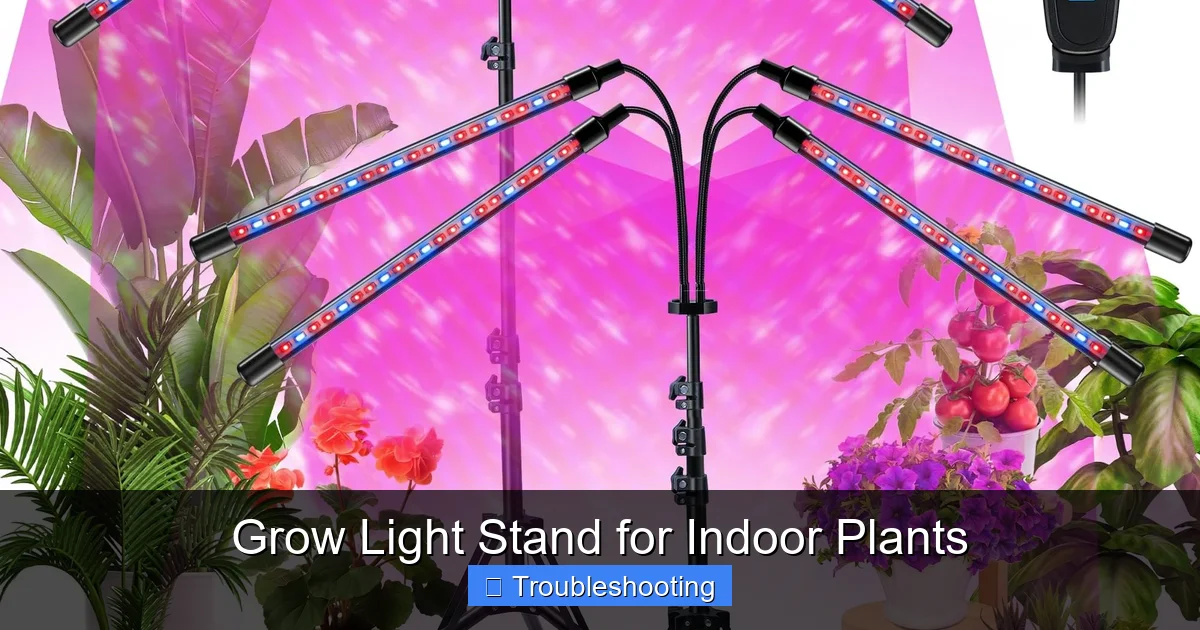
A grow light stand for indoor plants gives your seedlings steady light and saves space. Choose a sturdy, adjustable model and set the correct height for each growth stage. Regular cleaning and simple fixes keep the system running smoothly.
Welcome to the complete guide on a grow light stand for indoor plants. If you have ever struggled with uneven light or a wobbly fixture, this article is for you. We will walk through why a dedicated stand matters, the main types you can buy, the features that count, how to set it up, common problems, and simple maintenance habits.
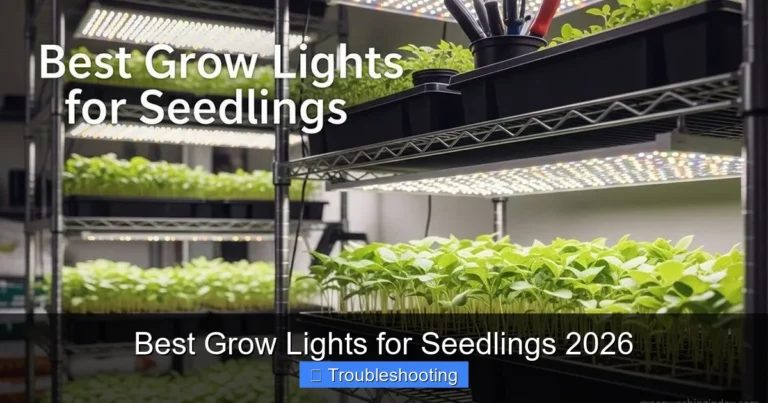
A grow light stand for indoor plants solves two big issues at once. First, it holds the light at a fixed distance from the canopy. Second, it frees up shelf space so you can grow more pots in a small room. Many hobbyists start with a clip‑on lamp, but a stand gives you stability and repeatable results.
In the next sections you will learn how to pick the right model, how to assemble it without tools, and how to troubleshoot the most frequent headaches. By the end you will feel confident choosing and using a grow light stand for indoor plants in any home setup.
Key Takeaways
- Steady Light: A grow light stand for indoor plants delivers consistent illumination for healthy growth.
- Adjustable Height: Look for a stand that lets you raise or lower the light as plants mature.
- Sturdy Frame: Metal or heavy‑duty plastic prevents wobble and supports heavier fixtures.
- Cable Management: Built‑in clips keep cords tidy and reduce trip hazards.
- Easy Assembly: Tool‑free setup saves time and frustration.
- Regular Maintenance: Clean bulbs and tighten bolts monthly for peak performance.
Quick Answers to Common Questions
What is the ideal height for a grow light stand for indoor plants?
Start with the light 18 inches above seedlings and raise it as the plants grow.
Can I use a rolling stand on carpet?
Yes, lockable casters work on carpet, but a hard floor gives better stability.
How often should I clean the light fixture?
Clean the lens and heat sink once a month for best performance.
What weight capacity do I need?
Choose a stand rated for at least 20 lb if you use a heavy LED panel.
Is a DIY stand safe?
A DIY stand is safe if the frame can hold the fixture weight and does not wobble.
📑 Table of Contents
- Why You Need a Grow Light Stand for Indoor Plants
- Types of Grow Light Stands for Indoor Plants
- Key Features to Look For in a Grow Light Stand for Indoor Plants
- Setting Up Your Grow Light Stand for Indoor Plants
- Common Problems and Fixes for a Grow Light Stand for Indoor Plants
- Maintenance Tips and Final Thoughts on a Grow Light Stand for Indoor Plants
Why You Need a Grow Light Stand for Indoor Plants
Consistent Light Distance
A grow light stand for indoor plants keeps the fixture at the same height every day. Consistent distance means each leaf receives the same intensity. When you move a lamp by hand the distance changes and plants can stretch or burn.
Space Efficiency
Vertical space is often unused in apartments. A grow light stand for indoor plants lifts the light above the canopy, leaving the floor free for trays or storage. You can stack multiple stands side by side to create a mini farm.
Plant Health Benefits
Even light reduces leggy stems and promotes compact growth. A stable grow light stand for indoor plants also prevents accidental knocks that can damage delicate seedlings. Healthier plants mean higher yields and fewer pests.
Types of Grow Light Stands for Indoor Plants
Fixed Height Stands
Fixed height models are the simplest. They come with a set pole length and a non‑adjustable crossbar. They work well if you grow one crop type that stays the same height. The low price makes them a good entry point for beginners.
Adjustable Height Stands
Adjustable stands use telescoping poles or a screw‑type lift. You can raise the light as seedlings become taller. This flexibility is essential for a grow light stand for indoor plants that serves multiple growth stages.
Rolling or Mobile Stands
Rolling stands sit on lockable casters. You can move the whole unit to follow the sun or to clean the floor. They are heavier but the mobility pays off in larger rooms.
DIY and Custom Builds
Some growers build a grow light stand for indoor plants from PVC pipe, metal conduit, or reclaimed wood. DIY lets you tailor dimensions exactly. Just ensure the frame can hold the weight of your chosen fixture.
Key Features to Look For in a Grow Light Stand for Indoor Plants
Height Range
Check the minimum and maximum height. A range of 12 to 48 inches covers most seedlings and mature herbs. If you plan to grow tomatoes, look for a stand that reaches at least 60 inches.
Weight Capacity
LED panels, fluorescent tubes, and HID lamps have different weights. Choose a grow light stand for indoor plants rated for at least 20 lb if you use a heavy fixture. Overloading leads to sagging and safety hazards.
Stability and Base Design
A wide base or weighted feet stops tipping. Some models include a sandbag pocket. Test the stand by gently nudging it; a good grow light stand for indoor plants should not wobble.
Material and Finish
Powder‑coated steel resists rust in humid grow rooms. Aluminum is lighter but can bend under heavy lights. Plastic frames are cheap but may crack over time. Pick material that matches your environment.
Cable Management
Integrated clips, Velcro straps, or a built‑in channel keep power cords organized. Neat cables reduce tripping and make it easier to adjust the light height on a grow light stand for indoor plants.
Setting Up Your Grow Light Stand for Indoor Plants
Choose the Right Location
Place the stand near an electrical outlet. Keep a few inches of clearance from walls for airflow. Avoid direct drafts from heaters or air conditioners.
Assemble the Frame
Most units snap together without tools. Follow the manufacturer’s diagram. Tighten all bolts by hand, then give a final quarter turn with a wrench if needed. A solid grow light stand for indoor plants starts with a square frame.
Mount the Light Fixture
Attach the fixture to the crossbar using the supplied brackets. Center the light so the beam covers the whole canopy. Double‑check that the fixture is level.
Set the Initial Height
Start with the light 18 inches above seedlings for most LEDs. Use a ruler or the stand’s built‑in scale. Write down the height; you will adjust it as plants grow on your grow light stand for indoor plants.
Test and Fine‑Tune
Turn the light on and watch for hot spots. Move the stand a few inches if the edges look dim. A light meter helps, but your eyes are a good first guide.
Common Problems and Fixes for a Grow Light Stand for Indoor Plants
Light Too Close – Leaf Burn
If leaf tips turn brown, raise the fixture 2 to 3 inches. Wait 24 hours and check again. A grow light stand for indoor plants with fine height increments makes this easy.
Uneven Light Distribution
Rotate the plant tray every few days. If the stand has a swivel arm, angle the fixture toward the darker side. Adding a reflective Mylar sheet behind the canopy also helps.
Stand Wobble
Check that all bolts are tight. Place a rubber mat under the base. If the floor is uneven, use adjustable feet or shims. A stable grow light stand for indoor plants prevents future wobble.
Overheating Fixture
Ensure at least 6 inches of clearance above the light for airflow. Clean dust from heat sinks monthly. If the fixture still runs hot, consider a fan or a lower wattage LED on your grow light stand for indoor plants.
Maintenance Tips and Final Thoughts on a Grow Light Stand for Indoor Plants
Monthly Cleaning Routine
Turn off and unplug the light. Wipe the lens with a microfiber cloth. Dust the frame and tighten any loose screws. A clean grow light stand for indoor plants delivers maximum output.
Inspect Cables and Connectors
Look for frayed insulation or loose plugs. Replace damaged cords immediately. Good cable care avoids electrical hazards.
Seasonal Height Adjustments
As the seasons change, the sun angle shifts. Adjust the stand height to keep the same light intensity on the canopy. This habit keeps a grow light stand for indoor plants productive year‑round.
Upgrade When Needed
If you add more plants or switch to a higher output fixture, verify the weight rating. Upgrading the stand early prevents structural failure.
Final Thoughts
A well‑chosen grow light stand for indoor plants is the backbone of any indoor garden. It gives you control, saves space, and protects your investment in lights and plants. Follow the steps above, keep up with simple maintenance, and you will enjoy healthy harvests for many seasons.
Frequently Asked Questions
How do I choose the right grow light stand for indoor plants?
Match the stand’s height range, weight capacity, and base stability to your light fixture and plant types. Adjustable models give the most flexibility.
Can a grow light stand for indoor plants support multiple lights?
Yes, many stands have a wide crossbar that can hold two or more fixtures as long as the total weight stays within the rated limit.
What materials last longest in a humid grow room?
Powder‑coated steel and anodized aluminum resist rust and corrosion better than plain steel or plastic.
Do I need a light meter to set the height?
A light meter helps, but you can start with the manufacturer’s recommended distance and adjust by observing plant response.
How do I prevent the stand from tipping over?
Use a wide base, add weight bags, and place the unit on a level surface. Lockable casters should be engaged when the stand is stationary.
When should I replace the grow light stand for indoor plants?
Replace the stand if the frame bends, bolts strip, or the weight rating no longer matches your fixture. Regular inspections catch these issues early.