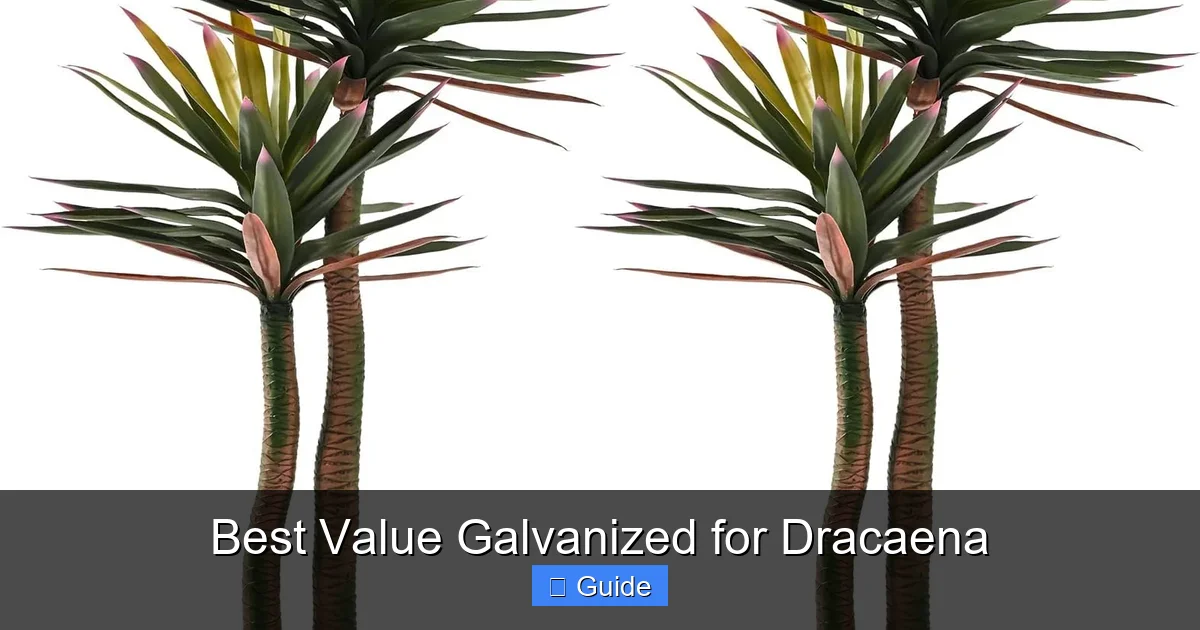
Best Value Galvanized for Dracaena
Choosing the right galvanized planter for your dracaena doesn’t have to break the bank. This guide covers everything you need to know about finding the best value galvanized for dracaena, from sizing and drainage to long-term durability and plant health.
If you’ve ever watched a dracaena struggle in a flimsy plastic pot that cracks after one winter, you know the frustration. You want something that looks good, lasts long, and doesn’t cost a fortune. That’s where galvanized steel enters the chat. But not all galvanized planters are created equal, and finding the best value galvanized for dracaena takes a little know-how.
I’ve been growing dracaenas in containers for over a decade, and I’ve made every mistake in the book. I’ve bought planters that rusted in a season, ones that cooked roots in July, and others that drowned my plants because drainage was an afterthought. This guide distills everything I’ve learned so you can skip the trial and error. We’ll cover what makes galvanized steel a smart choice, how to pick the right size and style, drainage solutions that actually work, and maintenance tips that keep your planters looking sharp for years.
Key Takeaways
- Galvanized steel offers superior durability: It resists rust and corrosion better than raw steel, making it ideal for long-term outdoor use with dracaena plants.
- Proper drainage is non-negotiable: Dracaena roots rot easily in standing water, so your galvanized container must have adequate drainage holes or a false bottom system.
- Size matters for root development: Choose a planter 2-4 inches larger than the current root ball to give your dracaena room to grow without drowning in excess soil.
- Insulation protects roots from temperature swings: Galvanized metal conducts heat and cold, so adding insulation or using a cache pot system prevents root damage in extreme weather.
- Value means balancing cost with longevity: The best value galvanized for dracaena isn’t the cheapest option—it’s the one that lasts years without needing replacement.
- Elevate your planter for better airflow: Raising galvanized containers off the ground prevents water pooling underneath and improves root zone aeration.
- Regular maintenance extends planter life: Touching up scratched galvanized coating and cleaning mineral buildup keeps your investment looking good and functioning well.
Quick Answers to Common Questions
What gauge galvanized steel is best for dracaena planters?
16-gauge is ideal for large floor planters; 18-gauge minimum for smaller containers. Thinner gauges dent and corrode faster under soil pressure.
Do galvanized planters need drainage holes for dracaena?
Absolutely. Dracaenas rot in standing water. Drill 4-6 holes minimum if none exist, or use a cache pot system with the plant in a drained nursery pot inside.
How do I stop galvanized planters from overheating roots?
Line interior walls with 1-inch rigid foam insulation, mulch soil surface, site in morning sun only, and consider double-potting with an air gap for extreme climates.
Can I use a galvanized stock tank for multiple dracaenas?
Yes. Use a central drainage column (perforated PVC wrapped in fabric) through the false bottom layer to ensure even drainage across the wide base.
How often should I repot dracaena in galvanized containers?
Every 2-3 years in spring. Size up only 2-4 inches wider. Refresh top 1-2 inches of soil annually with fresh mix and worm castings between full repots.
📑 Table of Contents
- Why Galvanized Steel Works for Dracaena
- Sizing Your Galvanized Planter Correctly
- Drainage Solutions That Save Your Plants
- Managing Temperature in Metal Containers
- Soil Mixes Optimized for Galvanized Containers
- Maintenance and Longevity
- Budget vs. Value: What You’re Actually Paying For
- Creative Applications Beyond Basic Planters
- Troubleshooting Common Issues
- Conclusion
Why Galvanized Steel Works for Dracaena
The Science Behind the Coating
Galvanization isn’t just a fancy word. It’s a process where steel gets dipped in molten zinc, creating a metallurgical bond that protects the base metal from corrosion. That zinc layer sacrifices itself slowly over time, which means your planter stays structurally sound even if the surface gets scratched. For dracaena owners, this translates to a container that won’t fall apart after a few seasons of rain, fertilizer salts, and temperature swings.
Raw steel rusts fast when it’s constantly damp. Terracotta breathes but cracks in freezes. Plastic gets brittle under UV exposure. Galvanized steel sits in a sweet spot—it’s rigid enough to hold large soil volumes, resistant enough to handle moisture, and tough enough to survive being moved around the patio.
Weight and Stability Benefits
Dracaenas get top-heavy. A mature dracaena marginata or dracaena fragrans can reach six feet tall with a relatively narrow base. Lightweight plastic pots tip over in a stiff breeze. Galvanized planters have enough mass to anchor taller specimens without needing guy wires or weights. That stability matters if you’re placing containers on a balcony, rooftop, or open deck where wind is a factor.
Aesthetic Versatility
The industrial look of galvanized steel fits modern, farmhouse, and eclectic styles alike. You can leave it raw for that weathered patina, paint it to match your decor, or let it develop character naturally. The neutral silver-gray complements dracaena’s architectural foliage—whether you’re growing the sword-like leaves of dracaena marginata, the broad stripes of dracaena ‘Lemon Lime,’ or the corn plant look of dracaena fragrans.
Sizing Your Galvanized Planter Correctly
Match the Root Ball, Not the Foliage
Here’s where most people go wrong. They see a tall dracaena and buy a massive planter, thinking “room to grow.” But dracaenas prefer being slightly root-bound. Too much soil holds too much water, and that’s a one-way ticket to root rot. The rule of thumb: choose a galvanized container that’s 2-4 inches wider in diameter than the current nursery pot. For a 10-inch nursery pot, a 12-14 inch galvanized planter is perfect.
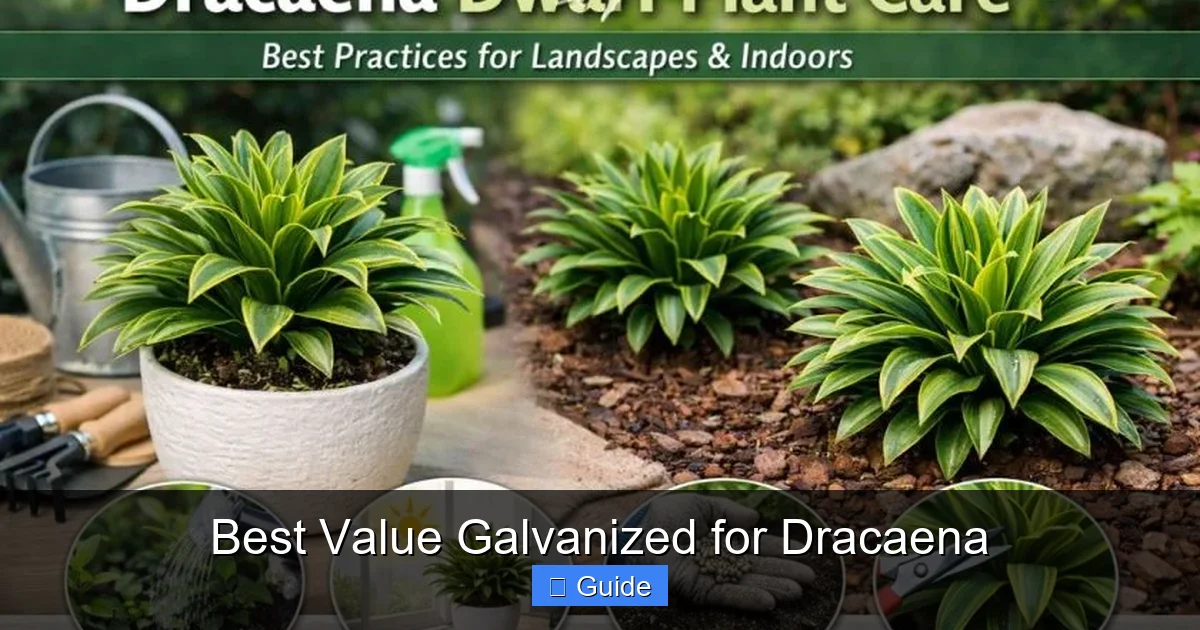
Visual guide about Best Value Galvanized for Dracaena
Image source: indorenursery.com
Depth Considerations for Taproots
Dracaenas develop thick, fleshy taproots that grow downward. Shallow galvanized troughs or pans might look trendy, but they restrict vertical root growth. Aim for a planter depth of at least 12-18 inches for medium specimens, and 24+ inches for large floor plants. Deeper soil volume also buffers temperature fluctuations better than shallow containers.
Scaling Up Over Time
Plan for repotting every 2-3 years. When you size up, go just one step larger—not two or three. A gradual progression keeps the root-to-soil ratio healthy. Many galvanized planter lines come in coordinated size sets, which makes staging upgrades easy and visually cohesive.
Drainage Solutions That Save Your Plants
Factory Holes vs. DIY Drilling
Some galvanized planters come with pre-drilled drainage holes. Others don’t. If yours lacks holes, you’ll need to drill them yourself. Use a cobalt or titanium drill bit designed for metal—standard bits will dull instantly. Space holes every 4-6 inches across the bottom, with at least 4-6 holes for a 14-inch diameter planter. Wear safety glasses and gloves. Metal shavings are sharp and hot.
The False Bottom Technique
Here’s a pro move: create a reservoir at the bottom using landscape fabric and lightweight fill. Cut a piece of heavy-duty landscape fabric to fit the planter bottom. Add 2-3 inches of pine bark nuggets, styrofoam packing peanuts (in mesh bags), or recycled plastic bottles capped tight. Cover with another fabric layer, then add your potting mix. This creates an air gap that prevents water from wicking back up into the root zone while reducing the total soil volume needed.
Elevate for Airflow
Never set a galvanized planter directly on concrete, wood decking, or soil. Moisture gets trapped underneath, accelerating corrosion and creating a breeding ground for fungus gnats. Use pot feet, casters, or even three bricks spaced evenly. Aim for at least 1-2 inches of clearance. This simple step adds years to your planter’s life and improves root health dramatically.
Cache Pot Strategy for Decorative Planters
Found a gorgeous galvanized tub with no drainage and no desire to drill? Use it as a cache pot. Keep your dracaena in a lightweight nursery pot with excellent drainage, then slip that inside the galvanized container. Add pebbles or pot shards at the bottom of the cache pot so the inner pot isn’t sitting in drainage water. This gives you the look without the risk.
Managing Temperature in Metal Containers
The Heat Conduction Problem
Metal conducts heat. In full summer sun, a galvanized planter’s soil temperature can spike 15-20 degrees above ambient air. Dracaena roots start stressing above 85°F. In winter, the reverse happens—metal pulls heat from the root zone, potentially freezing roots even when air temps are marginally above freezing. This is the Achilles’ heel of galvanized containers.
Insulation Strategies That Work
Line the interior walls with 1-inch rigid foam insulation board before adding soil. Cut panels to fit, secure with construction adhesive rated for foam, and cover the top edge with landscape fabric so soil doesn’t fall behind. This single step moderates soil temperature swings by 10-15 degrees. For a cheaper option, bubble wrap lined with fabric works for seasonal protection.
Strategic Placement
Site your galvanized dracaena planters where they get morning sun and afternoon shade, especially in zones 8+. East-facing exposures are ideal. If full sun is unavoidable, group planters together—they shade each other’s sides. Mulch the soil surface with 2 inches of pine bark or cocoa hulls to reduce evaporation and buffer surface temperature.
Double-Potting for Extreme Climates
In zones with harsh winters or scorching summers, consider a double-pot system. Place a smaller insulated pot inside the galvanized container, with an air gap between them. Fill the gap with dry leaves, straw, or foam peanuts in fall for winter protection. Remove the insulation in spring. This turns your decorative galvanized planter into a four-season root protection system.
Soil Mixes Optimized for Galvanized Containers
Why Standard Potting Soil Falls Short
Bagged potting mixes are often too moisture-retentive for metal containers in warm weather. They’re designed for plastic pots that don’t heat up the same way. In galvanized steel, that extra water-holding capacity becomes a liability when soil temps rise. You need a mix that drains fast but holds enough moisture for dracaena’s moderate needs.
DIY Mix Recipe for Dracaena in Galvanized Planters
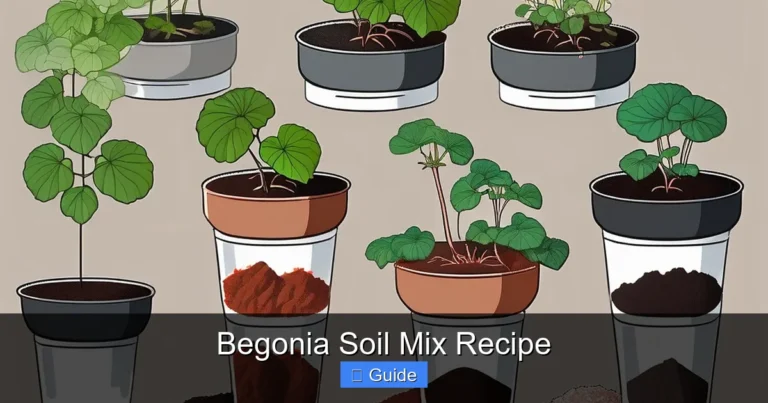
Blend 2 parts coarse pine bark fines (1/4 to 1/2 inch), 1 part perlite, 1 part coconut coir, and 1/2 part coarse sand or poultry grit. Add 1 cup horticultural charcoal per 5 gallons of mix to absorb impurities. This blend drains in seconds, resists compaction, and maintains structure for 2-3 years. The bark fines break down slowly, feeding beneficial microbes without turning to mush.
Repotting Timeline and Technique
Repot dracaenas in spring as new growth emerges. Gently remove the plant, tease circling roots, and trim any black or mushy sections. Place a coffee filter over drainage holes (keeps mix in, lets water out), add enough fresh mix to position the root ball at the same depth, then backfill. Water thoroughly until it runs clear from the bottom. Don’t fertilize for 4-6 weeks—fresh mix has nutrients.
Top-Dressing Between Repots
Each spring, scrape away the top 1-2 inches of old mix and replace with fresh blend plus a handful of worm castings. This refreshes nutrients without disturbing roots. In galvanized planters, mineral salts from fertilizer and tap water can accumulate at the soil surface. Top-dressing dilutes this buildup and keeps the root zone healthy.
Maintenance and Longevity
Seasonal Cleaning Routine
Twice a year—spring and fall—give your galvanized planters a quick inspection. Remove the plant if possible (or work around it). Scrub interior walls with a stiff brush and diluted vinegar solution (1:10) to remove mineral deposits. Rinse thoroughly. Check for coating damage, especially at the soil line where moisture and fertilizer salts concentrate.
Touching Up Scratches
Galvanized coating gets scratched. It happens. When you see bare metal, hit it with cold galvanizing compound (zinc-rich paint) available at any hardware store. Brush it on, let it cure. This stops rust before it starts. Pay special attention to the bottom edges and drainage hole rims—these take the most abuse.
Preventing White Rust
White rust—that powdery white corrosion—forms when zinc reacts with moisture in low-airflow conditions. It’s common on new galvanized surfaces that get stacked wet or stay damp. Prevent it by ensuring planters dry fully between waterings and have good air circulation all around. If white rust appears, scrub with a nylon brush and vinegar, then apply a clear acrylic sealer rated for metal.
Moving Heavy Planters Safely
A 24-inch galvanized planter full of wet soil and a mature dracaena can weigh 150+ pounds. Invest in heavy-duty plant caddies with locking casters rated for 300+ pounds. Look for 3-inch polyurethane wheels—they roll over deck boards and threshold transitions without catching. Lock the casters once positioned. Your back will thank you.
Budget vs. Value: What You’re Actually Paying For
Understanding Gauge Thickness
Galvanized planters range from 24-gauge (thin, flimsy) to 16-gauge (heavy, rigid). Thinner gauges dent easily, warp under soil pressure, and corrode through faster. For dracaena containers that hold 15+ gallons of wet soil, 18-gauge minimum is non-negotiable. 16-gauge is worth the premium for large floor planters. Check specs before buying—many retailers don’t list gauge.
Welded vs. Riveted Construction
Welded seams are stronger and more watertight than riveted or folded seams. Rivets create tiny crevices where moisture traps and corrosion starts. Welded corners also handle the outward pressure of wet soil better. If a planter description doesn’t specify construction method, assume it’s the cheaper option. Ask the seller directly.
Coating Quality Variations
Hot-dip galvanizing (immersion in molten zinc) produces a thicker, more durable coating than electro-galvanizing (zinc applied via electrical current). Hot-dip shows a visible spangle pattern—those crystalline “flowers” on the surface. Electro-galvanized looks smoother but thinner. For outdoor planters, hot-dip is the only choice that delivers multi-year value.
Where to Spend and Where to Save
Spend on: gauge thickness, welded construction, hot-dip coating, adequate size. Save on: brand names, decorative embossing, matching saucers (use pot feet instead), pre-drilled holes (drill your own in 10 minutes). A plain 16-gauge hot-dip galvanized stock tank from a farm supply store often outperforms a “designer” planter at twice the price.
Creative Applications Beyond Basic Planters
Galvanized Stock Tanks as Statement Pieces
Oval or round stock tanks (2-4 foot diameters) make stunning dracaena groupings. Plant 3-5 compatible varieties in one large tank for a mini indoor-outdoor garden. Use the false bottom method with a central drainage column—perforated PVC pipe wrapped in fabric, running vertically through the fill layer—to ensure even drainage across the wide bottom.
Vertical Galvanized Systems
Mount galvanized gutters or rectangular troughs on a fence or wall for a living dracaena screen. Dracaena marginata and dracaena ‘Janet Craig’ tolerate lower light and work well in vertical systems. Ensure each planting pocket has independent drainage. Irrigate with drip tubing on a timer. This maximizes growing space in narrow side yards or balcony walls.
Repurposed Galvanized Finds
Old watering cans, washtubs, feed scoops, and grain bins become character-filled dracaena homes with a few drainage holes. Check antique stores, farm auctions, and online marketplaces. Vintage galvanized often has heavier steel than modern imports. Just inspect carefully for rust-through at seams and bottoms before committing.
Troubleshooting Common Issues
Yellowing Lower Leaves
If your dracaena’s bottom leaves yellow and drop while the top looks fine, check drainage first. Stick a chopstick deep into the soil—if it comes up wet 2 days after watering, your drainage is insufficient. Add more holes, elevate the planter higher, or switch to a grittier mix. Galvanized planters with inadequate drainage are the #1 cause of this symptom.
Leaf Tip Burn
Brown, crispy leaf tips usually signal fluoride sensitivity or salt buildup. Dracaenas hate fluoride. Use rainwater, distilled, or filtered water. Flush the soil monthly by running water through for 2-3 minutes. In galvanized planters, salt crusts form faster on the interior walls. That vinegar scrub during seasonal cleaning removes them before they wick back into the root zone.
Stunted Growth Despite Good Care
If your dracaena just sits there, check soil temperature. In summer, stick a soil thermometer 6 inches down at 2 PM. Above 85°F? Your roots are heat-stressed. Add insulation, move to shadier spot, or double-pot. In winter, same test at 7 AM. Below 50°F? Roots have shut down. Insulate or move to protected location. Metal planters amplify both extremes.
Planter Corrosion at Soil Line
A ring of rust at the soil line means moisture and fertilizer salts are concentrating there. This is normal wear, not failure. Scrub the area, apply cold galvanizing compound, and consider a sacrificial anode—a strip of magnesium or zinc rod inserted vertically at the planter edge, connected to the wall with a stainless screw. It corrodes instead of your planter. Replace annually.
Conclusion
Finding the best value galvanized for dracaena comes down to understanding what your plant actually needs and what the container delivers. It’s not about the lowest price tag. It’s about a 16-gauge hot-dip galvanized planter with welded seams, proper drainage you can verify or create, enough depth for taproots, and a maintenance routine that catches problems early.
Start with one quality planter sized for your current dracaena. Master the drainage, soil mix, and temperature management. Watch how your plant responds. Then scale up or replicate as your collection grows. The galvanized planter that costs 30% more but lasts a decade beats the cheap one you replace every two years—every single time.
Your dracaena deserves a home that supports its architectural beauty without fighting its biology. Galvanized steel, chosen wisely and maintained simply, delivers exactly that. Now you have the knowledge to make it happen. Happy planting.
Frequently Asked Questions
Will galvanized steel leach zinc into the soil and harm my dracaena?
Zinc leaching from galvanized steel is minimal at neutral pH and not toxic to dracaenas at typical levels. The zinc coating protects the steel; significant leaching only occurs in highly acidic conditions (pH below 6.0), which dracaena soil mixes avoid.
Can I leave galvanized dracaena planters outside year-round in zone 5?
Yes, with precautions. Insulate the interior walls, elevate on pot feet, mulch heavily, and consider wrapping the exterior with burlap or bubble wrap during deep freezes. Double-potting adds extra root protection.
What’s the best way to clean mineral deposits off galvanized planter interiors?
Scrub with a 1:10 vinegar solution and stiff nylon brush during seasonal maintenance. Rinse thoroughly. For heavy buildup, soak with the solution for 15 minutes before scrubbing. Avoid wire brushes that damage the zinc coating.
Are galvanized planters safe for edible plants if I want to grow herbs with my dracaena?
Hot-dip galvanized steel is generally considered safe for food crops. Zinc is an essential nutrient. However, avoid acid-loving plants in galvanized containers, and don’t use if the coating is severely corroded or if you’re growing for organic certification.
How do I move a large galvanized planter with a mature dracaena?
Use a heavy-duty plant caddy with 3-inch polyurethane locking casters rated 300+ lbs. Position the empty planter on the caddy before filling. Lock casters once placed. For stairs or thresholds, use a furniture dolly with straps.
Can I paint a galvanized planter without it peeling?
Yes, with proper prep. Clean with TSP substitute, rinse, dry. Apply a self-etching primer for galvanized metal, then exterior acrylic latex paint. Lightly sand between coats. The paint will last 3-5 years before needing touch-up.