Best Vintage for Gasteria Care
Choosing the best vintage for gasteria care means matching the plant’s age to its water, light, and soil needs. Young plants like a little more moisture, while older specimens prefer dry periods and bright light. Follow these simple rules for healthy growth.
Welcome to the guide on the best vintage for gasteria care. This article shares easy tips for every grower. You will learn how plant age changes watering, light, and soil needs.
The best vintage for gasteria care is not a single year. It is a range of ages that match your environment. Knowing this range helps you avoid common problems.
Read on to discover simple steps for healthy, happy gasteria plants.
Key Takeaways
- Know the vintage: Plant age determines watering and light needs.
- Water wisely: Let soil dry between waterings for mature plants.
- Provide proper light: Bright indirect light for young, more sun for old.
- Use well‑draining soil: Cactus mix prevents root rot.
- Avoid common mistakes: Overwatering, low light, ignoring vintage.
- Adjust as the plant ages: Change care routine each year.
Quick Answers to Common Questions
What does vintage mean for gasteria?
Vintage refers to the age of the plant since it was propagated, and it guides how much water and light the plant needs.
How often should I water a young gasteria?
Water young gasteria when the top inch of soil feels dry, usually every 7‑10 days depending on humidity.
Can mature gasteria handle full sun?
Mature gasteria enjoy four to six hours of direct morning sun but should be protected from harsh afternoon rays.
What soil mix is best for gasteria?
A gritty cactus or succulent mix with excellent drainage works best for all vintages.
How do I know if I’m overwatering?
Signs include mushy leaves, black spots, and a foul smell from the soil; let the soil dry completely before the next watering.
📑 Table of Contents
Understanding Gasteria Basics
What Is Gasteria
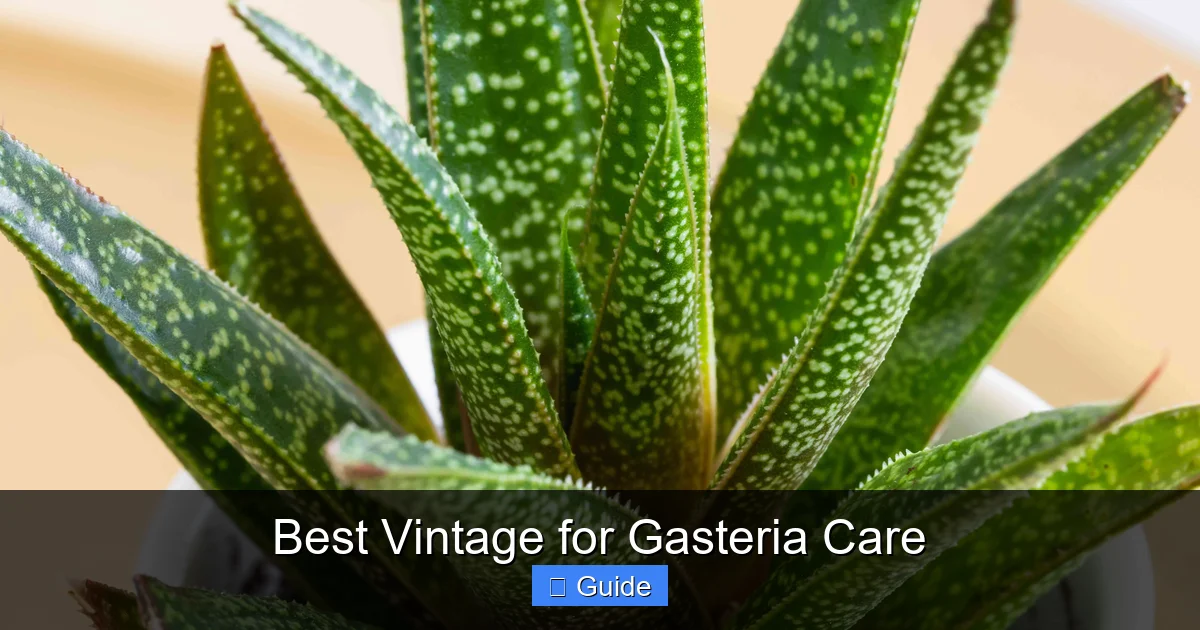
Gasteria is a small succulent genus from South Africa. It has thick, tongue‑shaped leaves that store water. The plant likes bright, indirect light but tolerates low light. The best vintage for gasteria care starts with knowing the species. This knowledge helps you choose the right pot and soil.
Each leaf grows in a rosette pattern. The leaves can be green, spotted, or striped. The best vintage for gasteria care includes recognizing leaf texture. Firm leaves indicate good health. Soft or wrinkled leaves signal a problem.
Why Vintage Matters
The term vintage refers to the age of the plant since propagation. A young plant has shallow roots and thin leaves. The best vintage for gasteria care matches care to this stage. Older plants develop thick leaves and deep roots. This changes how much water they need.
When you know the vintage, you can set a watering schedule. You can also choose the right light level. The best vintage for gasteria care prevents overwatering and sunburn. It also guides fertilizer timing. Proper vintage awareness leads to stronger growth.
What Vintage Means for Gasteria
Defining Vintage
Vintage is simply the number of years since the plant was started. A seedling is a first‑year vintage. A two‑year plant is a second‑year vintage. The best vintage for gasteria care often falls between two and five years. Older plants can be ten years or more.
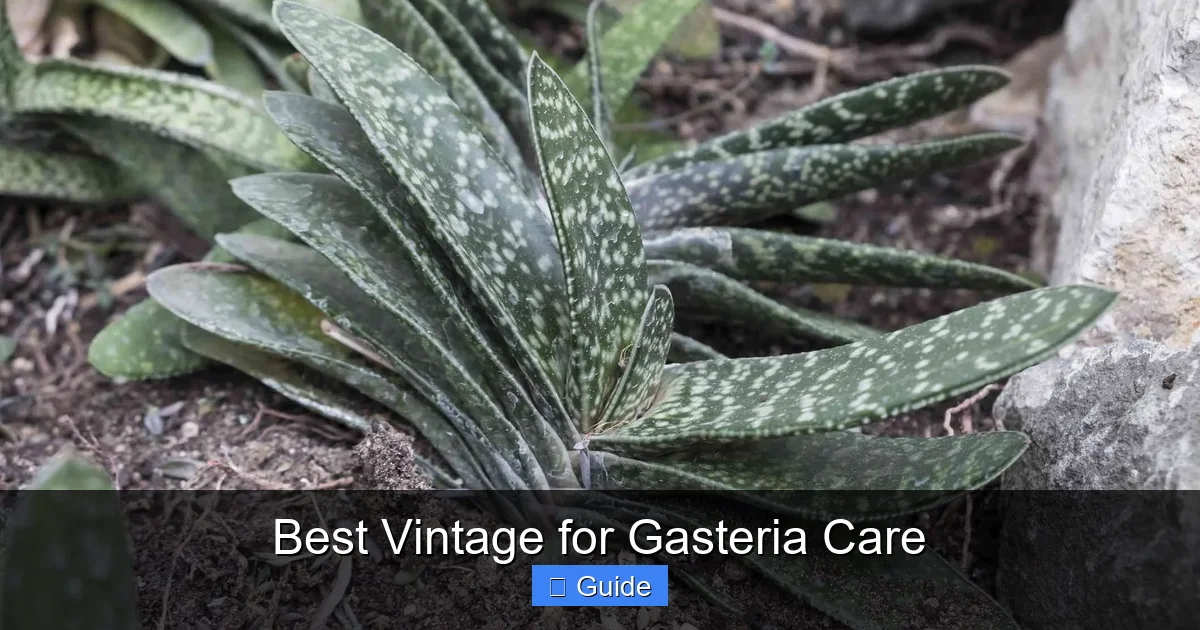
Visual guide about Best Vintage for Gasteria Care
Image source: thespruce.com
Each vintage shows different leaf thickness and root mass. Young vintage plants have thin leaves and small roots. Mature vintage plants have plump leaves and a robust root system. The best vintage for gasteria care uses these signs to guide care. Observing the plant tells you its vintage.
How Age Affects Care
Young vintage plants need more frequent watering because their roots are shallow. The best vintage for gasteria care suggests watering when the top inch of soil feels dry. Mature vintage plants store water in thick leaves. They prefer a dry period between waterings. Light needs also shift with age.
Older vintage plants enjoy more direct morning sun. The best vintage for gasteria care recommends four to six hours of bright light for mature specimens. Too much harsh afternoon sun can scorch young leaves. Adjust light gradually as the plant ages. This prevents stress and promotes compact growth.
Selecting the Best Vintage for Gasteria Care
Age Ranges
Most hobbyists find success with a vintage between two and five years. This range offers a balance of resilience and growth speed. Plants younger than two years can be fragile. Plants older than five years may grow slowly. The best vintage for gasteria care falls in this sweet spot.
If you buy a plant, ask the seller for its age. A reputable nursery will provide the vintage. The best vintage for gasteria care starts with a healthy, well‑established plant. Avoid plants with mushy leaves or black spots. Choose a specimen that matches your experience level.
Signs of a Good Vintage
Look for firm, plump leaves without wrinkles. Roots should be white and healthy when you inspect the pot. A good vintage shows no signs of rot or pest damage. The best vintage for gasteria care will have a compact rosette and even color. New growth at the center indicates vigor.
Check the soil for good drainage. The best vintage for gasteria care thrives in a gritty cactus mix. Avoid heavy peat‑based soils that retain water. A well‑draining pot with a drainage hole is essential. These signs confirm you have a strong vintage.
Practical Care Tips for Each Vintage
Young Plants
Water young vintage plants when the top inch of soil feels dry. Use a well‑draining cactus mix. Place them in bright, indirect light. Fertilize lightly once a month during spring and summer. The best vintage for gasteria care for seedlings includes gentle handling.
Repot young plants only when roots fill the pot. Choose a slightly larger container. The best vintage for gasteria care avoids disturbing the delicate root system. Keep humidity moderate. Avoid letting water sit in the saucer.
Mature Plants
Mature vintage plants prefer a dry period between waterings. Allow the soil to dry completely before adding water. Give them four to six hours of direct morning sun. Feed with a diluted succulent fertilizer every six weeks. The best vintage for gasteria care in this stage rewards patience.
Prune any dead or dried leaves to keep the plant tidy. The best vintage for gasteria care encourages airflow around the rosette. Rotate the pot monthly for even light exposure. This prevents leaning and promotes symmetrical growth.
Old Specimens
Old vintage specimens need very little water. Water only when leaves start to wrinkle. Keep them in a bright spot with some afternoon shade. Repot only when the pot is crowded. The best vintage for gasteria care for seniors focuses on stability.
Apply a thin layer of gravel on the soil surface to reduce evaporation. The best vintage for gasteria care for old plants avoids frequent disturbance. Monitor for pests like mealybugs. Treat promptly with neem oil if needed.
Common Mistakes and How to Avoid Them
Overwatering
Overwatering is the top killer of gasteria. Wet soil leads to root rot. Always check soil moisture before adding water. The best vintage for gasteria care reminds you to let the soil dry.
Use a moisture meter or your finger to test the soil. The best vintage for gasteria care suggests watering only when the top two inches are dry. Empty the saucer after watering. This simple habit saves many plants.
Wrong Light
Too little light causes stretched, weak leaves. Too much harsh sun can scorch young vintage plants. Adjust light based on plant age. The best vintage for gasteria care matches light to vintage.
Place young plants near a bright window with a sheer curtain. The best vintage for gasteria care for mature plants allows more direct sun. Rotate the pot weekly for even exposure. Proper light keeps leaves compact and colorful.
Ignoring Vintage
Treating all plants the same ignores their age needs. A one‑size‑fits‑all schedule leads to problems. Know your plant’s vintage and tailor care. The best vintage for gasteria care is a guide, not a rule.
Keep a simple log of watering dates and light changes. The best vintage for gasteria care benefits from observation. Adjust the routine as the plant moves to a new vintage. This habit builds confidence and healthier plants.
Conclusion
Choosing the best vintage for gasteria care makes growing these succulents simple. Match water, light, and soil to the plant’s age. Observe your plant and adjust as it ages. With a little attention, your gasteria will thrive for years.
Remember the key points: know the vintage, water wisely, give proper light, and avoid common mistakes. Happy growing!
Frequently Asked Questions
What is the best vintage for gasteria care?
The best vintage for gasteria care typically falls between two and five years old, offering a balance of resilience and growth speed.
How does plant age affect watering frequency?
Young plants need more frequent watering because their roots are shallow, while mature and old plants prefer longer dry periods between waterings.
Can I use regular potting soil for gasteria?
Regular potting soil retains too much moisture; a well‑draining cactus mix is recommended for all vintages.
What light conditions suit each vintage?
Young plants thrive in bright indirect light, mature plants enjoy several hours of direct morning sun, and old specimens do well with bright light plus some afternoon shade.
How often should I fertilize gasteria?
Fertilize lightly once a month during the growing season for young plants, every six weeks for mature plants, and rarely or not at all for old specimens.
What are the signs of a healthy vintage gasteria?
Firm, plump leaves without wrinkles, white healthy roots, a compact rosette, and steady new growth at the center indicate a healthy vintage.