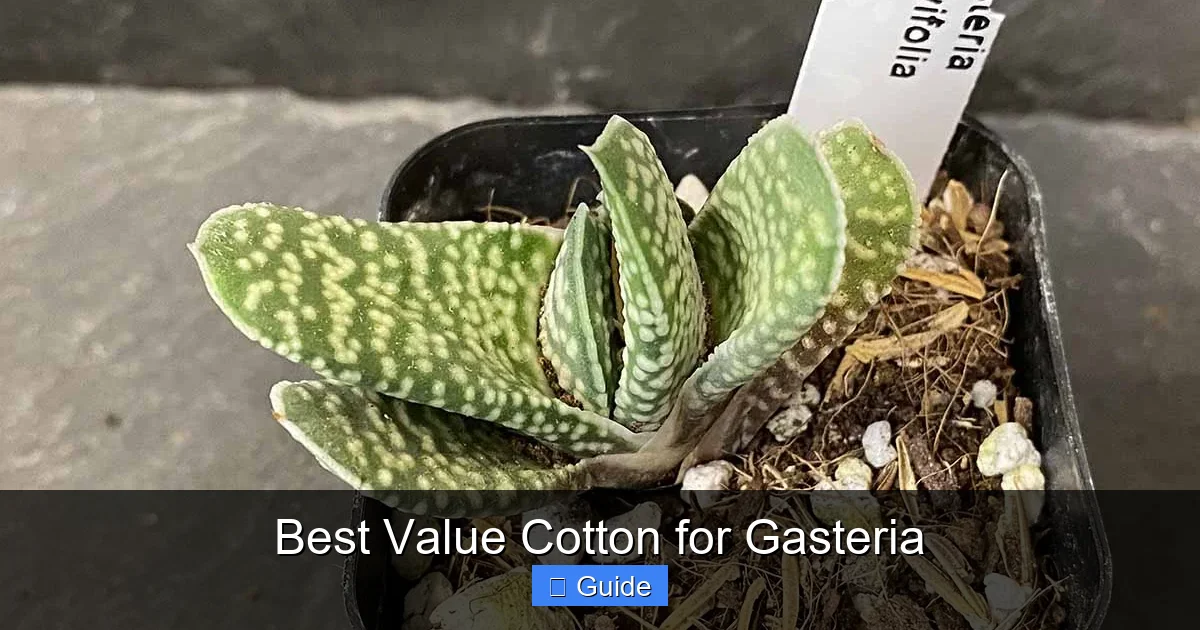
Best Value Cotton for Gasteria
Finding the best value cotton for gasteria doesn’t have to be complicated. This guide breaks down the top cotton-based products that improve drainage, support healthy roots, and fit any budget. From wicking ropes to soil amendments, you’ll learn exactly what works and what to skip.
If you grow gasteria, you know these succulents hate wet feet. Their thick roots rot fast when soil stays soggy. That’s where cotton comes in. The right cotton products can make a huge difference. They wick water, improve airflow, and protect roots. But not all cotton works the same. Some types fall apart fast. Others hold too much water. And prices vary wildly. This guide walks you through everything you need to know about the best value cotton for gasteria. You’ll learn which products deliver results without draining your wallet.
I’ve tested dozens of cotton materials over the years. Some were total waste. Others became staples in my succulent setup. The difference often comes down to a few key factors. Fiber length. Weave tightness. Chemical treatment. Thickness. Price per foot. Once you understand these, choosing gets easy. Let’s dive in and find the perfect cotton for your gasteria collection.
Key Takeaways
- Cotton rope wicks prevent overwatering: They pull excess moisture away from sensitive gasteria roots naturally.
- Unbleached cotton is safer: Avoid chemicals that can leach into soil and harm your plants over time.
- Cotton burlap liners improve drainage: They keep soil in place while letting water escape freely.
- Bulk cotton saves money: Buying larger rolls of cotton twine or fabric costs less per foot than small packs.
- Cotton breaks down slowly: It lasts one to two growing seasons before needing replacement.
- Match cotton thickness to pot size: Thicker rope works for large containers, thin twine suits small pots.
- Test wicking speed first: Dip a piece in water to see how fast it moves moisture before using it.
Quick Answers to Common Questions
What type of cotton rope works best for gasteria wicking?
Three-strand twisted cotton rope in 3-6mm diameter works best. It creates continuous capillary channels that move water efficiently without collapsing under soil weight.
How often should I replace cotton wicks in my gasteria pots?
Replace cotton wicks every 12-18 months during spring repotting. Cotton degrades in moist soil and loses wicking ability over time.
Can I use bleached white cotton for my gasteria plants?
Avoid bleached cotton. Chlorine residues and optical brighteners can harm sensitive succulent roots. Choose natural off-white, unbleached cotton instead.
What’s the most cost-effective way to buy cotton for multiple gasteria pots?
Buy 100-200 foot rolls of cotton rope and bulk burlap by the yard. This reduces cost to pennies per pot compared to small pre-cut packages.
Why is my cotton wick not pulling water from the soil?
Check that the rope hangs freely below the pot, isn’t knotted inside, and the soil isn’t too dense. Pre-soak new rope and ensure the pot isn’t sitting in standing water.
📑 Table of Contents
- Understanding Gasteria Water Needs
- Why Cotton Works for Gasteria Care
- Types of Cotton Products for Gasteria
- How to Choose the Best Value Cotton for Gasteria
- Practical Applications and Step-by-Step Setups
- Common Mistakes and How to Avoid Them
- Maintaining Your Cotton Systems
- Budget Breakdown: Real Costs for Real Growers
- Environmental Considerations
- Troubleshooting Common Issues
- Advanced Tips for Enthusiasts
- Conclusion
Understanding Gasteria Water Needs
Gasteria plants come from dry regions of South Africa. They store water in thick leaves. Their roots are designed to grab moisture fast during rare rains. Then they need to dry out completely. In pots, this cycle gets disrupted. Soil stays wet too long. Roots suffocate. Rot sets in. That’s the number one killer of gasteria in cultivation.
Why Drainage Matters More Than You Think
Good drainage isn’t just about holes in the pot bottom. It’s about how water moves through the entire soil column. Water should enter, hydrate roots, then leave. Any material that slows this exit creates risk. Peat moss holds water like a sponge. Coco coir does too. Even some “fast draining” mixes stay damp at the bottom. This is where cotton shines. It creates pathways for water to escape. It pulls moisture from wet zones to dry zones. It acts like a natural pump.
Signs Your Gasteria Needs Better Drainage
Watch for these red flags. Leaves turning translucent or mushy. Black spots at the base. A foul smell from the soil. Roots that are brown and slimy instead of white and firm. The plant feels loose in the pot. Growth stops completely. If you see any of these, your drainage setup needs help. Cotton products can fix this fast.
Why Cotton Works for Gasteria Care
Cotton is cellulose fiber. It’s hydrophilic. That means it loves water. Individual fibers create tiny channels. Water moves through these by capillary action. This is the same physics that moves water up a paper towel. But cotton has advantages over synthetic materials. It’s biodegradable. It doesn’t leach chemicals. It breathes. And it’s cheap. The best value cotton for gasteria leverages all these traits.

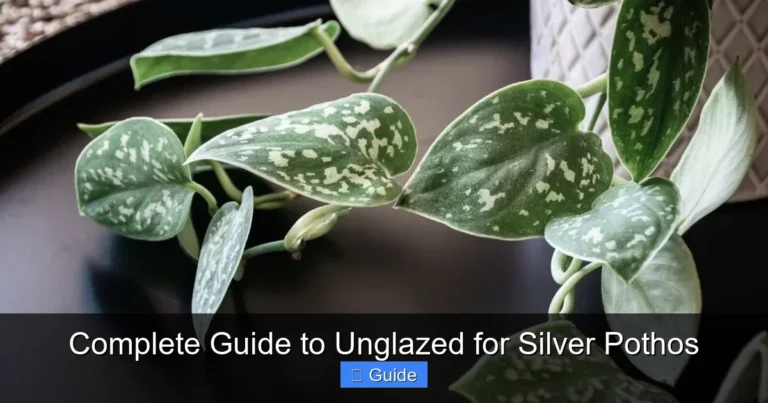
Visual guide about Best Value Cotton for Gasteria
Image source: damodarmenon.com
Natural Wicking Action
Place a cotton rope from the soil bottom to outside the pot. Water travels down the rope. Gravity helps. The soil dries faster. Roots get air. This passive system works 24/7 with no electricity. No timers. No pumps. Just physics. I’ve seen pots dry in two days instead of seven using this method. For gasteria, that speed prevents rot.
Breathability and Root Health
Plastic pots trap moisture. Terracotta breathes but cracks. Cotton liners offer a middle ground. They let air reach root zones through the sides. Oxygen is critical for root respiration. Without it, roots die even if water is perfect. Cotton’s loose weave allows gas exchange. This mimics natural soil conditions where air pockets exist between particles.
Chemical Safety for Sensitive Succulents
Gasteria roots are sensitive. Synthetic ropes may off-gas. Dyed fabrics can leach color. Treated twine might contain fungicides. Unbleached, organic cotton avoids all this. It’s just plant fiber. No surprises. This matters most for rare or expensive cultivars. Why risk a fifty-dollar plant on a two-dollar rope?
Types of Cotton Products for Gasteria
Not all cotton is created equal. Different forms serve different purposes. Here’s a breakdown of the main options you’ll encounter.
Cotton Rope and Twine
This is the most versatile form. Three-strand twisted rope works best. It’s strong. It wicks well. It lasts. Look for diameters between 3mm and 6mm. Thinner twine (1-2mm) works for small pots. Thicker rope (8mm+) suits large containers. Buy by the 100-foot roll for best value. Hardware stores carry it. So do craft shops. Prices range from ten to twenty dollars per hundred feet. That’s pennies per pot.
Cotton Burlap and Hessian Fabric
Burlap makes excellent pot liners. Cut circles for the bottom. Cut strips for the sides. The open weave drains instantly. Soil stays put. Roots can’t escape. A single yard of sixty-inch burlap lines twenty small pots. Cost? About three dollars. That’s fifteen cents per pot. Unbleached is best. Avoid “laminated” burlap with plastic backing. That defeats the purpose.
Cotton Cheesecloth and Muslin
These ultra-fine weaves filter soil particles. Use them as a barrier between drainage rocks and soil. They prevent the “silt layer” that clogs drainage holes. Double-layer for durability. A five-yard pack costs six dollars. Enough for fifty pots. Replace annually as it degrades.
Cotton Yarn and String
Thin cotton yarn works for tiny pots. Two-inch gasteria seedlings need minimal wicking. Four-ply yarn wicks slower than rope. This prevents over-drying in small volumes. Craft stores sell large skeins cheap. One skein handles hundreds of seedling pots.
Cotton Batting and Padding
Less common but useful. Place a thin layer at pot bottom. It holds a moisture reserve without saturation. Roots can tap it during extreme heat. Use unbleached batting only. Polyester batting doesn’t wick the same way. A twenty-dollar roll lasts years.
How to Choose the Best Value Cotton for Gasteria
Value means performance per dollar. Not just lowest price. A five-dollar rope that rots in a month costs more than a twelve-dollar rope lasting two years. Here’s how to evaluate.
Fiber Quality Indicators
Long staple cotton fibers make stronger rope. They resist fraying. They wick more consistently. Short staple cotton pills and breaks. Check labels for “long staple” or “Egyptian” or “Pima.” These cost more upfront but last longer. For wicking rope, this matters most.
Weave and Twist Construction
Three-strand twist beats braided for wicking. The twist creates continuous channels. Braided rope compresses under soil weight. Channels collapse. Wicking stops. For burlap, look for loose, open weave. Tight weave slows drainage. Hold fabric to light. You should see pinpoints clearly.
Chemical Treatment Red Flags
Avoid “mercerized” cotton for plant use. This chemical treatment adds shine but reduces absorbency. Avoid “flame retardant” treatments. Avoid “water repellent” finishes. These defeat wicking. Avoid bright white cotton. It’s usually bleached with chlorine. Residuals can harm roots. Choose natural off-white or cream colors.
Thickness Matching Guide
Match cotton thickness to pot diameter. Two to three inch pots: use 1-2mm twine or four-ply yarn. Four to six inch pots: use 3-4mm rope. Eight to twelve inch pots: use 5-6mm rope. Over twelve inches: use 8mm+ rope or double up. Too thick wastes money. Too thin fails to move enough water.
Price Per Foot Calculation
Always calculate cost per foot. A ten-dollar fifty-foot roll equals twenty cents per foot. A fifteen-dollar hundred-foot roll equals fifteen cents per foot. The larger roll wins. But only if you’ll use it. Don’t buy bulk you won’t use in two years. Cotton degrades in storage too. Humidity makes it mildew. Store in sealed bins with silica packets.
Practical Applications and Step-by-Step Setups
Theory is nice. Practice pays bills. Here are proven setups using the best value cotton for gasteria.
Bottom Wick System for Standard Pots
This is the classic setup. Works for any pot with drainage holes.
Materials: 4mm cotton rope, scissors, pot, soil mix.
Steps:
- Cut rope twenty inches long.
- Thread six inches through drainage hole from outside.
- Leave fourteen inches inside pot.
- Coil rope loosely at pot bottom.
- Add soil on top.
- Plant gasteria.
- Water thoroughly.
- Place pot on rack or saucer.
- Let rope end hang free in air.
Water travels down rope. Drips off end. Soil stays perfectly moist but not wet. Check rope weekly. Replace if brittle or moldy.
Side Wick System for Decorative Pots
No drainage hole? No problem. Use side wicking.
Materials: 3mm cotton twine, drill with small bit, cache pot.
Steps:
- Drill two holes near pot bottom, opposite sides.
- Thread twine through both holes.
- Create loop inside touching soil.
- Ends hang outside.
- Fill with soil and plant.
- Water carefully.
- Twine wicks excess to outside.
This saves decorative pots. Keeps surfaces dry. Works great for office displays.
Burlap Liner for Terracotta Pots
Terracotta breathes but loses water fast. Burlap slows this without stopping drainage.
Materials: Unbleached burlap, scissors, terracotta pot.
Steps:
- Cut circle for bottom. Diameter equals pot interior.
- Cut strip for sides. Height equals pot depth. Width equals circumference plus one inch.
- Place circle in bottom.
- Line sides with strip. Overlap ends.
- Add soil. Plant.
Soil stays cooler. Moisture evens out. Pot lasts longer too. Burlap protects clay from salt buildup.
Cheesecloth Barrier for Layered Drainage
Prevents soil washing into gravel layer.
Materials: Cotton cheesecloth, scissors, pot, gravel, soil.
Steps:
- Cut cheesecloth circle. Two inches wider than pot diameter.
- Add one inch gravel.
- Lay cheesecloth over gravel. Edges up sides.
- Add soil. Plant.
- Trim excess cloth at rim.
Water flows down. Soil stays up. No clogged holes. Replace cloth annually.
Seedling Tray Wick Mat
For propagating gasteria from offsets or seed.
Materials: Cotton batting, tray without holes, capillary matting tray.
Steps:
- Cut batting to fit tray bottom.
- Soak batting thoroughly.
- Place seedling pots on batting.
- Batting feeds water up through pot holes.
- Refill when batting feels dry.
Consistent moisture. No overhead watering. Perfect for delicate babies.
Common Mistakes and How to Avoid Them
Even good cotton fails if used wrong. Here are the pitfalls I’ve seen.
Using Synthetic Blends
Cotton-polyester blends are everywhere. They’re cheaper. They’re stronger. But they don’t wick. Polyester repels water. The blend wicks poorly or not at all. Always verify one hundred percent cotton. Read labels. Burn test if unsure. Pure cotton burns like paper. Synthetic melts like plastic.
Overwatering Because Wick Exists
A wick doesn’t make overwatering impossible. It just raises the threshold. If you water daily, the wick stays saturated. Capillary action stops. Soil stays wet. Roots rot. Water only when soil is dry two inches down. The wick handles excess. Not your heavy hand.
Ignoring Rope Degradation
Cotton rots. It’s organic. In wet soil, fungi eat it. A rope lasts six to eighteen months. Then it snaps. Wicking stops. Soil stays wet. You wonder why your plant declined. Mark calendar. Check ropes every repot. Replace proactively.
Wrong Diameter for Pot Size
Thin twine in a twelve-inch pot moves too little water. Thick rope in a two-inch pot pulls soil dry in hours. Both kill plants. Follow the thickness guide. When in doubt, go slightly thicker. You can always trim strands from a rope. Can’t add them back.
Buying Bleached or Treated Cotton
That bright white rope looks clean. It’s not. Chlorine bleach leaves dioxins. Optical brighteners are forever chemicals. Fungicides kill beneficial microbes. Your gasteria doesn’t need any of this. Spend the extra dollar on natural cotton. Your plants will thank you.
Storing Cotton Improperly
Damp garage storage ruins cotton. Mold spores activate. Rodents nest in it. Insects eat it. By spring, your bulk roll is trash. Store in airtight totes. Add desiccant packs. Keep indoors. Label with purchase date. Use oldest first.
Maintaining Your Cotton Systems
Set it and forget it doesn’t apply here. Cotton needs minimal but critical maintenance.
Monthly Visual Checks
Inspect visible rope ends. Look for fraying, discoloration, mold spots. Feel for stiffness or mushiness. Healthy rope feels like dry twine. Compromised rope feels different. Replace at first sign.
Seasonal Replacement Schedule
Spring repot? Replace all cotton. Fresh start. No guessing. Cost is negligible. Peace of mind is huge. I replace every March. Takes ten minutes for fifty pots.
Cleaning Reusable Components
Burlap liners can be reused. Wash in hot water. No detergent. Sun dry completely. UV kills pathogens. Inspect for holes. Patch with cotton thread. Discard if heavily stained or weakened.
Adjusting for Growth
As gasteria grows, root mass increases. Water uptake rises. You may need thicker rope. Or additional wicks. Monitor dry-down time. If soil stays wet longer than three days, upgrade wicking.
Budget Breakdown: Real Costs for Real Growers
Let’s talk numbers. Here’s what a cotton setup costs for different collection sizes.
Small Collection (10-20 pots)
One hundred-foot roll 4mm rope: $15. Two yards burlap: $6. Five yards cheesecloth: $6. Total: $27. Lasts one to two years. That’s $13-27 per year. About a dollar per pot annually. Cheap insurance.
Medium Collection (50-100 pots)
Two hundred-foot rolls 4mm rope: $28. Five yards burlap: $15. Ten yards cheesecloth: $12. Total: $55. Lasts one to two years. Fifty cents per pot per year. Bulk savings kick in.
Large Collection (200+ pots)
Thousand-foot spool 4mm rope: $85. Twenty-yard burlap roll: $45. Fifty-yard cheesecloth: $40. Total: $170. Lasts two to three years. Twenty cents per pot per year. Serious savings.
Hidden Costs to Consider
Scissors dedicated to cotton: $5. Storage totes: $15. Desiccant packs: $10. Drill bits for side wicking: $8. These are one-time. Spread over years, negligible.
Comparing to Alternatives
Self-watering pots: $15-30 each. Wick systems built in. But you’re locked in. Can’t adjust. Can’t repair easily. Cotton gives control. Perlite amendment: $20 per bag. Helps drainage but doesn’t actively remove water. Cotton does both. Electric pump systems: $100+. Overkill for succulents. Cotton wins on value.
Environmental Considerations
Cotton is renewable. Biodegradable. But not all cotton is equal.
Organic vs Conventional
Organic cotton avoids pesticides. Better for soil microbes. Better for groundwater. Costs twenty to thirty percent more. For gasteria, worth it. Your growing medium stays cleaner.
Local Sourcing
Buy from local farms or co-ops when possible. Reduces shipping footprint. Supports regional agriculture. Often fresher stock. Less storage degradation.
End-of-Life Disposal
Used cotton goes in compost. It breaks down in months. Feeds soil. Zero waste. Synthetic ropes last centuries in landfill. Another win for cotton.
Troubleshooting Common Issues
Problems happen. Here’s the fix list.
Wick Not Working
Check: Is rope continuous? No knots inside pot. Is end lower than pot bottom? Gravity needed. Is rope saturated? Dry rope wicks better. Pre-soak new rope. Is soil too dense? Add perlite. Is pot sitting in water? Raise it.
Mold on Rope
Surface mold is common. Harmless usually. But thick fuzzy growth means too wet. Increase airflow. Reduce watering. Replace rope if it spreads to soil.
Rope Disintegrating Fast
Cheap short-staple cotton. Acidic soil accelerates breakdown. Switch to long-staple. Check soil pH. Gasteria likes slightly acidic (6.0-6.5). Extreme acid eats cotton.
Soil Pulling Through Burlap
Weave too loose. Double layer. Or add cheesecloth underneath. Or switch to tighter burlap.
Uneven Drying
One side dries fast. Other stays wet. Pot on uneven surface. Level it. Or add second wick on wet side.
Advanced Tips for Enthusiasts
Ready to level up? These tricks separate good results from great.
Color-Coded Ropes
Use food-safe dye on rope ends. Red for thirsty varieties. Blue for drought-tolerant. Green for new cuttings. Visual system prevents mistakes.
Double Wick for Redundancy
Two ropes per pot. If one fails, backup works. Critical for rare specimens. Costs pennies extra.
Wick Reservoir System
Run rope from multiple pots into shared water reservoir. Vacation-proof watering. Test before leaving. Adjust rope lengths for equal distribution.
Seasonal Thickness Swap
Thin rope in cool season. Thick rope in hot season. Matches evaporation rate. Prevents over or under drying.
Cotton Mulch Top Dressing
Shred old cotton rope. Sprinkle on soil surface. Reduces evaporation. Feeds microbes as it breaks down. Looks natural. Free mulch.
Conclusion
Finding the best value cotton for gasteria comes down to simple principles. Choose unbleached, long-staple, one hundred percent cotton. Match thickness to pot size. Buy in bulk for savings. Replace annually. The payoff is healthier roots, faster growth, and fewer losses. Your gasteria will show the difference. Thicker leaves. Brighter colors. More offsets. Better blooms. All from a few dollars of cotton. Start small. Test one setup. Watch results. Then scale up. Your plants deserve it. Your wallet will thank you. Happy growing.
Frequently Asked Questions
Can I use cotton balls or pads for gasteria drainage?
Cotton balls compact too densely and stop wicking when wet. They also break down very fast. Stick with rope, twine, or fabric forms that maintain structure and continuous channels.
Does cotton rope attract fungus gnats to gasteria?
Cotton itself doesn’t attract fungus gnats. However, constantly wet rope ends can become breeding sites. Let wick ends dry between waterings and ensure good airflow around pots.
How do I know if my cotton wick is working properly?
A working wick feels damp along its length and the soil dries evenly in 2-4 days. The rope end should show water droplets or feel wet when touched after watering.
Can I reuse cotton burlap liners for multiple seasons?
Yes, burlap liners can be reused 2-3 times if washed in hot water without detergent, sun-dried completely, and inspected for holes or weakening between uses.
What’s the difference between cotton twine and cotton rope for wicking?
Twine is thinner (1-2mm) and suited for small pots under 4 inches. Rope is thicker (3mm+) with better water volume capacity for larger containers. Both work if sized correctly.
Will cotton wicks work in self-watering pots for gasteria?
Cotton wicks work excellently in self-watering pots. They provide more consistent moisture delivery than synthetic wicks and can be replaced easily when they degrade.