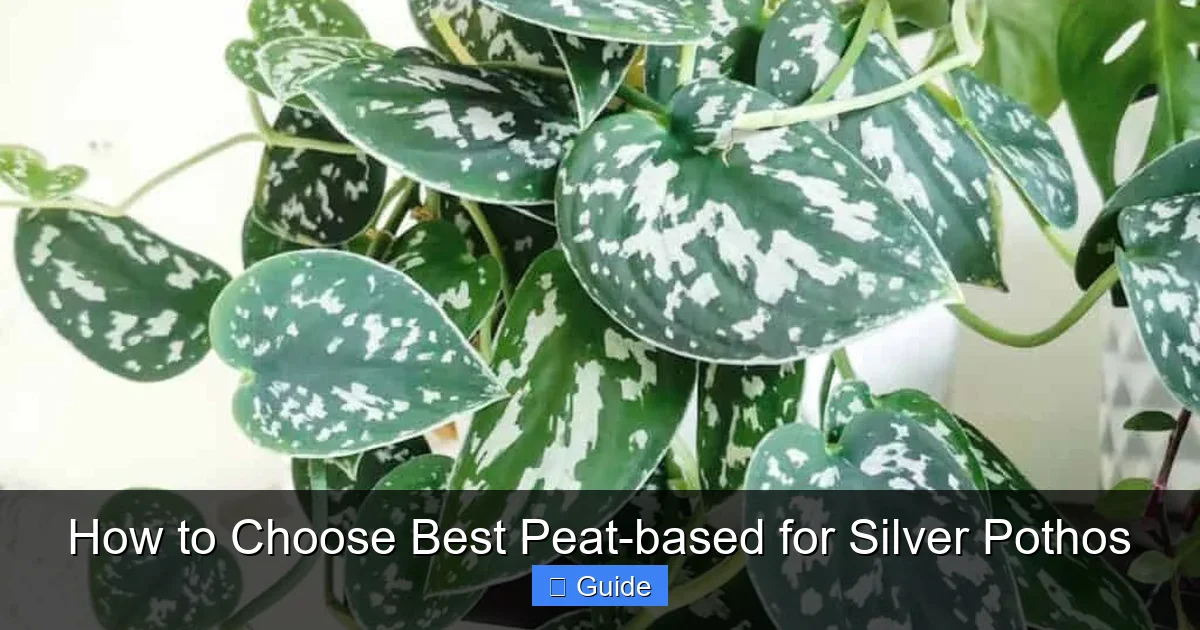
How to Choose Best Peat-based for Silver Pothos
Choosing the right peat-based mix for your silver pothos ensures proper moisture retention, aeration, and nutrient availability. Look for a blend with quality sphagnum peat, perlite, and a touch of compost. Adjust pH and drainage to match the plant’s preference for slightly acidic, well‑draining soil.
Key Takeaways
- Peat quality matters: Use high‑grade sphagnum peat for consistent moisture hold.
- Add perlite or pumice: These create air pockets that prevent root rot.
- Include a slow‑release fertilizer: Feeds the plant over weeks without burning roots.
- Check pH level: Aim for 5.5 to 6.5 for optimal nutrient uptake.
- Test drainage before planting: Water should flow through in 10–15 seconds.
- Re‑mix annually: Refresh the blend to keep structure and nutrients fresh.
Quick Answers to Common Questions
What is the best peat-based mix ratio for silver pothos?
A 2:1:1 ratio of sphagnum peat, perlite, and compost works well for most growers.
How often should I repot silver pothos in a peat-based mix?
Repot every 12 to 18 months or when roots circle the pot.
Can I use coconut coir instead of peat in a peat-based mix?
Coconut coir can replace peat but it holds water differently; adjust perlite accordingly.
Why does my silver pothos get yellow leaves in a peat-based mix?
Yellow leaves often mean overwatering or poor drainage; check the mix texture and watering schedule.
Is a commercial peat-based mix better than a DIY blend?
Both can work; commercial blends save time while DIY lets you control ingredient quality.
📑 Table of Contents
Understanding Silver Pothos Needs
Light and Temperature Preferences
Silver pothos loves bright indirect light. It tolerates low light but grows slower. Keep the room between 65 and 80 degrees Fahrenheit. Avoid cold drafts near windows. A stable climate helps the plant use a peat-based mix efficiently.
Place the pot near a north or east window. Rotate the plant weekly for even growth. Consistent light makes the leaves show their silver sheen. A peat-based mix supports steady moisture under these conditions.
If light is too low, the vines stretch and lose color. Supplement with a grow light if needed. The right light plus a good peat-based mix equals strong, compact growth.
Watering Habits
Water silver pothos when the top inch of soil feels dry. Do not let the pot sit in standing water. A peat-based mix holds moisture but also drains well. This balance prevents root rot.
Use room temperature water. Pour until it runs out the drainage holes. Empty the saucer after ten minutes. Consistent watering keeps the peat-based mix evenly moist.
Overwatering is the most common mistake. Yellow leaves often mean the mix stays soggy. Check the peat-based mix with your finger before each watering.
Root Structure and Growth
Silver pothos roots are thin and fibrous. They spread quickly in a loose medium. A peat-based mix with added perlite gives roots room to expand. Healthy roots mean faster leaf production.
When repotting, gently tease the root ball. Do not break the delicate roots. Place the plant in fresh peat-based mix at the same depth. Firm the mix lightly around the base.
Root bound plants show slow growth and pale leaves. Refresh the peat-based mix every twelve to eighteen months. This gives new space for root expansion.
Humidity Requirements
Silver pothos enjoys moderate humidity around 50 percent. Dry air can cause leaf tip browning. A peat-based mix retains some moisture around the roots. Group plants together to raise local humidity.
Mist the leaves occasionally or use a pebble tray. Do not mist the soil surface; the peat-based mix already holds water. Proper humidity plus a good mix keeps foliage glossy.
Growth Rate Expectations
In ideal conditions silver pothos can grow several inches a month. A quality peat-based mix fuels this rapid growth. Fertilize lightly during the growing season. Expect vigorous vines with regular care.
Growth slows in winter. Reduce watering and stop fertilizing. The peat-based mix will stay moist longer in cooler temps. Resume normal care in spring.
Why Peat-Based Mixes Matter
Moisture Retention
Peat-based mixes excel at holding water. Sphagnum peat can absorb many times its weight. This means silver pothos gets a steady supply of moisture. You water less often. The plant stays hydrated between waterings.
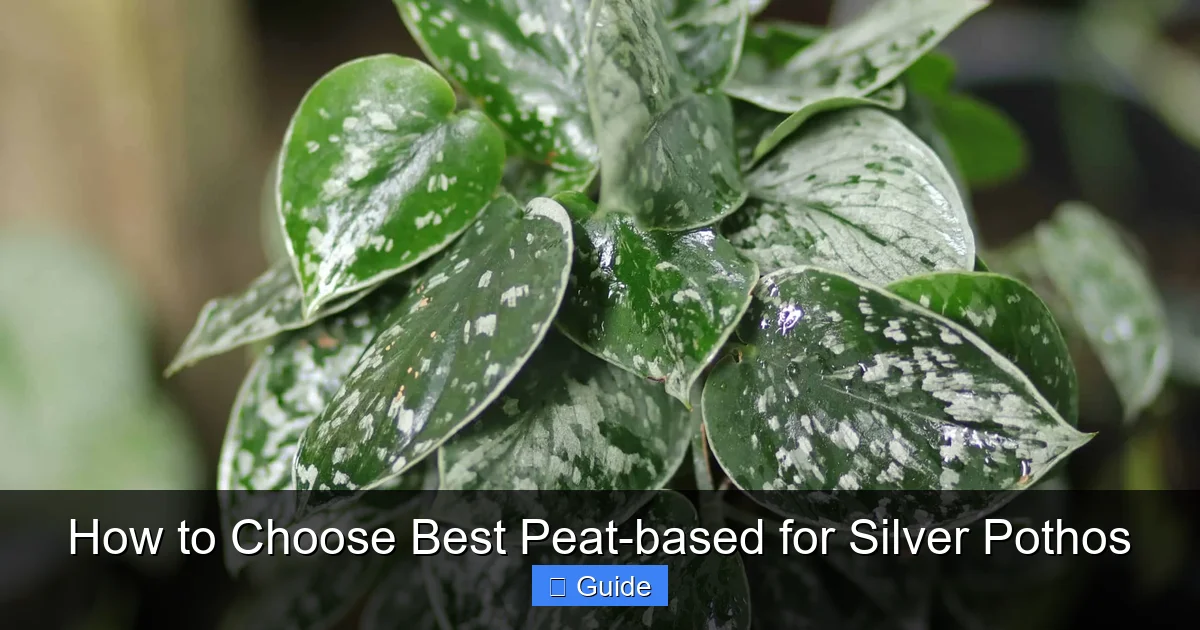
Visual guide about How to Choose Best Peat-based for Silver Pothos
Image source: a-z-animals.com
The peat-based mix acts like a sponge. It releases water slowly as the roots need it. This reduces the risk of sudden dry spells. Consistent moisture supports even leaf development.
If the mix dries too fast, add more sphagnum peat. If it stays soggy, increase perlite. Adjusting the peat-based mix keeps moisture in the sweet spot.
Aeration and Drainage
Pure peat can become compacted over time. Adding perlite or pumice creates air channels. Good aeration lets oxygen reach the roots. Oxygen is essential for nutrient uptake. A well‑aerated peat-based mix reduces the risk of fungal diseases.
Air pockets also help excess water escape quickly. This prevents the dreaded “wet feet” condition. Silver pothos roots stay healthy in a light, airy peat-based mix.
Test aeration by squeezing a handful of mix. It should crumble, not form a hard ball. If it clumps, mix in more perlite. A fluffy peat-based mix is ideal.
Nutrient Holding Capacity
Peat has a high cation exchange capacity. It holds onto nutrients until the plant needs them. When you add a slow‑release fertilizer to a peat-based mix, the nutrients stay available longer. Silver pothos benefits from a steady nutrient stream.
Organic amendments like worm castings boost this effect. They release nutrients slowly as they break down. A nutrient‑rich peat-based mix supports vibrant silver variegation.
Avoid high‑salt fertilizers. They can build up in the peat-based mix and burn roots. Flush the pot with clear water every few months to prevent salt accumulation.
pH Buffering Ability
Sphagnum peat naturally buffers pH around 5.5 to 6.5. This range is perfect for silver pothos. A stable pH ensures the plant can absorb iron, magnesium, and calcium. The peat-based mix keeps pH steady longer than plain soil.
If you notice chlorosis, test the mix pH. Adjust with a pinch of garden lime if too acidic. Add a bit more peat if too alkaline. Regular checks keep the peat-based mix in the optimal window.
Longevity of Peat-Based Mix
A quality peat-based mix lasts about twelve months before breaking down. Over time peat particles shrink and lose structure. Refresh the mix annually to maintain aeration and moisture balance. Silver pothos will reward you with fresh growth.
When refreshing, discard the old mix or compost it. Replace with a new batch of peat-based mix using the same recipe. This simple step prevents compaction and nutrient depletion.
Key Ingredients to Look For
Sphagnum Peat Moss
Choose a high‑grade sphagnum peat. It should be light brown and free of large sticks. Good peat feels spongy and springy. It provides the base moisture reservoir for a peat-based mix.
Avoid peat that looks dusty or gray. That indicates old, degraded material. Fresh peat holds water better and supports healthy silver pothos roots.
Buy peat in sealed bags to keep it moist. Store in a cool, dry place until use. Proper storage preserves the quality of your peat-based mix.
Perlite or Pumice
Perlite is a volcanic glass that expands when heated. Pumice is a natural volcanic rock. Both are lightweight and porous. Add 20 to 30 percent by volume to your peat-based mix. This ratio keeps the mix airy.
Perlite is cheaper and widely available. Pumice adds a bit more weight, which can stabilize tall pots. Either works well for silver pothos.
Rinse perlite before mixing to remove fine dust. Dust can clog drainage holes. Clean perlite ensures a free‑flowing peat-based mix.
Compost or Worm Castings
A small amount of compost adds micronutrients. Worm castings are gentle and rich in beneficial microbes. Use about 10 percent of the total volume. This boosts the fertility of the peat-based mix without burning roots.
Compost should be fully decomposed. Unfinished compost can generate heat and harm roots. Worm castings are safe for immediate use.
Mix compost evenly throughout the peat-based mix. Uneven pockets can cause uneven feeding. A uniform blend supports consistent silver pothos growth.
Optional Additives
Charcoal can help filter impurities and keep the mix fresh. Fine bark improves structure over time. Both are optional but useful for long‑term health. Add them sparingly to keep the peat-based mix balanced.
Horticultural charcoal absorbs excess salts. Bark breaks down slowly, adding organic matter. A pinch of each per gallon of mix is enough.
Too many additives can change the pH of the peat-based mix. Test after adding any new ingredient. Keep the mix simple for best results.
Choosing Quality Brands
Look for brands that list sphagnum peat as the first ingredient. Avoid mixes with large amounts of sand or garden soil. Those ingredients defeat the purpose of a peat-based mix.
Read reviews from other indoor gardeners. A reputable brand will have consistent texture. Consistency means your silver pothos gets the same environment each repotting.
If you buy bulk ingredients, source from a trusted nursery. Quality control matters for peat, perlite, and compost alike.
How to Test and Adjust Your Mix
Simple Drainage Test
Fill a clear container with the peat-based mix. Pour water until it drains out the bottom. Time how long it takes. Ideal drainage is 10 to 15 seconds. If water sits longer, add more perlite.
Repeat the test after each adjustment. A fast drain means good aeration. A slow drain signals compaction. Keep testing until the peat-based mix hits the target window.
Record your results in a notebook. This helps you replicate the perfect peat-based mix next season.
pH Testing at Home
Use a cheap soil pH meter or test strips. Silver pothos prefers a pH of 5.5 to 6.5. If the peat-based mix is too acidic, sprinkle a little garden lime. If it is too alkaline, add a bit more sphagnum peat.
Test the mix before planting and again after six months. pH can drift as peat breaks down. Regular checks keep the peat-based mix in the sweet spot.
Calibrate your meter according to the instructions. Accurate readings prevent over‑correction. Small adjustments are better than large swings.
Tweaking Texture and Fertility
Feel the mix between your fingers. It should be crumbly, not sticky. If it feels dense, mix in extra perlite. If the plant shows yellow leaves, top‑dress with a light feeding of liquid fertilizer. Adjust the peat-based mix as the plant grows.
Add a tablespoon of worm castings per gallon for a nutrient boost. Do this during the active growing season. The peat-based mix will distribute the nutrients evenly.
Avoid heavy fertilizers that can salt the mix. Flush with clear water if you see white crust on the surface. A clean peat-based mix supports healthy silver pothos roots.
Seasonal Adjustments
In winter the peat-based mix stays wet longer. Reduce watering frequency. You may add a bit more perlite to improve drainage. This prevents root rot during low light months.
In summer increase watering and consider a light mulch of coconut coir on top. The mulch slows evaporation from the peat-based mix. Silver pothos stays hydrated in heat.
Signs Your Mix Needs Refreshing
Compacted surface, foul smell, or slow drainage are red flags. Silver pothos leaves may turn pale or develop brown tips. These symptoms mean the peat-based mix has broken down.
Refresh by removing the plant, shaking off old mix, and repotting in fresh peat-based mix. Do this every twelve to eighteen months for best results.
Top Peat-Based Mix Recommendations
Ready‑Made Commercial Blends
Many brands sell a peat-based mix labeled for aroids or tropical plants. Look for a mix that lists sphagnum peat, perlite, and a starter fertilizer. These blends save time and are consistent.
Popular options include “Tropical Blend” and “Aroid Mix.” Both have good reviews from silver pothos growers. Check the ingredient list before buying.
Store‑bought mixes are convenient for beginners. They eliminate guesswork. You still need to test drainage and pH after opening the bag.
DIY Recipe for Home Mixers
Combine 2 parts sphagnum peat, 1 part perlite, and 1 part compost. Mix thoroughly in a large tub. Wet the blend lightly before filling pots. This homemade peat-based mix gives you control over every ingredient.
Adjust the ratio if you prefer a lighter mix. Add more perlite for extra drainage. The base recipe works well for most silver pothos.
Make a big batch and store in sealed containers. Label with the date. Fresh peat-based mix performs best within six months.
Budget‑Friendly Options
Buy bulk sphagnum peat and perlite from a garden center. Skip the compost if you fertilize regularly. A simple 3:1 peat to perlite ratio works well for silver pothos. It keeps costs low while maintaining good structure.
Look for sales on peat bales in early spring. Perlite is often cheaper in large bags. Mixing yourself saves up to 50 percent versus premium blends.
Even a basic peat-based mix outperforms plain potting soil. The key is aeration and moisture balance.
Specialty Mixes for Variegated Varieties
Variegated silver pothos can be more sensitive to nutrient spikes. Choose a peat-based mix with lower fertilizer content. Add a slow‑release organic fertilizer at half the recommended rate.
Extra perlite helps prevent water‑logging that can cause variegation loss. A light, airy peat-based mix keeps the white patches bright.
Where to Buy Ingredients
Local nurseries, big‑box stores, and online retailers all carry sphagnum peat and perlite. Compare prices per cubic foot. Bulk purchases reduce shipping costs.
Check for organic certification if you prefer chemical‑free inputs. Quality ingredients make a better peat-based mix for silver pothos.
Common Mistakes and How to Avoid Them
Over‑Compacting the Soil
Pressing the peat-based mix too firmly removes air pockets. Roots suffocate. Fill the pot loosely and tap the sides gently. Let the mix settle naturally after watering.
Use a chopstick to poke holes in the surface after planting. This restores aeration without disturbing roots. A light touch keeps the peat-based mix fluffy.
Check the pot weight after watering. A heavy pot may indicate compaction. Lighten the mix next repotting.
Using Pure Peat Without Amendments
Straight peat holds too much water and becomes soggy. Silver pothos roots will rot. Always blend in perlite or pumice. The amendment ratio is key to a healthy peat-based mix.
Even a small amount of perlite dramatically improves drainage. Test the mix before planting. A good peat-based mix should drain in seconds.
Never use garden soil as a substitute. It compacts and introduces pests. Stick to a clean peat-based mix.
Ignoring pH Drift Over Time
Peat can become more acidic as it breaks down. Test pH every six months. Adjust with lime or extra peat as needed. Keeping pH stable ensures the peat-based mix continues to feed silver pothos properly.
Yellowing between veins often signals pH trouble. A quick test confirms the issue. Small corrections keep the plant happy.
Record pH readings in a log. Trends help you anticipate when to amend the peat-based mix.
Overwatering Because Mix Holds Water
The peat-based mix retains moisture well. This can tempt you to water too often. Always check the top inch before adding water. Silver pothos prefers a brief dry period.
Use a moisture meter if you are unsure. It gives a clear reading of the peat-based mix wetness. Consistent checking prevents root rot.
Adjust watering schedule with the seasons. Less water in winter, more in summer.
Neglecting to Refresh the Mix Annually
Old peat-based mix loses structure and nutrients. Silver pothos growth slows and leaves lose shine. Repot with fresh mix each year. This simple habit maintains vigor.
During repotting, inspect roots for rot. Trim any blackened sections. Plant in new peat-based mix and water lightly.
A yearly refresh is the single best thing you can do for long‑term health.
Choosing the right peat-based mix for silver pothos is a game changer. You give the plant the moisture, air, and nutrients it craves. Follow the tips above and watch your vines thrive. Happy planting!
Frequently Asked Questions
What does “peat-based” mean for houseplant soil?
A peat-based mix uses sphagnum peat moss as the primary ingredient to retain moisture and hold nutrients.
How do I know if my silver pothos needs a new peat-based mix?
If growth slows, leaves yellow, or the soil stays soggy, it’s time to refresh the mix.
Can I add fertilizer directly to a peat-based mix?
Yes, a slow‑release fertilizer blended into the mix feeds the plant steadily without root burn.
Does a peat-based mix work for other aroids besides silver pothos?
Absolutely, many tropical aroids thrive in a similar peat-based blend with good aeration.
How do I store leftover peat-based mix?
Keep it in a sealed container in a cool, dry place; it stays usable for several months.
What pH range is ideal for a peat-based mix used with silver pothos?
Target a pH between 5.5 and 6.5 for optimal nutrient availability.