How to Fix Freestanding for Pepper
Fixing freestanding pepper plants is essential for preventing stem breakage and maximizing your harvest. This comprehensive guide covers everything from simple bamboo stakes to advanced trellis systems, helping you choose the right support method for your specific pepper varieties and growing conditions.
[FEATURED_IMAGE_PLACEHER]
If you have ever grown peppers, you know the frustration. One day your plants look perfect. The next day a summer storm rolls through. Heavy rain and wind knock everything over. Stems snap. Fruit touches the soil and rots. You wonder how to fix freestanding for pepper plants before the next storm hits. The good news is that supporting pepper plants is not complicated. It just takes a little planning and the right materials.
Peppers are naturally upright plants. But they become top heavy as fruit develops. A single large bell pepper can weigh half a pound. Multiply that by ten or twenty fruits per plant. The stems simply cannot hold that weight without help. This guide will walk you through every support option. You will learn when to install supports. You will learn which method fits your garden style. You will learn how to maintain supports all season long. Let us get your pepper plants standing tall and proud.
Key Takeaways
- Early support prevents damage: Install stakes or cages at planting time to avoid disturbing roots later
- Match support to variety: Tall varieties need 4-5 foot stakes while compact types work with tomato cages
- Use soft ties for stems: Garden tape, cloth strips, or foam ties prevent stem damage as plants grow
- Regular maintenance matters: Check and adjust ties weekly during peak growing season
- Container plants need extra stability: Use heavier pots and anchor supports to prevent tipping
- Proper spacing improves airflow: Supported plants can be spaced closer while maintaining good circulation
- Harvest becomes easier: Upright plants make picking peppers simpler and reduce fruit rot
Quick Answers to Common Questions
When is the best time to stake pepper plants?
The best time to stake pepper plants is at transplanting. Installing supports early avoids root damage and lets plants grow naturally into the support structure.
What is the best tie material for pepper stems?
Soft garden tape, Velcro plant ties, or cloth strips work best. They stretch as stems grow and prevent girdling damage that wire or string causes.
How tall should pepper stakes be?
Most pepper varieties need 4-5 foot stakes. Tall varieties like Ghost peppers may need 6 foot stakes. Drive stakes 12-18 inches deep for stability.
Can I use tomato cages for peppers?
Yes, heavy-duty square tomato cages work excellently for peppers, especially bushy hot pepper varieties. Avoid cheap cone-shaped cages that collapse under weight.
How do I fix a pepper plant that has already fallen over?
Water deeply, then gently drive stakes at the drip line angled away from roots. Lift branches carefully in the evening when stems are flexible, and secure with soft ties using the figure-eight method.
📑 Table of Contents
- Understanding Why Pepper Plants Need Support
- Choosing the Right Support System
- Installing Supports at the Right Time
- Tying Techniques That Protect Plants
- Maintaining Supported Pepper Plants
- Troubleshooting Common Support Issues
- Special Considerations for Different Pepper Types
- Advanced Support Techniques
- Budget Friendly Support Ideas
- Seasonal Support Calendar
- Conclusion
Understanding Why Pepper Plants Need Support
The Biology of Pepper Growth
Pepper plants belong to the nightshade family. They grow with a central stem and branching side shoots. In their native tropical habitat, they grow as perennials. They can become woody shrubs over several years. In temperate gardens, we grow them as annuals. They push all their energy into one season of fruit production. This rapid growth creates structural weakness.
The stems are herbaceous, not woody. They have high water content. They are flexible when young but become brittle as they mature. The weight of developing fruit pulls branches downward. Without support, branches touch the ground. Soil contact invites disease. Slugs and pests find easy access. Fruit develops rot spots where it rests on damp soil.
Common Problems with Unsupported Plants
Broken stems are the most obvious issue. A heavy fruit load combined with wind causes snaps. Once a main stem breaks, that production is lost. The plant may recover but yields drop significantly. Sunscald is another problem. When plants flop open, fruit gets exposed to direct afternoon sun. The skin burns and becomes papery. This ruins market quality and flavor.
Disease pressure increases dramatically. Fungal spores splash from soil onto leaves and fruit. Phytophthora blight, anthracnose, and bacterial spot all thrive in these conditions. Air circulation decreases in the tangled mass. Humidity stays high around leaves. This creates perfect conditions for powdery mildew and other foliar diseases.
Benefits of Proper Support
Supported plants produce cleaner fruit. Peppers hang free in the air. They develop uniform color and shape. Harvesting becomes a pleasure instead of a hunt. You can see every fruit. You avoid accidentally stepping on plants while picking. Supported plants also allow closer spacing. You can fit more plants in the same bed. This increases total yield per square foot.
Disease management improves. Air flows through the canopy. Leaves dry quickly after rain or irrigation. Fungal diseases struggle to establish. Spraying organic treatments becomes more effective. Coverage is better when plants have open structure. Beneficial insects can navigate the plants easily. They find pests hiding in the foliage.
Choosing the Right Support System
Simple Stakes for Small Gardens
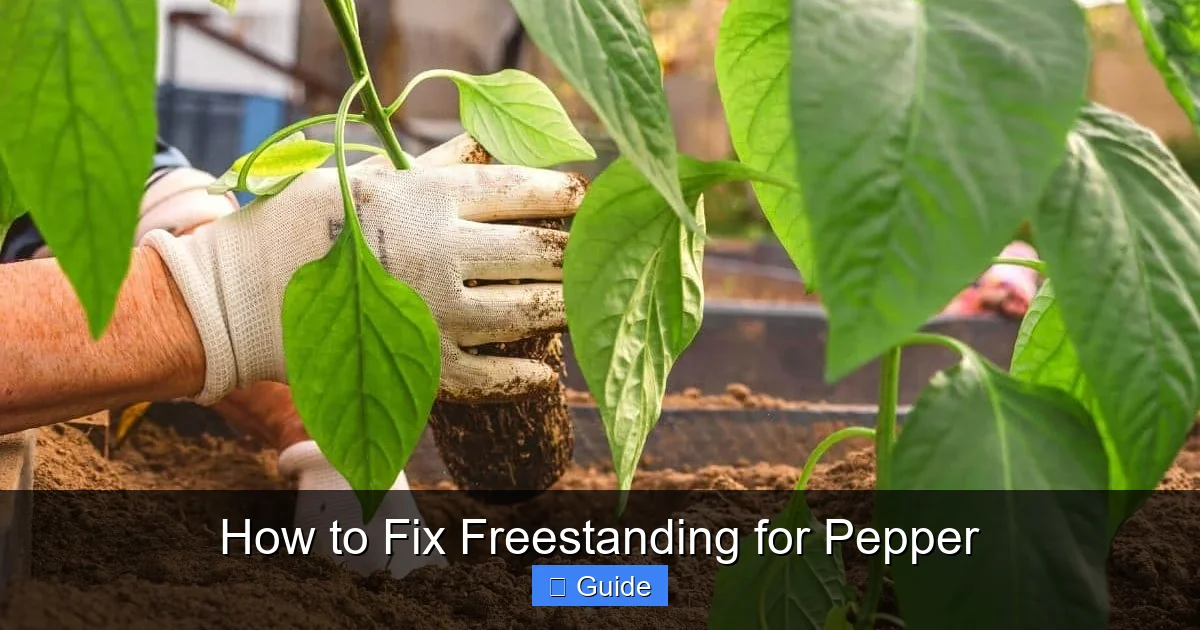
Bamboo stakes are the classic choice. They are inexpensive and biodegradable. Choose stakes four to five feet tall for most pepper varieties. Drive them twelve inches into the ground. Place stakes four inches from the plant base. Do this at planting time to avoid root damage. Use one stake per plant for single stem varieties. Use two stakes for bushy varieties.
Visual guide about How to Fix Freestanding for Pepper
Image source: positivebloom.com
Metal stakes last longer. Steel T-posts or rebar work well. They are thinner than wood so they shade less. Coated metal prevents rust stains on fruit. Fiberglass stakes are lightweight and flexible. They bend with wind instead of snapping. They come in bright colors for visibility. All stake types need soft ties. Never use wire or twine directly on stems.
Tomato Cages Adapted for Peppers
Standard tomato cages work surprisingly well for peppers. Choose the heavy duty square cages. The cheap round cones collapse under pepper weight. Square cages have four vertical supports. They provide 360 degree support. Place cages at planting time. Push legs deep into soil. For extra stability, drive a stake through the cage corners into the ground.
Cages work best for determinate or bush type peppers. These include many hot pepper varieties. Jalapeños, serranos, and habaneros stay relatively compact. The cage contains the natural bush shape. Branches grow through the grid openings. Fruit hangs inside the cage protected from sun. Cages also make row covers easy to drape.
Trellis and String Systems
Florida weave is a commercial technique adapted for home gardens. Drive sturdy posts at each end of the row. Add intermediate posts every six to eight feet. Run horizontal twine at twelve inch intervals. Weave twine between plants in a figure eight pattern. This sandwiches plants between two strings. Add new string layers as plants grow.
Vertical string trellis works for pruned peppers. Install overhead wire or pipe. Drop strings to each plant base. Clip or tie main stem to string. Prune to one or two main leaders. Wind leaders around strings as they grow. This creates a narrow vertical canopy. It maximizes light penetration. It works well in greenhouses and high tunnels.
Custom Built Supports
Wooden frames offer permanent solutions. Build rectangles from cedar or redwood. Use two by two lumber for uprights. Add horizontal crosspieces every foot. These frames last five to ten years. They can be moved between beds each season. Paint with food safe sealant for longevity.
PVC pipe frames are lightweight and modular. Use half inch or three quarter inch pipe. Connect with tees and elbows. Create cubes or rectangles. Disassemble for winter storage. PVC does not rot. It is easy to sanitize between seasons. Add netting or string grid for branch support.
Container Specific Solutions
Pots need special consideration. The support must anchor to the container. Heavy ceramic pots can hold stakes driven through drainage holes. Lightweight plastic pots need external anchors. Build a frame that sits on the pot rim. Or use a cage with legs that extend to the ground. Group containers together and tie them to a common trellis.
Fabric grow bags present unique challenges. Stakes cannot penetrate the sides easily. Use a tomato cage placed inside the bag at planting. Or build an external frame that surrounds the bag. The frame legs sit on the ground outside the bag. Tie the bag to the frame for stability. This prevents the whole bag from tipping in wind.
Installing Supports at the Right Time
At Planting Time – The Ideal Moment
The absolute best time to install supports is when you transplant seedlings. The root system is small. You can drive stakes or cage legs without damaging roots. The plant grows into the support naturally. You avoid the struggle of threading mature branches through cage openings. Early installation also prevents the “oops I speared the root ball” moment.
If you direct seed peppers, wait until seedlings have true leaves. Then install supports carefully. Mark seedling locations with small flags. Drive stakes at an angle away from the seedling. Straighten stakes as plants grow. This minimizes root disturbance while still getting early support in place.
Retrofitting Supports Mid Season
Sometimes you miss the early window. Plants are already two feet tall and flopping. Do not panic. You can still add supports. Work slowly and gently. Water plants deeply first. Moist soil holds roots better. Drive stakes at the drip line, not near the main stem. Angle stakes outward to avoid the root zone.
For cages, you may need to remove lower leaves. Gently lift branches and guide them through openings. Do this in the evening when plants are less turgid. Stems are more flexible. Use extra ties to secure branches to cage wires. Check daily for a week to adjust ties as plants settle.
Seasonal Adjustments
As the season progresses, supports may need reinforcement. Heavy fruit loads pull stakes sideways. Add guy lines from stake tops to ground anchors. Use tent stakes or rebar driven at forty five degrees. For cages, zip tie the top ring to a central stake. This prevents the cage from spreading and collapsing.
In late summer, remove any ties that are constricting stems. Stems thicken rapidly. A tie that was loose in July may cut off circulation in September. Replace with larger loops. Check after every major storm. Wind can shift supports and create new pressure points.
Tying Techniques That Protect Plants
Materials to Use
Commercial garden tape is excellent. It stretches as stems expand. It has a slight adhesive that holds knots. It comes in green to blend with foliage. Velcro plant ties are reusable. They adjust instantly. They are wider than tape so they distribute pressure. Cut them to custom lengths.
Soft cloth strips work well. Cut old t-shirts into one inch strips. They are free and gentle. Foam coated wire ties are good for heavy branches. The foam prevents cutting. Twist ties from produce bags work for small branches. Avoid bare wire, string, or zip ties directly on stems. They cut into tissue as the plant grows.
The Figure Eight Tie Method
This is the professional standard. Cut a tie twelve to eighteen inches long. Wrap it around the stake once. Cross the ends between stake and stem. Wrap around the stem loosely. Cross again between stem and stake. Tie off on the stake side. This creates a buffer zone. The stem can move in wind without rubbing the stake.
The loop around the stem should be loose. You should fit two fingers inside easily. The stem will thicken. A tight loop girdles the stem. This cuts off nutrient flow. The branch dies above the girdle. Check loops weekly during fast growth periods. Loosen or replace as needed.
Supporting Heavy Fruit Clusters
Individual fruit clusters sometimes need their own support. Use a short stake placed under the cluster. Tie the cluster stem to the short stake. Or create a sling from pantyhose or netting. Cradle the fruit cluster. Tie the sling ends to the main stake. This prevents the cluster from pulling the main branch down.
For very large sweet peppers, consider individual fruit support. Small plastic cups with holes punched in the bottom. Slip the cup over the fruit stem. Rest the cup on a lower branch or stake. The fruit grows inside the cup. Weight is distributed. This prevents stem breakage at the fruit attachment point.
Maintaining Supported Pepper Plants
Weekly Inspection Routine
Walk your pepper row once a week. Carry extra ties and scissors. Check every tie point. Look for stems growing into ties. Look for ties cutting into stems. Look for stakes leaning. Look for cage wires bending. Fix issues immediately. A two minute fix prevents a season ending break.
During inspection, also check for disease. Supported plants make this easy. You can see the lower stems. You can spot early blight lesions. You can see aphid colonies on leaf undersides. Early detection means easy organic control. Remove any leaves touching the ground. They are disease highways.
Pruning for Better Structure
Supported plants benefit from strategic pruning. Remove suckers below the first flower cluster. This directs energy to main stems. Remove any branches growing inward. They create shade and humidity. Remove leaves that touch the soil. This improves airflow at the base.
For trellised plants, prune to one or two leaders. Pinch off side shoots weekly. This keeps the canopy narrow. It fits the trellis system. It maximizes light to every leaf. It makes harvesting incredibly fast. Every fruit is visible at eye level.
Fertilizing Supported Plants
Supported plants often produce heavier yields. They need more nutrients. Apply balanced fertilizer at planting. Side dress with compost when first fruits set. Use liquid kelp or fish emulsion every two weeks. Foliar feed with calcium to prevent blossom end rot. Supported plants have better leaf exposure. Foliar feeds absorb efficiently.
Watch for nitrogen excess. Too much nitrogen creates lush foliage but few fruits. Supported plants show this clearly. The canopy becomes dense and dark green. Reduce nitrogen. Increase phosphorus and potassium. Bone meal and wood ash are good organic options.
Watering Considerations
Supported plants may dry faster. Better airflow increases transpiration. Mulch heavily around the base. Straw, grass clippings, or shredded leaves work well. Mulch conserves moisture. It prevents soil splash on lower leaves. It keeps fruit clean if any branches droop.
Drip irrigation is ideal for supported peppers. It keeps foliage dry. Wet foliage invites disease. Run drip lines along the base of plants. Cover with mulch. Water deeply twice a week rather than daily shallow watering. Deep watering encourages deep roots. Deep roots anchor plants better.
Troubleshooting Common Support Issues
Stakes Leaning or Falling
This usually means insufficient depth. Stakes need at least twelve inches in ground. Eighteen inches is better for tall varieties. Soil type matters. Sandy soil holds stakes poorly. Clay holds well but cracks in drought. In sandy soil, use longer stakes. Drive them deeper. Add a cross piece at the bottom. A T shape resists pulling out.
Wind is the other culprit. Create windbreaks. Plant a row of sunflowers or corn on the windward side. Or install snow fence temporarily. Guy lines help. Run strong twine from stake top to ground anchor. Angle the anchor away from the plant. Use three guy lines per stake for maximum stability.
Cages Collapsing
Cheap cages are the main cause. Invest in heavy gauge wire. Look for nine gauge or thicker. The wire should not bend with hand pressure. Square cages are more stable than round. Four legs provide a wider base. Anchor cages with stakes. Drive a stake through the bottom ring into the ground. Zip tie the cage to the stake.
Overloaded cages collapse. Thin the fruit if necessary. Remove the smallest peppers. Let the plant focus on fewer larger fruits. Or add a central stake inside the cage. Tie the main stem to the central stake. This transfers weight from cage wires to the ground.
Stems Breaking at Tie Points
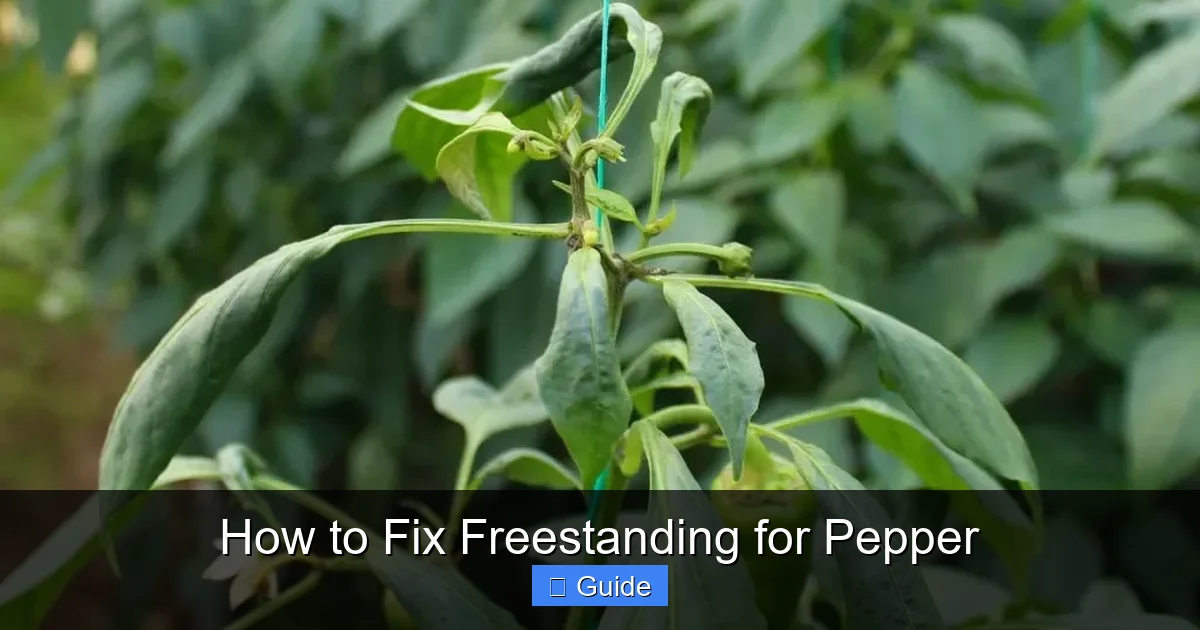
This indicates ties are too tight or wrong material. Switch to wider, softer ties. Increase loop size. Use the figure eight method religiously. Pad the tie point with a piece of foam pipe insulation. Slit a short section lengthwise. Slip it over the stem before tying. The foam distributes pressure.
Sometimes the stem is just brittle. Certain varieties have fragile stems. ‘California Wonder’ is notorious for this. For brittle varieties, use cages instead of stakes. Cages support branches along their length. Stakes create single pressure points. If you must stake, tie every six inches along the stem.
Plants Outgrowing Supports
Some pepper varieties surprise you. They grow taller than expected. ‘Ghost Pepper’ and ‘Habanero’ can reach five feet. If stakes are too short, extend them. Tape a bamboo extension to the original stake. Overlap twelve inches. Wrap tightly with duct tape. Or drive a taller stake beside the short one. Transfer ties to the new stake.
For cages, add a ring on top. Use concrete reinforcing wire. Cut a circle slightly larger than the cage top. Secure with zip ties. This extends the cage height by eighteen inches. The plant grows into the new space. Fruit stays supported.
Special Considerations for Different Pepper Types
Bell Peppers and Large Sweet Peppers
These produce the heaviest individual fruits. A single ‘Big Bertha’ pepper can weigh three quarters of a pound. The plants are also brittle. Use heavy duty cages or double stakes. Double staking means two stakes per plant. Place them on opposite sides. Tie the main stem to both stakes. This creates a stable triangle.
Support every major branch. Large sweet peppers have few but thick branches. Each branch carries multiple heavy fruits. Run a horizontal stake between the two vertical stakes. Tie branches to this cross piece. Create a scaffold system. The plant becomes a structured tree form.
Hot Peppers – Jalapeños, Serranos, Cayennes
These are generally more compact. They branch heavily. Tomato cages work perfectly. The cage contains the bushy growth. Fruit develops inside the protective cage. Hot peppers also have stronger stems. They tolerate lighter support. But do not skip support entirely. A loaded jalapeño plant will still flop.
For drying types like cayenne, consider the harvest method. You may pull the whole plant. In this case, a single sturdy stake is enough. Tie the main stem securely. When frost threatens, cut the stem at ground level. Hang the whole plant stake and all. The stake becomes a handle for hanging.
Ornamental and Container Peppers
These are bred for compact growth. ‘Black Pearl’, ‘Medusa’, ‘Chilly Chili’ stay under eighteen inches. They need minimal support. A single bamboo stake per plant is sufficient. Or use decorative metal stakes. These add visual appeal. Choose stakes that complement the pot and plant colors.
Hanging basket peppers need no staking. Gravity does the work. But the basket must be strong. Use a wire basket with coconut coir liner. The weight of wet soil plus mature plant is significant. Hang from a sturdy hook rated for fifty pounds. Water frequently. Hanging baskets dry very fast.
Overwintered Pepper Plants
In zones nine and warmer, peppers are perennials. They become woody shrubs. Second year plants need permanent supports. Install metal T-posts at each plant. Build a wooden frame around the plant. The plant grows into a permanent structure. Prune annually to maintain size. Remove dead wood each spring.
For container overwintering, use a tomato cage in the pot. Move the pot to a protected location. The cage keeps the plant upright through winter winds. In spring, harden off gradually. The cage stays in place. The plant resumes growth within its familiar support.
Advanced Support Techniques
The Florida Weave for Rows
This is the gold standard for market gardeners. It supports dozens of plants with minimal materials. You need tall stakes every two plants. Six foot T-posts work best. Drive them two feet deep. Run polypropylene twine along the row. Start eight inches above ground. Loop around each stake. Keep tension firm but not tight.
Add a new string layer every ten to twelve inches of growth. The plants grow between two walls of twine. They support each other. The outer stems lean on the twine. The inner stems support each other. Harvest is fast. You walk the row picking both sides. No cages to navigate around.
Vertical String Training
This mimics greenhouse tomato production. Install a top wire seven feet high. Run it the length of the row. Drop strings to each plant. Use tomato clips or soft ties. Attach the main stem to the string. As the plant grows, wind the stem around the string. Or clip at twelve inch intervals.
Prune to a single leader. Remove all side shoots. This creates a high density planting. You can space plants twelve inches apart. Yields per square foot are maximum. But labor is higher. Weekly pruning and clipping are mandatory. Miss a week and the plant becomes a mess.
Netting Systems
Horticultural netting provides a grid support. Install posts at row ends and every ten feet. Stretch netting horizontally eighteen inches above ground. Plants grow through the mesh. Branches rest on the squares. Add a second layer at thirty six inches for tall varieties. The netting disappears into the foliage.
This works well for bushy hot peppers. The plants maintain natural shape. The net just prevents flopping. It is reusable for years. Store dry and rodent free. UV resistant netting lasts five plus seasons. It is also useful for shade cloth attachment.
Spiral Stakes
These are metal rods twisted into a spiral. You push them into the ground next to the plant. The main stem grows up the center. Branches rest on the coils. No tying required. The spiral guides the plant naturally. They work best for single stem varieties.
Spiral stakes are expensive but durable. They last decades. They are easy to install and remove. They store in a small bundle. They work in containers too. Push the spiral deep into the pot. The coil base provides stability. They are elegant and functional.
Budget Friendly Support Ideas
Repurposed Materials
Old political signs make great stakes. The wire frames are sturdy. Cut off the sign portion. Use the wire legs as mini stakes for seedlings. The sign plastic becomes plant labels. Cut into strips. Write variety names with permanent marker.
Broken tomato cages get new life. Cut the bottom ring off a collapsed cage. You now have four individual stakes. The wire is heavy gauge. Perfect for peppers. The remaining cage sections become pepper cages for next year. Nothing wasted.
Tree prunings become rustic stakes. Straight branches of one to two inch diameter. Cut to five foot lengths. Strip side twigs. Drive into ground. They blend into the garden naturally. They are free. They compost in place after a few years. Use fruit wood, willow, or bamboo from your property.
DIY Cage Construction
Concrete reinforcing wire makes the best cages. Buy a fifty foot roll. Cut into five foot sections. Form into cylinders. Overlap the ends. Secure with zip ties or wire twists. You get ten heavy duty cages for twenty dollars. Commercial cages cost five dollars each for lesser quality.
Wooden cages from pallet wood. Disassemble heat treated pallets. Cut slats to length. Build square cages with four corner posts. Add horizontal slats every six inches. Screw together with deck screws. These last five years. They stack for storage. They look attractive in the garden.
String and Stick Systems
The simplest system costs pennies. Drive a stake at each plant. Run a horizontal string between stakes at twelve inches high. Run another at twenty four inches. Another at thirty six inches. Plants grow up through the strings. Branches rest on strings. Add strings as needed. Total cost is a ball of twine and some stakes.
Use jute twine for single season. It composts with the plants. Use polypropylene for multi season. It does not rot. Color code your strings. Green for first tier. Blue for second. Red for third. This helps you track which layer needs tightening.
Seasonal Support Calendar
Early Spring – Preparation
Inventory your supports. Repair broken cages. Sharpen stake points. Buy twine and ties. Plan your layout. Mark rows with string lines. Prepare soil amendments. Have everything ready before transplant day. The day you plant is the day supports go in. No exceptions.
Start seeds indoors if you grow from seed. Eight to ten weeks before last frost. Use a heat mat. Peppers need warm soil to germinate. Strong seedlings transplant better. They establish faster. They need support sooner. Weak seedlings struggle regardless of support.
Late Spring – Installation
Transplant after soil reaches sixty five degrees. Harden off for one week. Plant on a cloudy day if possible. Water seedlings thoroughly before transplanting. Install supports immediately after planting. Water again to settle soil around stakes. Mulch heavily. Label each variety.
Apply row cover if nights are cool. Drape over cages or stakes. Secure edges with soil. Row cover provides two to three degrees frost protection. It also excludes early pests. Remove when flowers appear. Pollinators need access.
Summer – Maintenance
June is tie month. Check weekly. Add ties as branches lengthen. Guide growth into cages. Prune suckers below first flower. Fertilize at first fruit set. Scout for pests daily. Hand pick hornworms. Spray neem oil for aphids. Keep mulch thick.
July brings heavy fruit set. Check supports daily after storms. Add guy lines if stakes lean. Harvest regularly. Removing ripe fruit reduces weight. It encourages more production. Do not let peppers rot on the plant. This attracts disease.
August is peak production. Continue weekly checks. Replace any failing ties. Watch for stem thickening. Loosen ties proactively. Begin reducing nitrogen fertilizer. Focus on potassium for fruit quality. Prepare fall covers for season extension.
Fall – Cleanup and Storage
After first frost, remove annual supports. Pull stakes carefully. Shake off soil. Cut ties off cages. Stack cages. Bundle stakes. Store in a dry place. Metal stakes can stay in ground if marked. They become next year’s markers.
Sanitize supports before storage. Spray with ten percent bleach solution. Or use hydrogen peroxide. This kills overwintering pathogens. Dry completely. Stack neatly. Rodents love nesting in stored cages. Hang cages off the ground. Store stakes in a sealed container.
Winter – Planning
Review what worked. Note varieties that needed more support. Sketch next year’s layout. Rotate pepper beds. Order new supplies in January sales. Build new cages in the garage. Winter projects make spring planting smooth. Dream of next year’s harvest.
Consider trying a new support method. Experiment with one row. Compare yields and labor. Keep a garden journal. Photos help. Date each entry. Your future self will thank you. Gardening is a cycle of continuous improvement.
Conclusion
Learning how to fix freestanding for pepper plants transforms your garden. No more heartbreak after storms. No more rotting fruit on the ground. No more tangled jungles at harvest time. Your plants stand proud. They produce more. They stay healthier. They make you look like a gardening genius.
The key is early action. Install supports the day you plant. Choose the right system for your varieties. Use gentle ties. Check weekly. Adjust as needed. It takes five minutes a week. The reward is bushels of perfect peppers. Your kitchen overflows with color. Your freezer fills with roasted strips. Your friends beg for your salsa recipe.
Start this season with a plan. Gather your materials. Know your varieties. Commit to the weekly walk. Your pepper plants will thank you. They will grow strong and upright. They will reward you with the best harvest yet. Happy gardening, and may your peppers always stand tall.
Frequently Asked Questions
Do all pepper varieties need support?
Most pepper varieties benefit from support, but compact ornamental peppers under 18 inches may not need it. Large sweet peppers and tall hot varieties definitely require staking or caging to prevent stem breakage and fruit rot.
How far apart should I space supported pepper plants?
Supported pepper plants can be spaced 18-24 inches apart in rows 3 feet apart. Trellised single-leader plants can be spaced as close as 12 inches. Proper support allows closer spacing while maintaining good airflow.
What causes pepper stems to break at the tie point?
Stems break at tie points when ties are too tight, made of abrasive material like wire or thin string, or not adjusted as stems thicken. Always use soft, wide ties with a loose figure-eight loop that allows stem movement and growth.
Can I reuse pepper supports next year?
Yes, most supports are reusable. Metal stakes, heavy-duty cages, and PVC frames last many years. Sanitize with a 10% bleach solution before storage to prevent disease carryover. Jute twine composts but polypropylene twine can be reused.
How do I support peppers in containers?
For containers, use a tomato cage inserted at planting time, or build a frame that sits on the pot rim with legs extending to the ground. Heavy ceramic pots can anchor stakes through drainage holes. Group pots and tie them to a common trellis for stability.
Should I prune pepper plants when using supports?
Light pruning improves structure on supported plants. Remove suckers below the first flower cluster, inward-growing branches, and any leaves touching soil. For vertical string systems, prune to one or two main leaders and remove side shoots weekly.