When to Plant Catmint Seeds
Plant catmint seeds in early spring after the last frost or start indoors 6-8 weeks before. Fall sowing works in mild climates. This hardy perennial germinates best at 65-70°F and rewards patience with aromatic foliage and pollinator-friendly blooms.
If you have ever brushed past a catmint plant on a warm summer afternoon, you know the magic. The air fills with that sweet, minty perfume. Bees dance from flower to flower. Cats roll in blissful abandon. It is one of those plants that gives back tenfold for very little effort. But here is the thing. That magic starts with a tiny seed. And timing? Timing is everything. Get it right, and you will have drifts of lavender-blue flowers by early summer. Get it wrong, and you might wait a whole year for a decent show. So let us talk about when to plant catmint seeds. We will cover spring sowing, fall planting, indoor starts, and every little trick I have learned over years of growing this wonderful herb.
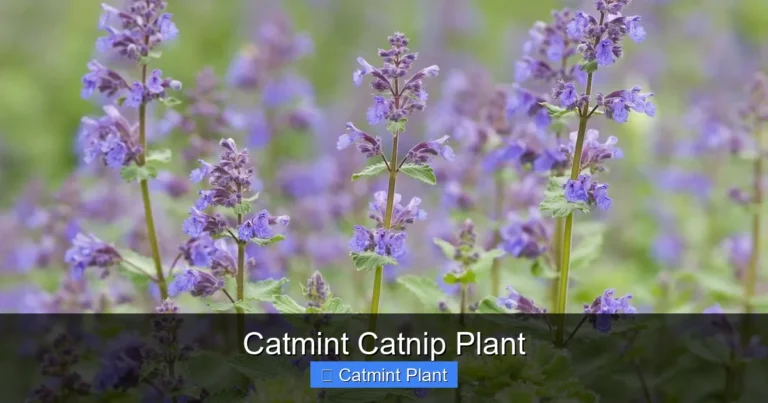
Catmint, or Nepeta, is not the same as catnip, though they are cousins. Catnip drives cats wild. Catmint drives gardeners wild with its long bloom time, drought tolerance, and sheer beauty. The most popular variety, Nepeta x faassenii ‘Walker’s Low,’ was named Perennial Plant of the Year. But whether you grow ‘Walker’s Low,’ ‘Six Hills Giant,’ or the species Nepeta racemosa, the seed timing remains similar. This guide will walk you through every scenario. By the end, you will know exactly when to plant catmint seeds for your specific climate and setup.
Key Takeaways
- Spring planting is ideal: Sow catmint seeds outdoors after the last frost date when soil reaches 65°F for best germination rates.
- Indoor head start: Start seeds indoors 6-8 weeks before your last frost to get stronger transplants and earlier blooms.
- Fall sowing option: In zones 6-9, direct sow in early fall for natural stratification and spring emergence.
- Light-dependent germination: Press seeds lightly into soil without covering; they need light to sprout successfully.
- Patience required: Germination takes 14-21 days; keep soil consistently moist but not waterlogged during this period.
- Cold stratification helps: Chill seeds in the refrigerator for 2-4 weeks before planting to improve germination uniformity.
- Transplant carefully: Move seedlings outdoors after hardening off for 7-10 days once they have 2-3 true leaf sets.
Quick Answers to Common Questions
Can I just scatter catmint seeds on the ground?
Yes, but press them firmly into the soil for good contact. Do not cover them, as they need light to germinate. Keep the area moist until seedlings appear.
How long do catmint seeds take to germinate?
Catmint seeds typically germinate in 14-21 days at 65-70°F soil temperature. Cold stratification can speed up and even out germination.
Do catmint seeds need cold stratification?
Cold stratification for 2-4 weeks improves germination rates and uniformity, but many modern varieties will germinate without it.
When is it too late to plant catmint seeds?
In spring, plant at least 8-10 weeks before hot summer temperatures arrive. In fall, plant 6-8 weeks before first frost. Summer planting usually fails due to heat and drought.
Will catmint bloom the first year from seed?
Catmint may produce a few flowers in its first year, but full flowering typically occurs in the second year as the plant establishes a strong root system.
📑 Table of Contents
- Understanding Catmint Seed Biology
- Spring Direct Sowing: The Classic Approach
- Fall Direct Sowing: Nature’s Way
- Indoor Seed Starting: Control and Early Blooms
- Winter Sowing: The Low-Tech Miracle
- Special Considerations by Climate
- Troubleshooting Common Seed Starting Problems
- From Seedling to Garden Star: Transplanting and First Year Care
- Companion Planting and Design Ideas
- Harvesting and Using Catmint
- Saving Your Own Seeds
- Conclusion
Understanding Catmint Seed Biology
Before we dive into calendars, let us understand what we are working with. Catmint seeds are tiny. Like, dust tiny. One packet holds hundreds. They are light-dependent germinators. This means they need light to trigger sprouting. Bury them, and they just sit there. Press them onto moist soil, and they wake up. They also have a built-in dormancy mechanism. In nature, seeds fall in late summer, experience winter cold, then sprout in spring. This cold period is called stratification. It breaks dormancy. If you skip it, germination can be spotty. Some modern varieties germinate fine without it. But why gamble? A little fridge time mimics nature perfectly.
Seed Viability and Storage
Fresh seed germinates best. Catmint seeds stay viable for about two to three years if stored cool and dry. I keep mine in a paper envelope inside a mason jar in the refrigerator. The paper absorbs any moisture. The jar keeps humidity out. Label with the year. If you are buying new, check the pack date. Reputable sellers print it. Avoid bargain bins with dusty packets. You want strong, vigorous seedlings. Weak seed gives weak plants. It is that simple.
Germination Temperature Sweet Spot
Soil temperature matters more than air temperature. Catmint seeds germinate best between 65 and 70 degrees Fahrenheit. Colder than 60, and they sulk. Warmer than 75, and germination drops off. This is why timing your sowing to hit that soil temp window is crucial. A cheap soil thermometer takes the guesswork out. Stick it in the ground at seed depth. Wait for the right number. Your patience will be rewarded with even, strong emergence.
Spring Direct Sowing: The Classic Approach
For most gardeners, spring direct sowing is the go-to method. It is simple. No grow lights. No hardening off. No transplant shock. You put seeds in the ground. Nature does the rest. But the “when” varies wildly by zone. Let us break it down.
Finding Your Last Frost Date
Everything hinges on your average last frost date. This is the date after which frost is statistically unlikely. Not impossible. Unlikely. Your local extension office has this data. Or plug your zip code into the National Gardening Association calculator. Write it down. Circle it on your calendar. This is your anchor. For catmint, you want to sow about two to four weeks before this date. Yes, before. Catmint handles light frost. The seedlings are tough. Sowing early gives them a head start while the soil is still cool and moist. Just do not sow into frozen or waterlogged ground.
Zone-by-Zone Spring Sowing Guide
In zones 3 and 4, your last frost is late May to early June. Sow mid-May. The soil is finally warming. In zones 5 and 6, last frost is mid-April to early May. Sow early to mid-April. Zone 7 gardeners see last frost in early April. Sow mid-March. Zone 8 and warmer? Last frost is March or even February. Sow late February to early March. But here is a warning. In hot climates, spring-sown catmint may struggle with summer heat before establishing. Fall sowing often works better there. We will get to that.
Preparing the Seed Bed
Catmint hates wet feet. Choose a sunny spot with sharp drainage. Full sun means six plus hours. It tolerates light shade but blooms less. Loosen the top six inches. Remove rocks and clumps. Rake smooth. Do not add rich compost or fertilizer. Catmint prefers lean soil. Rich soil makes floppy stems and fewer flowers. If your soil is heavy clay, mix in coarse sand or fine gravel. Aim for a gritty, crumbly texture. Water the bed gently the day before sowing. You want moist, not muddy.
The Sowing Technique
Here is where most people mess up. They bury the seed. Do not bury the seed. Mix the tiny seeds with a bit of dry sand. This helps you see where you have sown. Scatter the mix evenly over the prepared bed. Use your hand or a saltshaker. Then, gently press the seeds into the soil with the flat of your hand or a board. You want good seed-to-soil contact. The seeds should still be visible. Or barely covered with a dusting of fine vermiculite. Mist with a fine spray. Keep the surface moist until germination. A floating row cover helps retain moisture and deters birds.
What to Expect After Sowing
Germination takes fourteen to twenty-one days. Sometimes longer if soil is cool. You will see tiny pairs of cotyledons. They look like miniature mint leaves. True leaves follow. Thin seedlings to twelve to eighteen inches apart. Yes, it feels wasteful. But crowded catmint gets powdery mildew and flops. Snip extras at soil level with scissors. Do not pull. You will disturb neighbors. Keep weeded and watered until established. Then back off. Catmint thrives on neglect.
Fall Direct Sowing: Nature’s Way
If you live in zones 6 through 9, fall sowing is a secret weapon. It mimics the natural cycle perfectly. Seeds experience winter cold and moisture. They stratify naturally. They sprout when conditions are ideal. You get robust plants that bloom earlier and handle summer heat better. It feels like cheating. But it is just working with nature.
Timing Fall Sowing Right
Sow six to eight weeks before your average first frost date. This gives seeds time to absorb moisture and settle in. But not so early that they sprout and get killed by hard freeze. In zone 6, sow late September. Zone 7, early October. Zone 8, late October. Zone 9, November. The soil should be cooling but not frozen. You want the seeds to sit dormant until spring. If a warm spell triggers early germination, do not panic. A light mulch of straw protects tender seedlings.
Fall Bed Preparation
Prepare the bed just like spring. But add one step. After pressing in seeds, cover the bed with a thin layer of straw or pine needles. One inch max. This prevents soil heaving from freeze-thaw cycles. It keeps seeds in place during winter rains. It marks the spot so you do not accidentally dig them up in spring. Remove the mulch gently in early spring when you see green shoots. Do not wait. Seedlings need light immediately.
Fall Sowing Advantages
Fall-sown catmint develops deep roots over winter. By summer, they are drought-proof. They bloom two to three weeks earlier than spring-sown. The plants are larger, fuller, more floriferous. You also avoid the spring rush. No coddling seedlings during unpredictable spring weather. Just sow, mulch, walk away. Come spring, you look like a genius.
Indoor Seed Starting: Control and Early Blooms
Starting catmint indoors gives you total control. You get a six to eight week jump on the season. You can grow varieties not sold as plants. You save money. A packet of seeds costs less than one nursery plant. But it requires equipment and attention. Let us walk through it step by step.
When to Start Indoors
Count back six to eight weeks from your last frost date. That is your sow date. Mark it. In zone 5 with a May 15 frost date, sow mid-March to early April. Zone 7 with April 15 frost? Sow late February to mid-March. Do not start too early. Overgrown seedlings get leggy and weak. They transplant poorly. Six weeks is plenty for catmint. It grows fast once germinated.
Equipment You Need
You need seed trays or cells. A dome or plastic wrap for humidity. A heat mat is optional but helpful. Grow lights are non-negotiable. A sunny windowsill is not enough. Catmint seedlings stretch toward weak light. They become pale and floppy. A simple shop light with 6500K LED tubes works perfectly. Hang it two inches above the dome. Raise as plants grow. Run lights fourteen to sixteen hours daily. A timer makes this effortless.
Seed Starting Mix and Containers
Use a sterile seed starting mix. Not garden soil. Not potting soil. Seed starting mix is fine, light, and pathogen-free. Moisten it before filling cells. It should hold together when squeezed but not drip. Fill cells to the top. Tap the tray to settle. Do not pack down. Make a tiny indentation in each cell. A pencil eraser works. Drop one or two seeds per cell. Remember: light-dependent. Do not cover. Press gently. Mist the surface.
Cold Stratification for Indoor Starts
This step transforms germination from spotty to uniform. After sowing, cover the tray with the dome. Place in the refrigerator for two to four weeks. Check weekly. Mist if dry. The cold, moist period breaks dormancy. After stratification, move to your light setup on the heat mat. Set mat to 70 degrees. Germination often starts within seven to ten days after warmth returns. It is like flipping a switch.
Caring for Indoor Seedlings
Once sprouted, remove the dome immediately. Air circulation prevents damping off. A small fan on low helps. Keep lights close. Water from the bottom. Pour water into the tray. Let cells wick it up. Drain excess. Never let them sit in water. Fertilize at half strength once true leaves appear. Use a balanced liquid fertilizer. Fish emulsion works but smells. Your call. Thin to one strong seedling per cell. Snip the weaker at soil level.
Hardening Off: The Critical Transition
One week before transplanting, start hardening off. Place seedlings outdoors in a sheltered, shady spot for one hour. Increase by one hour daily. Introduce morning sun gradually. By day seven, they handle full sun and overnight stays. Watch weather. Bring in if frost threatens. This toughens cell walls. It prevents transplant shock. Skipping this step kills more seedlings than anything else. Do not rush it.
Winter Sowing: The Low-Tech Miracle
Winter sowing is the lazy gardener’s dream. It combines indoor control with outdoor toughness. You sow in mini-greenhouses made from milk jugs or soda bottles. Set them outside in January or February. Snow buries them. Freeze-thaw cycles stratify the seeds. Sun warms them in spring. They sprout when ready. You transplant sturdy, hardened-off seedlings. No lights. No heat mats. No hardening off. It sounds too good to be true. It is not.
When to Winter Sow Catmint
Sow anytime after winter solstice. January through March works in most zones. The colder your zone, the later you can sow. In zone 3, February is fine. In zone 7, January works. The seeds just wait. They know what to do. I have winter sown catmint in February in zone 5b. Germination happened in early April. Plants were ready to transplant by mid-May. Bloomed that June. It is almost embarrassing how easy it is.
Making Winter Sowing Containers
Gallon milk jugs are classic. Wash well. Cut around the middle, leaving a hinge at the handle. Punch drainage holes in the bottom. Four to six holes. A hot nail or drill works. Fill bottom half with three inches of moist potting mix. Not seed starting mix. Regular potting mix holds moisture better over months. Sow seeds on top. Press gently. Label inside and out with paint pen. Tape the jug shut with duct tape. Remove the cap. That is your vent. Set outside in a sunny spot. Ignore until spring.
Managing Winter Sown Containers
Check monthly. Ensure they have not blown away. After heavy rain, verify drainage. In warm spells, check moisture. The soil should be damp. If dry, bottom water by setting in a tray. As spring approaches, watch for condensation. That is good. It means the mini-greenhouse is working. When seedlings touch the top, open the hinge on warm days. Close at night. Transplant when they have two to three true leaf sets and soil is workable.
Special Considerations by Climate
Your climate dictates the best method. What works in Maine fails in Arizona. Let us look at regional strategies.
Cool Climates: Zones 3-5
Short season. Cold winters. Spring direct sowing works but delays bloom. Indoor starts or winter sowing give a crucial head start. Fall sowing is risky. Early hard freezes can heave seedlings. If fall sowing, mulch heavily. Winter sowing is ideal here. It uses the long cold period perfectly. Start indoors in April for June transplants. Choose early-blooming varieties like ‘Walker’s Low’ or ‘Blue Wonder.’
Moderate Climates: Zones 6-7
The sweet spot. All methods work. Spring direct sow in April. Fall direct sow in October. Indoor start in March. Winter sow in January. Fall sowing often gives the best plants here. They establish roots all winter. Spring heat arrives before summer stress. If you only do one method, try fall sowing. You will be amazed.
Warm Climates: Zones 8-10
Heat is the enemy. Catmint struggles in humid, hot summers. Spring sowing leads to plants that fry in July. Fall sowing is king here. Sow in November. Plants grow all mild winter. Bloom in April and May. Go dormant in summer heat. Return in fall. In zone 9-10, catmint may act as an annual. Treat it as a cool-season plant. Provide afternoon shade. Mulch heavily. Water during dry spells. Varieties like ‘Six Hills Giant’ handle heat better.
High Altitude and Microclimates
Mountain gardens have their own rules. Frost pockets. Intense UV. Rapid temperature swings. Winter sowing shines here. The containers buffer extremes. Direct sow after soil warms to 60 degrees consistently. This may be June. Indoor starts are safer. Harden off extra slowly. UV is brutal on tender leaves. Use shade cloth for first week outdoors.
Troubleshooting Common Seed Starting Problems
Even with perfect timing, things go wrong. Here are fixes for the most common issues.
Poor or No Germination
First, check seed age. Old seed dies. Second, check depth. Buried seed fails. Third, check moisture. Dry seed stays dormant. Fourth, check temperature. Too cold or too hot stops germination. Fifth, try stratification. Two weeks in the fridge often wakes stubborn seed. If nothing works, buy fresh seed from a reputable source. Some varieties have naturally low germination rates. Species Nepeta cataria (catnip) is notorious. Named cultivars are better.
Leggy, Pale Seedlings
Insufficient light. Move lights closer. Increase duration. Add a fan for air movement. It strengthens stems. If already leggy, transplant deeper. Catmint can root along buried stems. Pinch back the top to encourage branching. Do not fertilize heavily. Nitrogen makes weak growth.
Damping Off
Seedlings collapse at soil level. Fungal disease. Caused by overwatering, poor air flow, non-sterile mix. Prevention is everything. Use sterile mix. Water from bottom. Provide air movement. Remove dome immediately after germination. If it happens, remove affected cells. Dust soil surface with cinnamon. It is a natural fungicide. Sometimes it saves the rest.
Seedlings Stalling
They germinate then just sit. Usually root bound or nutrient starved. Transplant to larger cells. Feed with half-strength fertilizer. Check soil pH. Catmint likes 6.0 to 7.0. Acidic soil locks up nutrients. A simple test kit tells you. Adjust with lime if needed.
From Seedling to Garden Star: Transplanting and First Year Care
You have timed it right. You have strong seedlings. Now what? Transplanting is the final hurdle. Then the real joy begins.
When to Transplant
Transplant after last frost when seedlings have two to three true leaf sets. Harden off first. Always. Choose a cloudy day or late afternoon. Water seedlings well an hour before. Dig holes twice the root ball width. Space eighteen to twenty-four inches apart. Catmint spreads. Give it room. Plant at same depth as in the pot. Firm soil gently. Water thoroughly. Mulch with gravel or pine bark. Not wood chips. They hold too much moisture.
First Year Expectations
Year one is about roots. You may get a few flowers. Do not expect the full show. The plant is building underground. Water weekly during dry spells. Do not fertilize. Deadhead spent blooms to encourage rebloom. In late fall, leave foliage. It protects the crown. Cut back in early spring before new growth. By year two, you get the magazine-cover plant. Patience pays.
Dividing and Propagating
Mature catmint clumps need division every three to four years. Center dies out. Spring or fall. Dig the clump. Cut into sections with a sharp knife. Each needs roots and shoots. Replant immediately. Water well. This rejuvenates the plant. Gives you free plants. Share with friends. Or expand your drift. A garden full of catmint is a happy garden.
Companion Planting and Design Ideas
Catmint plays well with others. Its soft gray-green foliage and blue flowers bridge colors. It hides rose knees. It underplants taller perennials. It edges paths beautifully. Here are winning combinations.
Classic Pairings
Roses and catmint are legendary. The blue contrasts pink, red, yellow, white roses. Catmint hides thorny canes. It attracts beneficial insects that eat rose pests. Plant twelve inches from rose base. Other classics: salvia, yarrow, Russian sage, ornamental grasses. All love sun and drainage. All bloom long. Together they create a pollinator highway.
Edging and Borders
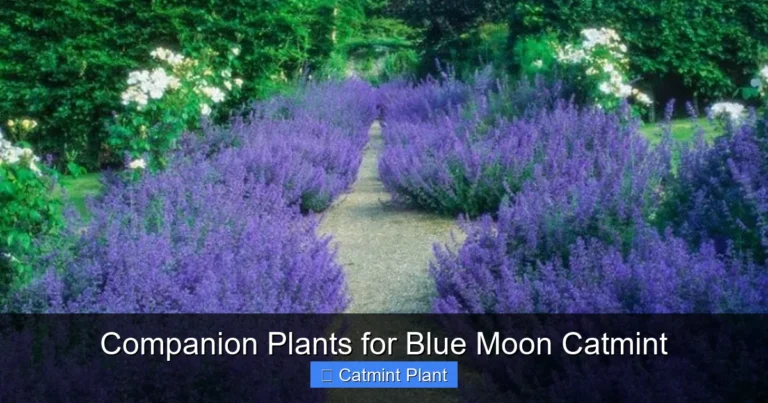
A catmint edge softens hardscape. Plant along a stone path. Let it spill over. The scent releases when brushed. It defines beds without rigidity. Space plants fifteen inches for a quick fill. Shear after first bloom for neat mounds. They rebound fast.
Container Growing
Yes, catmint grows in pots. Choose a large container. Twelve inches minimum. Use gritty potting mix. Add perlite. Ensure drainage holes. Water when top inch is dry. Fertilize monthly at quarter strength. Overwinter in a protected spot. Zone 5 and colder, move to unheated garage. Water monthly. It will return.
Harvesting and Using Catmint
You grew it. Now enjoy it. Catmint is edible, medicinal, and cat-approved.
Culinary Uses
Leaves make a soothing tea. Steep fresh or dried leaves in hot water. Five minutes. Sweeten with honey. It aids digestion. Calms nerves. Tastes minty with a hint of citrus. Add to fruit salads. Garnish desserts. Make a simple syrup for cocktails. The flowers are edible too. Sprinkle on salads. Freeze in ice cubes. Pretty and tasty.
Medicinal Traditions
Herbalists have used catmint for centuries. Tea for fevers, colds, upset stomachs. Compress for headaches. Bath for stress. It is gentle. Safe for children. Always research and consult a professional before medicinal use. But a cup of tea? That is just pleasure.
Cat Entertainment
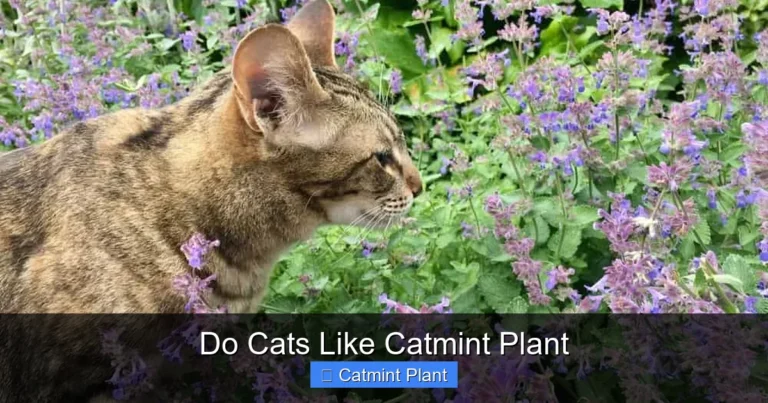
Not all cats react. About thirty percent lack the gene. But responders go wild. Rub leaves on toys. Stuff dried leaves in sachets. Grow a patch just for them. They will flatten it. Plant extra. Protect young plants with a wire cage until established. Then let the chaos begin.
Saving Your Own Seeds
Once you have a thriving patch, save seeds. It closes the loop. Free plants forever. Adapted to your garden.
When to Harvest Seeds
Wait for seed heads to turn brown. Late summer to fall. The tiny nutlets inside turn dark. Snip whole stems. Place upside down in a paper bag. Label. Dry two weeks in a warm, airy spot. Shake the bag. Seeds fall out. Separate chaff by winnowing. Pour between bowls in a light breeze. Store in a paper envelope in a jar in the fridge. Viability lasts two to three years.
Seed Saving Notes
Hybrids like ‘Walker’s Low’ do not come true from seed. You get variations. Sometimes lovely. Sometimes not. Species catmint comes true. If you want exact clones, divide plants. If you want surprises, save hybrid seeds. It is a lottery. Fun either way.
Conclusion
So there you have it. The complete story of when to plant catmint seeds. Spring direct sow after frost. Fall sow for natural stratification. Indoor starts for control and early blooms. Winter sowing for the low-maintenance win. Your climate chooses the best method. Your schedule chooses the practical one. But the seed? The seed just wants a chance. Give it light. Give it moisture. Give it a cold nap if needed. Then step back. In a few months, you will stand in a cloud of blue flowers. Bees will thank you. Cats will worship you. And you will smile, knowing you started it all with a pinch of dust and a little timing. Happy planting.
Frequently Asked Questions
What is the best month to plant catmint seeds?
The best month depends on your zone and method. For spring direct sowing, April works for zones 5-7, May for zones 3-4. For fall sowing, October is ideal in zones 6-8. Indoor starts should begin 6-8 weeks before your last frost date.
Can I plant catmint seeds in summer?
Summer planting is not recommended. High soil temperatures above 75°F inhibit germination, and young seedlings struggle with heat and drought stress. Spring or fall planting yields much better results.
How deep do you plant catmint seeds?
Catmint seeds should not be buried. They are light-dependent germinators. Simply press them onto the surface of moist soil or cover with a barely visible dusting of fine vermiculite.
Do catmint seeds need light to germinate?
Yes, catmint seeds require light to germinate. This is why they must be surface-sown and not covered with soil. A thin layer of vermiculite is acceptable as it allows light penetration.
How far apart should I plant catmint seeds?
Sow seeds thinly and thin seedlings to 12-18 inches apart. Mature catmint plants spread 18-24 inches wide, so proper spacing prevents overcrowding and reduces disease risk.
Can catmint seeds be started in egg cartons?
Egg cartons work for very short-term starts but are too shallow for catmint’s taproot. Use cells at least 3 inches deep. Transplant quickly to avoid root binding and stunting.