What Kind of Dirt Medium to Plant Catmint In
Catmint thrives in well-draining, lean soil with a neutral to slightly alkaline pH. Avoid rich, heavy soils that retain too much moisture. A gritty, sandy loam mixed with compost creates the perfect growing medium for these drought-tolerant perennials.
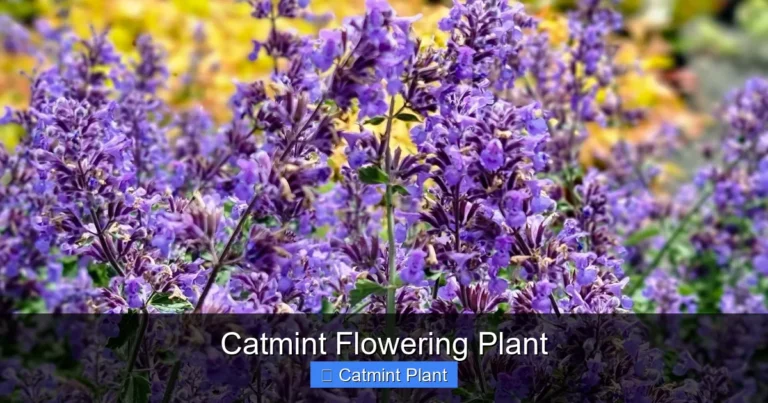
If you have ever wondered what kind of dirt medium to plant catmint in, you are not alone. Many gardeners struggle with this aromatic perennial. They plant it in rich garden soil. They water it like a thirsty annual. Then they watch it flop over and die. The truth is simple. Catmint hates wet feet. It loves lean, gritty, well-draining earth. Get the soil right, and this plant rewards you with months of lavender-blue flowers and happy pollinators.
In this guide, we will walk through everything you need to know about the perfect growing medium. We will cover soil texture, pH levels, drainage tricks, and container recipes. Whether you have heavy clay or pure sand, you will learn how to create a home where catmint thrives. Let us dig in.
Key Takeaways
- Well-draining soil is essential: Catmint roots rot quickly in soggy conditions, so prioritize drainage above all else.
- Lean soil produces better blooms: Too much fertility leads to floppy stems and fewer flowers.
- Neutral to alkaline pH works best: Aim for a pH between 6.5 and 7.5 for optimal nutrient uptake.
- Gritty amendments improve heavy soils: Add sand, perlite, or gravel to clay soils to prevent waterlogging.
- Container mixes need extra drainage: Use a cactus mix or add 30% perlite to standard potting soil.
- Mulch with gravel, not organic matter: Stone mulch keeps crowns dry and reflects heat back to the plant.
- Test soil before planting: A simple soil test reveals pH and nutrient levels so you can amend correctly.
Quick Answers to Common Questions
Can I plant catmint in regular garden soil?
Only if your garden soil is naturally sandy and well-draining. Most garden soils are too rich and hold too much water. Amend with grit before planting.
What is the best potting mix for catmint in containers?
Use a cactus and succulent mix, or make your own with two parts potting soil, one part perlite, and one part coarse sand.
Should I add compost when planting catmint?
Use very little. Limit compost to ten percent of the planting hole. Too much compost holds water and causes root rot.
What pH does catmint prefer?
Catmint grows best in neutral to slightly alkaline soil with a pH between 6.5 and 7.5.
Can catmint grow in clay soil?
Yes, if you amend it heavily with expanded shale, coarse sand, or fine gravel to improve drainage. Plant on a mound for extra insurance.
📑 Table of Contents
Understanding Catmint Natural Habitat
Where Catmint Grows Wild
Catmint originates from dry, rocky hillsides across Europe and Asia. It grows in poor, stony soils. It bakes in full sun. It survives on little rainfall. This history tells you exactly what the plant wants. It does not want rich, moist, humus-heavy soil. That kind of dirt medium holds water. It encourages soft, weak growth. It invites fungal diseases. Catmint wants the opposite. It wants sharp drainage. It wants low fertility. It wants air around its roots.
Why Rich Soil Causes Problems
Many gardeners make the mistake of amending planting holes with compost, manure, or peat moss. They think they are being kind. They are actually killing the plant with kindness. Rich soil holds moisture. Catmint roots sit in that moisture. They rot. The stems grow fast and weak. They flop open in the center. The plant looks messy. It produces fewer flowers. It becomes a magnet for pests. Lean soil keeps growth compact. It encourages essential oil production. That means stronger scent, better flavor, and more blooms.
The Drainage Test
Before you plant, test your drainage. Dig a hole twelve inches deep and twelve inches wide. Fill it with water. Let it drain. Fill it again. Time how long it takes to empty. If it takes more than four hours, you have a drainage problem. Catmint will not survive there without major amendments. If it drains in under two hours, you are in great shape. Two to four hours is borderline. You can fix it with grit. This simple test saves you from guessing what kind of dirt medium to plant catmint in.
The Ideal Soil Mix for Catmint
Texture Matters Most
The perfect texture is sandy loam. That means a mix of sand, silt, and a little clay. The sand creates large pore spaces. Water moves through fast. Air reaches the roots. The silt and clay hold just enough moisture and nutrients. If you squeeze a handful of moist sandy loam, it forms a ball that crumbles easily. It does not stick together like clay. It does not fall apart instantly like pure sand. This is the gold standard for what kind of dirt medium to plant catmint in.
pH Preferences
Catmint prefers neutral to slightly alkaline soil. A pH of 6.5 to 7.5 is ideal. It tolerates slightly acidic soil down to 6.0. Below that, nutrients lock up. The plant struggles. If your soil is very acidic, add garden lime. Follow package rates. Retest in a few months. If your soil is very alkaline, above 8.0, add elemental sulfur. But honestly, catmint handles alkalinity better than acidity. Most garden soils fall in the acceptable range. A simple pH meter or test kit tells you where you stand.
Nutrient Levels
Low to moderate fertility is best. High nitrogen produces lush leaves but few flowers. It also makes stems weak. Phosphorus and potassium support root health and blooming. But you do not need to add much. A light sprinkle of bone meal or rock phosphate at planting time is plenty. Avoid manure. Avoid high-nitrogen fertilizers. Avoid compost-heavy mixes. The leaner the soil, the stronger the plant. This is a key principle when deciding what kind of dirt medium to plant catmint in.
Creating the Perfect In-Ground Mix
If your native soil is decent loam, you may not need to amend much. Just loosen the planting area wide and deep. If you have clay, mix in coarse sand or fine gravel. Use a ratio of one part grit to two parts native soil. Add a handful of compost per planting hole, no more. If you have pure sand, add a little compost and clay-based topsoil. The goal is a gritty, well-draining matrix. Mound the soil slightly. Plant high. The crown should sit a touch above grade. This prevents water from pooling at the base.
Preparing Your Garden Bed
Double Digging for Deep Roots
Catmint develops deep taproots. It appreciates deep soil preparation. Double digging is an old technique that works well. Remove the top twelve inches of soil. Set it aside. Loosen the next twelve inches with a fork. Mix grit into that lower layer. Then return the topsoil, mixing in more grit as you go. This creates a twenty-four-inch zone of perfect drainage. It is labor-intensive but worth it for heavy soils. Your catmint will thank you with decades of life.
Raised Beds Solve Everything
If your ground is hopeless clay or a high water table, build raised beds. Eight to twelve inches high is enough. Fill them with a custom mix. Use one part native soil, one part coarse sand, one part compost. Add a cup of lime per wheelbarrow if your soil is acidic. Raised beds give you total control over what kind of dirt medium to plant catmint in. They also warm up faster in spring. Catmint starts growing earlier. It blooms longer.
Slope and Berm Planting
Plant on a slope if you have one. Gravity drains water away. If your yard is flat, create a berm. Mound soil eighteen inches high and three feet wide. Plant catmint along the top and sides. The slope sheds water. The elevation improves air flow. This mimics the rocky hillsides catmint loves. It is a beautiful, natural-looking solution. Plus, the elevation shows off the flowers better.
Spacing for Air Flow
Space plants eighteen to twenty-four inches apart. Good air circulation prevents fungal issues. Humid, crowded conditions breed powdery mildew. Catmint gets mildew in damp, still air. Wide spacing lets leaves dry fast after rain. It also lets each plant form a nice mounded shape. Do not crowd them. You can always fill gaps with annuals the first year while catmint establishes.
Container Growing Medium
Why Containers Need Special Mixes
Pots dry out faster than ground soil. But they also trap water at the bottom. Standard potting soil holds too much moisture. It compacts over time. Roots suffocate. You need a mix that drains instantly but holds a little water. This is a different challenge than in-ground planting. The recipe matters more in a pot. You are creating the entire root environment from scratch.
The Best Potting Recipe
Mix two parts high-quality potting soil with one part perlite or pumice. Add one part coarse sand or fine gravel. That is it. No peat-heavy mixes. No moisture-control crystals. No water-retaining polymers. Those keep soil wet. Catmint hates that. If you want a pre-made option, buy cactus and succulent mix. It works perfectly. Or use a gritty alpine mix. Both provide the sharp drainage catmint demands. This is exactly what kind of dirt medium to plant catmint in for containers.
Pot Selection Matters
Use terra cotta or unglazed ceramic pots. They breathe. Moisture evaporates through the walls. Plastic pots hold water longer. If you must use plastic, add extra perlite. Drill extra drainage holes. At least five holes in a twelve-inch pot. Cover holes with mesh, not gravel. Gravel creates a perched water table. It makes drainage worse. Mesh keeps soil in while letting water out freely.
Container Care Tips
Water deeply but infrequently. Let the top two inches dry completely. Then soak until water runs out the bottom. Empty saucers immediately. Never let pots sit in water. Fertilize once in spring with a slow-release, low-nitrogen formula. That is all. Repot every two to three years. Refresh the mix. Trim circling roots. Container catmint lives longer with this routine.
Common Soil Mistakes to Avoid
Over-Amending with Organic Matter
This is the number one killer. Gardeners love compost. They add buckets of it. They think more is better. For catmint, more is death. Compost holds water. It breaks down into fine particles. Those particles clog soil pores. Drainage slows. Roots rot. Limit organic matter to ten percent of the planting hole. That is one shovel of compost to nine shovels of native soil plus grit. Resist the urge to be generous. Be stingy. Your catmint will bloom better.
Using Peat Moss or Coconut Coir
Peat and coir are great for seed starting. They are terrible for catmint. They hold ten times their weight in water. They create a soggy sponge around roots. They also acidify soil over time. Catmint dislikes both traits. If your potting mix contains peat, add extra perlite. Better yet, choose a peat-free mix. Many quality brands now use composted bark or wood fiber. These drain better. They last longer. They suit catmint perfectly.
Mulching with Wood Chips or Bark
Organic mulches trap moisture at the crown. They decompose into rich humus. They feed the plant too much. They harbor slugs and snails. Catmint crowns stay wet. Rot sets in. Use gravel, crushed stone, or poultry grit instead. A one-inch layer of quarter-inch gravel is perfect. It keeps the crown dry. It reflects heat. It suppresses weeds. It looks tidy. It never breaks down. This one change fixes many failing catmint plants.
Planting in Low Spots
Water collects in low spots. Even well-draining soil stays wet there. Catmint will not survive. Check your yard after heavy rain. Look for standing water. Look for squishy ground. Avoid those areas. Plant on high ground. Create mounds if needed. A six-inch mound makes a huge difference. It lifts roots above the saturated zone. This is basic but often overlooked when choosing what kind of dirt medium to plant catmint in.
Ignoring Soil Compaction
Foot traffic compacts soil. Heavy equipment compacts soil. Even rain compacts bare soil over time. Compacted soil has no pore space. Water cannot enter. Roots cannot penetrate. Air cannot circulate. Loosen soil deeply before planting. Never walk on planting beds. Use stepping stones or boards. Mulch with gravel to protect soil structure. If soil compacts later, aerate with a broadfork. Do not till. Tilling destroys soil structure. Broadforking opens channels without inversion.
Maintaining Healthy Soil Long-Term
Annual Top-Dressing
Each spring, sprinkle a thin layer of compost around plants. Use a half-inch at most. Scratch it in lightly. Water well. This replaces nutrients used the previous year. It adds beneficial microbes. It improves soil structure slowly. Do not bury the crown. Keep compost away from stems. This light feeding is all catmint needs. No heavy fertilizers. No manure. Just a whisper of compost.
Gravel Mulch Refresh
Gravel mulch lasts years. But it can sink or get weedy. Every few years, rake it off. Pull any weeds. Add fresh gravel if needed. Replace it neatly. This keeps the crown dry. It maintains that sharp, lean look catmint loves. It also prevents soil splash on leaves. Clean leaves stay healthier. They photosynthesize better. They resist disease better.
Dividing to Refresh Soil
Every three to four years, dig and divide catmint clumps. This is the perfect time to refresh the soil. Lift the plant. Shake off old soil. Amend the planting area with fresh grit and a little compost. Replant divisions. Water in. The plant gets a fresh start. The soil gets renewed. You get free plants. Everyone wins. Division also prevents the center die-out common in older clumps.
Monitoring pH Over Time
Soil pH drifts. Rain is slightly acidic. Fertilizers can acidify. Organic matter decomposition acidifies. Test every two to three years. If pH drops below 6.5, dust with lime. Water it in. Catmint will perk up. Nutrient availability improves. Flowering increases. This simple habit keeps your soil in the sweet spot for decades.
Winter Drainage Protection
Winter wet kills more catmint than winter cold. In cold climates, ensure drainage is perfect before freeze-up. Do not mulch heavily over crowns. A light gravel layer is fine. Avoid leaves or straw. They mat down. They hold ice. They smother the plant. If your area gets freeze-thaw cycles, consider a cloche or cold frame for marginal varieties. But mostly, trust the drainage you built. Good soil gets catmint through anything.
Special Situations and Solutions
Heavy Clay Gardens
Clay is not a death sentence. It holds nutrients well. It just needs structure. Add expanded shale or slate. These are heated until they pop like popcorn. They create permanent pore space. They never break down. Mix ten to twenty percent by volume into your clay. Add coarse sand too. Not play sand. Concrete sand or builder’s sand. Sharp, angular grains. Round river sand packs tight. Sharp sand holds pores open. This transforms clay into catmint heaven.
Sandy Seaside Gardens
Pure sand drains too fast. It holds no nutrients. Catmint will survive but look scraggly. Add compost. Ten percent by volume. Add clay-based topsoil. Ten percent. Mix thoroughly. This creates a sandy loam. It holds water just long enough. It feeds just enough. Mulch with gravel to reduce evaporation. Water deeply but less often than you think. The improved mix supports lush, flowery growth.
High Rainfall Areas
If you get forty-plus inches of rain, drainage is everything. Plant on mounds. Use raised beds. Increase grit to thirty percent of the mix. Choose the grittiest amendments. Pumice. Perlite. Expanded shale. Coarse gravel. Plant under roof overhangs or in rain shadows. Avoid irrigation entirely. Let rain do the work. Catmint handles drought better than deluge. In wet climates, the right soil is your only defense.
Greenhouse and Indoor Growing
Indoors, air movement is low. Evaporation is slow. Soil stays wet longer. Use an even grittier mix. Fifty percent pumice or perlite. Thirty percent coarse sand. Twenty percent potting soil. Water only when the pot feels light. Use a fan for air circulation. Give maximum light. Catmint grown inside often gets leggy. Pinch it back hard. The lean mix keeps roots healthy in stagnant air.
Conclusion
Now you know exactly what kind of dirt medium to plant catmint in. It is not complicated. Lean, gritty, well-draining, neutral pH. That is the formula. Avoid rich amendments. Avoid moisture-retentive mulches. Avoid low spots. Test your drainage. Amend with grit. Mulch with stone. Feed lightly. Divide occasionally. Follow these principles, and your catmint will thrive for years. It will bloom from late spring to frost. Bees will dance on the flowers. Cats will roll in the foliage. You will have a tough, beautiful, carefree perennial. All because you gave it the dirt it evolved to love. Happy planting.
Frequently Asked Questions
What kind of dirt medium to plant catmint in for best results?
The best medium is a lean, gritty, well-draining sandy loam with a pH of 6.5 to 7.5. Avoid rich, moisture-retentive soils.
Can I use Miracle-Gro potting soil for catmint?
Standard Miracle-Gro holds too much water. Mix it with fifty percent perlite or pumice to create adequate drainage for catmint.
Why is my catmint flopping over in the middle?
Flopping usually means the soil is too rich or too wet. This causes weak, rapid growth. Reduce fertility and improve drainage.
Should I fertilize catmint?
Fertilize sparingly. A light application of low-nitrogen, slow-release fertilizer in spring is sufficient. Avoid high-nitrogen feeds.
What mulch is best for catmint?
Gravel, crushed stone, or poultry grit are ideal. They keep the crown dry, reflect heat, and do not decompose into rich humus.
How often should I water catmint after planting?
Water deeply once a week for the first month. After establishment, water only during extended drought. Catmint is very drought-tolerant.