Walkers Low Nepeta Catmint Plant
Walkers Low Nepeta catmint plant is an award-winning perennial that delivers months of lavender-blue blooms with minimal effort. This drought-tolerant, deer-resistant plant attracts pollinators while adding soft texture to any garden design.
If you have ever walked past a garden border buzzing with bees and butterflies, chances are you were admiring a Walkers Low Nepeta catmint plant without even knowing its name. This perennial has earned a devoted following among gardeners for good reason. It asks for very little and gives back months of color, fragrance, and wildlife activity. Whether you are a seasoned gardener or just starting your first bed, this plant belongs on your must-have list.
I first discovered this gem when I was struggling with a hot, dry slope in my front yard. Nothing seemed to thrive there until a neighbor suggested catmint. I planted three small pots, watered them in, and essentially forgot about them. By midsummer, they had knit together into a billowing mound of gray-green foliage topped with spikes of lavender-blue flowers. The bees were ecstatic. So was I. That experience taught me why this plant wins awards and hearts wherever it grows.
Key Takeaways
- Low maintenance: Walkers Low Nepeta catmint plant thrives on neglect once established, needing little water or fertilizer.
- Long bloom season: Enjoy lavender-blue flowers from late spring through fall with proper deadheading.
- Pollinator magnet: Bees, butterflies, and hummingbirds flock to the nectar-rich blooms all season long.
- Deer and rabbit resistant: The aromatic foliage naturally repels browsing animals without chemicals.
- Versatile design uses: Perfect for borders, rock gardens, containers, and cottage garden pathways.
- Easy propagation: Divide clumps every few years or take stem cuttings to expand your planting.
- Award-winning performance: Named Perennial Plant of the Year in 2007 for outstanding garden reliability.
Quick Answers to Common Questions
How tall does Walkers Low catmint grow?
Walkers Low catmint reaches 24 to 30 inches tall and wide at maturity, forming a mounded clump.
Does Walkers Low catmint attract cats like catnip?
It is far less attractive to cats than true catnip, though some cats may still show mild interest in the foliage.
When should I cut back Walkers Low catmint?
Shear back by one-third after the first bloom flush in early summer to encourage rebloom. Cut dead stems to the ground in early spring.
Is Walkers Low catmint invasive?
It can self-seed lightly but is not considered invasive. Unwanted seedlings are easy to pull or hoe out.
Can Walkers Low catmint grow in shade?
It tolerates light shade but blooms best and stays most compact in full sun (6+ hours). Too much shade causes floppy growth.
📑 Table of Contents
- Getting to Know Walkers Low Catmint
- Ideal Growing Conditions
- Planting Walkers Low Catmint
- Seasonal Care and Maintenance
- Design Ideas and Companion Plants
- Common Problems and Solutions
- Propagation Methods
- Harvesting and Uses Beyond the Garden
- Buying Guide: What to Look For
- Walkers Low vs. Other Catmint Varieties
- Conclusion
Getting to Know Walkers Low Catmint
Botanical Background and History
The Walkers Low Nepeta catmint plant carries the botanical name Nepeta racemosa ‘Walker’s Low’. Despite the name, it has nothing to do with catnip (Nepeta cataria), though both belong to the mint family, Lamiaceae. This cultivar originated in England, likely in the 1970s, and was introduced to the wider horticultural world by a nursery called Walker’s. The name “Low” refers to the original garden where it was found, not its height. In fact, this variety reaches 24 to 30 inches tall and wide, making it a substantial presence in the border.
In 2007, the Perennial Plant Association named it Perennial Plant of the Year. That award goes to plants that are low maintenance, pest resistant, multi-season interest, and widely adaptable. Walkers Low checks every box. It is hardy in USDA zones 3 through 8, which covers most of the continental United States. The parent species, Nepeta racemosa, hails from the Caucasus region and northern Iran, where it grows in rocky, well-drained soils. That heritage explains its toughness in difficult garden conditions.
Foliage and Flower Characteristics
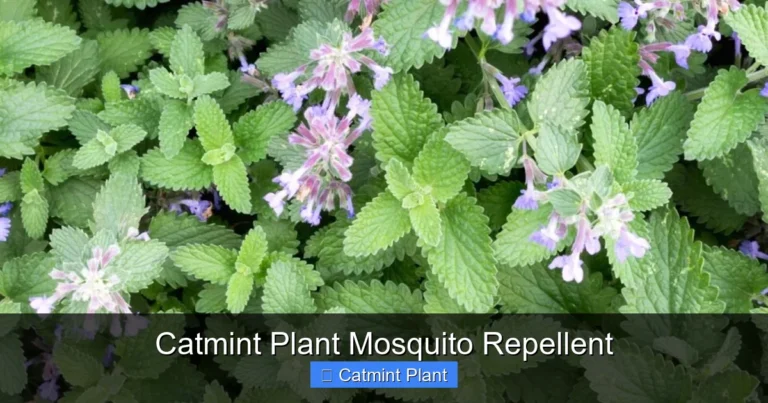
The foliage forms a relaxed mound of aromatic, gray-green leaves. Each leaf is small, oval, and slightly toothed, with a soft, almost fuzzy texture. When brushed or crushed, the leaves release a pleasant, minty fragrance that hints at its herbal lineage. This scent is exactly what deer and rabbits dislike, making the plant naturally resistant to browsing.
The flowers appear in loose spikes that rise above the foliage. Each tiny bloom is a delicate tubular shape in a shade of lavender-blue that reads as purple from a distance. Blooming begins in late spring, often May or June depending on your zone, and continues heavily into early summer. With a simple shearing after the first flush, you can coax a second and even third wave of flowers that lasts well into autumn. The overall effect is a hazy cloud of color that softens hard edges and knits neighboring plants together.
Ideal Growing Conditions
Sunlight Requirements
Full sun is the gold standard for Walkers Low Nepeta catmint plant. Six to eight hours of direct light produces the sturdiest stems, the most flowers, and the best fragrance. In hotter southern zones, a touch of afternoon shade is tolerated and can prevent the foliage from looking a bit tired in August. Too much shade, however, leads to floppy growth and fewer blooms. If your only spot gets four to five hours of sun, you will still get flowers, just not the spectacular show this plant is capable of.
Soil Preferences
Drainage is the single most important soil factor. This plant hates wet feet, especially in winter. Sandy, gravelly, or rocky soils are ideal. Heavy clay can work if amended with coarse sand, fine gravel, or compost to improve drainage. The pH range is forgiving, from slightly acidic to slightly alkaline (6.0 to 7.5). Rich, fertile soil actually encourages lush foliage at the expense of flowers and can make stems weak. Lean soil produces a more compact, floriferous plant.
Water Needs
Newly planted catmint needs regular watering for the first four to six weeks until roots establish. After that, it is remarkably drought tolerant. In most regions, rainfall alone is sufficient once the plant matures. During extended dry spells, a deep soak every two weeks keeps it looking fresh. Overwatering is a far greater risk than underwatering. Soggy soil invites root rot and fungal diseases. If you have an irrigation system, place catmint on a zone with other drought-tolerant perennials, not with thirsty annuals or lawn.
Temperature and Humidity Tolerance
Cold hardiness is excellent. The plant dies back to the ground in winter and returns reliably in spring, even in zone 3 where temperatures drop to -40°F. Heat tolerance is also high, though in zones 8 and 9, the plant may look a bit ragged during the hottest, most humid weeks. Good air circulation helps prevent fungal issues in humid climates. Space plants at least 24 inches apart to allow air flow.
Planting Walkers Low Catmint
When to Plant
Spring and early fall are the best planting times. Spring planting gives roots a full growing season to establish before winter. Fall planting works well in zones 5 and warmer, provided you plant at least six weeks before the ground freezes. Avoid planting in the heat of summer unless you can commit to diligent watering. Container-grown plants from nurseries can technically go in the ground any time the soil is workable, but sticking to the optimal windows reduces transplant shock.
Spacing and Layout
Space plants 24 to 30 inches apart on center. This allows each plant to reach its natural mounding shape without crowding. For a continuous hedge or mass planting, space them 18 to 24 inches apart so they knit together faster. When designing a border, place Walkers Low Nepeta catmint plant in the middle or front-middle layer. Its height works well behind low edgers like creeping thyme or sedum, and in front of taller perennials like coneflowers, Russian sage, or ornamental grasses.
Step-by-Step Planting Guide
Start by digging a hole twice as wide as the root ball and just as deep. If your soil is heavy clay, mix the excavated soil with coarse sand or fine gravel at a 50-50 ratio. Gently remove the plant from its pot. If roots are circling the bottom, tease them apart with your fingers. Place the plant in the hole so the crown sits level with the surrounding soil. Backfill with your amended soil, firming gently to eliminate air pockets. Water thoroughly to settle the soil. Apply a thin layer of gravel mulch or shredded bark, keeping it away from the crown. Do not fertilize at planting time.
Container Planting Tips
Walkers Low adapts well to containers, provided the pot is large enough. Choose a container at least 16 inches wide and deep. Use a gritty, well-draining potting mix. A blend of two parts potting soil, one part coarse sand or perlite, and one part compost works beautifully. Ensure the pot has drainage holes. Water when the top inch of soil feels dry. Container plants need more frequent watering and occasional feeding with a balanced, slow-release fertilizer in spring. In cold zones, move pots to an unheated garage or bury them in the ground for winter protection.
Seasonal Care and Maintenance
Spring Awakening
In early spring, you will see new growth emerging from the base. This is the time to cut back last year’s dead stems to about two inches above the ground. Use clean, sharp pruners. Avoid cutting into the woody crown. If the plant looks congested or the center is dying out, this is also the moment to divide it. Apply a light top-dressing of compost around the base, but skip heavy fertilizer. Too much nitrogen produces floppy stems.
Summer Deadheading and Shearing
The first big flush of flowers typically peaks in June. Once the blooms fade, the plant can look a bit untidy. Shear the entire plant back by one-third to one-half using hedge shears or large scissors. This removes spent flowers and stimulates fresh growth and a second bloom cycle. Do not be timid. The plant recovers quickly. In about two to three weeks, you will see new flower spikes forming. Repeat this process after each major flush for continuous color until frost.
Fall Cleanup
After the first hard frost, the foliage will turn brown and collapse. You have two choices. Leave the dead stems in place to protect the crown over winter and provide habitat for beneficial insects. Or cut them back to the ground for a tidier look. In zones 3 and 4, leaving the stems provides extra insulation. In warmer zones, either approach works. If you cut back in fall, apply a light mulch of straw or shredded leaves over the crown for winter protection.
Dividing Every Three to Four Years
Over time, the center of the clump may become woody and less productive. Division rejuvenates the plant and gives you free plants to share or relocate. Early spring is the ideal time. Dig up the entire clump. Use a sharp spade or knife to cut it into sections, each with healthy roots and several shoots. Discard the woody center. Replant divisions at the same depth, water well, and treat them like new plantings for the first few weeks.
Design Ideas and Companion Plants
Cottage Garden Classics
The relaxed habit and soft color of Walkers Low Nepeta catmint plant make it a cornerstone of cottage garden design. Pair it with old-fashioned roses. The catmint hides the bare legs of rose bushes and its fragrance mingles beautifully with rose perfume. Add foxgloves, delphiniums, and hollyhocks behind it for vertical accents. In front, plant lady’s mantle, hardy geraniums, or coral bells. The result is a romantic, slightly wild tapestry that blooms in succession all season.
Mediterranean and Gravel Gardens
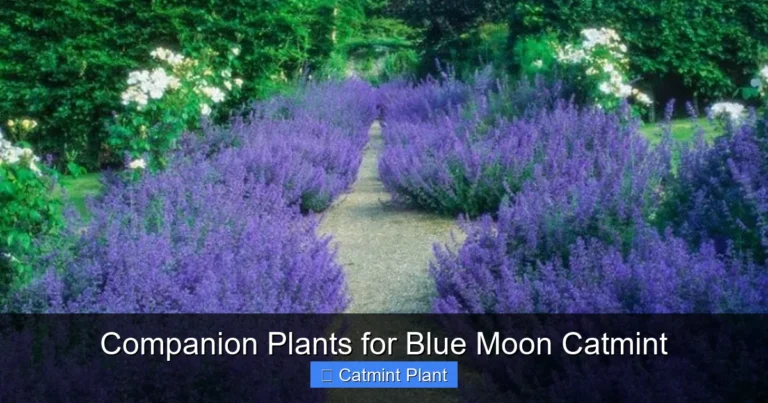
Because it thrives in lean, dry soil, this catmint is a natural for Mediterranean-style plantings. Combine it with lavender, rosemary, thyme, and sage for an herbal border that evokes the hills of Tuscany. Add ornamental grasses like blue fescue or Mexican feather grass for texture. Plant in drifts through a gravel mulch. The gray-green foliage echoes the stone, and the lavender flowers provide a cooling contrast to the hot, hard landscape.
Pollinator and Wildlife Gardens
If your goal is to support bees, butterflies, and hummingbirds, plant catmint in generous sweeps. A single plant helps, but a mass planting creates a nectar destination visible from the air. Surround it with other pollinator favorites: coneflowers, bee balm, black-eyed Susans, salvias, and asters. Include a shallow water source with pebbles for landing pads. Avoid pesticides entirely. The aromatic foliage of catmint naturally deters many pests, reducing the need for intervention.
Edging and Pathway Softening
Planted along a path or driveway, Walkers Low Nepeta catmint plant spills gracefully over edges, softening hardscape lines. Its fragrance releases when brushed by passersby, adding a sensory dimension to the journey. For a formal look, shear it into a low hedge after the first bloom. For a looser feel, let it billow naturally. It also works beautifully at the top of a retaining wall, where stems can cascade down the face.
Container Combinations
In a large pot, use catmint as the “filler” in a thriller-filler-spiller design. Pair it with a tall thriller like purple fountain grass or a dwarf conifer. Add a spiller such as creeping Jenny or trailing verbena to cascade over the rim. The catmint fills the middle with months of color and fragrance. Choose a container with a warm terra cotta or stone finish to complement the cool flower tones.
Common Problems and Solutions
Floppy Stems and Open Centers
The most common complaint is stems that flop outward, leaving a bare center. This usually results from too much shade, too much water, too much fertilizer, or overcrowding. The fix is simple. Move the plant to full sun if possible. Cut back on water and fertilizer. Shear the plant hard after the first bloom to encourage bushier growth. Divide congested clumps in spring. Staking is rarely needed if conditions are right.
Powdery Mildew
In humid climates or with poor air circulation, powdery mildew can coat the leaves with a white, dusty film. It is rarely fatal but looks unsightly. Prevent it by spacing plants properly, watering at the base rather than overhead, and choosing a site with good breeze. If mildew appears, remove affected leaves and spray with a homemade solution of one tablespoon baking soda, one teaspoon horticultural oil, and one gallon of water. Neem oil also works.
Root Rot
Soggy soil, especially in winter, leads to root rot. The plant wilts despite wet soil, and the crown turns black and mushy. Prevention is the only cure. Ensure excellent drainage at planting time. In heavy clay, plant on a slight mound or in a raised bed. Avoid mulch right against the crown. If a plant succumbs, remove it and do not replant catmint in that exact spot for a year.
Pests: Aphids and Spider Mites
Aphids occasionally cluster on new growth in spring. A strong blast of water dislodges them. Ladybugs and lacewings usually arrive quickly to clean up. Spider mites can appear in hot, dry weather, causing stippled, bronzed foliage. Increase humidity with occasional overhead watering in the morning. Insecticidal soap controls both pests if needed, but the plant’s aromatic oils make it naturally unappealing to most insects.
Cat Attraction
Despite the name “catmint,” this variety is far less attractive to cats than true catnip. However, some cats may still roll on it or chew the foliage. If neighborhood cats flatten your plants, lay chicken wire over the crown after cutting back in spring. The plant grows through the mesh, and cats dislike walking on it. Alternatively, plant a sacrificial patch of true catnip elsewhere to distract them.
Propagation Methods
Division
Division is the easiest and most reliable method. Do it in early spring as new growth emerges. Dig the clump, cut into sections with a sharp spade or knife, and replant immediately. Each division should have three to five healthy shoots and a good root system. Water well and shade for a few days if the weather is warm. Divisions often bloom the same year.
Stem Cuttings
Take softwood cuttings in late spring or early summer. Choose non-flowering stems about four to six inches long. Cut just below a leaf node. Remove lower leaves, leaving two or three pairs at the top. Dip the cut end in rooting hormone powder. Insert into a pot of moist perlite or sand-peat mix. Cover with a clear plastic bag to maintain humidity. Place in bright, indirect light. Roots form in three to four weeks. Transplant to individual pots and grow on until fall planting.
Seed
Walkers Low does not come true from seed. Seedlings will vary in height, flower color, and habit. If you want to experiment, collect seeds after flowers fade and sow them in a cold frame in fall or start indoors in late winter. But for reliable results, stick with division or cuttings. Named cultivars like this one are propagated vegetatively to preserve their exact characteristics.
Harvesting and Uses Beyond the Garden
Cut Flowers
The flower spikes make charming, informal cut flowers. Harvest when about half the florets on a spike are open. Cut stems in the cool morning. Strip lower leaves and place immediately in cool water. They last five to seven days in a vase. Mix with roses, yarrow, and grasses for a meadow-style bouquet. The fragrance is subtle indoors but noticeable up close.
Herbal and Craft Uses
While not as potent as catnip, the leaves can be dried for herbal teas or sachets. Harvest stems just before flowering for the highest essential oil content. Hang upside down in a dark, airy place until crisp. Strip leaves and store in airtight jars. The tea is mild, minty, and soothing. Dried leaves also work in potpourri or dream pillows. Some gardeners use the dried stems as kindling; they light easily and smell wonderful.
Dye Plant
The flowers and leaves yield soft yellow-green dyes on wool or silk with an alum mordant. It is a fun project for natural dye enthusiasts, though you need a large quantity of plant material for noticeable color. The results are subtle, earthy tones that complement other plant dyes beautifully.
Buying Guide: What to Look For
Choosing Healthy Plants at the Nursery
When shopping for Walkers Low Nepeta catmint plant, inspect the foliage. It should be gray-green, not yellow or brown. Avoid plants with leggy, stretched stems; they have been crowded or grown in too much shade. Check the root ball. Gently tip the pot and look at the bottom. White, firm roots filling the pot are good. Brown, mushy roots or a sour smell indicate overwatering or root rot. Choose plants in bud rather than full bloom for a longer show in your garden.
Online Ordering Tips
Many reputable nurseries ship bare-root or potted plants. Order early in the season for the best selection. Read reviews for the specific nursery. Look for guarantees. When plants arrive, unpack immediately. If bare-root, soak roots in water for an hour before planting. If potted, water thoroughly and harden off in a sheltered spot for a few days before planting. Spring shipments should be planted as soon as your soil is workable.
Price Expectations
Expect to pay $8 to $15 for a one-gallon pot at a local nursery. Bare-root plants from mail-order sources run $5 to $10 each. Buying in multiples often yields a discount. Consider that one plant becomes three or four after a few years of division. The long-term value is exceptional compared to annuals that must be replaced every year.
Walkers Low vs. Other Catmint Varieties
Walkers Low vs. ‘Six Hills Giant’
‘Six Hills Giant’ is the classic tall catmint, reaching 36 to 48 inches. It is magnificent but can overwhelm small spaces and flops more readily. Walkers Low is more compact, sturdier, and better proportioned for modern gardens. Both bloom similar colors, but Walkers Low reblooms more reliably after shearing.
Walkers Low vs. ‘Cat’s Meow’
‘Cat’s Meow’ is a newer introduction bred for a tighter, more mounded habit and heavier flowering. It stays around 18 to 24 inches tall. It is an excellent choice for the front of the border or containers. Walkers Low has a looser, more romantic habit. Choose ‘Cat’s Meow’ for formal edges; choose Walkers Low for cottage gardens and naturalistic drifts.
Walkers Low vs. ‘Junior Walker’
‘Junior Walker’ is a dwarf sport of Walkers Low, topping out at 15 to 18 inches. It has the same flower color and long bloom season in a compact package. Perfect for small gardens, rock gardens, and the very front of borders. If you love the look of Walkers Low but lack space, ‘Junior Walker’ is the answer.
Walkers Low vs. Nepeta x faassenii Cultivars
The Nepeta x faassenii hybrids (like ‘Blue Wonder’ and ‘Dropmore’) are sterile, so they do not self-seed. They tend to be lower and more compact, 12 to 18 inches. Walkers Low can self-seed lightly, though seedlings are easy to remove. The faassenii hybrids bloom earlier but have a shorter total bloom season. Walkers Low wins for longevity and presence.
Conclusion
Few perennials deliver as much beauty for as little effort as the Walkers Low Nepeta catmint plant. It checks every box: long bloom season, drought tolerance, deer resistance, pollinator appeal, and design versatility. Whether you plant a single specimen in a pot or a sweeping drift along a stone path, this plant earns its keep from May to October. The maintenance routine is simple: shear after the first flush, divide every few years, and otherwise leave it alone. In return, you get a living cloud of lavender-blue that moves with the breeze and hums with life.
If you have been hesitant to add perennials because of past failures, start here. This plant wants to succeed. Give it sun, drainage, and a little patience, and it will reward you year after year. My original three plants have become dozens through division, populating beds across my garden and those of friends. That is the true measure of a great garden plant: it makes you want to share it. Walkers Low does exactly that.
Frequently Asked Questions
What is the difference between catmint and catnip?
Catmint (Nepeta x faassenii and N. racemosa cultivars) is grown for ornamental flowers and foliage. Catnip (Nepeta cataria) is grown for its effect on cats and has less showy flowers. They are different species in the same genus.
How often should I water established Walkers Low catmint?
Once established, water only during prolonged dry spells. A deep soak every two weeks in summer heat is plenty. Overwatering causes more problems than underwatering.
Why is my catmint flopping open in the middle?
Flopping usually means too much shade, water, or fertilizer. Move to full sun, reduce watering, stop fertilizing, and shear hard after the first bloom to encourage bushier growth.
Can I grow Walkers Low catmint in a container?
Yes, use a pot at least 16 inches wide with gritty, well-draining soil. Water when the top inch is dry. Fertilize lightly in spring. Protect pots in winter in cold zones.
Does Walkers Low catmint come back every year?
Yes, it is a hardy perennial in USDA zones 3-8. It dies back to the ground in winter and returns from the roots each spring.
What plants pair well with Walkers Low catmint?
Excellent companions include roses, coneflowers, black-eyed Susans, salvias, ornamental grasses, lavender, and hardy geraniums. It works in cottage, Mediterranean, and pollinator gardens.