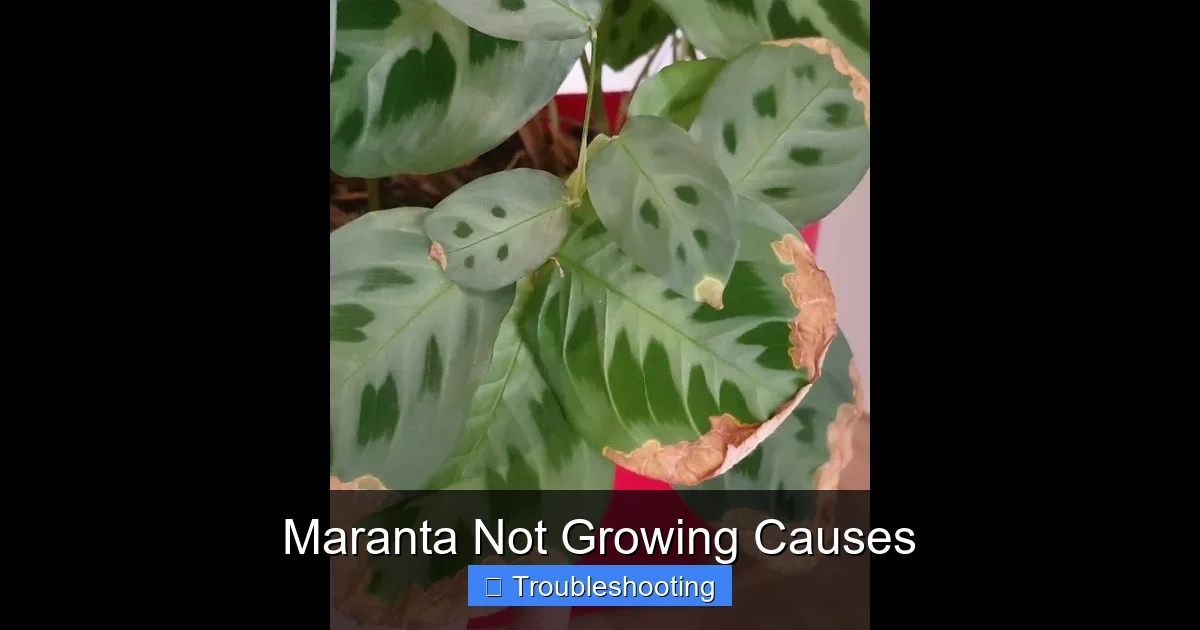
Maranta Not Growing Causes
Maranta plants often stall because of improper light, inconsistent watering, low humidity, poor soil, or pest problems. Identifying the exact cause lets you apply a targeted fix and see new growth within weeks. Follow the steps below to diagnose and revive your prayer plant quickly.
Maranta plants, often called prayer plants, are loved for their striking leaf patterns and gentle night‑time movements. When a maranta stops putting out new leaves it can be frustrating. The good news is that most slow‑growth cases come from a handful of easy‑to‑fix issues.
In this guide we walk through the most common maranta not growing causes and give you clear steps to get your plant back on track. You will learn how to read the signals your plant sends and how to adjust light, water, humidity, soil, temperature, and nutrition.
Key Takeaways
- Light: Too little or too much direct sun stops growth.
- Watering: Overwatering and underwatering both cause stunted leaves.
- Humidity: Dry air leads to curled leaves and slow growth.
- Soil & Drainage: Compacted or soggy mix suffocates roots.
- Temperature: Cold drafts or hot spikes shock the plant.
- Pests & Nutrition: Spider mites, mealybugs, and nutrient gaps halt new foliage.
Quick Answers to Common Questions
Why is my maranta not growing new leaves?
The most common reasons are insufficient light, irregular watering, low humidity, or root problems. Check each factor and adjust one at a time.
How often should I water a prayer plant?
Water when the top inch of soil feels dry. In summer this may be twice a week; in winter once every ten days.
Can low humidity stop maranta growth?
Yes. Dry air causes leaf curl and slows new foliage. Raise humidity with a pebble tray, humidifier, or grouping plants.
What soil mix is best for maranta?
A peat‑based mix with perlite and orchid bark (2:1:1) provides good drainage and aeration.
When should I repot my maranta?
Repot in spring every one to two years or when roots circle the pot. Use a pot only one size larger.
📑 Table of Contents
Light Problems
Light is the engine that drives photosynthesis. If your maranta gets too little light it cannot make enough energy for new growth. If it gets harsh direct sun the leaves can scorch and the plant will pause.
Too Little Light
Signs of low light include pale leaves, long stems, and a lack of new foliage. The plant may lean toward the nearest window. Move the pot to a bright indirect spot. A north‑facing window or a few feet back from an east window works well.
Measuring Light Levels
Use a simple light meter or a phone app to check foot‑candles. Aim for 100 to 200 foot‑candles for healthy growth. If the reading is lower, add a sheer curtain or move the plant closer to the window.
Seasonal Light Changes
Winter days are shorter and weaker. You may need to supplement with a grow light for 12 hours a day. In summer, watch for intense afternoon sun and provide shade if needed.
Too Much Direct Sun
Brown crispy edges and faded patterns point to sunburn. Filter the light with a sheer curtain or place the plant behind a larger leafy plant. Morning sun for an hour is usually safe.
Adjusting Light Gradually
Sudden changes shock the plant. Shift the location a little each day over a week. Watch for improved color and new leaf buds as a sign you hit the sweet spot.
Watering Mistakes
Watering errors are the top reason a maranta stops growing. Both too much and too little water stress the roots.
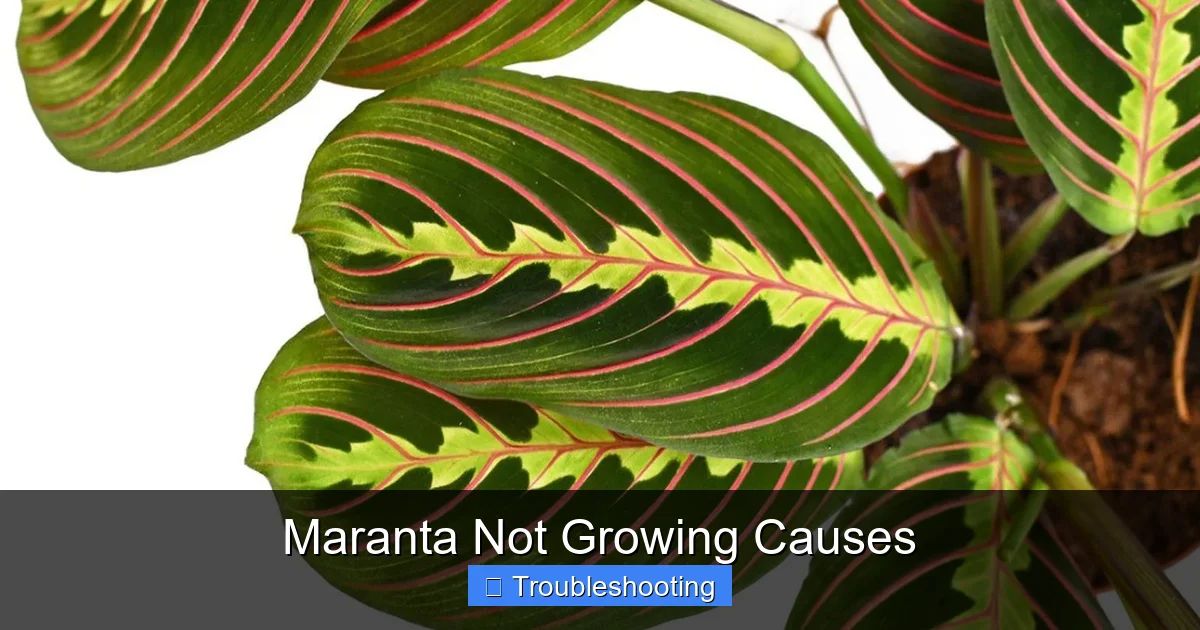
Visual guide about Maranta Not Growing Causes
Image source: gardeningknowhow.com
Overwatering
Soggy soil leads to root rot. Yellowing lower leaves and a musty smell are clues. Let the top inch of soil dry before watering again. Use a pot with drainage holes and empty the saucer after each watering.
Signs of Overwatering vs Underwatering
Overwatered leaves feel soft and mushy. Underwatered leaves feel dry and crisp. Check the soil moisture with your finger to tell the difference.
Water Quality Considerations
Tap water with high chlorine or fluoride can harm sensitive roots. Let water sit overnight or use filtered water. Rainwater is ideal if you can collect it.
Underwatering
Dry, crispy leaf tips and curling edges mean the plant is thirsty. Water thoroughly until it runs out the bottom. Then wait until the top inch feels dry. A consistent schedule prevents swings.
Finding the Right Schedule
Check the soil with your finger every few days. In summer you may water twice a week. In winter cut back to once every ten days. Adjust for humidity and pot size.
Humidity and Air Flow
Maranta originates from tropical forests where humidity stays high. Dry indoor air is a common growth blocker.
Low Humidity Signs
Leaf edges turn brown and curl. New leaves may emerge deformed. A hygrometer reading below 40 percent indicates a problem.
Raising Humidity
Group plants together, set the pot on a pebble tray with water, or run a small humidifier nearby. Misting helps but only for a short time.
Using a Humidifier
Choose a cool‑mist humidifier with a built‑in hygrometer. Set it to maintain 50 to 60 percent humidity. Clean the unit weekly to avoid mold.
Pebble Tray Method
Fill a shallow tray with pebbles and add water just below the top of the stones. Place the pot on the pebbles. As water evaporates it raises local humidity.
Avoiding Drafts
Cold drafts from doors or air‑conditioning vents drop humidity and temperature together. Keep the plant away from direct airflow.
Soil Potting and Drainage
The right mix lets roots breathe while holding enough moisture. A heavy, compacted mix suffocates roots and stops growth.
Choosing the Right Mix
Use a peat‑based blend with perlite or orchid bark. A ratio of two parts peat, one part perlite, one part bark works well. This mix stays airy and drains fast.
Adding Organic Matter
Mix in a handful of compost or worm castings for slow‑release nutrients. Do not exceed 10 percent of the total volume to keep drainage good.
Repotting Tips
Repot every one to two years in spring. Choose a pot only one size larger. Gently loosen the root ball and place it in fresh mix. Water lightly after repotting.
Drainage Checks
Make sure the pot has several holes. Add a layer of coarse gravel at the bottom if the holes are large. Test by watering and watching how fast water exits.
Signs of Poor Drainage
Water pooling on the surface, a sour smell, or algae growth on the soil indicate drainage problems. Repot into a better‑draining mix immediately.
Temperature Stress
Maranta prefers a steady range between 65 and 80 degrees Fahrenheit. Sudden drops or spikes cause the plant to pause growth.
Cold Damage
Leaves may develop dark, water‑soaked spots after a cold night. Move the plant away from windows that get frosty. Keep it above 60 degrees at all times.
Heat Stress
Extended periods above 85 degrees dry the soil fast and scorch leaves. Provide shade during peak afternoon sun and increase watering slightly.
Monitoring Temperature
Place a small digital thermometer near the plant. Check it daily, especially during seasonal transitions. Adjust placement before extremes hit.
Stable Range Tips
Use a room thermometer. Avoid placing the plant near radiators, fireplaces, or air‑conditioning units. Consistency encourages steady leaf production.
Pests Diseases and Nutrient Deficiencies
Even with perfect environment, bugs or missing nutrients can halt growth.
Common Pests
Spider mites leave fine webbing and stippled leaves. Mealybugs appear as white cottony clusters. Wipe leaves with a damp cloth and treat with neem oil or insecticidal soap weekly until gone.
Fungal Issues
Leaf spot shows as brown circles with yellow halos. Improve air flow, avoid overhead watering, and remove affected leaves. A copper‑based fungicide can help severe cases.
Nutrient Deficiency Symptoms
Yellowing between leaf veins often means nitrogen shortage. Pale new growth can signal iron deficiency. Brown leaf tips may indicate potassium lack.
Feeding Correctly
Feed with a balanced liquid fertilizer at half strength once a month during the growing season. Too much fertilizer burns roots. Flush the soil with plain water every few months to prevent salt buildup.
Preventive Care
Inspect leaves weekly for early signs of pests. Keep the growing area clean and free of fallen debris. Rotate the plant occasionally for even light exposure.
Conclusion
When your maranta stops growing it is usually telling you something simple. Check light first, then water, humidity, soil, temperature, and finally pests or nutrition. Make one change at a time and give the plant a week to respond. Most plants bounce back with new leaves in two to three weeks. Keep a care journal to track what works. With a little patience your prayer plant will reward you with vibrant, moving foliage again.
Frequently Asked Questions
What are the top maranta not growing causes?
The top causes are low light, overwatering, underwatering, low humidity, poor drainage, temperature extremes, and pest infestations.
How can I tell if my maranta needs more light?
Look for pale leaves, leggy stems, and a lack of new growth. Moving the plant to bright indirect light usually helps.
Is misting enough to raise humidity for maranta?
Misting gives a brief boost but does not maintain high humidity. A humidifier or pebble tray works better for consistent moisture.
What fertilizer should I use for a prayer plant?
Use a balanced liquid fertilizer diluted to half strength once a month during spring and summer.
Can cold drafts kill a maranta?
Cold drafts can cause leaf damage and stop growth. Keep the plant away from doors, windows, and air‑conditioning vents.
How do I treat spider mites on maranta?
Wipe leaves with a damp cloth, spray neem oil or insecticidal soap weekly, and increase humidity to discourage mites.