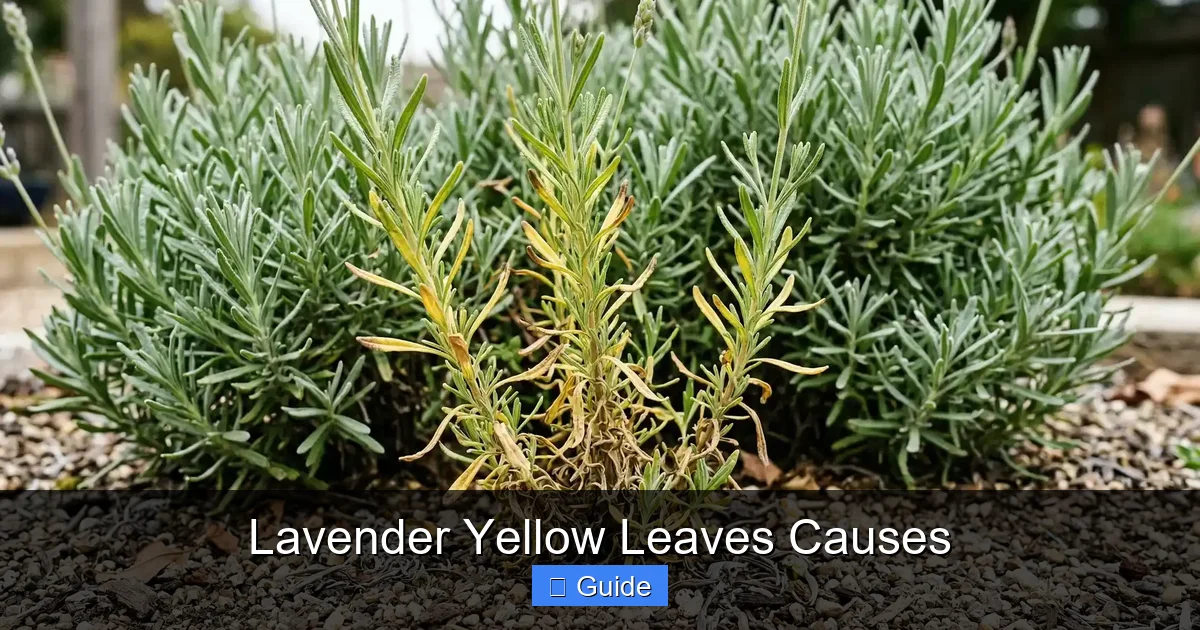
Lavender Yellow Leaves Causes
Lavender yellow leaves causes typically include overwatering, poor drainage, nutrient deficiencies, and fungal diseases. Most issues are fixable with proper care adjustments like improving soil drainage, adjusting watering habits, and ensuring adequate sunlight for your plants.
You walk into your garden expecting to see those gorgeous silvery-green leaves and purple spikes. Instead, you spot yellow. Your heart sinks. Those lavender plants you nurtured from tiny seedlings now look sick. Don’t panic. Yellow leaves on lavender are common. They are also usually fixable. The key is figuring out lavender yellow leaves causes before the problem spreads.
I have grown lavender for over fifteen years. I have made every mistake in the book. I have drowned plants. I have starved them. I have planted them in shade. Each time, the leaves told me something was wrong. Yellow is the plant’s distress signal. It says help me. Today, I want to share everything I have learned so you can read those signals and save your plants.
Key Takeaways
- Overwatering is the number one cause: Lavender prefers dry conditions and roots rot easily in soggy soil.
- Poor drainage compounds water issues: Heavy clay soil traps moisture and suffocates roots.
- Nutrient imbalance matters: Both nitrogen deficiency and excess fertilizer can yellow leaves.
- Fungal diseases spread fast: Root rot and leaf spot thrive in humid, wet conditions.
- Sunlight is non-negotiable: Less than six hours of direct sun weakens plants and causes yellowing.
- Early detection saves plants: Check leaves weekly and act at the first sign of color change.
- Prevention beats cure: Proper planting, spacing, and watering habits prevent most yellowing issues.
Quick Answers to Common Questions
Why are my lavender leaves turning yellow at the bottom only?
Bottom-only yellowing usually means overwatering, poor drainage, or natural aging. Check soil moisture and drainage first.
Can yellow lavender leaves turn green again?
Individual yellow leaves will not turn green, but new growth will be green once you fix the underlying problem.
How often should I water lavender to prevent yellow leaves?
Established in-ground lavender rarely needs water. Potted lavender needs water only when the top two inches of soil are completely dry.
What is the best fertilizer for lavender with yellow leaves?
Use a light application of balanced organic fertilizer or compost in early spring only. Avoid high-nitrogen fertilizers.
Should I cut off yellow leaves on lavender?
Yes, remove yellow leaves to improve air flow and prevent fungal spread. Prune back to healthy green growth.
📑 Table of Contents
- Understanding Why Lavender Turns Yellow
- Water Issues: The Top Culprit
- Soil and Drainage Problems
- Nutrient Deficiencies and Excesses
- Fungal Diseases and Root Rot
- Environmental Stress Factors
- Pest Problems That Cause Yellowing
- Diagnosing Your Specific Problem
- Rescue and Recovery Plan
- Prevention: The Best Medicine
- Variety Matters: Choosing Resilient Lavender
- Seasonal Care Calendar
- When to Give Up and Start Over
- Conclusion
Understanding Why Lavender Turns Yellow
Lavender is a Mediterranean native. It evolved in rocky hillsides with blazing sun, wind, and very little rain. Its DNA expects sharp drainage, low fertility, and dry air. When we grow it in rich, moist garden soil, we create a mismatch. The plant struggles. Yellow leaves are the first visible symptom of that struggle.
Think of yellow leaves like a fever in humans. It is not a disease itself. It is a symptom. Many different problems trigger the same response. Chlorophyll breaks down. Green fades. Yellow shows through. Your job is to play detective. Look at the pattern. Check the soil. Feel the roots. The clues are there if you know where to look.
The Mediterranean Mindset
To grow happy lavender, you must think like a Mediterranean gardener. Imagine the hills of Provence or the islands of Greece. The soil is gritty. The sun is relentless. The rain is rare but intense. The wind keeps foliage dry. Lavender thrives there because it is perfectly adapted. Its roots need oxygen as much as water. Its leaves need sun to make oils. Its crown needs air flow to stay disease-free.
When we plant lavender in heavy clay, mulch it with bark, water it daily, and crowd it with other perennials, we break every rule. The plant cannot adapt fast enough. It yellows. It wilts. It dies. Understanding this mindset shift changes everything. You stop treating lavender like a typical garden perennial. You start treating it like the tough, sun-loving shrub it is.
Normal Aging vs. Problem Yellowing
Before you worry, check if the yellowing is natural. Lavender is a woody subshrub. The base gets woody over time. Older leaves near the bottom naturally yellow and drop. This happens every year. It is normal. New growth at the tips stays green. If only the lowest, oldest leaves are yellow, and the plant looks vigorous otherwise, relax. That is just aging.
Problem yellowing looks different. It affects new growth. It spreads upward. It hits the whole plant at once. The yellow is often accompanied by other signs. Wilting despite wet soil. Black spots. Mushy stems. A sour smell from the root zone. These signal real trouble. The rest of this guide covers those real troubles in detail.
Water Issues: The Top Culprit
If I had a dollar for every lavender killed by kindness, I would be rich. Overwatering is the single biggest cause of yellow leaves. Lavender roots need air pockets in the soil. Water fills those pockets. When soil stays wet, roots suffocate. They rot. The plant cannot take up water or nutrients. Leaves yellow from the bottom up. The irony? The plant looks wilted. You water more. The cycle accelerates.
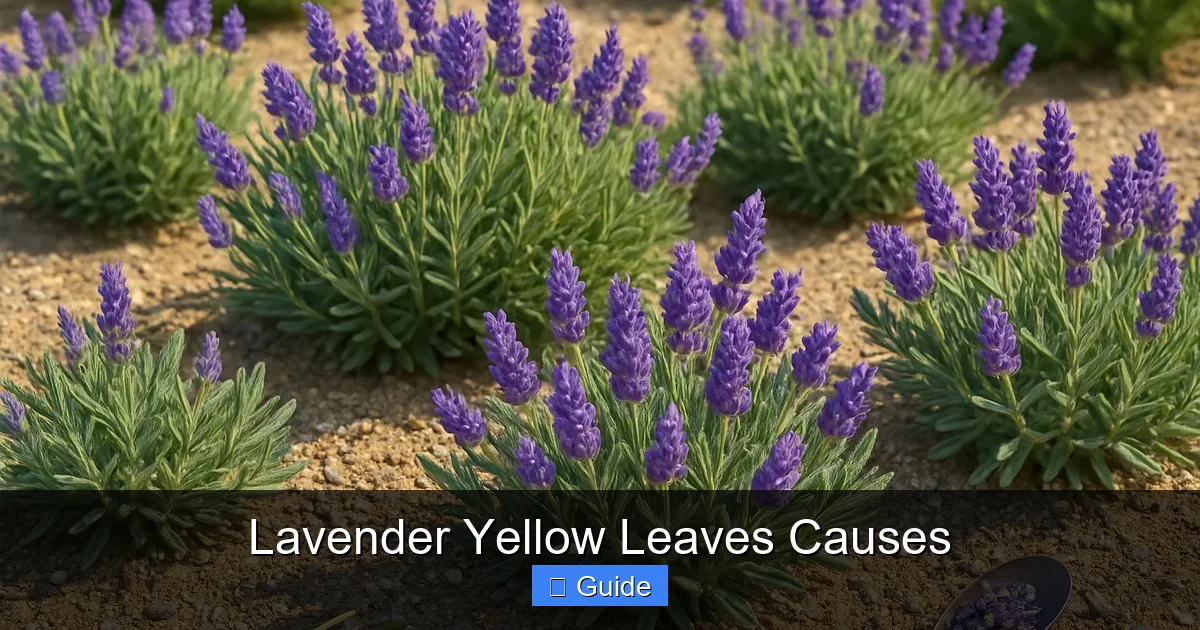
Visual guide about Lavender Yellow Leaves Causes
Image source: cultivatedearth.com
Signs You Are Overwatering
How do you know if water is the problem? Check these signs. The soil feels wet two inches down days after watering. Leaves yellow starting at the bottom. The plant looks limp but the soil is soggy. You see algae or moss on the soil surface. The crown feels soft or mushy. A foul, swampy smell comes from the pot or planting hole. Fungus gnats hover around the base. Any of these mean you are loving your plant to death.
How to Fix Overwatering
Stop watering immediately. Let the soil dry completely. For potted plants, tip the pot on its side to speed drying. For in-ground plants, pull back mulch from the crown. Improve drainage if needed. Mix in coarse sand, perlite, or fine gravel. Create a raised bed or mound. Going forward, water deeply but rarely. Established lavender in the ground often needs zero supplemental water. Potted lavender needs water only when the top two inches are bone dry. Stick your finger in. If it feels cool and damp, wait.
Underwatering Happens Too
New plants and potted plants can dry out too much. The leaves turn yellow-brown and crispy. The soil pulls away from the pot edges. The plant looks parched. This is less common but still happens. The fix is simple. Water thoroughly until it drains out the bottom. For in-ground plants, soak the root zone. Then return to a proper schedule. Consistency beats extremes.
Soil and Drainage Problems
You can water perfectly and still have yellow leaves if the soil holds water. Lavender hates wet feet. Heavy clay, compacted soil, and low spots all trap moisture. Even sandy soil can compact over time. The roots sit in water. Oxygen runs out. Root rot fungi move in. The plant declines.
Testing Your Drainage
Dig a hole twelve inches deep and wide. Fill it with water. Let it drain. Fill it again. Time how long it takes to empty. Good drainage empties in under four hours. Four to eight hours is marginal. Over eight hours is poor. If your lavender sits in poor drainage, you must fix the soil or move the plant. No amount of careful watering compensates for bad drainage.
Amending Heavy Soil
Do not amend just the planting hole. That creates a bathtub effect. Water rushes into the loose amended soil, hits the clay walls, and pools. Instead, amend a wide area. Mix coarse builder’s sand, pea gravel, or perlite into the top twelve inches over a three-foot diameter. Aim for fifty percent native soil, fifty percent amendment. Plant on a slight mound. The crown should sit above the surrounding grade. This ensures water runs away, not toward, the plant.
Container Drainage Essentials
Pots must have drainage holes. No exceptions. Use a gritty mix. One part potting soil, one part coarse sand, one part perlite or pumice. Avoid moisture-retentive crystals. Avoid saucers that hold water. Elevate pots on feet or bricks. This lets air circulate under the pot and water escape freely. Terra cotta pots are ideal. They wick moisture and breathe. Plastic works if you are vigilant about watering.
Nutrient Deficiencies and Excesses
Lavender grows in poor soil naturally. Rich soil or heavy feeding causes weak, floppy growth. The stems cannot support the flowers. The plant becomes disease-prone. But zero nutrients also causes problems. Yellow leaves can signal specific deficiencies. The pattern tells you which one.
Nitrogen Deficiency
Nitrogen moves in the plant. When scarce, the plant steals it from old leaves to feed new growth. Lower leaves yellow first. The yellowing is uniform, not spotted. Growth is stunted. The plant looks pale overall. This happens in very sandy soil, after heavy rain leaches nutrients, or if you never fertilize at all. The fix is easy. Apply a light feeding of balanced organic fertilizer in early spring. Compost tea works well. Do not overdo it. Lavender wants a snack, not a feast.
Iron Chlorosis
Iron deficiency shows as yellow leaves with green veins. This is interveinal chlorosis. It hits new growth first. The cause is usually high soil pH. Lavender prefers slightly alkaline soil, but above 7.5, iron locks up. The roots cannot absorb it. Test your soil pH. If it is too high, add elemental sulfur to lower it. Chelated iron foliar spray gives a quick green-up while the soil adjusts. This is rare in proper lavender soil but common near concrete foundations or in amended beds.
Magnesium Deficiency
Magnesium deficiency also causes interveinal yellowing but on older leaves first. Leaf edges may curl or turn brown. Epsom salts (magnesium sulfate) dissolved in water provides a fast fix. One tablespoon per gallon, applied as a drench. But test soil first. Excess potassium can block magnesium uptake. Balance matters.
Fertilizer Burn
Too much fertilizer, especially synthetic nitrogen, burns roots. The leaf tips and edges turn yellow-brown and crispy. The plant may push weak, sappy growth that attracts aphids. If you suspect burn, flush the soil with water. Stop fertilizing. Let the plant recover. Going forward, use half-strength organic fertilizer once a year in spring. That is plenty.
Fungal Diseases and Root Rot
Fungi love what lavender hates: moisture, humidity, and poor air flow. Once established, fungal diseases spread fast. Yellow leaves are often the first visible sign. By then, the roots or stems may be heavily infected. Prevention is far easier than cure.
Root Rot (Phytophthora and Pythium)
These water molds thrive in saturated soil. They attack roots, turning them brown and mushy. The plant cannot drink. Leaves yellow, wilt, and drop. The crown rots. The plant pulls out of the ground easily with few roots attached. There is no cure for advanced root rot. You must remove the plant. Solarize the soil. Improve drainage before replanting. Do not plant lavender in that spot for two years.
Leaf Spot (Septoria and Alternaria)
Fungal leaf spots start as small yellow dots. They enlarge. Centers turn brown or gray. Halos form. Leaves yellow and drop prematurely. Wet foliage spreads spores. Overhead watering is the enemy. Water at the base. Space plants for air flow. Remove infected leaves. Apply copper fungicide or neem oil early. Serious infections require plant removal.
Botrytis (Gray Mold)
Botrytis loves cool, damp, crowded conditions. It attacks flowers first, then moves to leaves and stems. Gray fuzzy spores appear. Leaves yellow and rot. This is common in greenhouses and humid summers. Increase spacing. Prune for air flow. Remove dead material. Avoid evening watering. Good hygiene prevents most outbreaks.
Lavender Shab Disease (Phomopsis lavandulae)
This specific fungus kills lavender stems. Leaves on affected stems yellow suddenly. The stem base shows black streaks. The plant dies branch by branch. There is no treatment. Remove and burn infected plants. Do not compost. Choose resistant varieties like ‘Grosso’ or ‘Phenomenal’ for replanting.
Environmental Stress Factors
Sometimes the problem is not water, soil, nutrients, or disease. It is the environment. Lavender has specific needs. When those are not met, the plant stresses. Yellow leaves follow.
Insufficient Sunlight
Lavender needs full sun. That means six to eight hours of direct, unfiltered light. Less sun means less photosynthesis. The plant cannot make enough energy. Leaves yellow. Stems stretch and weaken. Flowers are few. If a tree grew up and shaded your lavender, or you planted it in part shade, move it. Fall or early spring is best for transplanting. No amount of fertilizer fixes shade.
Extreme Heat Stress
Lavender loves heat, but extreme heat plus dry wind can scorch leaves. The edges turn yellow-brown and crispy. This is sunburn, not disease. It happens in heat waves, especially to plants in pots or near reflective walls. Provide temporary shade cloth during the hottest afternoon hours. Water deeply in the morning. Mulch with light-colored gravel to reflect heat.
Cold Damage
Lavender hardiness varies by type. English lavender (Lavandula angustifolia) handles zone 5. French and Spanish types need zone 7 or 8. A sudden freeze after warm weather damages tender growth. Leaves yellow and blacken. Wait to prune until new growth shows in spring. Cut back to live wood. Protect borderline plants with burlap screens, not plastic.
Transplant Shock
Newly planted or moved lavender often yellows. The roots are disturbed. They cannot take up water fast enough. The plant sacrifices leaves to survive. This is temporary. Keep the soil evenly moist (not wet) for the first few weeks. Provide light shade for a week. Do not fertilize. The plant will recover once roots establish.
Pest Problems That Cause Yellowing
Pests are less common on lavender than other plants. The oils repel many insects. But some pests persist. Their feeding damages leaves, causing yellow spots, stippling, or general decline.
Spittlebugs
You see white foam on stems. Inside hides a nymph sucking sap. Leaves above the foam yellow and distort. Spittlebugs rarely kill plants. They are unsightly. Blast them off with water. Or wipe stems by hand. They are easy to control.
Whiteflies
Tiny white insects flutter when you disturb the plant. They suck sap from leaf undersides. Leaves yellow, weaken, and drop. Sticky honeydew attracts sooty mold. Yellow sticky traps catch adults. Insecticidal soap or neem oil controls nymphs. Repeat weekly until gone.
Aphids
Clusters of green, black, or pink insects on new growth. They suck sap. Leaves curl, yellow, and distort. Ants farm aphids for honeydew. Blast with water. Apply insecticidal soap. Encourage ladybugs and lacewings. Avoid nitrogen fertilizer which attracts aphids.
Root Knot Nematodes
Microscopic worms in soil. They form galls on roots. The plant yellows, stunts, and wilts. Dig up a plant to check roots. Knobby galls confirm it. Solarize soil. Rotate crops. Plant marigolds as a cover crop. Resistant varieties help. This is serious and hard to eradicate.
Diagnosing Your Specific Problem
You see yellow leaves. Now what? Follow this step-by-step process. It works every time.
Step 1: Check the Pattern
Look closely. Is it bottom leaves only? Top leaves? Whole plant? Yellow with green veins? Yellow with brown tips? Spots? Uniform? Take photos. Compare to the descriptions above. The pattern narrows the causes fast.
Step 2: Feel the Soil
Stick your finger deep. Two to three inches. Is it wet? Dry? Cool? Warm? Soggy? Crumbly? Wet soil days after rain or watering means drainage or overwatering. Bone dry means underwatering. The soil tells the truth.
Step 3: Inspect the Roots
Gently dig beside the plant. Or tip a pot out. Healthy roots are white or tan, firm, and smell earthy. Rotting roots are brown, black, mushy, and smell sour. If roots are bad, you have root rot. Act fast.
Step 4: Check the Crown
Pull back mulch. Look where stems meet soil. Is it firm? Green? Or soft, brown, black? Crown rot kills fast. If the crown is rotted, the plant is likely done. But you can sometimes save pieces by cutting above the rot and rooting cuttings.
Step 5: Review Your Care
Be honest. How often do you water? What fertilizer? How much sun? Any recent changes? New mulch? Construction nearby? Weather extremes? Your habits often reveal the cause.
Rescue and Recovery Plan
You found the cause. Now fix it. Here is your action plan by problem.
For Overwatering and Poor Drainage
Stop watering. Improve drainage immediately. For pots, repot in gritty mix. For ground, aerate with a fork. Add gravel. Mound the soil. Remove mulch from crown. Let nature dry it out. Do not fertilize a stressed plant. Wait for new green growth before any feeding.
For Nutrient Issues
Test soil. Amend based on results. Light organic feed in spring only. Foliar spray for quick iron or magnesium fix. Flush excess salts with water. Patience. Recovery takes weeks.
For Fungal Diseases
Remove all infected parts. Clean tools between cuts. Apply appropriate fungicide. Improve air flow. Water at base only. Mulch with gravel, not organic matter. Monitor daily. Remove any new spots instantly.
For Environmental Stress
Move to full sun if shaded. Shade cloth for heat waves. Burlap for winter. Water deeply during establishment. Time heals transplant shock.
For Pests
Identify the pest. Use targeted control. Start with water blast. Escalate to soap or oil. Encourage beneficials. Avoid broad-spectrum insecticides.
Prevention: The Best Medicine
Healthy lavender rarely gets yellow leaves. Prevention is a set of habits. Build them into your routine.
Plant Right the First Time
Choose a sunny spot. Test drainage. Amend widely. Plant on a mound. Space plants three feet apart. Use gravel mulch. Water in well. Then leave it alone.
Water Wisely
New plants: water weekly for first month. Then taper. Established plants: water only in extreme drought. Pots: water when dry two inches down. Always water at base. Morning only.
Prune Annually
Prune after flowering. Cut back by one-third. Shape into a mound. Do not cut into woody base. Remove dead wood. This promotes air flow and new growth.
Feed Minimally
One inch of compost in spring. Or light organic fertilizer. That is it. No manure. No heavy nitrogen. No weekly feeding.
Monitor Weekly
Walk your plants. Look at leaves. Feel soil. Check crown. Smell roots if concerned. Catch problems at the first yellow leaf. Not the tenth.
Variety Matters: Choosing Resilient Lavender
Some lavenders handle stress better. If you struggle, switch varieties.
English Lavender (Lavandula angustifolia)
Most cold hardy. Zones 5-9. Compact. Sweet fragrance. ‘Hidcote’ and ‘Munstead’ are classics. ‘Phenomenal’ is a modern star. Heat and humidity tolerant. Disease resistant. My top pick for difficult climates.
Lavandin (Lavandula x intermedia)
Hybrids. Larger. Long stems. High oil. ‘Grosso’ and ‘Provence’ are famous. Very tough. Handle heat and humidity better than English types. Less cold hardy. Zone 6-9.
French and Spanish Lavender
Showy rabbit-ear flowers. Less hardy. Zone 7-10. Need excellent drainage. More prone to fungal issues in humidity. Beautiful but picky.
Tender Species
Lavandula dentata, L. stoechas varieties. Annuals in cold zones. Great in pots. Bring inside for winter. Fun but not permanent landscape plants in the north.
Seasonal Care Calendar
Yellow leaves often appear at seasonal transitions. Know what to expect.
Spring
New growth emerges. Old leaves yellow and drop. Normal. Prune after last frost. Apply compost. Watch for late frost damage.
Summer
Peak growth. Flowering. Heat stress possible. Water deeply if drought. Deadhead spent blooms. Watch for pests.
Fall
Stop fertilizing. Reduce water. Light shaping only. No hard pruning. Prepare for winter. Mulch with gravel.
Winter
Dormant. Evergreen in mild zones. Brown in cold zones. Do not water. Do not fertilize. Brush off heavy snow. Wait for spring.
When to Give Up and Start Over
Sometimes a plant is too far gone. Signs it is time to remove: crown is mushy. Roots are all black. No green tissue at base. Shab disease confirmed. Nematodes confirmed. Plant is three years old and never thrived. Remove it. Fix the soil. Plant a resistant variety. Do not feel bad. Every gardener loses plants. It is how we learn.
Conclusion
Yellow leaves on lavender are not a death sentence. They are a conversation. The plant is talking. You now speak the language. Overwatering. Poor drainage. Wrong soil. Not enough sun. Too much fertilizer. Fungus. Pests. Each has a distinct fingerprint. You know how to read them. You know how to fix them. You know how to prevent them.
Your lavender wants to thrive. It wants to fill your garden with silver foliage and purple spikes and that incredible scent. Give it what it evolved for. Sharp drainage. Blazing sun. Lean soil. Dry air. Space to breathe. In return, it gives you beauty, fragrance, pollinators, and the satisfaction of growing one of the world’s most beloved herbs.
Next time you see a yellow leaf, do not panic. Investigate. Act. Learn. Your lavender will thank you with years of blooms. And you will walk your garden with confidence, knowing exactly what those leaves are saying.
Frequently Asked Questions
What are the most common lavender yellow leaves causes?
The most common causes are overwatering, poor soil drainage, insufficient sunlight, and nutrient imbalances. Fungal diseases like root rot also cause yellowing, especially in humid conditions.
How do I know if my lavender has root rot?
Gently dig around the roots. Healthy roots are firm and white or tan. Rotting roots are brown, black, mushy, and smell sour. The plant will wilt despite wet soil.
Can too much sun cause lavender leaves to turn yellow?
Lavender needs full sun, but extreme heat combined with drought can scorch leaves. This causes yellow-brown crispy edges, not overall yellowing. Provide afternoon shade during heat waves.
Why is my potted lavender turning yellow?
Potted lavender often yellows from overwatering, poor drainage holes, wrong soil mix, or nutrient depletion. Use gritty soil, ensure drainage, and water only when dry two inches down.
Will Epsom salt help yellow lavender leaves?
Epsom salt helps only if the yellowing is from magnesium deficiency, which shows as yellowing between veins on older leaves. Test soil first. Do not apply randomly.
When should I worry about lavender yellow leaves?
Worry when yellowing affects new growth, spreads rapidly, accompanies wilting or spots, or the crown feels soft. Natural aging only affects the lowest, oldest leaves.