How to Protect Plants in Spring
Spring brings new growth but also hidden dangers for your garden. This guide covers everything you need to know about how to protect plants in spring, from late frosts and hungry pests to unpredictable rain and temperature swings. Follow these simple steps to give your plants the best start possible.
Spring feels like a fresh start. The soil warms up. The days get longer. Green shoots push through the dirt. It is an exciting time for any gardener. But spring also brings risk. A warm afternoon can turn into a freezing night. Heavy rain can wash away seeds. Hungry bugs wake up ready to eat your hard work. Learning how to protect plants in spring is the key to a garden that thrives instead of just survives.
You do not need a fancy greenhouse or expensive tools. You need a plan. You need to know your local weather patterns. You need to understand what your specific plants need. This guide walks you through every step. We will cover frost protection, pest control, watering tricks, and soil care. By the end, you will feel confident facing whatever spring throws your way.
Key Takeaways
- Watch the forecast daily: Spring weather changes fast. Check nightly lows so you can cover plants before frost hits.
- Use row covers and cloches: Lightweight fabric or plastic covers trap heat and shield tender leaves from cold snaps.
- Harden off seedlings slowly: Move indoor starts outside for a few hours each day. Increase time over a week to prevent shock.
- Mulch early and often: A two to three inch layer of straw or wood chips keeps soil warm and moist while blocking weeds.
- Scout for pests weekly: Aphids, slugs, and cutworms love soft new growth. Catch them early with hand picking or organic sprays.
- Water at the base, not the leaves: Wet foliage invites fungal disease. Use soaker hoses or drip irrigation in the morning.
- Know your last frost date: Plant tender crops only after this date passes. Use it as your guide for all spring tasks.
Quick Answers to Common Questions
What is the single most important thing to do to protect plants in spring?
Know your last frost date and watch the forecast daily. This tells you when to plant and when to cover.
Can I use plastic sheeting to cover plants during frost?
Yes, but remove it first thing in the morning. Plastic traps heat fast and cooks plants in sun. Fabric row cover is safer for daytime use.
When should I start hardening off seedlings?
Start seven to ten days before your last frost date. Begin with one hour in shade. Add an hour daily. Bring them in at night.
How do I stop cutworms from killing my transplants?
Make collars from toilet paper tubes. Push them one inch into soil around each stem. Cutworms cannot reach the plant.
Is it okay to fertilize right after planting?
No. Wait two weeks. Fresh roots burn easily. Let plants establish first. Then use a gentle organic fertilizer like fish emulsion.
📑 Table of Contents
- Understanding Spring Weather Risks
- Preparing Your Garden Before The Last Frost
- Protecting Plants From Late Frosts
- Managing Spring Pests And Diseases
- Watering And Feeding For Strong Growth
- Special Care For Different Plant Types
- Creating A Spring Protection Calendar
- Troubleshooting Common Spring Problems
- Conclusion
Understanding Spring Weather Risks
Spring weather is famously fickle. One day it is seventy degrees and sunny. The next it drops to thirty with a hard freeze. This rollercoaster is the biggest threat to young plants. Tender annuals, new perennials, and vegetable seedlings have no defense against ice crystals forming in their cells. When water inside a plant freezes, it expands. It ruptures cell walls. The plant turns mushy and black. It dies.
Know Your Last Frost Date
Every region has an average last frost date. This is the day when the chance of freezing temperatures drops below fifty percent. You can find yours by searching your zip code plus “last frost date” online. Your local extension office also has this info. Write this date on your calendar. Circle it in red. It is your planting compass.
Do not plant tomatoes, peppers, basil, or other heat lovers before this date. Wait. Even if we get a warm week in April, the cold will likely return. Patience saves money and heartbreak. Cool season crops like peas, spinach, and broccoli can go out four to six weeks before the last frost. They actually like a little chill.
Microclimates In Your Yard
Your yard has its own mini climates. A south facing brick wall holds heat. It creates a warm pocket. Plants there can go in earlier. Low spots collect cold air. Frost settles there first. Plants in dips need extra protection. Windy hilltops dry out soil fast. They need more water and wind breaks. Walk your property at different times of day. Feel the air. Touch the soil. Map these zones. Plant accordingly.
Reading The Forecast Like A Pro
Check the forecast every evening in spring. Look at the overnight low, not just the daytime high. Look at the dew point. A low dew point means dry air. Dry air cools fast. Radiational cooling on clear, calm nights causes the worst frosts. Clouds act like a blanket. Wind mixes warm air down. If the forecast says clear, calm, and low dew point, cover your plants. Do not wait for a frost advisory. By then it is too late.
Preparing Your Garden Before The Last Frost
Preparation starts weeks before you put a single plant in the ground. Healthy soil grows strong plants. Strong plants resist stress better. They bounce back from a cold nip or a bug bite. Weak plants give up. Invest time in your beds now. It pays off all year.
Visual guide about How to Protect Plants in Spring
Image source: agreenhand.com
Soil Testing And Amendment
Get a soil test. Kits are cheap at garden centers. Your extension office does detailed tests for a small fee. The results tell you pH and nutrient levels. Most vegetables want a pH between six and seven. If your soil is too acidic, add lime. If too alkaline, add sulfur. Follow the test recommendations. Do not guess. Too much fertilizer burns roots. Too little starves plants.
Add compost every spring. Two to three inches worked into the top six inches of soil improves structure. It holds water but drains well. It feeds beneficial microbes. It buffers pH swings. Compost is the single best thing you can do for your garden. Make your own or buy it bagged. Just use it.
Bed Preparation Techniques
Loosen soil with a broadfork or garden fork. Do not rototill. Tilling destroys soil structure. It kills earthworms. It brings weed seeds to the surface. Forking opens air channels without flipping layers. Rake the bed smooth. Remove rocks and big clods. Make rows or blocks. Mark them with string. This makes planting straight and spacing easy.
Setting Up Support Structures Early
Put tomato cages, trellises, and stakes in the ground before planting. Pounding a stake next to a growing plant damages roots. Do it now. Peas need netting. Beans need poles. Cucumbers need a fence. Heavy fruit like melons need slings. Plan vertical space. It increases yield. It improves air flow. Good air flow prevents disease. This is a key part of how to protect plants in spring before problems start.
Protecting Plants From Late Frosts
Even with perfect planning, a late frost will happen. It is not a matter of if. It is a matter of when. Have your protection ready. Store it where you can grab it fast. Old sheets, cardboard boxes, and plastic totes work in a pinch. But dedicated tools work better and last years.
Row Covers And Frost Blankets
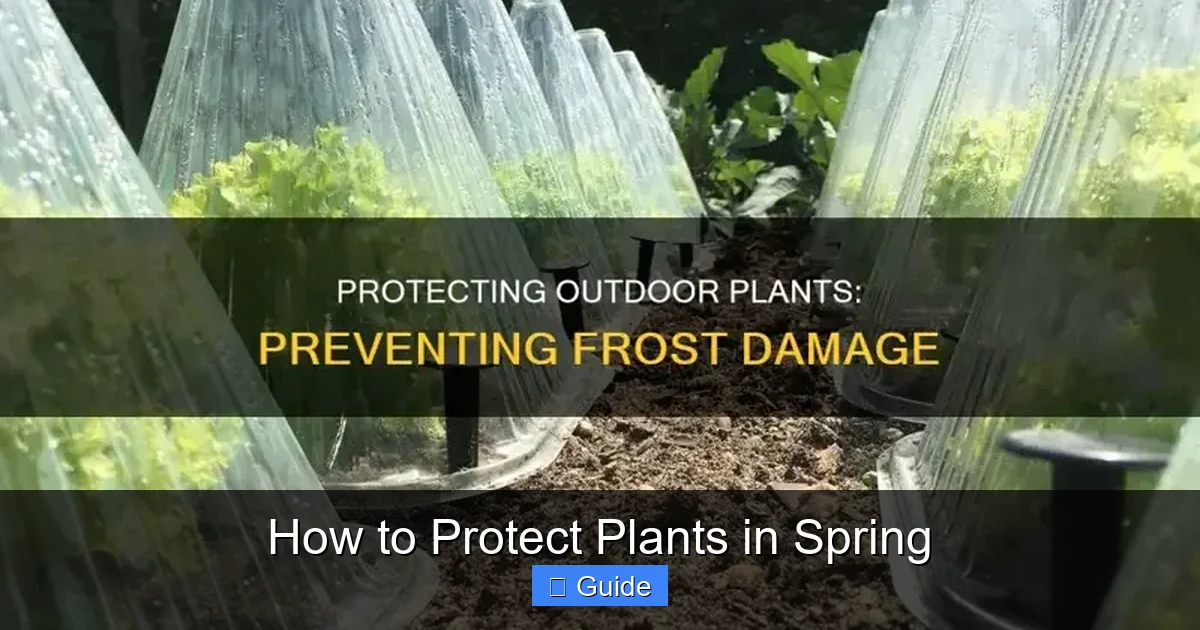
Floating row cover is a lightweight spun fabric. It lets light, air, and water through. It traps heat radiating from the soil. It gives two to eight degrees of protection depending on weight. Agribon AG-19 is a standard medium weight. It protects down to about twenty eight degrees. Lay it loose over plants. Bury the edges with soil or pin them with staples. Do not let it touch leaves. Condensation on fabric freezes and burns foliage. Use hoops to tent it.
Cloches And Cold Frames
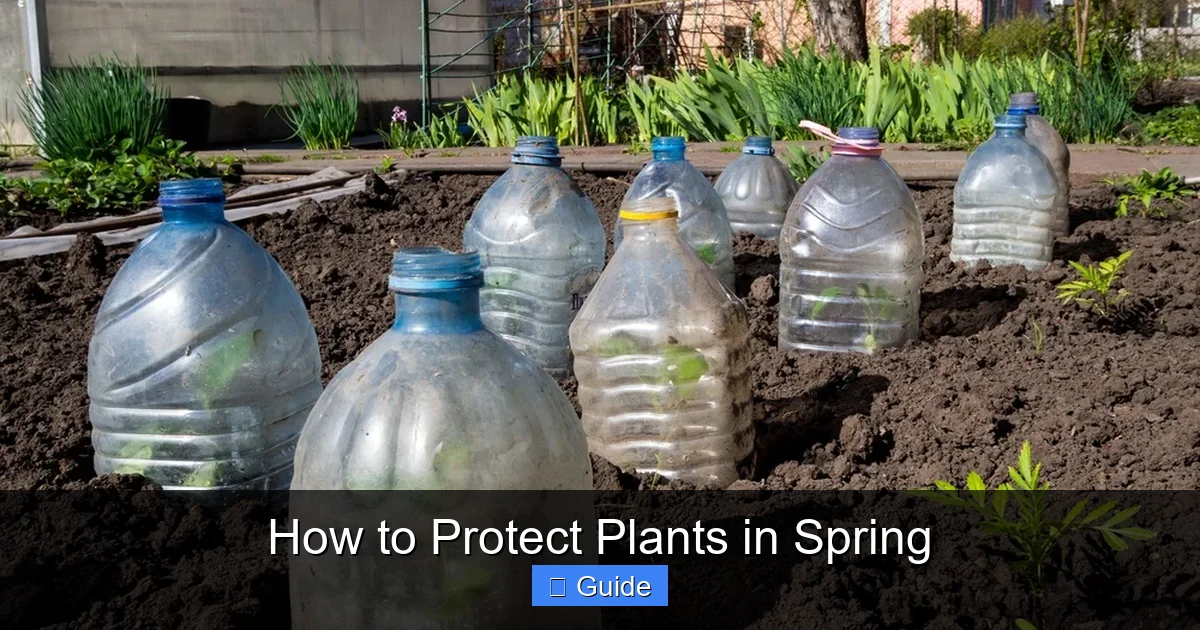
A cloche is a mini greenhouse for one plant. Cut the bottom off a milk jug. Place it over a seedling. Push it into the soil. Remove the cap during the day for venting. Replace it at night. Glass cloches look pretty but cost more. Cold frames are bottomless boxes with clear lids. Old windows on straw bale walls work great. They harden off flats of seedlings. They extend harvest of greens into winter. Vent them on sunny days. They cook plants fast.
Water Walls And Thermal Mass
Water holds heat better than air. Wall O Water teepees are plastic tubes you fill with water. They surround a tomato or pepper plant. The water absorbs sun heat by day. It releases it at night. It protects down to sixteen degrees. You can make your own. Fill two liter bottles with water. Circle them around plants. Paint them black for more heat absorption. Rocks and bricks also store heat. Place them near plants. They moderate temperature swings.
Emergency Frost Tactics
Caught without covers? Improvise. Cardboard boxes over plants. Five gallon buckets. Lawn chairs with blankets draped over. Christmas lights (old incandescent, not LED) strung under a sheet add surprising warmth. A single hundred watt bulb under a cold frame raises temp five degrees. Sprinkle water on plants before freeze. As water turns to ice, it releases latent heat. It keeps leaf tissue at thirty two degrees. This works for fruit trees and berries. Do not do it on tender annuals. Ice weight breaks them.
Managing Spring Pests And Diseases
Warm wet spring weather wakes up pests and pathogens. Aphids hatch from eggs. Slugs emerge from soil. Fungal spores splash onto leaves. Early action prevents population explosions. Walk your beds daily. Flip leaves. Check stems. Look at soil surface. Know the enemy.
Common Spring Insect Pests
Aphids cluster on new growth. They suck sap. They spread viruses. Blast them with a hose jet. Squish them with fingers. Ladybugs and lacewings eat them. Buy beneficial insects if needed. Cutworms chew stems at soil level at night. Collars stop them. Make collars from toilet paper tubes. Push them an inch into soil around each transplant. Slugs and snails eat holes in leaves. Beer traps work. Copper tape on bed edges repels them. Diatomaceous earth dusted around plants cuts their bodies. Reapply after rain.
Flea beetles shot hole leaves of eggplant, radish, and arugula. Row cover excludes them. Yellow sticky traps catch adults. Cabbage worms eat brassicas. Check undersides of leaves daily. Pick off green caterpillars. Bacillus thuringiensis (Bt) spray kills only caterpillars. It is safe for bees and pets. Apply in evening. Reapply after rain.
Preventing Fungal Diseases
Damping off kills seedlings at soil level. Stems pinch and fall over. Use sterile seed starting mix. Do not reuse old potting soil. Water from bottom. Provide air movement with a small fan. Powdery mildew looks like white dust on leaves. It loves humid days and cool nights. Space plants for air flow. Water at soil level. Remove infected leaves. Spray milk solution (one part milk to nine parts water) weekly. It changes leaf pH. Fungus cannot grow.
Botrytis gray mold rots flowers and fruit. It thrives in damp crowded conditions. Thin plants. Pick off dead flowers. Harvest ripe fruit promptly. Early blight on tomatoes shows bullseye spots on lower leaves. Mulch prevents soil splash. Rotate crops. Do not plant tomatoes in same spot two years running. Copper fungicide works if caught early. Read labels. Follow intervals.
Integrated Pest Management Basics
IPM means using the least toxic method first. Identify the pest. Monitor numbers. Set action thresholds. A few aphids? Ignore. Covered stems? Act. Cultural controls: rotate crops, choose resistant varieties, clean up debris. Mechanical controls: hand pick, traps, barriers, water spray. Biological controls: beneficial insects, Bt, nematodes. Chemical controls: last resort. Use organic approved sprays like neem oil, insecticidal soap, pyrethrin. Spray at dusk to protect pollinators. Always read the label. The label is the law.
Watering And Feeding For Strong Growth
Spring rain is unreliable. Some weeks bring inches. Others bring nothing. Consistent moisture grows steady plants. Stress from drying out makes plants vulnerable. Too much water drowns roots. Balance is everything. Feeding at the right time fuels the growth spurt.
Smart Watering Practices
Water deeply and infrequently. This drives roots down. Shallow daily watering keeps roots at surface. They fry in heat. They freeze in cold. Check soil with your finger. Two inches down should feel moist. Not soggy. Not bone dry. Morning is best time to water. Leaves dry fast. Evening watering leaves foliage wet all night. Fungus loves that.
Soaker hoses and drip irrigation put water at roots. They save water. They keep leaves dry. Timer systems make it automatic. Mulch holds moisture. Two to three inches of straw, shredded leaves, or wood chips cuts watering in half. It also keeps soil cooler in heat waves. Pull mulch back from stems an inch. Wet mulch against crown causes rot.
Fertilizing Schedule
Do not fertilize at planting. Fresh transplants need to settle roots. High nitrogen burns them. Wait two weeks. Then feed with balanced organic fertilizer. Fish emulsion, kelp meal, or compost tea are gentle. They feed soil life too. Side dress heavy feeders like tomatoes, corn, and squash monthly. Scratch granular fertilizer into soil around drip line. Water in. Foliar feeds give quick boost. Spray seaweed extract on leaves early morning. Plants absorb nutrients through stomata.
Reading Plant Signals
Yellow lower leaves often mean nitrogen deficiency. Purple tint on tomato leaves means phosphorus deficiency (common in cold soil). It fixes itself as soil warms. Brown leaf edges can be potassium lack or salt burn. Stunted growth with pale new leaves suggests iron deficiency in alkaline soil. Chelated iron spray helps fast. But get a soil test to fix root cause. Observing daily teaches you your plants language.
Special Care For Different Plant Types
Not all plants need the same protection. Tomatoes hate cold. Peas love it. Knowing preferences lets you customize care. Group plants by needs. It makes covering, watering, and feeding efficient.
Warm Season Vegetables
Tomatoes, peppers, eggplant, basil, cucumbers, squash, beans, corn. These need soil above sixty degrees. Air above fifty. Plant after last frost date. Use black plastic mulch to warm soil two weeks early. Cut X slits. Plant through them. Wall O Water lets you plant tomatoes four weeks early. Pinch off first flowers on peppers. Let roots establish before fruiting. Stake tomatoes at planting. Indeterminate varieties need tall cages. Determinate need shorter stakes.
Cool Season Vegetables
Peas, spinach, lettuce, kale, broccoli, cabbage, carrots, beets, radish, onions. Plant four to six weeks before last frost. They germinate in forty degree soil. Frost sweetens kale and carrots. Row cover extends harvest into summer heat. Shade cloth delays bolting on lettuce and spinach. Succession plant every two weeks. Pull bolted plants. Replant. Fall crop of peas and spinach starts in late summer.
Annual Flowers
Petunias, marigolds, zinnias, cosmos, sunflowers, impatiens. Harden off for a week. Plant after frost. Pinch back at planting. It makes bushier plants. More stems mean more flowers. Deadhead spent blooms. It keeps them flowering. Fertilize monthly with bloom booster (high phosphorus). Water at base. Wet flowers rot. Tall varieties need staking. Put stakes in early.
Perennials And Shrubs
New perennials need extra water first year. Roots are not established. Mulch well. Do not fertilize heavily first year. Let them focus on roots. Divide crowded clumps in early spring. Replant divisions. Water well. Shrubs benefit from compost top dressing. Prune spring bloomers after flowering. Prune summer bloomers in early spring. Remove dead wood anytime. Watch for scale insects on stems. Scrub off with soft brush. Spray horticultural oil.
Container Plants
Pots dry out fast. They freeze fast. They heat up fast. Move containers to protected spot for hardening off. Group them together. They insulate each other. Use large pots. More soil volume buffers temperature. Light colored pots stay cooler. Dark pots cook roots. Water daily in heat. Fertilize weekly at half strength. Nutrients leach out. Repot root bound plants. Fresh mix revitalizes them.
Creating A Spring Protection Calendar
A calendar turns good intentions into action. Write tasks by week. Adjust for your zone. This sample works for zone six. Shift two weeks earlier for zone seven. Two weeks later for zone five.
Eight Weeks Before Last Frost
Start tomato and pepper seeds indoors. Clean and sharpen tools. Order row cover and hoops. Plan garden layout on paper. Rotate crop families. Test soil if not done in fall. Build or repair cold frames. Check irrigation for leaks.
Six Weeks Before Last Frost
Direct sow peas, spinach, radish, carrots. Plant onion sets and seed potatoes. Harden off broccoli and cabbage starts. Transplant them under row cover. Apply compost to beds. Mulch paths. Set up pea trellis. Install drip lines.
Four Weeks Before Last Frost
Direct sow beets, chard, lettuce mixes. Transplant kale and collards. Start squash and cucumber seeds indoors (optional). Fertilize garlic and perennial onions. Weed beds thoroughly. Lay straw mulch around cool crops. Check row cover for tears.
Two Weeks Before Last Frost
Harden off tomatoes, peppers, basil. Start beans and corn indoors in pots (optional). Prepare tomato cages and stakes. Buy Wall O Water if using. Watch forecast like a hawk. Have covers ready by door. Plant another round of lettuce and radish.
Last Frost Week
Plant tomatoes, peppers, basil after frost date passes. Use protection if nights still dip below fifty. Direct sow beans, corn, cucumbers, squash. Transplant hardened off annuals. Mulch everything. Set up slug barriers. Deploy yellow sticky traps. Celebrate. You made it.
Two Weeks After Last Frost
Remove row cover from cool crops on warm days. Thin crowded seedlings. Side dress heavy feeders. Scout for pests daily. Pinch basil flowers. Stake tomatoes. Train cucumbers up trellis. Plant heat lovers like okra and sweet potatoes. Enjoy first salad.
Troubleshooting Common Spring Problems
Even with best plans, things go wrong. Here are fixes for frequent issues. Stay calm. Plants are resilient. Most problems are solvable if caught early.
Seedlings Leggy And Pale
Not enough light. Move to brightest window. Add grow lights. Keep lights two inches above tops. Run fourteen to sixteen hours daily. Brush tops gently with hand daily. It simulates wind. It strengthens stems. Lower temperature slightly. High heat plus low light equals stretch. Fertilize at quarter strength.
Transplants Wilting After Planting
Transplant shock. Roots disturbed. Water well at planting. Make mud pie in hole. Set plant. Firm soil. Water again. Shade with row cover or cardboard tent for two days. Do not fertilize. Mist leaves morning and evening. They will perk up.
Seeds Not Germinating
Soil too cold. Check packet for minimum temp. Peppers need eighty degrees. Use heat mat. Soil too dry. Keep surface moist. Mist daily. Cover with plastic dome. Soil too wet. Seeds rot. Improve drainage. Seeds too old. Test viability. Ten seeds on damp paper towel. In bag. Count sprouts in week. Less than fifty percent? Buy fresh.
Holes In Leaves Overnight
Slugs or earwigs. Go out at night with flashlight. Hand pick. Drop in soapy water. Beer traps. Rolled newspaper traps. Check in morning. Shake bugs into bucket. Diatomaceous earth barrier. Reapply after rain. Birds eat slugs. Encourage birds with bath and houses.
Yellow Leaves On Bottom Of Tomato
Early blight or septoria. Remove affected leaves. Do not compost. Mulch thickly. Water at base only. Spray copper or Serenade. Rotate next year. Could also be nitrogen hunger. Feed fish emulsion. Watch new growth. Green and vigorous? It was hunger. Still yellowing? It is disease.
Conclusion
Spring gardening is a dance with nature. You lead sometimes. Nature leads sometimes. The gardener who watches, learns, and adapts wins. You now have a toolkit for how to protect plants in spring. You know about frost dates and microclimates. You have covers and cloches ready. You understand pests and diseases. You can water and feed smart. You have a calendar to keep you on track.
Start small if you are new. Pick three crops. Master them. Add more next year. Keep a notebook. Write what you planted when. Note weather quirks. Record what worked and what failed. Your garden journal becomes your best reference. It is customized to your yard. No book knows your soil like you do.
Remember that plants want to grow. They have survived millennia without us. We just stack the deck in their favor. A little protection at the right time makes all the difference. That row cover thrown over tomatoes at sunset. That slug patrol with a headlamp. That morning walk with coffee checking soil moisture. These small acts build a big harvest.
Go outside. Feel the spring air. Get your hands dirty. Make mistakes. Learn from them. Eat food you grew. Share it with neighbors. That is what gardening is really about. Connection. To the earth. To the seasons. To each other. Happy spring planting. Your garden is waiting.
Frequently Asked Questions
What temperature is considered a killing frost for tender plants?
A killing frost occurs at thirty two degrees Fahrenheit or below. Tender plants like tomatoes, peppers, and basil die at this temperature. Hardy plants like kale and peas survive much colder.
How do I protect potted plants from spring frost?
Move containers against a south facing wall. Group them together. Wrap pots in bubble wrap or burlap. Cover plants with frost cloth. Bring tender pots into garage or shed overnight.
Can I use a sprinkler to protect plants from frost?
Yes, commercial growers use overhead irrigation. As water freezes it releases heat keeping plants at thirty two degrees. This requires running water all night. It is risky for home gardeners. Ice weight breaks branches. Use covers instead.
What is the best mulch for spring vegetable gardens?
Straw is ideal. It is clean, light, and breaks down slowly. Shredded leaves work well and are free. Wood chips are good for paths but tie up nitrogen in beds. Avoid hay. It contains weed seeds.
How often should I check for pests in spring?
Walk your beds every morning. Flip leaves. Check stems. Look at soil. Early detection means easy control. A few minutes daily prevents major outbreaks.
When can I stop worrying about frost in spring?
Two weeks after your average last frost date, the risk drops below ten percent. However, freak late frosts happen. Keep row cover handy until June in northern zones. Watch the forecast always.