Complete Guide to Wicker for String of Pearls
Wicker for string of pearls offers excellent drainage and a stylish look. Choose the right size, line the basket, and water sparingly to keep your succulents thriving.
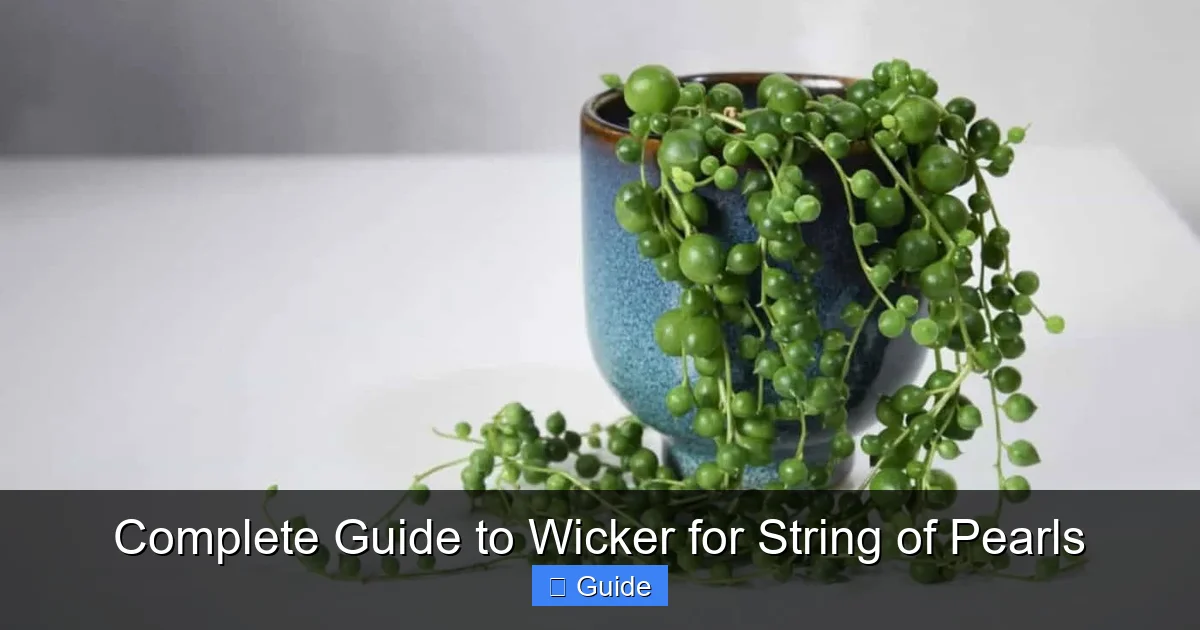
When you first see a string of pearls cascading from a woven basket, the effect is instantly charming. The delicate green beads seem to float in the air, and the natural texture of the container adds warmth to any room. This guide walks you through everything you need to know about wicker for string of pearls, from picking the right basket to long‑term care.
Wicker for string of pearls is more than a decorative choice. The open weave promotes airflow around the root zone, which is critical for a succulent that hates soggy feet. By the end of this article you will feel confident selecting, preparing, and maintaining a wicker planter that keeps your plant healthy and looking its best.
Key Takeaways
- Breathable material: Wicker allows air to reach roots, reducing rot risk.
- Natural aesthetics: The woven texture complements the bead‑like leaves of string of pearls.
- Size matters: A basket 8‑12 inches wide gives room for growth without excess soil.
- Lining is essential: Use a coconut coir or landscape fabric liner to hold soil while keeping drainage.
- Water wisely: Let the top inch of soil dry before watering again.
- Seasonal care: Reduce watering in winter and provide bright indirect light year‑round.
Quick Answers to Common Questions
What size wicker basket is best for string of pearls?
An 8‑ to 12‑inch wide basket with at least 6 inches of depth gives the roots room to grow while keeping the soil well‑drained.
Do I need a liner for a wicker planter?
Yes, a coconut coir or landscape fabric liner holds soil, protects the wicker fibers, and still allows excess water to escape.
How often should I water string of pearls in wicker?
Water when the top inch of soil feels dry, typically every 10‑14 days in summer and every 3‑4 weeks in winter.
Can I hang a wicker basket outdoors?
Use synthetic resin wicker or a hybrid basket with a waterproof liner for outdoor hanging; natural wicker may degrade in constant moisture.
What light conditions does string of pearls prefer?
Bright indirect light is ideal; avoid harsh direct sun which can scorch the delicate beads.
📑 Table of Contents
Why Choose Wicker for String of Pearls?
Superior Drainage and Airflow
Wicker for string of pearls is naturally porous. The gaps between the strands let excess water escape quickly. This reduces the chance of root rot, a common problem for string of pearls when planted in solid pots. Good airflow also helps the soil dry evenly, which mimics the plant’s native arid environment.
Lightweight and Portable
A wicker basket weighs far less than a ceramic or concrete pot of the same size. You can move your string of pearls to follow the sun or to rearrange your décor without straining your back. The light weight also makes hanging installations easier and safer.
Eco‑Friendly Appeal
Most wicker is made from renewable rattan, willow, or bamboo. Choosing a natural basket supports sustainable harvesting practices. If you prefer a synthetic option, look for recycled polyethylene wicker that mimics the look while lasting longer outdoors.
Types of Wicker Baskets and Materials
Natural Rattan and Willow
Rattan and willow are the classic choices for wicker for string of pearls. They are flexible, strong, and develop a beautiful patina over time. These baskets often come with a loose weave that maximizes drainage. Keep in mind that natural fibers can degrade if constantly wet, so a good liner is a must.
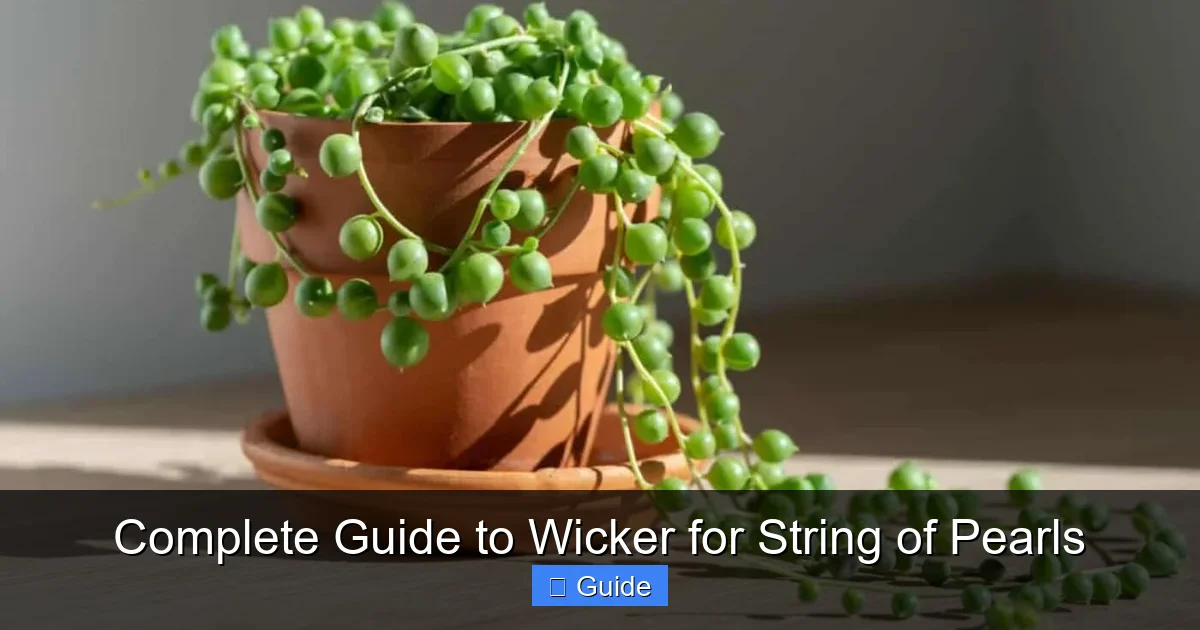
Visual guide about Complete Guide to Wicker for String of Pearls
Image source: planetnatural.com
Bamboo Wicker
Bamboo wicker offers a slightly tighter weave and a lighter color palette. It resists moisture better than rattan, making it a solid pick for humid bathrooms or kitchens. Bamboo also grows rapidly, so it scores high on sustainability.
Synthetic Resin Wicker
Resin wicker mimics the look of natural fibers but stands up to rain, UV rays, and temperature swings. It is ideal if you plan to hang your string of pearls on a patio or balcony. The material does not rot, but it can retain heat, so ensure the basket still has ample drainage holes.
Hybrid Baskets
Some manufacturers combine a natural outer frame with a synthetic liner. This gives you the aesthetic of real wicker for string of pearls while providing a waterproof barrier that protects the fibers. Hybrid baskets are a great middle ground for indoor‑outdoor use.
Selecting the Right Size and Shape
Width and Depth Guidelines
For a healthy string of pearls, choose a basket that is at least 8 inches wide and 6 inches deep. This provides enough soil volume for the root system to expand without becoming waterlogged. A wider basket also lets the trailing stems spread gracefully.
Round vs. Oval vs. Rectangular
Round baskets create a classic “spilling” look as the pearls cascade evenly around the rim. Oval and rectangular shapes work well on shelves or window sills where you want a linear drape. The shape does not affect plant health, so pick the one that fits your space.
Hanging vs. Tabletop
If you plan to hang the basket, verify that the wicker for string of pearls includes sturdy hanging loops or a chain. Tabletop baskets should have a flat base or a removable saucer to protect furniture from moisture. Both styles benefit from a liner that holds soil while allowing water to pass through.
Preparing Your Wicker Planter for Planting
Choosing a Liner
A liner is the secret to long‑lasting wicker for string of pearls. Coconut coir liners are breathable, biodegradable, and hold moisture just enough for succulents. Landscape fabric works well too; cut it to size, place it inside the basket, and secure the edges with a few staples or zip ties.
Adding a Drainage Layer
Place a 1‑inch layer of coarse gravel or broken terracotta shards at the bottom of the liner. This creates a reservoir for excess water and prevents the soil from clogging the weave. The drainage layer is especially important if your basket lacks pre‑drilled holes.
Selecting the Right Soil Mix
String of pearls thrives in a gritty, fast‑draining mix. Combine two parts cactus potting soil, one part perlite, and one part coarse sand. This blend mimics the plant’s native rocky terrain and works perfectly with the airflow provided by wicker for string of pearls.
Planting Steps
1. Fill the lined basket with the soil mix, leaving about an inch of space at the top. 2. Make a small hole in the center and gently set the root ball of your string of pearls. 3. Backfill around the roots, firming lightly. 4. Water thoroughly until water runs out of the bottom, then let the basket drain completely before moving it to its final spot.
Caring for String of Pearls in Wicker
Watering Routine
Water only when the top inch of soil feels dry. In summer this may be every 10‑14 days; in winter stretch it to three weeks or more. Because wicker for string of pearls dries faster than solid pots, check moisture more frequently during heat waves.
Light Requirements
Bright indirect light is ideal. A south‑facing window with a sheer curtain works well. Direct midday sun can scorch the delicate beads, while too little light leads to leggy growth and loss of the characteristic pearl shape.
Fertilizing Schedule
Feed with a diluted succulent fertilizer (half strength) once a month during the growing season (spring through early fall). Skip feeding in winter when the plant rests. Over‑fertilizing can cause salt buildup, which is harder to flush out of a wicker basket.
Pruning and Propagation
Trim any dried or shriveled strands to keep the plant tidy. You can propagate cuttings by laying them on moist soil; they root quickly in the airy environment of wicker for string of pearls. This is a fun way to expand your collection or share with friends.
Pest Management
Mealybugs and spider mites are the most common pests. Inspect the undersides of the pearls weekly. A cotton swab dipped in isopropyl alcohol removes mealybugs instantly. For spider mites, increase humidity slightly and spray with neem oil every two weeks until the infestation clears.
Styling Tips and Creative Ideas
Hanging Macramé Display
Pair a round wicker for string of pearls basket with a simple macramé hanger. The knotted cords add texture and keep the basket at eye level, turning the trailing pearls into living art.
Tiered Shelf Arrangement
Place several rectangular wicker baskets on a ladder‑style shelf. Vary the heights and let each string of pearls drape at a different length. The result is a cascading green waterfall that draws the eye upward.
Mixed Succulent Bowl
Combine string of pearls with other trailing succulents like burro’s tail or string of hearts in a large oval wicker basket. The contrasting leaf shapes create visual interest while sharing the same care routine.
Seasonal Accents
During holidays, wrap a thin LED fairy light strand around the rim of the wicker for string of pearls. The soft glow highlights the beads and adds festive cheer without harming the plant.
Outdoor Patio Grouping
If you use synthetic resin wicker, group three baskets of varying sizes on a patio table. Add a few potted herbs in matching containers for a cohesive, edible‑ornamental display that thrives in bright shade.
Long‑Term Maintenance and Troubleshooting
Re‑Lining the Basket
Natural wicker liners break down after 12‑18 months. When you notice soil escaping or the liner looking brittle, replace it with a fresh coir or fabric liner. This simple swap extends the life of your wicker for string of pearls indefinitely.
Repotting Schedule
Repot every two years in spring. Gently remove the plant, shake off old soil, and refresh with new gritty mix. Inspect roots for rot; trim any blackened sections before replanting.
Dealing with Faded Color
Sun exposure can bleach natural wicker. Apply a clear, UV‑resistant sealant once a year to preserve the warm tone. Test the sealant on a hidden spot first to ensure it does not affect drainage.
Fixing Loose Weave Repair
If a strand comes loose, tuck it back into the weave and secure with a small dab of waterproof wood glue. For larger gaps, weave in a matching rattan strip. Keeping the structure tight maintains the basket’s strength and appearance.
With the right basket, a good liner, and a simple care routine, wicker for string of pearls becomes a low‑maintenance centerpiece that brings life to any room. Enjoy the process of watching those green pearls spill over the woven edges, and feel free to experiment with different styles as your plant grows.
Frequently Asked Questions
Can I use regular potting soil for string of pearls in a wicker basket?
Regular potting soil retains too much moisture. Use a gritty mix of cactus soil, perlite, and coarse sand for optimal drainage.
How do I prevent the wicker from rotting?
Always line the basket, add a gravel drainage layer, and let the soil dry out between waterings. Replace natural liners annually.
Is it okay to fertilize string of pearls in winter?
No, the plant is dormant in winter. Fertilize only during the active growing season at half strength.
What pests commonly affect string of pearls in wicker?
Mealybugs and spider mites are the most frequent. Inspect weekly and treat with alcohol swabs or neem oil as needed.
Can I propagate string of pearls directly in the wicker basket?
Yes, lay cuttings on the moist soil surface; the airy environment of wicker encourages quick rooting.
How do I clean a dusty wicker basket without harming the plant?
Gently brush the wicker with a soft dry brush or use a low‑suction vacuum attachment. Avoid water on the fibers to prevent mold.