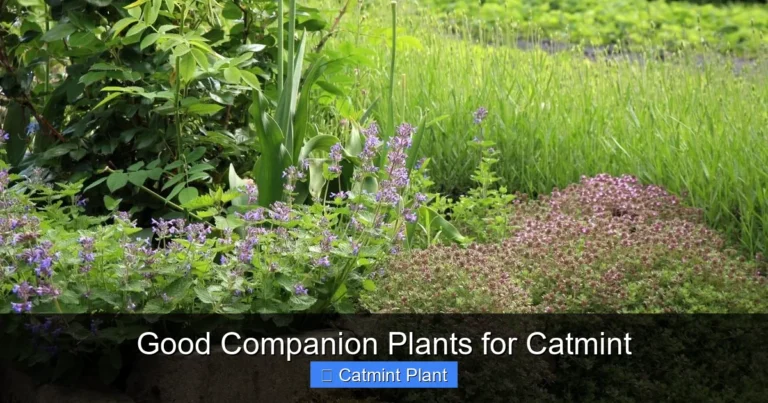
Catmint Plant Spreading Out from Centet
Catmint plant spreading out from centet forms a low aromatic mound that quickly fills garden gaps. Its soft gray‑green foliage and lavender blooms attract bees and butterflies all season.
Catmint plant spreading out from centet is a popular perennial for gardeners who want quick coverage. It forms a soft mound of gray green leaves. The plant sends out runners that fill empty spaces fast. The lavender flowers appear in early summer and keep blooming into fall. Bees and butterflies visit the blooms daily. The scent of the foliage repels deer and rabbits. This guide covers everything you need to know about growing catmint plant spreading out from centet. You will learn site selection planting care and design ideas.
Catmint plant spreading out from centet thrives in full sun to light shade. It prefers well drained soil but tolerates a range of textures. Once established it needs little supplemental water. The plant is drought tolerant after the first season. Deer and rabbits avoid the strong aroma. These traits make it a low maintenance choice for busy gardeners.
Understanding the growth habit of catmint plant spreading out from centet helps you plan your garden layout. The plant grows from a central crown and sends out horizontal stems. These stems root at nodes and form new shoots. The result is a dense mat that covers soil quickly. This spreading habit also suppresses weeds naturally.
Key Takeaways
- Fast spread: The catmint plant spreading out from centet expands quickly to cover bare soil.
- Low maintenance: Once established it needs little water or fertilizer.
- Pollinator magnet: Bees and butterflies love the nectar rich flowers.
- Deer resistant: The strong scent keeps browsing animals away.
- Versatile design: Use it as edging ground cover or in mixed borders.
- Easy propagation: Divide clumps in spring or fall for new plants.
Quick Answers to Common Questions
How fast does catmint plant spreading out from centet spread?
It can cover three feet in one growing season under ideal conditions.
What sunlight does catmint plant spreading out from centet need?
At least six hours of direct sun each day for best flowering.
When should I divide catmint plant spreading out from centet?
Divide clumps every three years in early fall for fresh growth.
Is catmint plant spreading out from centet deer resistant?
Yes the strong scent repels deer and rabbits effectively.
Can catmint plant spreading out from centet grow in containers?
It grows well in large pots with good drainage and regular watering.
📑 Table of Contents
- Understanding the Growth Habit of Catmint Plant Spreading Out from Centet
- Ideal Growing Conditions for Catmint Plant Spreading Out from Centet
- Planting and Spacing Tips for Catmint Plant Spreading Out from Centet
- Seasonal Care and Maintenance for Catmint Plant Spreading Out from Centet
- Design Ideas Using Catmint Plant Spreading Out from Centet
- Common Problems and Solutions for Catmint Plant Spreading Out from Centet
Understanding the Growth Habit of Catmint Plant Spreading Out from Centet
The growth habit of catmint plant spreading out from centet is driven by stolons that run just below the surface. Each node can produce roots and leaves without seeding. This allows rapid colonization of open ground. The spread rate depends on moisture fertility and sunlight. Gardeners can expect a three foot spread in one season.
How the Plant Spreads
Catmint plant spreading out from centet spreads by stolons that creep horizontally. The stolons root at each node creating new plants. This vegetative spread is faster than seed dispersal. Moist soil encourages quicker rooting. Dry conditions slow the advance but the plant survives.
Typical Size and Shape
A mature catmint plant spreading out from centet reaches twelve to eighteen inches tall. The mound stays low and rounded. The spread can exceed three feet wide in a single year. This compact shape makes it ideal for edging paths. The foliage remains attractive even after flowering.
Why It Works as Ground Cover
Because catmint plant spreading out from centet forms a tight mat it suppresses weeds effectively. The foliage releases a mild aroma that deters many pests. The dense growth conserves soil moisture during hot spells. These traits reduce the need for mulching and weeding. It is a practical ground cover for sunny beds.
Ideal Growing Conditions for Catmint Plant Spreading Out from Centet
Providing the right conditions ensures catmint plant spreading out from centet thrives and spreads quickly. Full sun to light shade works best. Well drained soil prevents root problems. Moderate watering supports steady growth. A balanced fertilizer in spring boosts vigor.
Sunlight Requirements
Catmint plant spreading out from centet prefers at least six hours of direct sun each day. In hot climates afternoon shade reduces heat stress. Too much shade leads to leggy stems and fewer flowers. A south facing bed is ideal for maximum bloom. Light shade is tolerated but slows spread.
Soil Preferences
The plant tolerates a range of soils but thrives in sandy loam with good drainage. Heavy clay can cause waterlogging and root rot. Amending clay with compost improves texture for catmint plant spreading out from centet. A slightly alkaline pH is preferred but not required. Good drainage is the key factor.
Water Needs
Established catmint plant spreading out from centet is drought tolerant once rooted. Water deeply once a week during the first growing season. After establishment water only during prolonged dry spells. Overwatering encourages fungal diseases. Mulching helps retain moisture without soggy roots.
Planting and Spacing Tips for Catmint Plant Spreading Out from Centet
Proper planting and spacing set the stage for a uniform carpet of catmint plant spreading out from centet. Spring or early fall are the best times to plant. Space plants twelve to eighteen inches apart for quick fill. Prepare the bed by loosening soil to twelve inches deep.
When to Plant
Plant catmint plant spreading out from centet in early spring after the last frost. Fall planting works in mild zones where roots can establish before winter. Avoid planting during extreme heat or frozen ground. Cool temperatures reduce transplant shock. Water thoroughly after planting.
Spacing Guidelines
Space each catmint plant spreading out from centet about fifteen inches apart. Closer spacing yields faster coverage but may increase competition for nutrients. Wider spacing saves plants but leaves gaps longer. For a solid mat use the tighter spacing. Adjust based on desired fill speed.
Preparing the Bed
Loosen the soil to a depth of twelve inches before planting catmint plant spreading out from centet. Mix in a handful of compost per planting hole. This gives young roots a nutrient boost. Remove rocks and large clods that hinder root growth. Level the bed for even water distribution.
Seasonal Care and Maintenance for Catmint Plant Spreading Out from Centet
Routine care keeps catmint plant spreading out from centet looking tidy and flowering all season. Simple tasks in spring summer and fall maintain vigor. Pruning deadheading and division are the main activities. Each task takes only a few minutes.
Spring Pruning
In early spring cut back old stems of catmint plant spreading out from centet to about three inches. This encourages fresh growth and more blooms. Remove any dead or damaged tissue. Use clean sharp shears to prevent disease. Prune before new growth emerges.
Summer Deadheading
Deadhead spent flowers on catmint plant spreading out from centet to promote a second flush. Snip just below the faded bloom. This also prevents self seeding in unwanted areas. Regular deadheading extends the bloom period. It keeps the plant looking neat.
Fall Division
Divide clumps of catmint plant spreading out from centet every three years in fall. Lift the root ball and separate into smaller sections. Replant divisions at the same depth. Water well after replanting. Division rejuvenates older plants and controls spread.
Design Ideas Using Catmint Plant Spreading Out from Centet
The versatile habit of catmint plant spreading out from centet fits many garden styles. Use it as a border edging a rock garden accent or a pollinator pathway. Its soft color blends with both formal and cottage designs. The fragrance adds sensory appeal.
Border Edging
Plant catmint plant spreading out from centet along walkways for a soft fragrant edge. The low mound defines the path without blocking views. The lavender blooms add color from June to September. It pairs well with roses and salvias. The scent greets visitors at each step.
Rock Garden Accent
Tuck catmint plant spreading out from centet among stones for a natural look. The gray green foliage contrasts with rocky textures. The plant tolerates the lean soil typical of rock gardens. It thrives in the sharp drainage of gravel beds. The flowers attract pollinators to the rockery.
Pollinator Pathway
Create a pollinator corridor by mass planting catmint plant spreading out from centet. Bees butterflies and hummingbirds follow the continuous bloom. This supports local wildlife and improves fruit set nearby. Plant in drifts of at least five plants for impact. The pathway becomes a living highway.
Common Problems and Solutions for Catmint Plant Spreading Out from Centet
Even easy plants can face issues. Knowing the common problems of catmint plant spreading out from centet helps you act fast. Powdery mildew root rot and leggy growth are the main concerns. Early detection prevents major damage.
Powdery Mildew
Powdery mildew appears as white dust on leaves of catmint plant spreading out from centet in humid weather. Improve air spacing and avoid overhead watering. Apply a sulfur based fungicide if needed. Remove severely infected leaves promptly. Good air flow reduces recurrence.
Root Rot
Root rot occurs when catmint plant spreading out from centet sits in soggy soil. Ensure excellent drainage and reduce watering frequency. Remove affected plants to stop spread. Amend heavy soil with sand or compost. Healthy roots are white and firm.
Leggy Growth
Leggy growth happens when catmint plant spreading out from centet receives too little light. Move plants to a sunnier spot or trim back to encourage bushier habit. Regular pruning prevents future legginess. Pinch back stems in early summer for compact shape. Adequate light is essential.
Catmint plant spreading out from centet offers fast coverage low maintenance and wildlife appeal. With the right site and simple care it rewards you with months of color and fragrance. Add this reliable perennial to your garden plan and enjoy a living carpet that works hard for you.
Frequently Asked Questions
What soil type is best for catmint plant spreading out from centet?
Well drained sandy loam with a slightly alkaline pH works best. Amend heavy clay with compost to improve drainage.
How often should I water catmint plant spreading out from centet?
Water deeply once a week during the first season then only during dry spells. Overwatering can cause root rot.
Does catmint plant spreading out from centet attract pollinators?
Yes its lavender flowers draw bees butterflies and hummingbirds all summer. The nectar rich blooms provide a reliable food source.
Can I use catmint plant spreading out from centet as a ground cover?
Its dense mat habit makes it an excellent low maintenance ground cover. It suppresses weeds and conserves soil moisture.
What pests affect catmint plant spreading out from centet?
Powdery mildew and root rot are the main issues in humid or wet conditions. Good air flow and proper drainage prevent most problems.
How do I prune catmint plant spreading out from centet?
Cut back to three inches in early spring and deadhead spent blooms in summer. Regular pruning keeps the plant compact and encourages more flowers.