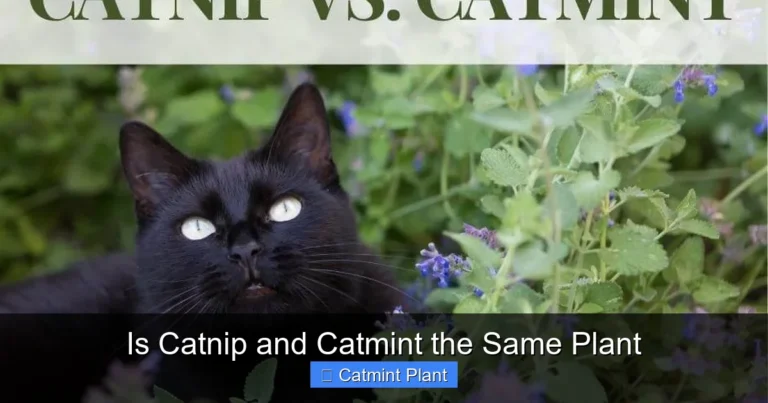
Catmint Plant Rhs
Catmint plant rhs is a hardy perennial that offers aromatic foliage and lavender‑blue flowers from early summer to fall. It thrives in full sun, tolerates drought, and attracts pollinators, making it a low‑maintenance favorite for borders and containers.
Catmint plant rhs is a garden staple that many growers trust. It brings color, scent, and wildlife to any space. This guide walks you through everything you need to know.
We will cover what catmint plant rhs is, why gardeners love it, how to pick the right variety, planting and care steps, pruning and propagation, common problems, and design ideas. By the end you will feel ready to add this plant to your yard.
Key Takeaways
- Easy to grow: Catmint plant rhs adapts to many soils and needs little fuss.
- Drought tolerant: Once established it survives dry spells with minimal water.
- Pollinator magnet: Bees and butterflies love the nectar‑rich blooms.
- Long bloom season: Flowers appear from June through October.
- Versatile design: Works well in borders, rock gardens, and containers.
- Low maintenance: Requires only occasional pruning and deadheading.
Quick Answers to Common Questions
What sunlight does catmint plant rhs need?
Catmint plant rhs thrives in full sun with at least six hours of direct light daily.
How often should I water catmint plant rhs?
Water new plants twice a week for the first month, then only during extended dry periods.
When is the best time to prune catmint plant rhs?
Prune in early spring before new growth starts and deadhead after the first bloom.
Can catmint plant rhs grow in containers?
Yes, use a well‑draining pot and a sunny location for successful container growth.
Is catmint plant rhs deer resistant?
The strong mint scent deters deer and rabbits, making it a good choice for wildlife prone areas.
📑 Table of Contents
- What Is Catmint Plant RHS?
- Why Gardeners Love Catmint Plant RHS
- Choosing the Right Variety of Catmint Plant RHS
- Planting and Care Guidelines for Catmint Plant RHS
- Pruning, Propagation, and Seasonal Maintenance of Catmint Plant RHS
- Common Pests, Diseases, and Troubleshooting for Catmint Plant RHS
- Design Ideas: Using Catmint Plant RHS in Borders and Containers
- Conclusion
What Is Catmint Plant RHS?
Botanical background
Catmint plant rhs belongs to the genus Nepeta. It is a herbaceous perennial native to Europe and Asia. The plant forms a mound of gray‑green leaves. In summer it sends up spikes of small tubular flowers. The flowers are usually lavender‑blue but some cultivars show pink or white.
Growth habit
Catmint plant rhs grows 30 to 60 centimeters tall. It spreads 45 to 60 centimeters wide. The stems are square and slightly woody at the base. The foliage releases a minty aroma when brushed. This scent deters many pests.
Hardiness
Catmint plant rhs is hardy in USDA zones 3 to 8. It tolerates cold winters and hot summers. In colder zones the top growth dies back but the crown survives. In warm zones it may stay evergreen.
Why Gardeners Love Catmint Plant RHS
Continuous color
Catmint plant rhs blooms for months. The first flush appears in early June. A second flush often follows in late summer. Deadheading encourages more flowers. The long display keeps beds lively.

Visual guide about Catmint Plant Rhs
Image source: apps.rhs.org.uk
Wildlife appeal
Bees, butterflies, and hoverflies visit the nectar rich blooms. The plant also provides shelter for beneficial insects. Adding catmint plant rhs supports a healthy garden ecosystem.
Low water needs
Once established catmint plant rhs thrives on rainfall alone. Deep roots tap moisture far below the surface. This makes it a smart choice for xeriscape gardens.
Deer and rabbit resistance
The strong mint scent repels browsing animals. Deer and rabbits usually avoid catmint plant rhs. This reduces the need for fencing or repellents.
Choosing the Right Variety of Catmint Plant RHS
Popular cultivars
‘Walker’s Low’ is a compact form reaching 30 centimeters. ‘Six Hills Giant’ grows taller, up to 60 centimeters, with larger flower spikes. ‘Blue Wonder’ offers intense blue blooms. ‘Pink Cat’ adds a soft pink hue.
Size considerations
Match the mature size to your space. Small borders benefit from dwarf types. Larger beds can accommodate the giant varieties. Check the label for height and spread.
Flower color preference
Choose a color that complements nearby plants. Blue varieties pair well with yellow rudbeckia. Pink types look sweet beside white shasta daisies. Mix colors for a cottage garden feel.
Fragrance intensity
All catmint plant rhs release a minty scent. Some cultivars are stronger. If you want a subtle aroma, pick a milder variety. Strong scent works well near pathways where visitors brush the foliage.
Planting and Care Guidelines for Catmint Plant RHS
Site selection
Pick a spot with full sun. At least six hours of direct light yields the best bloom. Light shade is tolerated but reduces flower count. Ensure good air flow to prevent fungal issues.
Soil preparation
Catmint plant rhs prefers well‑drained soil. Sandy loam or gritty loam works best. Amend heavy clay with compost and coarse sand. A slightly alkaline pH around 7.0 is ideal.
Planting steps
Dig a hole twice as wide as the root ball. Place the plant so the crown sits level with the soil surface. Backfill with amended soil. Firm gently and water thoroughly.
Watering routine
Water new plants twice a week for the first month. After establishment water only during prolonged dry spells. Overwatering leads to root rot.
Fertilizing
Apply a balanced slow‑release fertilizer in early spring. One application per year is enough. Excess nitrogen encourages leafy growth at the expense of flowers.
Mulching
Spread a 5 centimeter layer of organic mulch around the base. Keep mulch away from the crown. Mulch conserves moisture and suppresses weeds.
Pruning, Propagation, and Seasonal Maintenance of Catmint Plant RHS
Deadheading
Snip spent flower spikes just above a leaf node. This encourages a second bloom. Do it after the first flush fades in midsummer.
Shearing
In early spring cut the whole plant back to 10 centimeters. This removes winter damage and promotes fresh growth. Use clean sharp shears.
Division
Every three to four years divide clumps in early spring. Dig up the root ball. Separate into sections with healthy roots and shoots. Replant immediately.
Stem cuttings
Take 10 centimeter cuttings in late spring. Remove lower leaves. Dip in rooting hormone. Place in a moist sand‑perlite mix. Keep humid until roots form.
Winter care
In cold zones cut back foliage after the first hard frost. Apply a light mulch over the crown. In mild zones leave the plant standing for winter interest.
Common Pests, Diseases, and Troubleshooting for Catmint Plant RHS
Powdery mildew
White powdery spots appear on leaves in humid weather. Improve air circulation. Avoid overhead watering. Apply a sulfur based fungicide if needed.
Root rot
Wilting despite moist soil signals root rot. Check drainage. Reduce watering. Replant in a raised bed if soil stays soggy.
Aphids
Small green insects cluster on new growth. Spray with a strong jet of water. Use insecticidal soap for heavy infestations.
Spider mites
Fine webbing and stippled leaves indicate mites. Increase humidity. Spray with neem oil weekly until controlled.
Leaf spot
Brown spots with yellow halos appear in wet conditions. Remove affected leaves. Apply copper fungicide as a preventive.
Design Ideas: Using Catmint Plant RHS in Borders and Containers
Border planting
Plant catmint plant rhs in drifts of three to five for a soft cloud effect. Pair with ornamental grasses like miscanthus. The contrast of fine foliage and airy plumes adds movement.
Rock garden
Tuck dwarf varieties among stones. The low mound hugs the rocks. Flowers spill over edges creating a natural look.
Container combos
Use a 30 centimeter pot with good drainage. Combine catmint plant rhs with trailing petunias and upright salvia. The mix provides height, filler, and spiller.
Pollinator pathway
Line a garden path with catmint plant rhs on both sides. The scent greets visitors. Bees follow the corridor from flower to flower.
Edging
Plant a single row along a bed edge. The uniform height defines the border. Shear annually to keep a crisp line.
Conclusion
Catmint plant rhs offers beauty, fragrance, and wildlife value with minimal effort. Choose a cultivar that fits your space. Plant in sun, give well‑drained soil, and water wisely. Prune once a year and divide every few years. Watch for mildew and pests, but most problems are easy to fix. Use the design ideas to weave catmint plant rhs into borders, rock gardens, or pots. With these steps your garden will enjoy months of color and buzzing life. Happy planting.
Frequently Asked Questions
What soil type is best for catmint plant rhs?
Well‑drained sandy loam or gritty loam with a slightly alkaline pH around 7.0 works best for catmint plant rhs.
How do I propagate catmint plant rhs?
Divide mature clumps in early spring or take 10 centimeter stem cuttings in late spring and root them in a moist sand‑perlite mix.
Does catmint plant rhs attract bees?
Yes, the nectar‑rich flowers draw bees, butterflies, and other pollinators throughout the blooming season.
What are common diseases of catmint plant rhs?
Powdery mildew, root rot, and leaf spot are the most frequent issues, usually caused by excess moisture or poor air flow.
How tall does catmint plant rhs get?
Most varieties reach 30 to 60 centimeters tall, with dwarf types staying near 30 centimeters and giants up to 60 centimeters.
Can catmint plant rhs survive winter in zone 3?
Yes, catmint plant rhs is hardy to USDA zone 3; the crown survives freezing temperatures and regrows in spring.